How we built this comparison
This page combines traveler discussion patterns, published price ranges, flight schedules, and seasonal data to help you decide between Germany and Slovakia.
- Reviewed 100+ Reddit threads from r/travel, r/solotravel, r/Germany, r/Slovakia, and r/backpacking.
- Verified costs and logistics against current booking platforms like Booking.com, Skyscanner, and Deutsche Bahn.
- Cross-referenced seasonal patterns and weather data for optimal travel times.
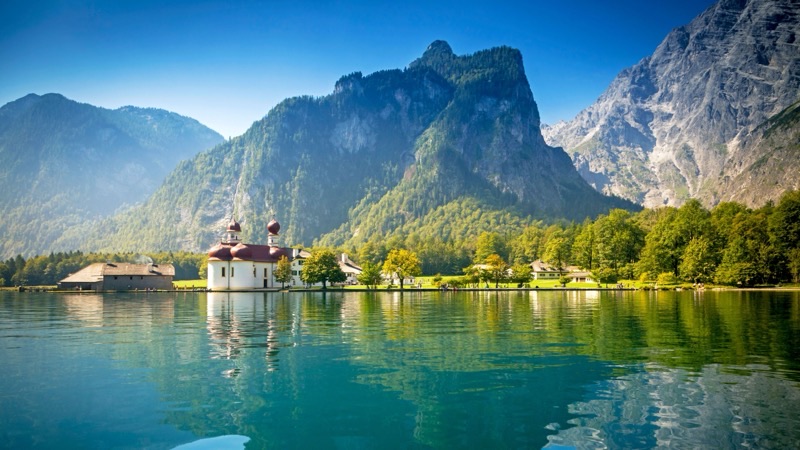
⚡ The TL;DR Verdict
For most travelers prioritizing convenience, varied city experiences, and a robust infrastructure, Germany is the stronger pick. If you are a budget-conscious traveler seeking outdoor activities and a less-trodden path, Slovakia delivers greater value. Expect to spend $120-200+ daily in Germany versus $60-100+ in Slovakia.
- Choose Germany: You want efficient travel, a wide selection of museums, historical sites, and world-renowned nightlife, and do not mind a higher daily budget.
- Choose Slovakia: You prioritize outdoor activities like hiking in the High Tatras, seek a lower daily cost, and prefer a quieter travel experience with fewer crowds.
- Choose Both: If you have 2-3 weeks, combine a major German city like Munich with a road trip through Slovakia, leveraging good rail connections or a short flight between major hubs like Vienna and Bratislava.
Choose Germany
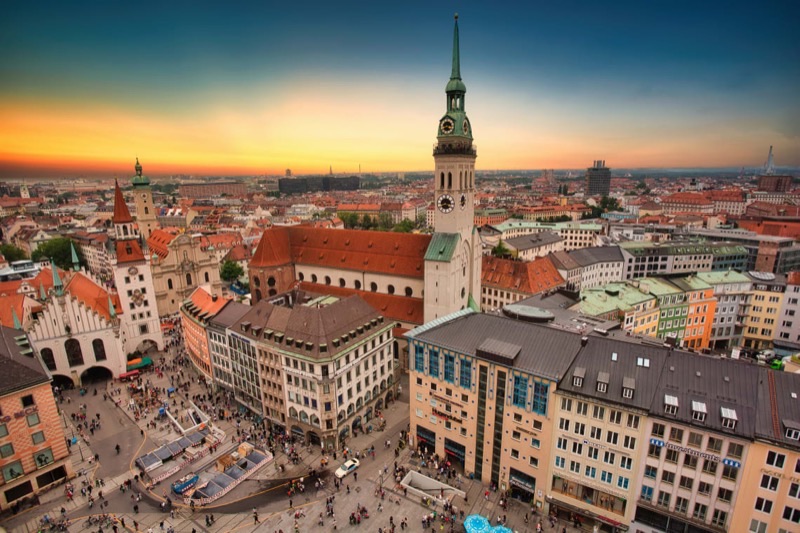
Germany is ideal for travelers seeking a seamless blend of vibrant city life, rich history, and world-class cultural experiences. Explore Berlin's iconic Brandenburg Gate and dynamic nightlife, or immerse yourself in Bavarian traditions during Oktoberfest in Munich. It's best for those prioritizing efficient travel, diverse attractions, and a higher budget for a premium European adventure.
Choose Slovakia
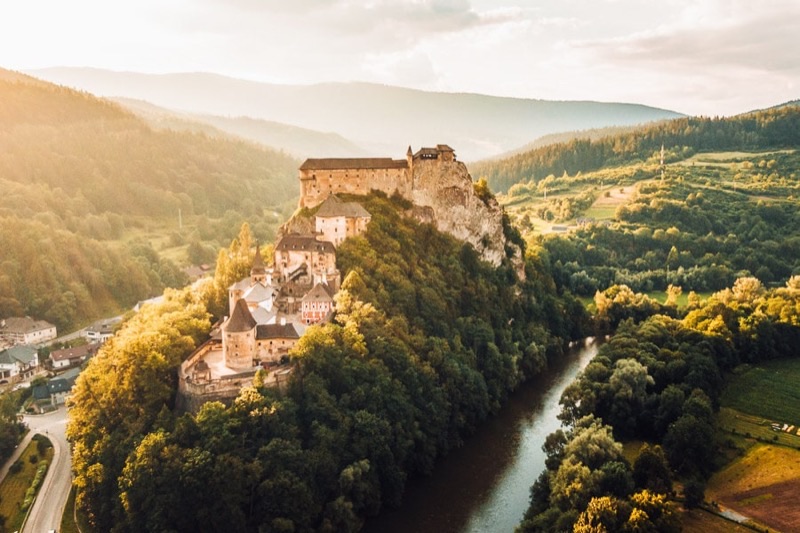
Slovakia is the perfect choice for budget-conscious adventurers eager to explore stunning natural landscapes and charming historical towns. Hike the breathtaking trails of the High Tatras, discover medieval castles like Spiš, or wander Bratislava's quaint Old Town without the major crowds. This destination is best for travelers prioritizing outdoor activities, authentic culture, and significantly lower daily costs.
Quick Comparison
| Category | Germany | Slovakia | Winner |
|---|---|---|---|
| Costs & Budget | Higher daily costs for accommodation, food, and transport, but a wide range of options exist. | Significantly more affordable across all categories, offering excellent value for money. | Slovakia |
| Getting There | Major international hubs with direct flights from across the globe. | Smaller airports, often requiring connecting flights or overland travel from nearby major hubs. | Germany |
| Getting Around | Efficient and extensive train network (Deutsche Bahn), good public transport in cities, but can be expensive. | Good intercity bus and train network, generally more affordable but slower. | Germany |
| Culture & History | Major historical sites, world-class museums, and diverse regional traditions. | Rich folk traditions, medieval castles, and a complex 20th-century history. | Germany |
| Food & Drink | Hearty regional dishes, world-renowned beer culture, and diverse international cuisine. | Traditional Central European fare, strong dairy and potato focus, good local wines and beer. | Germany |
| Nature & Outdoors | Bavarian Alps, Black Forest, national parks, and extensive cycling paths. | High Tatras mountains for hiking and skiing, Slovak Paradise for gorges, numerous caves. | Slovakia |
| Nightlife & Entertainment | Global nightlife hub (Berlin), diverse club and bar scenes in major cities, beer gardens. | Lively bar scene in Bratislava, smaller city options, more focused on pubs and local venues. | Germany |
| Accommodation | Wide range from luxury to budget hostels, reliable quality, generally higher prices. | Good value hostels, guesthouses, and hotels, often more characterful, very affordable. | Slovakia |
| Safety | Generally very safe, low crime rates, efficient emergency services. | Very safe, low crime, friendly locals, some petty theft in tourist areas. | Tie |
| Solo Travel | Easy to navigate, extensive hostel networks, good English spoken, many organized tours. | Affordable, friendly locals, great for outdoor adventures, less English spoken outside cities. | Germany |
💰 Costs & Budget
Germany typically requires a higher budget. Expect to pay EUR 30-50 (USD 32-54) for a hostel bed in cities like Berlin or Munich, and EUR 80-150 (USD 86-162) for a mid-range…
Germany
Slovakia
Germany typically requires a higher budget. Expect to pay EUR 30-50 (USD 32-54) for a hostel bed in cities like Berlin or Munich, and EUR 80-150 (USD 86-162) for a mid-range hotel. A casual meal at an Imbiss or a simple restaurant might cost EUR 8-15 (USD 9-16), while a sit-down dinner runs EUR 20-35 (USD 22-38). Public transport day passes in major cities are around EUR 8-10 (USD 9-11). For a comfortable trip, budget at least EUR 100-180 (USD 108-195) per person per day, excluding major attractions or long-distance travel. Alcohol is moderately priced, with a beer costing EUR 4-6 (USD 4.30-6.50) in a bar.
Slovakia is considerably more budget-friendly. A hostel bed in Bratislava or Poprad can be found for EUR 15-25 (USD 16-27), and mid-range hotels for EUR 50-80 (USD 54-86). Traditional meals like Bryndzove Halusky often cost EUR 6-10 (USD 6.50-11) at a local restaurant, and even a nicer dinner rarely exceeds EUR 15-25 (USD 16-27). Public transport tickets are around EUR 0.70-1.20 (USD 0.75-1.30) for a single ride. A daily budget of EUR 50-90 (USD 54-97) allows for comfortable travel, especially outside Bratislava. Beer is cheap, typically EUR 2-4 (USD 2.15-4.30) for a pint. Slovakia wins hands down for travelers watching their spending.
- Winner: Slovakia
- Why: Slovakia offers significantly lower prices for accommodation, food, and activities, making it a better option for budget-conscious travelers.
- Who this matters for: Budget travelers, backpackers, and anyone trying to maximize their trip duration for less money.
✈️ Getting There
Germany boasts several major international airports, including Frankfurt FRA, Munich MUC, and Berlin BER, which serve as direct gateways from North America, Asia, and other…
Germany
Slovakia
Germany boasts several major international airports, including Frankfurt FRA, Munich MUC, and Berlin BER, which serve as direct gateways from North America, Asia, and other continents. A direct flight from New York JFK to Frankfurt takes approximately 7-8 hours, with prices ranging from USD 600-1000 round trip, depending on the season. From London, flights to various German cities are frequent and cheap, often under EUR 100 (USD 108) round trip. The extensive rail network also makes Germany highly accessible from neighboring European countries, with high-speed ICE trains connecting seamlessly.
Slovakia has two main international airports: Bratislava BTS and Košice KSC. Bratislava is well-connected to European cities by low-cost carriers like Ryanair, but direct intercontinental flights are rare. Travelers from outside Europe often fly into Vienna VIE, Budapest BUD, or Prague PRG, then take a bus or train to Bratislava (e.g., Vienna Airport to Bratislava takes about 1 hour by bus, costing EUR 7-10 / USD 7.50-11). Flight times from London to Bratislava are around 2 hours, costing EUR 50-150 (USD 54-162) round trip. While not as direct, access to Slovakia is convenient via its neighbors. Germany is the clear winner for ease of international arrival.
- Winner: Germany
- Why: Germany has more direct international flight connections and larger, more frequent air and rail hubs, simplifying arrival for most global travelers.
- Who this matters for: International travelers, those with limited time, and travelers seeking maximum convenience in their arrival logistics.
🚆 Getting Around
Germany's transportation infrastructure is renowned for its efficiency. Deutsche Bahn (DB) operates a comprehensive rail network, including high-speed ICE trains that connect…
Germany
Slovakia
Germany's transportation infrastructure is renowned for its efficiency. Deutsche Bahn (DB) operates a comprehensive rail network, including high-speed ICE trains that connect major cities like Berlin, Munich, and Hamburg swiftly. A train ticket from Berlin to Munich can cost EUR 50-150 (USD 54-162) depending on booking time and class, covering about 600 km in 4-6 hours. City public transport systems in places like Berlin and Munich are excellent, offering U-Bahn, S-Bahn, trams, and buses, with day passes around EUR 8-10 (USD 9-11). While efficient, long-distance train travel can be pricey if not booked in advance, but regional passes and discounted tickets are sometimes available.
Slovakia relies on a combination of trains and buses for intercity travel. The state railway operator, ZSSK, connects major towns, and bus companies like Slovak Lines provide extensive coverage, especially to smaller localities. A train ticket from Bratislava to Poprad (for the High Tatras) costs around EUR 15-25 (USD 16-27) for a 4-5 hour journey. City public transport in Bratislava is effective and very cheap, with single tickets around EUR 0.70-1.20 (USD 0.75-1.30). While not as fast or luxurious as Germany's network, it is dependable and significantly more affordable. For overall speed, comfort, and breadth of network, Germany has the edge.
- Winner: Germany
- Why: Germany's high-speed rail network and highly efficient urban public transport provide faster, more comfortable, and more extensive travel options.
- Who this matters for: Travelers prioritizing speed, comfort, and direct connections between a wide range of destinations.
🏛️ Culture & History
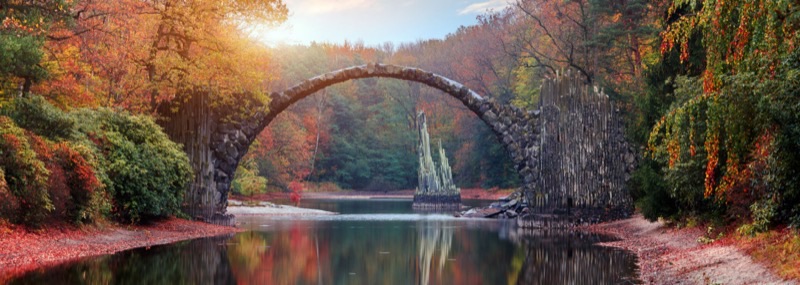
Germany offers an incredibly broad spectrum of cultural and historical experiences. Berlin alone holds numerous museums on Museum Island, including the Pergamon Museum and the…
Germany
Slovakia
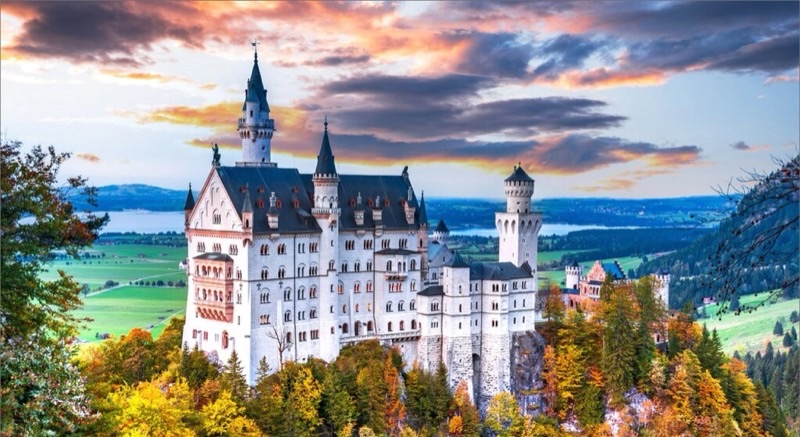
Germany offers an incredibly broad spectrum of cultural and historical experiences. Berlin alone holds numerous museums on Museum Island, including the Pergamon Museum and the Neues Museum, alongside significant historical sites like the Brandenburg Gate and the Berlin Wall Memorial. Munich showcases Bavarian culture with its Hofbrauhaus and Deutsches Museum. Germany's history spans from Roman times through the Holy Roman Empire, industrialization, and the profound impact of the two World Wars and the Cold War, all documented in extensive memorials and exhibitions like the Documentation Center at the former Nazi Party Rally Grounds in Nuremberg. Its cultural depth is immense, offering something from high art to engineering history.
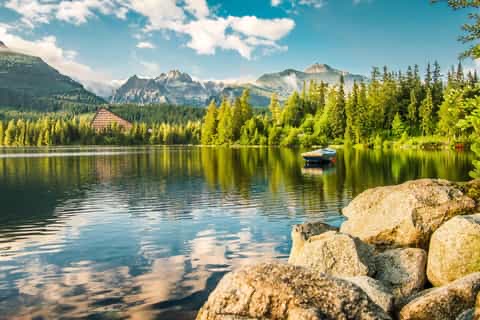
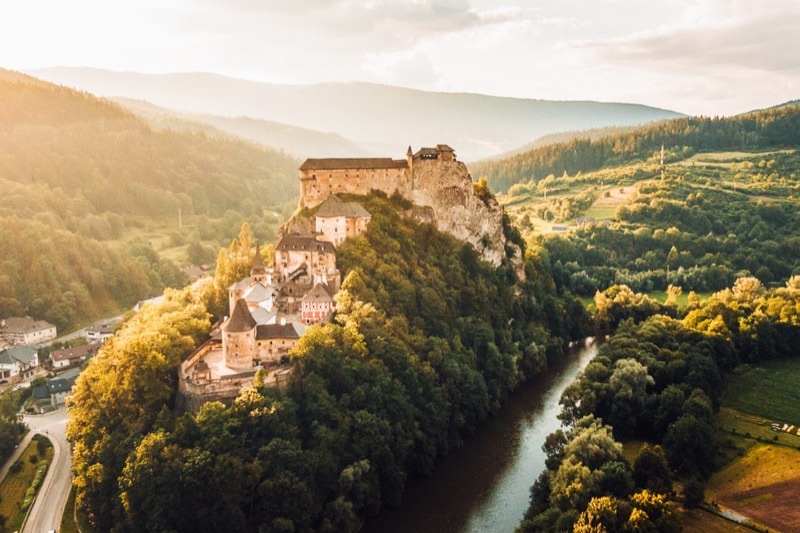
Slovakia presents a distinct cultural narrative, heavily influenced by its Slavic roots, Hungarian rule, and recent Soviet-era history. Bratislava features Bratislava Castle and St. Martins Cathedral, while smaller towns like Bardejov boast medieval town squares. Spis Castle, a UNESCO site, is one of Central Europes largest castle complexes. Folk traditions are strong, particularly in rural areas, with music, dance, and craft. The countrys 20th-century history, including its time as part of Czechoslovakia and the Velvet Revolution, offers a different perspective on European political changes. While Slovakia has significant historical assets, Germanys sheer volume and global impact of its history and cultural institutions provide a more expansive learning experience.
- Winner: Germany
- Why: Germany offers a broader range of globally significant historical sites, more extensive museum collections, and a wider variety of cultural expressions.
- Who this matters for: History buffs, art enthusiasts, and those interested in diverse regional cultural experiences and major global historical events.
🍺 Food & Drink
German cuisine is hearty and regional, with specialties varying widely. In Bavaria, expect Weisswurst and pretzels; in Berlin, Currywurst and Doner Kebab. Southern Germany is…
Germany
Slovakia
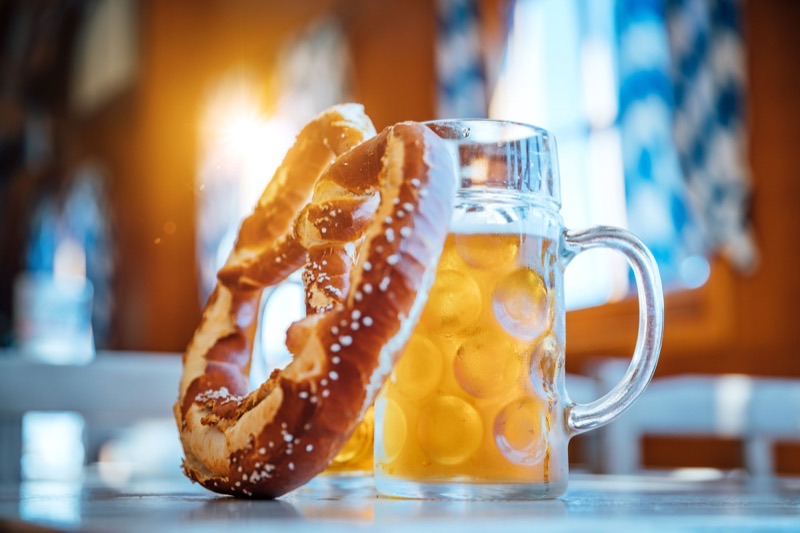
German cuisine is hearty and regional, with specialties varying widely. In Bavaria, expect Weisswurst and pretzels; in Berlin, Currywurst and Doner Kebab. Southern Germany is known for its pork dishes like Schweinshaxe (pork knuckle) and Spatzle (egg noodles). Beer culture is central, with countless breweries producing distinct styles; a typical half-liter costs EUR 4-6 (USD 4.30-6.50) in a bar. Major cities also offer extensive international dining options, from Michelin-starred restaurants to cheap street food. Christmas markets offer seasonal treats like Gluhwein and Lebkuchen. The variety and quality, especially of beer, are high.
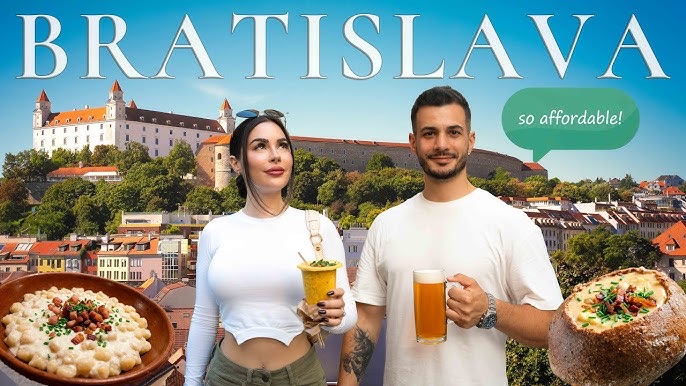
Slovak cuisine is characterized by its use of potatoes, cheese, and meat. Bryndzove Halusky (potato dumplings with sheep cheese and bacon) is the national dish, costing around EUR 7-10 (USD 7.50-11). Other staples include Goulash, Schnitzel, and various soups. Slovak beer is good and very affordable, typically EUR 2-4 (USD 2.15-4.30) for a pint. The country also produces decent local wines, particularly from the Small Carpathian region. While the food is comforting and authentic, it can be less diverse than German offerings, and vegetarian options are sometimes limited outside Bratislava. For overall culinary variety and reputation, Germany holds a slight edge.
- Winner: Germany
- Why: Germany offers a wider variety of traditional regional dishes, a more globally recognized beer culture, and a broader array of international dining options.
- Who this matters for: Foodies, beer enthusiasts, and travelers who enjoy diverse culinary experiences beyond traditional local fare.
⛰️ Nature & Outdoors
Germany offers diverse natural landscapes, from the rugged peaks of the Bavarian Alps (Zugspitze is the highest point) to the dense forests of the Black Forest and the coastal…
Germany offers diverse natural landscapes, from the rugged peaks of the Bavarian Alps (Zugspitze is the highest point) to the dense forests of the Black Forest and the coastal regions of the North and Baltic Seas. National parks like Saxon Switzerland provide dramatic rock formations for climbing and hiking. Extensive cycling networks crisscross the country, particularly along rivers like the Rhine and Danube. While beautiful, many of these areas can be crowded, especially during peak season, and access often feels more developed and less wild. The infrastructure for outdoor activities is well-maintained and accessible, but sometimes lacks a raw, untouched feel.
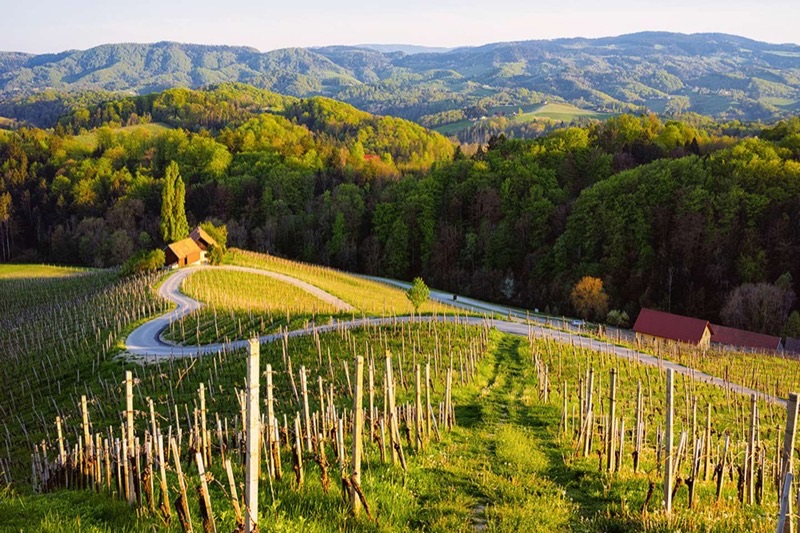
Slovakia is a paradise for outdoor enthusiasts, often feeling more untamed and less developed. The High Tatras mountains are the crown jewel, offering challenging hiking trails (e.g., to Rysy peak, requiring a good fitness level) and excellent skiing in winter (e.g., Jasna Ski Resort). The Slovak Paradise National Park features unique ladder-and-chain trails through deep gorges and waterfalls (e.g., Sucha Bela Gorge). The country also boasts numerous caves, including the Ochtinska Aragonite Cave. These areas are generally less crowded than similar German counterparts, providing a more immersive nature experience. While infrastructure is present, it is often simpler and more integrated into the natural environment. Slovakia wins for raw, accessible mountain adventure.
- Winner: Slovakia
- Why: Slovakia offers more dramatic and wild mountain landscapes, with unique hiking experiences and fewer crowds, making it a stronger choice for raw outdoor adventure.
- Who this matters for: Hikers, climbers, skiers, and travelers seeking untouched natural beauty and active outdoor pursuits.
🌃 Nightlife & Entertainment
Germany, particularly Berlin, is a world-renowned destination for nightlife. Berlins club scene is legendary, with venues like Berghain and Sisyphos attracting international DJs…
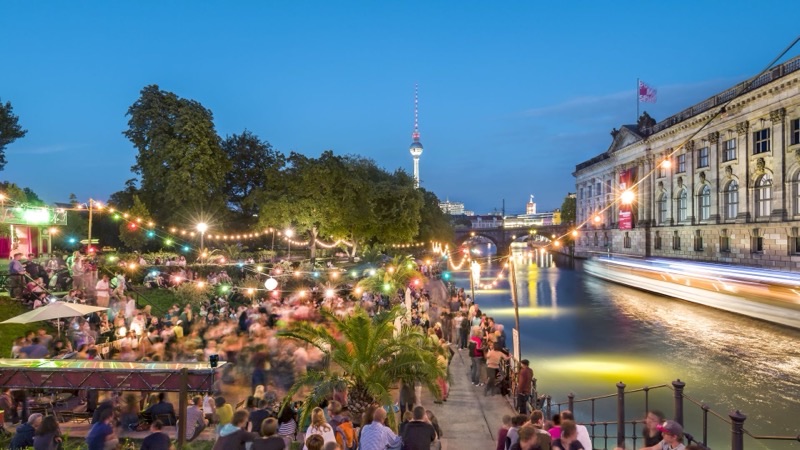
Germany, particularly Berlin, is a world-renowned destination for nightlife. Berlins club scene is legendary, with venues like Berghain and Sisyphos attracting international DJs and techno fans. Clubs often stay open all weekend, offering a unique, immersive experience. Munich is famous for its beer gardens and traditional pubs, especially during Oktoberfest. Cologne and Hamburg also have vibrant bar and club districts, catering to a range of tastes. From high-energy dance floors to cozy pubs, Germany offers a breadth of entertainment options that few other countries can match. Prices for drinks vary, but a cocktail might cost EUR 10-15 (USD 11-16).
Bratislava has a surprisingly lively nightlife for its size, with numerous bars, pubs, and a few clubs concentrated in the Old Town. Clubs like Subclub (located in a former bunker) offer techno and electronic music. Beer is cheap, and many places offer local craft brews. Košice also has a respectable student-driven bar scene. However, outside these two cities, nightlife is much more subdued, typically limited to local pubs. While Bratislava can be fun for a weekend, it cannot compete with the scale, diversity, and international reputation of Germanys major cities. Germany is the undisputed champion for nightlife.
- Winner: Germany
- Why: Germany, especially Berlin, offers a globally recognized, diverse, and extensive nightlife scene that caters to a wider range of preferences and boasts iconic venues.
- Who this matters for: Party-goers, club enthusiasts, and anyone looking for extensive late-night entertainment options.
🛌 Accommodation
Accommodation in Germany is plentiful and varied, but generally more expensive. Hostels in major cities like Berlin or Munich average EUR 30-50 (USD 32-54) for a dorm bed.…
Accommodation in Germany is plentiful and varied, but generally more expensive. Hostels in major cities like Berlin or Munich average EUR 30-50 (USD 32-54) for a dorm bed. Mid-range hotels typically start from EUR 80-150 (USD 86-162), and luxury options can easily exceed EUR 200 (USD 215). Quality and cleanliness are consistently high across all price points. Airbnb and guesthouses are also popular, offering alternatives, but prices remain comparatively elevated. Booking in advance is recommended, especially for popular periods like Oktoberfest or Christmas markets, where prices can skyrocket.
Slovakia offers excellent value for accommodation. Hostel dorm beds in Bratislava or Poprad are often EUR 15-25 (USD 16-27). Mid-range hotels and charming guesthouses can be found for EUR 50-80 (USD 54-86), providing comfortable stays without breaking the bank. Even boutique hotels in Bratislava rarely exceed EUR 100-120 (USD 108-130). In rural areas and the Tatras, you can find traditional chalets or family-run pensions for even less. The quality is generally good, and many places offer a personal touch. For travelers seeking comfortable, clean, and affordable lodging, Slovakia consistently delivers superior value.
- Winner: Slovakia
- Why: Slovakia provides significantly more affordable accommodation options across all categories, from hostels to hotels, offering better value for money.
- Who this matters for: Budget travelers, families, and anyone who wants comfortable lodging without spending a large portion of their travel budget.
🛡️ Safety
Germany is a very safe country to travel in, with low rates of violent crime. Major cities, like any urban area, have instances of petty theft, particularly pickpocketing in…
Germany is a very safe country to travel in, with low rates of violent crime. Major cities, like any urban area, have instances of petty theft, particularly pickpocketing in crowded tourist zones, train stations, and public transport. Awareness of surroundings and securing belongings is always advised. Emergency services are highly efficient and reliable. Walking alone at night in most city areas is generally not an issue, but standard precautions apply. Travelers should be aware of potential scams in tourist areas, but these are rare. The overall sense of security is high, reflecting a well-ordered society.
Slovakia is also an extremely safe country for travelers. Crime rates are low, and locals are generally friendly and helpful. As with Germany, the main concern for tourists is petty theft, especially in crowded areas of Bratislava Old Town or on public transport. Violent crime against tourists is very uncommon. Hiking in the High Tatras requires appropriate gear and awareness of weather conditions, but well-marked trails make it accessible. Emergency services are responsive. Both countries provide a safe environment for visitors, with similar precautions recommended in urban centers. It is a tie, as both offer a high degree of personal security.
- Winner: Tie
- Why: Both Germany and Slovakia maintain high safety standards with low crime rates, ensuring a secure environment for travelers with basic precautions.
- Who this matters for: Solo travelers, families, and anyone for whom personal security is a primary concern.
🚶♀️ Solo Travel
Germany is an excellent destination for solo travelers. Its efficient public transport system makes independent exploration straightforward, even without a car. English is widely…
Germany is an excellent destination for solo travelers. Its efficient public transport system makes independent exploration straightforward, even without a car. English is widely spoken in tourist areas and among younger generations, simplifying communication. The country has a well-developed hostel network, particularly in major cities, making it easy to meet other travelers. Organized tours (walking tours, pub crawls) are readily available in places like Berlin and Munich. Dining alone is common and comfortable. The overall infrastructure supports independent travel, from easy booking of train tickets to clear signage. Safety is also a major plus, as discussed previously.
Slovakia is also a good choice for solo travelers, especially those on a budget or seeking outdoor adventures. The low costs for accommodation and food mean solo travel is more affordable here. While English is spoken in Bratislava and tourist-heavy areas of the Tatras, it is less common in smaller towns, which might present minor communication challenges. The countrys natural beauty, particularly the hiking trails, is very accessible for solo exploration, though some remote trails are better tackled with a buddy. Meeting other travelers might be slightly less common than in Germany's major hostel hubs, but guesthouses and smaller hostels foster a community feel. Germany wins for its sheer ease of navigation and communication for a solo traveler.
- Winner: Germany
- Why: Germany offers superior ease of navigation, more widespread English communication, and a more robust infrastructure for meeting other travelers, making it simpler for solo exploration.
- Who this matters for: First-time solo travelers, those who prefer not to rent a car, and travelers prioritizing ease of communication.
🎯 The Decision Framework
Choose Germany If…
- You want highly efficient trains and public transport.
- You value world-class museums and historical sites.
- You seek globally recognized nightlife, especially techno clubs.
- You want reliable infrastructure and widespread English speakers.
- You enjoy hearty regional food and a deep-rooted beer culture.
- You plan to visit during major events like Oktoberfest or Christmas markets.
- You want direct international flight access to major hubs.
- You prefer a well-trodden path with extensive tourist amenities.
Choose Slovakia If…
- You are on a tight budget and want to maximize your travel days.
- You prioritize dramatic mountain hiking and outdoor activities.
- You prefer a less crowded, more authentic Central European experience.
- You enjoy traditional, rustic cuisine and affordable local beer.
- You are interested in medieval castles and folk traditions.
- You want to explore the Carpathian mountains and unique natural parks.
- You are comfortable with overland travel from neighboring countries.
- You appreciate a slower pace and more personal interactions.
❓ Frequently Asked Questions
What is a realistic daily budget for Germany versus Slovakia?
For Germany, a realistic daily budget for a mid-range traveler is EUR 100-180 (USD 108-195), covering a hostel or budget hotel, meals, public transport, and some attractions. Slovakia is significantly cheaper, with a similar comfort level costing EUR 50-90 (USD 54-97) per day. These estimates exclude intercity travel and major splurges.
Which country is better for hiking and nature?
Slovakia is generally better for hiking and raw nature experiences, particularly in the High Tatras mountains and Slovak Paradise National Park. These areas offer dramatic landscapes, fewer crowds, and a more rugged feel. Germany has the Bavarian Alps and Black Forest, but they tend to be more developed and can be more crowded.
Is English widely spoken in Germany and Slovakia?
In Germany, English is widely spoken in major cities, tourist areas, and among younger generations. You will generally have no issues communicating. In Slovakia, English is common in Bratislava and major tourist sites, but less so in smaller towns and rural areas. Basic Slovak phrases can be helpful outside the main hubs.
How do flight times compare from North America?
Direct flights from North America typically land in major German hubs like Frankfurt (FRA) or Munich (MUC), taking about 7-9 hours from the US East Coast. To reach Slovakia, you would usually fly into a major European hub like Vienna (VIE) or Prague (PRG) and then take a 1-2 hour bus or train to Bratislava, adding travel time.
Which country has better nightlife?
Germany has a more extensive and diverse nightlife scene, particularly in Berlin, which is famous for its world-class clubs and electronic music. Munich offers traditional beer gardens. Bratislava has a lively bar scene for its size, but it cannot compare to the scale and variety of Germany's major cities.
What are the food differences between Germany and Slovakia?
German food is hearty and regional, with diverse specialties like Currywurst, Schnitzel, and pretzels, alongside a strong beer culture. Slovak cuisine centers on comfort food like potato dumplings (Bryndzove Halusky), cheese, and meats, often feeling more rustic and traditional, with good local beer and wine options.
Is it easy to combine Germany and Slovakia in one trip?
Yes, it is feasible to combine both, especially if you focus on southern Germany (e.g., Bavaria) and western Slovakia. A short flight or train connects Munich to Vienna, from which Bratislava is an hour away by bus. For a good experience, allocate at least 2-3 weeks to enjoy both destinations without feeling rushed.
Which country is better for cultural experiences?
Germany offers a broader range of globally significant cultural and historical sites, from grand museums in Berlin to medieval castles and World War II memorials. Slovakia provides a distinct Central European cultural experience, focusing on folk traditions, medieval towns like Bardejov, and impressive castles like Spis Castle, but with less global impact.
Ready to plan your Central Europe trip?
Get a free custom itinerary for Germany, Slovakia, or both — built from real traveler insights.
🎟️ Book Tours & Experiences
Hand-picked tours and activities for both destinations — book with free cancellation
Experiences via Viator — free cancellation on most tours