How we built this comparison
This page combines traveler discussion patterns, published price ranges, flight schedules, and seasonal data to help you decide between Germany and Slovenia.
- Reviewed 50+ Reddit threads from r/travel, r/solotravel, r/Germany, r/Slovenia, and r/EuropeTravel.
- Verified costs and logistics against current booking platforms like Booking.com, Deutsche Bahn, and Google Flights.
- Cross-referenced seasonal patterns and weather data from official tourism boards and meteorological sources.
⚡ Quick Answers
⚡ The TL;DR Verdict
For most travelers seeking a well-rounded European experience with diverse cities and robust infrastructure, Germany is the stronger choice, typically requiring $100-200 USD per day. However, if your focus is on dramatic natural landscapes, outdoor activities, and a more budget-friendly approach, Slovenia, at $60-120 USD daily, offers a compelling alternative.
- Choose Germany: You want grand cities, extensive history, top-tier museums, efficient transport, and a wide range of accommodation and dining, even if it means a higher daily spend.
- Choose Slovenia: You prioritize outdoor adventures like hiking and kayaking, stunning alpine scenery, charming small towns, and a more relaxed pace at a significantly lower cost.
- Choose Both: If you have at least two weeks, start with Germany for cities and culture, then move to Slovenia for nature, especially if traveling between Munich and Ljubljana by road or train.
Choose Germany
Choose Germany if you crave grand European cities, unparalleled history, and world-class cultural institutions. It's best for urban explorers and history buffs who will appreciate efficient rail travel between destinations like Berlin's Museum Island or Munich's Hofbräuhaus. You'll find diverse experiences from ancient castles to cutting-edge art, even with a higher daily budget.
Choose Slovenia
Choose Slovenia for an immersive escape into dramatic natural beauty and thrilling outdoor adventures. It's best for nature enthusiasts and budget-conscious adventurers eager to hike in the Julian Alps, kayak on Lake Bled, or explore charming Ljubljana's riverside. Expect a more relaxed pace and stunning alpine scenery, all at a significantly lower cost.
📊 Visual Scorecard
🌤 When to Visit
Average high temperatures (°C). Green = best months, orange = avoid.
Quick Comparison
| Category | Germany | Slovenia | Winner |
|---|---|---|---|
| Costs & Budget | Higher costs for accommodation, food, and transport, but transparent pricing. | Considerably more affordable across all categories, good value for money. | Slovenia |
| Nature & Outdoors | Diverse landscapes from mountains to coast, extensive national parks, well-maintained trails. | Concentrated, dramatic alpine and karst landscapes, excellent for active pursuits, smaller scale. | Slovenia |
| City Experience | Major global cities with extensive history, culture, and nightlife options. | Charming capital, smaller historic towns, more intimate and relaxed atmosphere. | Germany |
| Food & Drink | Hearty, traditional dishes, strong beer culture, diverse international cuisine in cities. | Central European influence, local wines, farm-to-table focus, excellent dairy products. | Germany |
| Culture & History | Millennia of history, significant museums, impactful 20th-century sites, grand castles. | Rich Slavic and Austro-Hungarian heritage, unique local traditions, Roman remnants, simpler scale. | Germany |
| Getting Around | Highly efficient and extensive public transport network, excellent roads. | Good public bus network, car rental recommended for rural exploration, smaller distances. | Germany |
| Accommodation | Wide range from luxury hotels to hostels, consistently high standards, generally higher prices. | Good value guesthouses, hostels, farm stays, diverse rural options, lower prices. | Slovenia |
| Safety | Generally very safe, low crime rates, public transport safe day and night. | Extremely safe, low crime, friendly locals, safe even in rural areas. | Slovenia |
| Family Travel | Excellent infrastructure, kid-friendly museums, theme parks, diverse activities, higher costs. | Outdoor focus, gentle activities, safe environment, nature parks, more budget-friendly. | Tie |
| Solo Travel | Easy to navigate, good hostel scene, social cities, but can be pricier for single rooms. | Extremely safe, friendly locals, easy to meet people in hostels, great for outdoor solo adventures. | Slovenia |
💸 Costs & Budget
Travel costs in Germany are typical for Western Europe. Expect to pay 60-100 EUR (65-110 USD) for a decent hostel or budget hotel room in a city like Berlin or Munich. A sit-down…
Germany
Slovenia
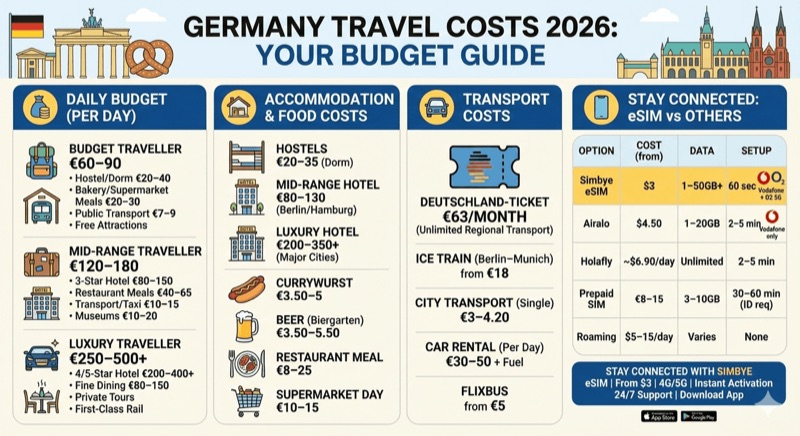
Travel costs in Germany are typical for Western Europe. Expect to pay 60-100 EUR (65-110 USD) for a decent hostel or budget hotel room in a city like Berlin or Munich. A sit-down meal at a mid-range restaurant costs 15-25 EUR (16-27 USD), while a street food currywurst is 4-6 EUR (4.50-6.50 USD). Public transport passes in major cities range from 8-10 EUR (9-11 USD) for a day ticket. Daily budget for independent travelers is often 100-200 USD, though careful budgeters can manage 80 USD.
Slovenia offers a significantly more budget-friendly experience. A hostel bed in Ljubljana or Bled can be found for 25-40 EUR (27-44 USD), and a private room in a guesthouse for 50-80 EUR (55-88 USD). A meal at a typical restaurant costs 10-18 EUR (11-20 USD), and local street food like burek is 3-5 EUR (3.50-5.50 USD). Bus tickets within Ljubljana cost 1.30 EUR (1.40 USD) per ride. A comfortable daily budget is 60-120 USD, with backpackers often managing under 50 USD if they self-cater. Tabiji verdict: Slovenia provides a far better experience for those prioritizing budget.
- Winner: Slovenia
- Why: Slovenia offers a considerably lower cost of living and travel, making it accessible for budget-conscious explorers.
- Who this matters for: Budget travelers, backpackers, and those wanting a longer trip for less money.
🏞️ Nature & Outdoors
Germany features varied natural settings, from the Bavarian Alps in the south to the Baltic and North Sea coasts. The Black Forest offers extensive hiking and biking trails, while…
Germany
Slovenia
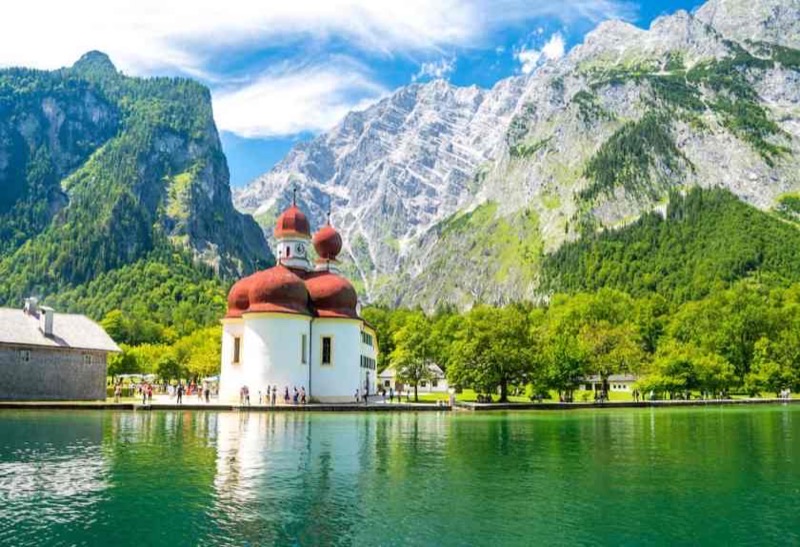
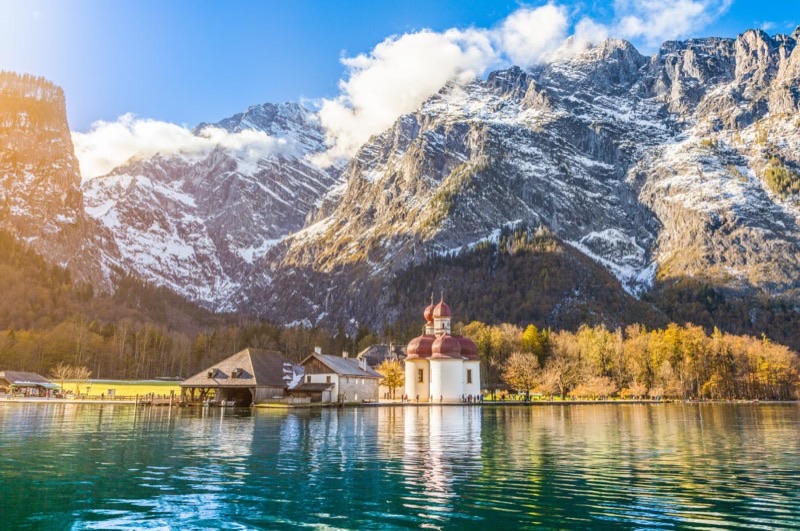
Germany features varied natural settings, from the Bavarian Alps in the south to the Baltic and North Sea coasts. The Black Forest offers extensive hiking and biking trails, while Saxon Switzerland National Park provides unique rock formations for climbing and trekking. The Rhine Valley presents scenic river cruises and vineyards. Lakes like Königssee in Bavaria are pristine. However, many areas require travel between them, and the scale is vast. Activities include hiking, cycling, and some water sports on lakes or coasts.
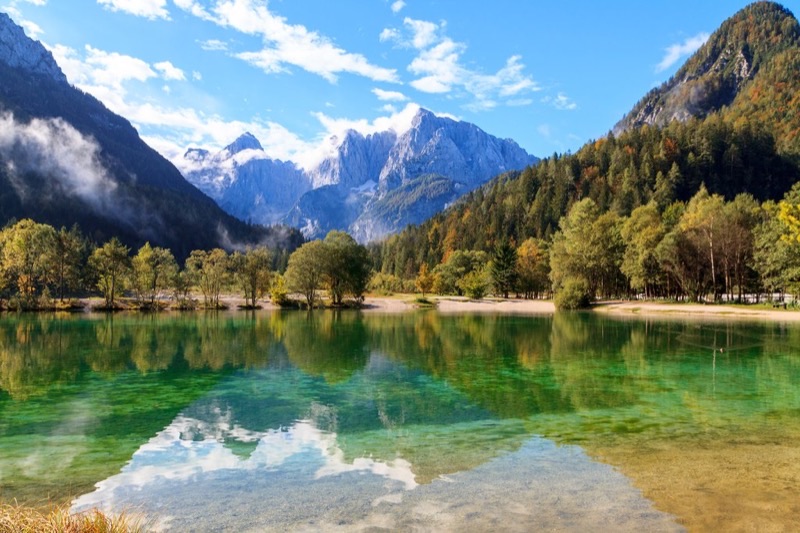
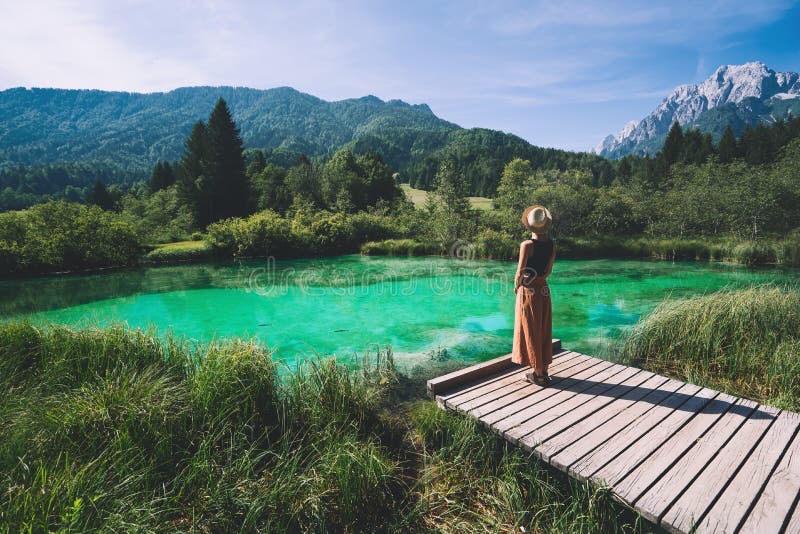
Slovenia is a paradise for outdoor enthusiasts, with a compact geography that packs incredible diversity. The Julian Alps, including Triglav National Park, offer world-class hiking, mountaineering, and white-water rafting on the Soča River. Lake Bled and Lake Bohinj provide opportunities for swimming, paddleboarding, and kayaking with mountain backdrops. The Škocjan Caves and Postojna Cave showcase impressive underground karst systems. The short Adriatic coastline around Piran allows for coastal walks and swimming. Nature is easily accessible from any point in the country. Tabiji verdict: Slovenia excels with its concentrated, accessible, and dramatic natural beauty.
- Winner: Slovenia
- Why: Slovenia offers a higher density of spectacular, accessible natural landscapes and adventure opportunities.
- Who this matters for: Hikers, climbers, kayakers, cyclists, and anyone seeking dramatic scenery for active pursuits.
🏙️ City Experience
Germany offers several world-class cities, each with its own distinct character. Berlin provides a gritty, artistic atmosphere with museums like Museum Island, historical sites…
Germany

Slovenia
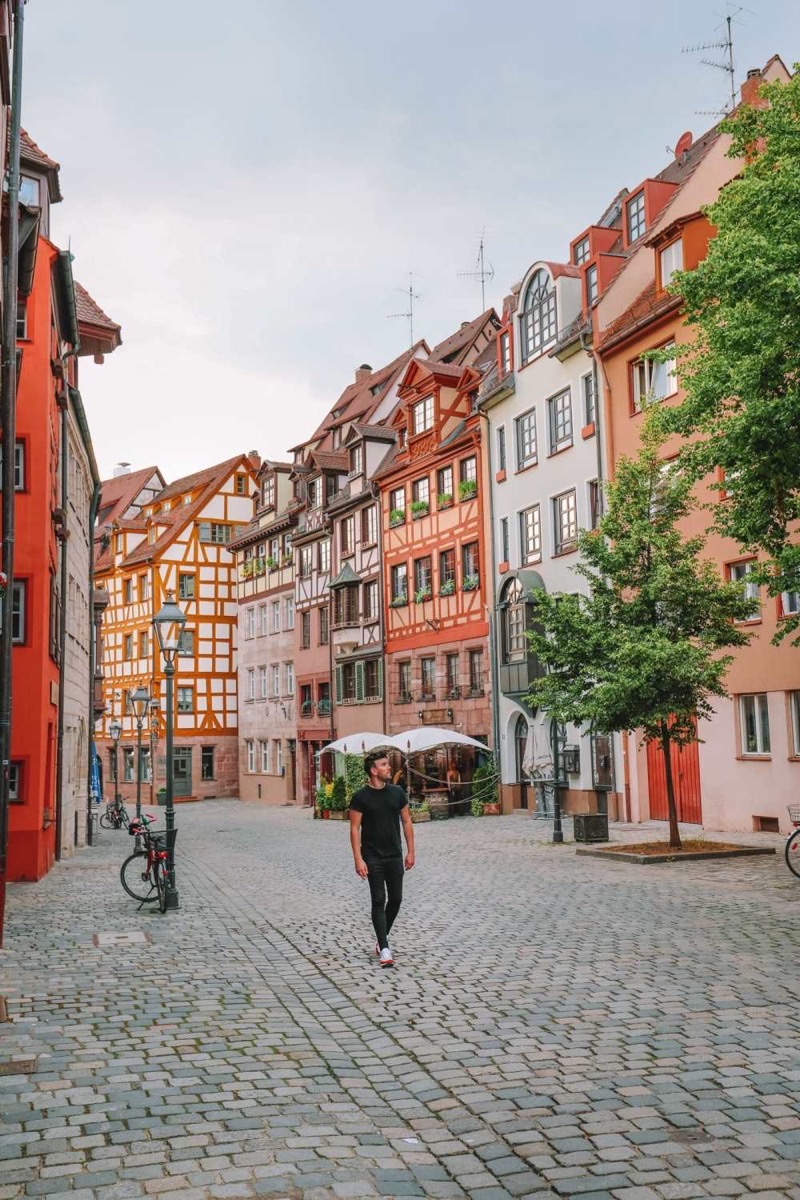
Germany offers several world-class cities, each with its own distinct character. Berlin provides a gritty, artistic atmosphere with museums like Museum Island, historical sites like the Brandenburg Gate and remnants of the Berlin Wall, and a diverse nightlife around areas like Kreuzberg. Munich offers Bavarian charm, beer gardens like Hofbräuhaus, and impressive architecture such as Marienplatz. Hamburg has a major port and a lively Reeperbahn area. These cities are large, offer vast shopping, dining, and cultural attractions, and cater to millions of visitors annually. Public transport is excellent and efficient in all major German cities.
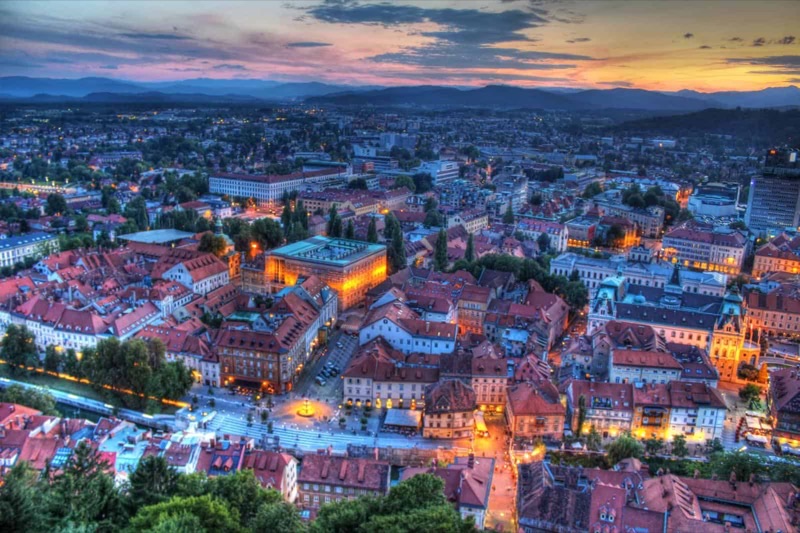
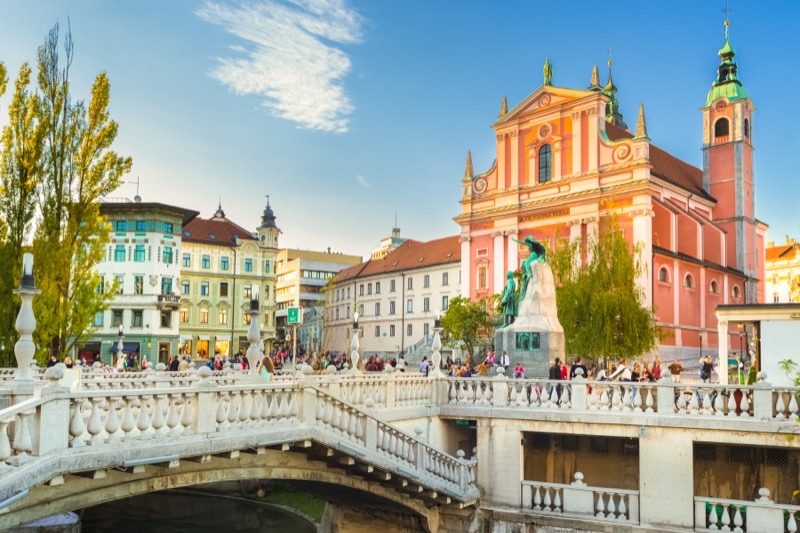
Slovenia presents a more modest but equally engaging urban experience. Ljubljana, the capital, is a green city with a pedestrianized old town, a castle, and riverfront cafes. Its size makes it very walkable and easy to navigate. Other towns like Piran on the coast offer a Venetian feel, while Maribor provides a laid-back atmosphere with wine regions nearby. These cities are smaller, more intimate, and generally less overwhelming than German metropolises. While they lack the sheer scale of attractions, they compensate with charm and ease of exploration. Tabiji verdict: Germany offers a broader and more diverse range of city experiences for different tastes.
- Winner: Germany
- Why: Germany provides a greater selection of large, diverse cities with extensive historical sites, cultural institutions, and entertainment.
- Who this matters for: Travelers prioritizing major urban exploration, comprehensive museums, and varied nightlife.
🍽️ Food & Drink
German cuisine is known for its hearty and satisfying dishes. Expect various sausages (Wurst) like Bratwurst and Currywurst, served with sauerkraut or potato salad. Schnitzel,…
Germany
Slovenia
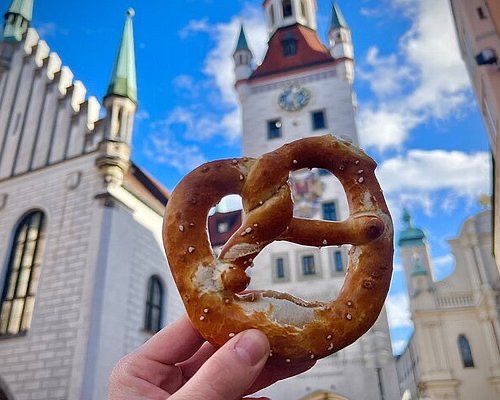
German cuisine is known for its hearty and satisfying dishes. Expect various sausages (Wurst) like Bratwurst and Currywurst, served with sauerkraut or potato salad. Schnitzel, Spätzle (egg noodles), and hearty bread are staples. Germany is also world-famous for its beer, with countless regional breweries and traditional beer halls like those in Munich. In major cities, the international food scene is expansive and high-quality, from Turkish kebabs to Vietnamese pho, especially in Berlin. Traditional bakeries offer pretzels and various cakes. Prices vary, with a good meal costing 15-25 EUR (16-27 USD) at a mid-range restaurant and a liter of beer around 4-6 EUR (4.50-6.50 USD).
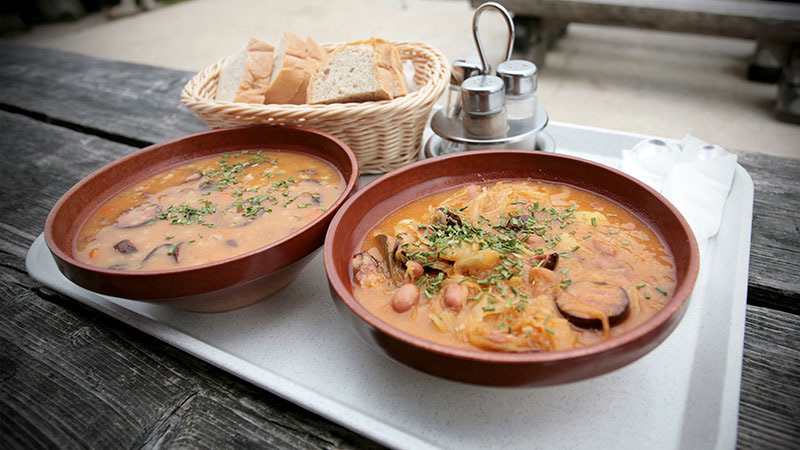
Slovenian food combines influences from Austrian, Italian, and Balkan cuisines. Common dishes include Carniolan sausage (Kranjska klobasa), štruklji (rolled dumplings), and hearty stews. Slovenian wines, particularly from the Primorska and Podravje regions, are excellent and less known globally. The country has a strong focus on local, seasonal ingredients, with many restaurants emphasizing farm-to-table concepts. Dairy products, honey, and local cheeses are prominent. While delicious, the culinary range is generally narrower than in Germany. A main course typically costs 10-18 EUR (11-20 USD), and a glass of local wine is 3-5 EUR (3.50-5.50 USD). Tabiji verdict: Germany offers a greater variety and international scope in its food and drink scene.
- Winner: Germany
- Why: Germany presents a wider and more globally recognized culinary landscape, along with a significant beer culture.
- Who this matters for: Foodies seeking diverse options, beer enthusiasts, and those wanting a familiar yet authentic dining experience.
🏛️ Culture & History
German history spans from the Holy Roman Empire through the Prussian Kingdom, two World Wars, and the Cold War division. This extensive past is visible in its architecture,…

Germany
Slovenia
German history spans from the Holy Roman Empire through the Prussian Kingdom, two World Wars, and the Cold War division. This extensive past is visible in its architecture, museums, and historical sites. Berlin offers Checkpoint Charlie, the Reichstag Building, and Museum Island, home to the Pergamon Museum and Neues Museum. Bavaria has fairy-tale castles like Neuschwanstein and Hohenschwangau. Cities like Nuremberg hold significance for their medieval roots and later 20th-century events. Germany invests heavily in preserving its heritage, making its historical sites and cultural institutions top-tier and well-presented. Entrance fees for major museums are typically 10-20 EUR (11-22 USD).
Slovenian culture and history are shaped by its position at the crossroads of Germanic, Slavic, and Mediterranean influences. Roman ruins are found in Ljubljana, while medieval castles like Predjama Castle and Ljubljana Castle offer insights into past eras. The country maintains strong folk traditions, particularly in music and crafts. Memorials related to its 20th-century struggles and independence are present. While its history is equally rich, the scale of its historical sites and museums is generally smaller and less globally prominent compared to Germany. Entrance fees for castles or museums are usually 5-15 EUR (5.50-16.50 USD). Tabiji verdict: Germany provides a more profound and extensive encounter with global historical significance and cultural institutions.
- Winner: Germany
- Why: Germany offers a more extensive collection of historical sites, world-renowned museums, and globally significant cultural narratives.
- Who this matters for: History buffs, museum enthusiasts, and those interested in major European and world historical events.
🚆 Getting Around
Germany boasts one of the most efficient public transport systems in Europe. Deutsche Bahn trains connect cities and towns seamlessly, with high-speed ICE trains making intercity…
Germany boasts one of the most efficient public transport systems in Europe. Deutsche Bahn trains connect cities and towns seamlessly, with high-speed ICE trains making intercity travel fast. Regional trains and an extensive bus network cover other areas. City public transport (U-Bahn, S-Bahn, trams, buses) is comprehensive and reliable. Driving on the Autobahn (highway) is also an option for speed, though traffic can be heavy around major cities. A train ticket from Berlin to Munich can cost 50-100+ EUR (55-110+ USD) depending on booking in advance. Local day tickets for public transport are around 8-10 EUR (9-11 USD).
Slovenia has a good public bus network that connects its main towns and cities, but train travel is less extensive and slower compared to Germany. For exploring the Julian Alps, caves, or more remote villages, renting a car is highly recommended. Distances within Slovenia are short, making driving practical. Ljubljana has a good local bus system. A bus ticket from Ljubljana to Bled costs around 7 EUR (7.50 USD). Car rental typically starts from 30-50 EUR (33-55 USD) per day. While effective for a smaller country, it does not match the sheer reach and efficiency of German public transport. Tabiji verdict: Germany takes the lead with its superior, extensive, and highly reliable transportation infrastructure.
- Winner: Germany
- Why: Germany offers a vastly more extensive and efficient public transportation network, especially for intercity travel.
- Who this matters for: Travelers relying on public transport, those wanting quick city-to-city connections, and those avoiding car rental.
🏨 Accommodation
Accommodation in Germany is plentiful and generally high-quality, but it comes at a higher price point. In major cities, a good hostel dorm bed can cost 30-50 EUR (33-55 USD),…
Accommodation in Germany is plentiful and generally high-quality, but it comes at a higher price point. In major cities, a good hostel dorm bed can cost 30-50 EUR (33-55 USD), while a mid-range hotel room often starts at 80-150 EUR (88-165 USD) per night. Luxury options are abundant. Rural areas offer guesthouses and Ferienwohnungen (holiday apartments). Booking in advance, especially during peak season or major festivals like Oktoberfest, is essential to secure reasonable prices. Standards are consistently high across all categories.
Slovenia provides excellent value for accommodation. Hostel beds are typically 20-40 EUR (22-44 USD) in Ljubljana or Bled. Mid-range guesthouses or small hotels can be found for 60-100 EUR (66-110 USD) per night. The country also offers unique farm stays (turistične kmetije), mountain huts for hikers, and charming apartments, particularly in the countryside. These options often provide a more authentic local experience at a fraction of the cost found in Germany. While luxury options exist, the strength of Slovenia is its affordable, quality, and often characterful mid-range and budget offerings. Tabiji verdict: Slovenia wins for providing better value and more unique local accommodation experiences at a lower price.
- Winner: Slovenia
- Why: Slovenia offers significantly more affordable and often charming accommodation options, providing better value for travelers.
- Who this matters for: Budget travelers, those seeking authentic local stays, and travelers prioritizing value over extensive luxury options.
🚨 Safety
Germany is a very safe country for travelers. Serious crime is rare, and pickpocketing or petty theft are mainly concerns in crowded tourist areas or on public transport,…
Germany is a very safe country for travelers. Serious crime is rare, and pickpocketing or petty theft are mainly concerns in crowded tourist areas or on public transport, especially in cities like Berlin or Frankfurt. Exercising normal precautions is sufficient. Public transport is generally safe to use even late at night. Emergency services are reliable and efficient. Travelers should be aware of large crowds at major events. There are no particular no-go zones, and solo travel is very secure for all genders.
Slovenia is considered one of the safest countries in the world. Crime rates are exceptionally low, even in the capital Ljubljana. Travelers can feel very secure walking alone at night, exploring rural areas, or leaving belongings in hostels with minimal concern. The local population is generally friendly and helpful. Petty crime is almost negligible. This high level of safety extends to outdoor activities as well, though standard safety for hiking or water sports always applies. Emergency services are effective. Tabiji verdict: Slovenia provides an exceptionally high level of personal safety and peace of mind for all travelers.
- Winner: Slovenia
- Why: Slovenia consistently ranks among the safest countries globally, offering travelers an almost worry-free experience.
- Who this matters for: Solo travelers, families with young children, and anyone prioritizing a sense of security above all else.
👨👩👧👦 Family Travel
Germany is a fantastic destination for families, offering a wealth of attractions. Major cities have excellent public parks, interactive museums like the Deutsches Museum in…
Germany is a fantastic destination for families, offering a wealth of attractions. Major cities have excellent public parks, interactive museums like the Deutsches Museum in Munich or the Technisches Museum in Berlin, and family-friendly attractions such as Legoland Deutschland or Europa-Park (ticket prices ~50-60 EUR/person, 55-66 USD). The public transport system makes getting around with children easy, and many restaurants cater to families. Accommodation often includes family rooms or apartments. However, costs can add up quickly, especially with multiple children and entrance fees.
Slovenia is also very suitable for families, particularly those who enjoy the outdoors. Activities include exploring castles like Bled Castle, easy hikes around lakes, swimming, kayaking, and visiting the Postojna Cave. Triglav National Park offers nature walks suitable for various ages. The smaller scale and lower crime rates contribute to a relaxed family atmosphere. Costs are more manageable, making it possible for families to enjoy more activities or a longer stay. While it lacks the large theme parks of Germany, its natural playgrounds are abundant. Tabiji verdict: Both destinations offer compelling family travel experiences, with Germany providing structured attractions and Slovenia offering natural adventures.
- Winner: Tie
- Why: Both countries offer strong family travel experiences, catering to different preferences for structured activities versus natural exploration.
- Who this matters for: Families who prioritize diverse experiences; Germany for theme parks and city museums, Slovenia for nature and outdoor activities.
🚶♀️ Solo Travel
Germany is a straightforward and rewarding destination for solo travelers. Its efficient public transport means easy navigation between cities and within them. There is a robust…
Germany is a straightforward and rewarding destination for solo travelers. Its efficient public transport means easy navigation between cities and within them. There is a robust hostel network in major cities like Berlin, Munich, and Hamburg, making it simple to meet other travelers. Cultural activities, museums, and nightlife are abundant for solo exploration. However, booking single rooms in hotels can be expensive, and while safe, some cities may feel less intimate for a solo wanderer. A hostel dorm bed is typically 30-50 EUR (33-55 USD).
Slovenia stands out as an exceptional choice for solo travelers due to its extraordinary safety, ease of navigation, and a welcoming atmosphere. Hostels in Ljubljana and Bled are hubs for meeting people, often organizing social events and tours. The compact nature of the country makes solo day trips simple. For outdoor soloists, the well-marked hiking trails and organized adventure tours (e.g., rafting on Soča) provide opportunities to join groups. Locals are generally approachable. The lower costs also mean solo travelers can extend their trips or enjoy more amenities. A hostel dorm bed is typically 20-40 EUR (22-44 USD). Tabiji verdict: Slovenia provides a superior and more secure environment for solo adventurers seeking connection and independence.
- Winner: Slovenia
- Why: Slovenia offers unparalleled safety, easy navigation, and a strong community vibe for solo travelers, all at a lower cost.
- Who this matters for: First-time solo travelers, women traveling alone, and those prioritizing safety and ease of meeting others.
🎯 The Decision Framework
Choose Germany If…
- You want to explore diverse, large cities with extensive history and nightlife.
- You value highly efficient and widespread public transportation.
- You are interested in globally significant historical sites and museums.
- You enjoy a robust beer culture and diverse international dining options.
- You are comfortable with a higher daily travel budget.
- You seek a country with established tourist infrastructure and services.
- You plan to visit during major festivals like Oktoberfest or Christmas markets.
- You appreciate grand architecture and engineering feats.
Choose Slovenia If…
- You prioritize dramatic natural landscapes for hiking and outdoor activities.
- You are seeking a more budget-friendly European travel experience.
- You value exceptional personal safety and a relaxed atmosphere.
- You enjoy charming, smaller towns and a pedestrian-friendly capital.
- You want to explore caves, alpine lakes, and Adriatic coastline in a compact area.
- You appreciate farm-to-table dining and local wines.
- You prefer to rent a car for exploring rural areas at your own pace.
- You are a solo traveler looking for easy connections and a secure environment.
📅 Sample Itineraries
Weekend in Germany (3 Days)
💡 To save on transport, consider the 24-hour public transport ticket in major cities like Berlin or Munich, costing around $9.
Weekend in Slovenia (3 Days)
💡 For exploring beyond Ljubljana, consider renting a car for about $30-40 per day, especially for accessing natural areas like Lake Bled or Triglav National Park.
One Week in Germany (7 Days)
💡 Long-distance train travel can be expensive; book ICE tickets well in advance on Deutsche Bahn's website for significant savings, sometimes up to 50% off.
One Week in Slovenia (7 Days)
💡 For greater flexibility and to fully experience Slovenia's natural attractions, renting a car (approx. $30-40 per day) is often more convenient than relying solely on public transport.
❓ Frequently Asked Questions
Which country is better for a two-week trip?
For a two-week trip, Slovenia allows for a more in-depth exploration of its diverse regions without feeling rushed, typically costing 800-1500 USD for mid-range travel. Germany is also suitable, but two weeks will likely only cover 2-3 major regions or cities effectively, potentially costing 1400-2800 USD. For maximum experience, consider 10 days in Germany and 4-5 days in Slovenia if you are traveling between Munich and Ljubljana.
What are the typical flight times and costs from the US?
From major US hubs like New York (JFK) or Chicago (ORD), direct flights to Frankfurt (FRA) or Munich (MUC) in Germany take approximately 7.5-9 hours, costing 600-1000 USD roundtrip. Flights to Ljubljana (LJU) in Slovenia usually involve one stop and take 9-12 hours total, with roundtrip fares often ranging from 700-1200 USD.
Is it easy to travel between Germany and Slovenia?
Yes, it is fairly easy. There are direct trains from Munich, Germany, to Ljubljana, Slovenia, taking around 6 hours and costing 40-70 EUR (44-77 USD). Driving is also a popular option, taking about 4-5 hours from Munich to Ljubljana. Budget airlines also connect major German cities with Ljubljana with short flights.
Which country has better hiking opportunities?
Slovenia offers more concentrated and dramatic hiking opportunities, particularly in the Julian Alps within Triglav National Park. Trails around Lake Bled and Lake Bohinj are easily accessible. Germany has extensive hiking in regions like the Black Forest and Bavarian Alps, but Slovenia's unique geological features and dense alpine landscape provide a more focused and visually impactful hiking experience.
Can I visit both countries on one trip?
Absolutely. Given their proximity, especially Munich in southern Germany to Slovenia, combining both is common. Focus on Southern Germany (Bavaria) and then head south into Slovenia. A recommended route would be Munich to Salzburg (Austria) then to Ljubljana (Slovenia) by train or car. Allow at least 10-14 days to properly experience both without rushing.
What is the best time of year to visit each?
For Germany, late spring (May-June) and early autumn (September-October) offer pleasant weather for city exploration and fewer crowds. For Slovenia, summer (June-August) is ideal for outdoor activities and lake swimming, though it is peak tourist season. Spring and early autumn are also good for hiking, with fewer people and comfortable temperatures.
Which country is more accessible for travelers with mobility limitations?
Germany generally has better accessibility infrastructure, especially in major cities. Public transport systems are often equipped with ramps and lifts, and many museums and attractions are designed for wheelchair access. Slovenia is making progress, particularly in Ljubljana, but its mountainous terrain and older infrastructure in some rural areas can pose challenges. Germany offers more consistent accessibility.
What is the main language difference and how does it affect travel?
In Germany, German is the official language, and while many people in tourist areas speak English, it is less common in smaller towns. In Slovenia, Slovene is the official language. However, due to its size and tourist focus, English is widely spoken by younger generations and in tourist centers. This makes navigation and communication in Slovenia often slightly easier for English speakers, particularly outside the capital.
Ready to plan your European trip?
Get a free custom itinerary for Germany, Slovenia, or both — built from real traveler insights.
👥 Travelers Also Compared
🎟️ Book Tours & Experiences
Hand-picked tours and activities for both destinations — book with free cancellation
Experiences via Viator — free cancellation on most tours