How we built this comparison
This page combines traveler discussion patterns, published price ranges, flight schedules, and seasonal data to help you decide between Germany and Sweden.
- Reviewed 500+ Reddit threads from r/travel, r/solotravel, r/Germany, r/Sweden, r/EuropeTravel.
- Verified costs and logistics against current booking platforms like Booking.com, Skyscanner, and local transport sites.
- Cross-referenced seasonal patterns and weather data for optimal travel timing.
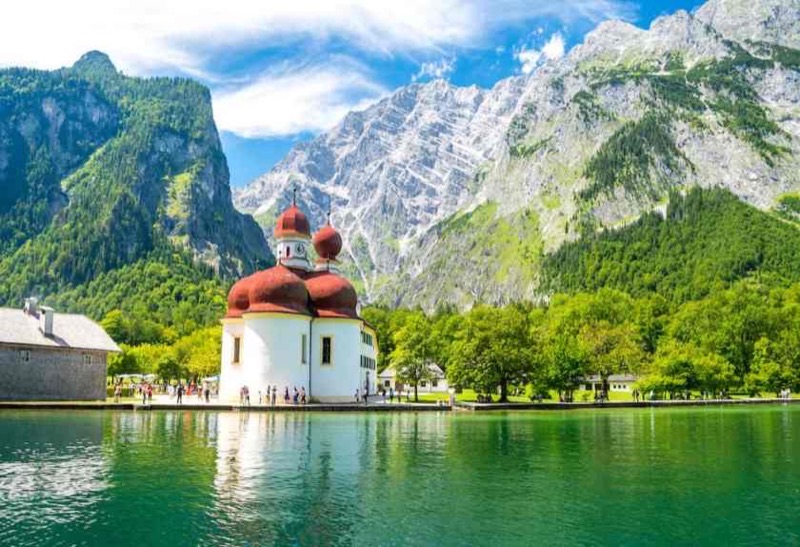
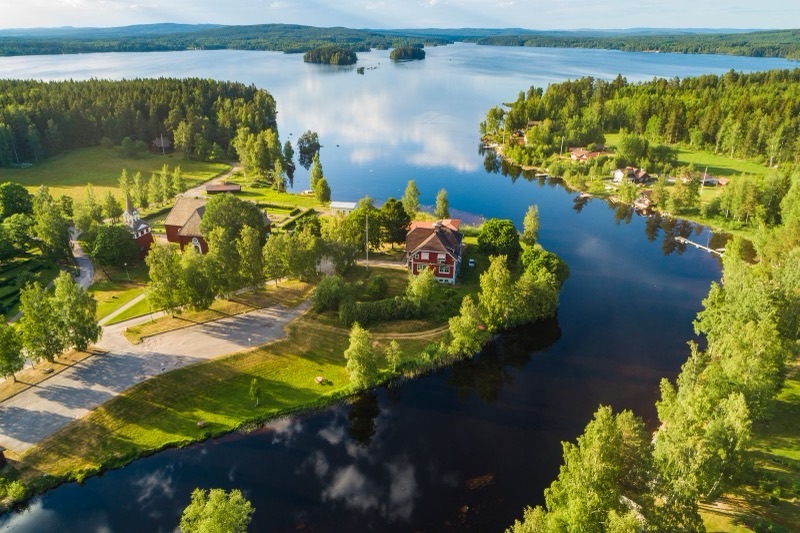
⚡ Quick Answers
⚡ The TL;DR Verdict
For most travelers seeking a well-rounded trip with a focus on historical sites, diverse cities, and a more budget-friendly experience, Germany is the clearer pick, especially if your daily budget sits around $70-120. If you prioritize design, pristine nature, quiet city breaks, and do not mind a higher spend of $100-180 daily, Sweden delivers a specific, refined journey.
- Choose Germany: Travelers who appreciate historical landmarks, varied regional cuisines, efficient public transit, and a lower daily cost will find Germany very rewarding. It suits those who want a blend of city life, history, and natural parks without breaking the bank.
- Choose Sweden: Individuals drawn to modern design, accessible natural spaces, a calmer pace, and a focus on sustainability should choose Sweden. It is for those who do not mind paying more for quality, clean environments, and a relaxed atmosphere.
- Choose Both: If you have at least 3 weeks and want to experience both central European history and Scandinavian design with nature, combine them. Start in Germany for 10-12 days, then fly to Stockholm for 7-10 days to see the contrast in cultures and landscapes.
Choose Germany
Germany is best for history buffs and culture seekers on a moderate budget ($70-120 daily). Explore the iconic Brandenburg Gate in Berlin, marvel at Bavaria's fairytale castles, or savor diverse regional cuisines. It offers a well-rounded trip with efficient public transit, blending vibrant city life with rich historical experiences.
Choose Sweden
Sweden is ideal for design enthusiasts and nature lovers willing to invest in a premium experience ($100-180 daily). Wander the charming streets of Stockholm's Gamla Stan, embrace the tranquil Fika culture, or discover the breathtaking archipelagos. It's perfect for those craving serene natural beauty, innovative design, and a relaxed, sustainable atmosphere.
📊 Visual Scorecard
🌤 When to Visit
Average high temperatures (°C). Green = best months, orange = avoid.
Quick Comparison
| Category | Germany | Sweden | Winner |
|---|---|---|---|
| Costs & Budget | Generally more affordable for food, transport, and accommodation. Daily costs around $70-120. | Higher prices across the board for dining, drinks, and lodging. Daily costs around $100-180. | Germany |
| Food & Drink | Hearty, regional dishes; excellent beer culture; diverse international options in cities. | Focus on fresh, seasonal ingredients; new Nordic cuisine; expensive alcohol. | Germany |
| Culture & History | Thousands of years of history, castles, cathedrals, WWII sites, diverse regional traditions. | Viking heritage, royal history, modern design, fika culture, minimalist aesthetics. | Germany |
| Nightlife | Diverse, energetic, especially in Berlin with its techno clubs; traditional pubs and beer gardens. | Sophisticated bars, lounges, and clubs, but often expensive; more relaxed atmosphere. | Germany |
| Nature & Outdoors | Black Forest, Bavarian Alps, national parks like Saxon Switzerland, Rhine Valley. | Vast forests, thousands of lakes, archipelagos, Arctic wilderness, Allemansrätten (right to roam). | Sweden |
| Getting Around | Excellent, extensive, and punctual train network (Deutsche Bahn), good autobahn system for cars. | Efficient train system in the south, but vast distances make domestic flights common for north; driving is good. | Germany |
| Accommodation | Wide range from hostels to luxury hotels; good value for money, especially outside peak season. | Quality hotels and design-focused stays; generally higher prices; unique options like treehouses. | Germany |
| Day Trips | Easy access to diverse towns, castles, nature parks, and neighboring countries from major cities. | Archipelago cruises, Viking sites, nature reserves; longer distances for diverse city-to-city trips. | Germany |
| Solo Travel | Safe, easy to navigate, good hostel scene for meeting others, vibrant cities. | Very safe, easy to navigate, but can be quieter and more expensive, potentially harder to meet people casually. | Tie |
| Safety & Local Experience | Very safe with low crime rates; Germans are direct, value punctuality and order. | Extremely safe, low crime; Swedes are reserved, polite, value equality and nature. | Tie |
💰 Costs & Budget
Germany offers a more budget-friendly travel experience. A meal out at a decent restaurant in Berlin or Munich might cost around 15-25 EUR (16-27 USD), and a local beer is often…
Germany
Sweden
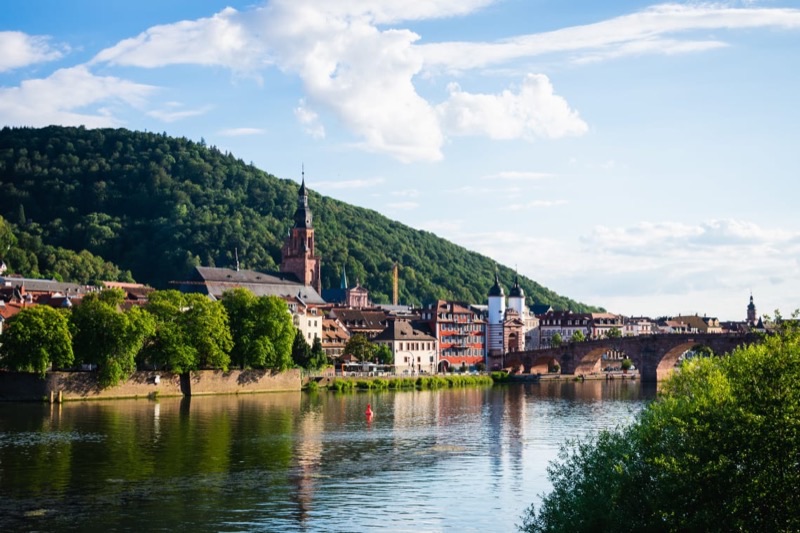
Germany offers a more budget-friendly travel experience. A meal out at a decent restaurant in Berlin or Munich might cost around 15-25 EUR (16-27 USD), and a local beer is often 4-6 EUR (4.30-6.50 USD). Supermarket groceries are very reasonable, allowing for self-catering to save significantly. Public transport is efficient and relatively inexpensive, with a single metro ticket in Berlin at 3.20 EUR (3.45 USD). Accommodation, especially outside major event periods, can be found for 60-90 EUR (65-97 USD) per night for a clean, basic double room in a mid-range city hotel or guesthouse. Expect to budget $70-120 per day, including food, transport, and a modest room.
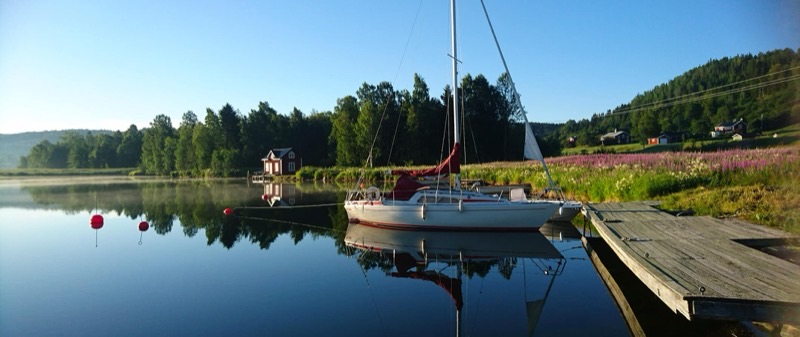
Sweden is notably more expensive. A restaurant meal in Stockholm or Gothenburg can easily run 250-400 SEK (24-38 USD), and alcoholic drinks are particularly costly, with a pint of local beer often 70-90 SEK (6.70-8.60 USD). Groceries are also higher priced than in Germany, although still an option for saving money. Public transport, while excellent, comes at a premium, with a single ticket in Stockholm at 42 SEK (4 USD). Accommodation frequently starts at 900-1300 SEK (86-124 USD) for a similar quality room. Plan for a daily budget of $100-180. Germany is the clear choice for travelers prioritizing budget control.
- Winner: Germany
- Why: Germany consistently offers lower prices for accommodation, food, and transport, making it more accessible for budget-conscious travelers.
- Who this matters for: Budget travelers, long-term travelers, and families looking to maximize their spend.
🍽️ Food & Drink
German food is substantial and regionally distinct. In Bavaria, expect hearty fare like Schweinshaxe (pork knuckle) and Weisswurst (white sausage) with pretzels and potent local…

Germany

Sweden
German food is substantial and regionally distinct. In Bavaria, expect hearty fare like Schweinshaxe (pork knuckle) and Weisswurst (white sausage) with pretzels and potent local beers from breweries like Hofbräuhaus. Berlin has a dynamic food scene, from Currywurst stands (around 4 EUR / 4.30 USD) to high-end dining and a wide array of international cuisine, particularly Turkish and Vietnamese. The Rhineland offers different specialties like Sauerbraten. Coffee and cake culture is strong, and a good quality coffee with a piece of cake might cost 7-10 EUR (7.50-10.80 USD). Beer is a fundamental part of the culture, with regional variations and often lower prices than soft drinks in pubs.
Swedish cuisine emphasizes fresh, often locally sourced ingredients, with popular dishes like meatballs (köttbullar), pickled herring (sill), and crispbread (knäckebröd). Fika, a coffee and pastry break, is a core cultural practice, with a kanelbulle (cinnamon bun) and coffee costing around 60-80 SEK (5.70-7.60 USD). Stockholm and Gothenburg offer inventive new Nordic restaurants, but they are expensive. Alcohol prices are high due to state monopoly (Systembolaget). While Sweden offers quality, German food provides more variety, larger portions, and better value for money. Germany wins for its robust, diverse, and affordable food and drink scene.
- Winner: Germany
- Why: Germany provides greater culinary diversity, larger portions, and a significantly more affordable beer and dining experience.
- Who this matters for: Foodies, those who appreciate hearty meals, and travelers who enjoy a strong local beer culture.
🏛️ Culture & History
Germany possesses an expansive and layered historical narrative. From Roman ruins in Trier, medieval castles along the Rhine like Burg Eltz, to grand cathedrals such as Cologne…
Germany
Sweden
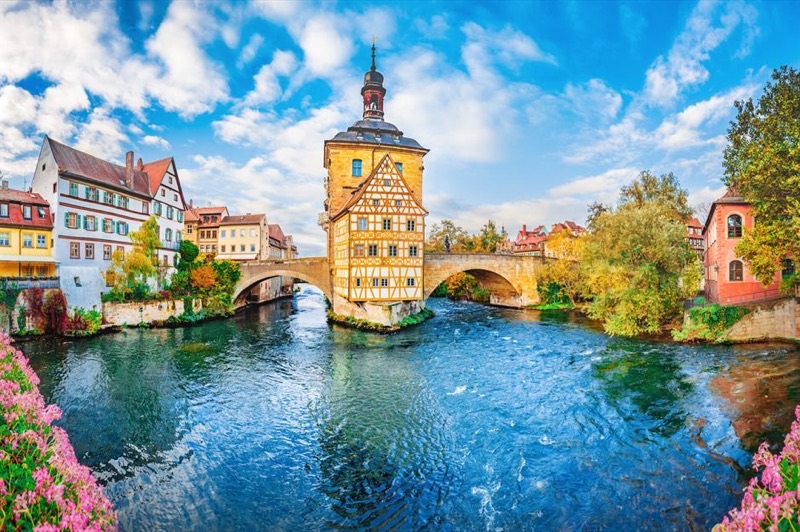
Germany possesses an expansive and layered historical narrative. From Roman ruins in Trier, medieval castles along the Rhine like Burg Eltz, to grand cathedrals such as Cologne Cathedral, the country is rich with millennia of human activity. The stark reminders of 20th-century history are present in places like the Berlin Wall Memorial, the Reichstag Building, and various concentration camp memorials (e.g., Dachau, entry often free or low cost). Museums are plentiful and well-maintained, covering everything from art to technology. Each region, from Bavaria to Saxony, has its own distinct cultural traditions, dialects, and festivals. The sense of historical continuity and impact is palpable.
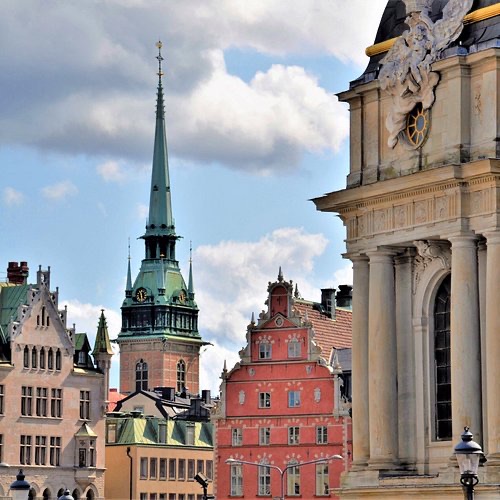
Sweden offers a different historical perspective, primarily rooted in Viking Age sagas, its period as a great power in the 17th century, and its more recent development into a modern welfare state. Sites include the Vasa Museum in Stockholm (entry around 170 SEK / 16 USD), which houses a preserved 17th-century warship, and Gamla Stan (Old Town) with its medieval alleyways and the Royal Palace. The culture is often described as more reserved and focused on design, functionality, and nature integration. While interesting, Sweden's historical depth and variety do not match Germany's extensive range of periods and events. Germany is the clear choice for history enthusiasts.
- Winner: Germany
- Why: Germany offers a far broader and deeper range of historical sites, from Roman times through medieval periods to impactful 20th-century events.
- Who this matters for: History buffs, architecture enthusiasts, and those interested in examining historical impacts.
🍻 Nightlife
Germany's nightlife is particularly notable in its major cities, especially Berlin, which is world-renowned for its techno club scene. Venues like Berghain/Panorama Bar (if you…
Germany

Sweden
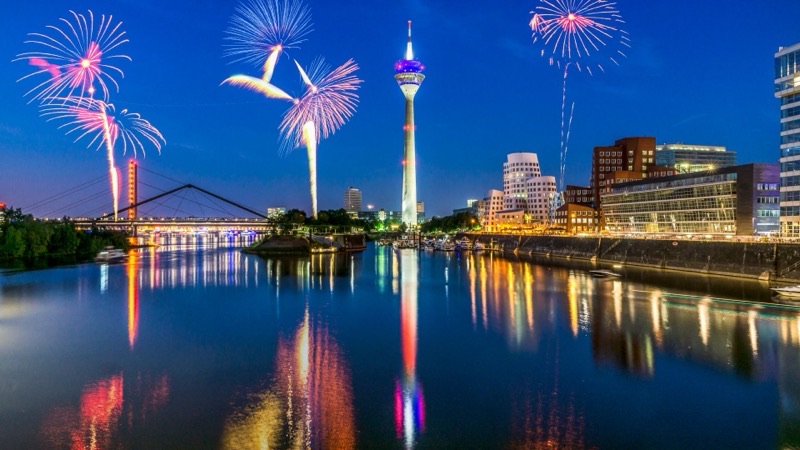
Germany's nightlife is particularly notable in its major cities, especially Berlin, which is world-renowned for its techno club scene. Venues like Berghain/Panorama Bar (if you get in) or Sisyphos provide unique, all-weekend experiences, with entry often 15-25 EUR (16-27 USD). Beyond the electronic music scene, German cities offer a range of traditional pubs (Kneipen) where locals gather for beer and conversation, and in warmer months, beer gardens are popular social hubs. Munich has a strong beer hall culture, and Cologne is known for its Kölsch beer houses. Prices for drinks are reasonable, making a night out more accessible.
Sweden's nightlife, concentrated in Stockholm and Gothenburg, is generally more refined and expensive. You will find chic cocktail bars, lounges, and clubs playing commercial music. Entry fees to clubs can be 100-250 SEK (9.50-24 USD), and a cocktail can easily cost 150-200 SEK (14-19 USD). The atmosphere is often described as stylish but can sometimes feel a bit exclusive. While quality establishments exist, the sheer variety, energy, and affordability of German nightlife, particularly Berlin's club scene, put it ahead. Germany is the better option for those prioritizing a lively and diverse evening out.
- Winner: Germany
- Why: Germany offers a wider range of nightlife options, from massive techno clubs to traditional beer gardens, generally at more approachable prices.
- Who this matters for: Party-goers, young travelers, and anyone seeking diverse evening entertainment.
🌲 Nature & Outdoors
Germany has impressive natural landscapes, from the dense, mythical Black Forest in the southwest, ideal for hiking and exploring cuckoo clock traditions, to the dramatic peaks of…
Germany
Sweden
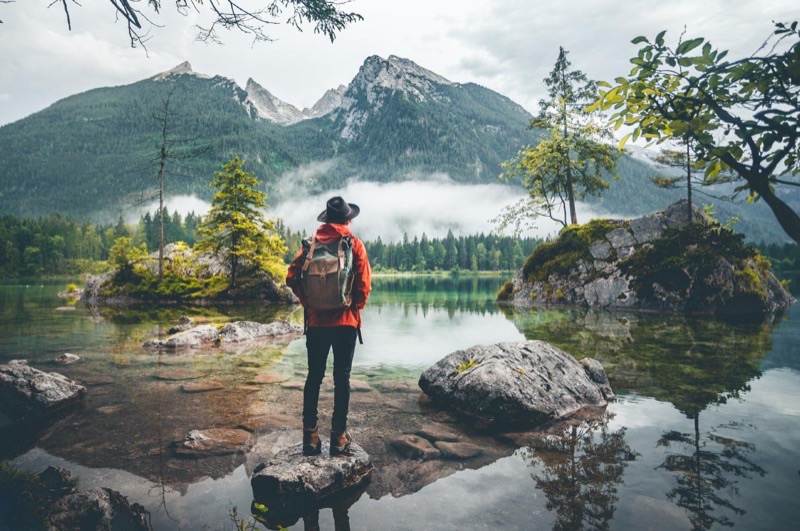
Germany has impressive natural landscapes, from the dense, mythical Black Forest in the southwest, ideal for hiking and exploring cuckoo clock traditions, to the dramatic peaks of the Bavarian Alps in the south, offering skiing and hiking near Zugspitze. The Saxon Switzerland National Park features unique sandstone formations for climbing and trekking, while the Baltic Sea coast has sandy beaches and islands. The Rhine Valley combines vineyards with river cruises and castles. Access to these areas is typically good via public transport or car. While beautiful, German nature often feels more managed and interspersed with human settlements.
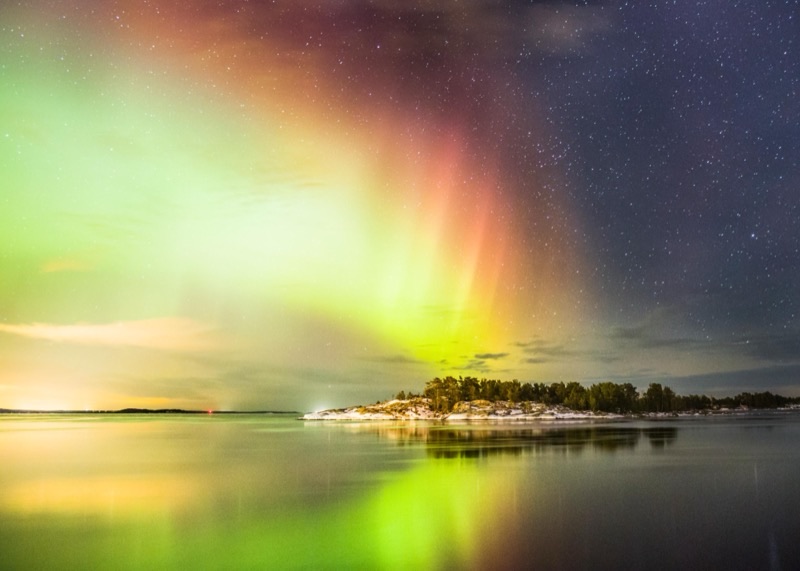
Sweden is defined by its accessible and expansive natural environments. The country boasts vast, quiet forests, over 100,000 lakes, and an extensive coastline with archipelagos (like Stockholm's archipelago with thousands of islands). The concept of Allemansrätten, the freedom to roam, allows respectful access to most land for camping, hiking, and foraging. In the north, Lapland offers Arctic wilderness experiences, including viewing the Northern Lights, dog sledding, and hiking in national parks like Abisko. The scale and raw beauty of Swedish nature, coupled with the right to roam, make it truly special. For deep immersion in nature, Sweden is the superior choice.
- Winner: Sweden
- Why: Sweden's extensive, wild natural landscapes and the unique 'Allemansrätten' provide unparalleled access to wilderness experiences.
- Who this matters for: Outdoor enthusiasts, hikers, campers, those seeking solitude, and nature photographers.
🚆 Getting Around
Germany's public transport system is highly developed and efficient. The Deutsche Bahn (DB) offers a comprehensive network of high-speed (ICE) and regional trains connecting…
Germany's public transport system is highly developed and efficient. The Deutsche Bahn (DB) offers a comprehensive network of high-speed (ICE) and regional trains connecting practically every town and city. Tickets can be booked in advance for significant savings, with a Berlin-Munich ICE ticket starting from around 30-50 EUR (32-54 USD) if purchased early. City public transport is also very reliable, with integrated systems of U-Bahn (metro), S-Bahn (suburban train), trams, and buses. Driving on the well-maintained Autobahn (sections with no speed limits) is also a popular way to explore, with rental cars starting around 30-50 EUR (32-54 USD) per day. Overall, getting around Germany is straightforward and rarely a source of stress.
Sweden also has a good public transport infrastructure, particularly in the southern half of the country. SJ (Statens Järnvägar) operates a reliable train network connecting major cities. A Stockholm-Gothenburg train ticket might cost 250-500 SEK (24-48 USD) if booked ahead. However, due to Sweden's significant north-south length, covering long distances often necessitates domestic flights, which add to the cost and travel time. Public transport within cities like Stockholm is excellent but expensive. Driving is a good option for exploring rural areas, but petrol prices are higher than in Germany. While Sweden's system works well, Germany's denser, more affordable, and equally efficient network across a more compact area makes it easier to navigate. Germany takes this category for convenience and cost.
- Winner: Germany
- Why: Germany's extensive and generally more affordable train network, coupled with its excellent road infrastructure, makes internal travel very convenient.
- Who this matters for: Travelers without a car, those on a budget, and people who prefer efficient public transport.
🏨 Accommodation
Accommodation in Germany offers good value across various price points. Hostels in major cities like Berlin or Hamburg can be found for 25-40 EUR (27-43 USD) per night for a dorm…
Accommodation in Germany offers good value across various price points. Hostels in major cities like Berlin or Hamburg can be found for 25-40 EUR (27-43 USD) per night for a dorm bed. Mid-range hotels, such as a basic double room in a chain like Ibis or B&B Hotel, typically cost 60-100 EUR (65-108 USD) outside of major trade fairs or Oktoberfest. Boutique hotels and guesthouses provide local charm at competitive prices. Booking in advance is advisable, especially in popular tourist areas or during festivals. Standards of cleanliness and service are consistently high, even at lower price points. You get good quality for your money.
Sweden's accommodation landscape leans towards quality and design, but at a higher price. Hostels in Stockholm or Gothenburg often start at 350-500 SEK (33-48 USD) for a dorm bed. Mid-range hotel rooms generally begin at 900-1500 SEK (86-143 USD) per night. While the rooms are often stylish and comfortable, the cost can quickly add up. Unique stays like ice hotels in the north or treehouses are available but come with premium pricing. If budget is a concern, Germany provides better options and more value for money. For consistent value and a broader budget range, Germany is the more practical choice.
- Winner: Germany
- Why: Germany provides a broader spectrum of accommodation options with better value for money, especially in the mid-range category.
- Who this matters for: Budget-conscious travelers, families, and those seeking good quality without excessive spending.
🗺️ Day Trips
Germany excels in day trip possibilities due to its central location and dense network of attractions. From Munich, you can easily reach Neuschwanstein Castle (1.5-2 hours by…
Germany excels in day trip possibilities due to its central location and dense network of attractions. From Munich, you can easily reach Neuschwanstein Castle (1.5-2 hours by train/bus, tour costs vary but entrance to castle is 18 EUR / 19.50 USD), or the charming town of Salzburg, Austria (2 hours by train). From Berlin, Potsdam with its palaces and gardens (30 mins by train) or the Spreewald biosphere reserve (1 hour by train) are straightforward. The Romantic Road offers a scenic drive through medieval towns. Many regions are packed with small, distinct towns, making exploration convenient and varied. The options for diverse experiences within a short travel time are numerous and well-connected.
Sweden offers excellent day trips focused on its natural attributes and specific historical sites. From Stockholm, a ferry trip through the archipelago to islands like Vaxholm provides beautiful scenery and a taste of coastal life (ferry tickets vary, around 100-200 SEK / 9.50-19 USD return). Sigtuna, Sweden's oldest town, is a short bus ride away, offering Viking history. Skansen Open-Air Museum provides a look at traditional Swedish life. However, for varied cultural or historical day trips to different cities or countries, the distances in Sweden are longer, and options are not as diverse or as numerous as in Germany. For sheer variety and ease of access to distinct experiences, Germany is more compelling.
- Winner: Germany
- Why: Germany offers an unparalleled number of diverse and easily accessible day trip options from its major cities, including historical sites, natural parks, and charming towns.
- Who this matters for: Travelers who like exploring beyond the main cities, culture seekers, and those who appreciate efficient local transport.
🚶♀️ Solo Travel
Germany is a great choice for solo travelers. Its cities like Berlin, Hamburg, and Munich have a strong hostel culture, making it easy to meet other travelers. Public transport is…
Germany is a great choice for solo travelers. Its cities like Berlin, Hamburg, and Munich have a strong hostel culture, making it easy to meet other travelers. Public transport is excellent and intuitive, so navigating alone is not a challenge. Germans are generally direct and helpful if approached politely. Eating alone in restaurants or beer gardens is common and accepted. The diverse range of activities, from museums to outdoor adventures and nightlife, ensures there is always something to do, regardless of whether you are with company or not. Crime rates are low, and common sense precautions apply, making it a very safe destination.
Sweden is also an exceptionally safe and easy country for solo travelers. English is widely spoken, and public infrastructure is top-tier. The clean, calm environment can be very appealing for those seeking introspection or quiet exploration. However, Swedes can be more reserved, which might make casual social interaction slightly harder than in Germany, particularly in bars or cafes outside of specific social events. The higher cost of living can also be a factor, as solo expenses often hit harder. While both countries are excellent for solo exploration, Germany might offer slightly more opportunities for social interaction and is more budget-friendly. This category is a tie as both offer solid solo experiences but with different social dynamics and cost considerations.
- Winner: Tie
- Why: Both countries offer high levels of safety and easy navigation for solo travelers, catering to different preferences for social interaction and budget.
- Who this matters for: All solo travelers, but Germany might suit those seeking more spontaneous social encounters and lower costs, while Sweden suits those prioritizing peace and quiet.
🛡️ Safety & Local Experience
Germany is a very safe country, with low rates of violent crime. Petty crime like pickpocketing can occur in crowded tourist areas, but it is not widespread. Local emergency…
Germany is a very safe country, with low rates of violent crime. Petty crime like pickpocketing can occur in crowded tourist areas, but it is not widespread. Local emergency services are efficient and reliable. The German people are often perceived as direct, organized, and punctual. While they might not initiate small talk readily, they are generally helpful if you ask for assistance. Understanding and respecting local customs, such as waiting for traffic lights to change even if no cars are coming, demonstrates respect. The local experience is about efficiency, good service, and appreciating regional traditions and straightforward communication.
Sweden is considered one of the safest countries in the world, with very low crime rates. You can generally walk around most areas of cities at night without significant concern. Swedes are known for being polite, reserved, and valuing equality and consensus. They might not be as outwardly expressive as some other cultures, but they are very hospitable once you get to know them. The concept of lagom (not too much, not too little) permeates many aspects of life. English proficiency is very high, making communication simple for travelers. Both countries offer a very safe travel environment and a generally welcoming local experience, though with different cultural nuances. It is a tie as both excel at safety but provide different social dynamics.
- Winner: Tie
- Why: Both Germany and Sweden are exceptionally safe countries with very low crime rates, providing secure environments for travelers, though they offer distinct cultural interactions.
- Who this matters for: All travelers, particularly solo travelers and families prioritizing a secure and trouble-free trip.
🎯 The Decision Framework
Choose Germany If…
- You want to explore diverse history from Roman ruins to WWII memorials.
- You prioritize a lower daily budget for food, transport, and accommodation.
- You enjoy hearty, regional dishes and a strong, affordable beer culture.
- You are looking for vibrant nightlife, especially the techno scene in Berlin.
- You appreciate efficient and extensive train travel to easily explore multiple cities.
- You want a mix of large cities, charming small towns, and scenic natural parks.
- You value good quality accommodation at more accessible prices.
- You want numerous and varied day trip options from major hubs.
Choose Sweden If…
- You seek extensive, quiet natural landscapes, forests, and archipelagos.
- You are interested in modern Scandinavian design and minimalism.
- You prioritize exceptionally clean cities and high standards of living.
- You do not mind a higher travel budget for quality experiences.
- You appreciate the 'Allemansrätten' for free access to nature.
- You enjoy a calmer, more reserved social atmosphere and the Fika culture.
- You are keen to see the Northern Lights (seasonal, in the north).
- You prefer cities that are smaller and feel more laid-back than major European hubs.
📅 Sample Itineraries
Weekend in Germany (3 Days)
💡 Purchase a Berlin WelcomeCard for 48 or 72 hours for approximately $30-45 to get unlimited public transport and discounts on attractions, saving you time and money on individual tickets.
Weekend in Sweden (3 Days)
💡 Invest in a Stockholm Pass for 24, 48, or 72 hours (starting around $70 for 24 hours) to gain free entry to many attractions and unlimited hop-on hop-off bus and boat tours, which can be cost-effective if you plan to visit multiple sites.
One Week in Germany (7 Days)
💡 Consider buying a Germany Rail Pass if you plan extensive train travel, as it can offer significant savings compared to individual point-to-point tickets over a week, potentially saving hundreds of dollars.
One Week in Sweden (7 Days)
💡 When in Sweden, look for 'Dagens Rätt' (Dish of the Day) at restaurants during lunchtime; it often includes a main course, bread, salad, and coffee for around $12-18, offering a more budget-friendly meal option.
❓ Frequently Asked Questions
What is the average flight time and cost from the US to Germany vs Sweden?
Direct flights from major US cities to Frankfurt or Munich, Germany, typically take 7-9 hours and can cost $600-900 USD round trip. Flights to Stockholm or Gothenburg, Sweden, are often similar in duration, 7.5-9.5 hours for direct routes, and tend to be slightly more expensive, ranging from $700-1000 USD, especially outside of peak seasons.
Which country is better for a family trip with young children?
Germany often provides more family-friendly options due to its lower cost of living, extensive child-friendly attractions like Legoland Germany, Playmobil FunPark, and numerous zoos, plus varied playgrounds in every city. Sweden is also very family-oriented with great parks and museums, but the higher costs for food and activities can add up quickly for a family budget.
How much English is spoken in Germany compared to Sweden?
English proficiency is very high in Sweden, especially among younger generations and in cities; you will have no trouble communicating. In Germany, English is also widely spoken in tourist areas and among younger people, but you might encounter more situations where basic German phrases are helpful, particularly in smaller towns or with older residents.
What is the best time of year to visit Germany vs Sweden?
For Germany, late spring (April-May) and early autumn (September-October) offer pleasant weather, fewer crowds, and lower prices, with temperatures around 10-20°C (50-68°F). Summer (June-August) is popular but can be warmer and more crowded. For Sweden, summer (June-August) is ideal for enjoying the long daylight hours, warmer temperatures (15-25°C / 59-77°F), and outdoor activities. Winter offers snow and Northern Lights in the north, but cities can be cold and dark.
Are Germany and Sweden easy to combine in one trip?
Combining Germany and Sweden is feasible but requires careful planning due to the distance. You could start in Germany for 7-10 days, exploring Berlin and Munich, then take a direct flight from Berlin (e.g., to Stockholm, approx. 1.5-hour flight) for another 5-7 days. Budget at least 2 weeks total for a comfortable pace. A multi-city flight ticket is recommended.
Which country has better hiking opportunities?
While Germany offers great hiking in areas like the Black Forest, Bavarian Alps, and Saxon Switzerland National Park, Sweden generally offers more expansive and untouched wilderness for hiking, particularly in its numerous national parks (e.g., Abisko, Kungsleden trail) and the freedom to roam (Allemansrätten). For raw, immersive nature treks, Sweden provides more extensive options.
What is the typical cost for a daily public transport pass in major cities?
In German cities like Berlin or Munich, a 24-hour public transport pass typically costs around 8.50-9.50 EUR (9-10 USD). In Swedish cities like Stockholm, a 24-hour pass costs approximately 175 SEK (16.70 USD), reflecting the generally higher transport costs in Sweden.
Can I use my credit card everywhere in both countries?
In Sweden, card payments are highly prevalent; many places are cashless, and you can comfortably travel without much, if any, physical cash. Germany is more cash-friendly; while cards are accepted in most larger establishments and tourist areas, many smaller shops, cafes, and some restaurants still prefer or only accept cash, so carrying some euros is recommended.
Ready to plan your Europe trip?
Get a free custom itinerary for Germany, Sweden, or both — built from real traveler insights.
👥 Travelers Also Compared
🎟️ Book Tours & Experiences
Hand-picked tours and activities for both destinations — book with free cancellation
Experiences via Viator — free cancellation on most tours