How we built this comparison
This page combines traveler discussion patterns, published price ranges, flight schedules, and seasonal data to help you decide between Germany and Turkey.
- Reviewed 50+ Reddit threads from r/travel, r/solotravel, r/Germany, r/Turkey, r/EuropeTravel.
- Verified costs and logistics against current booking platforms like Booking.com, Skyscanner, and local transport sites.
- Cross-referenced seasonal patterns and weather data from meteorological sources for accuracy.
⚡ Quick Answers
⚡ The TL;DR Verdict
For most travelers seeking value and varied experiences without breaking the bank, Turkey is the stronger choice. Germany offers precision and comfort but at a significantly higher cost. If you prioritize budget and diverse experiences, lean Turkey; if efficiency and structured trips appeal, Germany is better.
- Choose Germany: You prefer organized travel, efficient infrastructure, specific historical sites (WWII, castles), and are comfortable with higher daily expenses, potentially around $100-180 USD.
- Choose Turkey: You seek cultural immersion, culinary exploration, budget-friendly options, warm weather, and a mix of historical ruins with coastal relaxation, often for $50-100 USD per day.
- Choose Both: If you have 3+ weeks and a flexible budget, combine a week in a German city like Berlin with 2 weeks exploring Turkey's Aegean coast and Cappadocia for a broad European and Anatolian experience.
Choose Germany
Choose Germany if you're a traveler who values impeccable organization, efficient public transport, and a deep dive into structured history and culture. It's ideal for exploring majestic Bavarian castles, vibrant Berlin museums, or festive Christmas markets, best suited for those comfortable with a higher daily budget for a seamless, comfortable trip.
Choose Turkey
Opt for Turkey if you're an adventurous traveler seeking a vibrant mix of cultural immersion, incredible cuisine, and stunning landscapes on a more flexible budget. It's perfect for exploring the surreal hot air balloons of Cappadocia, haggling in Istanbul's Grand Bazaar, or relaxing on the Mediterranean coast after visiting ancient Ephesus, offering a truly diverse and enriching journey.
📊 Visual Scorecard
🌤 When to Visit
Average high temperatures (°C). Green = best months, orange = avoid.
Quick Comparison
| Category | Germany | Turkey | Winner |
|---|---|---|---|
| Costs & Budget | Significantly higher daily expenses, especially for accommodation and dining in major cities. Expect €100-170 ($108-185 USD) per person per day for mid-range travel. | Considerably more affordable, allowing longer stays or more luxurious experiences for less money. A comfortable daily budget is ₺1500-3000 ($45-90 USD). | Turkey |
| Food & Drink | Hearty, meat-focused cuisine with strong regional variations. Pretzels, sausages, schnitzel, and beer are staples. | Diverse and flavorful, influenced by Ottoman and Middle Eastern traditions. Kebabs, mezes, fresh produce, and Turkish delight are prominent. | Turkey |
| Culture & History | Focus on medieval castles, Prussian history, and 20th-century history including WWII and the Cold War. Strong museum culture. | Ancient civilizations (Roman, Greek), Byzantine, and Ottoman empires. Mosques, ancient ruins, and a rich, layered heritage. | Turkey |
| Nature & Scenery | Forests (Black Forest), Alps in Bavaria, and river valleys. Generally well-maintained and accessible. | Diverse landscapes including Mediterranean beaches, arid plateaus, volcanic formations (Cappadocia), and mountains. | Turkey |
| Nightlife | Berlin is a major clubbing destination; other cities have traditional bars and pubs. Early closing times in smaller towns. | Istanbul has rooftop bars and clubs; coastal towns offer lively beachfront venues. Generally later hours. | Germany |
| Getting Around | Excellent, efficient, and punctual public transport network (trains, trams, buses) across the country. High cost. | Good domestic flights; long-distance buses are extensive and affordable. City public transport varies, Istanbul is comprehensive. | Germany |
| Accommodation | Modern hotels, guesthouses, and apartments; generally clean and functional, but expensive in major cities. | Wide range from budget hostels to boutique hotels and luxury resorts; better value for money, especially outside Istanbul. | Turkey |
| Safety | Generally very safe with low crime rates. Major cities require standard precautions against pickpocketing. | Generally safe in tourist areas, but be aware of scams and political sensitivities in certain regions. Standard precautions apply. | Germany |
| Beaches | Limited to the North Sea and Baltic Sea, with cooler waters and often rocky or pebble shores. More about coastal relaxation than swimming. | Extensive Mediterranean and Aegean coastlines with warm waters, sandy beaches, and numerous resort towns. | Turkey |
| Weather & Seasons | Temperate climate with distinct seasons. Warm summers (July-August, 20-25°C), cold winters (Dec-Feb, 0-5°C). | Mediterranean climate along coasts (hot, dry summers), continental interior (hot summers, cold winters). | Turkey |
💰 Costs & Budget
Traveling in Germany means accepting a higher cost of living. A basic hotel room in Berlin or Munich costs €80-120 ($87-130 USD) per night. A sit-down meal at a casual restaurant…
Germany
Turkey
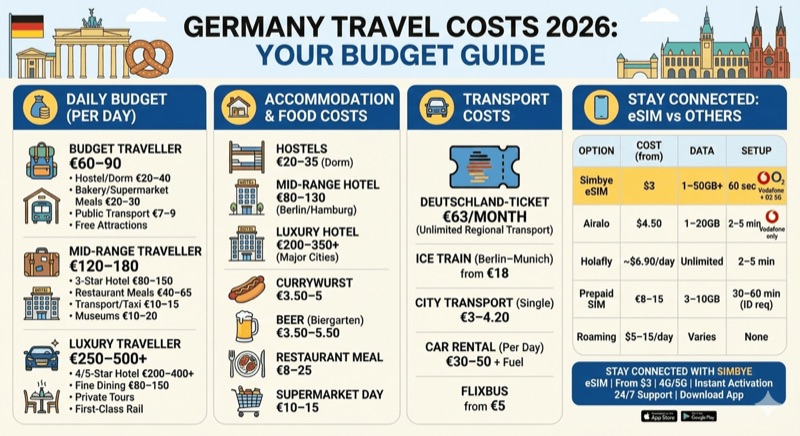
Traveling in Germany means accepting a higher cost of living. A basic hotel room in Berlin or Munich costs €80-120 ($87-130 USD) per night. A sit-down meal at a casual restaurant costs €15-25 ($16-27 USD), and a beer is €4-6 ($4.30-6.50 USD). Public transport is efficient but adds up, with a single ride around €3 ($3.25 USD). Groceries can help cut costs, but overall, Germany is a developed Western European economy where your money stretches less.
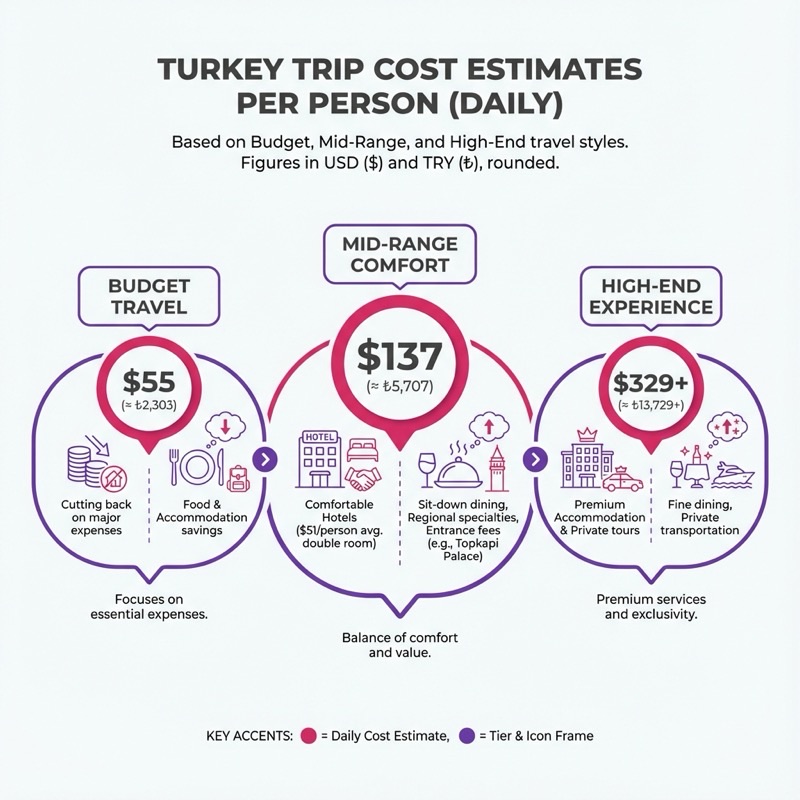
Turkey provides considerably more value. A decent hotel in Istanbul or along the coast can be found for ₺800-1500 ($24-45 USD) per night. Meals at local eateries (lokantas) are incredibly affordable, often ₺150-300 ($4.50-9 USD) for a full meal. Public transport, like Istanbul's metro, is very cheap, with single fares around ₺17.70 ($0.55 USD). Activities like hot air balloon rides in Cappadocia, while a splurge, are still often half the price of similar experiences elsewhere. Tabiji verdict: For budget-conscious travelers, Turkey is the clear winner, offering significant savings across all spending categories.
- Winner: Turkey
- Why: Turkey offers significantly lower prices for accommodation, food, and activities, allowing for extended travel or higher comfort levels on a smaller budget.
- Who this matters for: Budget travelers, long-term travelers, and those who prefer to spend less on essentials to splurge on experiences.
🍽️ Food & Drink
German food is substantial and comforting. In Bavaria, expect Weißwurst and Brezn (pretzels) for breakfast, with Schweinshaxe (pork knuckle) for dinner. Currywurst is a Berlin…
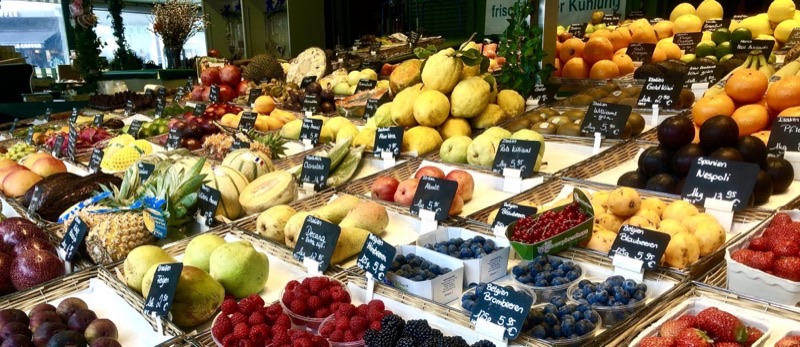
Germany
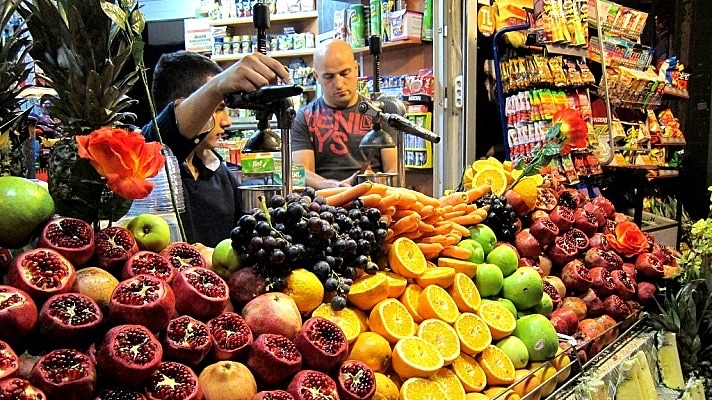
Turkey
German food is substantial and comforting. In Bavaria, expect Weißwurst and Brezn (pretzels) for breakfast, with Schweinshaxe (pork knuckle) for dinner. Currywurst is a Berlin street food classic, costing €4-6 ($4.30-6.50 USD). Many cities have excellent bakeries for affordable breakfast items around €3-5 ($3.25-5.40 USD). While delicious, the variety can feel limited if you dont seek out regional specialties beyond the common offerings. Craft beer scenes are growing in cities like Berlin, but traditional German beer halls are the main draw.
Turkish food presents a broader spectrum of flavors. From fresh seafood along the Aegean to countless variations of kebabs, lahmacun (Turkish pizza), and mezes (small appetizers) in Istanbul, there is much to explore. A full meal at a traditional lokanta can cost as little as ₺150-300 ($4.50-9 USD). Street food like simit (sesame bread rings) for ₺15 ($0.45 USD) or balik ekmek (fish sandwich) in Istanbul for ₺100 ($3 USD) are cheap and delicious. The dessert selection, from baklava to künefe, is expansive. Tabiji verdict: Turkey's culinary landscape offers greater diversity, depth of flavor, and affordability, making it the stronger choice for food enthusiasts.
- Winner: Turkey
- Why: Turkey delivers a wider array of flavors, fresh ingredients, and culinary experiences across various price points, often at a lower cost.
- Who this matters for: Foodies, adventurous eaters, and travelers who prioritize dining as a central part of their travel experience.
🏛️ Culture & History
German history is largely accessible through museums and preserved sites. Berlin alone offers the Pergamon Museum (though parts are closed for renovation, still has a rich…
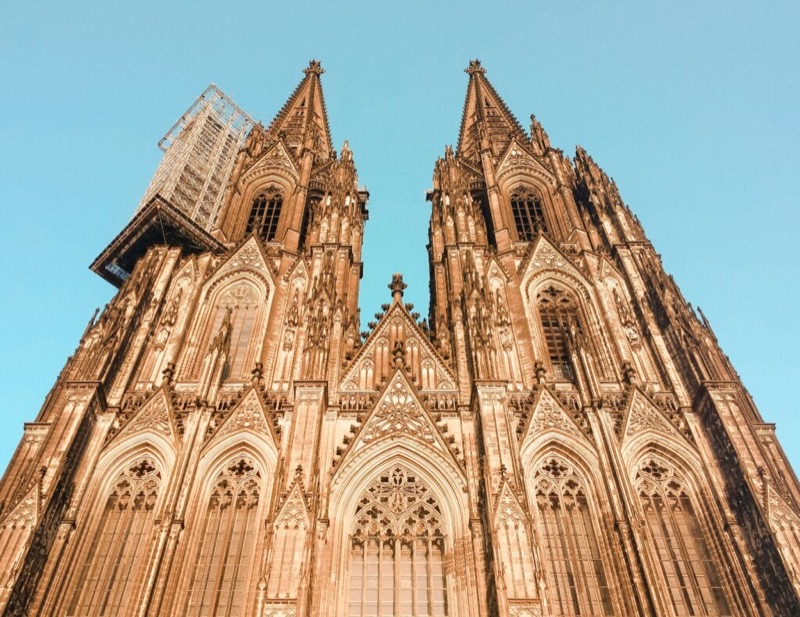
Germany
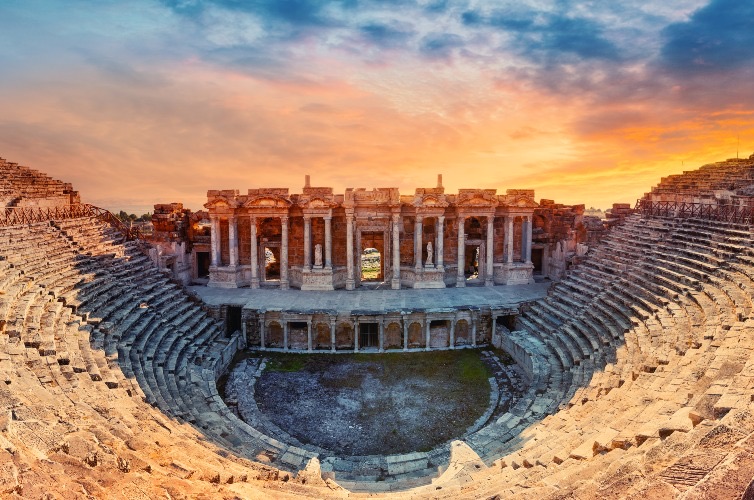
Turkey
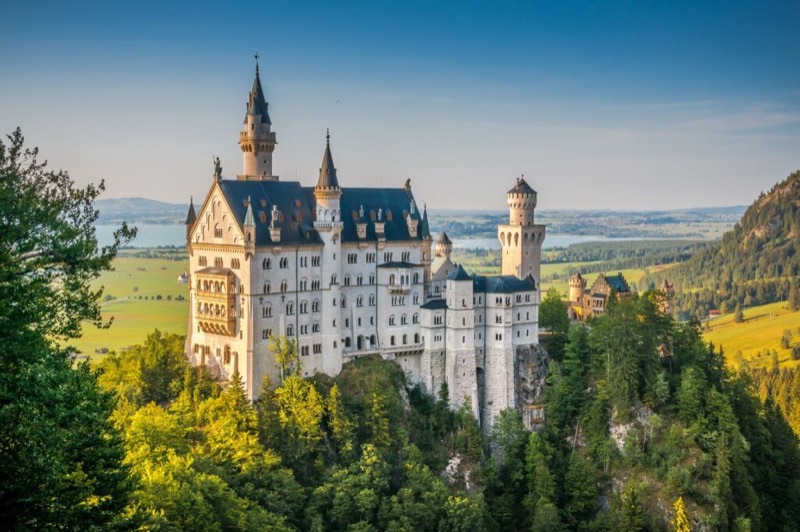
German history is largely accessible through museums and preserved sites. Berlin alone offers the Pergamon Museum (though parts are closed for renovation, still has a rich collection for €12 / $13 USD), the Brandenburg Gate, and numerous memorials related to WWII and the Cold War, like the East Side Gallery. Bavarian castles such as Neuschwanstein (entry €17.50 / $19 USD) showcase fairy tale architecture. The focus is often on distinct periods, presented with precision and extensive documentation. Cathedrals in Cologne and Ulm are architectural wonders.
Turkey presents a deep and overlapping history spanning millennia. Visit Ephesus (entry ₺700 / $21 USD) for Roman ruins, Hagia Sophia (entry ₺850 / $26 USD) and the Blue Mosque in Istanbul for Byzantine and Ottoman grandeur, and the Göbeklitepe archaeological site for insights into early human civilization. The sheer volume and diversity of historical sites, from cave churches in Cappadocia to ancient Hellenistic cities along the coast, offer a journey through multiple empires and cultures. Tabiji verdict: Turkey's historical depth and the number of ancient civilizations represented offer a more expansive and varied cultural journey.
- Winner: Turkey
- Why: Turkey's historical sites span a much longer period and a greater diversity of ancient civilizations and empires, from Hittite to Ottoman.
- Who this matters for: History buffs, archaeologists, and travelers interested in ancient civilizations and deep cultural immersion.
🏞️ Nature & Scenery
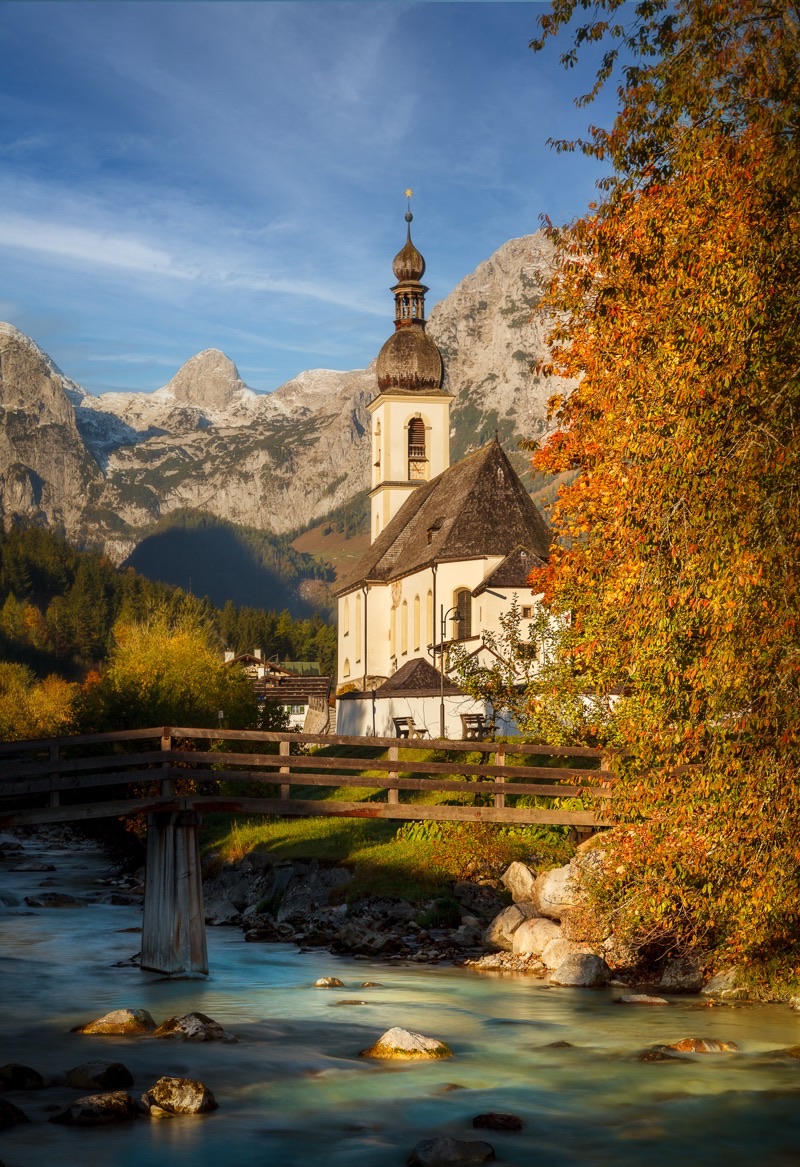
Germany's natural environments include the dense Black Forest, good for hiking and cycling. The Bavarian Alps offer skiing in winter and hiking in summer, with Zugspitze being the…
Germany
Turkey
Germany's natural environments include the dense Black Forest, good for hiking and cycling. The Bavarian Alps offer skiing in winter and hiking in summer, with Zugspitze being the highest peak. The Rhine and Moselle river valleys present vineyards and castles on hillsides. National parks like Saxon Switzerland offer sandstone formations. The scenery is well-preserved and offers outdoor activities, but it often feels managed and less wild compared to some other regions.
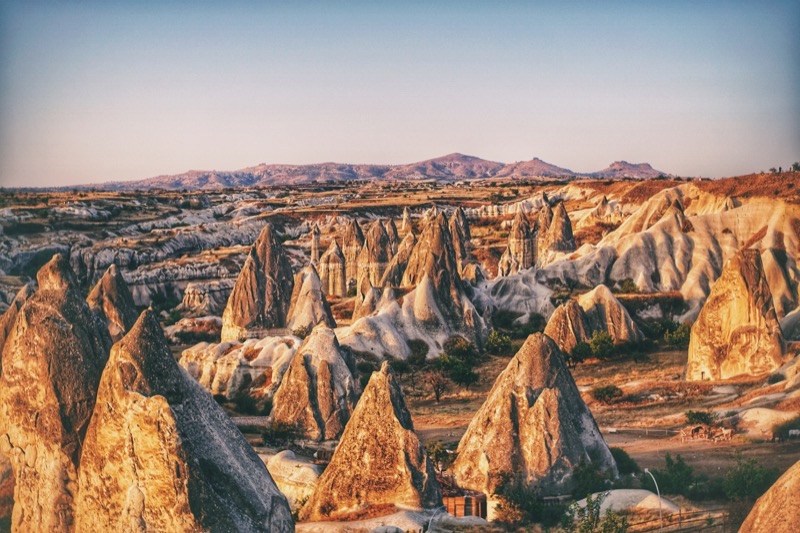
Turkey boasts a broader array of natural environments. Cappadocia's fairy chimneys and cave dwellings offer a geological landscape unlike almost anywhere else, best experienced via a sunrise hot air balloon ride (approx. $150-250 USD). The travertine terraces of Pamukkale are another unique natural formation. The Mediterranean and Aegean coasts have rocky coves and clear waters, ideal for boat trips. The Taurus Mountains offer hiking, and the eastern regions have high plateaus. Tabiji verdict: Turkey provides a more dramatic, diverse, and geologically unique natural landscape, offering a wider range of outdoor experiences.
- Winner: Turkey
- Why: Turkey presents a greater variety of dramatic and distinctive natural landscapes, from the geological formations of Cappadocia to extensive coastlines and mountains.
- Who this matters for: Outdoor enthusiasts, photographers, and travelers seeking diverse and visually striking natural environments.
🌃 Nightlife
Berlin is internationally recognized for its electronic music scene, with clubs like Berghain (highly selective entry) and Sisyphos drawing crowds. Entry fees are typically €15-25…

Germany
Turkey
Berlin is internationally recognized for its electronic music scene, with clubs like Berghain (highly selective entry) and Sisyphos drawing crowds. Entry fees are typically €15-25 ($16-27 USD) and drinks around €8-12 ($8.70-13 USD). Beyond Berlin, cities like Hamburg and Cologne have good bar scenes, but it’s more about pubs and traditional German beer halls. Munich's Oktoberfest is a major beer festival. Nightlife outside of major cities is often quieter, focusing on local pubs that may close earlier than in Southern Europe.
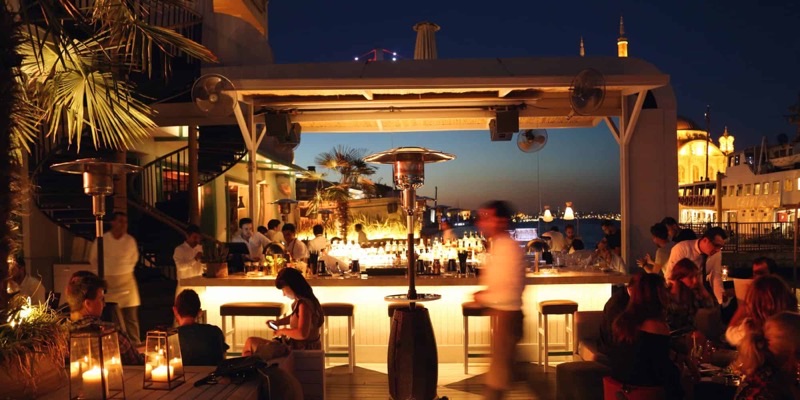
Istanbul offers a mixed nightlife, from upscale rooftop bars overlooking the Bosphorus to more relaxed meyhanes (taverns) with live music in areas like Beyoglu. Clubs are present but generally not as globally famous as Berlin's. Coastal resorts like Bodrum and Antalya have seasonal beach clubs and discos that run late. Drinks in Istanbul bars can range from ₺150-300 ($4.50-9 USD). While fun and energetic, Turkish nightlife is generally less focused on a specific genre or global scene than Berlin's. Tabiji verdict: Germany, specifically Berlin, offers a more distinct and globally renowned clubbing and alternative nightlife scene, making it a stronger choice for serious party-goers.
- Winner: Germany
- Why: Berlin's electronic music and club culture provide a globally significant and specific nightlife experience that surpasses what Turkey offers.
- Who this matters for: Clubbers, electronic music fans, and those seeking late-night alternative entertainment.
🚆 Getting Around
Germany's transportation system is a benchmark for efficiency. Deutsche Bahn (DB) trains connect major cities rapidly, though tickets can be expensive, especially if not booked in…
Germany's transportation system is a benchmark for efficiency. Deutsche Bahn (DB) trains connect major cities rapidly, though tickets can be expensive, especially if not booked in advance (e.g., Berlin to Munich can be €70-120 / $76-130 USD). City public transport systems are usually integrated and easy to use, with day passes around €8-10 ($8.70-11 USD). Driving is an option with well-maintained Autobahns, but fuel is pricey (€1.80-2.00/liter / $7.80-8.60/gallon USD). Navigation is straightforward.
Turkey's domestic flight network is extensive and often affordable, connecting major hubs like Istanbul, Izmir, and Antalya. Long-distance buses are a popular and very cost-effective way to travel between cities, with comfortable coaches (e.g., Istanbul to Cappadocia ~₺800-1200 / $24-36 USD). City public transport, particularly in Istanbul, is comprehensive with metros, trams, and ferries, costing around ₺17.70 ($0.55 USD) per ride with an Istanbulkart. Road conditions can vary, and driving outside major cities can be challenging due to different driving styles. Tabiji verdict: Germany's integrated and highly reliable public transport system provides a smoother, more predictable travel experience, despite the higher cost.
- Winner: Germany
- Why: Germany's public transportation network is significantly more efficient, punctual, and user-friendly, ensuring reliable travel between destinations.
- Who this matters for: Travelers who prioritize efficiency, punctuality, and ease of navigation without personal vehicles.
🏨 Accommodation
Accommodation in Germany is reliably clean and well-maintained. A good mid-range hotel in a city like Berlin or Hamburg typically costs €80-150 ($87-163 USD) per night. Hostels…
Accommodation in Germany is reliably clean and well-maintained. A good mid-range hotel in a city like Berlin or Hamburg typically costs €80-150 ($87-163 USD) per night. Hostels are available, with dorm beds around €25-40 ($27-43 USD). Prices can surge during major trade fairs or festivals. Options like Airbnbs are common but still command higher prices than in Turkey. Quality is consistent, but character and charm often come at a premium.
Turkey offers a broader range of accommodation types and significantly better value. In Istanbul, you can find boutique hotels in Sultanahmet or Beyoglu for ₺1500-3000 ($45-90 USD) a night, and budget hostels are plentiful for ₺300-600 ($9-18 USD). Along the Aegean and Mediterranean coasts, luxury resorts and charming guesthouses offer excellent amenities for prices that would be mid-range in Germany. Cave hotels in Cappadocia provide a unique stay, often for ₺2000-4000 ($60-120 USD). Tabiji verdict: Turkey wins on accommodation, offering superior value, more distinctive options, and a wider range of price points for equivalent or better quality.
- Winner: Turkey
- Why: Turkey provides significantly better value for accommodation, with more unique options like cave hotels and luxury resorts at lower prices.
- Who this matters for: Travelers seeking good value, luxury on a budget, or distinctive lodging experiences.
🛡️ Safety
Germany is considered one of the safest countries in Europe. Violent crime is low. The main concerns for tourists are petty theft and pickpocketing in crowded areas like train…
Germany is considered one of the safest countries in Europe. Violent crime is low. The main concerns for tourists are petty theft and pickpocketing in crowded areas like train stations, tourist attractions, and major festivals. Exercising standard urban precautions, like securing belongings and being aware of surroundings, is sufficient. Women travelers generally report feeling safe, even at night in major cities. Emergency services are reliable and efficient.
Turkey is generally safe for tourists, especially in major destinations like Istanbul, Cappadocia, and the coastal resorts. However, vigilance against common tourist scams (e.g., inflated taxi fares, fake shops, 'friendly' strangers inviting you for tea with a hidden agenda) is necessary. Political demonstrations can occur in major cities and should be avoided. Certain border regions, particularly near Syria and Iraq, are advised against travel by many foreign governments due to security concerns, though these are far from typical tourist routes. Tabiji verdict: Germany offers a consistently higher level of personal safety and fewer common tourist-specific concerns, making it the safer choice overall.
- Winner: Germany
- Why: Germany has lower overall crime rates and fewer common tourist scams, providing a more predictable and secure travel environment.
- Who this matters for: Solo travelers, families with young children, and those who prioritize a very low-risk travel experience.
🏖️ Beaches
Germany's beaches are primarily found along the North and Baltic Seas. These are typically characterized by cooler waters, strong winds, and often pebble or small stone shores,…
Germany's beaches are primarily found along the North and Baltic Seas. These are typically characterized by cooler waters, strong winds, and often pebble or small stone shores, though some sandy stretches exist. Destinations like Sylt in the North Sea or Usedom in the Baltic are popular for relaxation, walks, and wellness, but not for swimming in warm waters. Beach huts (Strandkörbe) are a common feature, offering shelter from the wind. The beach experience is more about the coastal environment and fresh air than sunbathing and swimming in warm seas.
Turkey boasts thousands of kilometers of coastline along the Mediterranean and Aegean Seas, offering warm, clear waters and a mix of sandy and pebble beaches. Popular spots include Ölüdeniz with its Blue Lagoon (entry ~₺150 / $4.50 USD), Patara Beach (one of the longest in the Mediterranean), and the resort areas of Antalya, Bodrum, and Fethiye. These areas are ideal for swimming, sunbathing, water sports, and boat trips. Beach clubs and services are abundant and generally affordable. Tabiji verdict: Turkey is the undisputed winner for beach enthusiasts, providing warmer waters, better swimming conditions, and a more extensive array of sandy beaches and coastal activities.
- Winner: Turkey
- Why: Turkey has vast, warm Mediterranean and Aegean coastlines with numerous sandy beaches, superior for swimming and beach holidays.
- Who this matters for: Beach lovers, families seeking sun and sand, and those interested in water sports and coastal relaxation.
☀️ Weather & Seasons
Germany experiences four distinct seasons. Summers (June-August) are generally pleasant with temperatures around 20-25°C (68-77°F), good for city exploration and hiking. Spring…
Germany experiences four distinct seasons. Summers (June-August) are generally pleasant with temperatures around 20-25°C (68-77°F), good for city exploration and hiking. Spring and autumn are mild but can be unpredictable with rain. Winters (December-February) are cold, often with snow, especially in the south, with temperatures hovering around 0-5°C (32-41°F). Christmas markets are a highlight of the cold season. Weather is rarely extreme, but packing layers is always advisable.
Turkey offers a more varied climate due to its size and geography. The Mediterranean and Aegean coasts have hot, dry summers (July-August, 30-35°C / 86-95°F) ideal for beach holidays, and mild, wet winters. The interior, including Cappadocia, experiences hot, dry summers (25-30°C / 77-86°F) and cold, snowy winters (0-5°C / 32-41°F), which can be beautiful for landscape photography. Istanbul has a transitional climate, with warm summers and cool, sometimes snowy winters. Tabiji verdict: Turkey's diverse climate zones allow for a wider range of ideal travel experiences depending on the season and preferred activity, offering better options for warm-weather tourism.
- Winner: Turkey
- Why: Turkey's diverse climate offers consistently warmer temperatures along its coasts for a longer season, ideal for sun-seeking travelers.
- Who this matters for: Sun-seekers, beach vacationers, and travelers who prefer specific weather conditions for activities like hot air ballooning.
🎯 The Decision Framework
Choose Germany If…
- You want highly organized, efficient travel logistics.
- You are interested in specific 20th-century history (WWII, Cold War).
- You prefer cooler climates and distinct seasons.
- You appreciate precise engineering and public infrastructure.
- You seek sophisticated city experiences with good museums.
- You are comfortable with higher daily spending for comfort and reliability.
- You want to experience world-renowned electronic music clubs in Berlin.
- You enjoy hearty, traditional European comfort food and local beers.
Choose Turkey If…
- You are looking for significant travel value and budget-friendly options.
- You want extensive ancient Roman, Greek, Byzantine, and Ottoman historical sites.
- You prefer warm weather, sandy beaches, and clear waters.
- You seek dramatic, unique natural landscapes like Cappadocia.
- You enjoy diverse, flavorful, and affordable culinary exploration.
- You are open to a more fluid, less rigidly structured travel experience.
- You want to explore bustling bazaars and traditional markets.
- You are interested in a cultural immersion beyond Western Europe.
📅 Sample Itineraries
Weekend in Germany (3 Days)
💡 Purchase a Berlin WelcomeCard for public transport and discounts on attractions, saving $5–10 per day if you plan extensive sightseeing.
Weekend in Turkey (3 Days)
💡 Buy an Istanbulkart for easy and cheaper public transport access, saving you 20-30% on individual fares across multiple rides.
One Week in Germany (7 Days)
💡 Consider a Deutschland-Ticket for monthly unlimited public transport on regional trains for €49 (approx. $53), useful for longer stays or multiple city visits.
One Week in Turkey (7 Days)
💡 Pre-book domestic flights within Turkey for significant savings, especially between Istanbul, Cappadocia, and Antalya, often costing less than $50 if booked in advance.
❓ Frequently Asked Questions
What is the average daily cost for a traveler in Germany vs Turkey?
In Germany, a comfortable mid-range daily budget is typically €100-170 ($108-185 USD) per person, covering accommodation, food, and transport. For Turkey, you can expect to spend around ₺1500-3000 ($45-90 USD) per day for a similar level of comfort, offering significantly better value.
Which country is better for history enthusiasts?
Turkey offers a deeper and more diverse historical journey, spanning multiple millennia and empires from ancient Greek and Roman to Byzantine and Ottoman. Germany focuses more on medieval castles, Prussian history, and 20th-century events like WWII and the Cold War. If you appreciate ancient civilizations and layered historical sites, Turkey is a stronger choice.
Is public transportation reliable in both Germany and Turkey?
Germany's public transportation, particularly its train network (Deutsche Bahn), is known for its efficiency, punctuality, and coverage. Turkey has an extensive and affordable long-distance bus network, and major cities like Istanbul have comprehensive public transport systems. Germany generally offers a more seamless and predictable experience.
Which destination is better for a beach vacation?
Turkey is superior for beach vacations. Its Mediterranean and Aegean coastlines boast warm, clear waters and numerous sandy beaches, ideal for swimming and sunbathing for a longer season. Germany's North and Baltic Sea beaches are cooler, often pebble-strewn, and more suited for coastal walks and relaxation rather than traditional warm-water swimming.
What are the flight times and typical costs to get to Germany vs Turkey from the US?
From major US East Coast cities, direct flights to Frankfurt (Germany) or Munich typically take 7-8 hours and can cost $700-1100 USD return. Flights to Istanbul (Turkey) usually take 9-11 hours direct and range from $800-1300 USD return. Prices vary seasonally and by airline, with Turkey often requiring a slightly longer travel time and similar or slightly higher airfare.
Which country offers better food for a budget traveler?
Turkey is a paradise for budget food travelers. Local eateries (lokantas) offer full meals for ₺150-300 ($4.50-9 USD), and street food like simit or balik ekmek is very affordable. German food, while hearty, is significantly more expensive, with casual restaurant meals costing €15-25 ($16-27 USD).
Is Germany or Turkey safer for solo female travelers?
Germany generally offers a higher level of personal safety and fewer common tourist scams, making it a very low-risk destination for solo female travelers. While Turkey is largely safe in tourist areas, awareness of common scams and local customs is advisable. Many solo female travelers enjoy both, but Germany is often perceived as having fewer specific concerns.
Which destination is better for unique natural scenery?
Turkey wins for unique natural scenery. Cappadocia's fairy chimneys and cave dwellings, Pamukkale's travertine terraces, and the extensive Mediterranean and Aegean coastlines offer a broader and more distinctive array of geological formations and diverse landscapes compared to Germany's forests and Alpine regions.
Ready to plan your European or Anatolian trip?
Get a free custom itinerary for Germany, Turkey, or both — built from real traveler insights.
👥 Travelers Also Compared
🎟️ Book Tours & Experiences
Hand-picked tours and activities for both destinations — book with free cancellation
Experiences via Viator — free cancellation on most tours