How we built this comparison
This page combines traveler discussion patterns, published price ranges, flight schedules, and seasonal data to help you decide between Ghana and Madagascar.
- Reviewed 100+ Reddit threads from r/travel, r/solotravel, r/Ghana, r/Madagascar, etc.
- Verified costs and logistics against current booking platforms and recent traveler reports.
- Cross-referenced seasonal patterns, weather data, and visa requirements for both nations.
⚡ Quick Answers
⚡ The TL;DR Verdict
For most travelers seeking easier logistics, a lively social scene, and a budget-friendly trip, Ghana is the clear winner. Expect to spend $50-100 per day in Ghana. Madagascar is for the intrepid, wildlife-focused explorer willing to navigate more challenging infrastructure, with daily costs often $70-150.
- Choose Ghana: Pick Ghana if you want approachable West African culture, friendly English-speaking locals, good street food, and lively nightlife without breaking the bank. It is also a better option for first-time Africa travelers or those on a tighter schedule.
- Choose Madagascar: Select Madagascar for unparalleled, unique wildlife encounters (lemurs!), otherworldly landscapes, and a true adventure off the well-trodden path. It suits patient, nature-obsessed travelers with a flexible schedule and a higher tolerance for logistical challenges.
- Choose Both: Consider both if you have at least 4-6 weeks and a significant budget. Start with Ghana for its easier entry and then move to Madagascar for its nature focus, offering a diverse view of the continent.
Choose Ghana
Choose Ghana if you're a social traveler seeking an accessible and vibrant introduction to West Africa, with a daily budget of $50-100. Immerse yourself in Accra's lively Osu nightlife, savor incredible street food, and explore rich history at Cape Coast castles, all while enjoying easy logistics and friendly English-speaking locals. It's perfect for first-time Africa travelers.
Choose Madagascar
Madagascar calls to the intrepid explorer and wildlife photographer, offering unparalleled encounters with unique lemurs in places like Andasibe-Mantadia National Park and breathtaking baobab avenues. Be prepared for a true adventure off the well-trodden path, navigating challenging infrastructure to discover otherworldly landscapes and a biodiversity found nowhere else, ideal for patient, nature-obsessed travelers with a flexible schedule and a $70-150 daily budget.
📊 Visual Scorecard
🌤 When to Visit
Average high temperatures (°C). Green = best months, orange = avoid.
Quick Comparison
| Category | Ghana | Madagascar | Winner |
|---|---|---|---|
| Costs & Budget | Significantly more budget-friendly for food, transport, and accommodation. Daily costs often under $70. | Higher costs for specialized tours, transport, and national park entry. Daily costs often $100+. | Ghana |
| Getting There | More direct flight options from Europe and North America, better connectivity. | Fewer direct flights, often requires layovers in Europe (e.g., Paris) or other African hubs. | Ghana |
| Getting Around | Good network of public transport (trotros, buses), ride-sharing apps in cities. | Challenging infrastructure; long distances, slow roads, expensive private transport, limited public options. | Ghana |
| Accommodation | Wide range of options from hostels to mid-range hotels, good value. | Limited selection outside major cities/tourist spots, often higher prices for quality. | Ghana |
| Food & Drink | Flavorful West African cuisine, excellent street food, readily available. | Unique blend of African, Asian, and French influences, but availability can be limited outside cities. | Ghana |
| Nightlife & Social Scene | Lively, energetic nightlife with music, dancing, and bars, especially in Accra. | Quieter scene, mostly confined to hotel bars in cities, not a primary draw. | Ghana |
| Culture & History | Deep history of the Gold Coast, slave castles, Ashanti Kingdom heritage. | Unique Malagasy culture with ancestral traditions, French colonial influence, distinct island identity. | Ghana |
| Nature & Wildlife | Savannahs, rainforests, limited large mammal wildlife viewing, focus on birds. | Unparalleled biodiversity, endemic lemurs, chameleons, unique landscapes. | Madagascar |
| Beaches & Coastline | Long stretches of Atlantic coastline, popular for surfing, relaxation, and local life. | Island nation with Indian Ocean beaches, ideal for diving, snorkeling, and secluded relaxation. | Madagascar |
| Safety & Travel Logistics | Relatively safe, petty crime present, good local support, easier communication. | Higher risk of petty crime, more challenging infrastructure, less consistent emergency services. | Ghana |
💰 Costs & Budget
Ghana generally offers better value for money. A budget traveler can easily get by on 400-700 GHS ($35-60) per day, covering a guest house, street food, and local transport. A…
Ghana
Madagascar
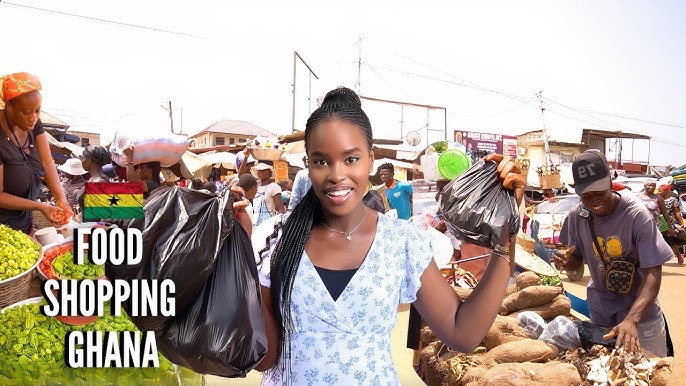
Ghana generally offers better value for money. A budget traveler can easily get by on 400-700 GHS ($35-60) per day, covering a guest house, street food, and local transport. A mid-range budget of 700-1200 GHS ($60-100) secures comfortable hotels like Accra City Hotel (from 1500 GHS/$125), good restaurant meals, and some organized excursions. Street food like kenkey or waakye costs 15-40 GHS ($1.20-3.50). Local trotros (minibuses) are very cheap, often under 10 GHS ($0.90) for short rides. Flights into Accra (ACC) are competitive, often around $900-1300 from major hubs.
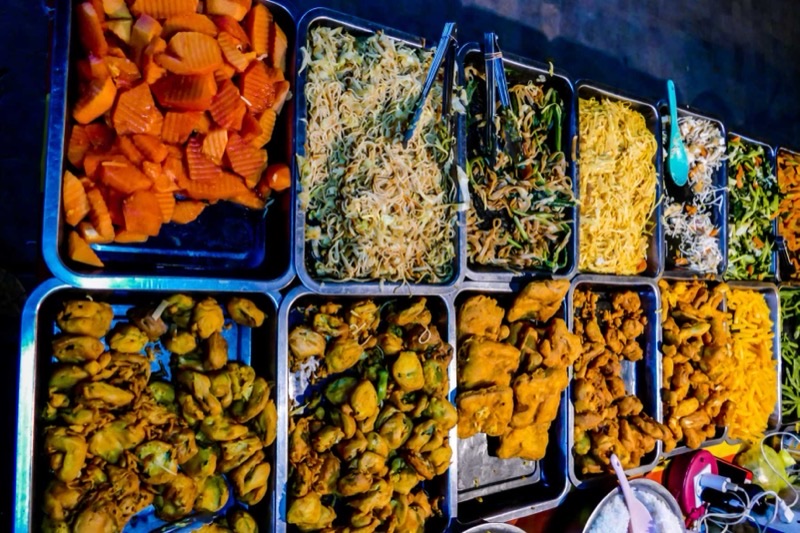
Madagascar is comparatively more expensive for equivalent travel quality, largely due to its isolation and reliance on specialist tourism. Daily costs often range from 300,000-600,000 MGA ($70-140) for basic to mid-range travel. National park entry fees are significant, for example, Ranomafana National Park is around 65,000 MGA ($15) per person per day, plus mandatory guide fees which can be 40,000-80,000 MGA ($9-18) per group. Accommodation prices are higher, with basic hotels starting around 100,000 MGA ($23) and mid-range options like Hotel Sakamanga in Antananarivo from 250,000 MGA ($58). Transport can be costly and slow; private car hire is expensive (around $60-100 per day plus fuel). Flights into Antananarivo (TNR) are typically $1200-1800 from Europe or North America. Tabiji verdict: Ghana provides a substantially more affordable experience, especially for those watching their wallet closely.
- Winner: Ghana
- Why: Ghana offers a lower entry point for daily expenses and accessible, affordable local experiences.
- Who this matters for: Budget-conscious travelers, backpackers, and those preferring local, inexpensive dining.
✈️ Getting There
Ghana is relatively easy to reach. Kotoka International Airport (ACC) in Accra is a major West African hub. Direct flights are available from several European cities (e.g.,…
Ghana
Madagascar
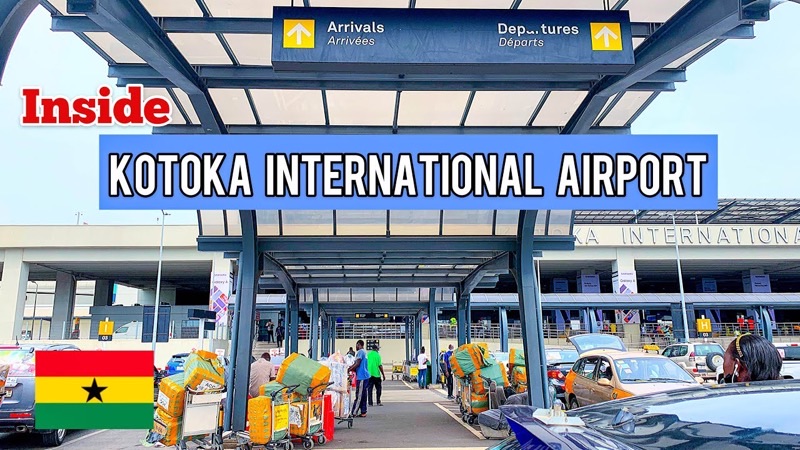
Ghana is relatively easy to reach. Kotoka International Airport (ACC) in Accra is a major West African hub. Direct flights are available from several European cities (e.g., Amsterdam on KLM, London on British Airways) and North American cities (e.g., New York, Washington D.C. on Delta United). Flight times from Europe are typically 6-8 hours, and from the East Coast USA, 10-12 hours. Visa processes for many nationalities are straightforward, often obtainable upon arrival or online, though checking specific country requirements is important. Expect round trip tickets from Europe or North America to range from $900-$1300.
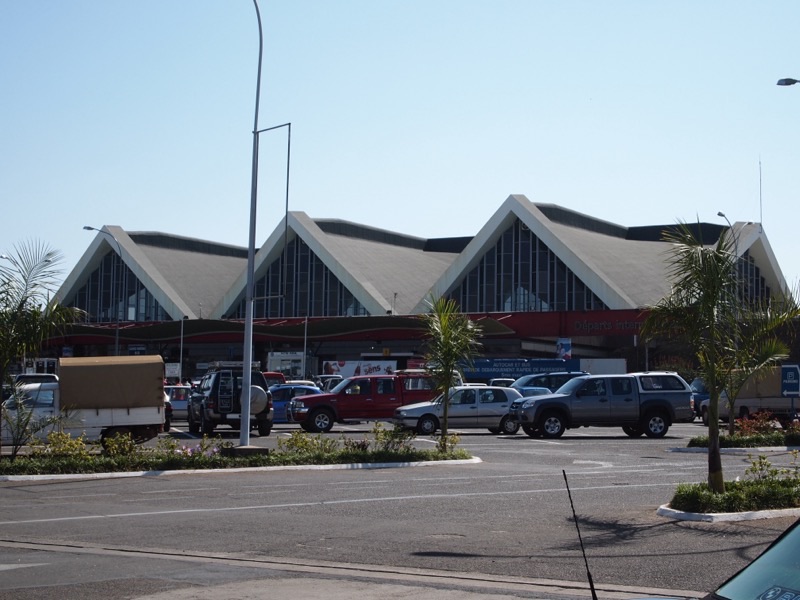
Madagascar's isolation makes it less accessible. Ivato International Airport (TNR) in Antananarivo is the primary gateway. Most international flights route through Paris (Air France) or Nairobi (Kenya Airways), Johannesburg (SAA), or Addis Ababa (Ethiopian Airlines). This often means longer cumulative travel times, typically 12-18 hours including layovers from Europe, and 20-30+ hours from North America. Visa requirements are usually simple, often available on arrival for a fee (e.g., 35-50 Euros/$40-55 for a 30-day tourist visa). Round trip flights are generally more expensive, ranging from $1200-$1800 from major hubs. Tabiji verdict: Ghana wins for ease and speed of international access, making initial travel less arduous.
- Winner: Ghana
- Why: Ghana offers more direct flights and shorter overall travel times from major continents.
- Who this matters for: Travelers prioritizing minimal transit time and easier flight bookings.
🚗 Getting Around
Getting around Ghana is manageable and affordable. Within cities like Accra and Kumasi, ride-sharing apps like Uber and Bolt are widely available and reasonably priced (e.g.,…

Ghana
Madagascar
Getting around Ghana is manageable and affordable. Within cities like Accra and Kumasi, ride-sharing apps like Uber and Bolt are widely available and reasonably priced (e.g., 20-50 GHS/$1.70-4.50 for a city ride). For intercity travel, a comprehensive network of 'trotros' (shared minibuses) connects most towns and villages, offering very low fares (e.g., Accra to Cape Coast for 50-80 GHS/$4.50-7). Intercity bus services like STC or VIP J.A. Plant Pool are also dependable and comfortable, costing 80-150 GHS ($7-13) for longer routes. Roads are generally in fair condition on major routes, though rural roads can be rough. Travel is efficient for West Africa.
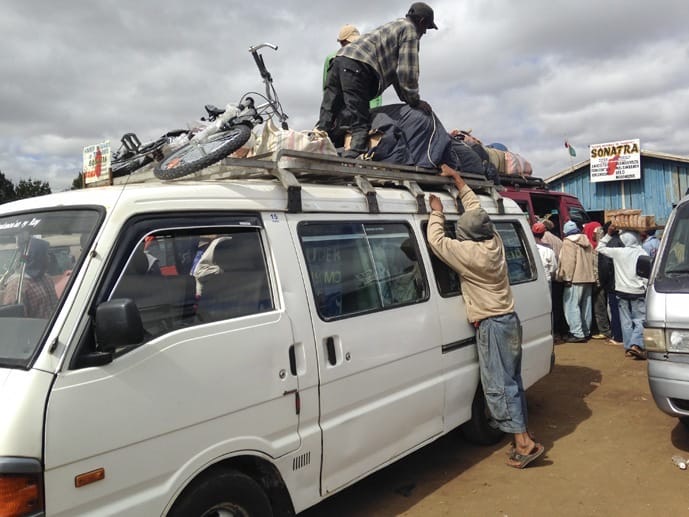
Madagascar presents significant logistical challenges for internal travel. Roads, especially outside major routes, are often in poor condition, making journeys long and arduous even for short distances. 'Taxi-brousses' (shared bush taxis) are the primary public transport, but they are often overloaded, uncomfortable, and slow, breaking down frequently. A journey from Antananarivo to Morondava (around 700km) can take 24-36 hours via taxi-brousse, costing around 60,000-100,000 MGA ($14-23). Private car hire with a driver is highly recommended for comfort and efficiency but is costly, typically $60-100 per day plus fuel. Domestic flights are available but expensive and can be unreliable. Tabiji verdict: Ghana provides a far more convenient and less stressful internal transport system.
- Winner: Ghana
- Why: Ghana's transport infrastructure is more developed, offering more reliable and affordable options for travelers.
- Who this matters for: Independent travelers, those on a schedule, and anyone preferring comfort over extreme adventure in transit.
🏨 Accommodation
Ghana offers a broad spectrum of accommodation options that generally provide good value. Hostels are available in popular areas like Accra (e.g., Somewhere Nice Hostel from 150…
Ghana
Madagascar
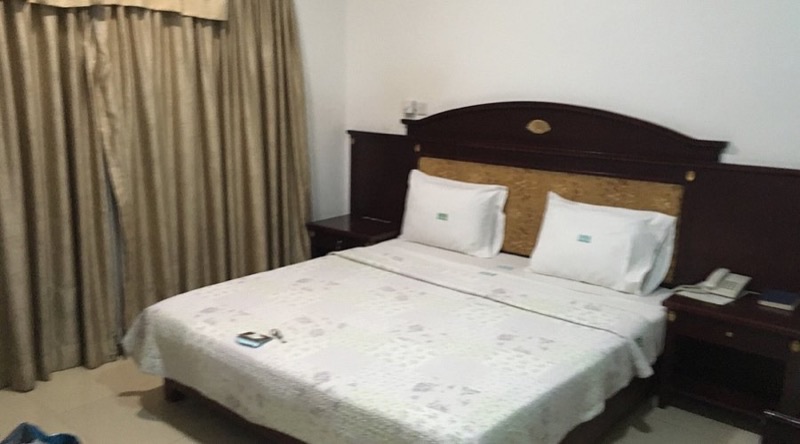
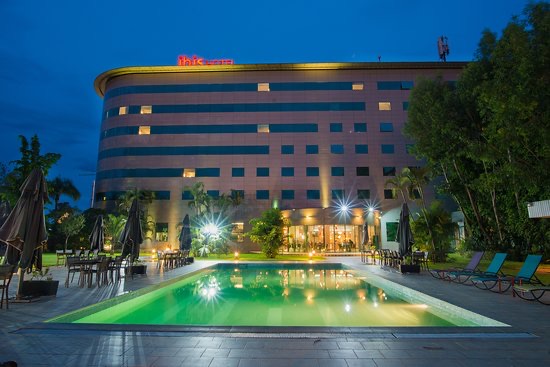
Ghana offers a broad spectrum of accommodation options that generally provide good value. Hostels are available in popular areas like Accra (e.g., Somewhere Nice Hostel from 150 GHS/$13 per night) and beach towns. Mid-range hotels, such as the African Regent Hotel in Accra (from 1800 GHS/$150) or comfortable guesthouses like Coconut Grove Beach Resort near Elmina (from 1000 GHS/$85), are plentiful and offer amenities like air conditioning and private bathrooms. Finding clean, safe, and comfortable lodging for under $70 a night is quite feasible across the country.
Madagascar's accommodation landscape is more sparse and often pricier for comparable quality. In Antananarivo, you can find good options like Hotel Sakamanga (from 250,000 MGA/$58) or budget-friendly spots from 80,000 MGA ($18). However, outside the capital and main tourist circuits (like Isalo or Morondava), choices become limited, and quality can be inconsistent. Remote national parks often have basic bungalows or slightly more upscale eco-lodges, which can be expensive (e.g., Mandrare River Camp from $300+ per person per night, all-inclusive). Securing a clean, comfortable room for under $40-50 can be a challenge in some areas. Tabiji verdict: Ghana offers a better balance of price, availability, and quality for most traveler budgets.
- Winner: Ghana
- Why: Ghana provides a wider array of accommodation options that deliver better value for money.
- Who this matters for: Travelers seeking diverse lodging choices, from budget to mid-range, without overpaying.
🍽️ Food & Drink
Ghanaian food is a highlight of any trip, known for its bold flavors and hearty portions. Jollof rice, waakye (rice and beans), banku with grilled tilapia, and fufu are staples…
Ghana
Madagascar
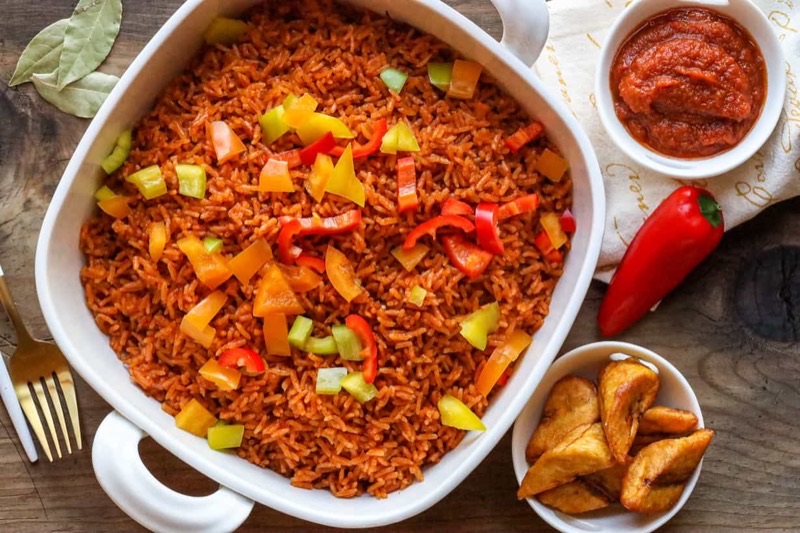
Ghanaian food is a highlight of any trip, known for its bold flavors and hearty portions. Jollof rice, waakye (rice and beans), banku with grilled tilapia, and fufu are staples found everywhere. Street food is ubiquitous, delicious, and incredibly cheap; a filling meal can cost 15-40 GHS ($1.20-3.50). Restaurants offer a variety of local and international dishes, with a good meal costing 70-150 GHS ($6-13). Fresh fruit juices, local beers (Star, Club), and palm wine are also popular. Finding good food is never an issue in Ghanaian cities and larger towns. The food scene is dynamic and accessible.
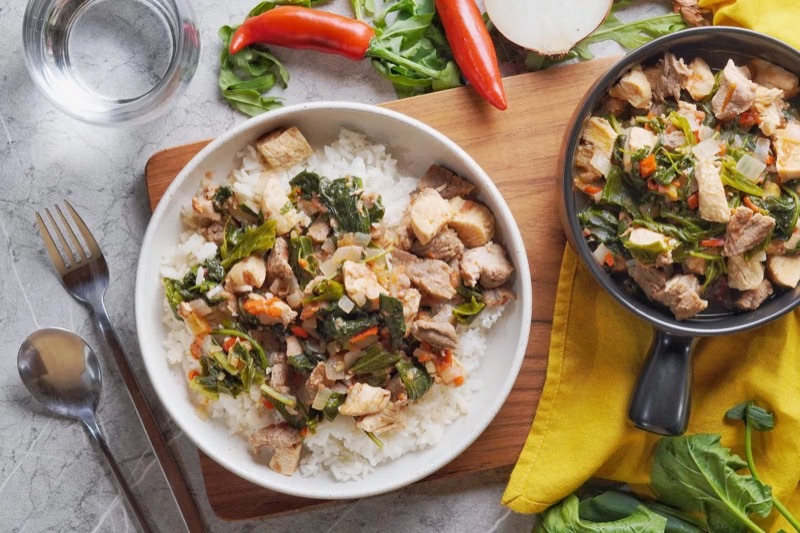
Madagascar offers a cuisine that reflects its diverse heritage, blending African, Southeast Asian, and French elements. Staples include rice (vary), zebu meat, seafood on the coast, and various stews (romazava). While flavorful, food options can be less varied and accessible than in Ghana, especially outside of major cities. Street food is present but less diverse than in Ghana; often limited to sambos (samosas) or skewers. A decent meal in a restaurant might cost 30,000-70,000 MGA ($7-16). Seafood on the coast is a definite treat. However, finding consistently good, safe food can require more effort and research. Tabiji verdict: Ghana wins for its abundant, diverse, and easily accessible food scene that caters well to travelers.
- Winner: Ghana
- Why: Ghana's food scene is more pervasive, diverse, and consistently delicious, especially for budget-friendly street food.
- Who this matters for: Foodies, budget travelers, and anyone who enjoys trying local dishes without extensive searching.
🌃 Nightlife & Social Scene
Ghana, particularly Accra, is renowned for its energetic nightlife. Osu Oxford Street in Accra is the epicenter, packed with bars, clubs, and lounges that stay open late. Places…
Ghana, particularly Accra, is renowned for its energetic nightlife. Osu Oxford Street in Accra is the epicenter, packed with bars, clubs, and lounges that stay open late. Places like Bloombar, Twist Night Club, and Republic Bar & Grill offer different vibes, from sophisticated cocktails to live highlife and afrobeat music. The social atmosphere is welcoming and friendly, making it easy to meet locals and other travelers. Many establishments have live music, and dancing is a common activity. Even smaller towns have local 'drinking spots' with good music and a relaxed environment. Weekends are particularly active, but there are options almost any night.
Madagascar's nightlife is significantly more subdued. In Antananarivo, options are limited mostly to hotel bars or a few Western-style pubs like La Bodega or Mojo by No Comment. Outside the capital, nightlife is virtually non-existent beyond quiet local bars or specific tourist-oriented lodges that might offer evening entertainment. It is not a destination chosen for its party scene. The focus is much more on early starts for wildlife viewing and nature exploration. Tabiji verdict: Ghana offers a far more dynamic and engaging nightlife and social scene for those looking to go out.
- Winner: Ghana
- Why: Ghana boasts a significantly more developed and active nightlife and social scene, particularly in its major cities.
- Who this matters for: Solo travelers, young adults, and anyone who values social interaction and late-night entertainment.
🏛️ Culture & History
Ghana is incredibly rich in history and culture. Its past as the Gold Coast and a major hub for the transatlantic slave trade is evident in sites like Elmina Castle and Cape Coast…
Ghana is incredibly rich in history and culture. Its past as the Gold Coast and a major hub for the transatlantic slave trade is evident in sites like Elmina Castle and Cape Coast Castle, powerful and moving places for historical reflection. The Ashanti Kingdom's legacy is preserved in Kumasi, with its palace museum and traditional craft villages. Ghanaian culture is expressive, with colorful kente cloth, drumming, and dance being central. Festivals like Homowo and Panafest are grand cultural showcases. English is the official language, making interactions easier for many visitors. The Fantes, Ewes, and Gas also contribute distinct cultural elements.
Madagascar offers a singular, distinct culture shaped by its Austronesian origins and later African and Arab influences. The Malagasy people have strong ancestral traditions (fady, famadihana), unique burial practices, and a reverence for the natural world. French colonial architecture is visible in Antananarivo. While fascinating, this culture can be less immediately accessible to external visitors due to language barriers (Malagasy and French are predominant) and the less direct historical narrative of global significance compared to Ghana's slave trade history. Tabiji verdict: Ghana provides a more impactful and globally resonant historical narrative and a more accessible cultural experience.
- Winner: Ghana
- Why: Ghana offers a more profound and universally significant historical narrative, particularly related to the transatlantic slave trade, and an accessible, vibrant culture.
- Who this matters for: History buffs, those interested in the African diaspora, and travelers who prefer easily engaged cultural experiences.
🌿 Nature & Wildlife
Ghana's natural attractions include Mole National Park, known for elephants and antelopes, though large predator sightings are rare. Kakum National Park offers a canopy walkway…
Ghana's natural attractions include Mole National Park, known for elephants and antelopes, though large predator sightings are rare. Kakum National Park offers a canopy walkway through rainforest. Birdwatching is a strength, with numerous species. The landscapes are diverse, from coastal plains to the northern savannah. However, if your primary goal is to see abundant large African mammals in the wild, Ghana will likely disappoint compared to East or Southern African safari destinations. Ghana's nature is about experiencing West African ecosystems and specific forest activities.
Madagascar is a global biodiversity hotspot, with over 90 percent of its wildlife found nowhere else on Earth. It is the only place in the world to see lemurs in the wild (e.g., ring-tailed lemurs in Isalo, indri in Andasibe-Mantadia National Park). You will also find an incredible array of chameleons, geckos, and unique plants like the baobab trees (Avenue of the Baobabs). National parks like Tsingy de Bemaraha (limestone karsts) and Ranomafana (rainforests) offer otherworldly landscapes and prime wildlife viewing. A visit is essentially a nature and wildlife pilgrimage. Tabiji verdict: Madagascar is the undisputed champion for unique, endemic wildlife and spectacular natural landscapes.
- Winner: Madagascar
- Why: Madagascar is home to an extraordinary array of endemic species and unique ecosystems found nowhere else globally.
- Who this matters for: Wildlife photographers, zoologists, nature enthusiasts, and anyone seeking truly unique natural encounters.
🏖️ Beaches & Coastline
Ghana offers a long Atlantic coastline with numerous beaches, many of which are popular for relaxation and local activity. Busua and Kokrobite are known for their laid-back vibes,…
Ghana offers a long Atlantic coastline with numerous beaches, many of which are popular for relaxation and local activity. Busua and Kokrobite are known for their laid-back vibes, surf schools, and budget-friendly guesthouses (e.g., Busua Beach Resort from 800 GHS/$70). Labadi Beach in Accra is a lively urban beach with horse riding and local vendors. While often picturesque, some Ghanaian beaches can be affected by litter, especially near urban areas, and strong currents can make swimming challenging in parts. They are generally more about the social experience and relaxed atmosphere rather than pristine, secluded beauty.
Madagascar, as an island nation, boasts an incredible array of Indian Ocean beaches, from the white sands of Nosy Be to the wild, untouched shores of Ifaty and Anakao. These beaches are ideal for snorkeling, diving, and experiencing truly remote coastal beauty. Nosy Be offers resorts (e.g., Ravintsara Wellness Hotel from $180) and marine activities with consistent clear waters and vibrant coral reefs. The south coast near Tulear also has excellent beaches with traditional fishing villages. Many Malagasy beaches offer a sense of pristine isolation and are less crowded than their Ghanaian counterparts. Tabiji verdict: Madagascar provides superior, more diverse, and often more untouched beach experiences, particularly for marine activities.
- Winner: Madagascar
- Why: Madagascar features pristine Indian Ocean beaches, incredible marine biodiversity, and a greater sense of remote beauty.
- Who this matters for: Beach lovers, divers, snorkelers, and those seeking secluded coastal relaxation.
🚨 Safety & Travel Logistics
Ghana is generally considered a safe and welcoming country for travelers. Petty crime, such as pickpocketing, is present, especially in crowded markets and tourist areas, but…
Ghana is generally considered a safe and welcoming country for travelers. Petty crime, such as pickpocketing, is present, especially in crowded markets and tourist areas, but violent crime against tourists is rare. Scams can occur. The emergency services are improving, and there is a visible police presence. English is widely spoken, which significantly eases communication and problem-solving. It is easy to find local help or advice. Road safety is a concern due to driving standards, but organized transport is usually reliable. Health facilities in Accra are better than in most of West Africa, though comprehensive travel insurance is essential. Travelers report feeling relatively secure moving around independently.
Madagascar presents more significant safety and logistical challenges. Petty crime, including bag snatching and pickpocketing, is more prevalent in cities like Antananarivo and can extend to some tourist areas. There have been reports of roadside banditry in remote areas, particularly at night, making evening travel inadvisable. Infrastructure outside the capital is very basic, affecting emergency response times. Language barriers (French and Malagasy) can make resolving issues more difficult. Healthcare facilities are rudimentary outside Antananarivo. Travelers often need to be more vigilant and are advised to use reputable tour operators for complex itineraries. Tabiji verdict: Ghana provides a more secure and logistically straightforward environment for travel.
- Winner: Ghana
- Why: Ghana offers a more stable environment, better infrastructure, and easier communication for travelers, leading to a smoother experience.
- Who this matters for: Solo travelers, first-time visitors to Africa, and anyone prioritizing ease of travel and personal security.
🎯 The Decision Framework
Choose Ghana If…
- You want to explore powerful historical sites of the transatlantic slave trade.
- You are looking for lively nightlife and a vibrant social scene.
- You prefer easy and affordable internal transportation via public buses and ride-sharing.
- You crave delicious, cheap, and readily available street food.
- You want to easily communicate with locals in English.
- You are a first-time traveler to Africa and prefer an easier entry point.
- You prioritize a budget-friendly trip without sacrificing comfort.
- You enjoy West African music, dance, and cultural festivals.
Choose Madagascar If…
- Your top priority is seeing unique, endemic wildlife like lemurs in their natural habitat.
- You are fascinated by otherworldly landscapes like the Avenue of the Baobabs and Tsingy limestone formations.
- You seek an off-the-beaten-path adventure with significant logistical challenges.
- You are a keen diver or snorkeler looking for pristine Indian Ocean marine life.
- You appreciate a blend of African, Asian, and French cultural influences in cuisine and architecture.
- You have a flexible schedule and budget to accommodate slower, more expensive travel.
- You are an experienced traveler comfortable navigating developing infrastructure and language barriers.
- You desire a truly isolated and untouched natural experience.
📅 Sample Itineraries
Weekend in Ghana (3 Days)
💡 Negotiate taxi fares in Accra before starting your journey; a short ride typically costs $3-5.
Weekend in Madagascar (3 Days)
💡 Hiring a local guide for national parks is essential and often required; budget $10-30 per person per excursion.
One Week in Ghana (7 Days)
💡 For inter-city travel, STC buses are comfortable and reliable; book tickets a day in advance, especially for popular routes like Accra to Kumasi, costing around $15-20.
One Week in Madagascar (7 Days)
💡 Domestic flights in Madagascar can be expensive but save significant travel time over rough roads; book Air Madagascar flights well in advance for better rates, typically $150-300 per leg.
❓ Frequently Asked Questions
What is a realistic daily budget for Ghana vs Madagascar?
In Ghana, a realistic budget for a mid-range traveler is $50-100 per day, covering decent accommodation, street food, and local transport. For Madagascar, expect to spend $70-150 per day due to higher costs for tours, guides, and private transport, especially for wildlife viewing.
Which country is better for wildlife viewing?
Madagascar is vastly superior for wildlife viewing. It is home to unique endemic species like lemurs, chameleons, and specific birds found nowhere else globally. Ghana has wildlife but offers a more standard safari experience with fewer large mammals compared to East or Southern Africa.
How long should I plan for a trip to each destination?
For Ghana, a good trip duration is 7-10 days to cover Accra, Cape Coast, and possibly Kumasi or Mole National Park. For Madagascar, due to its size and transport challenges, 2-3 weeks is recommended to see multiple regions and truly appreciate its biodiversity.
Is English widely spoken in both countries?
English is the official language and widely spoken in Ghana, making communication very easy for travelers. In Madagascar, French and Malagasy are the official languages. While some people in tourist areas speak English, communication can be more challenging without French or a guide.
Which country has better beaches?
Madagascar generally has more pristine, secluded, and diverse beaches along its Indian Ocean coastline, excellent for marine activities like snorkeling and diving. Ghana has lively Atlantic beaches with good surf, but some can be crowded or have litter.
What are the main safety concerns for travelers in each country?
In Ghana, petty crime like pickpocketing is the main concern, especially in crowded areas. In Madagascar, petty crime is also an issue, but there are also reports of more serious roadside banditry in remote areas, making night travel outside cities risky.
How do flight times compare from Europe or North America?
Flights to Ghana from Europe or the East Coast USA are typically 6-12 hours, often with direct options. Flights to Madagascar from Europe or North America are generally longer, 12-30+ hours, and almost always involve multiple layovers, usually in Paris or an African hub like Nairobi.
Which destination is more suitable for a solo female traveler?
Ghana is generally more suitable for solo female travelers due to its easier logistics, widespread English communication, and a more developed infrastructure that supports independent movement. Madagascar can be more challenging due to less developed infrastructure and safety concerns in remote areas, often making a tour guide a necessity.
Ready to plan your African trip?
Get a free custom itinerary for Ghana, Madagascar, or both — built from real traveler insights.
👥 Travelers Also Compared
🎟️ Book Tours & Experiences
Hand-picked tours and activities for both destinations — book with free cancellation
Experiences via Viator — free cancellation on most tours