How we built this comparison
This page combines traveler discussion patterns, published price ranges, flight schedules, and seasonal data to help you decide between Ghana and Portugal.
- Reviewed 50+ Reddit threads from r/travel, r/solotravel, r/Ghana, r/Portugal, and other regional travel subreddits.
- Verified costs and logistics against current booking platforms like Google Flights, Booking.com, and local transport operator websites.
- Cross-referenced seasonal patterns and weather data for optimal travel timing and activity recommendations.
⚡ The TL;DR Verdict
For most travelers seeking an accessible, comfortable European trip with clear infrastructure and consistent quality, Portugal is the pick, typically requiring $80-150 per day. For those craving a more immersive, budget-friendly adventure where daily life is a constant discovery, Ghana delivers a profound experience for $40-70 per day. If you prioritize ease and established tourism, Portugal wins. If you seek growth and resilience, Ghana calls.
- Choose Ghana: You are an adventurous, budget-conscious traveler open to cultural immersion and navigating less predictable situations. You appreciate genuine local interactions and a slower pace outside major cities.
- Choose Portugal: You prioritize convenience, reliable infrastructure, diverse culinary options, and a generally smooth travel experience. You are comfortable with a mid-range European budget and enjoy historical cities and Atlantic beaches.
- Choose Both: If you have ample time (3+ weeks) and a flexible budget, combine a shorter, focused trip to Portugal for its ease with a longer, exploratory journey through Ghana for a truly contrasting world view.
Choose Ghana
Choose Ghana if you're an adventurous, budget-conscious traveler craving deep cultural immersion and genuine connection. It's best for those who thrive on discovery, from navigating bustling markets in Accra to exploring the history of Cape Coast Castle or hiking through lush Kakum National Park. Expect profound experiences for $40-70 daily, embracing a journey of growth and resilience.
Choose Portugal
Choose Portugal for an accessible, comfortable European trip, ideal for those prioritizing convenience and consistent quality. It's best for travelers who enjoy exploring historic neighborhoods like Lisbon's Alfama, indulging in world-class cuisine in Porto, or relaxing on the Algarve's stunning beaches. Expect a smooth experience, typically budgeting $80-150 per day for diverse history and Atlantic charm.
Quick Comparison
| Category | Ghana | Portugal | Winner |
|---|---|---|---|
| Costs & Budget | Ghana is a budget-friendly destination; expect to spend $40-70 per day for food, local transport, and basic accommodation. Street food is inexpensive, and local buses are very cheap. | Portugal is a mid-range European destination. Daily expenses range from $80-150, with meals averaging $15-30 and mid-range hotels around $70-120 per night. Public transport is efficient and affordable. | Ghana |
| Food & Drink | Ghanaian cuisine is hearty and flavorful, with staples like jollof rice, fufu, banku, and fresh grilled fish. Meals are often spicy and centered around local ingredients. Expect street food and local eateries. | Portugal boasts a fresh, Mediterranean diet heavy on seafood, olive oil, and pastries. Dishes like bacalhau, grilled sardines, and pastel de nata are common. Lisbon and Porto have diverse dining scenes. | Portugal |
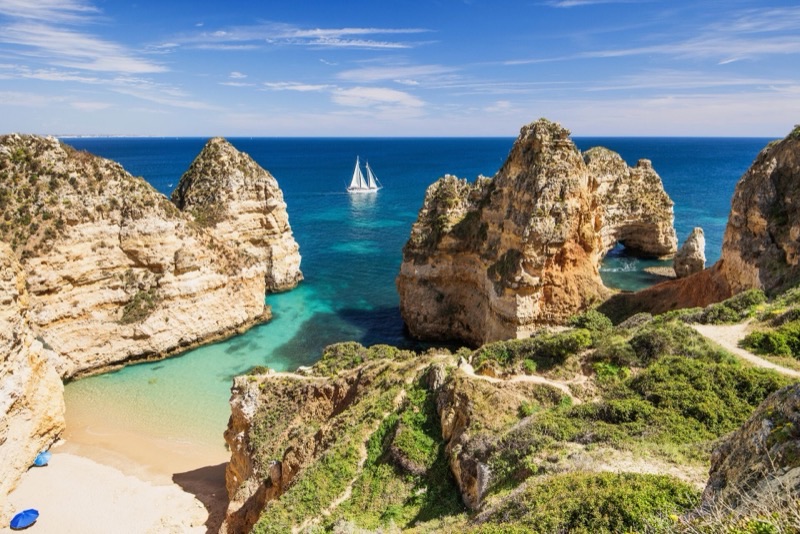
| Beaches & Coastline | Ghana has a long Atlantic coastline with palm-fringed beaches, some rustic and undeveloped. Kokrobite is known for its relaxed vibe and drumming, while Busua Beach is good for surfing. Some areas have strong currents. | Portugal's extensive coastline features dramatic cliffs, golden sandy coves, and powerful Atlantic waves. The Algarve is famous for its sheltered beaches, while Nazaré is known for its extreme surfing waves. Cascais offers accessible beaches near Lisbon. | Portugal |
| Culture & History | Ghana's history includes ancient kingdoms, the transatlantic slave trade, and independence movements. Elmina and Cape Coast Castles are poignant sites. Traditional festivals and markets offer deep cultural insights. | Portugal has a rich maritime history, Moorish influences, and Roman roots. Lisbon's Alfama district, Porto's Ribeira, and Sintra's palaces tell tales of empires and discoveries. Fado music and azulejo tiles are cultural markers. | Tie |
| Safety & Security | Ghana is generally considered safe for travelers, with low rates of violent crime against tourists. Petty theft can occur in crowded areas. Night travel outside cities is not recommended. Road safety can be a concern. | Portugal is one of Europe's safest countries. Crime rates are low, though pickpocketing can happen in crowded tourist spots like Lisbon's Tram 28. Solo female travelers generally report feeling secure. Road conditions are good. | Portugal |
| Getting Around | Ghana's transport mainly relies on tro-tros (shared minibuses), intercity buses, and taxis. Road conditions vary, and travel can be slow. Ride-sharing apps like Bolt are available in major cities. | Portugal has an efficient and affordable public transport system, including trains, buses, metros in Lisbon and Porto, and trams. Roads are well-maintained for driving. Walking is easy in city centers. | Portugal |
| Accommodation | Ghana offers a range from basic guesthouses and budget hotels ($20-50/night) to some mid-range options. Standards vary greatly. Booking in advance, especially outside Accra, is recommended. | Portugal has a wide array of accommodation, from budget hostels and guesthouses ($30-60/night) to boutique hotels and luxury resorts. Standards are generally high. Airbnb is popular. Options are diverse in cities and coastal towns. | Portugal |
| Nightlife & Entertainment | Ghana's nightlife is centered around Accra's Osu district with bars and clubs playing Afrobeats. Beach parties occur, especially around Kokrobite. It is a social and energetic scene, but less structured than European clubs. | Portugal offers diverse nightlife, from Lisbon's Bairro Alto and Cais do Sodre districts with bars and clubs to Porto's lively downtown. Fado houses provide a cultural evening. Beach clubs are popular in summer in the Algarve. | Portugal |
| Nature & Outdoors | Ghana features rainforests, savanna, and a coastline. Mole National Park offers safaris to see elephants. Canopy walks at Kakum National Park are popular. Waterfalls and monkey sanctuaries provide natural escapes. | Portugal's varied landscape includes national parks like Peneda-Gerês with mountains and forests, the dramatic cliffs of the Algarve, and the Douro Valley's terraced vineyards. Hiking, surfing, and cycling are popular activities. | Portugal |
| Flight Logistics | Flights to Accra (ACC) from North America or Europe usually require one stop. Total travel time is 10-15 hours. Costs average $800-1200 return from major hubs. Visa is required for most nationalities. | Flights to Lisbon (LIS) or Porto (OPO) from North America or Europe are often direct or one-stop. Total travel time is 7-12 hours. Costs average $500-900 return. Schengen visa rules apply for non-EU citizens. | Portugal |
💰 Costs & Budget
Traveling through Ghana allows for a considerably lower daily budget compared to most European destinations. You can find basic guesthouses for $20-40 (280-560 GHS) a night, and a…
Ghana
Portugal
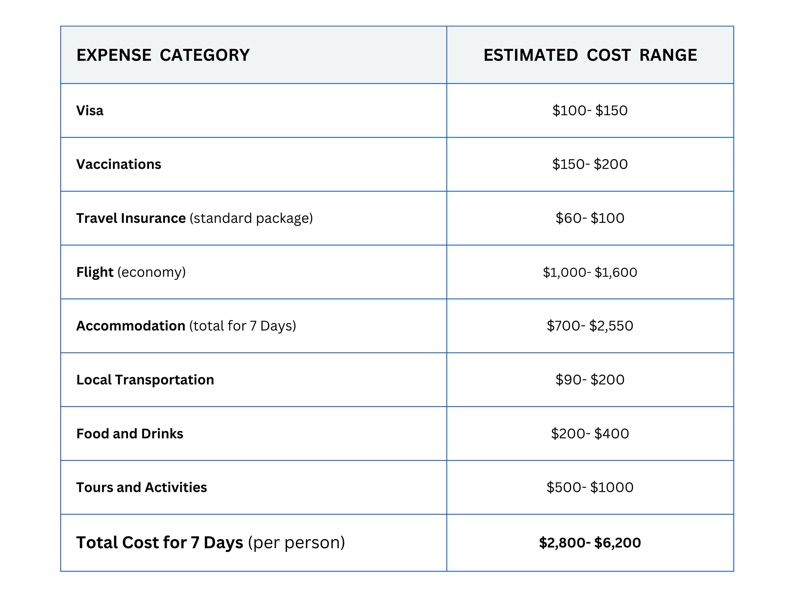
Traveling through Ghana allows for a considerably lower daily budget compared to most European destinations. You can find basic guesthouses for $20-40 (280-560 GHS) a night, and a substantial meal from a street vendor costs $3-6 (42-84 GHS). A 10-hour bus ride from Accra to Tamale might cost $10-15 (140-210 GHS). Entry fees to historical sites like Elmina Castle are around $15 (210 GHS). Savvy travelers can easily manage on $40-50 a day, while those wanting more comfort might spend $70.
Portugal offers a good value within Western Europe, but costs are higher than Ghana. A decent meal in a local restaurant in Lisbon can be $15-25 (14-23 EUR). Accommodation starts around $70-120 (65-110 EUR) for a mid-range hotel outside the absolute city center. Intercity train tickets from Lisbon to Porto are typically $25-40 (23-37 EUR). Attraction entries, such as Pena Palace in Sintra, are around $15 (14 EUR). A daily budget of $80-100 is possible for careful travelers, but $120-150 provides more comfort. The tabiji verdict: Ghana wins on sheer affordability, allowing for longer trips or more experiences on a tighter budget.
- Winner: Ghana
- Why: Ghana provides a much lower cost of travel, making it accessible for budget-focused adventurers.
- Who this matters for: Travelers prioritizing budget and extending their trip duration.
🍽️ Food & Drink
Ghanaian food is a grounding experience. Dishes like waakye (rice and beans), kelewele (spicy fried plantains), and grilled tilapia are common and satisfying. Accra's Osu Oxford…
Ghana
Portugal
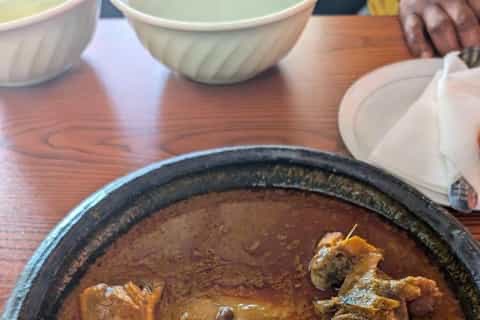
Ghanaian food is a grounding experience. Dishes like waakye (rice and beans), kelewele (spicy fried plantains), and grilled tilapia are common and satisfying. Accra's Osu Oxford Street offers a mix of local chop bars and some international options, but the real experience is in neighborhood eateries or street stalls. A full, satisfying street meal with a drink can cost $3-6 (42-84 GHS). Drinking options include local palm wine and Club beer. Expect rich, often spicy flavors, but less variety in preparation methods compared to Portugal. It is a simple, fulfilling culinary landscape.
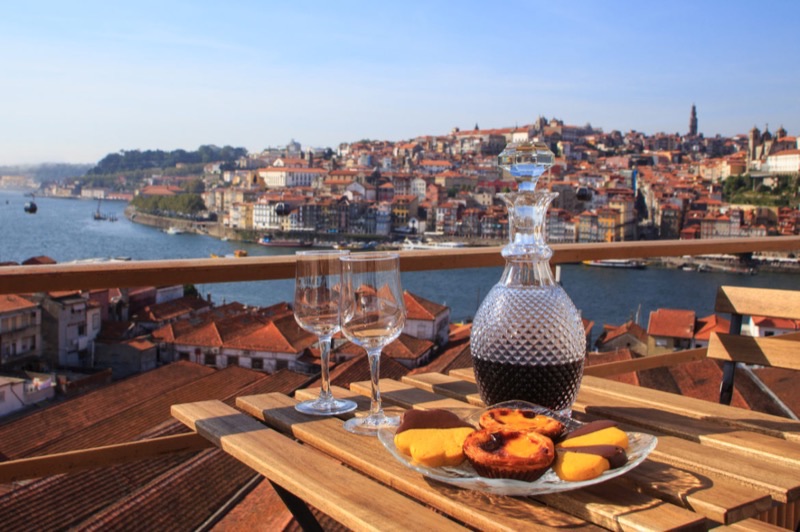
Portugal presents a culinary journey with a broader spectrum of flavors and dining experiences. From fresh seafood straight from the Atlantic in places like Cais do Sodre's Time Out Market in Lisbon (a meal might be $15-25 or 14-23 EUR) to traditional petiscos (small plates) in Alfama, the options are diverse. Pastel de nata from Pastéis de Belém is a famous treat for $1.50 (1.40 EUR). The Douro Valley offers world-renowned wines, and local cafes serve excellent espresso for $1-2 (0.90-1.80 EUR). Restaurants cater to all budgets, from small family-run tascas to Michelin-starred establishments. The tabiji verdict: Portugal offers a more varied, refined, and consistently high-quality gastronomic experience for a general traveler.
- Winner: Portugal
- Why: Portugal offers greater culinary variety, refined flavors, and consistently high quality across its dining scene.
- Who this matters for: Travelers who prioritize diverse gastronomic experiences and established restaurant culture.
🏖️ Beaches & Coastline
Ghana's beaches, while appealing, are generally less developed for tourism compared to Portugal. Places like Kokrobite, about an hour from Accra, offer a laid-back atmosphere with…

Ghana
Portugal
Ghana's beaches, while appealing, are generally less developed for tourism compared to Portugal. Places like Kokrobite, about an hour from Accra, offer a laid-back atmosphere with drumming circles and simple guesthouses (around $30-50 or 420-700 GHS per night). Busua Beach in the Western Region is another spot, popular for its surf school and relaxed setting. The ocean currents can be strong, and not all beaches are regularly cleaned. They provide a local, raw experience rather than resort-style comfort.
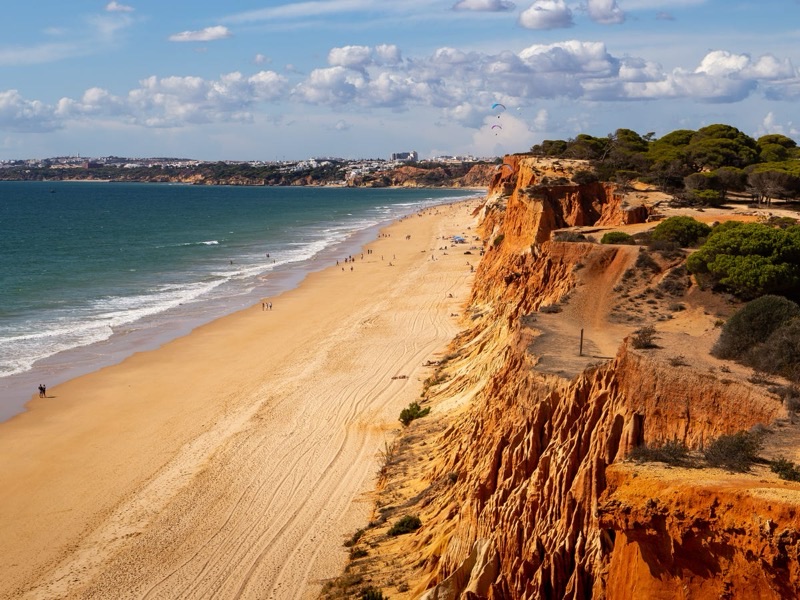
Portugal's coastline is a major draw, offering a wide array of beach experiences. The Algarve region, with towns like Lagos and Faro, presents sheltered coves, sea caves (e.g., Benagil Cave), and warm waters in summer. A boat trip to see the caves might cost $30-40 (28-37 EUR). Near Lisbon, Cascais and Estoril provide easily accessible sandy stretches. The wilder, rugged west coast, particularly around Peniche or Nazaré, is a magnet for surfers. Water quality is consistently high, and many beaches have blue flag status. The tabiji verdict: Portugal wins with its diverse, well-maintained, and consistently accessible beaches catering to varied preferences.
- Winner: Portugal
- Why: Portugal provides more diverse, consistently clean, and well-developed beaches with better accessibility and safety infrastructure.
- Who this matters for: Travelers prioritizing beach comfort, safety, and a wide range of coastal activities.
🏛️ Culture & History
Ghana offers a profound historical and cultural journey, particularly regarding the transatlantic slave trade. Visiting Elmina Castle ($15 or 210 GHS entry) or Cape Coast Castle…

Ghana
Portugal
Ghana offers a profound historical and cultural journey, particularly regarding the transatlantic slave trade. Visiting Elmina Castle ($15 or 210 GHS entry) or Cape Coast Castle is a somber but essential experience. The Ashanti Kingdom's legacy is evident in Kumasi, with sites like the Manhyia Palace Museum ($10 or 140 GHS entry). Traditional festivals, like Homowo in Accra or Hogbetsotso in the Volta Region, are vibrant displays of local customs, music, and dance. Daily life in Ghana itself is a cultural immersion, from navigating Makola Market in Accra to observing local crafts. It is a history that resonates deeply and directly.
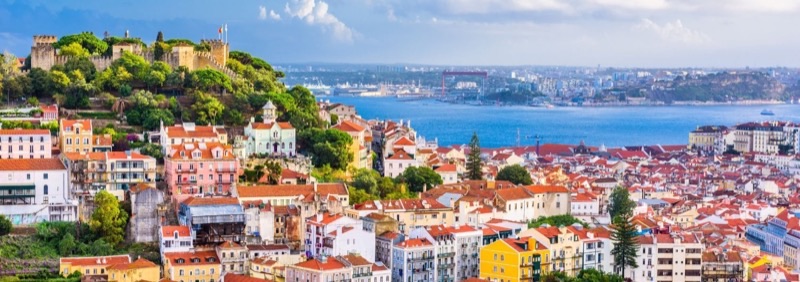
Portugal presents a history interwoven with exploration, empire, and artistry. Lisbon's Jerónimos Monastery ($12 or 11 EUR entry) and Belém Tower ($6 or 5.50 EUR entry) reflect its Age of Discovery. The Moorish influence is visible in architectural styles. Porto's historic center and the fairytale palaces of Sintra (Pena Palace entry $15 or 14 EUR) showcase different eras. Fado music performances in Lisbon's Chiado district offer a powerful emotional experience (around $20-40 or 18-37 EUR for a show). Both nations offer rich historical narratives. The tabiji verdict: Both destinations offer compelling and deeply significant historical and cultural experiences, appealing to different facets of global history and artistic expression.
- Winner: Tie
- Why: Both Ghana and Portugal provide profoundly significant and engaging historical and cultural experiences, albeit from different global perspectives.
- Who this matters for: All travelers who seek to understand human history and local ways of life.
🚨 Safety & Security
Ghana is a welcoming country, but travelers should exercise awareness. Petty theft, like phone snatching, can happen in busy markets like Makola in Accra or on crowded tro-tros.…
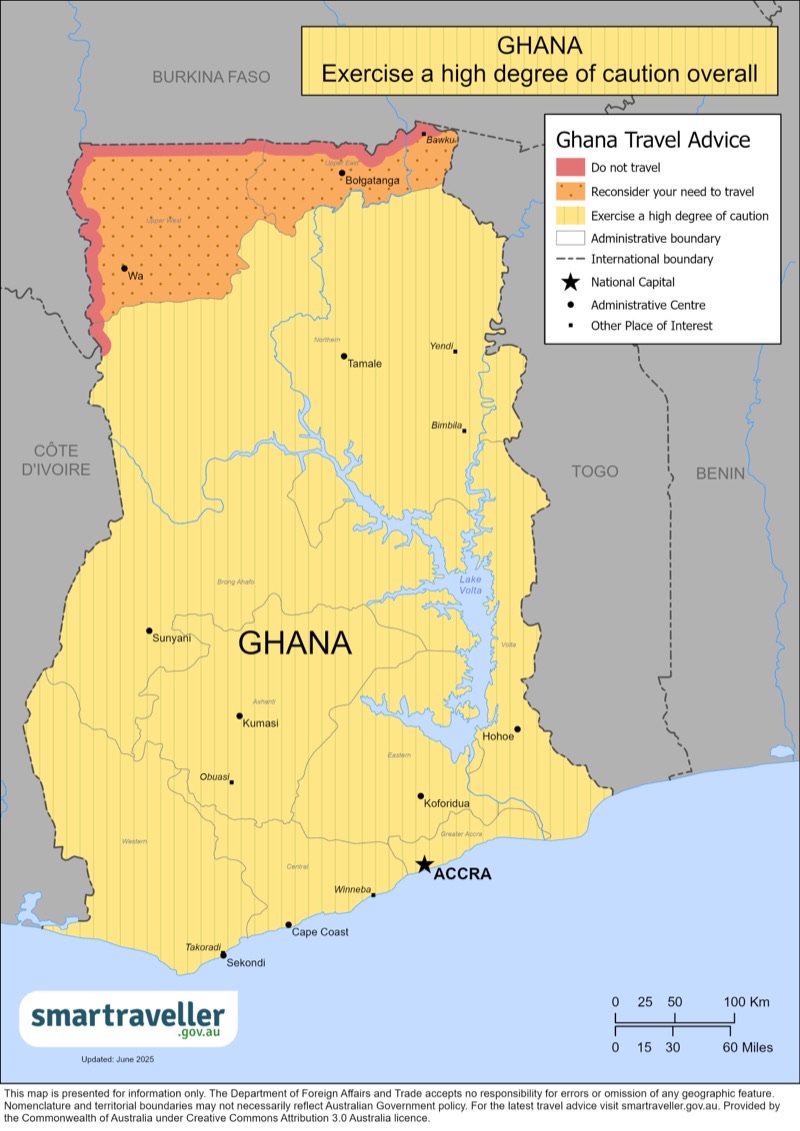
Ghana
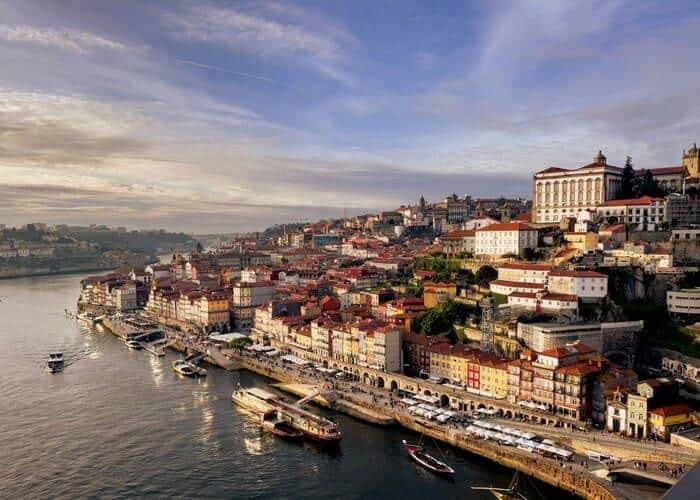
Portugal
Ghana is a welcoming country, but travelers should exercise awareness. Petty theft, like phone snatching, can happen in busy markets like Makola in Accra or on crowded tro-tros. Walking alone at night in unfamiliar areas is not advisable. Road accidents are more common due to varying road conditions, aggressive driving, and poorly maintained vehicles. It is generally recommended to use reputable taxis or ride-sharing apps like Bolt. While violent crime against tourists is rare, navigating daily situations requires a degree of assertiveness and caution, particularly when dealing with touts.
Portugal maintains a high level of safety, making it a comfortable destination for all types of travelers. Major concerns are limited to pickpocketing in dense tourist areas like the Baixa district or on public transport in Lisbon. Violent crime is rare. Solo female travelers often report feeling secure, even at night in city centers. Public transport is reliable and well-lit. Roads are well-maintained, and driving standards are consistent with Western Europe. Emergency services are responsive. The tabiji verdict: Portugal offers a significantly higher level of perceived and actual safety, providing a less stressful travel environment.
- Winner: Portugal
- Why: Portugal consistently ranks as one of the safest countries in Europe, with low crime rates and reliable infrastructure, providing a more secure travel experience.
- Who this matters for: Travelers prioritizing personal security, solo travelers, and those less comfortable with navigating unpredictable situations.
🚗 Getting Around
Getting around Ghana is an adventure in itself. Tro-tros are the most common and cheapest form of public transport for short distances (a ride within Accra might be $0.50-1 or…
Getting around Ghana is an adventure in itself. Tro-tros are the most common and cheapest form of public transport for short distances (a ride within Accra might be $0.50-1 or 7-14 GHS), but they are often crowded and follow flexible schedules. Intercity buses (like VIP, STC) connect major cities more reliably (e.g., Accra to Cape Coast is $5-7 or 70-98 GHS). Taxis are widely available, and ride-sharing apps like Bolt are convenient in Accra and Kumasi. However, road quality outside major routes can be poor, leading to slow travel times and sometimes uncomfortable journeys. Expect delays and a need for patience.
Portugal excels in ease of movement. Lisbon and Porto have extensive metro systems (a single metro ticket is $1.80 or 1.65 EUR), trams (e.g., Tram 28 in Lisbon is a tourist experience for a regular fare), and buses that are clean and punctual. Intercity trains (Comboios de Portugal) are fast and comfortable, connecting major cities like Lisbon and Porto in under 3 hours for around $25-40 (23-37 EUR). Driving is an option for exploring rural areas, with good roads and clear signage. Walking is a primary mode of transport within historic city centers. The tabiji verdict: Portugal offers a far more convenient, reliable, and comfortable transport network, reducing travel stress significantly.
- Winner: Portugal
- Why: Portugal provides an efficient, reliable, and comfortable public transportation network and well-maintained roads, making travel easy and predictable.
- Who this matters for: Travelers who prioritize convenience, comfort, and predictable travel times between destinations.
🏨 Accommodation
Accommodation in Ghana caters primarily to budget and mid-range travelers. In Accra, you can find decent hotels for $60-100 (840-1400 GHS), but outside the capital, options are…
Accommodation in Ghana caters primarily to budget and mid-range travelers. In Accra, you can find decent hotels for $60-100 (840-1400 GHS), but outside the capital, options are often more basic. Guesthouses or simple hotels in places like Cape Coast or Busua average $20-40 (280-560 GHS) a night. Amenities might be limited, and power outages can occur. While hospitality is warm, expectations for consistent quality, internet access, or hot water should be adjusted. It is advisable to inspect rooms before committing, especially for lower-priced options.
Portugal offers accommodation for every budget and preference, with a consistent level of quality. Hostels in Lisbon or Porto can be found for $30-50 (28-46 EUR) per night, while charming guesthouses and boutique hotels range from $70-150 (65-139 EUR). Luxury resorts are prevalent in the Algarve and Lisbon. The prevalence of Airbnb also provides many apartment options. Standards for cleanliness, amenities, and service are generally high across all price points. Hotels in Portugal often include breakfast. The tabiji verdict: Portugal clearly wins for the variety, consistent quality, and reliability of its accommodation options.
- Winner: Portugal
- Why: Portugal provides a much wider range of consistently high-quality accommodation options across all budget types, with reliable amenities.
- Who this matters for: Travelers who value comfort, predictable standards, and diverse lodging choices.
nightlife-entertainment Nightlife & Entertainment
Ghanaian nightlife is an immersive experience, particularly in Accra. The Osu Oxford Street area is the hub, with numerous bars like Republic Bar & Grill (drinks around $3-5 or…
Ghanaian nightlife is an immersive experience, particularly in Accra. The Osu Oxford Street area is the hub, with numerous bars like Republic Bar & Grill (drinks around $3-5 or 42-70 GHS) and clubs playing Afrobeats, Highlife, and other local genres. Weekends often feature live music. Beach parties, especially at Kokrobite, can go on all night. It is a casual, social scene, where locals are welcoming and the energy is contagious. However, it can be less structured, and safety precautions are important, especially regarding transport after dark. Dress codes are usually relaxed.
Portugal offers a sophisticated and diverse nightlife. Lisbon's Bairro Alto comes alive after dark with countless small bars and pubs, while Cais do Sodre (home to the famous Pink Street) hosts larger clubs (entry typically $10-20 or 9-18 EUR, often includes a drink). Porto also has a energetic downtown area with bars and clubs. For a more traditional experience, Fado houses in Lisbon offer dinner and live music (around $40-80 or 37-74 EUR for dinner and show). In summer, the Algarve region lights up with beach clubs. Public transport runs late in major cities. The tabiji verdict: Portugal edges out Ghana due to its wider variety, established venues, and general ease of access and safety.
- Winner: Portugal
- Why: Portugal provides a wider range of nightlife options, from traditional Fado to modern clubs, with better infrastructure and perceived safety.
- Who this matters for: Travelers seeking diverse entertainment options, established club scenes, and ease of access at night.
🌳 Nature & Outdoors
Ghana's natural attractions offer a raw, wild experience. Mole National Park in the north is the countrys largest wildlife park, where walking safaris allow close encounters with…
Ghana's natural attractions offer a raw, wild experience. Mole National Park in the north is the countrys largest wildlife park, where walking safaris allow close encounters with elephants (entry $25 or 350 GHS, guide fees separate). Kakum National Park in the Central Region is famous for its canopy walk through the rainforest ($15 or 210 GHS entry). Other spots include the Wli Waterfalls (the tallest in West Africa) and monkey sanctuaries. While impressive, infrastructure around these sites can be basic, and travel to reach them can be time-consuming and challenging. The focus is on authentic, unfiltered nature.
Portugal presents a more accessible and varied outdoor landscape. The Peneda-Gerês National Park in the north offers hiking, waterfalls, and traditional villages. The Algarve coastline is famous for its dramatic cliffs, sea caves, and opportunities for water sports like surfing and kayaking. The Douro Valley is known for its terraced vineyards and river cruises ($50-100 or 46-93 EUR for a half-day cruise). Surfing is a major draw on the west coast, with surf schools available in many towns. Trails are well-marked, and guided tours are abundant. The tabiji verdict: Portugal offers a more accessible, diverse, and well-supported range of outdoor activities and natural settings.
- Winner: Portugal
- Why: Portugal offers more diverse, accessible, and well-developed outdoor activities and natural landscapes with better infrastructure.
- Who this matters for: Travelers seeking a variety of accessible outdoor activities, from hiking to surfing, with established amenities.
✈️ Flight Logistics
Flying to Ghana typically involves longer travel times and higher costs. From major North American cities like New York or Toronto, expect one stop and total travel times of 12-15…
Flying to Ghana typically involves longer travel times and higher costs. From major North American cities like New York or Toronto, expect one stop and total travel times of 12-15 hours, with round-trip economy fares ranging from $800-1200. From European hubs like London or Amsterdam, flights are shorter (6-7 hours direct, but often involve connections) and cost $600-900. A visa is mandatory for most non-West African nationals and must be obtained in advance from a Ghanaian embassy or consulate, usually costing around $60-100. Planning this well in advance is crucial.
Portugal is significantly easier to access. Direct flights from North American cities like New York, Boston, or Toronto to Lisbon take about 6-7 hours. From major European cities, flights are often direct and take 2-4 hours. Round-trip economy fares typically range from $500-900 from North America and $150-400 from Europe. Portugal is part of the Schengen Area, meaning many nationalities can enter visa-free for up to 90 days. The entry process is generally straightforward. The tabiji verdict: Portugal offers a much smoother, shorter, and often cheaper flight experience with simpler visa requirements.
- Winner: Portugal
- Why: Portugal provides more direct, shorter, and often cheaper flights with simpler visa requirements for most international travelers.
- Who this matters for: Travelers prioritizing easy, quick, and cost-effective international travel with minimal bureaucratic hurdles.
🎯 The Decision Framework
Choose Ghana If…
- You crave an immersive cultural journey with genuine local interactions.
- Your budget is strict; you want to stretch your travel funds further.
- You are comfortable with less developed infrastructure and occasional inconveniences.
- You want to explore the history of the transatlantic slave trade firsthand.
- You appreciate spicy, hearty West African cuisine.
- You are seeking a destination that fosters personal growth and resilience.
- You enjoy navigating local transport like tro-tros and shared taxis.
- You prefer a travel experience that feels less curated for tourists.
Choose Portugal If…
- You desire reliable infrastructure and a generally smooth travel experience.
- You appreciate diverse culinary options, from fresh seafood to pastries and fine wines.
- You want accessible, well-maintained beaches and scenic coastlines.
- You enjoy exploring historical cities with grand architecture and ancient roots.
- You prioritize personal safety and predictable travel conditions.
- You prefer efficient public transportation like metros, trams, and trains.
- You seek a variety of accommodation, from budget hostels to boutique hotels.
- You want an easy flight experience with direct routes and straightforward entry.
❓ Frequently Asked Questions
What is a realistic daily budget for Ghana versus Portugal?
In Ghana, a realistic budget for a careful traveler is $40-70 per day, covering basic accommodation ($20-40), street food ($3-6 per meal), and local transport. For Portugal, expect $80-150 per day, with hostels/guesthouses ($30-60) or mid-range hotels ($70-120), meals ($15-25), and efficient public transport.
How long are flights from North America to each country?
Flights from major North American cities to Accra, Ghana, typically involve one stop and take 12-15 hours. To Lisbon or Porto, Portugal, direct flights take about 6-7 hours, or 9-12 hours with one stop.
Do I need a visa for Ghana or Portugal?
Most non-West African nationalities require a visa to enter Ghana, which must be obtained in advance from an embassy or consulate, costing around $60-100. Portugal is part of the Schengen Area, allowing many nationalities (including US, Canada, UK) visa-free entry for up to 90 days.
What are the key safety considerations for each destination?
Ghana is generally safe, but petty theft can occur in crowded areas; avoid walking alone at night. Road safety is a concern due to varying conditions. Portugal is among Europe's safest countries; pickpocketing is the main concern in crowded tourist spots like Lisbon's Tram 28, but violent crime is rare.
Which destination is better for foodies?
Portugal offers a more diverse and consistently high-quality gastronomic experience with fresh seafood, varied pastries, and established dining scenes in Lisbon and Porto. Ghana provides hearty, flavorful West African cuisine like jollof and fufu, but with less variety in preparation and dining styles, focusing on local eateries and street food.
Can I easily travel around each country without a car?
In Ghana, local transport relies on tro-tros and intercity buses, which are cheap but can be slow and unpredictable. Ride-sharing apps are available in cities. Portugal boasts an excellent public transport system with reliable trains, buses, metros, and trams, making car-free travel very convenient between and within cities.
What are the main historical attractions in each country?
Ghana's history is marked by the transatlantic slave trade, with poignant sites like Elmina and Cape Coast Castles. The Ashanti Kingdom in Kumasi also offers historical insights. Portugal boasts a rich maritime history, with sites like Lisbon's Jerónimos Monastery and Belém Tower, and the fairytale palaces of Sintra.
Which destination has better beaches?
Portugal's coastline is extensive, offering diverse, well-maintained beaches, dramatic cliffs, and opportunities for surfing or relaxing in the Algarve. Ghana's beaches, like Kokrobite and Busua, are more rustic and less developed, offering a local experience with strong currents in some areas.
Ready to plan your next adventure?
Get a free custom itinerary for Ghana, Portugal, or both — built from real traveler insights.
🎟️ Book Tours & Experiences
Hand-picked tours and activities for both destinations — book with free cancellation
Experiences via Viator — free cancellation on most tours