How we built this comparison
This page combines traveler discussion patterns, published price ranges, flight schedules, and seasonal data to help you decide between Ghana and South Africa.
- Reviewed 100+ Reddit threads from r/travel, r/solotravel, r/Ghana, r/southafrica, etc.
- Verified costs and logistics against current booking platforms (e.g., Skyscanner, Booking.com, Uber estimates)
- Cross-referenced seasonal patterns and weather data for optimal travel times
⚡ Quick Answers
⚡ The TL;DR Verdict
For travelers prioritizing cost savings, deep cultural engagement, and a generally slower pace, Ghana is the clearer choice with a daily budget around $35-70. South Africa caters to those seeking diverse nature, established tourism infrastructure, and more varied activity options, typically requiring $70-150 per day. Ghana offers a more raw, immediate experience; South Africa provides polished adventure.
- Choose Ghana: You prioritize budget travel, seek direct interaction with local culture, and appreciate less-developed tourist infrastructure. You enjoy fresh street food and a relaxed pace.
- Choose South Africa: You want diverse landscapes, including safaris and mountains, enjoy established guesthouses and restaurants, and prefer a wider array of outdoor activities. You are comfortable with higher costs.
- Choose Both: If you have 4+ weeks and a flexible budget, combine Ghana for its West African history and culture with South Africa for its wildlife and scenery. Fly between Accra and Johannesburg/Cape Town.
Choose Ghana
Choose Ghana if you're a budget-conscious adventurer eager for authentic cultural immersion, best experienced through bustling markets in Accra, the historic slave castles of Cape Coast, and vibrant street food. It's perfect for travelers who thrive on direct local interaction and a more spontaneous, less-polished journey, with daily costs around $35-70.
Choose South Africa
Opt for South Africa if you crave diverse, well-developed adventures, from Big Five safaris in Kruger National Park to wine tasting in Stellenbosch and exploring the iconic Table Mountain in Cape Town. It's ideal for travelers prioritizing established tourism infrastructure, varied outdoor pursuits, and a higher level of comfort, with budgets typically $70-150 daily.
📊 Visual Scorecard
🌤 When to Visit
Average high temperatures (°C). Green = best months, orange = avoid.
Quick Comparison
| Category | Ghana | South Africa | Winner |
|---|---|---|---|
| Costs & Budget | Significantly more affordable for accommodation, food, and local transport. Street food is common and cheap. | Higher costs across the board, especially for safaris and Western-style meals. Transport can be costly without a car. | Ghana |
| Getting There | Direct flights from major European and North American hubs to Accra (ACC). | Direct flights from major European, North American, and Middle Eastern hubs to Johannesburg (JNB) and Cape Town (CPT). | Tie |
| Getting Around | Dominance of informal transport (tro-tros, shared taxis). Ridesharing available in cities. Roads outside cities can be rough. | Extensive road network, car rental is common. Ridesharing (Uber/Bolt) widely available in cities. Long-distance buses are available. | South Africa |
| Accommodation | Budget-friendly guesthouses and basic hotels are prevalent. Limited luxury options outside Accra. | Wide range of options from hostels to boutique hotels and luxury safari lodges. Established guesthouse scene. | South Africa |
| Food & Drink | Flavorful West African cuisine, strong street food culture. Limited international options outside Accra. | Diverse culinary scene with influences from various cultures. Excellent wines, abundant international dining. | South Africa |
| Nature & Wildlife | Forested national parks (Kakum) and Mole National Park for elephants. Different safari experience. | Premier safari destination (Kruger), Drakensberg Mountains, dramatic coastlines, diverse flora and fauna. | South Africa |
| Beaches | West African coastline with strong waves, fishing villages, and less developed tourist infrastructure. | Extensive coastline with diverse beaches, from surfing spots to calm swimming coves. Better infrastructure. | South Africa |
| Culture & History | Deep historical significance regarding the transatlantic slave trade, strong traditional practices, music, and dance. | Complex history of apartheid, diverse indigenous cultures, colonial heritage, and modern democratic evolution. | Ghana |
| Safety & Security | Generally peaceful with low violent crime rates. Petty theft can occur. Night travel outside cities is not advised. | Higher rates of violent crime, especially in major cities and townships. Specific tourist areas are generally safe. | Ghana |
| Nightlife | Lively local bars, street parties, and live music venues, especially in Accra. | Sophisticated bars, clubs, live music, and diverse entertainment options in major cities. | South Africa |
💰 Costs & Budget
Ghana generally costs less to travel through. A traveler can secure a basic guesthouse room for GHS 150-250 ($13-22) in Accra, or significantly less outside major cities. Street…
Ghana

South Africa
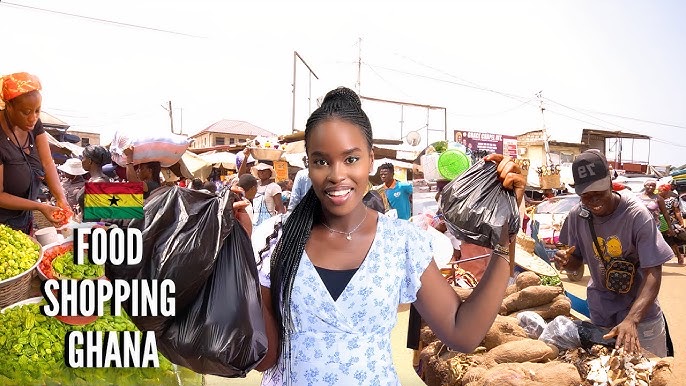
Ghana generally costs less to travel through. A traveler can secure a basic guesthouse room for GHS 150-250 ($13-22) in Accra, or significantly less outside major cities. Street food like waakye or jollof rice costs GHS 10-25 ($0.90-2.20) per plate. Local transportation via tro-tros or shared taxis is inexpensive, often GHS 5-15 ($0.45-1.30) for intra-city trips. A comfortable daily budget for independent travelers is around $35-70, excluding major tours.
South Africa presents higher costs. A mid-range guesthouse room in Cape Town or Johannesburg starts from ZAR 700-1200 ($38-65). Restaurant meals typically cost ZAR 150-300 ($8-16) per person, with fine dining much more. A multi-day safari in Kruger National Park can cost ZAR 5,000-15,000+ ($270-800+) per person per day, depending on the camp. Public transport exists but car rental (ZAR 400-800/$22-43 per day) is often necessary for rural exploration. A reasonable daily budget for South Africa, including some activities, is $70-150.
Ghana wins decisively here; your money stretches further for day-to-day expenses.
- Winner: Ghana
- Why: Ghana offers a lower cost of living and travel, making it accessible for budget-conscious travelers.
- Who this matters for: Travelers prioritizing budget and prolonged stays.
✈️ Getting There
Accra Kotoka International Airport (ACC) serves as Ghanas main international gateway. Direct flights from London (British Airways, about 6.5 hours), Amsterdam (KLM, about 6.5…
Ghana
South Africa
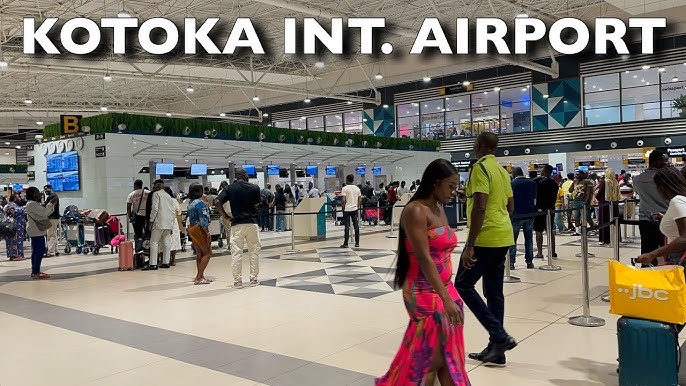
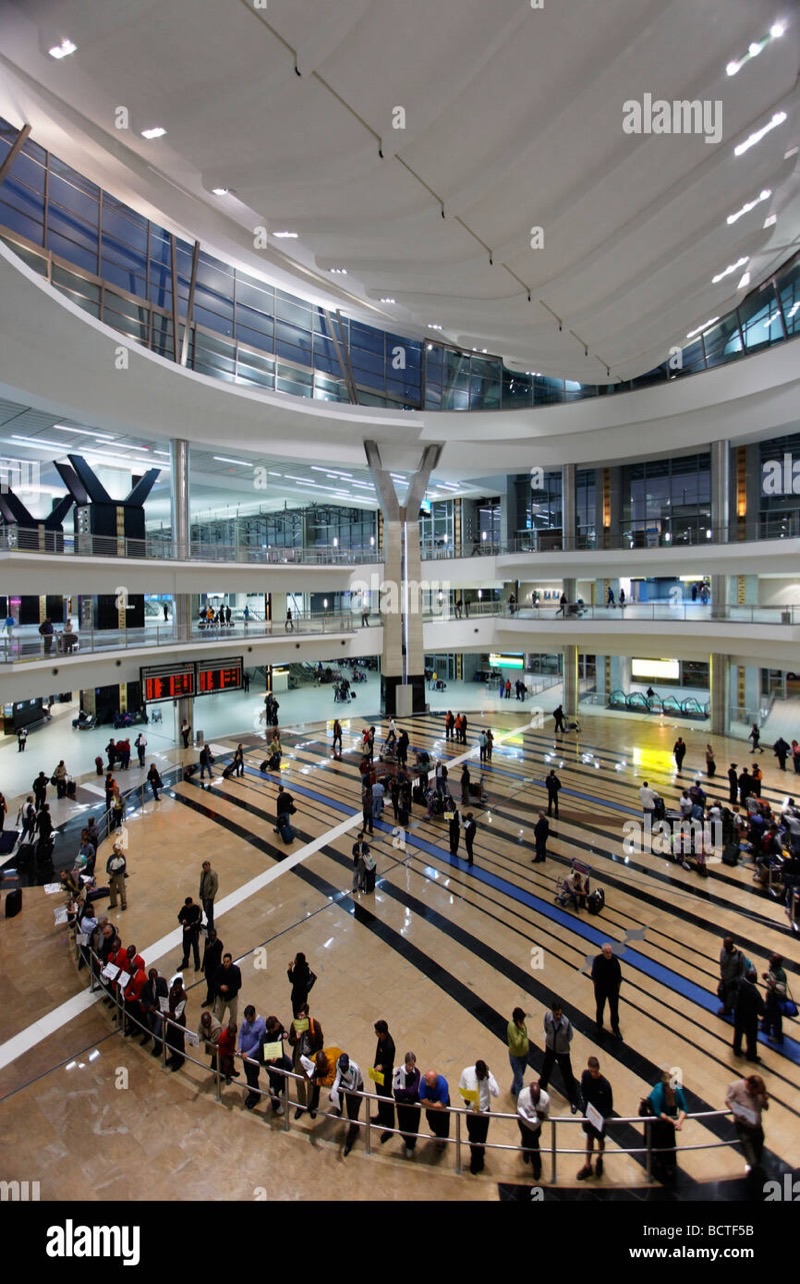
Accra Kotoka International Airport (ACC) serves as Ghanas main international gateway. Direct flights from London (British Airways, about 6.5 hours), Amsterdam (KLM, about 6.5 hours), New York (United, about 10.5 hours), and Washington D.C. (United, about 10 hours) are common. Fares can range from $700-1200 roundtrip from Europe, or $1000-1800 from North America, varying by season. Visas are required for most nationalities and should be secured in advance.
South Africa offers two primary international airports: O.R. Tambo International Airport (JNB) in Johannesburg and Cape Town International Airport (CPT). Direct flights are available from London (British Airways, Virgin Atlantic, about 11.5 hours), Amsterdam (KLM, about 11 hours), New York (United, Delta, about 15.5 hours), and Dubai (Emirates, about 9.5 hours). Fares are comparable to Ghana, often $800-1300 from Europe and $1100-2000 from North America. Many nationalities can enter visa-free for up to 90 days, including US, UK, and EU citizens.
Both destinations are accessible with good air connections; choose based on personal visa requirements.
- Winner: Tie
- Why: Both countries have strong international flight connections, with similar flight times and costs from major global hubs.
- Who this matters for: All travelers, as ease of access is a universal concern.
🚗 Getting Around
In Ghana, intra-city travel primarily relies on tro-tros (minibuses) which are very cheap (GHS 5-15/$0.45-1.30 per ride) but can be crowded and confusing for first-timers. Shared…
Ghana
South Africa
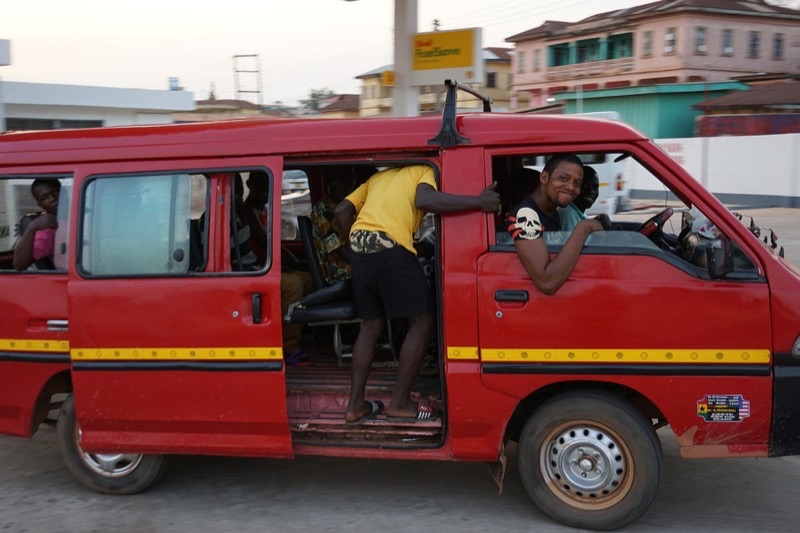
In Ghana, intra-city travel primarily relies on tro-tros (minibuses) which are very cheap (GHS 5-15/$0.45-1.30 per ride) but can be crowded and confusing for first-timers. Shared taxis are also common. Bolt and Uber operate in Accra and Kumasi, with rides costing GHS 20-60 ($1.75-5.30) for most city trips. For inter-city travel, STC buses are reliable between major hubs, costing GHS 60-120 ($5.30-10.60) for a few hours journey. Road conditions vary significantly; many roads outside major arteries are unpaved. Self-driving is not advised for those unfamiliar with local driving practices.
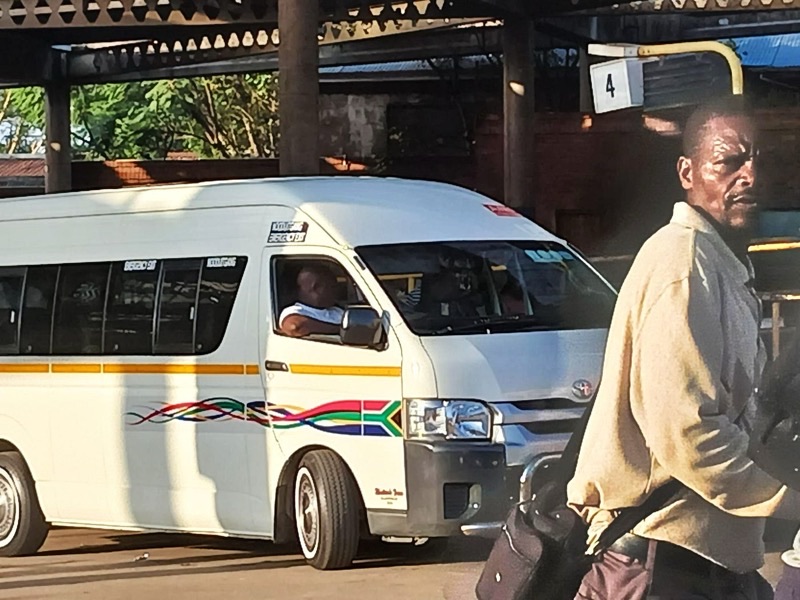
South Africa has a more developed transport infrastructure. Renting a car is a popular choice for independent exploration, especially for safaris and coastal routes, costing ZAR 400-800 ($22-43) per day. Roads are generally well-maintained. Uber and Bolt are readily available and affordable in urban areas, with short trips around ZAR 40-80 ($2.20-4.30) and longer ones ZAR 150-300 ($8-16). The Gautrain connects Johannesburg O.R. Tambo Airport to Sandton and Pretoria, offering a safe and efficient option. Long-distance bus services like Intercape and Translux connect cities efficiently. Safety concerns exist for public transport outside of specific routes.
South Africa wins for its superior infrastructure and ease of independent travel via rental car.
- Winner: South Africa
- Why: South Africa offers a more predictable and comfortable transportation network, including good roads for self-driving.
- Who this matters for: Travelers who prioritize convenience, comfort, and independent exploration.
🛌 Accommodation
Ghana provides a range of accommodation mostly at the budget to mid-range level. Hostels can be found in Accra for GHS 80-150 ($7-13) for a dorm bed. Mid-range guesthouses or…
Ghana
South Africa
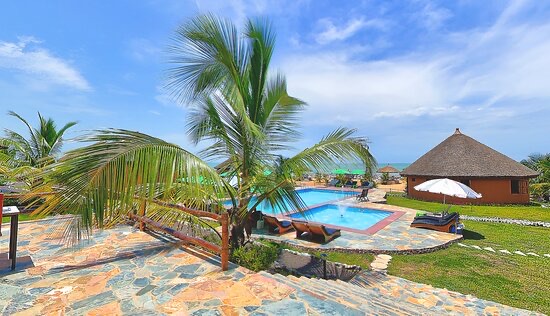
Ghana provides a range of accommodation mostly at the budget to mid-range level. Hostels can be found in Accra for GHS 80-150 ($7-13) for a dorm bed. Mid-range guesthouses or small hotels typically charge GHS 150-400 ($13-35) per night for a private room. In tourist areas like Busua or Cape Coast, options are similar. Luxury hotels like the Kempinski Hotel Gold Coast City in Accra start from GHS 2500 ($220) but are fewer in number compared to other destinations. Facilities are functional; expect power outages sometimes.
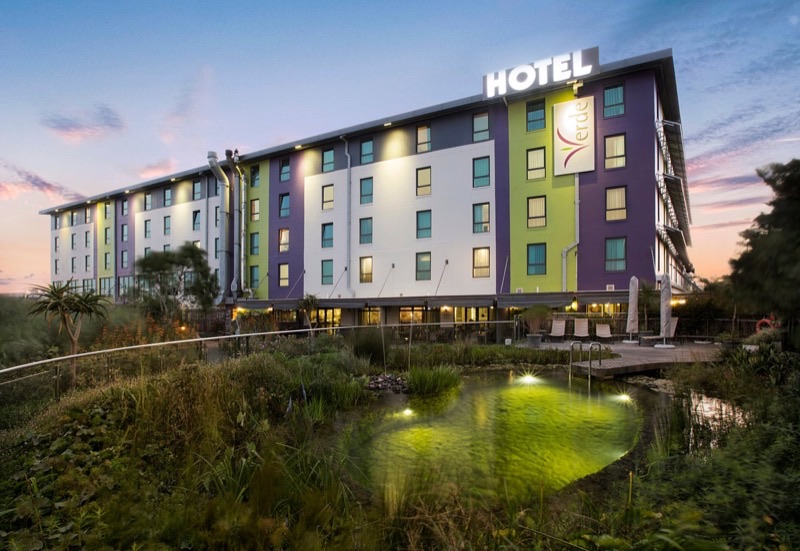
South Africa offers a comprehensive array of accommodation choices. Hostels in Cape Town or Johannesburg start at ZAR 200-400 ($11-22) for a dorm. Mid-range guesthouses and B&Bs are common, offering rooms from ZAR 700-1500 ($38-80). Boutique hotels and international chains are present in all major cities. Safari lodges, especially private reserve ones, range from ZAR 5,000-20,000+ ($270-1080+) per person per night, providing luxury experiences. The quality and service standards generally align with international expectations.
South Africa wins for its diversity, quality, and consistency of accommodation options for all budgets.
- Winner: South Africa
- Why: South Africa provides a broader and generally higher standard of accommodation, from budget to luxury.
- Who this matters for: Travelers seeking diverse lodging choices, from hostels to luxury resorts.
🍽️ Food & Drink
Ghanaian food is generally carbohydrate-heavy and flavorful. Staples include jollof rice, banku, fufu, and kenkey, often served with stews or grilled fish/chicken. Street food is…
Ghana
South Africa
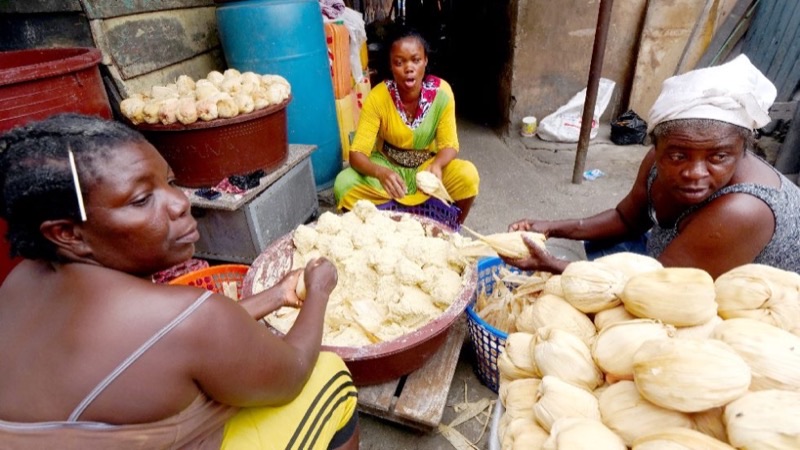
Ghanaian food is generally carbohydrate-heavy and flavorful. Staples include jollof rice, banku, fufu, and kenkey, often served with stews or grilled fish/chicken. Street food is central to the food scene; try kelewele (spicy fried plantains) or waakye (rice and beans) for GHS 10-25 ($0.90-2.20). Local drinks include palm wine and 'Sobolo' (hibiscus juice). Dining at a local chop bar is an authentic experience. International cuisine is primarily found in Accra and caters to expats, with prices higher than local fare.
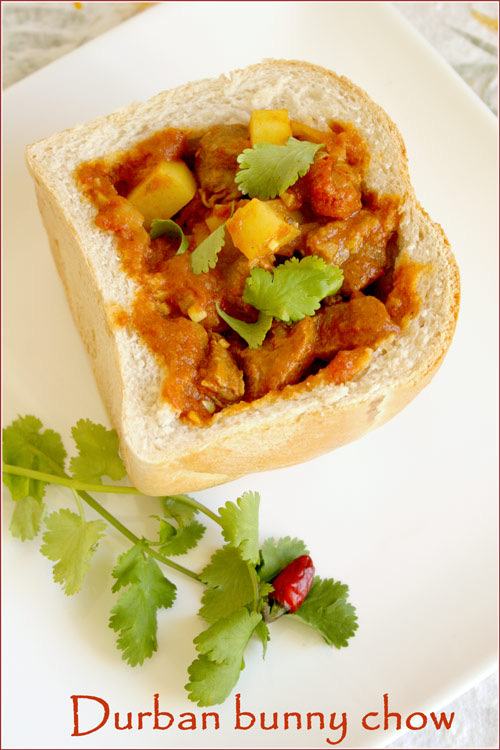
South Africa boasts a diverse food landscape. Traditional dishes include pap (maize porridge), boerewors (sausage), biltong (dried meat), and bobotie. The 'braai' (barbecue) is a national institution. Cape Town and Johannesburg have extensive restaurant scenes, offering everything from local fare to Asian, Italian, and fine dining. A casual restaurant meal could cost ZAR 150-300 ($8-16), while a tasting menu at a top restaurant might be ZAR 800-1500 ($43-80) per person. The Western Cape is a renowned wine region, with tastings often ZAR 80-150 ($4.30-8) per person. Craft breweries are also common. Food safety standards are generally high.
South Africa wins for its wider culinary range, quality of ingredients, and sophisticated dining experiences.
- Winner: South Africa
- Why: South Africa offers a greater variety of food experiences, from traditional dishes to high-end international cuisine and renowned wines.
- Who this matters for: Food enthusiasts and those who appreciate diverse dining options and quality beverages.
🦁 Nature & Wildlife
Ghana has Mole National Park as its primary wildlife viewing area, home to elephants, various antelope, and baboons. Game drives are offered, but the experience is generally less…
Ghana has Mole National Park as its primary wildlife viewing area, home to elephants, various antelope, and baboons. Game drives are offered, but the experience is generally less focused on the 'Big Five' and more about general observation. Entrance to Mole is GHS 100 ($9) for non-residents. Kakum National Park offers a canopy walkway experience (GHS 70/$6) above a rainforest. Other natural attractions include Wli Waterfalls and various coastal lagoons. The focus is more on natural landscapes and less on large mammal safaris.
South Africa is a global leader for wildlife and natural environments. Kruger National Park offers opportunities to see the 'Big Five' (lion, leopard, elephant, rhino, buffalo) reliably. Multi-day safaris are the primary draw, with entrance fees around ZAR 460 ($25) per day for international visitors, plus accommodation and guide costs. The Drakensberg Mountains provide hiking and mountain scenery. The coastline around Cape Town features Boulders Beach penguins and whale watching. The country has diverse biomes, from arid Karoo to lush Garden Route forests. The infrastructure for observing wildlife is well-developed.
South Africa wins by a wide margin for its exceptional wildlife viewing, particularly safaris, and landscape diversity.
- Winner: South Africa
- Why: South Africa provides access to renowned safari experiences with high chances of seeing large African animals and offers diverse landscapes.
- Who this matters for: Wildlife enthusiasts, safari seekers, and those who enjoy varied natural environments.
🏖️ Beaches
Ghanas coastline stretches along the Gulf of Guinea, with beaches like Busua, Kokrobite, and Labadi Beach near Accra. These beaches are characterized by strong Atlantic waves,…
Ghanas coastline stretches along the Gulf of Guinea, with beaches like Busua, Kokrobite, and Labadi Beach near Accra. These beaches are characterized by strong Atlantic waves, active fishing communities, and a relaxed, less developed feel. Swimming can be hazardous in some areas due to currents. Busua offers surf lessons and a laid-back atmosphere, with basic accommodation from GHS 150 ($13). Labadi Beach often has local music and food vendors. Infrastructure is simple, with local vendors and occasional beach bars. The focus is on a natural, unpolished beach experience.
South Africa offers an extensive and varied coastline. Cape Towns Clifton and Camps Bay beaches are famous for their beauty and calm waters, popular for sunbathing and swimming. Surfing is prominent in places like Muizenberg and Jeffreys Bay. The Wild Coast offers rugged, undeveloped stretches, while Durban boasts warm Indian Ocean waters. Boulders Beach near Cape Town is home to a colony of African penguins (ZAR 176/$9.50 entrance). Beach infrastructure, including lifeguards, restaurants, and amenities, is generally good in popular areas. Safety varies by location, with some urban beaches requiring caution.
South Africa wins for its range of beach experiences, better infrastructure, and generally safer swimming conditions.
- Winner: South Africa
- Why: South Africa provides a broader selection of beach types, with more developed amenities and safer swimming conditions.
- Who this matters for: Beach lovers, swimmers, and those looking for varied coastal activities.
🏛️ Culture & History
Ghanas history is inextricably linked to the transatlantic slave trade. Cape Coast Castle and Elmina Castle (entrance GHS 80-100/$7-9) are powerful, sobering sites for historical…
Ghanas history is inextricably linked to the transatlantic slave trade. Cape Coast Castle and Elmina Castle (entrance GHS 80-100/$7-9) are powerful, sobering sites for historical reflection. Accra has a vibrant arts scene, with the Jamestown area offering insight into traditional fishing communities and local boxing. Ashanti culture, centered in Kumasi, displays rich traditions of chieftaincy, gold, and kente cloth. Traditional festivals are common, offering glimpses into local practices. The emphasis is on West African heritage and resilience.
South Africa's history is defined by apartheid and its struggle for freedom. Robben Island (ferry + tour ZAR 600/$32), where Nelson Mandela was imprisoned, is a significant site. The Apartheid Museum in Johannesburg (ZAR 150/$8) documents this period comprehensively. The country also presents diverse indigenous cultures like the Zulu and Xhosa, visible in cultural villages or township tours. Cape Town offers colonial Dutch architecture. The cultural experience is multifaceted, reflecting centuries of interaction and conflict. Traditional ceremonies are observed in rural communities.
Ghana wins for its direct, personal historical connection, particularly regarding the slave trade, and its prevalent traditional practices.
- Winner: Ghana
- Why: Ghana offers a more direct and impactful connection to significant historical events and maintains widely visible traditional cultural practices.
- Who this matters for: History enthusiasts, those interested in colonial impact, and travelers seeking direct cultural immersion.
🛡️ Safety & Security
Ghana is generally considered a safe country for travelers. Violent crime against tourists is rare, though petty theft like pickpocketing can occur, particularly in crowded…
Ghana is generally considered a safe country for travelers. Violent crime against tourists is rare, though petty theft like pickpocketing can occur, particularly in crowded markets or on public transport in Accra. Scams, especially around currency exchange or romantic interests, are present. Night travel on inter-city roads is not recommended due to poor lighting and road conditions. Demonstrations are typically peaceful. Exercise general caution, keep valuables out of sight, and avoid walking alone at night in poorly lit areas. Local police presence is visible in urban centers.
South Africa has a reputation for high crime rates, including violent crime. This is primarily concentrated in specific urban areas and townships, and generally does not affect tourist zones or safari lodges. However, carjackings, muggings, and home invasions are concerns for residents. Tourists should be aware of their surroundings, avoid walking alone after dark, and use reputable transport. Security in tourist areas like the V&A Waterfront in Cape Town is generally good. Self-driving requires vigilance, especially when stopping in isolated areas. Many accommodations have high fences and security.
Ghana wins as it presents a lower general risk profile for travelers compared to South Africa.
- Winner: Ghana
- Why: Ghana has a lower overall crime rate and a less prevalent issue of violent crime impacting travelers.
- Who this matters for: Solo travelers, families, and those with a lower tolerance for perceived safety risks.
💃 Nightlife
Ghanas nightlife centers around local bars, 'pubs' (outdoor drinking spots), and occasional street parties. Accra has a concentration of venues like Republic Bar & Grill, known…
Ghanas nightlife centers around local bars, 'pubs' (outdoor drinking spots), and occasional street parties. Accra has a concentration of venues like Republic Bar & Grill, known for live music and local drinks. Osu is a popular area with various establishments. Nightclubs play a mix of Afrobeats, Highlife, and international music. Drinks are generally affordable; a local beer like Star or Club costs GHS 15-25 ($1.30-2.20). The atmosphere is typically relaxed and social, with music often being the main draw. Outside of Accra and Kumasi, options are limited to local gatherings.
South Africa offers a more diverse and developed nightlife scene, particularly in Cape Town, Johannesburg, and Durban. Cape Town's Long Street is famous for its bars and clubs, while Camps Bay provides sophisticated lounges. Johannesburg's Maboneng Precinct has a trendy scene with rooftop bars and art spaces. Live music venues feature local and international artists. Craft breweries and wine bars are also common. Drink prices are higher than Ghana, with a local beer typically ZAR 40-60 ($2.20-3.20). There are also casinos and theaters for alternative evening entertainment. Security at venues is generally good, but caution is advised when moving between locations.
South Africa wins for its broader range of nightlife options, from casual to upscale, and its more established entertainment infrastructure.
- Winner: South Africa
- Why: South Africa provides a wider array of nightlife choices, from sophisticated bars to live music venues and clubs.
- Who this matters for: Travelers who seek varied evening entertainment, including upscale options and clubbing.
🎯 The Decision Framework
Choose Ghana If…
- You want a daily budget under $70.
- You prioritize direct cultural interaction and local life.
- You are interested in the history of the transatlantic slave trade.
- You enjoy authentic West African street food.
- You prefer less-developed tourist infrastructure.
- You appreciate a generally slower travel pace.
- You want a destination with a lower general crime risk.
- You enjoy Afrobeats and Highlife music in local settings.
Choose South Africa If…
- You want to go on a classic 'Big Five' safari.
- You prefer a wider range of accommodation options, including luxury.
- You appreciate diverse landscapes (mountains, coast, desert).
- You enjoy a varied culinary scene with international choices and fine dining.
- You plan to self-drive and appreciate good road infrastructure.
- You are interested in apartheid history and modern South African society.
- You want access to quality vineyards and wine tasting experiences.
- You seek established beach resorts and surfing spots.
📅 Sample Itineraries
Weekend in Ghana (3 Days)
💡 Negotiate taxi fares before starting your journey in Ghana; a short ride in Accra should typically cost no more than $5-10.
Weekend in South Africa (3 Days)
💡 For safaris in South Africa, consider self-driving in parks like Kruger to save on guided tour costs, typically reducing expenses by $50-100 per day per person.
One Week in Ghana (7 Days)
💡 To save on inter-city travel, opt for STC buses or comfortable 'tro-tros' instead of private taxis, which can cut travel costs by 50-70%.
One Week in South Africa (7 Days)
💡 Pre-booking popular attractions like Table Mountain cable car or Robben Island tours online can save time by skipping queues, especially during peak season.
❓ Frequently Asked Questions
What is the average flight time from Europe or North America?
From major European cities like London or Amsterdam, flights to Accra (Ghana) take around 6.5 hours, and to Johannesburg or Cape Town (South Africa) about 11-12 hours. From New York, flights to Accra are about 10.5 hours, while flights to Johannesburg are about 15.5 hours. Costs are similar, typically ranging from $800-2000 roundtrip.
Do I need a visa for Ghana or South Africa?
Most nationalities, including US, UK, and EU citizens, require a visa for Ghana, which must be obtained in advance. For South Africa, many nationalities, including US, UK, and EU citizens, can enter visa-free for up to 90 days. Always check current regulations specific to your nationality before travel.
How do the safari experiences compare?
South Africa, particularly Kruger National Park, offers a premier 'Big Five' safari experience with well-developed infrastructure and high chances of seeing large animals. Ghana's Mole National Park offers wildlife viewing, primarily elephants and antelopes, but it is a less intense safari experience focusing more on general nature observation. The costs for a multi-day safari in Kruger can be $300-1000+ per day, while Mole is much more affordable.
What is the best time of year to visit each country?
For Ghana, the dry seasons (November to March, and July to August) are generally considered best to avoid heavy rains, with temperatures around 28-32°C (82-90°F). For South Africa, the shoulder seasons (April-May and September-October) offer good weather and wildlife viewing, with temperatures around 18-25°C (64-77°F). Kruger is best in dry winter (May-Sept) for animal spotting.
Is it easy to get around without a rental car?
In Ghana, it is common to rely on tro-tros, shared taxis, and ride-sharing apps (Bolt/Uber) in cities. Inter-city buses are available. Self-driving is not advised for most travelers. In South Africa, while urban areas have ride-sharing, a rental car is often necessary for independent exploration of national parks and coastal routes, offering more flexibility.
What are the local language differences?
English is the official language in both Ghana and South Africa, making communication straightforward for English speakers. In Ghana, Twi, Ga, and Ewe are widely spoken local languages. In South Africa, there are 11 official languages, with Zulu, Xhosa, and Afrikaans being prominent alongside English. Learning a few basic phrases in local languages is always appreciated.
What are typical daily spending estimates for food?
In Ghana, you can eat well on $5-15 per day, primarily from street food and local chop bars. A plate of jollof rice might be $1-2. In South Africa, eating out at casual restaurants will cost $20-40+ per day, with individual meals ranging from $8-16. Groceries are an option to reduce costs in both.
Which destination is better for solo female travelers?
Ghana is generally perceived as safer for solo female travelers due to lower violent crime rates and a more communal culture. Exercise standard precautions like avoiding walking alone at night and dressing respectfully. South Africa requires a higher level of vigilance, especially in urban areas; stick to well-lit, populated areas and use reputable transport. Both countries have communities of solo female travelers who share safety advice.
Ready to plan your African adventure?
Get a free custom itinerary for Ghana, South Africa, or both — built from real traveler insights.
👥 Travelers Also Compared
🎟️ Book Tours & Experiences
Hand-picked tours and activities for both destinations — book with free cancellation
Experiences via Viator — free cancellation on most tours