How we built this comparison
This page combines traveler discussion patterns, published price ranges, flight schedules, and seasonal data to help you decide between Ghent and Amsterdam.
- Reviewed 50+ Reddit threads from r/travel, r/solotravel, r/Amsterdam, r/Belgium, and r/EuropeTravel for firsthand experiences and local tips.
- Verified costs and logistics against current booking platforms (Booking.com, NS International, Thalys, local restaurant menus) as of late 2023 / early 2024.
- Cross-referenced seasonal patterns, weather data, and major events to advise on optimal travel times and potential impacts.
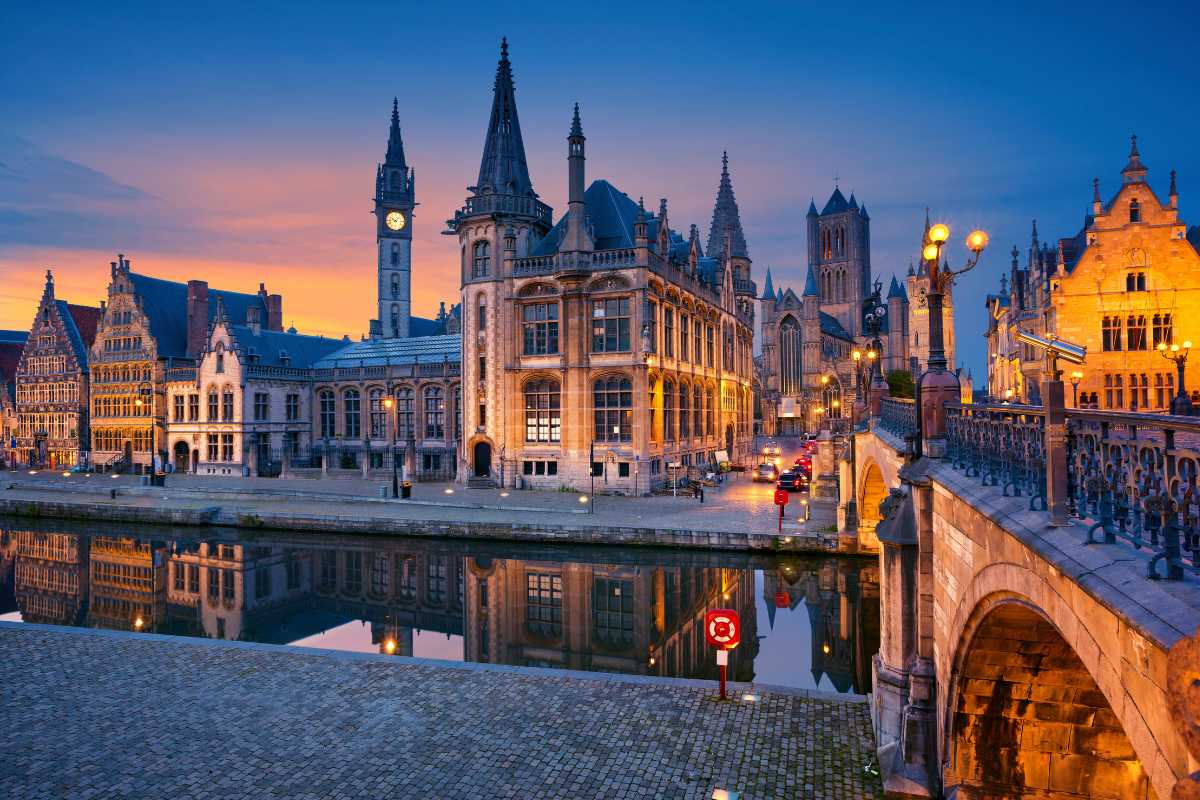
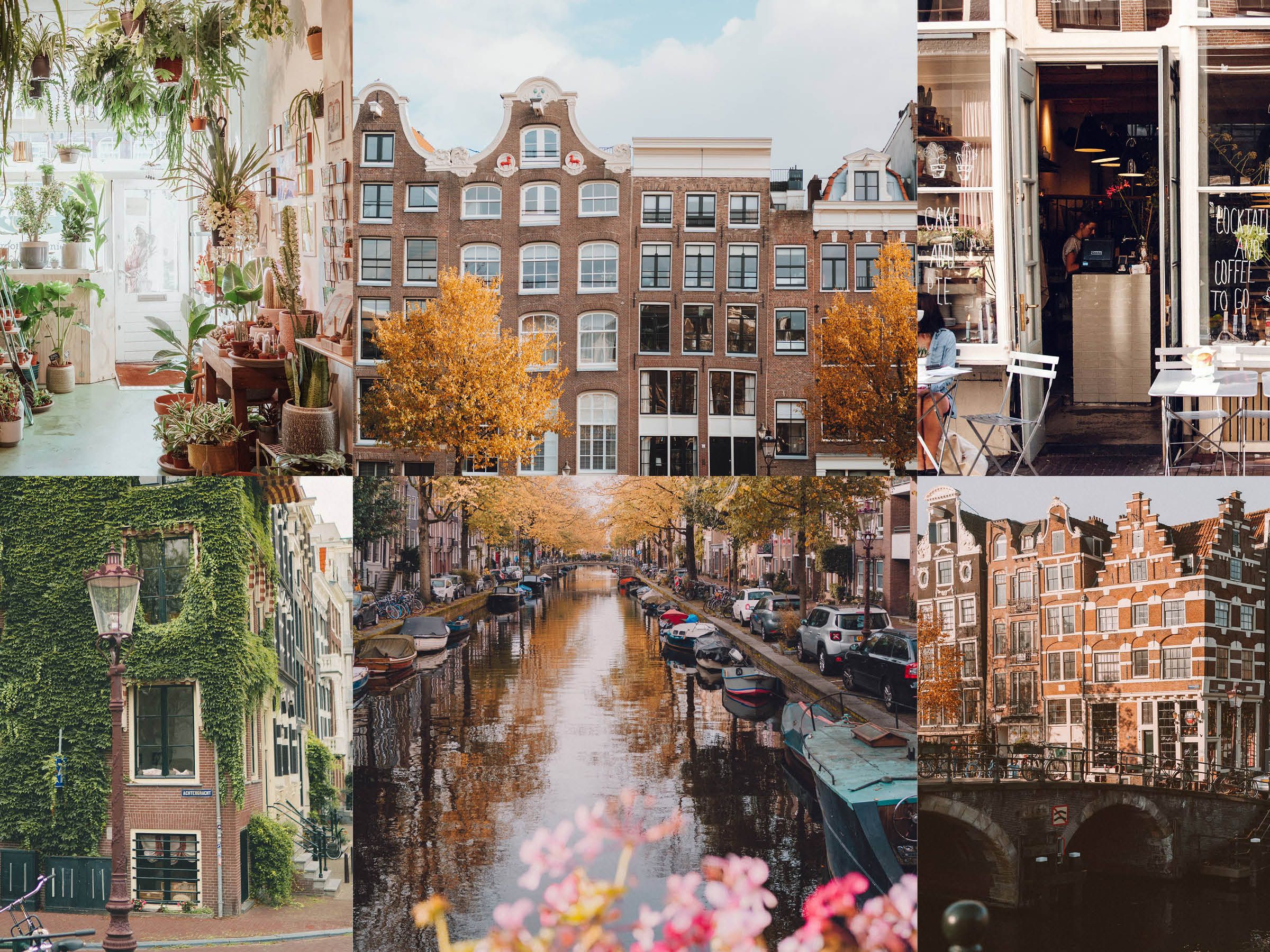
⚡ The TL;DR Verdict
For those craving iconic cityscapes, world-class museums, and a buzzing international atmosphere, Amsterdam is your pick, budget around €150-250 ($160-270) daily. But if you're chasing authentic medieval charm, incredible value, and a more relaxed pace without sacrificing beauty, Ghent wins hands down, costing closer to €80-140 ($85-150) per day.
- Choose Ghent: You prioritize authenticity, budget, superb local food/beer, and a more relaxed, walkable experience. Perfect for history buffs and those wanting to avoid massive tourist crowds.
- Choose Amsterdam: You're seeking famous landmarks, vibrant nightlife, diverse cultural institutions, and don't mind a higher price tag or navigating busier streets. Great for first-time Europe travelers.
- Choose Both: Absolutely do both if you have 7+ days! They're easily connected by train. Start with 3 days in Amsterdam, then take the 2.5-hour train to Ghent for 2-3 days, perhaps adding Bruges as a day trip.
Quick Comparison
| Category | Ghent | Amsterdam | Winner |
|---|---|---|---|
| Costs & Budget | Significantly more affordable across the board; excellent value for accommodation, food, and activities. | One of Europe's priciest cities; expect high costs for lodging, dining, and attractions, especially in peak season. | Ghent |
| Culture & History | Rich medieval history, stunning architecture, world-famous Ghent Altarpiece, vibrant student culture. | Iconic museums (Rijksmuseum, Anne Frank House), historic canal houses, diverse art scene, Golden Age legacy. | Amsterdam |
| Nightlife | Lively student-driven scene with cozy pubs, craft beer bars, and some late-night venues, especially around Vrijdagmarkt. | Diverse and energetic nightlife, from trendy clubs and cocktail bars to traditional 'brown cafes' and the infamous Red Light District. | Amsterdam |
| Food & Drink | Exceptional Belgian cuisine (waffles, frites, mussels), strong vegetarian/vegan scene, incredible craft beer culture. | International culinary hub with diverse options, Michelin-starred restaurants, but traditional Dutch food can be underwhelming. | Ghent |
| Getting Around | Extremely walkable compact city center, excellent tram system, easy to explore on foot or bike. | Dense city center, extensive public transport (trams, metro), infamous for cycling, but can be overwhelming. | Ghent |
| Accommodation | Excellent value for money, charming boutique hotels, guesthouses, and hostels, often in historic buildings. | Extremely expensive, especially in the city center; limited budget options, high demand makes booking essential. | Ghent |
| Day Trips | Perfect base for exploring Bruges, Brussels, Antwerp; all within 30-60 minutes by train. | Excellent hub for Dutch towns like Utrecht, Haarlem, The Hague, and iconic Kinderdijk windmills. | Tie |
| Vibe & Atmosphere | Authentic, relaxed, charming, less touristy, youthful due to student population, medieval fairy tale feel. | Bustling, vibrant, international, energetic, sometimes overwhelming, iconic but very tourist-centric. | Ghent |
| Getting There | Requires connecting flights or train from Brussels Airport (BRU) or Lille (LIL); no direct international airport. | Major international hub (AMS - Schiphol) with direct flights from across the globe, excellent train connections. | Amsterdam |
| Solo Travel | Safe, easy to navigate, friendly locals, good hostel scene, ideal for meeting people without feeling lost. | Very safe, many hostels and tours, but can be overwhelming with crowds, higher costs, and a more intense vibe. | Ghent |
💰 Costs & Budget
When it comes to your wallet, Ghent is the clear victor. Expect to pay around €80-140 ($85-150) per day for a comfortable trip, including a mid-range hotel. A hearty Flemish stew at a local place like 'De Graslei' might be €18-22 ($19-24), and a local beer around €4-5 ($4.50-5.50). In Amsterdam, that daily budget jumps to €150-250 ($160-270) easily. A similar meal in the Jordaan district could be €25-35 ($27-38), and a standard pint €6-8 ($6.50-9). Museum entry in Amsterdam, like the Rijksmuseum, is €22.50 ($24), while Ghent's Museum of Fine Arts (MSK) is €15 ($16). Public transport in Ghent is cheaper too, with single tickets at €2.50 ($2.70) versus Amsterdam's €3.40 ($3.70). "Honestly, Ghent felt like a cheat code for seeing beautiful old Europe without going broke. We ate so well for half the price of Paris or Amsterdam." This difference allows for a much more relaxed trip in Ghent without constantly checking your spending.
Winner takeaway
- Winner: Ghent
- Why: Ghent offers a superior travel experience for a significantly lower price point, making your budget stretch much further.
- Who this matters for: Budget-conscious travelers, backpackers, and anyone seeking great value.
🏛️ Culture & History
While Ghent boasts an incredibly well-preserved medieval core, centered around the Gravensteen Castle (€13 / $14 entry) and the St. Bavo's Cathedral housing the Ghent Altarpiece, Amsterdam offers a broader and more internationally renowned cultural experience. The sheer volume and quality of its museums are unmatched: the Rijksmuseum's Dutch Masters, the Van Gogh Museum's extensive collection (€22 / $24), and the poignant Anne Frank House (€16 / $17.50, book well in advance). Amsterdam's canal belt, a UNESCO World Heritage site, tells stories of its Golden Age prosperity. Ghent's charm is in its authenticity and less-trodden paths, like the industrial heritage at the Ghent Design Museum or the mystical atmosphere of the Graslei and Korenlei. But for headline-grabbing cultural institutions and a deeper dive into European art history, Amsterdam takes it. "Amsterdam's museums are just next-level. I spent a whole day in the Rijksmuseum and still felt like I barely scratched the surface."
Winner takeaway
- Winner: Amsterdam
- Why: Amsterdam provides a wider array of world-class museums and iconic historical sites that resonate globally.
- Who this matters for: Art lovers, history buffs seeking major institutions, and those looking for instantly recognizable landmarks.
🍻 Nightlife
Amsterdam's nightlife is legendary and caters to every taste. You can find world-class DJs in venues like Shelter or Radion, enjoy craft cocktails at speakeasies in the Jordaan, or mingle with locals in a classic brown café like Café Chris. The Red Light District offers a unique, albeit controversial, spectacle. Expect a typical cocktail to run you €12-18 ($13-20), and club entry often €15-25 ($16-27). Ghent's nightlife, while vibrant due to its large student population, is more laid-back and centered around traditional Belgian pubs. Areas like Vrijdagmarkt and the Overpoortstraat (student street) come alive, offering cheaper beers (around €4-6 / $4.50-6.50) and a more intimate atmosphere. Think cozy bars for conversation rather than pulsating clubs. "If you want to party hard, Amsterdam is it. Ghent is more for a few good beers and chatting till late, which I loved, but it's not the same energy."
Winner takeaway
- Winner: Amsterdam
- Why: Amsterdam offers a more diverse, extensive, and internationally recognized nightlife scene for all preferences.
- Who this matters for: Party-goers, those seeking diverse entertainment, and anyone wanting a bustling late-night experience.
🍽️ Food & Drink
Ghent absolutely shines in the food and drink department, especially for authentic Belgian experiences and incredible value. You'll find delicious Flemish stews ('stoemp') for €18-22 ($19-24), crispy Belgian fries (patatjes) for €4-6 ($4.50-6.50), and arguably the world's best waffles from street vendors for €3-5 ($3.25-5.50). The city also boasts a surprising and excellent vegetarian/vegan scene, with places like 'Kardinaal' offering creative plant-based dishes. And of course, the beer! Belgian beer culture is unparalleled, with countless varieties on tap at bars like 'De Dulle Griet'. Amsterdam has a vibrant international food scene, with everything from Indonesian rijsttafel to Michelin-starred dining, but traditional Dutch food isn't as celebrated. Expect higher prices, with a casual lunch often €15-25 ($16-27). "Ghent's food scene totally blew me away. Every meal was delicious and I swear I gained 5 pounds from all the waffles and beer. Way better than the tourist traps in Amsterdam."
Winner takeaway
- Winner: Ghent
- Why: Ghent offers a more authentic, high-quality, and budget-friendly culinary experience, especially for traditional Belgian fare and craft beer.
- Who this matters for: Foodies, craft beer enthusiasts, vegetarians/vegans, and those seeking authentic local flavors without breaking the bank.
🚶 Getting Around
Ghent is a dream to navigate on foot. Its historic center is compact, pedestrian-friendly, and most major attractions like Gravensteen Castle, St. Bavo's Cathedral, and the Graslei are within a 15-20 minute walk of each other. You can rent a bike for around €10-15 ($11-16) per day if you want to venture further, but it's rarely necessary. Public transport, mainly trams, is efficient and affordable, with a single ride costing €2.50 ($2.70). Amsterdam is also very walkable and bike-centric, but its larger size and more crowded streets can make walking long distances tiring, and cycling requires confidence due to the sheer volume of other cyclists. Public transport (tram, metro, bus) is excellent but more expensive (€3.40 / $3.70 for a single ticket). "Ghent felt so relaxed to walk around. No crazy crowds, just beautiful canals and quiet streets. Amsterdam was a constant dodge-and-weave with bikes and tourists."
Winner takeaway
- Winner: Ghent
- Why: Ghent's compact, pedestrian-friendly center makes it significantly easier and more enjoyable to explore on foot.
- Who this matters for: Travelers who prefer walking, those with limited mobility, and anyone seeking a less hectic urban navigation experience.
🏨 Accommodation
Finding great value accommodation in Ghent is relatively easy, even in peak season. You can often snag a charming boutique hotel like 'Hotel Harmony' or a comfortable B&B for €90-150 ($98-163) per night. Hostels like 'Hostel Uppelink' offer beds for €30-50 ($33-55). The quality for the price is generally excellent, and many options are right in the historic center. Amsterdam, however, is notoriously expensive for lodging. A decent mid-range hotel in the city center will easily cost €200-350 ($217-380) per night, and even hostels like 'Flying Pig Downtown' charge €50-80 ($55-87) for a dorm bed. Booking well in advance is crucial, and you often have to compromise on location or amenities unless you're willing to pay a premium. "I got a beautiful canal-view room in Ghent for what a basic hotel outside the center cost me in Amsterdam. The value is just insane."
Winner takeaway
- Winner: Ghent
- Why: Ghent offers significantly better value and more charming, centrally located accommodation options for every budget.
- Who this matters for: Budget-conscious travelers, those seeking unique boutique stays, and anyone who wants more bang for their buck.
🚆 Day Trips
Both cities serve as fantastic hubs for day trips, offering different but equally appealing options. From Ghent, you're perfectly positioned to explore Belgium's other gems: Bruges (25-minute train, €7.20 / $7.80 return), Brussels (35-minute train, €9.50 / $10.30 return), and Antwerp (55-minute train, €10.80 / $11.70 return). Each offers a distinct experience, from Bruges' fairytale canals to Brussels' grand architecture. Amsterdam is your gateway to quintessentially Dutch destinations: the charming canals of Utrecht (30-minute train, €9.20 / $10 return), the historic city of Haarlem (15-minute train, €5.80 / $6.30 return), or the iconic windmills of Kinderdijk (1.5-hour train/bus, €20-25 / $22-27 total return). "You really can't go wrong with either for day trips. From Ghent, Bruges is a must. From Amsterdam, I loved seeing the windmills at Kinderdijk, felt like stepping into a postcard."
Winner takeaway
- Winner: Tie
- Why: Both cities offer an outstanding array of easily accessible and diverse day trip options, catering to different regional interests.
- Who this matters for: Travelers who love to explore beyond the main city, culture vultures, and those wanting to maximize their time in the Benelux region.
✨ Vibe & Atmosphere
Ghent exudes an incredibly authentic and relaxed atmosphere that many travelers find refreshing compared to its more famous neighbors. It feels like a living, breathing city where locals outnumber tourists, especially away from the main Graslei/Korenlei waterfront. The medieval architecture, quiet canals, and student buzz create a charming, understated energy. You can wander for hours without feeling rushed or overwhelmed. Amsterdam, while undeniably beautiful with its iconic canal houses and lively squares, can feel like a theme park at times, especially in high season. The sheer volume of tourists, bikes, and constant activity can be exhilarating for some but exhausting for others. It has a vibrant, international energy, but it's less about quiet discovery and more about soaking in the famous sights. "Ghent just felt... real. I loved Amsterdam, but after a few days, I needed a break from the crowds. Ghent was the perfect antidote, so peaceful and beautiful."
Winner takeaway
- Winner: Ghent
- Why: Ghent offers a more authentic, relaxed, and less tourist-saturated experience, allowing for deeper immersion into local life.
- Who this matters for: Travelers seeking authenticity, a slower pace, local interaction, and a break from overwhelming crowds.
✈️ Getting There
Amsterdam is an undisputed winner here due to Amsterdam Airport Schiphol (AMS), one of Europe's largest and best-connected international airports. You can fly directly from almost anywhere in the world, and once you land, a direct train takes you to Amsterdam Centraal Station in just 15-20 minutes for around €5.90 ($6.40). This convenience is a huge draw for international travelers. Ghent, on the other hand, doesn't have its own international airport. The closest major hub is Brussels Airport (BRU), which requires a 1-hour train journey (with one change, costing around €11-15 / $12-16). Alternatively, some budget airlines fly into Charleroi (CRL), which is further and more complicated to reach Ghent from. "Flying into Schiphol and being in the city center 20 minutes later is just unbeatable. Getting to Ghent meant an extra train, which wasn't hard but definitely added time."
Winner takeaway
- Winner: Amsterdam
- Why: Amsterdam's direct international airport and seamless public transport connections make arrival significantly easier and quicker.
- Who this matters for: International travelers, those with limited time, and anyone prioritizing ease of access and minimal transfers.
🧍♀️ Solo Travel
Ghent is an exceptional destination for solo travelers. Its compact, walkable nature means you're unlikely to get lost, and its safety record is excellent. The city's student population contributes to a friendly, open atmosphere where striking up a conversation with locals at a bar isn't uncommon. Hostels like 'Hostel 4U' or 'Hostel Uppelink' are known for their social vibes, making it easy to meet fellow travelers. Plus, the lower cost of living means you can enjoy more experiences without feeling guilty. Amsterdam is also generally safe for solo travelers, with a plethora of hostels and group tours. However, its higher prices can make solo travel more expensive, and the sheer volume of tourists can sometimes make it feel less personal. Navigating the crowds alone might be more tiring. "As a solo female traveler, Ghent felt incredibly welcoming and safe. I never felt out of place, and it was so easy to just wander and soak it all in. Amsterdam felt a bit too intense to truly relax alone sometimes."
Winner takeaway
- Winner: Ghent
- Why: Ghent offers a more relaxed, approachable, and budget-friendly environment that fosters easier social connections for solo travelers.
- Who this matters for: First-time solo travelers, women traveling alone, and those seeking a more laid-back and intimate solo experience.
❓ Frequently Asked Questions
Is Ghent as beautiful as Bruges?
Ghent is often considered Bruges' less-touristy, more authentic sister. While Bruges offers a fairytale-like perfection, Ghent provides a grander, more lived-in medieval beauty with stunning architecture, canals, and a buzzing city life. Many travelers prefer Ghent for its real-city feel.
How many days should I spend in Ghent vs Amsterdam?
For Ghent, 2-3 full days are perfect to explore its main sights, enjoy the food, and soak in the atmosphere. For Amsterdam, 3-4 full days are recommended to cover its major museums, canal cruises, and explore different neighborhoods without feeling rushed.
Is it easy to travel between Ghent and Amsterdam?
Yes, it's very easy! A direct train connects Amsterdam Centraal to Ghent-Sint-Pieters in about 2.5 hours, usually with one easy change in Antwerp or Brussels. Tickets typically cost between €30-50 ($33-55) if booked in advance.
Which city is better for families with children?
Ghent might be slightly better for families due to its less crowded streets, more relaxed pace, and family-friendly attractions like Gravensteen Castle. Amsterdam has great parks (Vondelpark) and NEMO Science Museum, but the sheer crowds and cycling culture can be challenging with younger kids.
What's the best time of year to visit both cities?
Spring (April-May) and early autumn (September-October) are ideal for both. The weather is pleasant, crowds are manageable, and prices are slightly lower than peak summer. December also offers charming Christmas markets in both cities.
Are Ghent and Amsterdam safe for tourists?
Both Ghent and Amsterdam are very safe cities for tourists, even for solo travelers. Standard precautions against pickpocketing, especially in crowded tourist areas like Amsterdam Centraal or Dam Square, are always advisable. Violent crime is rare in both.
Do I need to speak Dutch in Ghent or Amsterdam?
No, English is widely spoken in both Ghent and Amsterdam, especially in tourist areas, hotels, restaurants, and shops. Most locals, particularly younger generations, are fluent in English, so communication won't be an issue.
Which city has better canals?
While both cities are famous for their canals, Amsterdam's canal belt is larger, more iconic, and recognized as a UNESCO World Heritage site, offering numerous boat tours. Ghent's canals, particularly around Graslei and Korenlei, are picturesque and less commercialized, offering a more intimate feel.
Ready to plan your Benelux trip?
Get a free custom itinerary for Ghent, Amsterdam, or both — built from real traveler insights.
🎟️ Book Tours & Experiences
Hand-picked tours and activities for both destinations — book with free cancellation
Experiences via Viator — free cancellation on most tours