How we built this comparison
This page combines traveler discussion patterns, published price ranges, flight schedules, and seasonal data to help you decide between Glacier National Park and Banff.
- Reviewed 50+ Reddit threads from r/travel, r/solotravel, r/GlacierNationalPark, r/Banff, and r/NationalParks
- Verified costs and logistics against current booking platforms like Expedia, Booking.com, and direct park sites
- Cross-referenced seasonal patterns, road opening dates, and weather data from NOAA and Parks Canada
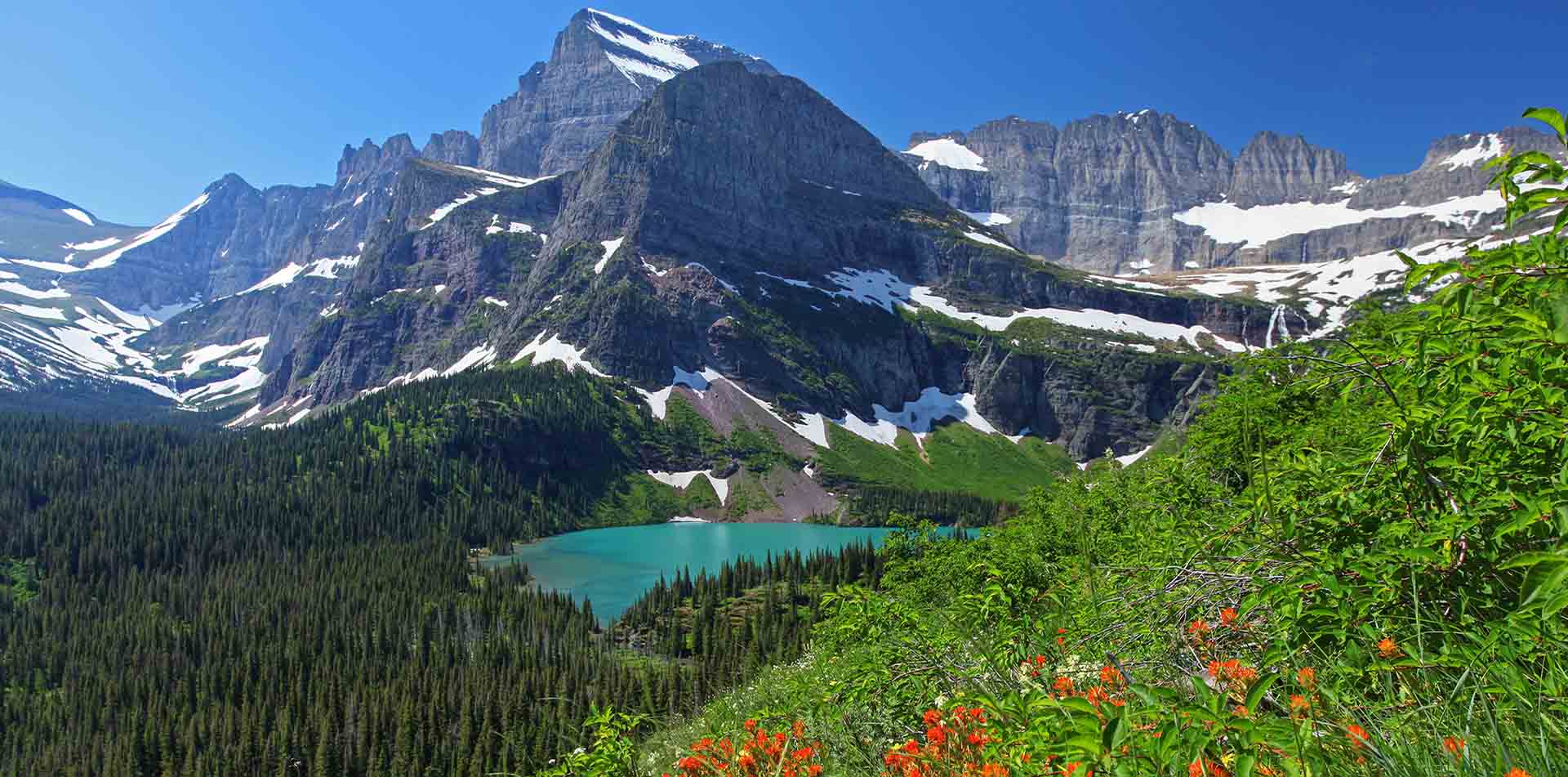
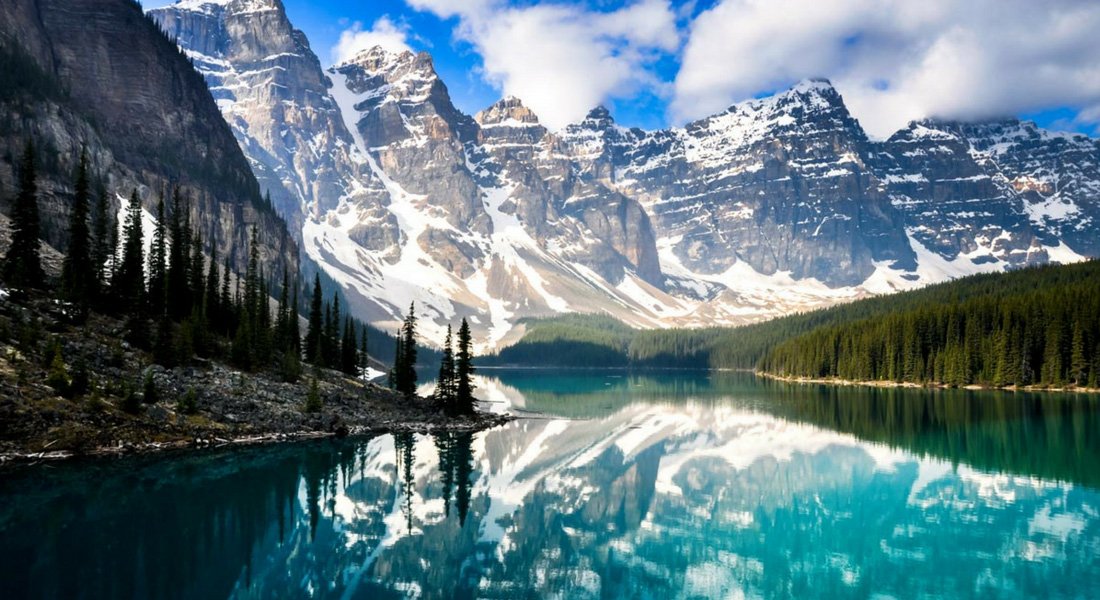
⚡ The TL;DR Verdict
If you're chasing truly rugged, untouched wilderness vibes and don't mind a bit more planning for amenities, Glacier National Park is your jam, likely costing around $150-250 USD per person per day. For a more polished, easily accessible mountain experience with abundant dining and lodging options, Banff is king, but expect to pay $200-400+ CAD ($150-300+ USD) per day.
- Choose Glacier National Park: Choose Glacier if you're a purist seeking dramatic, untamed beauty, iconic road trips like Going-to-the-Sun Road, unparalleled hiking, and a slightly more budget-friendly (if self-planned) trip focused solely on nature. You'll appreciate the quiet and pristine environment, even if it means fewer luxury amenities.
- Choose Banff: Pick Banff for its famous turquoise lakes (Lake Louise, Moraine Lake), vibrant mountain town atmosphere with diverse dining and shopping, extensive tourist infrastructure (gondolas, hot springs), and easier accessibility from a major city. It's perfect for those who want stunning scenery paired with modern comforts and activities.
- Choose Both: If you have at least 10-14 days and don't mind a significant drive (around 7-8 hours, 450 miles/720 km), combining both offers an incredible North American mountain adventure. Start in Glacier for 4-5 days, then drive north to experience Banff for another 5-7 days, possibly flying into Kalispell (FCA) and out of Calgary (YYC).
Quick Comparison
| Category | Glacier National Park | Banff | Winner |
|---|---|---|---|
| Nature & Scenery | Rugged, dramatic 'Crown of the Continent' with ancient glaciers, alpine meadows, and pristine lakes. Iconic Going-to-the-Sun Road. | Stunning, well-known turquoise glacial lakes, towering peaks, and accessible viewpoints. Very Instagram-famous. | Glacier National Park |
| Costs & Budget | Generally more affordable for lodging outside the park; dining options can be limited but cheaper. Park entrance $35 USD/vehicle for 7 days. | Significantly more expensive, especially for lodging and dining in Banff town. Park pass CAD$22/vehicle per day or CAD$151.25 annual. | Glacier National Park |
| Accessibility & Getting There | Primary airport is Kalispell (FCA), requiring a rental car. Roads can be winding, especially Going-to-the-Sun. | Primary airport is Calgary (YYC), a major international hub with easy highway access to the park. Shuttle services available. | Banff |
| Getting Around | Primarily by personal vehicle; shuttle system available on Going-to-the-Sun Road but requires planning. Vehicle reservations needed for some areas. | Excellent internal park shuttle system for popular spots like Lake Louise/Moraine Lake. Rental car is useful but not strictly necessary for all visitors. | Banff |
| Accommodation | Historic lodges within the park, but limited. More options in surrounding towns (Whitefish, Columbia Falls). Camping is popular. | Wide range of hotels in Banff town (luxury to budget), including iconic Fairmont. Numerous campgrounds. Can be pricey and booked solid. | Banff |
| Activities & Hiking | World-class hiking, stunning drives, boat tours, wildlife viewing. Focus on raw nature exploration. | Iconic hikes to famous lakes, gondola rides, hot springs, boat/canoe rentals, abundant photography spots. More structured activities. | Tie |
| Crowds & Permits | Vehicle reservations required for key areas (GTSR, Many Glacier) during peak season. Can be very crowded, especially at popular trailheads. | Extremely popular, especially Lake Louise/Moraine Lake, requiring shuttle reservations or early arrival. Banff town is bustling. | Tie |
| Food & Drink | Limited, rustic dining within the park. More options in nearby towns like Whitefish, focusing on local American fare. | Vibrant culinary scene in Banff town, from casual pubs to fine dining. Wide variety of cuisines and craft breweries. | Banff |
| Weather & Best Season | Short summer season (late June-early Sept) with unpredictable weather. Going-to-the-Sun Road typically opens late June/early July. | Similar short summer season (late May-late Sept). Slightly more predictable, but still alpine weather. Fall can be stunning. | Banff |
| Families & Kids | Great for active, older kids who love hiking. Ranger programs available. Limited dedicated kid activities. Car seats and planning essential. | More 'kid-friendly' activities like gondolas, hot springs, easy walks. Good infrastructure for families in Banff town. Stroller-friendly options. | Banff |
🏞️ Nature & Scenery
Both parks boast breathtaking scenery, but Glacier National Park, to me, edges out Banff for its sheer untamed wildness and the visible remnants of its namesake glaciers. The 'Crown of the Continent' truly lives up to its moniker, with the Going-to-the-Sun Road offering unparalleled panoramas of jagged peaks, deep valleys, and cascading waterfalls. Hiking the Highline Trail with views into the Garden Wall is an experience of pure wilderness. While Banff's Lake Louise and Moraine Lake are undeniably iconic, Glacier's Sperry Glacier Trail or the views from Many Glacier feel more immediate and primal. The scale of the wilderness in Glacier just feels vaster and less 'managed' than Banff's more manicured postcard views. You'll still see glaciers in Glacier (though shrinking rapidly), which adds a layer of awe. "Honestly, nothing beats the feeling of driving GTSR for the first time; it’s like stepping into a painting, way wilder than anything in Banff, which felt a bit like a theme park after a while." The sheer diversity from west to east in Glacier, from cedar forests to high alpine, is incredible.
Winner takeaway
- Winner: Glacier National Park
- Why: Glacier offers a more raw, untamed, and diverse wilderness experience with a stronger sense of being immersed in truly wild nature.
- Who this matters for: Nature purists, avid hikers, and those seeking a less manicured, more rugged mountain landscape.
💰 Costs & Budget
When it comes to your wallet, Glacier National Park is typically the easier on the budget. A 7-day vehicle entrance pass for Glacier is $35 USD, whereas Banff charges CAD$22 (approx $16 USD) per vehicle per day, or CAD$151.25 (approx $110 USD) for an annual pass, which adds up quickly. Lodging inside Glacier, while limited, can be expensive (e.g., Many Glacier Hotel starting at $250-400 USD/night). However, staying in nearby towns like West Glacier, St. Mary, or Whitefish offers abundant options from $150-300 USD/night. Dining within Glacier is basic, but towns like Whitefish offer great value. Banff, on the other hand, is notorious for its higher prices. Hotels in Banff town like the Fairmont Banff Springs can easily run $500-1000+ CAD ($370-740+ USD) per night, with more standard hotels still in the $300-600+ CAD ($220-440+ USD) range. Food and drink in Banff town are also pricier, with a casual dinner for two easily hitting $80-120+ CAD ($60-90+ USD). "We saved a bunch staying in Columbia Falls and just driving into Glacier daily. Banff was eye-watering for everything, even groceries felt more expensive." Gas prices tend to be higher in Canada too. Overall, your dollar stretches further in and around Glacier.
Winner takeaway
- Winner: Glacier National Park
- Why: Glacier offers more budget-friendly lodging and dining options, especially if staying just outside the park, and a cheaper park entrance fee structure.
- Who this matters for: Budget-conscious travelers, families, and those looking to maximize their travel funds on experiences rather than luxury amenities.
✈️ Accessibility & Getting There
Banff wins hands down for sheer accessibility. The closest major international airport is Calgary International (YYC), a bustling hub with direct flights from many North American and international cities. From YYC, it's a straightforward 1.5-hour (120 km / 75 mile) drive on a well-maintained highway directly into Banff National Park. There are also numerous shuttle services like Banff Airporter or Brewster Express that can take you directly from the airport to Banff town, making a rental car optional for some. For Glacier, the main airport is Glacier Park International (FCA) in Kalispell, Montana. While FCA has good connections, it's a smaller regional airport, often requiring a layover. From Kalispell, it's about a 30-45 minute drive to the West Glacier entrance. The park roads, particularly Going-to-the-Sun Road, are narrow, winding, and often closed until late June/early July due to snow. "Flying into Calgary and being in Banff town within 2 hours felt seamless. Glacier felt like a much bigger trek, even getting from Kalispell to the park entrance." If ease of access from a major city and smooth transit are priorities, Banff is the clear winner.
Winner takeaway
- Winner: Banff
- Why: Banff is served by a larger international airport (YYC) with more direct flight options, and offers an easier, more direct drive into the park.
- Who this matters for: International travelers, those with limited time, and anyone prioritizing smooth, hassle-free travel logistics.
🚗 Getting Around
Navigating Banff National Park is generally more convenient thanks to its robust public transit system. Parks Canada operates extensive shuttle services to popular, often congested areas like Lake Louise and Moraine Lake, significantly reducing the stress of parking. You can park your car at a central hub (like Lake Louise Ski Resort) and take a shuttle. Banff town itself is very walkable, and local buses connect popular spots. In Glacier, while there is a free shuttle system along Going-to-the-Sun Road, it requires careful planning and can be very crowded. Critically, Glacier also requires a vehicle reservation for Going-to-the-Sun Road (and other areas) during peak season, which can be hard to secure. "Trying to get a Going-to-the-Sun Road reservation and then dealing with the shuttle in Glacier felt like a part-time job. Banff's shuttles, while busy, just felt easier and more reliable for Moraine Lake." Without a personal vehicle, exploring Glacier extensively is much harder, as key areas like Many Glacier or Two Medicine are not covered by the main shuttle. Banff provides more flexibility and fewer logistical hurdles once you're inside the park.
Winner takeaway
- Winner: Banff
- Why: Banff offers a more extensive and user-friendly public transit system for popular attractions, reducing the reliance on personal vehicles and parking stress.
- Who this matters for: Travelers who prefer to minimize driving, those without a rental car, and anyone looking for seamless access to popular viewpoints.
🏨 Accommodation
Banff offers a vastly superior range and quality of accommodation options, albeit at a higher price point. Banff town itself is packed with choices, from the iconic Fairmont Banff Springs and the luxurious Rimrock Resort Hotel to numerous mid-range hotels like the Moose Hotel & Suites, and even hostels for budget travelers. You'll find diverse amenities, from spas to fine dining, all within walking distance of shops and restaurants. Glacier National Park's in-park lodging, while historic and charming (think Many Glacier Hotel or Lake McDonald Lodge), is very limited, rustic, and booked out over a year in advance. Outside the park, towns like Whitefish, Columbia Falls, and Kalispell offer more choice, but require a 30-60 minute drive to park entrances and generally feature more standard motel/hotel fare. "Booking anything decent inside Glacier was impossible six months out. In Banff, even though it was expensive, I had tons of options and felt like I was still getting a good value for the location and amenities." If you value variety, convenience, and a spectrum of comfort levels (especially luxury), Banff is the clear winner. Both parks offer excellent camping, but Banff's serviced sites are often easier to book.
Winner takeaway
- Winner: Banff
- Why: Banff provides a far wider range of accommodation types, from luxury resorts to budget hostels, all within a vibrant town center with amenities.
- Who this matters for: Travelers seeking variety in lodging, luxury options, and the convenience of being close to restaurants and shops.
🥾 Activities & Hiking
This category is genuinely a tough call, as both parks excel but offer slightly different flavors of activities. Glacier National Park is a hiker's paradise, boasting hundreds of miles of trails from easy strolls around Lake McDonald to strenuous multi-day backcountry treks like the Highline Trail to Grinnell Glacier. The focus is squarely on immersion in nature, with less commercialization. Boat tours on Swiftcurrent Lake or Lake McDonald offer serene experiences, and wildlife viewing (bears, goats, bighorn sheep) is excellent. Banff, conversely, offers incredibly scenic hikes, many leading to its famous turquoise lakes (e.g., Plain of Six Glaciers Tea House hike at Lake Louise, Consolation Lakes). Beyond hiking, Banff offers more 'structured' tourist activities: the Banff Gondola to Sulphur Mountain (approx. CAD$60-70 / $44-52 USD), the Banff Upper Hot Springs (approx. CAD$10 / $7.50 USD), canoe rentals on Lake Louise (approx. CAD$145/hour / $107 USD), and even white water rafting. "For pure hiking and solitude, Glacier can't be beat, but Banff has a better mix of 'wow' views you can reach easily, plus fun extras like the gondola. Just depends on what you're in the mood for." If you're purely a hardcore hiker seeking solitude and untamed trails, Glacier might slightly edge it. But for a broader mix of iconic views, family-friendly activities, and unique experiences alongside great hikes, Banff delivers. It's a tie, as both are outstanding, just different.
Winner takeaway
- Winner: Tie
- Why: Both parks offer an incredible array of activities and world-class hiking, catering to slightly different preferences for adventure and accessibility.
- Who this matters for: All types of travelers, as both parks provide diverse options from challenging hikes to scenic viewpoints and unique recreational activities.
👥 Crowds & Permits
Let's be real: both of these parks are incredibly popular, and you're going to encounter crowds in peak season (July-August). It's less about which is 'less crowded' and more about how each park manages its crowds. Glacier National Park has implemented a vehicle reservation system for key areas like Going-to-the-Sun Road, Many Glacier, and Two Medicine during peak hours, which helps manage traffic but can be a huge headache if you don't plan *months* in advance. Even with reservations, popular trailheads fill up by 7 AM. "I spent hours trying to get a GTSR reservation for Glacier, and even then, Logan Pass was a zoo. Banff felt crowded, but at least the shuttles meant I wasn't constantly fighting for a parking spot." Banff also gets slammed. Lake Louise and Moraine Lake are notorious for crowding, and Parks Canada has wisely implemented mandatory shuttle reservations for these iconic spots, which actually makes visiting them less stressful than trying to find parking. Banff town itself is a bustling hub, feeling more like a small city than a quiet mountain village. While Glacier's reservation system is a barrier to entry, Banff's sheer volume of visitors can feel overwhelming in its main tourist zones. It's a tie because both have intense crowds, but their management strategies differ, with neither being a perfect solution for solitude.
Winner takeaway
- Winner: Tie
- Why: Both parks experience significant crowds in peak season and have implemented different (and sometimes frustrating) systems to manage them, resulting in similar visitor experiences regarding congestion.
- Who this matters for: Everyone planning a trip during peak season, as crowd management and permit acquisition will be a major planning factor for both destinations.
🍽️ Food & Drink
If you're a foodie, Banff National Park is absolutely where you want to be. Banff town boasts an incredibly diverse and sophisticated culinary scene for its size. You'll find everything from cozy pubs serving local craft beers and hearty Canadian fare (like The Bear & Bison Canadian Bistro) to upscale dining experiences (like Eden at The Rimrock Resort) and international cuisines. There are numerous cafes, bakeries, and even a local craft brewery (Banff Ave Brewing Co.) to explore. For Glacier, the options within the park are quite limited and tend towards rustic, cafeteria-style meals at the lodges (e.g., Lake McDonald Lodge dining room, Many Glacier Hotel dining room). While perfectly adequate, they don't offer much variety or gourmet experiences. "After a long day of hiking in Glacier, the 'fancy' meal at our lodge was just okay. But in Banff, we had amazing sushi one night and then a really great steak the next, plus so many cool bars." For more substantial and varied dining, you'll need to venture out to nearby towns like Whitefish or Kalispell, which offer good local restaurants but require a drive. If food and drink are a significant part of your travel experience, Banff is the undisputed champion.
Winner takeaway
- Winner: Banff
- Why: Banff offers a rich and diverse culinary landscape within its bustling town, catering to all tastes and budgets, unlike Glacier's more limited options.
- Who this matters for: Foodies, those who appreciate a vibrant dining and nightlife scene, and travelers who enjoy a wide variety of meal choices after a day of exploring.
☀️ Weather & Best Season
Both parks share a short, intense summer season, typically from late May/June through September, as they are high-alpine environments. However, Banff generally offers a slightly more predictable and slightly longer 'accessible' season. Glacier National Park's Going-to-the-Sun Road, its crown jewel, often doesn't fully open until late June or even early July due to snow, and parts can close again as early as late September. The weather in Glacier can be notoriously fickle; it's not uncommon to experience all four seasons in one day, even in August. "We went to Glacier in early July and parts of GTSR were still closed, plus it snowed on us at Logan Pass! Banff in late September was crisp, but still beautiful and everything was open." Banff, while also subject to alpine variability, tends to have its main attractions (Lake Louise, Moraine Lake) fully accessible earlier (late May) and later into the fall (mid-October) before heavy snows. The larch season in Banff (late September/early October) is particularly stunning and more reliable than a late-season visit to Glacier where more services might be shutting down. For a slightly longer and marginally more predictable window of prime visiting conditions, Banff edges out Glacier.
Winner takeaway
- Winner: Banff
- Why: Banff offers a slightly longer and more predictable peak season for accessing its main attractions, with a beautiful and reliable fall larch season.
- Who this matters for: Travelers with less flexibility on travel dates, those seeking a slightly longer window for good weather, and fall foliage enthusiasts.
👨👩👧👦 Families & Kids
For families with diverse age groups or younger children, Banff tends to be the more accommodating option. Banff town itself offers plenty of amenities that appeal to families: diverse restaurants, playgrounds, and easy-to-access attractions. The Banff Gondola provides incredible views without strenuous hiking, and the Banff Upper Hot Springs are a relaxing treat for all ages. There are numerous easy, paved walking trails like Johnston Canyon (though it can get crowded) that are stroller-friendly or manageable for little legs. Canoe rentals on Lake Louise are a classic family activity. "With a toddler and a pre-teen, Banff was way easier. We could do the gondola, hit the hot springs, and find food everyone liked without a huge drive. Glacier felt a bit too rugged for the littlest one." Glacier, while amazing for active families and older kids who love hiking and wildlife, offers fewer 'extra' activities. Its focus is more on pure wilderness immersion. While ranger programs are excellent, dedicated kid-specific attractions are scarce. The long drives on winding roads might also be challenging for younger passengers. Banff's blend of nature and comfortable amenities makes it a slightly easier sell for the whole family.
Winner takeaway
- Winner: Banff
- Why: Banff offers a broader range of accessible, family-friendly activities beyond just hiking, along with better infrastructure and amenities in its town.
- Who this matters for: Families with young children, those seeking a balance of nature and comfort, and multi-generational groups with varying activity levels.
❓ Frequently Asked Questions
Do I need a passport to visit both parks?
Yes, if you plan to visit both Glacier National Park (USA) and Banff National Park (Canada) on the same trip, you will need a valid passport for border crossings. Ensure all travelers in your party have appropriate documentation.
Which park is better for wildlife viewing?
Both parks offer excellent wildlife viewing opportunities, but Glacier National Park often feels more 'wild' with chances to see grizzly bears, black bears, mountain goats, bighorn sheep, and deer. Banff also has abundant wildlife (bears, elk, bighorn sheep), but due to higher development, some encounters can feel more accustomed to humans. For truly wild encounters, Glacier might have a slight edge, especially in areas like Many Glacier.
Can I visit both Glacier and Banff in one trip?
Absolutely! Many travelers combine both parks. The drive between West Glacier and Banff town is about 7-8 hours (450 miles / 720 km), crossing the US-Canada border. We recommend setting aside at least 10-14 days to properly enjoy both without rushing. Consider flying into Kalispell (FCA) and out of Calgary (YYC) for an open-jaw itinerary.
Which park is easier to navigate with a rental car?
Banff is generally easier to navigate with a rental car, especially if you plan to use their shuttle system for crowded areas. Roads are well-maintained. Glacier's Going-to-the-Sun Road is notoriously narrow and winding, and requires a vehicle reservation during peak season, adding a layer of complexity to driving.
What's the best time to visit for fewer crowds?
For both parks, the shoulder seasons offer a balance of good weather and fewer crowds. Early June (after roads open) or late September/early October (before heavy snow) are ideal. In Glacier, Going-to-the-Sun Road might still be partially closed in early June. In Banff, late September offers stunning fall colors and fewer people than July/August.
Is cell service reliable in both parks?
Cell service is generally spotty to non-existent in many parts of both national parks, especially on trails and in more remote valleys. Banff town offers good coverage, and major visitor centers usually have Wi-Fi. It's crucial to download offline maps and trail guides before entering either park, and inform others of your plans.
Which park is better for a romantic getaway?
Banff, with its luxurious hotels (like the Fairmont Banff Springs), fine dining options, relaxing hot springs, and more polished atmosphere, is generally better suited for a romantic getaway. You can combine stunning scenery with comfortable amenities and intimate experiences. Glacier is beautiful but offers fewer high-end romantic amenities.
Are there good options for vegetarian/vegan travelers?
Banff offers significantly more and better options for vegetarian and vegan travelers, especially within Banff town, which has a diverse culinary scene with dedicated restaurants and cafes catering to various dietary needs. Glacier's in-park dining is more limited and rustic, making plant-based options harder to come by, though surrounding towns like Whitefish do offer more choices.
Ready to plan your Rocky Mountain adventure?
Get a free custom itinerary for Glacier National Park, Banff, or both — built from real traveler insights.
🎟️ Book Tours & Experiences
Hand-picked tours and activities for both destinations — book with free cancellation
Experiences via Viator — free cancellation on most tours