How we built this comparison
This page combines traveler discussion patterns, published price ranges, flight schedules, and seasonal data to help you decide between Glacier National Park and Yellowstone.
- Reviewed 50+ Reddit threads from r/travel, r/solotravel, r/NationalParks, r/GlacierNationalPark, r/Yellowstone for personal experiences and tips.
- Verified costs and logistics against current National Park Service data, booking platforms (e.g., Xanterra, Hipcamp), and major airline/car rental sites.
- Cross-referenced seasonal patterns, weather data from NOAA, and park road status updates to ensure accurate 'best time to visit' recommendations.
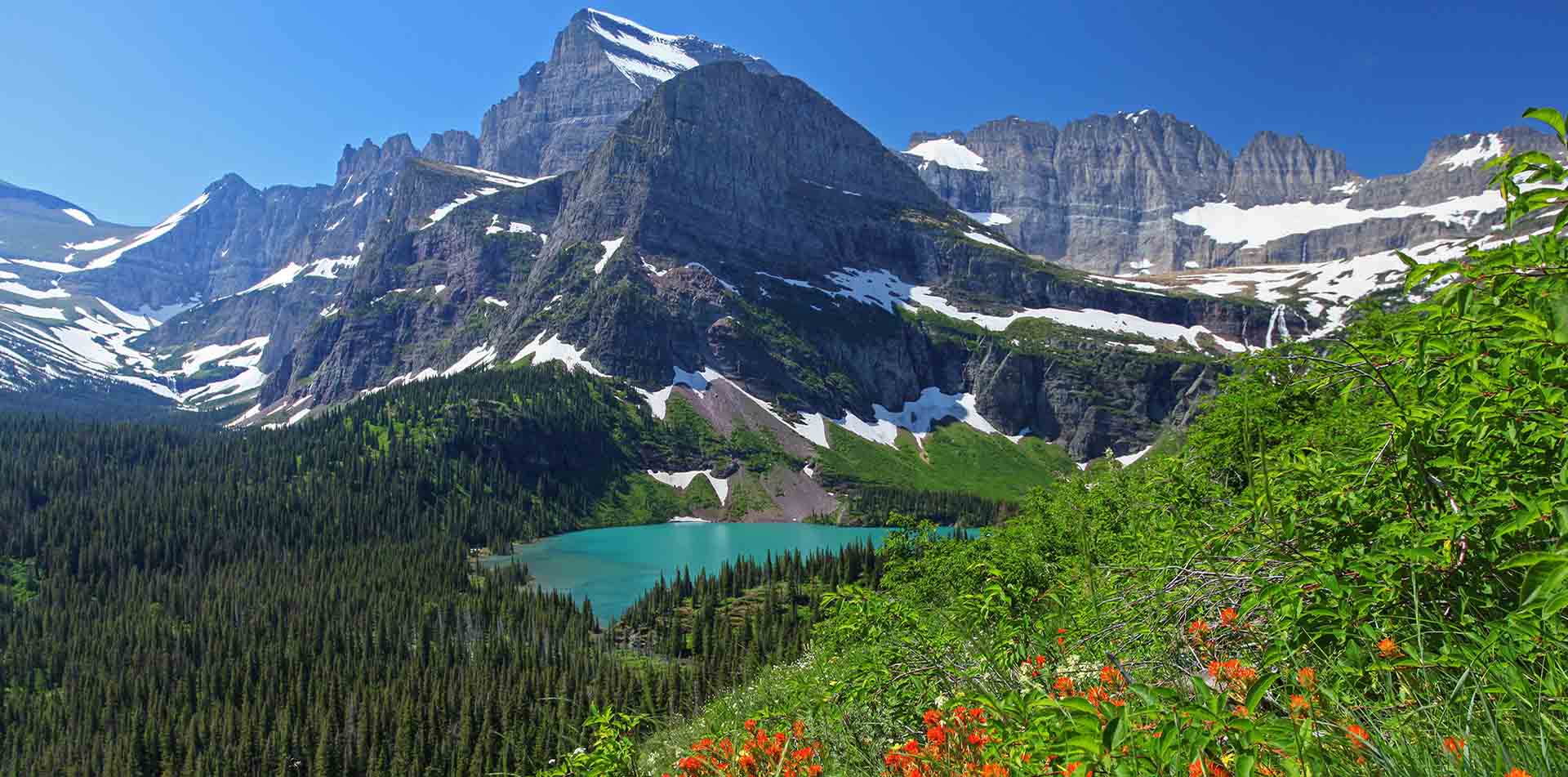
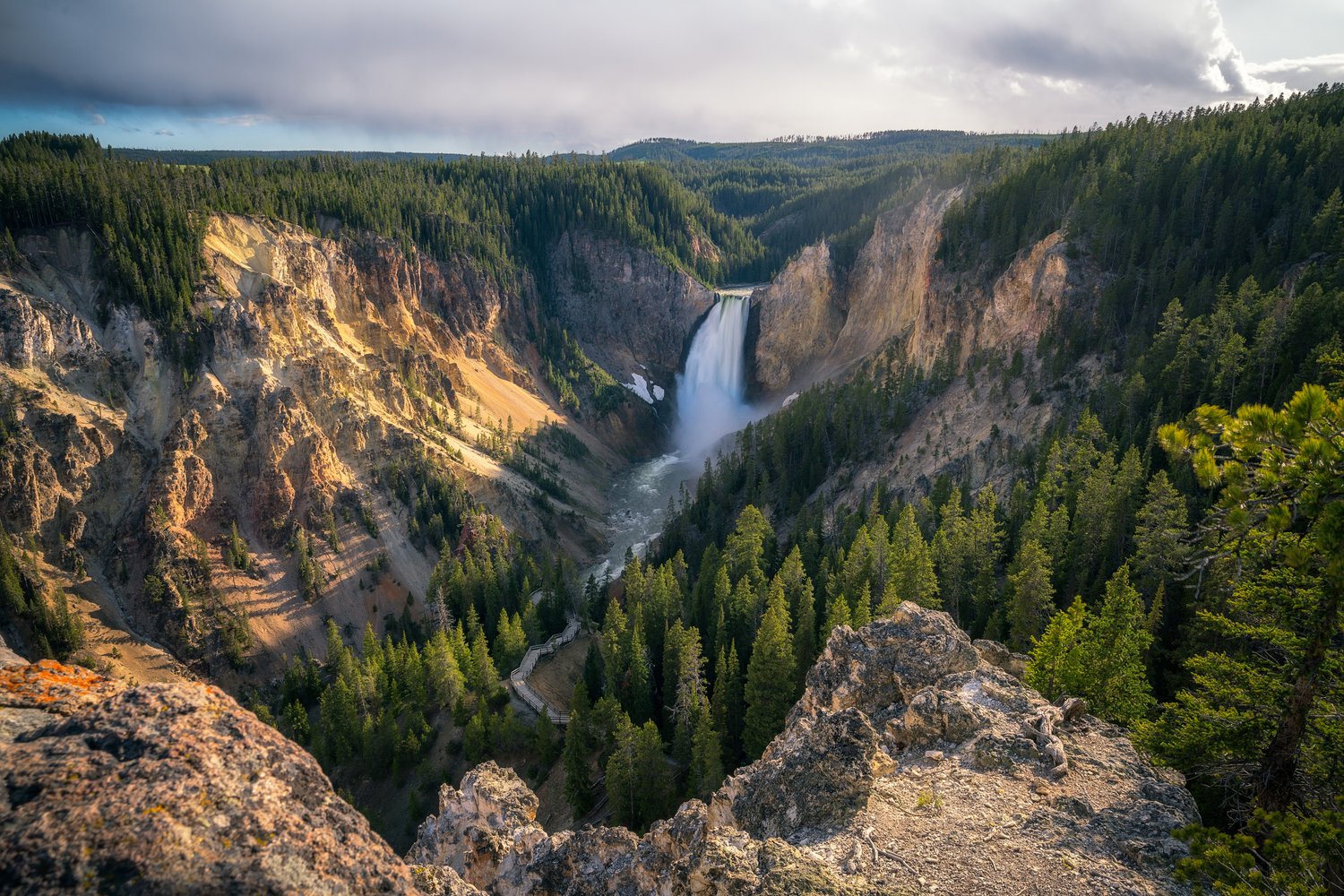
⚡ The TL;DR Verdict
If you crave rugged, challenging hikes amidst stunning alpine scenery and serene turquoise lakes, Glacier National Park is your winner. For an otherworldly geothermal landscape, abundant megafauna, and an easier-to-access natural spectacle, Yellowstone reigns supreme. Budget around $200-450+ USD per person per day for a comfortable, mid-range trip to either park, excluding flights.
- Choose Glacier National Park: Choose Glacier if you're an avid hiker seeking dramatic, challenging trails, pristine alpine lakes, and a truly remote, 'get away from it all' wilderness experience. It's ideal for those who prioritize active exploration over roadside attractions.
- Choose Yellowstone: Opt for Yellowstone if you're fascinated by unique geothermal features, diverse wildlife viewing opportunities (bears, wolves, bison galore), and a vast, sprawling landscape that feels like stepping onto another planet. It's more accessible for families and those who prefer scenic drives with frequent stops.
- Choose Both: Combining both parks is an epic road trip, but requires 10-14 days minimum. Fly into Bozeman (BZN) for Yellowstone, then drive ~6-7 hours north to Glacier, flying out of Kalispell (FCA), or vice-versa. Best done in late August or early September to catch both at their peak and avoid peak crowds.
Quick Comparison
| Category | Glacier National Park | Yellowstone | Winner |
|---|---|---|---|
| Nature & Scenery | Jagged, glaciated peaks, pristine turquoise lakes, and verdant valleys; offers a more 'classic' mountain wilderness feel. | Unparalleled geothermal features (geysers, hot springs), vast wildlife-filled valleys, and the Grand Canyon of the Yellowstone. | Tie |
| Activities & Exploration | Premier hiking destination with countless trails from easy strolls to multi-day backcountry treks. Lake activities are also popular. | Focus on scenic drives, wildlife viewing, boardwalk strolls around thermal features, and fishing/boating on Yellowstone Lake. | Glacier National Park |
| Costs & Budget | Generally slightly less expensive for lodging outside the park; however, car rentals and gas are similar. | Lodging inside Yellowstone is very expensive; popular gateway towns can also be pricey. Fuel costs are high. | Glacier National Park |
| Getting There & Around | Fly into Kalispell (FCA); car rental is essential. Going-to-the-Sun Road is iconic but requires timed entry. | Fly into Bozeman (BZN) or Jackson Hole (JAC); car rental is non-negotiable. Park roads are extensive. | Yellowstone |
| Accommodation & Lodging | Historic lodges within the park, plentiful options in nearby Whitefish/Kalispell, and popular campgrounds. | Iconic, historic lodges and cabins within the park are highly sought after; gateway towns offer more variety. | Tie |
| Crowds & Solitude | Fewer overall visitors than Yellowstone, but key areas like Going-to-the-Sun Road can still feel very busy. | Massive visitor numbers, especially around major geysers and wildlife spots; can feel like an amusement park at times. | Glacier National Park |
| Families & Accessibility | Good for active families with older children; many trails are challenging. Accessibility for strollers/wheelchairs is limited. | Excellent for families of all ages with numerous boardwalks, scenic drives, and abundant wildlife viewing. | Yellowstone |
| Wildlife Viewing | Home to grizzly bears, black bears, mountain goats, bighorn sheep. Requires more active searching. | Unrivaled for megafauna: bison, elk, grizzly bears, black bears, wolves. Often visible from roadsides. | Yellowstone |
| Photography Opportunities | Dramatic mountainscapes, glacial lakes, wildflowers, and wildlife for epic landscape and nature shots. | Unique geothermal features, vast wildlife-filled landscapes, and the vibrant Grand Canyon of the Yellowstone for diverse compositions. | Tie |
| Weather & Seasons | Short summer season (July-early Sept) with pleasant temps; shoulder seasons are colder with road closures. | Longer visitor season; summer is popular but can be hot; spring/fall offer fewer crowds and unique conditions. | Yellowstone |
⛰️ Nature & Scenery
Comparing the sheer natural majesty of Glacier and Yellowstone is like choosing between two masterpieces – they're just different. Glacier offers dramatic, rugged alpine scenery with its iconic, snow-capped peaks, deep U-shaped valleys carved by ancient glaciers, and incredibly vibrant turquoise lakes like Lake McDonald and St. Mary Lake. The Going-to-the-Sun Road is an engineering marvel that showcases this beauty. Yellowstone, on the other hand, presents a surreal, otherworldly landscape dominated by its geothermal features: the predictable eruptions of Old Faithful, the kaleidoscopic Grand Prismatic Spring, and the bubbling mud pots of Fountain Paintpot. Beyond the steam and sulfur, you have vast, open valleys like Lamar and Hayden teeming with wildlife, and the majestic Grand Canyon of the Yellowstone. 'Honestly, Glacier's mountains just hit different, but Yellowstone's geysers are a once-in-a-lifetime sight. You really can't go wrong, just depends on what kind of 'wow' you're looking for.' Both parks offer truly unique and globally significant natural wonders.
Winner takeaway
- Winner: Tie
- Why: Both parks offer such distinct and awe-inspiring natural beauty that it truly comes down to personal preference for mountains vs. geothermal wonders.
- Who this matters for: Anyone whose primary reason for visiting is the natural landscape and photography.
🚶 Activities & Exploration
Glacier National Park is an absolute hiker's paradise. The park boasts over 700 miles of trails, ranging from the accessible and stunning Trail of the Cedars near Avalanche Lake to strenuous, full-day adventures like the Grinnell Glacier Trail (10.6 miles, 1600 ft elevation gain) or the Highline Trail (11.4 miles, 800 ft elevation gain, with exposure!). You can rent kayaks or paddleboards on Lake McDonald, and boat tours are available on Swiftcurrent Lake. Yellowstone, while offering some fantastic hikes (Fairy Falls, Uncle Tom's Trail), truly shines with its incredible scenic drives and boardwalk explorations of its geothermal basins. You can spend hours driving through Lamar Valley spotting bison and wolves, or walking the boardwalks around Old Faithful and Grand Prismatic Spring. 'If you want to spend all day on a trail feeling tiny in front of mountains, Glacier is it. Yellowstone is more about getting out of the car for short walks and soaking in the views.' While both offer ranger programs and photography opportunities, Glacier's emphasis on active, immersive exploration gives it the edge for the adventure-seeker.
Winner takeaway
- Winner: Glacier National Park
- Why: Glacier offers a more diverse and challenging range of immersive outdoor activities, especially for avid hikers and backpackers.
- Who this matters for: Active travelers, hikers, backpackers, and those who prefer to explore on foot.
💸 Costs & Budget
Both parks require a 7-day vehicle entrance pass, costing $35 USD or the America the Beautiful Pass ($80 USD annually). Where costs diverge significantly is lodging. Inside Yellowstone, iconic lodges like Old Faithful Inn or Lake Yellowstone Hotel can easily run $400-800+ USD per night during peak season, if you can even snag a reservation. Gateway towns like West Yellowstone or Gardiner offer more options but still average $250-450 USD. Camping is a more affordable option at $20-30 USD per night, but also requires advance booking. For Glacier, in-park lodges like Many Glacier Hotel or Lake McDonald Lodge are also pricey ($300-600 USD), but nearby towns like Whitefish or Kalispell offer a wider range of accommodations, from $150-350 USD per night for hotels and vacation rentals, often with more availability. 'We saved a ton staying in Whitefish for Glacier and just driving in each day. Yellowstone felt like every single thing was trying to nickel and dime you, especially for food inside the park.' Food, gas (expect $4-5 USD/gallon), and car rentals ($70-150 USD/day) are comparable in both regions. Glacier wins slightly due to more flexible and often more affordable lodging options in surrounding areas.
Winner takeaway
- Winner: Glacier National Park
- Why: Glacier offers slightly more budget-friendly lodging options in its gateway towns, making the overall trip potentially less expensive.
- Who this matters for: Budget-conscious travelers, families, and those looking to save on accommodation without sacrificing experience.
🚗 Getting There & Around
For Glacier, the primary airport is Glacier Park International Airport (FCA) in Kalispell, Montana. Direct flights are available from major hubs like Seattle (SEA), Denver (DEN), Minneapolis (MSP), and Chicago (ORD), typically 2-3 hours flying time. From FCA, it's about a 30-60 minute drive to park entrances. The Going-to-the-Sun Road is the park's main artery, but often requires a timed entry reservation (May-Sept) and is closed seasonally. Yellowstone is accessible via a few airports: Bozeman Yellowstone International Airport (BZN) in Montana (closest major airport, ~1.5-2 hours to North Entrance), Jackson Hole Airport (JAC) in Wyoming (closest to Grand Teton, ~1 hour to South Entrance), and Idaho Falls Regional Airport (IDA) (~2-3 hours to West Entrance). BZN offers more direct flight options from cities like Salt Lake City (SLC), Denver (DEN), and Dallas (DFW), with flight times generally 2-3.5 hours. 'We flew into Bozeman for Yellowstone, super easy, and the drive into the north entrance was beautiful. Glacier's Going-to-the-Sun Road was epic, but that timed entry system felt like a bottleneck.' Both parks absolutely require a rental car for independent exploration. Yellowstone wins slightly due to more consistent road access (less reliant on one specific, highly regulated road) and multiple well-serviced airport options, offering more flexibility in entry/exit points.
Winner takeaway
- Winner: Yellowstone
- Why: Yellowstone offers more diverse and readily accessible airport options and generally less restrictive park road access compared to Glacier's heavily regulated Going-to-the-Sun Road.
- Who this matters for: Travelers prioritizing ease of access, those with limited time, and those who prefer less pre-planning for road access.
🏨 Accommodation & Lodging
Both parks offer fantastic lodging experiences, but demand far outstrips supply, especially for in-park options. Glacier's historic lodges like Many Glacier Hotel and Lake McDonald Lodge offer rustic charm and stunning views, but are notoriously difficult to book (reservations open 13 months in advance!). Outside the park, the towns of Whitefish and Kalispell offer a wide range of hotels, Airbnbs, and resort options, often at better value, though requiring a drive to park entrances. For Yellowstone, the park's nine lodges, including the iconic Old Faithful Inn and Mammoth Hot Springs Hotel, offer unparalleled access to features but come with a hefty price tag and require booking 12-13 months out. 'We got super lucky with a last-minute cancellation at Lake Yellowstone Hotel, but honestly, staying in West Yellowstone was fine too and way cheaper. Glacier felt like there were more decent towns nearby.' Gateway towns like West Yellowstone, Gardiner, and Cooke City provide more options, from budget motels to luxury rentals. Camping is available in both parks ($20-30/night) and is the most affordable choice, but also books out months in advance. Because both face similar challenges with high demand and high prices for desirable spots, they are a tie in this category – planning far ahead is key for either.
Winner takeaway
- Winner: Tie
- Why: Both parks present similar challenges and rewards for lodging: iconic in-park options are expensive and hard to book, while gateway towns offer more variety but require daily commutes.
- Who this matters for: All travelers, as lodging is a major component of trip planning and budget.
👥 Crowds & Solitude
Yellowstone recorded over 4.5 million visitors in 2023, while Glacier saw around 3 million. This difference is palpable. Yellowstone's main attractions, like Old Faithful, Grand Prismatic Spring, and the Lamar Valley, can feel incredibly crowded, especially from late June to early September. You'll often find yourself in traffic jams caused by bison crossing the road or people pulling over for wildlife viewing. 'Yellowstone felt like a theme park at times, especially around Old Faithful. Glacier, even on Going-to-the-Sun Road, felt more spread out, and once you hit a trail, you could find real quiet.' While Glacier's Going-to-the-Sun Road and popular trailheads (Grinnell Glacier, Hidden Lake) can also get busy, the sheer number of trails and less concentrated 'must-see' attractions mean it's often easier to find solitude, especially if you venture beyond the main road. The park's permit system for the Going-to-the-Sun Road, while sometimes frustrating, helps manage traffic flow. If escaping the masses is a priority, Glacier offers a better chance for peaceful contemplation.
Winner takeaway
- Winner: Glacier National Park
- Why: Glacier, despite its popularity, generally offers more opportunities for solitude and less concentrated crowds than Yellowstone's highly trafficked major attractions.
- Who this matters for: Travelers seeking peace, quiet, and a more immersive wilderness experience away from large groups.
👨👩👧👦 Families & Accessibility
Yellowstone is generally more family-friendly, especially for those with younger children or mobility challenges. The park's numerous boardwalks make geothermal features like Old Faithful and Grand Prismatic Spring easily accessible for strollers and wheelchairs. Wildlife viewing is abundant and often roadside, thrilling for kids. There are plenty of short, easy walks and designated picnic areas. 'Yellowstone was perfect with our two-year-old. We could drive, stop for geysers, see bison right from the car. Glacier felt like we'd be carrying her the whole time on most trails.' Glacier, while beautiful, is more geared towards active families with older children who can handle longer, more strenuous hikes. While there are some family-friendly trails like the Trail of the Cedars, many of the iconic hikes involve significant elevation gain and distance. Accessibility beyond the main roads and visitor centers is limited. Yellowstone's diverse, easily viewable attractions make it the clear winner for families seeking a broader, more accessible experience.
Winner takeaway
- Winner: Yellowstone
- Why: Yellowstone's numerous accessible boardwalks, abundant roadside wildlife, and diverse attractions cater better to families with young children or those with limited mobility.
- Who this matters for: Families with young children, multi-generational groups, and travelers with mobility concerns.
🐻 Wildlife Viewing
Yellowstone is arguably the best place in the lower 48 states for large mammal viewing, making it a wildlife enthusiast's dream. The vast, open valleys of Lamar and Hayden are famous for regular sightings of bison herds (tens of thousands!), elk, grizzly bears, and even wolves. Dawn and dusk are prime times, and you'll often see groups of people pulled over with spotting scopes. 'We saw grizzlies, wolves, bison, elk, moose, all within three days in Yellowstone. It was like a safari!' Glacier also boasts impressive wildlife, including a healthy population of grizzly bears, black bears, mountain goats (especially visible on high-elevation trails), and bighorn sheep. However, sightings generally require more active hiking and a bit more luck. While Glacier's wildlife encounters can be incredibly rewarding and intimate (like seeing a mountain goat on the Highline Trail), Yellowstone's sheer volume and accessibility of megafauna viewing from your vehicle or short walks gives it a significant advantage for consistent and diverse sightings. Remember to always maintain a safe distance from all wildlife in both parks.
Winner takeaway
- Winner: Yellowstone
- Why: Yellowstone offers unparalleled opportunities for viewing diverse megafauna, often from accessible roadside locations, making sightings more frequent and varied.
- Who this matters for: Wildlife photographers, animal lovers, and families looking for exciting animal encounters.
📸 Photography Opportunities
Both parks are a photographer's dream, each offering distinct and compelling subjects. Glacier is a landscape photographer's paradise, with its rugged, glacially carved peaks, turquoise lakes (Lake McDonald, St. Mary Lake), and winding roads offering endless vistas. Golden hour on Going-to-the-Sun Road or sunrise over Swiftcurrent Lake can yield breathtaking results. Macro photographers will love the wildflowers in bloom. Yellowstone provides an entirely different, yet equally captivating, canvas. The vibrant colors of Grand Prismatic Spring, the steam and spray of geysers, the powerful waterfalls of the Grand Canyon of the Yellowstone, and the abundant, easily accessible wildlife offer a truly diverse portfolio. 'Glacier gives you those classic desktop background mountain shots, but Yellowstone...man, the colors of the springs are just unreal. And you get so many wildlife chances.' While Glacier excels in classic alpine landscapes, Yellowstone dominates in unique geological features and accessible wildlife close-ups. Your preference depends on whether you prefer sweeping mountain vistas or vivid, otherworldly geological and animal subjects. Both demand multiple memory cards and early morning starts.
Winner takeaway
- Winner: Tie
- Why: Both parks offer an incredible array of distinct and iconic photographic subjects, appealing to different styles of nature photography.
- Who this matters for: Photographers of all levels, from amateur phone users to professional landscape and wildlife photographers.
☀️ Weather & Seasons
Glacier National Park has a notoriously short 'prime' season, typically from early July to early September, when the Going-to-the-Sun Road is fully open and most trails are snow-free. July and August offer the warmest temperatures (mid-70s F / 20s C), but also the largest crowds. Spring (May-June) and Fall (mid-Sept-Oct) are beautiful but come with significant road and trail closures due to snow. 'We went to Glacier in late June and half the park was still closed. Definitely aim for August if you can!' Yellowstone offers a slightly longer and more flexible visiting season. While summer (July-August) is peak, with daytime highs in the 70s-80s F (20s-30s C), spring (May-June) and fall (September-October) are fantastic for wildlife viewing, fewer crowds, and unique photographic opportunities (steaming geysers in crisp air, fall foliage). While some roads close in winter, the park is still accessible for snowmobiling and cross-country skiing, offering a completely different experience. Yellowstone's ability to offer a compelling visit across more seasons, with more extensive road networks remaining open, gives it an edge for flexibility.
Winner takeaway
- Winner: Yellowstone
- Why: Yellowstone offers a longer and more flexible visiting season, with compelling reasons to visit during spring and fall, not just peak summer.
- Who this matters for: Travelers with fixed vacation times, those who dislike crowds, and visitors interested in shoulder-season experiences.
❓ Frequently Asked Questions
How many days should I spend in each park?
For a good introduction, plan at least 3-5 full days for Glacier National Park to explore the Going-to-the-Sun Road and a few key hiking areas. Yellowstone, due to its sheer size and diverse attractions, really warrants 5-7 full days to properly see its major geyser basins, wildlife valleys, and the Grand Canyon of the Yellowstone. Anything less will feel rushed.
Do I need reservations for anything?
Absolutely, yes! Both parks require timed entry reservations for certain areas (like Glacier's Going-to-the-Sun Road and Many Glacier area, and specific Yellowstone entrances at peak times, check NPS website). Lodging inside both parks, campgrounds, and popular activities book up 6-13 months in advance. Car rentals also need early booking.
What's the best time of year to visit?
For Glacier, the sweet spot is July to early September when all roads and most trails are open and snow-free. For Yellowstone, late May-early June or late August-early October offers excellent wildlife viewing and fewer crowds, with most attractions accessible. Mid-summer is peak, hot, and crowded for both.
What about cell service and Wi-Fi?
Expect very limited to no cell service within large portions of both parks. Download offline maps and guides before you go. Some lodges and visitor centers offer basic Wi-Fi, often for a fee, but it's usually slow and unreliable. Embrace the digital detox!
What should I pack for hiking in these parks?
For both parks, essential gear includes sturdy hiking boots, layers of clothing (weather changes rapidly), rain gear, bear spray (and know how to use it!), a daypack with plenty of water, high-energy snacks, sun protection, and a first-aid kit. Trekking poles are highly recommended for Glacier's steeper trails.
Are there guided tours available?
Yes, both parks offer a variety of guided tours. In Glacier, you can take historic red bus tours on the Going-to-the-Sun Road or boat tours on Lake McDonald and Swiftcurrent Lake. Yellowstone has guided wildlife tours, bus tours, and photography workshops. These can be a great way to learn from experts and see things you might miss on your own.
Can I see both parks on one trip?
Yes, but it's a significant commitment. The drive between the northern entrance of Yellowstone (Gardiner) and the eastern entrance of Glacier (St. Mary) is about 6-7 hours. To truly appreciate both, you'd need at least 10-14 days. Consider flying into one airport (e.g., Bozeman for Yellowstone) and out of another (e.g., Kalispell for Glacier) to save time.
What are the rules for interacting with wildlife?
Always maintain a safe and respectful distance from all wildlife (at least 25 yards from bison/elk, 100 yards from bears/wolves). Never feed animals. Store food properly to prevent attracting bears. Wildlife has the right of way, so be prepared to stop for animals on the road. Carry bear spray and know how to use it in both parks.
Ready to plan your Mountain West adventure?
Get a free custom itinerary for Glacier National Park, Yellowstone, or both — built from real traveler insights.
🎟️ Book Tours & Experiences
Hand-picked tours and activities for both destinations — book with free cancellation
Experiences via Viator — free cancellation on most tours