How we built this comparison
This page combines traveler discussion patterns, published price ranges, flight schedules, and seasonal data to help you decide between Grand Canyon and Bryce Canyon.
- Reviewed 50+ Reddit threads from r/travel, r/NationalParks, r/solotravel, and related regional subreddits for authentic traveler experiences and tips.
- Verified costs and logistics against current official national park websites, Booking.com, Expedia, and airline aggregators (Google Flights, Skyscanner) for accuracy.
- Cross-referenced seasonal patterns, weather data, and road conditions using NOAA and National Park Service resources to provide practical timing advice.
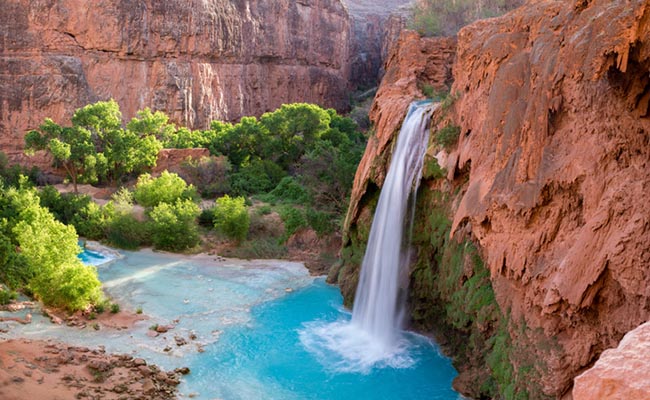
⚡ The TL;DR Verdict
If you're chasing the iconic, awe-inspiring scale that dominates postcards, Grand Canyon is your pick, expecting a daily budget of $150-300+. For those seeking a more intimate, immersive hiking experience amidst surreal rock formations, Bryce Canyon is unparalleled, often fitting a $120-250+ daily budget. Both offer incredible natural beauty, but cater to slightly different travel styles.
- Choose Grand Canyon: Choose the Grand Canyon if you're a first-timer to the American Southwest, prioritize iconic, vast viewpoints, and appreciate accessible scenic drives over strenuous, all-day hikes. It's the ultimate bucket-list check for sheer scale.
- Choose Bryce Canyon: Opt for Bryce Canyon if you love whimsical, unique geology, prioritize immersive hiking 'amongst' the formations, and prefer a more manageable, less crowded park experience. It's a photographer's dream and offers more rewarding mid-level trails.
- Choose Both: Combine both for the ultimate Southwest road trip, ideally over 5-7 days. Focus 2-3 nights on the Grand Canyon South Rim for those epic views, then drive ~5-6 hours north to spend 2-3 nights exploring Bryce Canyon's hoodoos. This route offers a perfect contrast of landscapes and hiking challenges.
Quick Comparison
| Category | Grand Canyon | Bryce Canyon | Winner |
|---|---|---|---|
| Nature & Scenery | Iconic, vast, overwhelming scale. A single, immense chasm carved by time and the Colorado River. | Unique, whimsical, dense forests of 'hoodoos' in a natural amphitheater. Surreal and otherworldly. | Grand Canyon |
| Hiking Experience | Extremely challenging 'rim-to-river' hikes (Bright Angel, South Kaibab). Rim trails are flat and accessible. | Immersive 'into the hoodoos' hikes (Navajo Loop, Queen's Garden). More moderate options with spectacular rewards. | Bryce Canyon |
| Costs & Budget | Higher accommodation costs, especially within the park. More distant from major airports. | Slightly more affordable lodging options, often easier to find availability outside peak season. | Bryce Canyon |
| Getting There | Closest major airports are Las Vegas (LAS) or Phoenix (PHX), 3.5-4.5 hr drive. Small airport in Grand Canyon Village (GCN). | Closest major airport is Las Vegas (LAS), ~4-5 hr drive. Smaller regional airports like St. George (SGU) are closer but more expensive. | Grand Canyon |
| Getting Around | Extensive free shuttle system (South Rim). Private vehicles restricted on some scenic routes during peak season. | Smaller park, easily navigable by private vehicle to most viewpoints. Free shuttle available but less essential. | Bryce Canyon |
| Accommodation | Iconic, historic lodges inside the park (El Tovar, Bright Angel) – expensive, book far in advance. More options in nearby Tusayan. | Bryce Canyon Lodge inside the park – historic, but fewer rooms. Good, more affordable options in Tropic, just outside the park. | Tie |
| Crowds & Serenity | Extremely popular. Viewpoints (Mather Point) and village areas are often packed. Requires effort to find solitude. | Popular but generally less crowded than GC. Easier to escape crowds on trails. More intimate experience. | Bryce Canyon |
| Weather & Seasons | South Rim: Hot summers (90s°F/30s°C), mild winters with snow. North Rim: Closed in winter. | Higher elevation, cooler summers (70s°F/20s°C). Cold, snowy winters. Best in spring/fall. | Tie |
| Photography Opportunities | Grand, sweeping vistas. Best for wide-angle shots. Dramatic light at sunrise/sunset. | Intricate, whimsical formations. Endless opportunities for unique compositions, closer details, and stunning light play. | Bryce Canyon |
| Family Friendliness | Very accessible viewpoints, paved rim trails for strollers/wheelchairs. Ranger programs for kids. | Many trails descend, can be challenging for very young children or those with mobility issues. Limited stroller access on trails. | Grand Canyon |
🏞️ Nature & Scenery
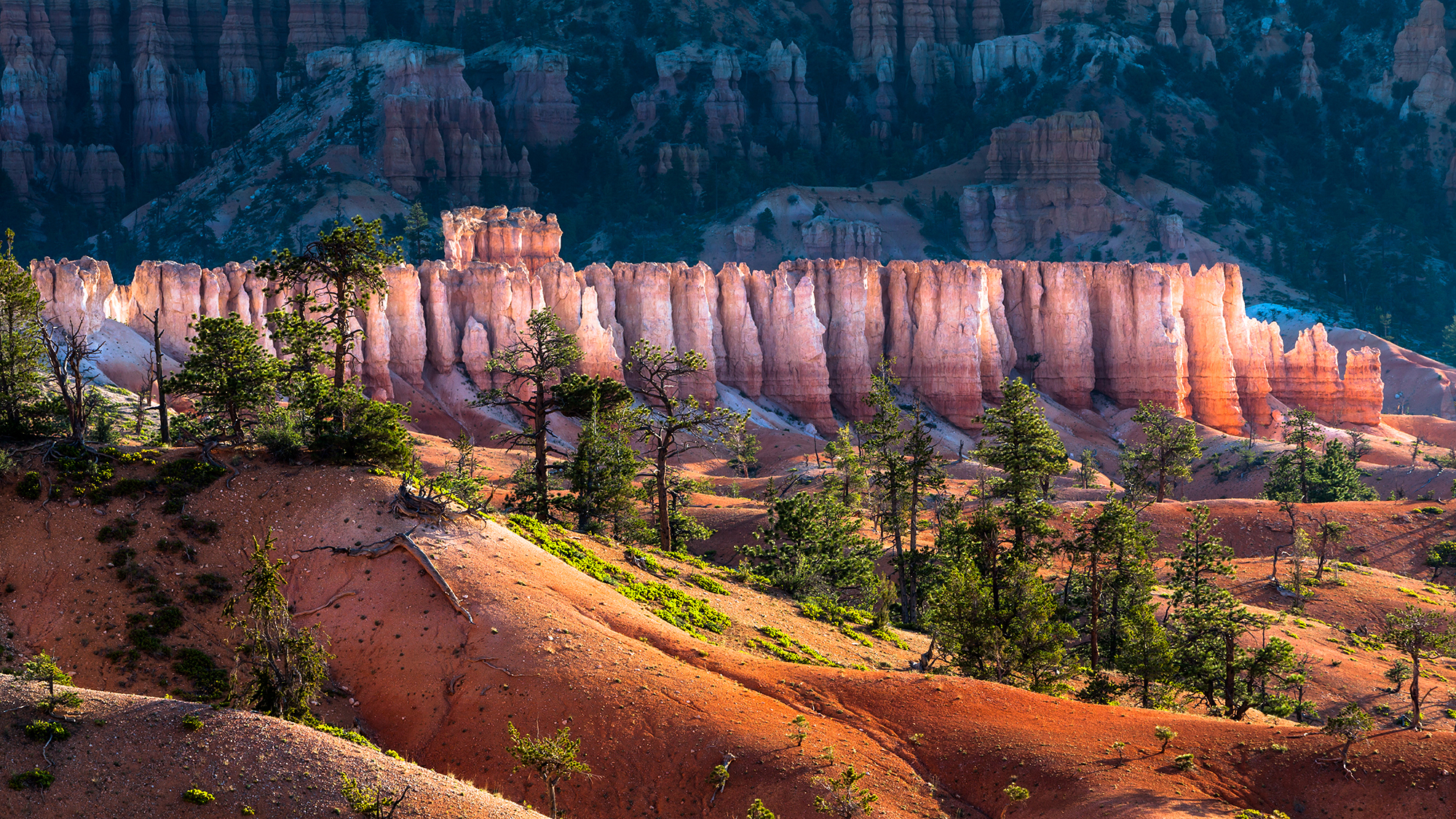
The Grand Canyon is simply monumental. Its sheer size and depth are almost impossible to comprehend, offering a vast, panoramic spectacle from viewpoints like Mather Point or Lipan Point. While the 'wow' factor is immediate and undeniable, the scenery is largely static from above – a massive, unchanging chasm. You look 'at' it. However, the varying light throughout the day, especially sunrise and sunset, paints the canyon walls in an ever-changing palette of reds and oranges. You truly feel dwarfed by nature here. Bryce Canyon, on the other hand, is a vibrant, intricate wonderland. Its hundreds of orange, red, and white hoodoos – irregularly eroded spires of rock – form natural amphitheaters, most notably the Bryce Amphitheater. You look 'into' it and can easily descend 'amongst' its formations. The views are less about vastness and more about intricate geological artistry and playful shapes, constantly revealing new perspectives as you hike. "Grand Canyon is like seeing the ocean for the first time, Bryce is like stepping into a Dr. Seuss book," a Redditor once perfectly put it. Both are stunning, but the Grand Canyon's scale is in a league of its own.
Winner takeaway
- Winner: Grand Canyon
- Why: The Grand Canyon's unparalleled scale and iconic status deliver an immediate, overwhelming sense of awe that few places on Earth can match.
- Who this matters for: First-time visitors to the region, those prioritizing iconic 'bucket list' views, and anyone seeking pure, unadulterated vastness.
🥾 Hiking Experience
Hiking at the Grand Canyon is a serious endeavor, primarily defined by its 'inverted mountain' challenge: every step down is a step you have to climb back up. Trails like Bright Angel and South Kaibab offer incredible experiences, but they are strenuous, often multi-day affairs requiring significant preparation and fitness. Day hikes typically only go a few miles down and back up. The rim trails are paved, easy, and offer fantastic views but lack the immersive feel. For example, a 3-mile round trip on the Bright Angel Trail can take 3-5 hours due to elevation changes, and water is scarce further down. Bryce Canyon truly shines for hiking. Its trails, like the iconic Navajo Loop and Queen's Garden combination (a 3-mile loop), take you directly down among the hoodoos, through slot canyons, and past unique formations like Thor's Hammer and Wall Street. The elevation changes are significant but more manageable, and the constantly changing scenery keeps you engaged. Most popular loops are 1.5 to 6 miles, offering a much more rewarding 'get in there' experience for a wider range of fitness levels. "Bryce hikes feel like an adventure playground, Grand Canyon hikes feel like a serious expedition," an experienced hiker noted. It's simply more fun for the average traveler.
Winner takeaway
- Winner: Bryce Canyon
- Why: Bryce Canyon offers a more diverse range of immersive, rewarding hikes that take you directly into its unique geological formations, suitable for more visitors.
- Who this matters for: Active travelers, photography enthusiasts, and anyone who prefers to 'get into' the landscape rather than just view it from above.
💰 Costs & Budget
Entry fees are consistent for both parks: $35 per vehicle for a 7-day pass, or the America the Beautiful Pass ($80/year) covers both. Where costs diverge is lodging and proximity to major hubs. Grand Canyon South Rim lodging, especially inside the park at places like El Tovar or Bright Angel Lodge, can be $250-500+ per night and books out 12-18 months in advance. Options in nearby Tusayan are slightly cheaper ($180-350+), but still pricey. Food in the park is resort-priced ($15-30 for casual, $40-70+ for dinner). Bryce Canyon offers lodging inside the park at Bryce Canyon Lodge for $200-450+, also booking far in advance. However, the nearby town of Tropic (10-15 min drive) has more abundant and affordable options, with motels and inns ranging from $120-250+ per night. Dining in Tropic is also more varied and generally less expensive than within the Grand Canyon's main village. Flights to Las Vegas (LAS) are typically similar for both, but the drive to Bryce is longer. "We saved a ton staying in Tropic for Bryce, felt like good value compared to trying to find anything decent near Grand Canyon for under $300," a budget traveler shared. Overall, Bryce allows for a bit more flexibility and budget-friendliness without sacrificing quality.
Winner takeaway
- Winner: Bryce Canyon
- Why: Bryce Canyon offers slightly more affordable and accessible lodging options, particularly in nearby towns, making it easier on the wallet for similar quality.
- Who this matters for: Budget-conscious travelers, families looking to save on accommodation, and those who plan trips with shorter lead times.
✈️ Getting There
For most international and cross-country travelers, flying into Las Vegas (LAS) or Phoenix (PHX) is the standard for accessing the Grand Canyon South Rim. LAS to Grand Canyon South Rim is about a 4-hour drive (275 miles), while PHX is slightly longer at 4.5 hours (230 miles). Both are major airport hubs with frequent, competitively priced flights. There's also a small airport (GCN) at Grand Canyon Village, but flights are expensive and limited. Bryce Canyon is predominantly accessed via Las Vegas (LAS), which is about a 4-5 hour drive (260 miles) to the park entrance. While the distance is similar, the drive to Bryce often involves more remote roads and fewer direct routes from other major hubs. St. George (SGU) is closer (2.5 hours), but flights are typically pricier. "It felt like there were just more 'easy' ways to get to the Grand Canyon – direct flights into Phoenix or Vegas, then a straightforward drive," commented a traveler from the East Coast. The sheer volume of flight options into Phoenix and Las Vegas, coupled with slightly shorter average drive times from these major hubs, gives the Grand Canyon a slight edge in accessibility for the majority of visitors.
Winner takeaway
- Winner: Grand Canyon
- Why: The Grand Canyon benefits from being easily accessible from two major, well-connected airport hubs (LAS & PHX), offering more flight flexibility and slightly shorter drive times.
- Who this matters for: International travelers, those with less flexible schedules, and visitors who prefer well-established, straightforward travel routes.
🚗 Getting Around
At the Grand Canyon South Rim, a private vehicle is essential for getting to the park but often becomes a hindrance once inside. During peak season (March-November), personal vehicles are restricted on the popular Hermit Road (which accesses multiple viewpoints), requiring visitors to use the excellent free shuttle bus system. This is efficient but means you're on a schedule. Driving to Desert View Watchtower is permitted year-round. Parking can be a nightmare at popular spots like Mather Point or Grand Canyon Village. Bryce Canyon, in contrast, is incredibly easy to navigate by car. The main scenic drive (Bryce Canyon Road) runs for 18 miles, providing access to all major viewpoints and trailheads. Parking is generally more plentiful at each viewpoint, even during busy periods, and you have the freedom to stop exactly where and when you want. While a free shuttle operates during peak season, it's more of a convenience than a necessity for most. "Bryce felt so much more chill to drive around. No fighting for parking or waiting for buses like at Grand Canyon village," a road tripper shared. This freedom and ease of self-navigation make Bryce a clear winner for getting around.
Winner takeaway
- Winner: Bryce Canyon
- Why: Bryce Canyon's compact size and ample parking at viewpoints make it significantly easier and more flexible to navigate by private vehicle.
- Who this matters for: Independent travelers, photographers needing quick access to viewpoints, and those who prefer the flexibility of their own car.
🏨 Accommodation
Both parks offer the coveted 'in-park' lodging experience, but they come with significant caveats. Grand Canyon South Rim features historic lodges like El Tovar and Bright Angel Lodge, offering unparalleled convenience and charm, but they typically cost $250-500+ per night and require booking 12-18 months in advance. The nearest gateway town, Tusayan, offers more choices like the Grand Canyon Plaza Hotel or Best Western Premier, usually in the $180-350+ range, but still fills up quickly. Bryce Canyon has the historic Bryce Canyon Lodge, offering a similar, though smaller, in-park experience for $200-450+. Its proximity to the rim is fantastic. However, Bryce also benefits from the nearby town of Tropic (a 10-15 minute drive), which offers a broader range of motels, inns, and cabins like the Bryce Canyon Log Cabins or Best Western Plus, typically $120-250+. This allows for more budget-friendly options without being too far from the action. "Grand Canyon's in-park lodges are epic but good luck getting a reservation, or even affording it. Bryce had more reasonable options just down the road," a traveler noted. The quality and type of accommodation are comparable; Grand Canyon has more iconic history, while Bryce has better value just outside the park. It's a tie based on different strengths.
Winner takeaway
- Winner: Tie
- Why: Both destinations offer excellent, albeit expensive, in-park lodging and a range of choices in nearby gateway towns, catering to different preferences and budgets.
- Who this matters for: Travelers prioritizing convenience and historic charm (Grand Canyon) versus those seeking value and slightly more availability (Bryce Canyon).
👥 Crowds & Serenity
The Grand Canyon South Rim is one of the most visited national parks in the USA, drawing millions annually. Viewpoints like Mather Point, Grand Canyon Village, and the Visitor Center can feel like theme parks during peak season (spring, summer, fall breaks), with shuttle buses packed and parking lots overflowing. Finding true solitude requires hiking well below the rim for several hours, which isn't feasible for all. Even popular rim trails can be busy. Bryce Canyon, while also popular and growing, generally offers a more serene experience. Its smaller size means crowds are more concentrated around the Bryce Amphitheater viewpoints (Inspiration Point, Sunset Point), but it's remarkably easy to escape them by hitting any of the trails that descend into the canyon. Once you're a mile or two down a trail like Navajo Loop, you'll find significant peace and quiet among the hoodoos. "We felt like we had entire sections of trails to ourselves in Bryce, even in July. At Grand Canyon, it was elbow-to-elbow at every viewpoint," observed a family traveler. The more confined and immersive nature of Bryce's trails allows for a greater sense of solitude, making it the winner for those seeking tranquility.
Winner takeaway
- Winner: Bryce Canyon
- Why: Bryce Canyon's smaller footprint and immersive trail system make it easier to escape the crowds and find moments of solitude.
- Who this matters for: Travelers seeking a more intimate park experience, those sensitive to large crowds, and hikers who value quiet on the trails.
☀️ Weather & Seasons
The Grand Canyon South Rim experiences hot, dry summers with daytime highs often in the 90s°F (30s°C), making inner-canyon hiking potentially dangerous due to extreme heat. Winters are mild with average highs in the 40s-50s°F (5-10°C) and occasional snow, which creates stunning contrasting views. Spring and fall offer ideal temperatures. The North Rim is at a higher elevation, much cooler, and closes completely from mid-October to mid-May due to snow. Bryce Canyon, being at a higher elevation (8,000-9,000 ft/2,400-2,700m), has significantly cooler summers, with daytime highs typically in the 70s°F (20s°C), making it a fantastic escape from the desert heat. However, its winters are long and cold, with heavy snowfall often lasting from November through April, closing some roads and trails but creating magical snow-dusted hoodoo landscapes. "We loved Bryce in late September, perfect hiking weather and no crazy heat. Grand Canyon was pushing 90 when we were there," a traveler mentioned. Both offer unique beauty in different seasons, but cater to different preferences. If you hate heat, Bryce is better in summer; if you love the idea of snow-capped canyons, both deliver, but GC is more accessible year-round. It's a tie because the 'best' depends entirely on your seasonal preference.
Winner takeaway
- Winner: Tie
- Why: Both parks offer distinct and beautiful experiences across different seasons, with peak desirability varying based on individual weather preferences.
- Who this matters for: Travelers who prioritize specific weather conditions (e.g., cool hiking weather, snow scenery) and those planning trips for particular times of the year.
📸 Photography Opportunities
The Grand Canyon offers breathtaking, epic landscapes that are perfect for wide-angle photography, capturing the vastness of the chasm and the dramatic layers of rock. Sunrise and sunset at viewpoints like Mather Point or Hopi Point are legendary for their color and scale. However, the compositions can feel somewhat repetitive – it's mostly about capturing the same incredible, vast view from different angles. It's hard to get truly unique shots that aren't already iconic. Bryce Canyon, on the other hand, is a photographer's playground for its intricate details and endless unique compositions. The hoodoos offer a constant interplay of light and shadow, creating dynamic and ever-changing scenes. Walking among them on trails like the Navajo Loop allows for close-up shots of their textures, shapes, and vibrant colors. Golden hour light creates incredible warmth and shadows that highlight the formations, and a telephoto lens can isolate specific hoodoos for stunning abstract shots. "Bryce made me feel like an artist; every turn was a new composition. Grand Canyon was more like 'point and shoot, it's all amazing'," a travel photographer shared. The sheer variety and intricacy of subjects, coupled with better light play due to the formations, gives Bryce the edge for photography.
Winner takeaway
- Winner: Bryce Canyon
- Why: Bryce Canyon's unique, intricate hoodoo formations offer far more diverse and creative photographic compositions and stunning light play than the Grand Canyon's vast but somewhat uniform vistas.
- Who this matters for: Amateur and professional photographers, artists, and anyone who loves capturing unique and detailed landscapes.
👨👩👧👦 Family Friendliness
The Grand Canyon South Rim is remarkably family-friendly, especially for those with young children or mobility limitations. Most major viewpoints, like Mather Point and Yavapai Geology Museum, are easily accessible via paved paths, making them perfect for strollers and wheelchairs. The accessible Rim Trail stretches for miles, offering fantastic views without strenuous hiking. The free shuttle system also makes getting around easy without worrying about parking with kids. Junior Ranger programs are excellent and engaging for children. While inner-canyon hikes are too strenuous for most families, the sheer awe factor from the rim is enough. Bryce Canyon is also great for families, but with some caveats. Its most iconic experiences involve hiking down into the amphitheater, which, while breathtaking, can be challenging for very young children or those needing strollers. Trails like Navajo Loop have steep switchbacks and are not stroller-friendly. There are accessible rim trails, but the 'wow' factor truly comes from descending. "Grand Canyon was easier with our toddler; we could push the stroller to tons of viewpoints and she still loved seeing the big hole. Bryce was harder because all the cool stuff was down a hill she couldn't walk herself," a parent recounted. The Grand Canyon's superior accessibility for all ages and activity levels makes it slightly more family-friendly.
Winner takeaway
- Winner: Grand Canyon
- Why: The Grand Canyon offers more accessible viewpoints and paved rim trails suitable for strollers and wheelchairs, making it easier for families with very young children or those with mobility considerations.
- Who this matters for: Families with young children, elderly travelers, and those with limited mobility who still want to experience awe-inspiring natural beauty.
❓ Frequently Asked Questions
Which canyon is better for a day trip?
For a pure day trip, Bryce Canyon is generally easier. Its compact scenic drive and easily accessible viewpoints mean you can see a significant portion of the park in 4-6 hours. The Grand Canyon South Rim is vast, and while you can hit key viewpoints, its scale often feels rushed in a single day, especially if driving long distances to get there.
Can I visit both Grand Canyon and Bryce Canyon in one trip?
Absolutely, and it's highly recommended! Many travelers combine them as part of a larger Southwest road trip, often including Zion National Park. The drive between Grand Canyon South Rim and Bryce Canyon is about 5-6 hours, making it feasible to move between the two with 2-3 nights dedicated to each park for a comprehensive experience.
What's the best time of year to visit each?
Spring (April-May) and Fall (September-October) are ideal for both, offering mild temperatures for hiking and fewer crowds than summer. Grand Canyon South Rim is open year-round, with winter snow creating stunning views. Bryce Canyon's higher elevation means cooler summers, but also very cold, snowy winters where some roads and trails might close.
Which has better hiking for beginners?
Bryce Canyon arguably offers better 'beginner-friendly' immersive hikes. Trails like Queen's Garden are moderate loops that take you down among the hoodoos with manageable elevation changes. The Grand Canyon's inner-canyon trails are all strenuous with significant elevation gain on the return, making them challenging for true beginners. Its rim trails are easy but less immersive.
Which canyon has more wildlife?
Both parks offer opportunities to see wildlife. Grand Canyon is home to elk, deer, coyotes, and various birds, with condors being a major draw. Bryce Canyon has deer, elk, foxes, and numerous bird species, including prairie dogs. Neither is a 'safari' park, but patient observers can spot animals, especially at dawn and dusk.
Are there good food options at both parks?
Yes, both have dining options, though mostly at a premium. Grand Canyon Village (South Rim) has several restaurants like El Tovar Dining Room and Bright Angel Lodge dining. Bryce Canyon Lodge offers a more limited but decent dining room. More varied and often more affordable options can be found in the gateway towns of Tusayan (for Grand Canyon) and Tropic (for Bryce Canyon).
How far apart are Grand Canyon and Bryce Canyon?
The distance between Grand Canyon South Rim and Bryce Canyon National Park is approximately 260-290 miles (418-467 km), depending on the exact route. The drive typically takes about 5 to 6 hours without significant stops, passing through scenic landscapes and sometimes through Page, Arizona, or Zion National Park (which adds time).
Do I need a car to visit these parks?
Yes, a car is highly recommended, if not essential, for both Grand Canyon and Bryce Canyon. While both offer shuttle services within the park (mandatory on some Grand Canyon roads in peak season), having your own vehicle provides the flexibility to travel to and from the parks, explore gateway towns, and reach trailheads at your own pace.
Ready to plan your Southwest USA trip?
Get a free custom itinerary for Grand Canyon, Bryce Canyon, or both — built from real traveler insights.
🎟️ Book Tours & Experiences
Hand-picked tours and activities for both destinations — book with free cancellation
Experiences via Viator — free cancellation on most tours