How we built this comparison
This page combines traveler discussion patterns, published price ranges, flight schedules, and seasonal data to help you decide between Great Smoky Mountains and Blue Ridge.
- Reviewed 100+ Reddit threads from r/travel, r/GSMNP, r/blueridgeparkway, r/Roadtrip, r/USTravel
- Verified costs and logistics against current booking platforms like Booking.com, Airbnb, and official park sites
- Cross-referenced seasonal patterns and weather data from NOAA and NPS official reports
⚡ The TL;DR Verdict
For those seeking classic national park grandeur, family-friendly attractions, and well-trodden trails, the Great Smoky Mountains National Park is your go-to, with a daily budget of $150-300 USD. If you crave scenic drives, charming mountain towns, craft culture, and a more dispersed, less crowded experience, the Blue Ridge region, particularly around Asheville, offers a fantastic escape, often for $180-350 USD per day.
- Choose Great Smoky Mountains: Choose the Smokies if you prioritize direct access to a world-class national park with abundant, well-marked hiking, wildlife viewing (especially bears), and a range of nearby family entertainment options like Dollywood. It's perfect for first-time national park visitors and families.
- Choose Blue Ridge: Opt for the Blue Ridge if you love scenic road trips, want to explore vibrant mountain towns like Asheville or Boone, enjoy craft breweries and farm-to-table dining, and prefer a mix of outdoor activities with cultural experiences. It's ideal for couples, groups of friends, and those seeking a more curated, less 'touristy' feel than Gatlinburg.
- Choose Both: If you have 7-10 days, you can absolutely do both! Start with 3-4 days in the Smokies (staying near Gatlinburg or Cherokee), then drive a few hours east to Asheville for another 3-4 days, exploring parts of the Blue Ridge Parkway along the way. This combines iconic natural beauty with cultural charm beautifully.
Quick Comparison
| Category | Great Smoky Mountains | Blue Ridge | Winner |
|---|---|---|---|
| Nature & Scenery | Dense, ancient mountains with iconic misty peaks, incredibly biodiverse, famous for fall foliage and abundant wildlife. | Rolling, pastoral landscapes, long-range vistas along a world-renowned scenic byway, varied ecosystems. | Great Smoky Mountains |
| Hiking & Outdoor Activities | Hundreds of miles of well-maintained trails from easy strolls to challenging climbs, excellent for bear viewing. | Diverse trails including sections of the Appalachian Trail, focus on scenic overlooks, mountain biking, water sports. | Great Smoky Mountains |
| Costs & Value | National Park entry is free, but nearby towns like Gatlinburg can be pricey and touristy. Good value lodging outside peak season. | No entry fees for Parkway, but Asheville lodging and dining can be expensive. More budget-friendly options in smaller towns. | Great Smoky Mountains |
| Getting There & Around | Best accessed via Knoxville (TYS) or Asheville (AVL), requires a car, roads can be congested near park entrances. | Asheville (AVL) is a key hub, driving the Blue Ridge Parkway is the main activity, often winding and slow. | Blue Ridge |
| Accommodation | Wide range from rustic cabins to large resorts in tourist towns, some budget motels. Book well in advance. | Boutique hotels, charming B&Bs, and stylish Airbnbs in mountain towns; limited options directly on the Parkway. | Tie |
| Food & Drink | Southern comfort food, pancake houses, tourist-oriented restaurants. Limited fine dining. | Vibrant culinary scene, farm-to-table, craft breweries, diverse cuisines, renowned chefs. | Blue Ridge |
| Family Friendliness | Abundant attractions, theme parks, kid-friendly hikes, plenty of lodging options with amenities. | More focused on outdoor adventure and cultural experiences, some kid-friendly museums, less 'attraction-heavy'. | Great Smoky Mountains |
| Crowds & Solitude | Heavily visited, especially tourist towns; can find solitude on longer hikes or in quieter areas. | Generally less crowded, particularly on the Parkway; some popular spots in Asheville can be busy. | Blue Ridge |
| Best Seasons & Weather | Fall foliage is iconic but crowded; spring for wildflowers; summer for warmth; winter for quiet and snow. | Fall foliage is spectacular along the Parkway; mild summers, crisp springs; winter closures possible. | Tie |
| Overall Vibe | Iconic national park grandeur, family-focused entertainment, rustic charm, can feel heavily touristy. | Scenic beauty, artsy and bohemian mountain towns, craft culture, relaxed and dispersed atmosphere. | Blue Ridge |
🏞️ Nature & Scenery
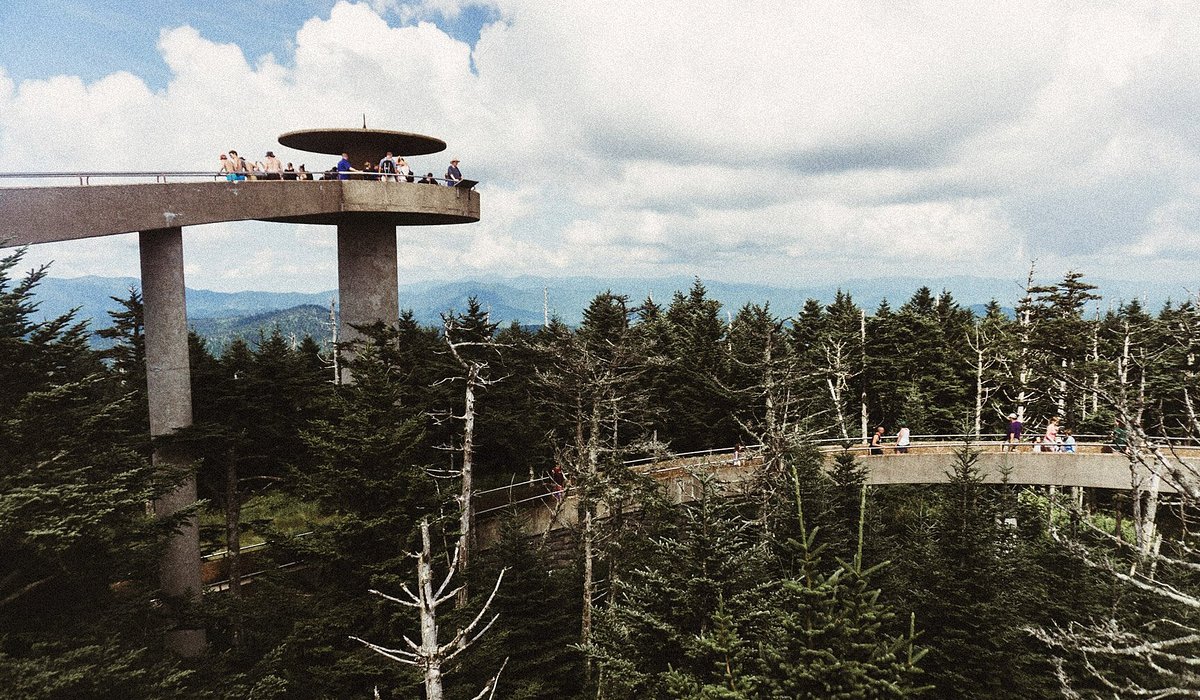
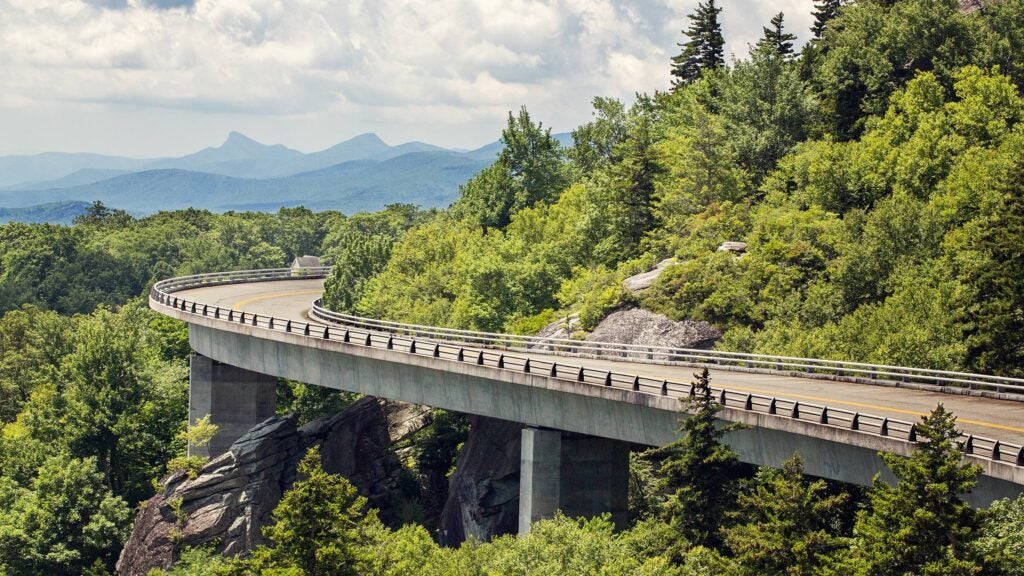
When it comes to sheer, undeniable natural grandeur, the Great Smoky Mountains National Park takes the crown. Its ancient, mist-shrouded peaks, like Clingmans Dome (the highest point in TN), offer breathtaking panoramic views that feel truly primeval. The park boasts an unparalleled biodiversity, home to over 1,500 species of flowering plants and the densest black bear population in the Eastern US. Driving through Cades Cove at dawn or dusk for wildlife spotting is an unforgettable experience, and the vibrant fall foliage around October is legendary. While the Blue Ridge Parkway also offers stunning vistas, especially from overlooks like Rough Ridge or Linn Cove Viaduct, its beauty is often more about rolling pastoral scenes and expansive long-range views rather than the dramatic, dense forest immersion found in the Smokies. The Smokies feel like a deeper dive into untouched wilderness. "Honestly, nothing beats the feeling of being totally engulfed by those misty Smoky Mountains. It's like stepping back in time," remarked one Redditor.
Winner takeaway
- Winner: Great Smoky Mountains
- Why: The Great Smoky Mountains offer a more concentrated, immersive, and iconic 'national park' feel with its dense forests, dramatic peaks, and abundant wildlife.
- Who this matters for: First-time national park visitors, wildlife enthusiasts, and those seeking awe-inspiring, iconic mountain landscapes.
🥾 Hiking & Outdoor Activities
The Great Smoky Mountains National Park is a hiker's paradise, boasting over 800 miles of maintained trails. From the accessible Gatlinburg Trail to the challenging 5.4-mile round trip to Alum Cave Bluffs and beyond to Mt. LeConte, there's a hike for every skill level. The trails are generally well-marked and offer incredible opportunities for waterfall viewing (e.g., Laurel Falls), old-growth forests, and even spotting black bears, especially on less-trafficked paths. Backcountry camping permits are available for around $8 USD per person per night for those seeking deeper wilderness. The Blue Ridge region, while also offering fantastic hiking, tends to have a more dispersed network of trails, often accessed from the Parkway or within various national forests (Pisgah, Nantahala). Popular spots include Max Patch for 360-degree views or parts of the Appalachian Trail, but they often require more driving between trailheads. The Blue Ridge excels in mountain biking, particularly near Bent Creek Experimental Forest in Asheville, and water activities like tubing the French Broad River. However, for sheer volume, accessibility, and variety of classic, well-traveled hiking routes within a single protected area, the Smokies are hard to beat. "The Smokies have such a huge variety of trails, from easy family walks to serious climbs. We saw a bear on Rainbow Falls, epic!" a user shared.
Winner takeaway
- Winner: Great Smoky Mountains
- Why: The sheer volume, accessibility, and variety of well-maintained, iconic hiking trails within a singular national park make the Smokies a hiking powerhouse.
- Who this matters for: Serious hikers, families looking for diverse trail options, and those prioritizing classic national park hiking experiences.
💰 Costs & Value
The Great Smoky Mountains National Park offers incredible value, largely because entry to the national park itself is free – a rarity among major national parks. While nearby tourist hubs like Gatlinburg and Pigeon Forge can be expensive for lodging (expect $150-400+ USD/night for cabins in peak season) and attractions like Dollywood ($99-109 USD for a 1-day ticket), savvy travelers can find more affordable stays in quieter towns like Townsend or outside the immediate tourist zones (e.g., Sevierville, prices from $100 USD/night for hotels). Dining can range from $15-25 USD for a casual meal to $40-60+ USD for nicer dinners. The Blue Ridge region, particularly around Asheville, tends to be pricier for a comparable experience. While the Blue Ridge Parkway is free, Asheville's vibrant food scene and boutique hotels come at a cost (lodging often $200-500+ USD/night for downtown hotels, $150-300+ for Airbnbs). Meals in Asheville's acclaimed restaurants can easily run $50-100+ USD per person. Smaller towns like Boone or Black Mountain offer better value. Overall, the ability to enjoy world-class hiking and scenery for free, combined with a wider range of lodging price points (if you avoid the most touristy spots), gives the Smokies a slight edge in value. "We saved so much just by picnicking in the Smokies and staying a bit outside Gatlinburg. Asheville definitely hit the wallet harder," noted a traveler.
Winner takeaway
- Winner: Great Smoky Mountains
- Why: Free national park entry and a broader spectrum of lodging options make the Great Smoky Mountains a better value, especially for outdoor enthusiasts.
- Who this matters for: Budget-conscious travelers, families, and those who prioritize free access to natural attractions.
🚗 Getting There & Around
Both destinations absolutely require a car, as public transportation is virtually non-existent for exploring the parks and surrounding areas. For the Great Smoky Mountains, the closest major airports are McGhee Tyson Airport (TYS) in Knoxville, TN (about 1 hour to Gatlinburg) or Asheville Regional Airport (AVL), NC (about 1.5 hours to Cherokee). Once there, getting around the park and its gateway towns like Gatlinburg and Pigeon Forge can be a significant challenge, especially during peak season. Traffic on US-441 and US-321 leading into the park, and within the towns, can be notoriously bad, turning a 10-minute drive into a 45-minute crawl. The Blue Ridge region, while also car-dependent, offers a more pleasant driving experience. Asheville Regional Airport (AVL) is the primary gateway, with downtown Asheville just 20-30 minutes away. The Blue Ridge Parkway itself is a joy to drive, designed for leisure with a 45 mph speed limit, numerous overlooks, and minimal commercial traffic. While it can be winding, it rarely experiences the bumper-to-bumper congestion seen in the Smokies' tourist hubs. Navigating between Asheville and charming towns like Black Mountain or Brevard is straightforward and scenic. "Driving the Parkway is the whole point, it's so chill. Versus Gatlinburg traffic which just killed my vibe every time," a user commented. This smoother, more scenic driving experience gives the Blue Ridge the edge.
Winner takeaway
- Winner: Blue Ridge
- Why: The Blue Ridge offers a more enjoyable and less congested driving experience, with the Parkway itself being a core part of the attraction.
- Who this matters for: Road trip enthusiasts, those who enjoy scenic drives, and travelers who dislike heavy traffic and commercial congestion.
🛌 Accommodation
Both regions offer diverse accommodation options, catering to different preferences. In the Great Smoky Mountains, the gateway towns of Gatlinburg and Pigeon Forge are packed with choices: massive cabin rentals (often $200-800+ USD/night for multi-bedroom units), chain hotels (from $120 USD/night), and kitschy motels. For a more authentic, quieter stay, look towards Townsend or Cherokee, which offer simpler hotels and campgrounds (from $30 USD/night for tent sites). Expect higher prices and limited availability during peak seasons (summer, fall foliage). The Blue Ridge region, especially around Asheville, excels in boutique hotels like The Omni Grove Park Inn ($400-800+ USD/night) or Hotel Arras ($300-600+ USD/night), charming bed & breakfasts, and a plethora of stylish Airbnbs that capture the local vibe. Smaller towns like Hendersonville or Brevard offer more affordable but equally charming options (hotels from $150 USD/night). There are very few lodging options directly on the Blue Ridge Parkway itself, requiring travelers to dip into towns. While the Smokies offer more 'rustic cabin in the woods' options directly adjacent to the park, Asheville's unique and high-quality lodging (if you can afford it) is a strong draw. "Finding a cozy B&B in Asheville was way easier than a nice, non-touristy place near Gatlinburg," one Redditor mentioned. It's a tie because the Smokies win for sheer volume and cabin variety near the park, while Blue Ridge wins for boutique charm and unique stays in vibrant towns.
Winner takeaway
- Winner: Tie
- Why: Both regions offer excellent but different types of accommodation, catering to distinct travel styles and budgets.
- Who this matters for: Travelers seeking either a rustic cabin experience near a national park or a boutique hotel/charming B&B in a vibrant mountain town.
🍽️ Food & Drink
Hands down, the Blue Ridge region, particularly Asheville, is a foodie's dream compared to the Great Smoky Mountains. Asheville boasts a nationally recognized culinary scene with a strong emphasis on farm-to-table dining, creative Southern cuisine, and diverse international options. You'll find acclaimed restaurants like Cúrate (Spanish tapas, mains $18-40 USD), Rhubarb (Appalachian comfort food, mains $25-45 USD), and numerous innovative eateries. The craft beer scene is equally impressive, with over 30 breweries, including Sierra Nevada's East Coast brewery and Highland Brewing, offering tastings and tours. In contrast, the food scene in the Great Smoky Mountains' gateway towns (Gatlinburg, Pigeon Forge) is largely dominated by tourist-oriented eateries: pancake houses (expect $10-20 USD for breakfast), Southern comfort food buffets, and chain restaurants. While you can find decent BBQ or a solid steak, genuine culinary innovation is rare. Cherokee offers some authentic Native American dining experiences, but they are fewer and farther between. For anyone who prioritizes delicious, diverse, and high-quality food and drink as part of their travel experience, the Blue Ridge is the clear winner. "Asheville's food scene is legit; every meal was an experience. Gatlinburg was just endless pancakes and fried anything," a user aptly put it.
Winner takeaway
- Winner: Blue Ridge
- Why: The Blue Ridge, particularly Asheville, offers a nationally recognized, diverse, and innovative culinary and craft beverage scene.
- Who this matters for: Foodies, craft beer enthusiasts, and travelers who value high-quality and diverse dining experiences.
👨👩👧👦 Family Friendliness
For families, especially those with younger children or teenagers, the Great Smoky Mountains region offers an almost overwhelming array of kid-friendly activities. Beyond the national park's accessible hikes (like Laurel Falls) and wildlife viewing (Cades Cove), the adjacent towns of Pigeon Forge and Gatlinburg are essentially giant amusement parks themselves. Dollywood ($99-109 USD/person) offers world-class roller coasters and shows, while attractions like Ripley's Aquarium of the Smokies ($40 USD/adult, $30 USD/child), mini-golf courses, dinner shows, and go-kart tracks ensure kids are constantly entertained. Many cabins offer game rooms and private pools, catering specifically to families. The Blue Ridge region, while still enjoyable for families, offers a different flavor of entertainment. Asheville has kid-friendly spots like the Asheville Pinball Museum ($15 USD for all-day play) or the WNC Nature Center, and Biltmore Estate is impressive but can be a long day for small kids (tickets $60-90 USD). Outdoor activities like tubing the French Broad River or gentle hikes are great, but the region lacks the sheer density of dedicated children's attractions found in the Smokies. "My kids loved Dollywood and seeing bears in the Smokies. Asheville was cool, but they definitely missed the rides," observed a parent on Reddit.
Winner takeaway
- Winner: Great Smoky Mountains
- Why: The Great Smoky Mountains offer an unparalleled density of family-friendly attractions, theme parks, and entertainment options alongside natural beauty.
- Who this matters for: Families with children of all ages, especially those seeking a mix of nature and commercial entertainment.
🤫 Crowds & Solitude
If escaping crowds is a priority, the Blue Ridge region generally offers a more serene experience than the Great Smoky Mountains. As the most visited national park in the US, the Smokies can feel incredibly crowded, particularly around popular trailheads (e.g., Alum Cave, Laurel Falls), visitor centers, and especially in the gateway towns of Gatlinburg and Pigeon Forge. Traffic can be bumper-to-bumper, and finding parking can be a nightmare during peak season (summer, fall foliage). To find solitude in the Smokies, you often need to commit to longer, more strenuous hikes or visit during off-peak times (winter, early spring). The Blue Ridge Parkway, on the other hand, is designed for leisurely drives and offers numerous pull-offs and overlooks where you can often enjoy stunning views in relative peace. While popular spots like the Linn Cove Viaduct or areas near Asheville can get busy, the sheer length of the Parkway (469 miles) allows for easy dispersal of visitors. Asheville itself can be bustling, especially downtown on weekends, but it feels like a 'good' busy with people enjoying restaurants and shops, not the overwhelming tourist crush of Gatlinburg. "Driving the Parkway, we barely saw anyone for miles sometimes. In the Smokies, even on longer hikes, it felt like there was always someone around," a Reddit user recounted. The Blue Ridge wins for its consistent ability to offer moments of quiet beauty.
Winner takeaway
- Winner: Blue Ridge
- Why: The Blue Ridge Parkway and surrounding areas generally offer a more dispersed and less crowded experience, allowing for greater solitude and a more relaxed pace.
- Who this matters for: Travelers seeking peace and quiet, photographers, and those who dislike large crowds and tourist traps.
☀️ Best Seasons & Weather
Both regions shine brightest in the spring and fall, offering distinct advantages. For the Great Smoky Mountains, spring (April-May) brings an explosion of wildflowers and pleasant hiking temperatures, though higher elevations can still be cool. Summer (June-August) is warm and popular, perfect for water activities, but also brings the biggest crowds and frequent afternoon thunderstorms. Fall (late September-October) is the undisputed peak season for stunning foliage, but be prepared for extreme crowds, especially on weekends, with lodging prices soaring. Winter (November-March) offers a quiet, often snowy experience at higher elevations, with fewer crowds but potential road closures (e.g., Newfound Gap Road). The Blue Ridge region also excels in fall (October) for its breathtaking foliage along the Parkway, a truly iconic sight. Summers are typically mild and pleasant in the mountains, making it a popular escape from lowland heat. Spring (April-May) is lovely for wildflowers and less crowded drives. Winter can be challenging, with sections of the Blue Ridge Parkway often closing due to ice and snow, making access to some areas difficult. However, the lower elevations around Asheville remain active. "Fall in the Smokies is gorgeous but the traffic is insane. The Parkway in October is just pure magic and a lot calmer," was a common sentiment. It's a tie because both are spectacular in different seasons, each with their own trade-offs regarding crowds and accessibility.
Winner takeaway
- Winner: Tie
- Why: Both destinations offer stunning experiences across multiple seasons, each with unique charm and considerations for weather and crowds.
- Who this matters for: Travelers with flexible schedules who can tailor their visit to specific seasonal interests, accepting trade-offs like crowds or road closures.
✨ Overall Vibe
The Great Smoky Mountains National Park projects a grand, classic American wilderness vibe, but the surrounding towns of Gatlinburg and Pigeon Forge add a distinctly commercial, almost carnival-like atmosphere. It's a place where majestic mountains meet miniature golf, dinner shows, and outlet malls. The vibe is very much 'family vacation' and 'tourist destination,' with a focus on ease of access to attractions and comfort food. While the park itself is serene, stepping outside its boundaries can feel like sensory overload. The Blue Ridge region, on the other hand, exudes a more sophisticated, artsy, and relaxed 'mountain cool' vibe. Centered around towns like Asheville, it embraces its Appalachian heritage while fostering a vibrant, progressive culture of craft breweries, farm-to-table dining, live music, and independent boutiques. The emphasis is on experiencing the beauty of the Parkway at a leisurely pace, exploring charming small towns, and enjoying high-quality local creations. It feels less about manufactured entertainment and more about authentic experiences and natural beauty. "Asheville feels like a real, cool city that just happens to be in the mountains. Gatlinburg feels like a city built *for* tourists, in the mountains," a traveler thoughtfully described. This distinction in overall atmosphere makes the Blue Ridge a winner for those seeking a more authentic and culturally rich mountain escape.
Winner takeaway
- Winner: Blue Ridge
- Why: The Blue Ridge region offers a more authentic, cultured, and relaxed mountain town experience, especially around Asheville, balancing nature with vibrant local life.
- Who this matters for: Travelers seeking cultural experiences, unique local charm, sophisticated dining, and a relaxed, less overtly 'touristy' atmosphere.
❓ Frequently Asked Questions
Which is better for hiking, Great Smoky Mountains or Blue Ridge?
The Great Smoky Mountains generally offer a more concentrated and diverse hiking experience within a single national park, with hundreds of miles of well-marked trails for all levels. The Blue Ridge also has excellent hiking, but trails are more dispersed across national forests and require more planning, often accessed off the Parkway.
Is entry to the Great Smoky Mountains National Park free?
Yes, entry to the Great Smoky Mountains National Park is free, making it an excellent value for nature lovers. There are no entrance fees for the Blue Ridge Parkway either, though some attractions or activities within both regions may charge fees.
Which area has better food and drink options?
The Blue Ridge region, particularly Asheville, is renowned for its vibrant and diverse culinary scene, featuring acclaimed farm-to-table restaurants, craft breweries, and unique eateries. The Great Smoky Mountains' gateway towns offer more traditional Southern comfort food and tourist-oriented dining.
How much time should I spend in each area?
For a good introduction, plan 3-4 days for the Great Smoky Mountains to explore the park and nearby attractions. For the Blue Ridge, 3-5 days is ideal to drive sections of the Parkway and explore towns like Asheville or Boone. If combining both, allow 7-10 days.
Which is more crowded: Great Smoky Mountains or Blue Ridge?
The Great Smoky Mountains National Park is the most visited national park in the US, and its gateway towns like Gatlinburg are notoriously crowded, especially during peak seasons. The Blue Ridge Parkway and its surrounding towns are generally less congested, offering more opportunities for solitude.
Can I visit both the Great Smoky Mountains and the Blue Ridge Parkway on one trip?
Absolutely! Many travelers combine both. You can drive from the eastern side of the Great Smoky Mountains National Park (e.g., Cherokee, NC) eastward to connect with the southern end of the Blue Ridge Parkway near Asheville. This typically adds 2-3 hours of driving between major hubs.
What's the best time of year to visit?
Fall (late September to October) is spectacular for foliage in both regions but also the most crowded. Spring (April-May) offers wildflowers and pleasant temperatures. Summer is warm and popular. Winter in the Smokies is quiet, while parts of the Blue Ridge Parkway may close due to snow.
Which is better for families with young children?
The Great Smoky Mountains region, with its adjacent towns of Pigeon Forge and Gatlinburg, offers a wider array of family-friendly attractions like Dollywood, aquariums, and mini-golf, in addition to accessible hikes, making it generally more appealing for families with young children.
Ready to plan your Southeast mountains trip?
Get a free custom itinerary for Great Smoky Mountains, Blue Ridge, or both — built from real traveler insights.
🎟️ Book Tours & Experiences
Hand-picked tours and activities for both destinations — book with free cancellation
Experiences via Viator — free cancellation on most tours