How we built this comparison
This page combines traveler discussion patterns, published price ranges, flight schedules, and seasonal data to help you decide between Greece and Ireland.
- Reviewed 500+ Reddit threads from r/travel, r/solotravel, r/GreeceTravel, r/Irishtravel, r/EuropeTravel.
- Verified costs and logistics against current booking platforms (Skyscanner, Booking.com, Google Flights).
- Cross-referenced seasonal patterns and weather data from meteorological services.
⚡ Quick Answers
⚡ The TL;DR Verdict
For most travelers seeking a combination of good weather, affordable experiences, and diverse activities, Greece offers more for your money and energy. If your travel budget is flexible and you prefer cooler climates with a focus on natural scenery and a strong pub culture, Ireland is your pick. Greece generally appeals to a broader audience with an average daily budget of €80-150 ($90-160 USD), while Ireland often requires €120-220 ($130-240 USD) for similar comfort levels.
- Choose Greece: Travelers prioritizing beaches, ancient history, warmer weather, and a more budget-friendly trip, especially those interested in island hopping and Mediterranean food.
- Choose Ireland: Travelers who value cooler temperatures, dramatic green landscapes, castles, a pub-focused social scene, and dont mind a higher daily spend.
- Choose Both: If you have at least 3-4 weeks and a generous budget, you could experience both. Start with Greece for two weeks of sun and history, then fly to Ireland for a week of coastal drives and pub evenings.
Choose Greece
Opt for Greece if your ideal trip involves sun-drenched beaches, ancient history, and delicious, budget-friendly cuisine. It's perfect for travelers prioritizing island hopping in the Cyclades, exploring the Acropolis in Athens, and indulging in fresh Mediterranean flavors. Expect incredible value for your money, especially if you're a history buff or a sun-seeker.
Choose Ireland
Select Ireland if you're drawn to dramatic green landscapes, medieval castles, and a vibrant pub culture, and your budget is flexible. This destination is best for those who appreciate cooler climates, yearn to explore the Cliffs of Moher, and enjoy lively evenings sampling Guinness in a traditional Dublin pub. Embrace the rugged beauty and rich storytelling that defines the Emerald Isle.
📊 Visual Scorecard
🌤 When to Visit
Average high temperatures (°C). Green = best months, orange = avoid.
Quick Comparison
| Category | Greece | Ireland | Winner |
|---|---|---|---|
| Costs & Budget | Generally more affordable for food, accommodation, and activities. Expect €80-150 daily for a comfortable trip. | Higher costs across the board, especially in Dublin. Budget €120-220 daily for comfortable travel. | Greece |
| Food & Drink | Mediterranean flavors, fresh seafood, olives, feta, souvlaki, moussaka. Local wine and Ouzo. | Hearty pub fare, stews, soda bread, seafood chowder, full Irish breakfast. Guinness and whiskey. | Greece |
| Nature & Scenery | Dramatic coastlines, island volcanoes, unique rock formations (Meteora), olive groves. | Rolling green hills, dramatic sea cliffs, rugged coastlines, loughs, peat bogs. | Ireland |
| Culture & History | Ancient Greek and Roman ruins, Byzantine churches, mythology, philosophy, democracy birthplace. | Celtic history, medieval castles, monastic sites, literary heritage, strong pub culture. | Greece |
| Beaches & Coastlines | Countless sandy and pebble beaches, clear turquoise waters, island hopping. | Rugged, dramatic coastlines, few warm swimming beaches, ideal for walks and views. | Greece |
| Nightlife | Late-night tavernas, vibrant bars, island clubs (Mykonos, Ios). | Pub culture, live traditional music, lively city bars, occasional clubs. | Tie |
| Getting There | Direct flights from major US cities to Athens (9-11 hours). Connections to islands. | Direct flights from major US cities to Dublin (6-7 hours). Shorter flight duration. | Ireland |
| Getting Around | Ferries for islands, buses on mainland, rental cars for flexibility. Driving can be chaotic. | Rental car for countryside, good bus network in cities and for intercity. Driving on the left. | Ireland |
| Accommodation | Wide range from budget hostels to luxury villas. Good value outside peak season. | Hotels, guesthouses, B&Bs. Generally higher prices, especially in cities. | Greece |
| Weather & Seasons | Hot, dry summers (30-35°C+). Mild winters. Best in spring/autumn for pleasant warmth. | Mild, wet, temperate year-round. Cooler summers (15-20°C). Best in summer for longer days. | Greece |
💰 Costs & Budget
Greece allows for a considerably more budget-friendly trip, particularly outside of peak season and away from Santorini. A decent meal in Athens, like souvlaki and a beer, can be…
Greece
Ireland
Greece allows for a considerably more budget-friendly trip, particularly outside of peak season and away from Santorini. A decent meal in Athens, like souvlaki and a beer, can be €10-15 ($11-16 USD). A gyros pita costs around €3-5 ($3-5 USD). Mid-range accommodation in Athens or a non-touristy island like Naxos might run €60-100 ($65-110 USD) per night. Public transport, like a metro ticket in Athens, is €1.20 ($1.30 USD). A beer typically costs €4-6 ($4-7 USD).
Ireland is consistently more expensive. A main meal in a Dublin pub will often be €18-25 ($20-27 USD), and a pint of Guinness averages €6.50-8 ($7-9 USD), higher in tourist zones. Accommodation in Dublin or Galway frequently starts at €120-180 ($130-200 USD) for a mid-range hotel. Bus fares within cities are around €2-3 ($2-3 USD). Car rental, often essential for exploring the countryside, adds significant cost, easily €40-70 ($45-75 USD) per day plus fuel. Greece wins on budget for nearly all travel styles.
- Winner: Greece
- Why: Greece offers significantly lower prices for food, accommodation, and general activities, extending your travel budget further.
- Who this matters for: Budget-conscious travelers, backpackers, and families.
🍽️ Food & Drink
Greek cuisine emphasizes fresh, seasonal ingredients. You will find grilled meats, salads with local olive oil and feta, fresh fish, and vegetarian options everywhere. Tavernas…
Greece

Ireland
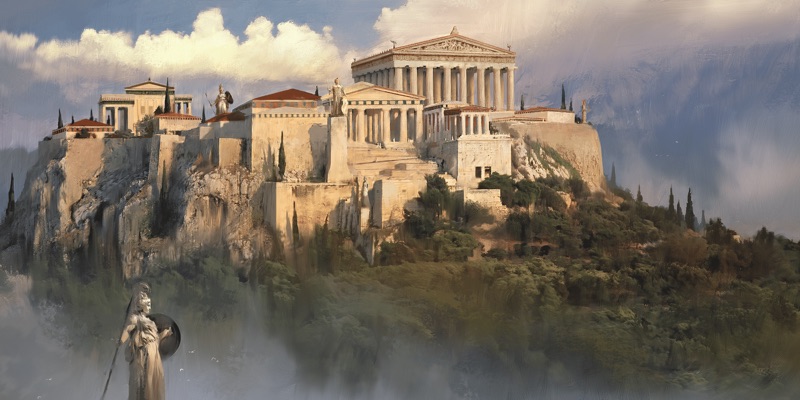
Greek cuisine emphasizes fresh, seasonal ingredients. You will find grilled meats, salads with local olive oil and feta, fresh fish, and vegetarian options everywhere. Tavernas offer excellent value; a large plate of moussaka might be €12-15 ($13-16 USD) in Athens, or a fresh whole fish on an island for €20-30 ($22-33 USD). Dont miss the local Greek coffee or a refreshing frappe. The wine, often lesser-known varietals, pairs well with the food, and a glass is typically €4-7 ($4-8 USD). The food scene on Crete or in Thessaloniki offers a range beyond the typical tourist spots.
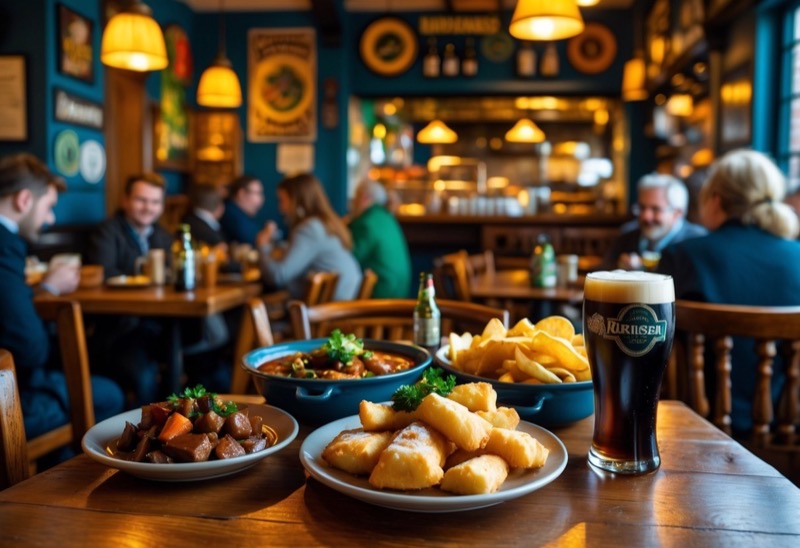
Irish food is known for its comforting qualities. Expect hearty stews like Irish stew, coddle, or bacon and cabbage. Full Irish breakfasts are a staple, often €10-15 ($11-16 USD). Seafood chowder is a popular choice along the coast, typically €8-12 ($9-13 USD). The pub culture is central to the drinking experience, with Guinness being the iconic choice. Craft beer scenes are growing in cities like Dublin and Cork, but a pint remains pricey. While satisfying, Greek food offers more variety and often feels lighter and more suitable for warm weather travel. Greece offers a wider range of flavors and lighter, healthier options.
- Winner: Greece
- Why: Greece provides a more diverse, lighter, and often healthier culinary experience with fresh Mediterranean ingredients.
- Who this matters for: Foodies, those who appreciate fresh ingredients, and travelers seeking variety beyond pub fare.
⛰️ Nature & Scenery
Greece offers stunning natural beauty, particularly its islands. Santorini presents a caldera landscape with whitewashed villages clinging to cliffs. Crete has gorges like Samaria…

Greece
Ireland
Greece offers stunning natural beauty, particularly its islands. Santorini presents a caldera landscape with whitewashed villages clinging to cliffs. Crete has gorges like Samaria and diverse hiking trails. The mainland is home to Meteora, an extraordinary complex of monasteries built on towering rock pillars, a truly unique sight. The Pindus Mountains offer hiking opportunities and traditional villages. The natural appeal is often tied to the sea and the stark beauty of the dry, rocky islands contrasting with the deep blue Aegean.
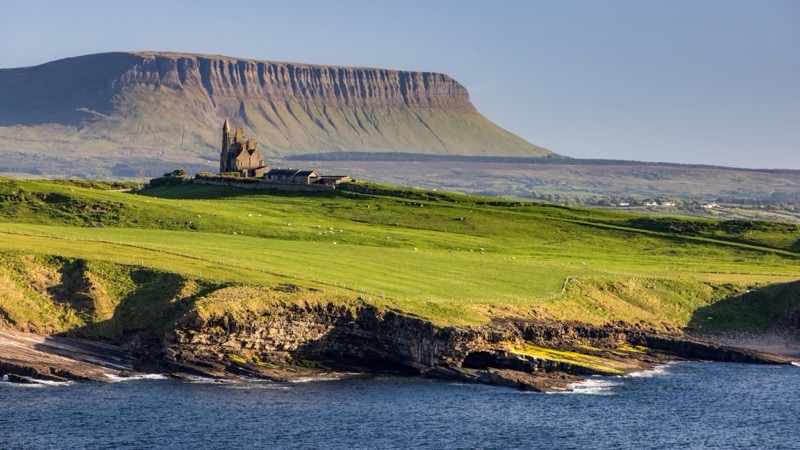
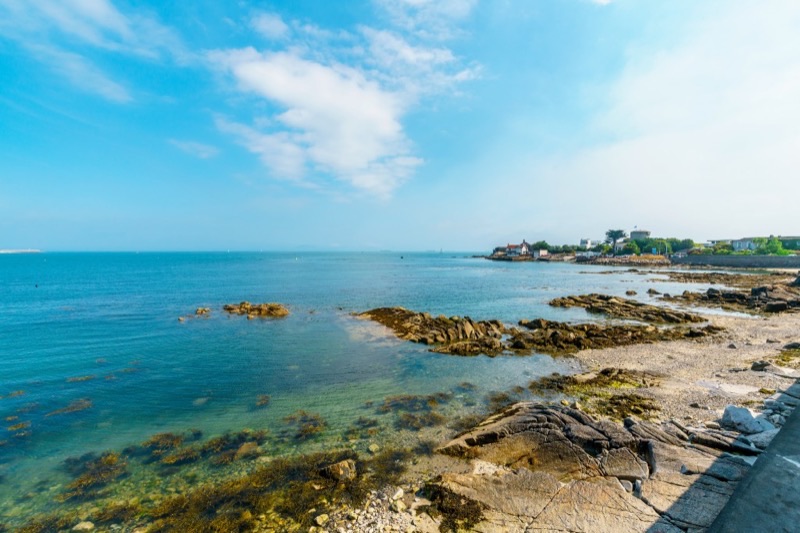
Ireland excels in its verdant, expansive landscapes. The Cliffs of Moher on the west coast provide a dramatic coastal experience, with sheer drops to the Atlantic. The Ring of Kerry and Dingle Peninsula in County Kerry offer scenic drives through mountains, lakes, and coastal villages. Connemara in County Galway is another region of rugged, untamed beauty with peat bogs and mountains. The Giant's Causeway in Northern Ireland (accessible from ROI) is a geological marvel. Ireland's green fields and misty weather create a distinct, atmospheric landscape that is hard to replicate elsewhere. Ireland's consistent green landscapes and dramatic coastlines offer a more widespread and immediately striking natural appeal.
- Winner: Ireland
- Why: Irelands constant green scenery, dramatic cliffs, and unique geological formations provide a more universally impactful natural experience.
- Who this matters for: Hikers, photographers, road trippers, and those who appreciate lush, green landscapes.
🏛️ Culture & History
Greece offers unparalleled access to ancient history. The Acropolis in Athens, with the Parthenon, is a symbol of Western civilization. Delphi, the ancient sanctuary, and Olympia,…

Greece

Ireland
Greece offers unparalleled access to ancient history. The Acropolis in Athens, with the Parthenon, is a symbol of Western civilization. Delphi, the ancient sanctuary, and Olympia, the birthplace of the Olympic Games, are powerful historical sites. The country is saturated with ancient ruins, from Mycenae to Knossos (Crete), telling tales of gods, heroes, and early human development. Byzantine churches and monasteries are also prominent, especially in places like Thessaloniki and Meteora. Greek culture, with its emphasis on family, food, and slow living, offers a warm, immersive experience.
Ireland boasts a rich history, predominantly Celtic and medieval. Castles like Bunratty and Blarney (where you can kiss the Blarney Stone) are popular attractions. Ancient monastic sites such as Clonmacnoise and Glendalough offer glimpses into early Christian Ireland. Dublin is a UNESCO City of Literature, with connections to writers like James Joyce and W.B. Yeats. The storytelling tradition thrives in its pubs, a central part of Irish social culture. While Ireland has its own deep historical layers, Greeces ancient origins and foundational impact on Western civilization give it an edge in raw historical significance. Greece offers a deeper, more foundational historical experience.
- Winner: Greece
- Why: Greeces ancient ruins and its role as a cradle of Western civilization provide an unmatched historical depth.
- Who this matters for: History buffs, classical scholars, and those interested in the origins of Western culture.
🏖️ Beaches & Coastlines
Greece is a beach lovers paradise, with thousands of islands and miles of mainland coastline. The Aegean and Ionian Seas are famous for their crystal-clear turquoise waters and…

Greece

Ireland
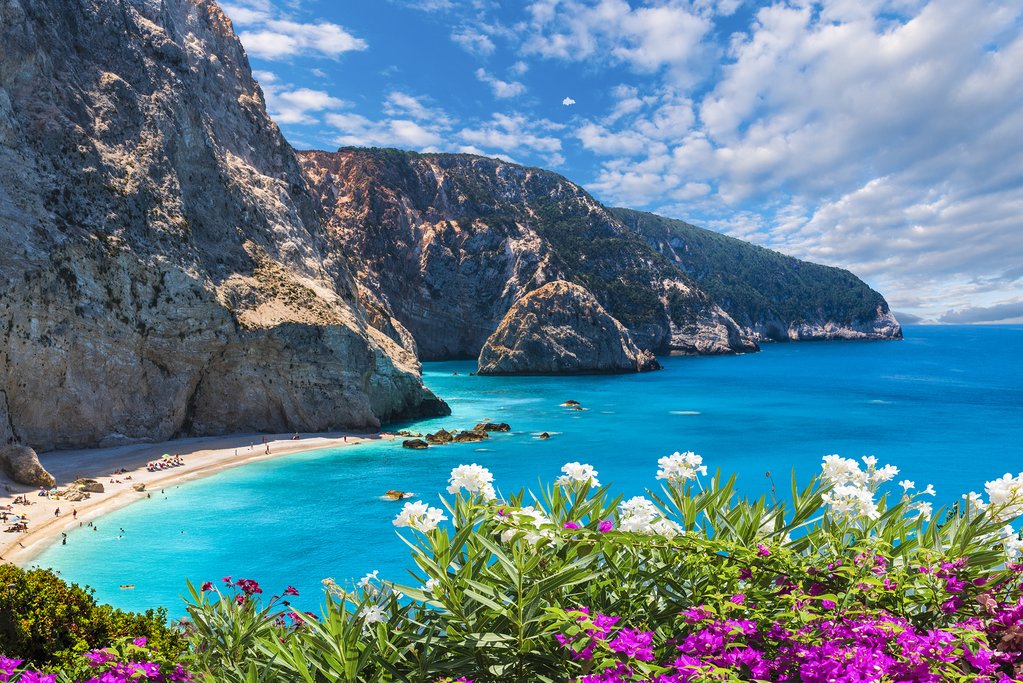
Greece is a beach lovers paradise, with thousands of islands and miles of mainland coastline. The Aegean and Ionian Seas are famous for their crystal-clear turquoise waters and diverse beaches. Mykonos and Santorini have well-known options like Super Paradise or Perissa. Crete has stunning pink sand beaches like Elafonisi and Balos Lagoon. Naxos offers long, sandy stretches like Plaka Beach. You can find everything from organized beaches with sun loungers and tavernas to secluded coves accessible only by boat. The warm Mediterranean climate ensures pleasant swimming conditions for much of the year.
Ireland's coastline is undeniably dramatic, particularly the Wild Atlantic Way. Cliffs of Moher and the Dingle Peninsula offer breathtaking sea views. However, the beaches are primarily for scenic walks and dramatic photographs, not for swimming, unless you are exceptionally hardy. The water is generally cold, even in summer, and the weather can be unpredictable. Lahinch Beach in County Clare is popular for surfing, but it is not a warm, relaxed swimming destination. While Ireland offers coastal beauty, it cannot compete with Greeces warm, inviting swimming beaches. Greece is the clear winner for traditional beach holidays and swimming.
- Winner: Greece
- Why: Greece offers an abundance of warm, clear-water swimming beaches, ideal for relaxation and water activities.
- Who this matters for: Sunbathers, swimmers, snorkelers, and those seeking a traditional beach vacation.
🌃 Nightlife
Greek nightlife varies greatly. In Athens, neighborhoods like Gazi and Psyrri offer a mix of bars, clubs, and live music venues that stay open until the early morning. On the…
Greek nightlife varies greatly. In Athens, neighborhoods like Gazi and Psyrri offer a mix of bars, clubs, and live music venues that stay open until the early morning. On the islands, Mykonos and Ios are known globally for their intense party scenes, with beach clubs and superclubs operating throughout the summer. Even on quieter islands, you will find lively tavernas and bars where people socialize late into the night. The culture embraces late dinners and later social gatherings, often with an emphasis on outdoor seating.
Ireland's nightlife is heavily centered around its pubs. In Dublin, Temple Bar is a tourist hotspot with many pubs and live traditional Irish music sessions (trad sessions). Other areas like Camden Street offer a more local bar scene. Cities like Galway and Cork also have lively pub scenes. While clubs exist in larger cities, the primary social activity involves gathering in a pub for drinks, conversation, and often live music. The atmosphere is generally more relaxed and conversational than the high-energy clubbing found in some Greek islands. The choice depends entirely on your preferred evening activity.
- Winner: Tie
- Why: Both countries offer distinct and strong nightlife experiences, catering to different preferences: Greeces late-night clubs vs Irelands pub culture.
- Who this matters for: Travelers seeking either high-energy clubbing (Greece) or cozy pub socializing (Ireland).
✈️ Getting There
Traveling from North America to Greece typically involves a longer flight. Direct flights to Athens International Airport (ATH) from major East Coast US cities like New York…
Traveling from North America to Greece typically involves a longer flight. Direct flights to Athens International Airport (ATH) from major East Coast US cities like New York (JFK/EWR) or Philadelphia (PHL) take approximately 9-10 hours. From the West Coast, expect at least one layover, increasing travel time to 12-15+ hours. Round-trip flights can range from $600-$1100 USD in shoulder season to $1000-$1800+ USD in peak summer. Once in Athens, you often need to take a domestic flight or a ferry to reach the islands, adding more travel time and cost.
Ireland is considerably closer to North America, making flights shorter and often more frequent. Direct flights to Dublin Airport (DUB) from East Coast US cities are around 6-7 hours. From the West Coast, you can expect 9-11 hours with one layover. Round-trip airfares can be found for $500-$900 USD in shoulder season, increasing to $800-$1400 USD in peak summer. The shorter flight duration means less jet lag and quicker arrival, which is a significant advantage for travelers with limited time. Irelands proximity and direct flight options make it a more accessible destination for most North American travelers.
- Winner: Ireland
- Why: Ireland offers significantly shorter flight times from North America, resulting in less travel fatigue and quicker arrival.
- Who this matters for: Travelers with limited vacation time, those sensitive to long flights, and families with young children.
🚗 Getting Around
In Greece, getting around depends heavily on your itinerary. For island hopping, ferries are the main mode of transport, ranging from slow conventional ferries to faster…
In Greece, getting around depends heavily on your itinerary. For island hopping, ferries are the main mode of transport, ranging from slow conventional ferries to faster catamarans. Prices vary, for example, a ferry from Athens Piraeus to Santorini might be €40-80 ($44-88 USD). On the mainland, the intercity bus system (KTEL) is efficient and affordable. Within cities like Athens, the metro and buses are good. Renting a car is popular on many islands and the mainland for exploration, but driving can be assertive and parking difficult in tourist areas. Scooter rentals are common on islands but come with safety warnings.
Ireland is best explored by rental car if you plan to see the countryside and smaller towns. Be aware that driving is on the left side of the road, and many country roads are narrow. Car rental costs average €40-70 ($44-77 USD) per day. For city-to-city travel, Bus Eireann offers extensive routes, and Irish Rail connects major towns. Dublin has a good public transport network with buses and the Luas tram. While driving on the left takes adjustment, Irelands road infrastructure outside of big cities is generally good, and a car offers unparalleled freedom to explore its landscapes. Ireland offers a more straightforward and independent way to explore its diverse regions.
- Winner: Ireland
- Why: Irelands well-maintained road network and the ease of exploring independently with a rental car (despite left-hand driving) make getting around more efficient for exploring its main attractions.
- Who this matters for: Road trippers, those who value independent exploration, and travelers comfortable driving on the left.
🏨 Accommodation
Greece offers a diverse range of accommodation options, often at better value than Ireland, particularly outside of peak summer months. In Athens, you can find quality hostels for…
Greece offers a diverse range of accommodation options, often at better value than Ireland, particularly outside of peak summer months. In Athens, you can find quality hostels for €20-35 ($22-38 USD) a night, mid-range hotels for €70-120 ($77-130 USD), and boutique options from €150 ($165 USD). On the islands, especially less famous ones, charming guesthouses are available for €50-80 ($55-88 USD). Even in popular spots like Santorini, budget-friendly options exist away from the caldera view. Airbnb is also a strong option across the country, often providing good value for longer stays. Booking in advance is always wise for peak season.
Irish accommodation, while offering high standards, comes with a higher price tag. Hostels in Dublin or Galway typically start at €35-60 ($38-66 USD). Mid-range hotels in cities easily cost €120-200 ($130-220 USD) per night, with guesthouses and Bed & Breakfasts (B&Bs) in rural areas offering slightly better value at €80-150 ($88-165 USD). Luxury options can be significantly more. During major festivals or events, prices can skyrocket, and availability becomes scarce. For the same budget, you can often secure a more spacious or better-located room in Greece. Greece simply offers more affordable and varied choices for your money.
- Winner: Greece
- Why: Greece provides a broader range of accommodation types and price points, offering better value for money across most categories.
- Who this matters for: Budget travelers, those seeking unique boutique stays, and anyone looking for good value on lodging.
☀️ Weather & Seasons
Greece experiences a classic Mediterranean climate. Summers (June-August) are hot and dry, with temperatures frequently exceeding 30-35°C (86-95°F), especially on the mainland and…
Greece experiences a classic Mediterranean climate. Summers (June-August) are hot and dry, with temperatures frequently exceeding 30-35°C (86-95°F), especially on the mainland and islands. This is ideal for beach holidays but can be intense for sightseeing. Spring (April-May) and autumn (September-October) are considered the best times to visit, with pleasant temperatures (20-28°C / 68-82°F), fewer crowds, and still warm enough for swimming. Winters are mild, particularly in the south and on islands, but can be rainy. The consistent sunshine and warmth are a major draw for many travelers.
Ireland's weather is temperate, characterized by frequent rainfall and mild temperatures throughout the year. Summers (June-August) are the warmest, with average temperatures ranging from 15-20°C (59-68°F), but rain is always a possibility. This is the best time for outdoor activities due to longer daylight hours. Winters are cool and damp, with temperatures typically between 5-10°C (41-50°F). While Irelands green landscapes are a result of this weather, it means packing layers and waterproof gear is essential regardless of the season. For reliable warmth and sunshine, Greece is the clear choice. Greece offers more predictable and desirable warm weather conditions for a vacation.
- Winner: Greece
- Why: Greece provides more consistent warm, sunny weather, making it ideal for beach days and outdoor activities for a longer season.
- Who this matters for: Sun-seekers, those who prefer warm climates, and travelers planning beach-focused trips.
🎯 The Decision Framework
Choose Greece If…
- You want reliable sunshine and warm temperatures for swimming and tanning.
- Your budget is tighter, and you want to stretch your money further.
- You dream of island hopping across clear turquoise waters.
- Ancient ruins and the birthplace of democracy genuinely excite you.
- You crave fresh Mediterranean food: olives, feta, seafood, souvlaki.
- You enjoy late dinners and a relaxed, social evening culture.
- Your ideal vacation involves a mix of history, beaches, and good food.
- You want to escape colder climates for a sunny getaway.
Choose Ireland If…
- You prefer cooler, milder temperatures for hiking and exploring.
- Dramatic green landscapes, rugged coastlines, and castles are your top priority.
- You enjoy spending evenings in cozy pubs with traditional music.
- You are comfortable driving on the left side of the road to explore independently.
- You appreciate hearty, comforting food like stews and full breakfasts.
- You want a shorter flight from North America and less jet lag.
- Celtic history, ancient monastic sites, and literary connections interest you.
- You dont mind occasional rain and misty weather as part of the experience.
📅 Sample Itineraries
Weekend in Greece (3 Days)
💡 Visit the Acropolis right at opening time (8 AM) to avoid the largest crowds and the midday heat, making for a more comfortable experience.
Weekend in Ireland (3 Days)
💡 Pre-book tickets for popular attractions like the Guinness Storehouse and Book of Kells online to save money (often $5-10) and bypass long queues, especially during peak season.
One Week in Greece (7 Days)
💡 For island hopping, consider domestic flights between major islands like Athens-Santorini-Crete to save significant travel time, often at a comparable cost to ferries if booked well in advance (e.g., $50-100 per flight).
One Week in Ireland (7 Days)
💡 Renting a car for the western part of your trip (Galway to Killarney) provides flexibility to explore at your own pace, especially for areas like Connemara and the Ring of Kerry, costing around $30-50 per day plus fuel.
❓ Frequently Asked Questions
Which destination is better for families with young children?
Greece often edges out Ireland for families, particularly those seeking sun and beaches. Many Greek islands offer shallow, calm waters and family-friendly resorts. Accommodation is generally more affordable, and kids often enjoy Greek food like souvlaki and fresh fruit. Ireland is also family-friendly with castles and open spaces, but the weather can be less predictable for outdoor play.
What are the typical flight times from the East Coast of the US?
Direct flights from major East Coast US cities to Dublin (DUB) are typically around 6-7 hours. For Athens (ATH), direct flights are longer, usually taking 9-10 hours. This difference can be significant for travelers with limited time or those sensitive to long-haul travel.
Is it easy to travel solo in both Greece and Ireland?
Both countries are generally safe and welcoming for solo travelers. Greece offers an established backpacker circuit on some islands and friendly locals, while its easy to meet people in Irish pubs. Greeces public transport and ferry system make solo navigation straightforward. Ireland with a rental car offers flexibility for solo exploration of its vast landscapes.
Which country offers better value for luxury travel?
For luxury travel, Greece often offers a more aspirational experience for your money, especially on islands like Santorini or Mykonos with caldera-view villas or private yacht charters. While Ireland has high-end castles and manor hotels, the overall ambiance and unique natural settings of Greeces top-tier offerings often feel more exclusive and visually dramatic.
What are the main cultural differences a traveler might notice?
In Greece, expect a more relaxed, 'siga siga' (slowly, slowly) pace, late dinners, and an emphasis on outdoor social life. In Ireland, the pub is central to social interaction, often earlier evenings, and a strong tradition of storytelling and music. Both cultures are warm and hospitable, but their daily rhythms and social outlets differ.
When is the best time to visit each country for good weather?
For Greece, the shoulder seasons of May-June and September-October offer the best balance of warm, pleasant weather (20-28°C / 68-82°F) and fewer crowds. Ireland is best visited in the summer months of June-August for the longest daylight hours and warmest temperatures (15-20°C / 59-68°F), though rain is always possible.
Are there any specific driving challenges in either country?
In Greece, driving can be chaotic, especially in cities like Athens, and roads on some islands can be narrow and winding. In Ireland, drivers must adjust to driving on the left side of the road, and many rural roads are single-lane with blind turns. Both require attention, but Irelands challenge is more about road rules, Greeces more about local driving habits.
Which destination is more pet-friendly for travelers?
Ireland tends to be more dog-friendly, particularly for outdoor activities and in many pubs that welcome well-behaved dogs. Greece is generally less accommodating for pets in public spaces, though you will see many stray cats, and some hotels are starting to become more pet-inclusive. Always check specific accommodation policies in advance for both.
Ready to plan your European trip?
Get a free custom itinerary for Greece, Ireland, or both — built from real traveler insights.
👥 Travelers Also Compared
🎟️ Book Tours & Experiences
Hand-picked tours and activities for both destinations — book with free cancellation
Experiences via Viator — free cancellation on most tours