How we built this comparison
This page combines traveler discussion patterns, published price ranges, flight schedules, and seasonal data to help you decide between Greece and Lithuania.
- Reviewed 50+ Reddit threads from r/travel, r/solotravel, r/Greece, r/Lithuania, r/europe.
- Verified costs and logistics against current booking platforms like Booking.com, Skyscanner, and local transport sites.
- Cross-referenced seasonal patterns and weather data from meteorological sources.
⚡ Quick Answers
⚡ The TL;DR Verdict
For most travelers seeking classic European holidays with sun, ancient sites, and established tourism infrastructure, Greece is the default pick, typically costing $100-150 per day. For those prioritizing budget, a quieter pace, and a dive into unique Baltic history without crowds, Lithuania at $50-80 per day is a clear winner.
- Choose Greece: You want guaranteed sun, iconic ancient history, island hopping, and a lively Mediterranean atmosphere. You are prepared for higher costs and more tourists.
- Choose Lithuania: You prioritize affordability, a calmer travel experience, forest exploration, and a deeper dive into lesser-known European history and local culture. You enjoy cooler weather.
- Choose Both: Consider both if you have 3+ weeks and seek a stark contrast in European experiences, flying between them via a major European hub like Frankfurt or Amsterdam.
Choose Greece
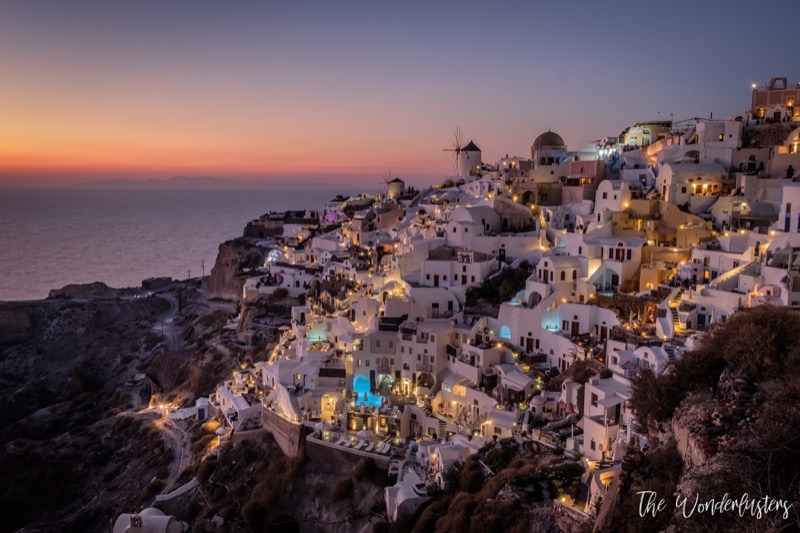
Choose Greece if your ideal holiday involves guaranteed sunshine, iconic ancient ruins like the Acropolis, and vibrant island hopping between Santorini and Mykonos. This destination is best for travelers who thrive on a lively Mediterranean atmosphere, are prepared for a bustling tourist scene, and have a higher budget for unforgettable cultural and beach experiences.
Choose Lithuania
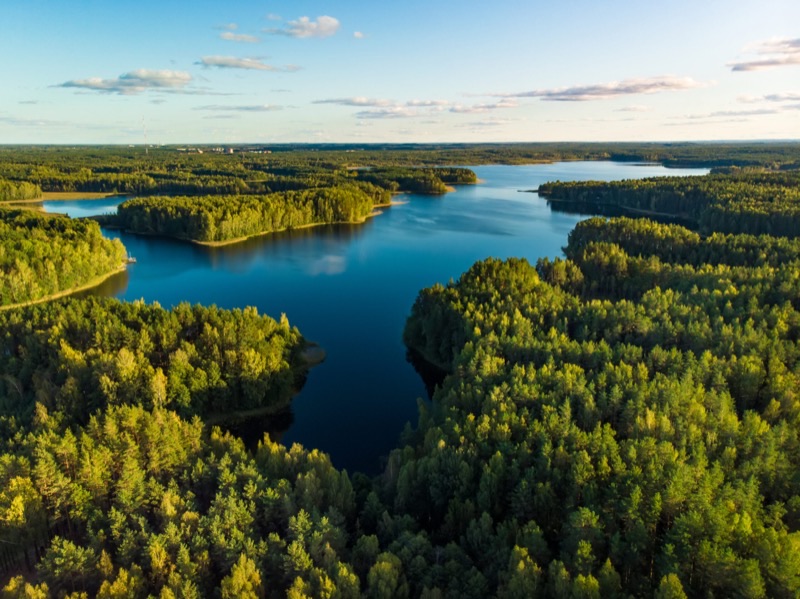
Opt for Lithuania if you crave an affordable and serene European escape, delving into unique Baltic history without the usual crowds. It's perfect for adventurers eager to explore UNESCO-listed Vilnius Old Town, hike the stunning Curonian Spit, and discover fairytale castles like Trakai, all while embracing a cooler climate and a laid-back, authentic pace.
📊 Visual Scorecard
🌤 When to Visit
Average high temperatures (°C). Green = best months, orange = avoid.
Quick Comparison
| Category | Greece | Lithuania | Winner |
|---|---|---|---|
| Costs & Budget | Expect higher prices for accommodation, food, and activities, especially on popular islands. Budget travelers can aim for 70-100 EUR ($75-110) per day, mid-range 120-180 EUR ($130-195). | Considerably more affordable across the board. Daily budgets can range from 40-70 EUR ($43-75) for budget travelers, 70-100 EUR ($75-110) for mid-range experiences. | Lithuania |
| Food & Drink | Mediterranean diet dominates with fresh seafood, olives, feta, souvlaki, and tzatziki. Meals are social events, often accompanied by local wine or ouzo. | Hearty, potato-based Baltic cuisine with influences from Eastern and Central Europe. Expect dishes like cepelinai, šaltibarščiai (cold beet soup), and dark rye bread. | Greece |
| Beaches & Nature | World-famous coastlines with white sand, pebbles, and unique rock formations. Islands like Crete, Mykonos, Zakynthos offer clear waters and dramatic scenery. Interior is mountainous. | Baltic Sea coast offers pine-lined dunes and sandy beaches, especially on the Curonian Spit. Inland, forests, lakes, and national parks dominate with a focus on hiking and tranquility. | Greece |
| Culture & History | Ancient Greek civilization, Byzantine Empire, Ottoman rule. Iconic archaeological sites like the Acropolis, Delphi, and Knossos. Orthodox Christian traditions are central. | Pagan roots, Grand Duchy of Lithuania, Soviet occupation. Medieval castles, Baroque architecture in Vilnius, and memorials to a complex modern history. Strong folk traditions. | Greece |
| Nightlife | From lively beach clubs in Mykonos and Ios to traditional tavernas in Athens and Crete with live music. Late-night dining and drinking are common. | Concentrated in major cities like Vilnius and Kaunas, with a focus on pubs, craft beer bars, and smaller clubs. Quieter than Mediterranean hotspots but active. | Greece |
| Getting Around | Extensive ferry networks connect islands. Mainland has decent bus routes and a limited train system. Car rentals are popular on larger islands and the mainland. | Efficient intercity bus network. Trains connect major cities but are less comprehensive than buses. Car rental is affordable and useful for rural exploration. | Tie |
| Accommodation | Wide range from budget hostels and family-run guesthouses to luxury resorts and villas. Prices vary greatly by location and season, with islands being pricier. | Good value hotels, guesthouses, and apartments. Hostels are plentiful in cities. Unique options include rural farm stays or cozy cabins in national parks. | Lithuania |
| Safety | Generally safe. Petty crime (pickpocketing) is a concern in crowded tourist areas, especially Athens. Political demonstrations can occur in Athens but are usually localized. | Very safe. Low crime rates across the country. Petty crime is rare, even in cities. Solo travel, especially for women, is considered very safe. | Lithuania |
| Solo Travel | Easy to meet other travelers in hostels and on popular islands. Ferry travel is simple. Can be more challenging on a budget due to higher single supplement costs. | Very safe and affordable for solo travelers. Easy to navigate public transport. Opportunities to connect with locals and other travelers, especially in hostels. | Lithuania |
| Weather & Seasons | Hot, dry summers (June-August) with temperatures often above 30°C (86°F). Mild, wet winters. Shoulder seasons (April-May, Sept-Oct) offer pleasant temperatures and fewer crowds. | Warm summers (June-August) with temperatures around 20-25°C (68-77°F). Cold, snowy winters. Spring and autumn are cool with varying rainfall. | Greece |
💰 Costs & Budget
Greece, particularly islands like Santorini or Mykonos, comes with a premium. A basic gyros costs around 3.50-5 EUR ($3.80-5.40), a sit-down meal 15-25 EUR ($16-27). Athens can be…
Greece

Lithuania
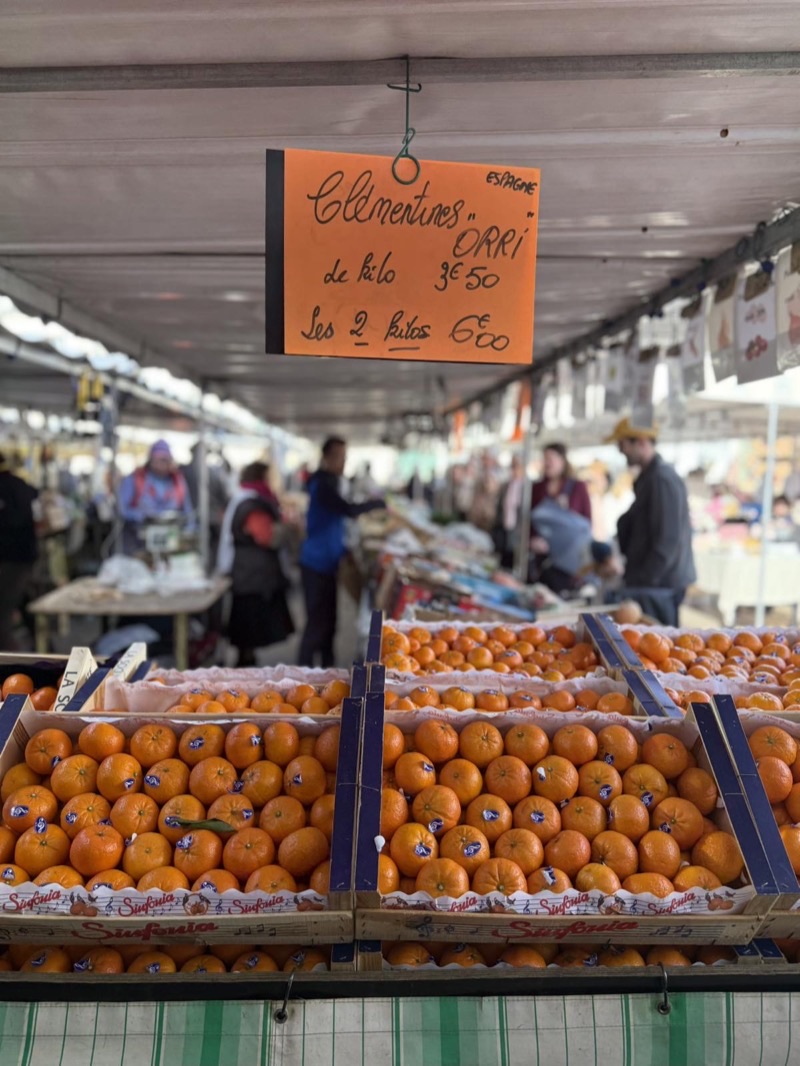
Greece, particularly islands like Santorini or Mykonos, comes with a premium. A basic gyros costs around 3.50-5 EUR ($3.80-5.40), a sit-down meal 15-25 EUR ($16-27). Athens can be more manageable, with hostel beds for 25-40 EUR ($27-43) and budget hotels 60-90 EUR ($65-98). Entrance fees for sites like the Acropolis are 20 EUR ($22). Transportation, especially inter-island ferries, adds up quickly, with a Piraeus to Santorini ferry often costing 40-70 EUR ($43-75) one way. Alcohol prices are similar to Western Europe, with a beer around 4-6 EUR ($4.30-6.50).
Lithuania delivers significant savings. A traditional meal in Vilnius, like cepelinai, can be found for 7-12 EUR ($7.60-13) at places like Etno Dvaras. Hostel beds are typically 15-25 EUR ($16-27), and budget hotels 40-60 EUR ($43-65). Museum entries, such as the Palace of the Grand Dukes in Vilnius, are usually 10-12 EUR ($11-13). Public transport in cities is cheap, with a single bus ticket around 1 EUR ($1.10). A local beer often costs 3-4 EUR ($3.20-4.30). Overall, your money stretches significantly further here, making it ideal for extended trips. Lithuania clearly wins for budget-conscious explorers.
- Winner: Lithuania
- Why: Lithuania offers a substantially lower cost of living and travel expenses across all categories, making it a better value destination.
- Who this matters for: Travelers prioritizing budget and wanting extended trips without financial strain.
🍴 Food & Drink
Greek cuisine emphasizes fresh, seasonal ingredients and simple preparations. Iconic dishes include moussaka, pastitsio, and spanakopita. Seafood is a highlight, especially on the…
Greece
Lithuania
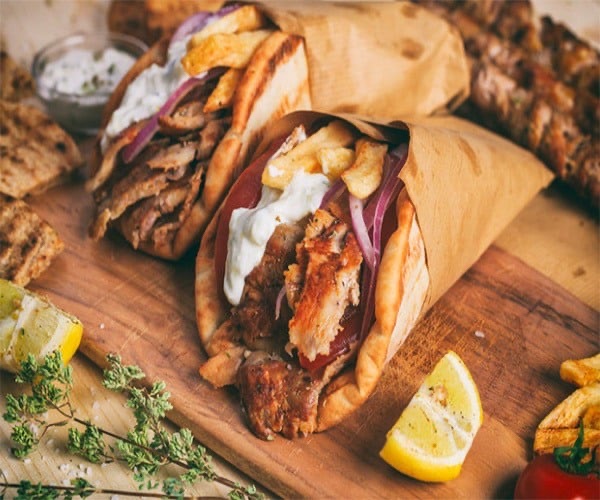
Greek cuisine emphasizes fresh, seasonal ingredients and simple preparations. Iconic dishes include moussaka, pastitsio, and spanakopita. Seafood is a highlight, especially on the islands, with grilled octopus or fresh fish readily available at tavernas. For example, a seafood platter at a taverna in Chania, Crete, might cost 30-50 EUR ($32-54). Athens offers a variety of dining options, from street food like souvlaki at Thanasis in Monastiraki for 3-4 EUR ($3.20-4.30) to upscale restaurants. Greek coffee culture is strong, and a frappe is a common sight. Local wines are good, and spirits like ouzo or tsipouro are traditional aperitifs.
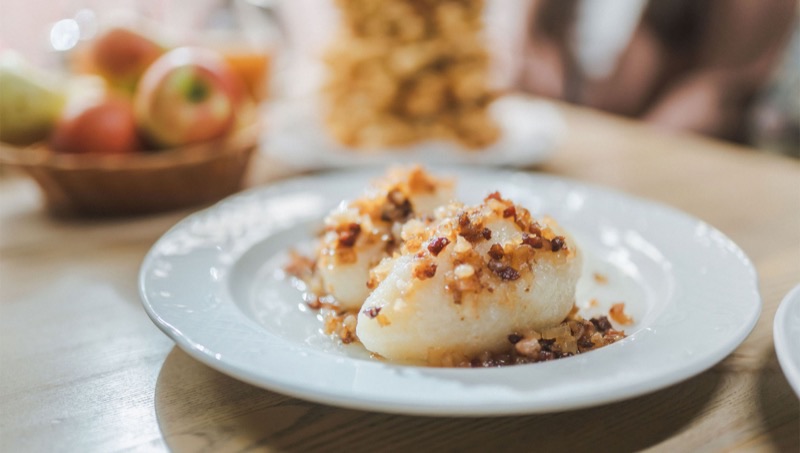
Lithuanian food is comforting and substantial, designed for colder climates. Cepelinai (potato dumplings with meat) is a national dish, often found for 7-12 EUR ($7.60-13). Šaltibarščiai, a bright pink cold beet soup, is a popular summer option. Other dishes include kibinai (meat pastries from the Karaite community in Trakai) and various pork dishes. Local craft beers are gaining recognition, and kvass, a fermented rye drink, is commonly consumed. While less globally recognized than Greek food, it offers a distinct, rustic flavor profile. For instance, a hearty meal at Kitchen in Vilnius might set you back 15-25 EUR ($16-27). Greek food generally has broader appeal and variety for many travelers. Greece wins for its diverse and globally celebrated cuisine.
- Winner: Greece
- Why: Greece offers a more diverse, internationally recognized, and generally more appealing cuisine with fresh, healthy options and a strong social dining tradition.
- Who this matters for: Food enthusiasts and those seeking widely popular, flavorful Mediterranean dishes.
🏖️ Beaches & Nature
Greece is synonymous with iconic beaches. Navagio Beach (Shipwreck Beach) on Zakynthos, Elafonisi Beach with its pink sand in Crete, and the volcanic black sands of Santorini are…
Greece
Lithuania
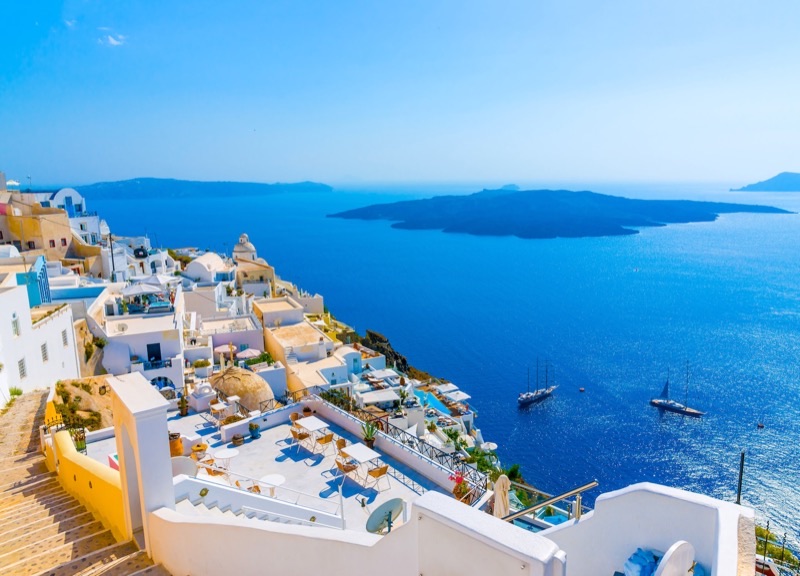
Greece is synonymous with iconic beaches. Navagio Beach (Shipwreck Beach) on Zakynthos, Elafonisi Beach with its pink sand in Crete, and the volcanic black sands of Santorini are just a few examples. The Aegean and Ionian Seas are known for their calm, clear, turquoise waters, ideal for swimming, snorkeling, and sunbathing. Beyond the coast, mainland Greece features dramatic mountain ranges like the Pindus, home to the Meteora monasteries, and extensive olive groves. Exploring coastal caves or hiking in the Samaria Gorge on Crete are popular activities. The nature here is often dramatic, arid, and sculpted by the sea, providing consistent sunshine and warm temperatures.
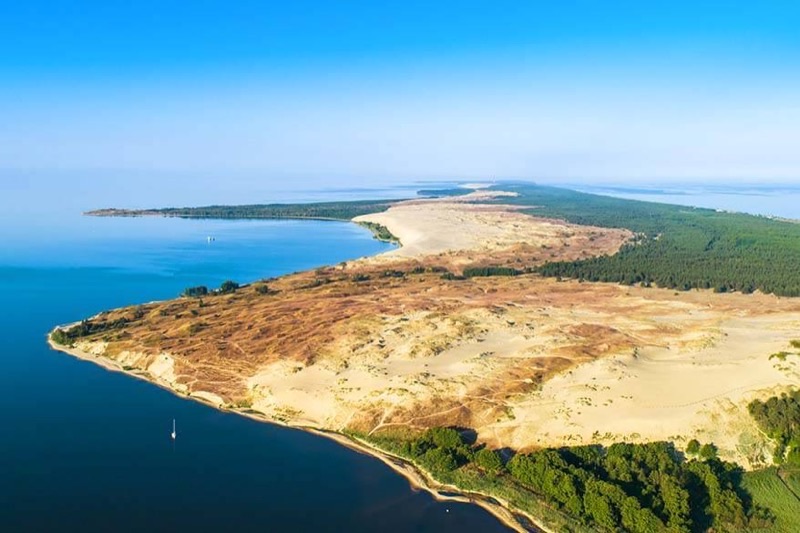
Lithuania's nature is characterized by its green forests, numerous lakes (over 3,000), and the unique Curonian Spit, a UNESCO World Heritage site with shifting sand dunes and pine forests. Beaches on the Baltic Sea, like those in Palanga or Nida, are wide, sandy, and uncrowded, though the water is much cooler than in Greece. It is a different kind of coastal experience, focused on long walks and quiet reflection. Inland, places like Aukštaitija National Park offer opportunities for kayaking, cycling, and observing local wildlife. The country is much flatter than Greece, with a focus on serene, verdant landscapes rather than dramatic seascapes. While Lithuania has its own appeal, Greece's beaches are simply more famous and consistently warm. Greece is the clear choice for classic beach holidays.
- Winner: Greece
- Why: Greece holds a global reputation for its consistently warm, beautiful, and diverse beaches and coastlines, offering a traditional sunny vacation experience.
- Who this matters for: Sun-seekers, beach lovers, and those prioritizing warm water swimming and coastal relaxation.
🏛️ Culture & History
Greece offers direct access to the foundations of Western civilization. The Acropolis in Athens, featuring the Parthenon, is an essential visit. Delphi, the site of the ancient…
Greece
Lithuania
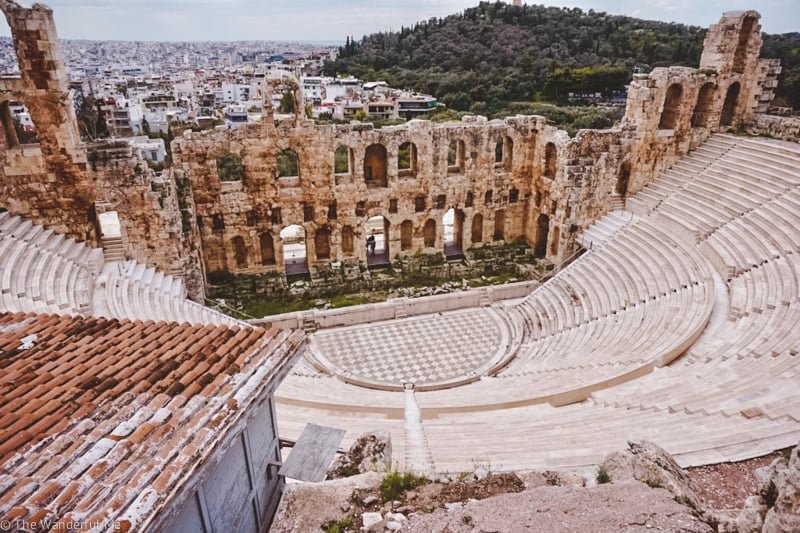
Greece offers direct access to the foundations of Western civilization. The Acropolis in Athens, featuring the Parthenon, is an essential visit. Delphi, the site of the ancient oracle, and the Palace of Knossos in Crete, from the Minoan civilization, provide windows into millennia of history. Byzantine churches, Roman ruins, and Ottoman mosques dot the landscape, showcasing layers of conquest and cultural exchange. The National Archaeological Museum in Athens houses artifacts spanning prehistoric to late Roman times. Greek Orthodox Christianity plays a significant role in daily life, evident in countless churches and monasteries like those at Meteora. The scale and influence of Greek history are immense and globally recognized, offering an immersive experience into antiquity.
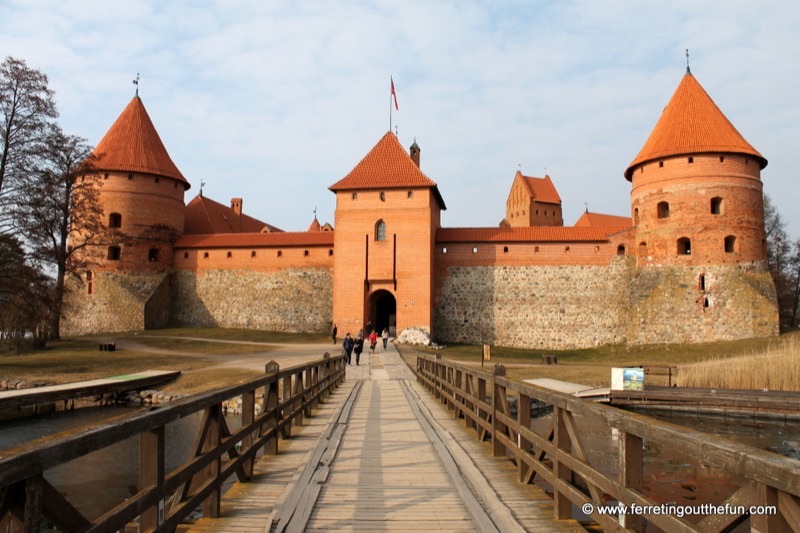
Lithuanian history is equally compelling, though less familiar to many travelers. It traces back to pagan tribes, the powerful Grand Duchy of Lithuania (once one of Europe's largest states), Polish-Lithuanian Commonwealth, and periods of Russian and Soviet occupation. Vilnius Old Town, a UNESCO site, features Baroque architecture and the Gediminas Castle Tower. The Museum of Occupations and Freedom Fights (KGB Museum) in Vilnius offers a sobering look at Soviet repression. Trakai Island Castle, a medieval fortress, is another highlight. The Hill of Crosses, a site of Lithuanian Catholic resistance, is a powerful symbol. While Greece's ancient past is foundational, Lithuania's narrative of resilience and medieval power offers a distinct and often overlooked historical journey. Greece wins for its sheer historical impact and accessible ancient sites.
- Winner: Greece
- Why: Greece's ancient history and archaeological sites are foundational to Western civilization, offering a more widely recognized and impactful cultural experience.
- Who this matters for: History buffs, classical scholars, and those drawn to iconic ancient ruins and mythology.
🍻 Nightlife
Greece's nightlife is diverse and often extends into the early morning hours, particularly during summer on the islands. Mykonos is famous for its beach clubs like Scorpios and…

Greece
Lithuania
Greece's nightlife is diverse and often extends into the early morning hours, particularly during summer on the islands. Mykonos is famous for its beach clubs like Scorpios and Cavo Paradiso, drawing large crowds and international DJs. Ios is known for its party atmosphere with many bars catering to younger travelers. Athens offers a different scene, with rooftop bars overlooking the Acropolis, lively neighborhoods like Gazi with many bars and music venues, and traditional bouzoukia clubs for live Greek music. A cocktail in Mykonos can cost 15-20 EUR ($16-22), while in Athens, it might be 10-14 EUR ($11-15). Late-night gyros stands are common after a night out.
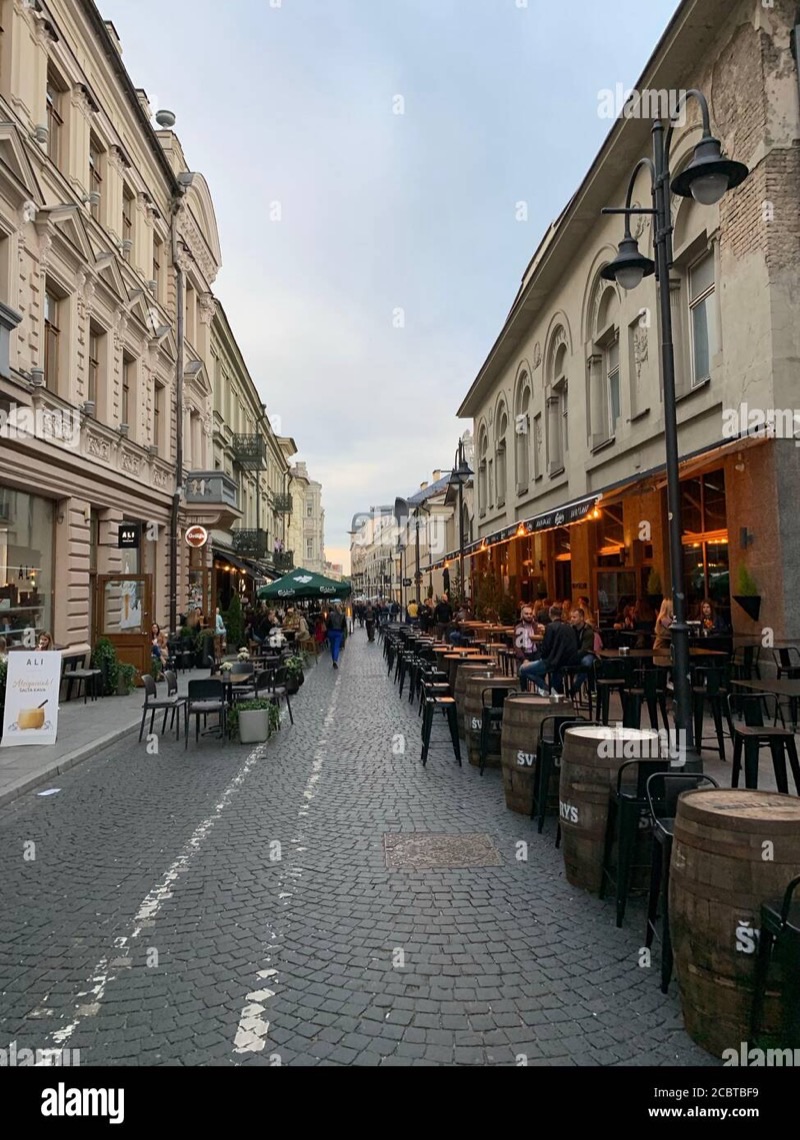
Lithuania's nightlife is more understated but still active, especially in Vilnius. The Old Town and areas around Gediminas Avenue host numerous pubs, craft beer bars (e.g., Alaus Biblioteka), and some nightclubs. Live music venues are present but generally smaller scale than Greece. Kaunas also has a student-driven bar scene. A craft beer in Vilnius might cost 5-7 EUR ($5.40-7.60), and cocktails 8-12 EUR ($8.70-13). The atmosphere is generally more focused on conversation and local brews rather than large-scale dance parties. While not as globally famous for its late-night scenes, Vilnius offers enough for a good time. However, Greece provides a more extensive and varied array of nightlife options for a wider audience. Greece wins for its established and diverse late-night entertainment.
- Winner: Greece
- Why: Greece offers a more extensive range of nightlife experiences, from international party islands to traditional music venues, catering to a broader audience seeking late-night activity.
- Who this matters for: Party-goers, social travelers, and those who enjoy late-night entertainment and clubbing.
🚗 Getting Around
In Greece, island hopping is primarily done via ferries. High-speed ferries are quicker but more expensive (e.g., Piraeus to Santorini fast ferry ~70 EUR/$75), while conventional…
In Greece, island hopping is primarily done via ferries. High-speed ferries are quicker but more expensive (e.g., Piraeus to Santorini fast ferry ~70 EUR/$75), while conventional ferries are slower and cheaper (~40 EUR/$43). On the mainland, KTEL buses are the most reliable and extensive public transport, connecting almost all towns and cities. Trains exist but are not as developed. Renting a car is advisable for exploring regions like Peloponnese or Crete, with daily rates starting around 30-40 EUR ($32-43) in low season, rising significantly in summer. Within cities like Athens, the metro system is modern and efficient. Taxis are widely available. Navigating the islands requires planning ferry schedules, which can be subject to weather.
Lithuania has an excellent and affordable intercity bus system. Companies like Kautra or Lux Express connect Vilnius, Kaunas, Klaipėda, and other towns frequently, with tickets often costing 10-20 EUR ($11-22) for longer routes. The train network is less extensive but connects main cities like Vilnius and Kaunas. Car rental is a good option for exploring national parks or the Curonian Spit, with daily rates often starting at 20-30 EUR ($22-32). Public transport within cities is efficient and very cheap, with e-tickets or apps common. Cycling is also popular, especially in rural areas and along the coast. Both countries offer functional but different transport experiences. It depends on whether you prefer sea travel or overland. This category is a tie as each excels in its own context.
- Winner: Tie
- Why: Both countries offer effective but different transportation solutions, with Greece excelling in sea travel and Lithuania in affordable overland routes.
- Who this matters for: Travelers whose preferred mode of transport aligns with each country's strength.
🏨 Accommodation
Greece offers accommodation for every budget, though summer prices, particularly on popular islands like Santorini, can be extremely high. A hostel bed in Athens might be 25-40…
Greece offers accommodation for every budget, though summer prices, particularly on popular islands like Santorini, can be extremely high. A hostel bed in Athens might be 25-40 EUR ($27-43) at places like Athens Backpackers. Mid-range hotels in Athens go for 80-150 EUR ($87-163). On islands, a decent hotel can easily cost 150-300 EUR ($163-325) or more, with luxury villas reaching thousands. Family-run guesthouses (domatia) are common and offer good value in less touristy areas. Booking well in advance is essential for summer travel to popular spots. Accommodation is generally clean and well-maintained, but the price-to-quality ratio can feel stretched during peak season.
Lithuania provides excellent value for accommodation. Hostel beds in Vilnius or Kaunas are typically 15-25 EUR ($16-27), for instance at Downtown Forest Hostel. Mid-range hotels in city centers can be found for 60-90 EUR ($65-98), like Artagonist Art Hotel in Vilnius. Rural guesthouses or cabins in national parks offer peaceful retreats for similar prices, sometimes even less. The quality is generally high for the price paid, with modern amenities often available even in budget options. Options range from stylish boutique hotels in converted historical buildings to practical apartments. For travelers seeking comfort without overspending, Lithuania is a strong contender. Lithuania simply offers better value and quality for the money spent on lodging. Lithuania clearly wins for accommodation value.
- Winner: Lithuania
- Why: Lithuania consistently provides a better price-to-quality ratio for accommodation across all budget levels, offering comfort and style at lower costs.
- Who this matters for: Budget-conscious travelers, those seeking good value, and digital nomads looking for comfortable longer stays.
🛡️ Safety
Greece is a safe destination for tourists, but vigilance is advised in crowded areas like the Athens metro, Monastiraki Square, and major archaeological sites where pickpocketing…
Greece is a safe destination for tourists, but vigilance is advised in crowded areas like the Athens metro, Monastiraki Square, and major archaeological sites where pickpocketing is common. Be aware of your belongings, especially in tourist hubs. Violent crime against tourists is uncommon. Political protests in Athens can sometimes disrupt public transport or traffic, but they are usually peaceful and localized, and tourists are rarely targeted. Driving on some island roads, especially those with steep drops and narrow turns, requires caution. Emergency services are responsive, and locals are generally helpful if you encounter an issue.
Lithuania is considered one of the safest countries in Europe. Crime rates are low, and travelers generally report feeling secure, even when walking alone at night in cities like Vilnius or Kaunas. Petty theft is not a significant concern, but standard precautions apply in any urban environment. The political situation is stable, and protests are rare and non-disruptive. Road conditions are good, and driving is straightforward. Solo travelers, including women, often choose Lithuania for its perceived safety and friendly atmosphere. The relaxed pace and absence of large crowds further contribute to a sense of security. Lithuania is a consistently safer bet for a worry-free trip. Lithuania wins for its superior safety record and general peace of mind.
- Winner: Lithuania
- Why: Lithuania boasts exceptionally low crime rates and a very safe environment, providing greater peace of mind for travelers, including solo adventurers.
- Who this matters for: Solo travelers, families, and anyone prioritizing a very low-stress and secure travel experience.
🚶♀️ Solo Travel
Greece is a popular solo travel destination, particularly for those looking to socialize. Hostels in Athens and on islands like Ios or Paros make it easy to meet people. Ferry…
Greece is a popular solo travel destination, particularly for those looking to socialize. Hostels in Athens and on islands like Ios or Paros make it easy to meet people. Ferry travel is a social experience too. However, solo travelers often pay a 'single supplement' for private rooms, making accommodation costs higher than if splitting with a partner. Dining alone in tavernas is common and accepted. The language barrier is minimal in tourist areas, but outside those, knowing a few Greek phrases helps. Navigating is straightforward, and locals are generally hospitable. Safety is good, but awareness of surroundings in crowded areas is prudent.
Lithuania is an excellent choice for solo travelers, especially those on a budget or seeking a quieter experience. Its high safety rating means walking alone at night feels secure. Hostels in Vilnius and Kaunas are welcoming and facilitate meeting other travelers. Public transport is efficient and easy to use. Dining alone is perfectly normal and affordable. Many locals, especially younger generations, speak English, making communication simple. The compact size of cities allows for easy exploration on foot. Activities like hiking in national parks or exploring medieval towns are perfectly suited for solo adventurers. The low cost makes extended solo trips more feasible. Lithuania is more accommodating to solo travelers financially and logistically. Lithuania wins for its affordability and high safety, making solo exploration worry-free.
- Winner: Lithuania
- Why: Lithuania is significantly more affordable and exceptionally safe for solo travelers, allowing for extended, low-stress independent exploration.
- Who this matters for: Budget-conscious solo travelers, particularly women, seeking safety and ease of navigation.
☀️ Weather & Seasons
Greece experiences a classic Mediterranean climate. Summers are long, hot, and dry, perfect for beach activities, but temperatures can exceed 35°C (95°F), especially inland. The…
Greece experiences a classic Mediterranean climate. Summers are long, hot, and dry, perfect for beach activities, but temperatures can exceed 35°C (95°F), especially inland. The sun is intense, requiring sun protection. The shoulder seasons of April-May and September-October are often considered ideal, with pleasant temperatures around 20-28°C (68-82°F) and fewer tourists, allowing for comfortable sightseeing and swimming. Winters (Dec-Feb) are mild in coastal areas but can be cold and snowy in the mountains, especially in the north. Rainfall is concentrated in the winter months. For most seeking warm weather and sunshine, Greece delivers consistently during its peak tourist season. The predictable warmth is a major draw.
Lithuania has a humid continental climate, with four distinct seasons. Summers (June-August) are warm and generally pleasant, with average temperatures around 20-25°C (68-77°F), but occasional heatwaves or cooler, rainy days are possible. This is the main tourist season. Autumn (Sept-Nov) sees cooling temperatures and vibrant fall foliage, good for forest walks. Winters (Dec-March) are cold, with average temperatures below freezing and significant snowfall, creating a different kind of winter wonderland experience, though not suitable for all travelers. Spring (April-May) is cool and green as nature awakens. While Lithuanian summers are agreeable, Greece's weather offers more consistent warmth and predictable sun for a beach-oriented vacation. Greece wins for its consistent, warm, and sunny climate for classic summer holidays.
- Winner: Greece
- Why: Greece's consistently warm, sunny Mediterranean climate for a longer period is more appealing to most travelers seeking a traditional summer vacation.
- Who this matters for: Sun-worshippers, beachgoers, and those who prefer predictably warm and dry weather for their travels.
🎯 The Decision Framework
Choose Greece If…
- You want iconic ancient ruins everywhere you look.
- You dream of island hopping and clear blue seas.
- You enjoy late-night dinners and lively social scenes.
- You prioritize consistent hot and sunny weather.
- You want fresh seafood and world-renowned Mediterranean food.
- You have a mid-range or higher budget available.
- You don't mind navigating tourist crowds in peak season.
- You want a deep dive into the origins of Western civilization.
Choose Lithuania If…
- You are traveling on a strict budget and want your money to stretch.
- You prefer cooler, greener landscapes and quiet forests.
- You are interested in lesser-known European history and unique culture.
- You enjoy exploring cities with Baroque architecture and hidden courtyards.
- You want a very safe and low-stress travel environment.
- You appreciate hearty, comforting Eastern European cuisine.
- You are open to cooler weather and distinct seasonal changes.
- You seek an authentic European experience with fewer crowds.
📅 Sample Itineraries
Weekend in Greece (3 Days)
💡 Purchase the Athens combined ticket for archaeological sites for approximately $35 to save money if you plan to visit multiple historical locations.
Weekend in Lithuania (3 Days)
💡 Consider using Bolt or public transport for getting around Vilnius; a single bus ticket costs around $0.80-1.00, or a 3-day pass for about $8.
One Week in Greece (7 Days)
💡 Book island ferries in advance, especially during peak season, to secure your preferred times and potentially save a small amount on tickets.
One Week in Lithuania (7 Days)
💡 Utilize Lithuania's efficient intercity bus network for travel between cities; booking tickets online a few days in advance can often secure better prices.
❓ Frequently Asked Questions
Which country is cheaper, Greece or Lithuania?
Lithuania is significantly cheaper than Greece across almost all categories. Daily budgets for a mid-range traveler in Lithuania can be 70-100 EUR ($75-110), while similar experiences in Greece would typically cost 120-180 EUR ($130-195), especially on popular islands. Accommodation, food, and local transport are noticeably more affordable in Lithuania.
What are the flight times and distances from major European hubs?
From Western European hubs like London, Paris, or Berlin, direct flights to Athens (Greece) typically range from 3 to 4 hours, covering distances of 2,000-2,500 km. Flights to Vilnius (Lithuania) are slightly shorter, usually 2 to 3 hours, covering 1,500-2,000 km. Both are well-connected by budget airlines.
Is it possible to visit both Greece and Lithuania in one trip?
Visiting both is possible but requires a minimum of 2.5-3 weeks to avoid rushing. You would need to fly between the two countries, likely connecting through a major European hub like Frankfurt, Amsterdam, or Warsaw. This adds significant travel time and cost compared to exploring one region deeply.
Which country is better for beaches?
Greece is undeniably better for beaches if you are seeking warm water, consistent sunshine, and a wide variety of sandy or pebbled coastlines, from party beaches to secluded coves. Lithuania's Baltic Sea coast offers wide, sandy beaches, but the water is much colder, and the climate is cooler and less predictable.
Which destination is more family-friendly?
Both can be family-friendly, but for different reasons. Greece offers warmer weather, child-friendly beaches, and resorts with kid activities. Lithuania offers a very safe environment, lower costs, and plenty of nature activities like lake swimming and forest walks, which can be appealing to families who prefer a calmer trip.
What is the best time of year to visit each country?
For Greece, the shoulder seasons (April-May and September-October) are ideal for pleasant temperatures (20-28°C / 68-82°F) and fewer crowds. For Lithuania, summer (June-August) offers the warmest weather (20-25°C / 68-77°F) and the best conditions for outdoor activities, though it can still have cooler days.
What kind of local food should I expect in each?
In Greece, expect a Mediterranean diet with fresh seafood, olives, feta cheese, souvlaki (meat skewers), and moussaka. In Lithuania, prepare for hearty, potato-based dishes like cepelinai (meat-filled potato dumplings), šaltibarščiai (cold beet soup), and a focus on dark rye bread and local beers.
Are there good opportunities for outdoor activities?
Greece offers excellent opportunities for water sports, hiking in gorges (like Samaria), and exploring coastal caves. Lithuania is ideal for forest walks, cycling, kayaking on lakes, and exploring its extensive network of national parks. Both have a range of outdoor options, just with different landscapes and climates.
Ready to plan your European trip?
Get a free custom itinerary for Greece, Lithuania, or both — built from real traveler insights.
👥 Travelers Also Compared
🎟️ Book Tours & Experiences
Hand-picked tours and activities for both destinations — book with free cancellation
Experiences via Viator — free cancellation on most tours