How we built this comparison
This page combines traveler discussion patterns, published price ranges, flight schedules, and seasonal data to help you decide between Greece and Scotland.
- Reviewed 700+ Reddit threads from r/travel, r/solotravel, r/GreeceTravel, r/Scotland, r/backpacking
- Verified costs and logistics against current booking platforms (e.g., Booking.com, Skyscanner, ferry sites)
- Cross-referenced seasonal patterns and weather data from meteorological sources
⚡ Quick Answers
⚡ The TL;DR Verdict
For most travelers seeking sun, ancient history, and a generally more budget-friendly experience focused on island hopping and ocean dips, Greece takes the lead. If you value dramatic natural environments, a strong pub culture, and exploring historical cities often under a cooler sky, Scotland is your pick. Greece usually costs less for a similar quality of experience.
- Choose Greece: You want consistent warm weather, swimming in clear waters, ancient historical sites like the Acropolis, and a diet of fresh seafood and olive oil. Ideal for couples, families, and those seeking relaxation with history.
- Choose Scotland: You prefer cooler temperatures, dramatic mountain ranges, deep lochs, castles, whisky distilleries, and a pub culture. Good for hikers, history enthusiasts interested in medieval periods, and those who appreciate a good dram.
- Choose Both: If you have at least 3-4 weeks and can manage the logistical jump, combining both offers a full spectrum of European experiences from Mediterranean warmth to Celtic drama. Focus 10-14 days on each region.
Choose Greece
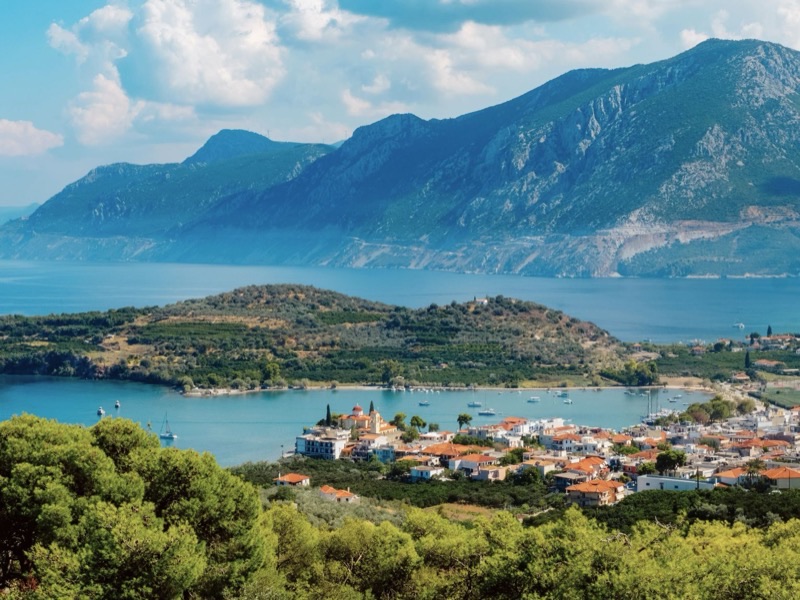
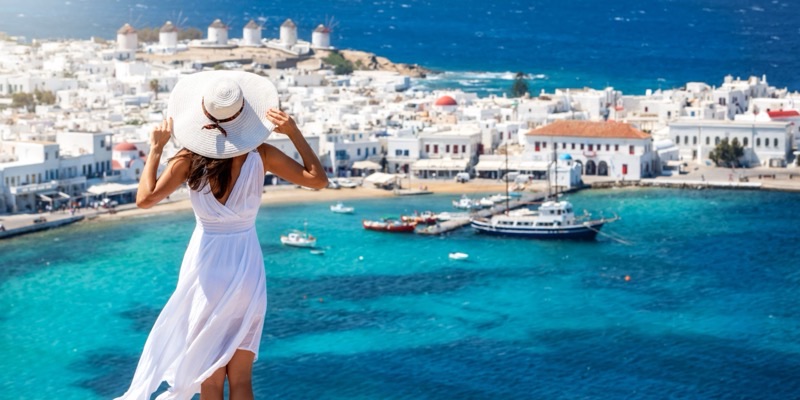
Opt for Greece for an idyllic escape where sun-drenched days meet ancient wonders and clear blue waters. Dive into the turquoise Aegean Sea around Mykonos or explore the timeless Parthenon in Athens. It's perfect for budget-conscious families and couples desiring a blend of relaxation, historical exploration, and delicious Mediterranean cuisine.
Choose Scotland
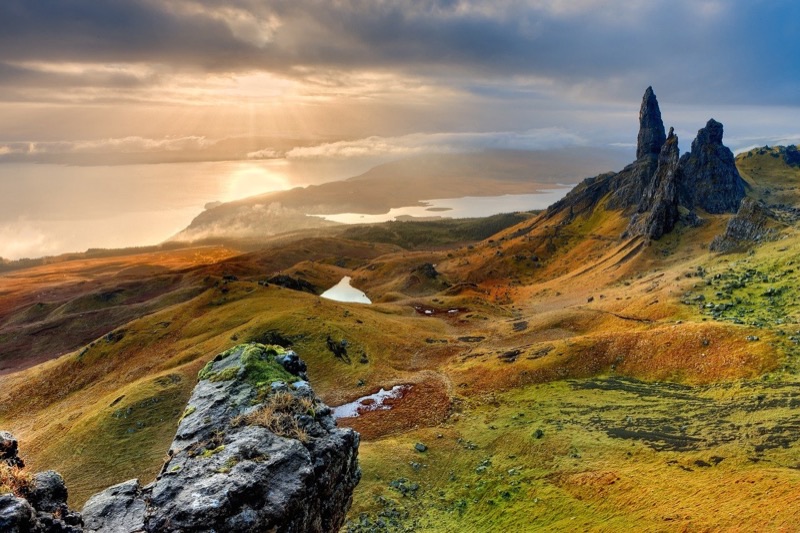
Select Scotland if you crave dramatic landscapes and a rich tapestry of history, even under a cooler sky. Traverse the majestic Scottish Highlands, explore the medieval charm of Edinburgh's Old Town, or savor a dram at a Speyside distillery. This destination is ideal for adventurous hikers, history buffs, and whisky connoisseurs seeking rugged beauty and vibrant pub culture.
📊 Visual Scorecard
🌤 When to Visit
Average high temperatures (°C). Green = best months, orange = avoid.
Quick Comparison
| Category | Greece | Scotland | Winner |
|---|---|---|---|
| Costs & Budget | Generally more affordable for accommodation, food, and local transport, especially outside peak season. Daily budget averages €60-120 ($65-130). | Higher costs for accommodation, particularly in cities like Edinburgh, and dining. Daily budget averages £70-150 ($90-190). | Greece |
| Weather & Seasons | Long, hot, dry summers (June-August) with mild, wet winters. Best shoulder seasons are April-May and September-October for pleasant temperatures. | Cool, damp, and unpredictable weather year-round. Summers are mild, winters are cold and dark. May-September offers the best chance of decent weather. | Greece |
| Food & Drink | Mediterranean diet: fresh seafood, olive oil, vegetables, grilled meats (souvlaki, gyros), feta, yogurt. Excellent local wines and Ouzo. | Hearty, comforting fare: haggis, fish and chips, Cullen Skink, venison. Strong pub culture with real ales and globally renowned Scotch whisky. | Tie |
| Culture & History | Cradle of Western civilization, with ancient Greek and Roman ruins dominating the landscape. Strong Orthodox Christian traditions and a relaxed, family-oriented culture. | Rich with Celtic and medieval history, castles, battlefields, and clan heritage. Lively folk music scene and a deep appreciation for storytelling. | Greece |
| Nature & Scenery | Diverse landscapes from volcanic islands (Santorini) to rugged mountains (Pindus), olive groves, and deep blue seas. Focus on coastal beauty and island views. | Dramatic, wild landscapes: vast lochs, jagged mountains (Munros), ancient forests, and remote islands. Emphasis on raw, untamed wilderness. | Scotland |
| Getting Around | Extensive ferry network for islands, affordable buses on the mainland. Car rental is good for exploring larger islands or rural mainland. | Public transport (trains, buses) connects major cities. Car rental is highly recommended for exploring the Highlands and rural areas, but can be expensive. | Tie |
| Nightlife & Entertainment | Late-night tavernas, lively bars, and clubs on islands like Mykonos. Strong focus on social dining and outdoor seating. | Vibrant pub scene in cities like Glasgow and Edinburgh, live music, comedy clubs. Focus on cozy indoor spaces and traditional gatherings. | Greece |
| Beaches & Water Activities | Countless diverse beaches, clear turquoise waters, excellent for swimming, snorkeling, diving, and sailing. Island hopping is a key activity. | Limited traditional beaches, generally colder waters, focus on rugged coastlines and lochs rather than swimming. Some surfing spots available. | Greece |
| Accommodation | Wide range from budget hostels and family-run guesthouses to luxury villas and boutique hotels, often with sea views. | Hostels, traditional B&Bs, hotels, and unique stays like castles or shepherd's huts. Can be expensive in cities and remote areas. | Greece |
| Solo Travel | Generally safe, easy to meet other travelers in hostels and on ferries. People are friendly, but some areas can be tourist-heavy. | Very safe, easy to navigate, strong pub culture facilitates meeting locals. Welcoming atmosphere, especially in smaller towns. | Scotland |
💰 Costs & Budget
Greece typically offers a more budget-conscious trip. You can find hostel beds for €20-30 ($22-33) in Athens or on smaller islands, and guesthouses for €40-70 ($44-77). A full…
Greece
Scotland
Greece typically offers a more budget-conscious trip. You can find hostel beds for €20-30 ($22-33) in Athens or on smaller islands, and guesthouses for €40-70 ($44-77). A full meal at a local taverna might cost €12-20 ($13-22), including a drink. Public transport, like city buses in Athens or inter-island ferries, is reasonably priced; a ferry from Piraeus to Paros can be around €40-50 ($44-55). Avoiding Santorini and Mykonos or visiting off-season (April-May, September-October) keeps costs down significantly. A daily budget of €60-120 ($65-130) allows for comfortable travel, including activities and food.
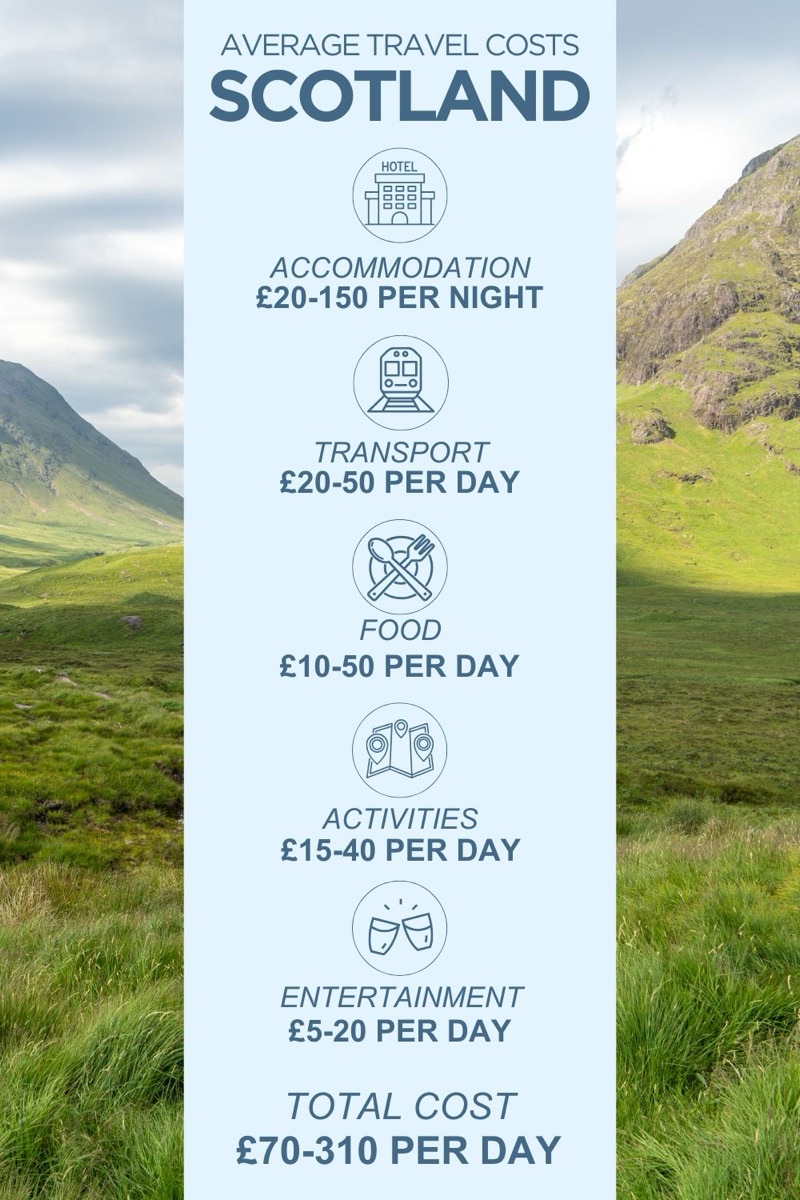
Scotland is a pricier destination. Hostel beds in Edinburgh can range from £25-45 ($32-57) and budget hotel rooms often start at £80-120 ($100-150) in cities. A pub meal might cost £12-20 ($15-25), with a pint around £5-6 ($6-8). Train travel is expensive; a one-way ticket from Edinburgh to Glasgow can be £15 ($19) or more. Car rental is almost essential for exploring the Highlands, adding to the expense (around £40-70/$50-90 per day plus fuel). Expect a daily budget of £70-150 ($90-190) for a moderate trip. The tabiji verdict: Greece stretches your travel budget further for similar comfort.
- Winner: Greece
- Why: Greece offers better value for accommodation, food, and activities, making a longer trip more feasible on a fixed budget.
- Who this matters for: Budget travelers, long-term travelers, families managing expenses
☀️ Weather & Seasons
Greece delivers reliable sunshine and warmth for a significant portion of the year. Summers, from June to August, see average temperatures of 28-35°C (82-95°F), perfect for beach…
Greece

Scotland
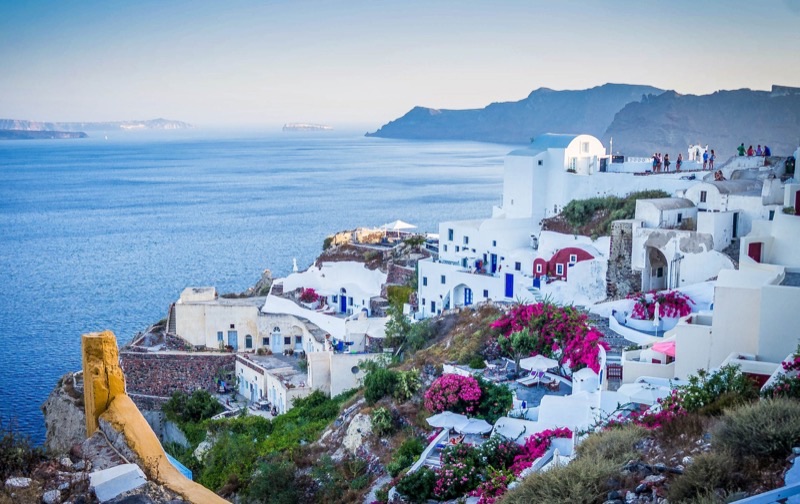
Greece delivers reliable sunshine and warmth for a significant portion of the year. Summers, from June to August, see average temperatures of 28-35°C (82-95°F), perfect for beach activities and swimming, though it can be very hot in Athens. The shoulder seasons (April-May and September-October) are ideal, with temperatures around 20-25°C (68-77°F), fewer crowds, and still warm enough for swimming. Winters are mild in the south, around 10-15°C (50-59°F), but can be rainy. The Aegean Sea is warm for swimming from late May through early October.
Scotland's weather is famously variable. Even in summer (July-August), average temperatures are a mild 15-19°C (59-66°F) with frequent rain showers possible any day. Winters (December-February) are cold and damp, often hovering around 0-5°C (32-41°F) with short daylight hours. The best months for relatively drier and warmer weather are May through September. However, travelers should always pack layers, waterproofs, and be prepared for four seasons in a single day, particularly in the Highlands. The tabiji verdict: Greece offers a far more predictable and pleasant climate for most travel styles.
- Winner: Greece
- Why: Greece provides consistently warm, sunny weather for many months, allowing for diverse outdoor activities and reliable beach days.
- Who this matters for: Sun-seekers, beach enthusiasts, those averse to unpredictable rain
🍽️ Food & Drink
Greece's culinary scene is a Mediterranean delight, emphasizing fresh, local ingredients. Expect abundant seafood, often grilled simply with lemon and olive oil, like at 'To…
Greece
Scotland
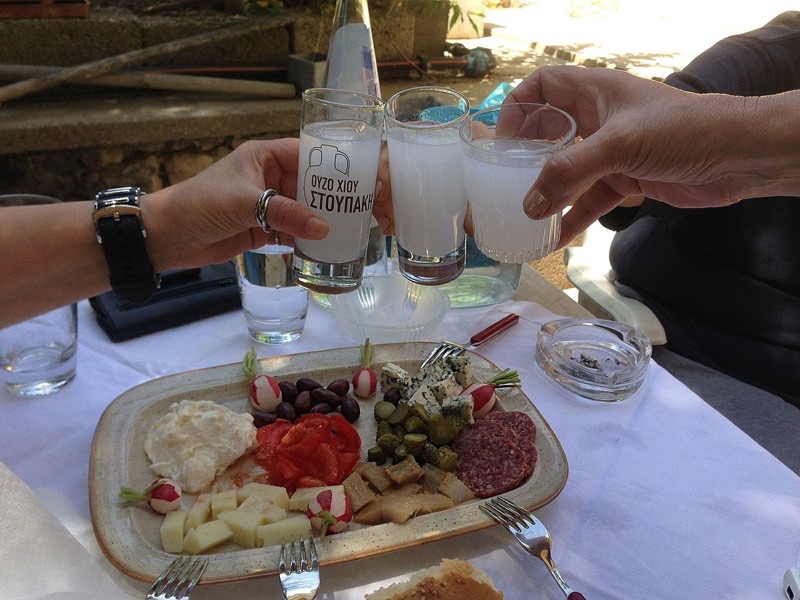
Greece's culinary scene is a Mediterranean delight, emphasizing fresh, local ingredients. Expect abundant seafood, often grilled simply with lemon and olive oil, like at 'To Koulouri' in Athens for a quick bite or 'Taverna Kalami' on Corfu. Staples include souvlaki, gyros, moussaka, and fresh salads with local feta cheese. Greek coffee is strong, and spirits like Ouzo and Tsipouro are popular aperitifs. Local wines, particularly from regions like Santorini, are increasingly recognized. Dining out is a social affair, often extending late into the evening with shared plates and lively conversation. A meal at a typical taverna will cost €15-25 ($16-27).
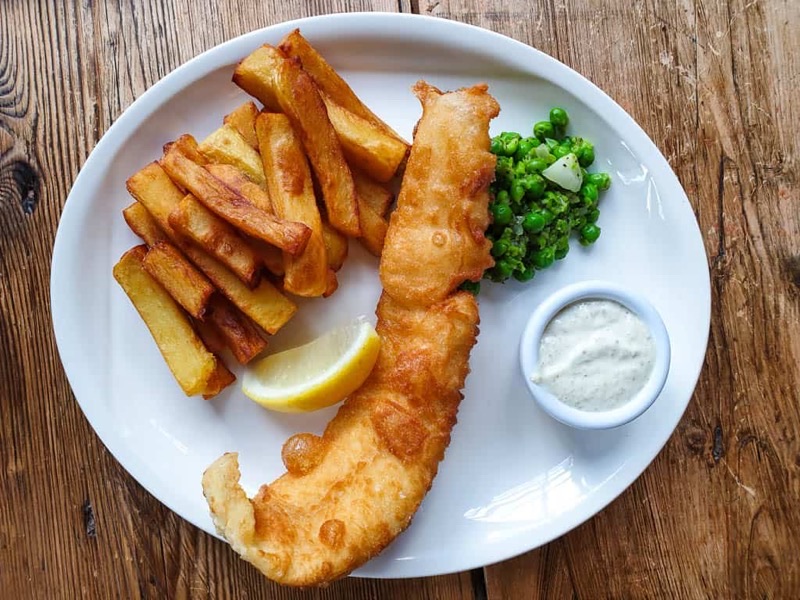
Scotland's food and drink culture centers on hearty, traditional dishes and its famous national drink. Haggis, neeps, and tatties are a must-try, along with fresh seafood, particularly salmon and scallops. Pubs are central to social life, offering local ales, stouts, and a wide selection of Scotch whisky. Iconic dishes like fish and chips or Cullen Skink (smoked haddock soup) are widely available. 'The Dogs' in Edinburgh offers traditional Scottish fare with a modern twist. The real draw for many is the whisky; distillery tours in Speyside or on Islay are educational and offer tastings. A good pub meal generally costs £12-20 ($15-25). The tabiji verdict: Both destinations offer distinct, high-quality culinary experiences, appealing to different palates.
- Winner: Tie
- Why: Each destination offers a distinct and high-quality culinary experience that appeals to different preferences, making a direct comparison difficult.
- Who this matters for: Foodies, those interested in local beverages and dining culture
🏛️ Culture & History
Greece offers an unparalleled journey into ancient history, being the birthplace of democracy, philosophy, and theater. The Acropolis in Athens, home to the Parthenon, is a…
Greece
Scotland
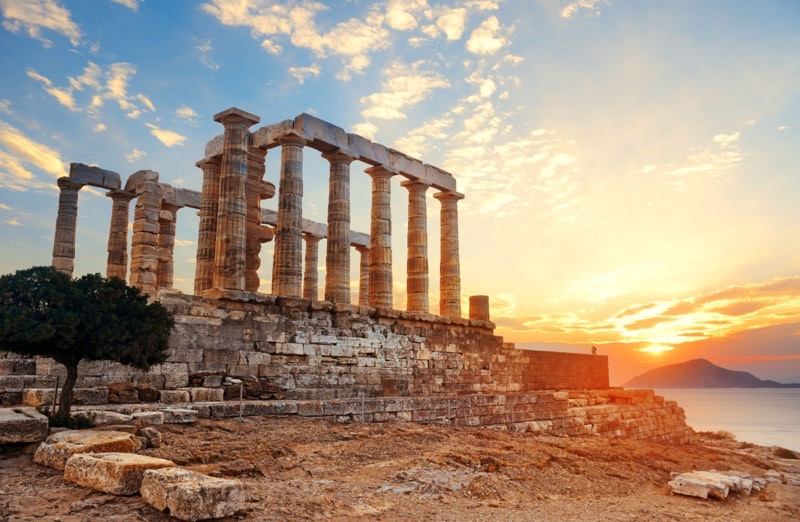
Greece offers an unparalleled journey into ancient history, being the birthplace of democracy, philosophy, and theater. The Acropolis in Athens, home to the Parthenon, is a central monument. Other significant sites include Delphi, Olympia, and Knossos on Crete. The influence of the Byzantine Empire and Ottoman rule also left their marks, evident in churches and older city structures. Greek culture is deeply communal and family-centric; evenings are spent socializing, often outdoors. Religious festivals are important, reflecting the strong Greek Orthodox faith. Entrance fees for major sites typically range from €10-20 ($11-22).
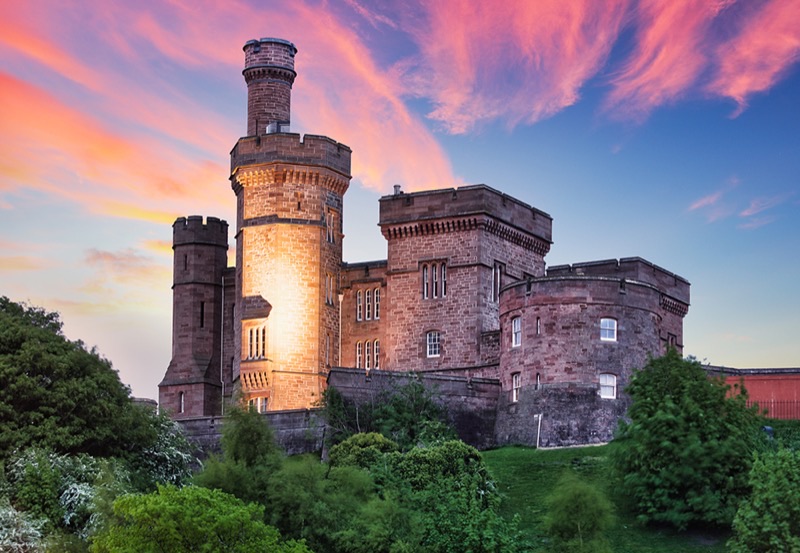
Scotland's history is characterized by dramatic clan rivalries, Roman invasions, and struggles for independence. Edinburgh Castle dominates the capital's skyline, and Stirling Castle is another major historical landmark. Battlefields like Culloden hold immense significance. The country is filled with ancient ruins, standing stones, and medieval abbeys. Scottish culture is proud, with traditions like ceilidhs (folk dances) and Burns Suppers (celebrating the poet Robert Burns) still prevalent. The storytelling tradition is strong, often found in local pubs. Tickets for major castles usually cost £15-20 ($19-25). The tabiji verdict: Greece's ancient foundations provide a more globally significant and foundational historical experience.
- Winner: Greece
- Why: Greece offers a more profound and foundational historical experience, having shaped Western civilization profoundly.
- Who this matters for: History buffs focused on antiquity, classical studies enthusiasts
⛰️ Nature & Scenery
Greece's natural environments are dominated by its extensive coastline and numerous islands. The Cycladic islands like Santorini present volcanic caldera views, whitewashed…
Greece
Scotland
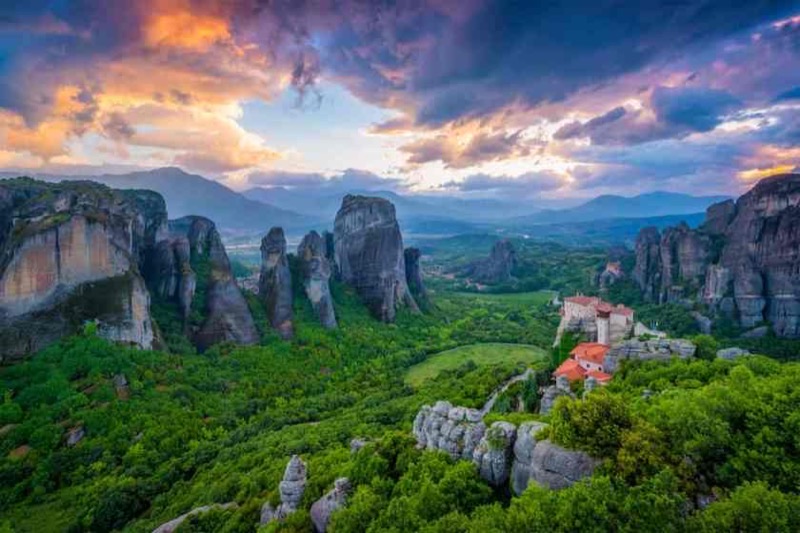
Greece's natural environments are dominated by its extensive coastline and numerous islands. The Cycladic islands like Santorini present volcanic caldera views, whitewashed villages, and azure waters. Crete offers diverse terrain from sandy beaches to gorges (Samaria Gorge) and mountains. The mainland features mountain ranges like the Pindus, ideal for hiking, and the Meteora rock formations with monasteries perched atop. The Peloponnese peninsula combines ancient ruins with olive groves and coastal beauty. The focus is often on the interaction between land and sea, with clear waters for swimming and snorkeling. While beautiful, the landscapes can feel somewhat similar across different islands.
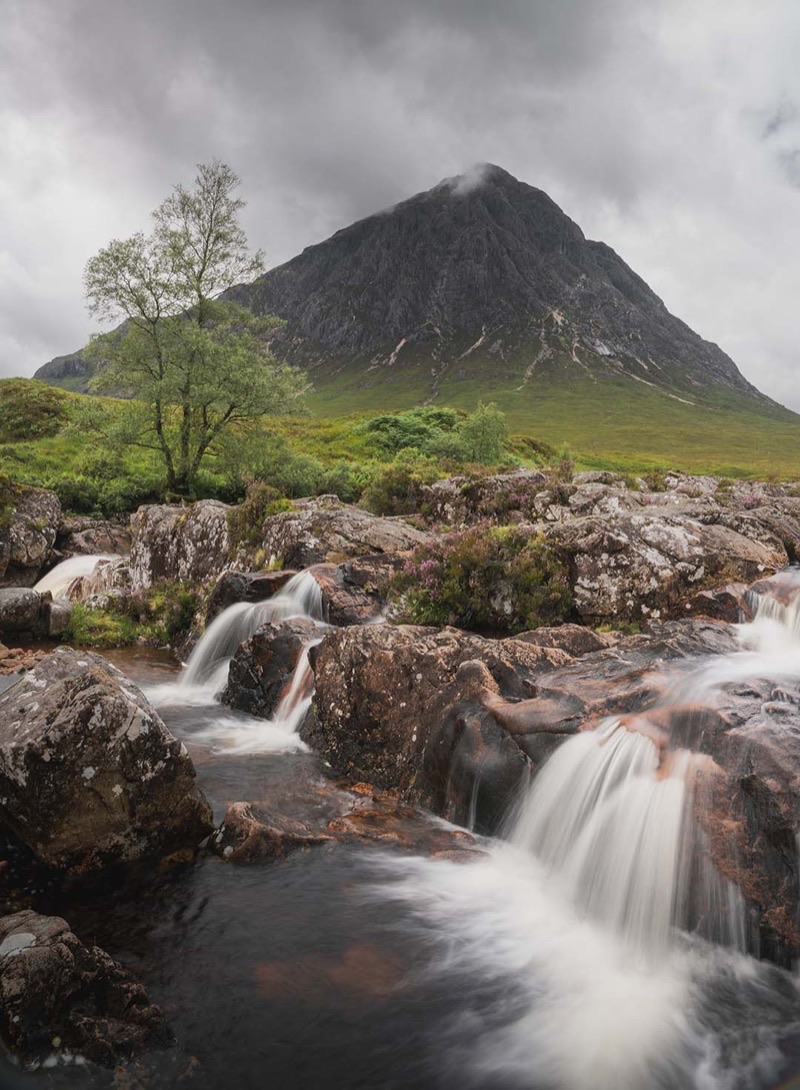
Scotland's natural offerings are more raw and dramatic. The Highlands are a vast expanse of glens, lochs (like Loch Ness), and Munros (mountains over 3,000 feet) that challenge hikers. The Isle of Skye is particularly known for its otherworldly landscapes such as the Old Man of Storr and the Fairy Pools. Ancient Caledonian forests and remote islands like the Outer Hebrides offer unique ecosystems and wildlife. The coastal cliffs and sea stacks, such as those on Orkney, are impressive. This is a place where nature feels untamed and truly grand, often evoking a sense of solitude. The tabiji verdict: Scotland's wild, rugged, and varied landscapes provide a more consistently awe-inspiring natural spectacle.
- Winner: Scotland
- Why: Scotland's untamed Highlands, deep lochs, and dramatic coastal features offer a more consistently grand and immersive natural experience.
- Who this matters for: Hikers, landscape photographers, those seeking raw wilderness
🚗 Getting Around
In Greece, island hopping is best done via the extensive ferry network. Companies like Blue Star Ferries and Seajets connect almost all islands, though services can be slower in…
In Greece, island hopping is best done via the extensive ferry network. Companies like Blue Star Ferries and Seajets connect almost all islands, though services can be slower in winter. Tickets vary from €20-80 ($22-88) depending on distance and speed. On the mainland, KTEL buses are efficient and affordable for intercity travel. Within cities like Athens, the metro and bus systems are comprehensive. Renting a car is advisable for exploring larger islands like Crete or the Peloponnese mainland, costing around €30-50 ($33-55) per day. Roads can be narrow and winding, especially on islands. Parking can be a challenge in popular areas. Taxis are widely available and relatively inexpensive.
Scotland offers decent public transport between major cities like Edinburgh, Glasgow, and Inverness via train or bus. ScotRail trains are generally reliable but can be costly; booking in advance helps. For exploring the Highlands, the Isle of Skye, or other remote areas, a rental car is almost essential. Car rental typically runs £40-70 ($50-90) per day. Be prepared for driving on the left and often narrow, single-track roads with passing places outside urban centers. Distances can be greater than they appear, and fuel costs are high. Long-distance buses, like Citylink, offer a more budget-friendly option for intercity travel. The tabiji verdict: Both countries offer functional but distinct transport options, with Greece's ferry system being a key differentiator.
- Winner: Tie
- Why: Both countries offer effective but different transportation systems, well-suited to their respective geographies and travel styles.
- Who this matters for: Travelers prioritizing specific transport modes (ferries vs. road trips)
🌃 Nightlife & Entertainment
Greece is known for its late-night culture, especially on islands like Mykonos, where clubs and beach bars operate until dawn. Athens also has a thriving bar scene in areas like…
Greece is known for its late-night culture, especially on islands like Mykonos, where clubs and beach bars operate until dawn. Athens also has a thriving bar scene in areas like Psyrri and Gazi, with venues offering everything from craft cocktails to live Greek music. Even in smaller towns, tavernas often stay open late, providing a relaxed atmosphere for food, wine, and conversation. The emphasis is on outdoor seating, enjoying the warm evenings. Drinks at a bar typically cost €8-15 ($9-16). Festivals and open-air concerts are common during the summer months, particularly in August.
Scotland's nightlife revolves around its pubs, which are social hubs offering a wide selection of beers, ciders, and whiskies. Cities like Edinburgh and Glasgow have a strong pub culture with many traditional establishments, often featuring live folk music sessions. Beyond pubs, there are numerous bars, comedy clubs, and music venues. Glasgow is particularly noted for its music scene. A pint of beer costs around £5-6 ($6-8). While vibrant, Scottish nightlife tends to wrap up earlier than in Greece, with most pubs closing around 12-1 AM. The tabiji verdict: Greece's warmer climate and later hours create a more expansive and enduring nightlife experience.
- Winner: Greece
- Why: Greece's consistent warm evenings and later closing times offer a more extended and pervasive nightlife culture, particularly on the islands.
- Who this matters for: Party-goers, social travelers, those who enjoy late-night entertainment
🏖️ Beaches & Water Activities
Greece is a premier destination for beaches and water activities. With thousands of islands and miles of coastline, there is a beach for every preference: black sand beaches on…
Greece is a premier destination for beaches and water activities. With thousands of islands and miles of coastline, there is a beach for every preference: black sand beaches on Santorini, red sand on Crete, white pebble beaches on Skopelos, or the famous Navagio Beach (Shipwreck Beach) on Zakynthos. The Aegean and Ionian Seas are renowned for their clarity and warm temperatures, ideal for swimming, snorkeling, and diving. Renting a small boat for a day costs around €80-150 ($88-165). Sailing and yachting are popular ways to explore the islands. Most beaches offer sunbeds and umbrellas for rent (€5-15/$5.50-16.50).
Scotland, while having an extensive coastline, does not offer the same beach experience. Its waters are significantly colder year-round. While there are some beautiful sandy stretches, particularly in the Outer Hebrides (e.g., Luskentyre Beach on Harris), they are more for walking and enjoying the scenery rather than swimming. Surfing can be found in places like Thurso in the far north. Lochness and other lochs are for boat tours and viewing, not typically for swimming. Sea kayaking and coasteering are niche activities for those with wetsuits and appropriate gear. The tabiji verdict: For traditional beach relaxation and warm water activities, Greece is the undisputed choice.
- Winner: Greece
- Why: Greece offers superior beaches with consistently warm, clear waters perfect for swimming, snorkeling, and sunbathing.
- Who this matters for: Beach lovers, swimmers, sun worshippers, water sports enthusiasts
🏨 Accommodation
Greece provides a diverse and generally affordable array of accommodation. Hostels are plentiful in Athens and on major islands, costing €20-40 ($22-44) for a dorm bed. Family-run…
Greece provides a diverse and generally affordable array of accommodation. Hostels are plentiful in Athens and on major islands, costing €20-40 ($22-44) for a dorm bed. Family-run guesthouses (domatia) are a charming and budget-friendly option, often found for €40-70 ($44-77) in smaller towns or on lesser-known islands. Mid-range hotels, particularly outside peak season or major hotspots like Santorini, can be found for €80-150 ($88-165). Luxury villas with private pools are also available, especially on islands, starting from €200-300 ($220-330) per night. Booking directly with smaller establishments can sometimes secure better deals.
Scotland's accommodation landscape ranges from city hostels (Edinburgh's 'Code Pod Hostel' or Glasgow's 'Euro Hostel') at £25-45 ($32-57) to traditional B&Bs and hotels. B&Bs are a cornerstone of Scottish hospitality, offering a personal touch and often a hearty breakfast, typically costing £80-150 ($100-190). Hotels in Edinburgh, especially during festival season, can reach upwards of £200-300 ($250-380). Unique stays include castle hotels or remote cottages and shepherd's huts in the Highlands, which offer distinct experiences but come with a higher price tag. Availability can be limited in popular areas like the Isle of Skye, requiring advance booking. The tabiji verdict: Greece offers better value and wider availability of pleasant, budget-to-mid-range accommodation.
- Winner: Greece
- Why: Greece offers better overall value and a wider selection of well-located, charming accommodations across various price points.
- Who this matters for: Budget-conscious travelers, those seeking authentic local stays, families
🧍 Solo Travel
Solo travel in Greece is generally safe, especially in tourist areas. Hostels are common in Athens and on popular islands, making it easy to connect with other travelers. Ferries…
Solo travel in Greece is generally safe, especially in tourist areas. Hostels are common in Athens and on popular islands, making it easy to connect with other travelers. Ferries also provide opportunities for interaction. Greeks are known for their hospitality, and striking up conversations with locals is possible, particularly in tavernas. However, some island areas, like parts of Mykonos or Santorini, can feel geared towards couples or groups, which might reduce the solo traveler's social options. English is widely spoken in tourist zones. Theft is low but remains a possibility in crowded areas, as in any major city. A solo traveler can budget €60-100 ($65-110) daily.
Scotland is an excellent choice for solo travelers due to its very low crime rates and friendly, approachable locals. The pub culture is ideal for solo adventurers; it's easy to grab a pint and strike up a conversation. Hostels are abundant in cities and even in some Highland towns, offering a social environment. Exploring the Highlands solo by rental car provides immense freedom and a sense of adventure, with many walking trails and viewpoints. Scottish people are generally welcoming and helpful. English is the native language, making communication simple. Expect to spend £70-120 ($90-150) daily for solo travel. The tabiji verdict: Scotland's inherent safety, welcoming pub culture, and ease of independent exploration make it slightly better for solo adventurers.
- Winner: Scotland
- Why: Scotland offers a slightly safer, more welcoming environment for solo travelers, with an accessible pub culture ideal for making connections.
- Who this matters for: First-time solo travelers, those prioritizing safety and ease of interaction
🎯 The Decision Framework
Choose Greece If…
- You want reliable sunshine and warm sea for swimming.
- Your budget is tighter, aiming for €60-120 ($65-130) daily.
- You are fascinated by ancient Greek history and mythology.
- You dream of island hopping and ferry adventures.
- You prefer a late-night dining and social scene.
- You want to eat fresh seafood and olive-oil-rich Mediterranean food.
- You appreciate a relaxed, slower pace of life.
- You are traveling with family and seek safe, sunny beaches.
Choose Scotland If…
- You seek dramatic, wild mountain and loch landscapes.
- You are eager to explore ancient castles and battlefields.
- You enjoy whisky and want to visit distilleries.
- You prefer cooler weather, suitable for hiking.
- You value a strong, cozy pub culture for evenings.
- You want to experience bagpipes and ceilidh music.
- You are comfortable driving on the left on narrow roads.
- You prioritize very low crime rates and a welcoming atmosphere for solo travel.
📅 Sample Itineraries
Weekend in Greece (3 Days)
💡 Purchase a combined ticket for the Acropolis and other ancient sites for €30 to save money if visiting multiple archaeological areas within five days.
Weekend in Scotland (3 Days)
💡 Book Edinburgh Castle tickets online in advance to save a few pounds and bypass queues, especially during peak season.
One Week in Greece (7 Days)
💡 For island hopping, book ferries and flights well in advance, especially for popular routes like Athens-Santorini, to secure better prices and availability.
One Week in Scotland (7 Days)
💡 Renting a car is highly recommended for exploring the Scottish Highlands and islands, offering flexibility and access to remote locations not easily reached by public transport. Book well in advance for better rates.
❓ Frequently Asked Questions
Which destination is better for a family vacation with young children?
Greece is often better for families with young children due to its warmer, calmer seas and abundant sandy beaches. Many Greek islands like Crete or Corfu offer resorts and family-friendly tavernas. Kids can enjoy safe swimming and building sandcastles for hours. Scotland's colder water and more rugged terrain might be less appealing for very young kids, though older children might enjoy castle visits and monster hunting at Loch Ness.
What is the typical flight time from the US to each country?
From major East Coast US cities (e.g., New York), a direct flight to Athens, Greece, typically takes about 9-10 hours. A direct flight to Edinburgh, Scotland, takes approximately 6.5-7 hours. West Coast flights will add 3-5 hours and usually involve a layover.
Is it easy to get around without a rental car in both places?
In Greece, it's very feasible to travel without a car using the extensive ferry network for islands and efficient buses for mainland cities. However, a car allows for more flexibility on larger islands like Crete. In Scotland, major cities are well-connected by train and bus, but exploring the Highlands and remote areas truly benefits from a rental car due to limited public transport options outside main routes.
Which destination offers more opportunities for hiking?
Scotland offers more extensive and diverse hiking opportunities, particularly in its Highlands. The Munros provide challenging climbs, and national parks like Cairngorms offer varied trails. Greece has hiking options, such as the Samaria Gorge on Crete or paths in the Pindus mountains, but Scotland's landscape is more consistently geared towards multi-day treks and wilderness exploration.
What are the best times of year to visit each for pleasant weather and fewer crowds?
For Greece, the shoulder seasons of April-May and September-October offer pleasant temperatures (20-25°C / 68-77°F) and fewer tourists than the peak summer. For Scotland, May and September are generally the best months, with longer daylight hours, milder temperatures (12-17°C / 54-63°F), and often less rain than the summer, while still avoiding the main holiday rush.
Which country is better for a honeymoon trip?
Greece, particularly islands like Santorini or parts of Crete, is often chosen for honeymoons due to its romantic sunsets, private villas, and generally relaxed, scenic atmosphere. Scotland offers a different type of romantic trip, focused on cozy castle stays, dramatic landscapes, and whisky tastings, appealing to couples who prefer a cooler climate and outdoor activities.
How much should I budget for daily food in each country?
In Greece, you can budget around €30-50 ($33-55) per day for food, including local taverna meals and some snacks. In Scotland, expect to spend £40-70 ($50-90) per day for food, particularly if you enjoy pub meals and restaurant dining, with prices often higher in popular city centers like Edinburgh.
Are there good options for vegetarian/vegan travelers in both countries?
Greece has many natural vegetarian options due to its Mediterranean diet, with dishes like spanakopita (spinach pie), vast arrays of salads, fresh vegetables, and bean stews. Vegan options are becoming more common. Scotland's cities like Edinburgh and Glasgow have a growing number of dedicated vegetarian and vegan restaurants, and most pubs now offer at least one plant-based main course. Rural Scotland might require more planning.
Ready to plan your European trip?
Get a free custom itinerary for Greece, Scotland, or both — built from real traveler insights.
👥 Travelers Also Compared
🎟️ Book Tours & Experiences
Hand-picked tours and activities for both destinations — book with free cancellation
Experiences via Viator — free cancellation on most tours