How we built this comparison
This page combines traveler discussion patterns, published price ranges, flight schedules, and seasonal data to help you decide between Greece and Slovakia.
- Reviewed 100+ Reddit threads from r/travel, r/solotravel, r/GreeceTravel, and r/Slovakia
- Verified costs and logistics against current booking platforms like Skyscanner, Booking.com, and local transport sites
- Cross-referenced seasonal patterns and weather data from meteorological sources
⚡ Quick Answers
⚡ The TL;DR Verdict
For most travelers seeking sun, ancient sites, and established tourist infrastructure, Greece is the straightforward pick, with a daily budget around $70-150. If you prioritize saving money, crave hiking, and want a less-trodden path in central Europe, Slovakia delivers a rewarding trip at $50-100 per day.
- Choose Greece: Travelers wanting a classic Mediterranean experience with accessible beaches, famous historical sites, and well-developed tourism options.
- Choose Slovakia: Budget-conscious adventurers, hikers, and those seeking colder weather activities or a look into central European culture without large crowds.
- Choose Both: If you have 3+ weeks and want a diverse European trip, start with Greece for a week of island life, then fly to Slovakia for a week of mountains and castles.
Choose Greece
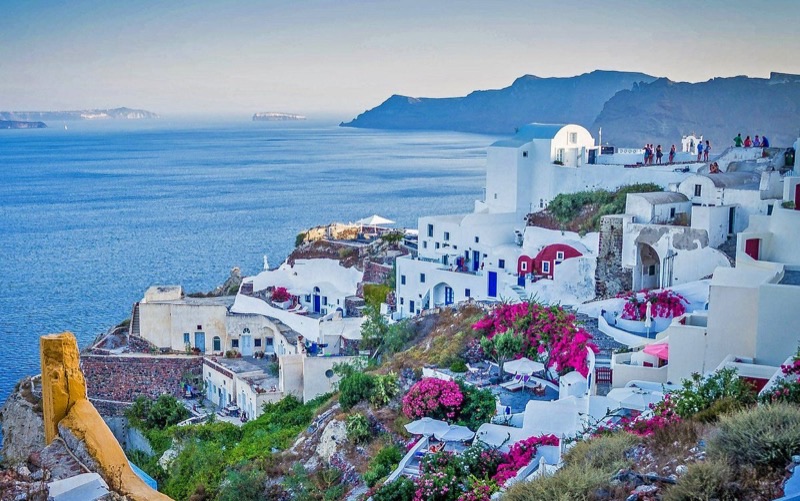
Opt for Greece if you dream of sun-drenched beaches, ancient history, and vibrant nightlife. It's perfect for first-time European travelers and history enthusiasts eager to explore the Acropolis in Athens, island-hop through the Cyclades, or relax on Santorini's iconic shores. While your daily budget might be $70-150, you're investing in unparalleled experiences and well-developed tourism.
Choose Slovakia
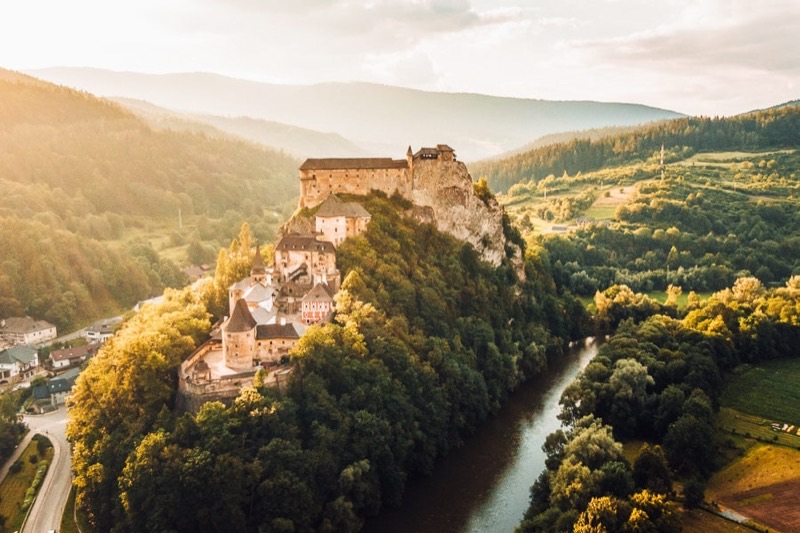
Slovakia is your ideal pick if you crave an adventurous, budget-friendly journey through Central Europe. Best for avid hikers and culture explorers, you can conquer peaks in the High Tatras, marvel at majestic castles like Spiš, and discover Bratislava's charming old town. Enjoy a rewarding, less-crowded experience with a very appealing daily budget of $50-100, stretching your travel funds further.
📊 Visual Scorecard
🌤 When to Visit
Average high temperatures (°C). Green = best months, orange = avoid.
Quick Comparison
| Category | Greece | Slovakia | Winner |
|---|---|---|---|
| Costs & Budget | Generally more expensive, especially islands like Santorini; Athens offers better value. Daily spend $70-150. | Very budget-friendly in Europe. Excellent value for food, accommodation, and activities. Daily spend $50-100. | Slovakia |
| Beaches & Coastline | Hundreds of islands, diverse beaches from black sand to white pebble. Warm, clear Mediterranean waters. | Landlocked country with no ocean access. Rivers and lakes offer swimming but no traditional beach experience. | Greece |
| Culture & History | Ancient Greek civilization, classical ruins, Byzantine churches, mythology. Deep historical layers. | Medieval castles, folk traditions, Communist-era history, Austro-Hungarian influence. Rich Central European heritage. | Greece |
| Food & Drink | Mediterranean diet, fresh seafood, olives, feta, souvlaki, gyros, moussaka. Strong coffee culture. | Hearty Central European cuisine: bryndzové halušky, kapustnica, schnitzel. Good local beer and wine. | Greece |
| Nightlife & Entertainment | Mykonos and Santorini are party hotspots; Athens has diverse bars and clubs. Late nights are common. | Bratislava has a compact but active bar scene. Košice offers some options. Quieter overall. | Greece |
| Nature & Outdoors | Volcanic landscapes (Santorini), diverse hiking (Crete, Peloponnese), caves, gorges. Coastal focus. | High Tatras mountains for hiking and skiing, national parks, caves (Demanovska Cave), thermal springs. Forest and mountain focus. | Slovakia |
| Getting There & Around | Many international airports, extensive ferry network. Car rental advised for mainland. | Bratislava and Košice airports. Good train/bus network. Compact cities for walking. | Tie |
| Accommodation | Wide range from luxury resorts to budget hostels. Often higher prices on popular islands. | Affordable hotels, guesthouses, and hostels. Good value for private rooms in cities. | Slovakia |
| Safety & Solo Travel | Generally safe, but pickpocketing in crowded tourist areas. Solo female travel is common. | Very safe, low crime rates. Easy to navigate alone. Solo travel is well-supported. | Slovakia |
| Weather & Seasons | Hot, dry summers (June-August), mild winters. Best in spring/fall for warmth without extreme heat. | Warm summers (July-August), cold, snowy winters (Dec-Feb). Clear seasonal changes. Best in late spring/early fall. | Greece |
💰 Costs & Budget
Greece can strain a budget, particularly if you aim for the Cycladic islands during peak season. A basic gyros costs around €4-6 ($4.50-6.50), while a sit-down meal with wine can…
Greece
Slovakia
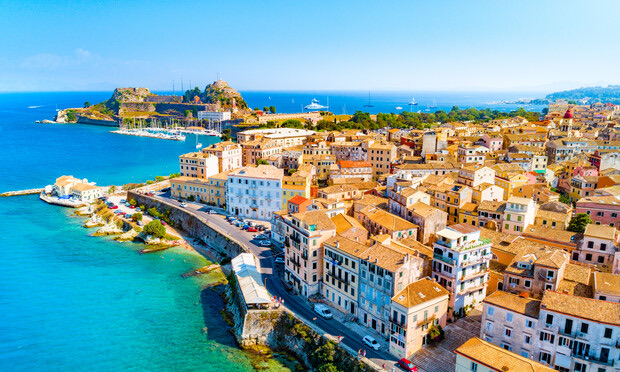
Greece can strain a budget, particularly if you aim for the Cycladic islands during peak season. A basic gyros costs around €4-6 ($4.50-6.50), while a sit-down meal with wine can easily reach €20-30 ($22-33) per person in Athens, doubling on islands like Mykonos. Ferries between islands add significant costs, for example, Athens to Santorini can be €40-80 ($44-88) one way. Accommodation on Santorini often starts at €80-150 ($88-165) for basic rooms, while hostels in Athens might be €25-40 ($28-44).
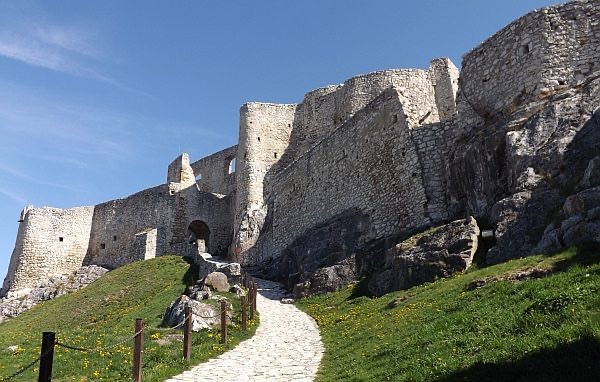
Slovakia offers significantly better value. A main meal in Bratislava's Old Town runs about €8-15 ($9-16.50), and local beers are often €2-3 ($2.20-3.30). Public transport is cheap, with a 24-hour ticket in Bratislava costing €3.50 ($3.85). Hostels in Bratislava are around €15-25 ($16.50-28), and budget hotels often start at €40-60 ($44-66). Activities like castle entries or cable cars in the High Tatras are also priced well below western European norms, typically €5-15 ($5.50-16.50). Slovakia is the clear winner for stretching your travel funds further.
- Winner: Slovakia
- Why: Slovakia provides a considerably lower cost of travel across all categories from food to accommodation and activities.
- Who this matters for: Travelers on a tight budget or those wanting extended trips for less money.
🏖️ Beaches & Coastline
Greece is globally known for its extensive coastline and island networks. Destinations like Elafonisi Beach in Crete feature pink sand, while Myrtos Beach in Kefalonia has bright…
Greece
Slovakia
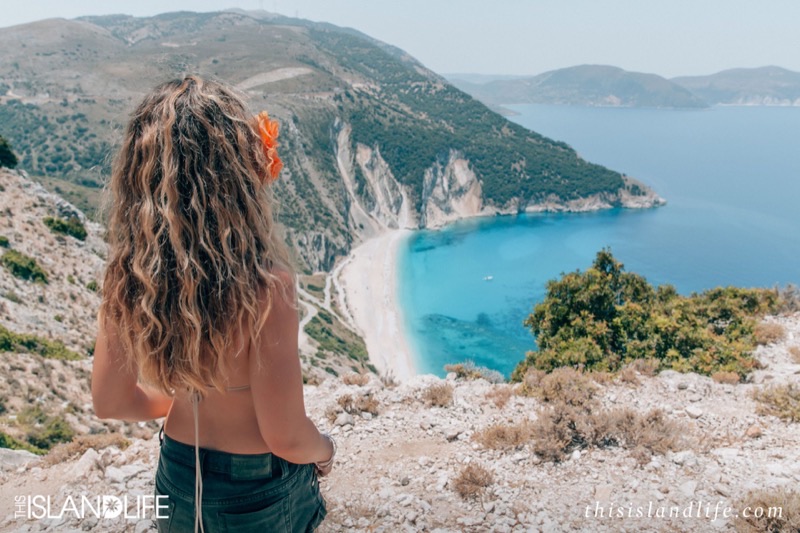
Greece is globally known for its extensive coastline and island networks. Destinations like Elafonisi Beach in Crete feature pink sand, while Myrtos Beach in Kefalonia has bright white pebbles and intense turquoise waters. Santorini's Perissa Beach has black volcanic sand. The Aegean and Ionian Seas are consistently warm from May to October, ideal for swimming, snorkeling, and boat trips. Popular options include renting a scooter on an island to discover secluded coves or taking a catamaran cruise, which can cost €60-150 ($66-165) for a half-day trip.
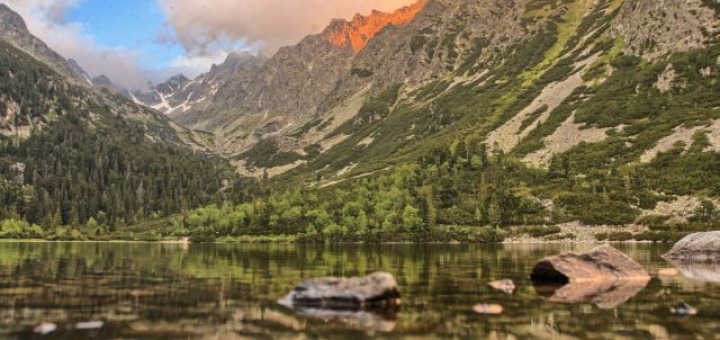
Slovakia, being landlocked, does not offer ocean beaches. While it has lakes and rivers for swimming, like Zlaté Piesky in Bratislava or Liptovská Mara in the Liptov region, these are not comparable to the Greek seaside experience. Some thermal parks, like AquaCity Poprad, have artificial wave pools and recreational areas, but the focus is on wellness and relaxation, not coastal activities. For travelers seeking traditional beach holidays with sun, sand, and sea, Slovakia is not an option. Greece decisively wins this category by offering an unparalleled variety of coastal experiences.
- Winner: Greece
- Why: Greece offers thousands of kilometers of coastline and islands with a wide array of beach types and warm ocean waters.
- Who this matters for: Anyone prioritizing a beach holiday, swimming, or water sports.
🏛️ Culture & History
Greece's historical footprint is immense, dating back millennia. Athens alone offers the Acropolis with the Parthenon (entry €20/$22), the Ancient Agora, and the Acropolis Museum…
Greece
Slovakia
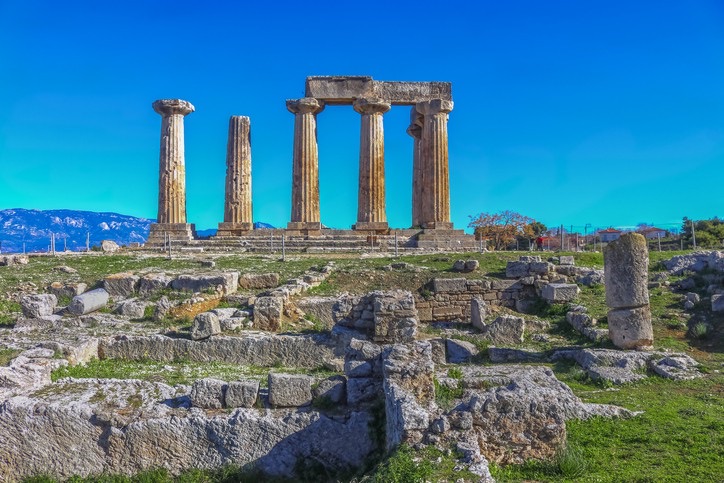
Greece's historical footprint is immense, dating back millennia. Athens alone offers the Acropolis with the Parthenon (entry €20/$22), the Ancient Agora, and the Acropolis Museum (€15/$16.50). Delphi, Mycenae, and Olympia are other archaeological sites that show the foundations of Western civilization. Byzantine monasteries like Meteora (€3/$3.30 per monastery) are also significant. Greek culture is expressed through its Orthodox Christianity, traditional music, and local festivals. Walking through Plaka in Athens gives a sense of the historical layers blending with modern life. The sheer age and global significance of its history make it a profound destination.
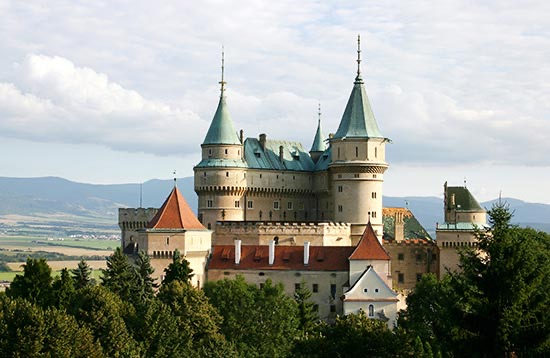
Slovakia's history is shaped by its position in Central Europe, with strong influences from the Austro-Hungarian Empire and later, the Soviet bloc. Bratislava Castle (€10/$11) and Devin Castle (€5/$5.50) offer medieval insights. Košice's St. Elisabeth's Cathedral is a notable Gothic structure. Folk traditions are preserved in rural areas, particularly in places like Čičmany with its painted wooden houses. The country also has a number of spa towns, like Piešťany, which reflect a different facet of European history and wellness culture. While Slovakia offers compelling castles and a distinct Central European narrative, it cannot match the foundational and widespread influence of ancient Greek history. Greece is the clear choice for historical depth and classical heritage.
- Winner: Greece
- Why: Greece is the birthplace of Western civilization, offering ancient ruins and historical sites of unparalleled global significance.
- Who this matters for: History buffs, classical scholars, and those interested in the origins of Western thought and democracy.
🍽️ Food & Drink
Greek cuisine is celebrated for its fresh ingredients and bold flavors. Staples include souvlaki (grilled meat skewers, €3-5/$3.30-5.50), gyros (meat wrapped in pita,…
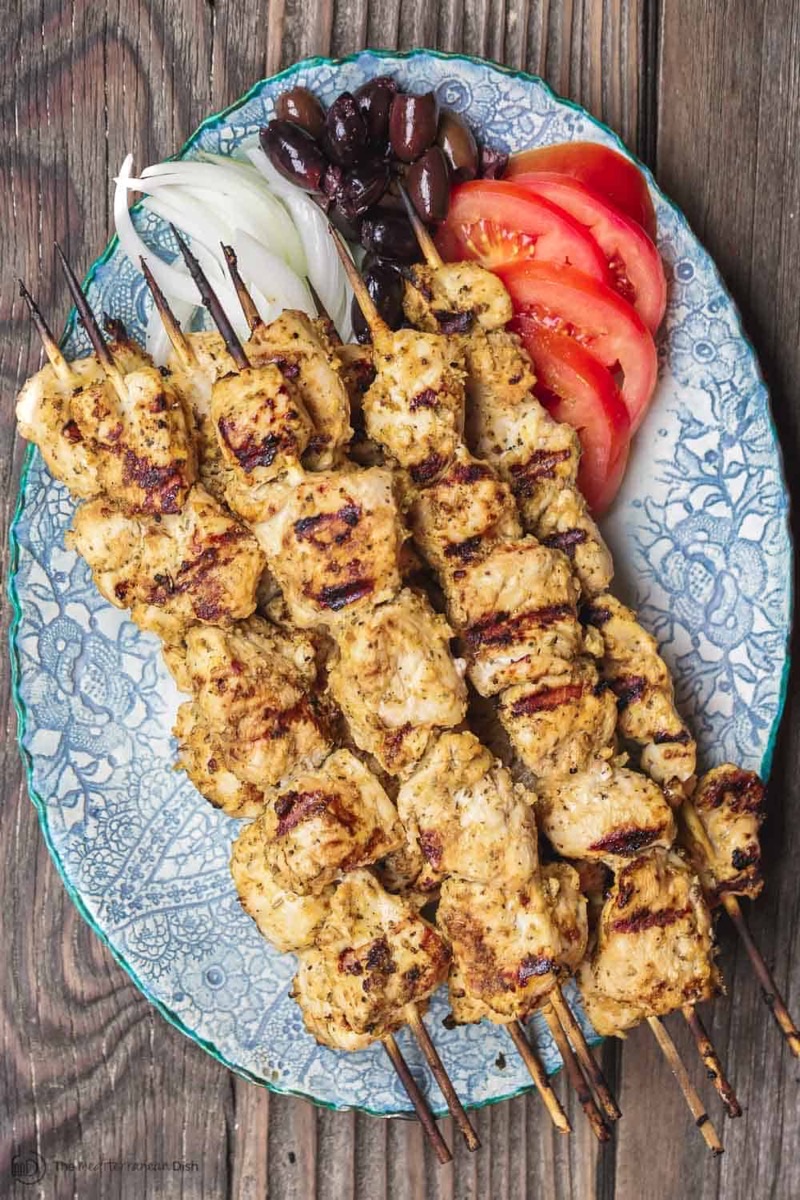
Greece
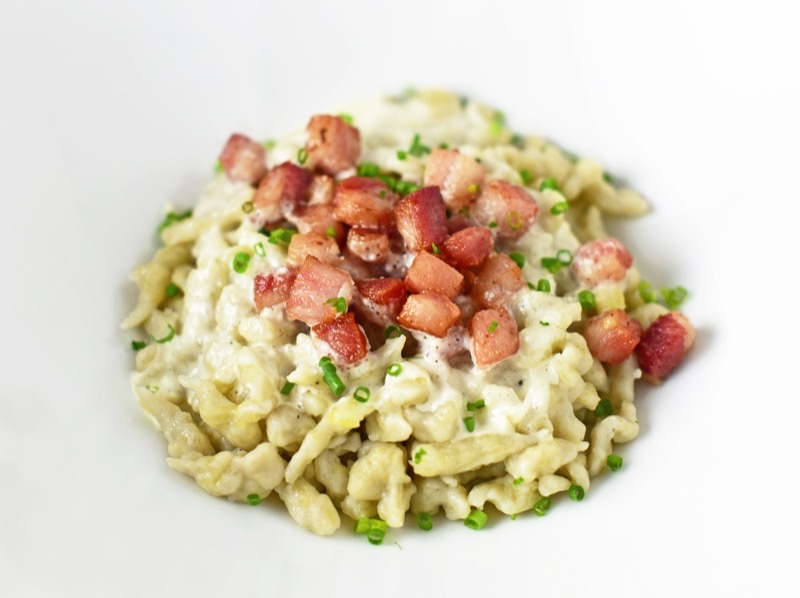
Slovakia
Greek cuisine is celebrated for its fresh ingredients and bold flavors. Staples include souvlaki (grilled meat skewers, €3-5/$3.30-5.50), gyros (meat wrapped in pita, €4-6/$4.50-6.50), and moussaka (layered eggplant dish, €10-15/$11-16.50). Fresh seafood is common on the islands, and salads with local olive oil and feta cheese are everywhere. Traditional tavernas offer a range of mezzes (small plates) ideal for sharing. Local wines, ouzo, and tsipouro are popular drinks. Greek coffee culture is also robust, with freddo espresso and cappuccino freddo being popular cold options. The diversity and widespread appeal of Greek food are undeniable.
Slovak cuisine is characterized by comforting, filling dishes. The national dish is bryndzové halušky (potato dumplings with sheep cheese and bacon, €6-10/$6.60-11). Other common dishes include kapustnica (sauerkraut soup) and various meat dishes, often similar to Czech or Hungarian fare. Kofola is a popular local soft drink, and Slovak beer and regional wines are common. While the food is satisfying and well-suited for colder climates or after a hike, it has less international variety and fewer light options than Greek food. For a broader and more universally appreciated culinary experience, Greece takes the lead.
- Winner: Greece
- Why: Greek food offers greater variety, fresh ingredients, and a widely acclaimed Mediterranean flavor profile.
- Who this matters for: Food enthusiasts and those who appreciate fresh, flavorful, and diverse Mediterranean dishes.
🥳 Nightlife & Entertainment
Greece is a major destination for nightlife, especially on islands like Mykonos and Santorini, which host beach clubs and late-night parties with international DJs. Mykonos clubs…
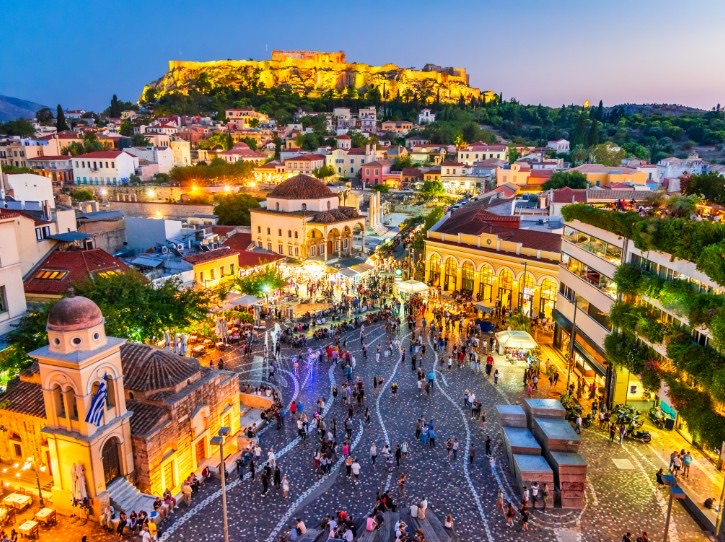
Greece
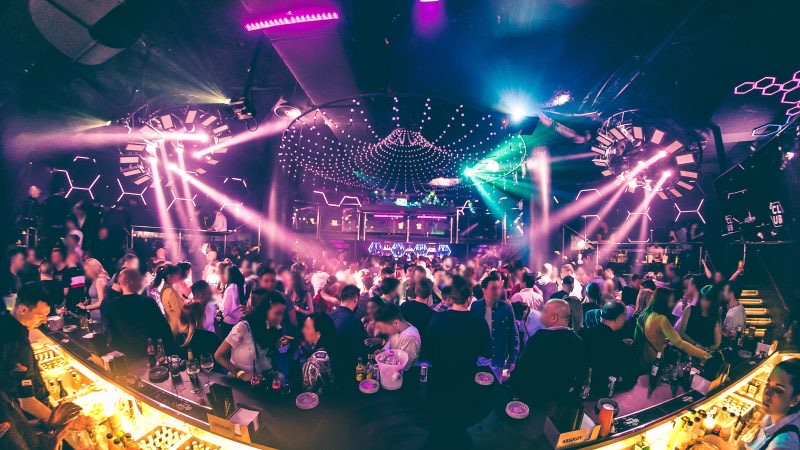
Slovakia
Greece is a major destination for nightlife, especially on islands like Mykonos and Santorini, which host beach clubs and late-night parties with international DJs. Mykonos clubs like Cavo Paradiso often have entry fees of €30-60 ($33-66) for big events. Athens offers a different scene, with lively bar districts like Gazi and Psyrri where drinks cost €8-12 ($9-13). Clubs typically open late and stay busy until the early morning. Even smaller islands have local tavernas and bars that stay open late, providing a relaxed yet social atmosphere. The scale and reputation of Greek nightlife are significant.
Slovakia's nightlife is more concentrated, primarily in Bratislava. The Old Town has numerous pubs and bars where a beer costs €2-4 ($2.20-4.50) and cocktails are €6-10 ($6.60-11). Clubs exist, but they are fewer and cater more to a local crowd compared to Greece's international party scene. Košice also has some bars and student-oriented venues. Outside of these cities, nightlife is generally limited to local pubs. While Bratislava offers a good time, it cannot compete with the sheer volume, variety, and international recognition of Greece's party islands and capital city. Greece wins for overall nightlife options.
- Winner: Greece
- Why: Greece, particularly its islands and Athens, offers a more extensive, diverse, and internationally recognized nightlife and party scene.
- Who this matters for: Party-goers, young travelers, and anyone seeking late-night entertainment and social events.
🏞️ Nature & Outdoors
Greece offers varied natural landscapes beyond its beaches. Crete has the Samaria Gorge, a 16 km hike (€5/$5.50 entry), and the Peloponnese region has mountains and forests.…
Greece offers varied natural landscapes beyond its beaches. Crete has the Samaria Gorge, a 16 km hike (€5/$5.50 entry), and the Peloponnese region has mountains and forests. Santorini's volcanic caldera offers unique geology and sunset views. However, much of Greece's outdoor appeal is tied to its coastline and islands. While hiking is available, it's often secondary to beach activities or historical site visits for most tourists. The heat in summer can also make strenuous outdoor activities challenging.
Slovakia is an excellent destination for nature and outdoor activities, centered around its extensive mountain ranges. The High Tatras are a major draw for hiking in summer and skiing in winter. There are numerous well-marked trails, and cable cars, like those up Lomnický štít (€30-40/$33-44 return), make peaks accessible. Slovak Paradise National Park offers unique canyon hikes with ladders and chains. The country also has numerous impressive caves, such as Demänovská Cave of Liberty (€10/$11). Thermal spas across the country provide a relaxing outdoor element. Slovakia's focus on pristine forests, mountains, and accessible outdoor adventures gives it an edge for active travelers. Slovakia is the clear choice for a diverse and accessible outdoor experience.
- Winner: Slovakia
- Why: Slovakia offers more extensive and diverse mountain-based outdoor activities, including hiking, skiing, and cave exploration.
- Who this matters for: Hikers, skiers, rock climbers, and travelers who prefer mountain and forest landscapes over coastal ones.
✈️ Getting There & Around
Getting to Greece is easy with major international airports in Athens (ATH), Thessaloniki (SKG), and on popular islands like Heraklion (HER) and Santorini (JTR). Direct flights…
Getting to Greece is easy with major international airports in Athens (ATH), Thessaloniki (SKG), and on popular islands like Heraklion (HER) and Santorini (JTR). Direct flights from major European hubs like London (LHR) to Athens are typically 3.5 hours and cost €100-250 ($110-275) return. Once there, the ferry system is extensive but can be slow and subject to delays. Fast ferries from Athens (Piraeus) to Santorini take about 5 hours and cost €50-80 ($55-88). Renting a car on the mainland or larger islands is often recommended (€30-50/$33-55 per day) for flexibility, while ATVs or scooters are popular on smaller islands.
Slovakia has international airports in Bratislava (BTS) and Košice (KSC). Direct flights from London to Bratislava are typically 2 hours and cost €50-150 ($55-165) return. Once in Slovakia, the train and bus networks are efficient and affordable. A train from Bratislava to Košice costs around €15-25 ($16.50-28) and takes 4-5 hours. Cities like Bratislava are walkable, and public transport is inexpensive (€0.70/$0.77 for a single ticket). For reaching mountain areas, a combination of train/bus and potentially a taxi or rental car is needed. Both countries offer good options, but for different travel styles. Greece's island hopping versus Slovakia's efficient land transport results in a tie.
- Winner: Tie
- Why: Both destinations offer efficient ways to arrive and move around, catering to different travel preferences (island hopping vs. land-based exploration).
- Who this matters for: Travelers who prioritize either island connectivity or efficient land-based public transport.
🏨 Accommodation
Greece offers a vast array of accommodation, from simple guesthouses and hostels in Athens (e.g., Athens Backpackers, €25-40/$28-44 per night for a dorm) to luxury resorts in…
Greece offers a vast array of accommodation, from simple guesthouses and hostels in Athens (e.g., Athens Backpackers, €25-40/$28-44 per night for a dorm) to luxury resorts in Santorini (e.g., Canaves Oia Epitome, starting at €500+/$550+). Mid-range hotels in Athens might be €60-120 ($66-132), but on popular islands, a basic hotel can easily be €80-150 ($88-165) per night, especially during summer. Airbnbs are common but prices have increased. Booking well in advance is essential for islands during peak season.
Slovakia excels in providing quality accommodation at lower prices. Hostels in Bratislava (e.g., Wild Elephants Hostel) typically cost €15-25 ($16.50-28) per night for a dorm. Budget hotels or guesthouses in the city center are often available for €40-70 ($44-77) per night for a private room. Even in the High Tatras, mountain chalets or hotels are more affordable than comparable European ski resorts, with prices for a comfortable room often in the €60-100 ($66-110) range. The value proposition in Slovakia is consistently higher across all accommodation types. Slovakia is the winner for budget-conscious and value-seeking travelers.
- Winner: Slovakia
- Why: Slovakia consistently offers more affordable and higher-value accommodation options across all categories.
- Who this matters for: Budget travelers, families, and anyone seeking comfortable lodging without overspending.
🧍 Safety & Solo Travel
Greece is generally a safe country for travelers, including solo adventurers. Major tourist areas in Athens, like around the Acropolis or Monastiraki Square, can see opportunistic…
Greece is generally a safe country for travelers, including solo adventurers. Major tourist areas in Athens, like around the Acropolis or Monastiraki Square, can see opportunistic pickpocketing, so vigilance is needed. Scams involving taxis or overcharging in tourist traps are rare but can occur. For solo female travelers, Greece is a common and generally welcoming destination, particularly on the islands. Nightlife is active, and common sense precautions apply. The main concerns are minor theft or inflated prices in highly tourist-centric zones.
Slovakia is considered one of the safest countries in Europe with very low crime rates. Petty crime is minimal, even in larger cities like Bratislava. Solo travelers, including solo females, report feeling very secure, even at night. Public transport is safe and reliable. The general atmosphere is relaxed, and locals are often helpful. Hiking alone in the mountains is safe, though standard precautions for wilderness areas apply. For peace of mind and minimal concerns regarding personal safety, Slovakia stands out. Slovakia is the better option for travelers prioritizing safety and a hassle-free solo experience.
- Winner: Slovakia
- Why: Slovakia has lower crime rates and a general atmosphere of security, making it particularly appealing for solo travelers.
- Who this matters for: Solo travelers, first-time international travelers, and anyone prioritizing personal safety and security.
☀️ Weather & Seasons
Greece experiences a Mediterranean climate. Summers (June-August) are hot and dry, with average temperatures in Athens reaching 30-35°C (86-95°F), sometimes higher. This is peak…
Greece experiences a Mediterranean climate. Summers (June-August) are hot and dry, with average temperatures in Athens reaching 30-35°C (86-95°F), sometimes higher. This is peak beach season but can be too hot for extensive sightseeing. Spring (April-May) and Fall (September-October) offer ideal conditions, with pleasant temperatures of 20-28°C (68-82°F) and fewer crowds. Winters (November-March) are mild, especially in the south, but some islands quiet down. For consistent warmth and sunshine, Greece is a reliable choice for a significant portion of the year.
Slovakia has a continental climate with distinct seasons. Summers (July-August) are warm, with average temperatures in Bratislava around 20-25°C (68-77°F), good for hiking. Winters (December-February) are cold and snowy, particularly in the mountains, making it ideal for skiing. Temperatures can drop below freezing, with averages around -5 to 0°C (23-32°F). Spring (April-May) and Fall (September-October) are mild with varying weather, good for city exploration or lower elevation hikes. While Slovakia offers clear seasonal variety for different activities, Greece provides a longer window of consistently warm, sunny weather suitable for general tourism. Greece is the winner for pleasant and predictable warm weather travel.
- Winner: Greece
- Why: Greece offers a longer period of consistently warm and sunny weather, ideal for a traditional Mediterranean holiday.
- Who this matters for: Travelers seeking sun, warmth, and extended periods of comfortable outdoor activity, especially beaches.
🎯 The Decision Framework
Choose Greece If…
- You want to explore ancient ruins like the Acropolis.
- You dream of island hopping with diverse coastal options.
- You prefer consistently warm, sunny weather for your trip.
- You want to enjoy fresh Mediterranean cuisine and seafood.
- You're looking for a lively party scene on islands like Mykonos.
- You enjoy boat trips, swimming, and watersports.
- You appreciate a long history that shaped Western civilization.
- You want easy access to popular, well-established tourist routes.
Choose Slovakia If…
- You are on a strict budget for your European trip.
- You want to hike or ski in impressive mountain ranges like the High Tatras.
- You prefer cooler temperatures or seek a snowy winter experience.
- You enjoy exploring medieval castles and charming Old Towns.
- You seek a destination with a very low crime rate and a sense of security.
- You appreciate hearty Central European comfort food.
- You want to experience thermal spas and wellness culture.
- You prefer fewer crowds and a less tourist-saturated environment.
📅 Sample Itineraries
Weekend in Greece (3 Days)
💡 Purchase a combined Acropolis ticket for €30 if you plan to visit multiple ancient sites in Athens, as it can save on individual entry fees.
Weekend in Slovakia (3 Days)
💡 Consider buying a Bratislava Card (€20 for 24 hours) which offers free public transport and discounts on attractions like the UFO Observation Deck.
One Week in Greece (7 Days)
💡 Book Santorini ferries and accommodation several months in advance, especially for summer, to secure better prices and availability.
One Week in Slovakia (7 Days)
💡 Purchase a Tatra Card for discounts on cable cars, accommodation, and public transport within the High Tatras region, offering good value for extended stays.
❓ Frequently Asked Questions
Which country is more budget-friendly for a week-long trip?
Slovakia is significantly more budget-friendly. A comfortable week in Slovakia might cost €350-700 ($385-770) for accommodation, food, and activities. The same quality of trip in Greece, especially if visiting islands, could easily cost €500-1050 ($550-1155) or more, excluding flights.
What is the typical flight time from major European cities to Greece vs. Slovakia?
From major European hubs like London or Berlin, flights to Athens (Greece) typically take 3 to 3.5 hours. Flights to Bratislava (Slovakia) are shorter, usually around 1.5 to 2 hours. This difference can impact travel time and overall flight cost.
Which destination is better for a beach holiday?
Greece is the clear choice for a beach holiday. With thousands of islands and a vast coastline, it offers diverse beaches from black volcanic sands to white pebbles, and consistently warm Mediterranean waters from May to October. Slovakia is landlocked and has no ocean access.
Are there good hiking opportunities in both countries?
Yes, both offer hiking, but with different focuses. Greece has coastal and island hikes, notably the Samaria Gorge in Crete. Slovakia offers extensive mountain hiking in the High Tatras and national parks like Slovak Paradise, suitable for all skill levels and with cooler temperatures in summer.
What kind of food can I expect in Greece versus Slovakia?
In Greece, expect fresh Mediterranean cuisine with olive oil, feta, souvlaki, gyros, and seafood. Slovakia offers hearty Central European dishes like bryndzové halušky (potato dumplings with sheep cheese) and kapustnica (sauerkraut soup), alongside good local beer.
Is solo female travel safe in Greece and Slovakia?
Both countries are generally safe for solo female travelers. Greece is well-trodden by solo tourists, though minor petty theft can occur in crowded areas. Slovakia boasts lower crime rates overall, with many solo travelers reporting a strong sense of security even in cities at night, making it exceptionally safe.
When is the best time to visit each country for general sightseeing?
For Greece, late spring (April-May) and early fall (September-October) offer pleasant temperatures (20-28°C) and fewer crowds. For Slovakia, late spring (May-June) and early fall (September) are good for city breaks and hiking, with comfortable temperatures (15-25°C).
Which country offers more significant historical sites?
Greece offers sites of greater global historical significance, being the birthplace of Western civilization. The Acropolis, Parthenon, Delphi, and Olympia are foundational. Slovakia has impressive medieval castles like Bratislava Castle and Devin Castle, offering a look into Central European history, but not on the same scale of ancient impact.
Ready to plan your European trip?
Get a free custom itinerary for Greece, Slovakia, or both — built from real traveler insights.
👥 Travelers Also Compared
🎟️ Book Tours & Experiences
Hand-picked tours and activities for both destinations — book with free cancellation
Experiences via Viator — free cancellation on most tours