How we built this comparison
This page combines traveler discussion patterns, published price ranges, flight schedules, and seasonal data to help you decide between Guatemala and Mexico.
- Reviewed 500+ Reddit threads from r/travel, r/solotravel, r/Guatemala, r/MexicoTravel, and r/backpacking.
- Verified costs and logistics against current booking platforms (Booking.com, Hostelworld, ADO, local shuttle services).
- Cross-referenced seasonal patterns and weather data from NOAA and local meteorological services.
⚡ The TL;DR Verdict
For the budget-conscious adventurer seeking deep cultural immersion and stunning nature with a touch of grit, Guatemala is your pick (budget $30-60/day). If you crave diverse experiences, easier travel, renowned cuisine, and a broader range of comforts, Mexico is the winner (budget $50-100+/day).
- Choose Guatemala: Choose Guatemala if you're looking for an authentic, often challenging, but incredibly rewarding cultural and natural adventure on a shoestring budget.
- Choose Mexico: Choose Mexico for its incredible culinary scene, world-class beaches, ancient ruins, vibrant cities, and a wider spectrum of travel comforts and activities.
- Choose Both: Consider doing both if you have 3-4 weeks and want to experience the best of both worlds, perhaps starting in Southern Mexico (e.g., San Cristobal) and crossing into Guatemala.
Quick Comparison
| Category | Guatemala | Mexico | Winner |
|---|---|---|---|
| Costs & Budget | Significantly more affordable, especially for accommodation, food, and local transport. | Generally more expensive, though budget options exist; popular areas like Tulum can be pricey. | Guatemala |
| Culture & History | Rich, vibrant indigenous Mayan culture, ancient ruins like Tikal, and colonial architecture. | Diverse pre-Hispanic civilizations (Aztec, Maya), Spanish colonial cities, and a renowned contemporary art scene. | Tie |
| Nature & Adventure | Volcano hikes, stunning lakes, jungle treks, and unique cave systems. | Diverse landscapes from deserts to jungles, cenotes, vast coastlines, and impressive mountains. | Mexico |
| Food Scene | Hearty, traditional Mayan-influenced cuisine with staples like corn, beans, and stews. | World-renowned, incredibly diverse regional cuisine with flavors from pre-Hispanic to modern gourmet. | Mexico |
| Beaches & Coastlines | Limited options, primarily dark volcanic sand beaches on the Pacific, not comparable to Caribbean shores. | World-class white sand beaches on the Caribbean, stunning Pacific surf spots, and diverse coastal ecosystems. | Mexico |
| Safety & Security | Requires vigilance, particularly in cities and bus terminals; rural areas generally safer. | Perception varies; tourist areas are generally safe, but cartel violence exists in specific regions. | Mexico |
| Getting Around | Reliance on 'chicken buses' and shuttle vans; roads can be challenging, travel is slow. | Extensive network of comfortable intercity buses (ADO), domestic flights, and ride-sharing in cities. | Mexico |
| Accommodation Options | Abundant budget hostels, charming boutique hotels, and guesthouses; fewer luxury options. | Vast range from budget hostels to luxury resorts, boutique hotels, and unique Airbnbs. | Mexico |
| Nightlife & Entertainment | Mellow and social; primarily concentrated in Antigua and around Lake Atitlán's guesthouses. | Vibrant and diverse, from mega-clubs and beach parties to sophisticated cocktail bars and live music venues. | Mexico |
| Solo Travel Experience | Rewarding for adventurous solo travelers, good hostel scene for meeting others, requires more independence. | Easier for first-time solo travelers, well-trodden routes, more English speakers, diverse social opportunities. | Mexico |
💸 Costs & Budget
When it comes to stretching your travel budget, Guatemala is undeniably the champion. You can find hostel beds in places like Antigua or Lake Atitlán for as little as Q75-120 ($10-15 USD) per night, and a hearty street meal (like pupusas or antojitos) will set you back Q15-30 ($2-4 USD). A comfortable daily budget for a backpacker could be around $30-50 USD, including activities and transport. Mexico, while not prohibitively expensive everywhere, certainly demands more. A decent hostel in Mexico City or Oaxaca might be MXN 300-600 ($15-30 USD), and a sit-down meal starts around MXN 100-200 ($5-10 USD). Popular tourist spots like Tulum can see hostel prices soar to $40-60 USD, and meals easily hit $15-25 USD. Activities like cenote tours or visiting Chichen Itza also carry higher entry fees (MXN 533 for Chichen Itza, ~$30 USD). "Seriously, my entire day in Antigua, including a delicious dinner, cost less than a single cocktail in Cancun." This sentiment is common among budget travelers.
Winner takeaway
- Winner: Guatemala
- Why: Guatemala offers a much lower cost of living and travel, making it ideal for long-term or budget-conscious travelers.
- Who this matters for: Budget travelers, backpackers, and those looking to maximize their travel time without breaking the bank.
🏛️ Culture & History
Both countries are absolute powerhouses of culture and history, making this a tough call. Guatemala offers a deeply immersive experience into living Mayan culture, particularly around Lake Atitlán where indigenous traditions are part of daily life. The ancient city of Tikal is a breathtaking Mayan wonder, sprawling and atmospheric, costing Q150 ($20 USD) for entry. Antigua's preserved colonial architecture and cobblestone streets are also a UNESCO gem. Mexico, however, presents an astonishing breadth of historical sites: the grand Aztec capital of Teotihuacán near Mexico City, the iconic Mayan city of Chichen Itza, and the well-preserved colonial cities of Oaxaca and San Miguel de Allende. Oaxaca, in particular, is a cultural hub known for its Zapotec heritage, vibrant arts, and mezcal production. Mexico's museums, like the National Museum of Anthropology in Mexico City (MXN 90, ~$5 USD), are world-class. "Guatemala's living Mayan culture around Lake Atitlan felt so much more 'real' than anything I saw in Mexico, even with the ruins." While Mexico has more monumental, excavated sites, Guatemala offers a more direct connection to contemporary indigenous life.
Winner takeaway
- Winner: Tie
- Why: Both countries offer unparalleled cultural and historical experiences, catering to different facets of pre-Hispanic and colonial heritage.
- Who this matters for: History buffs, anthropologists, and travelers seeking deep cultural immersion.
⛰️ Nature & Adventure
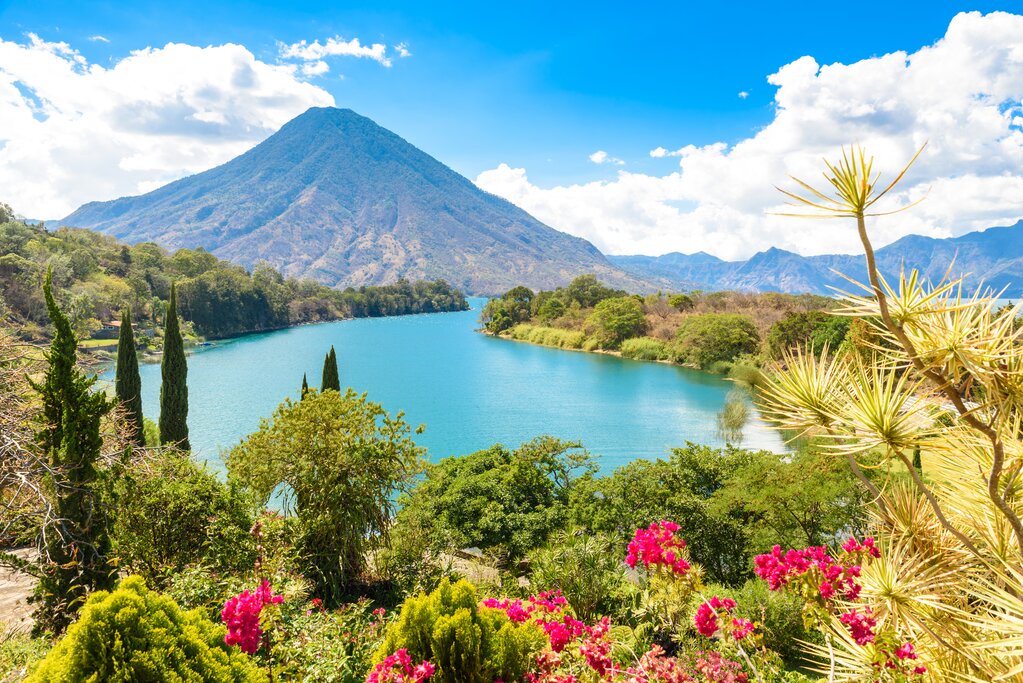
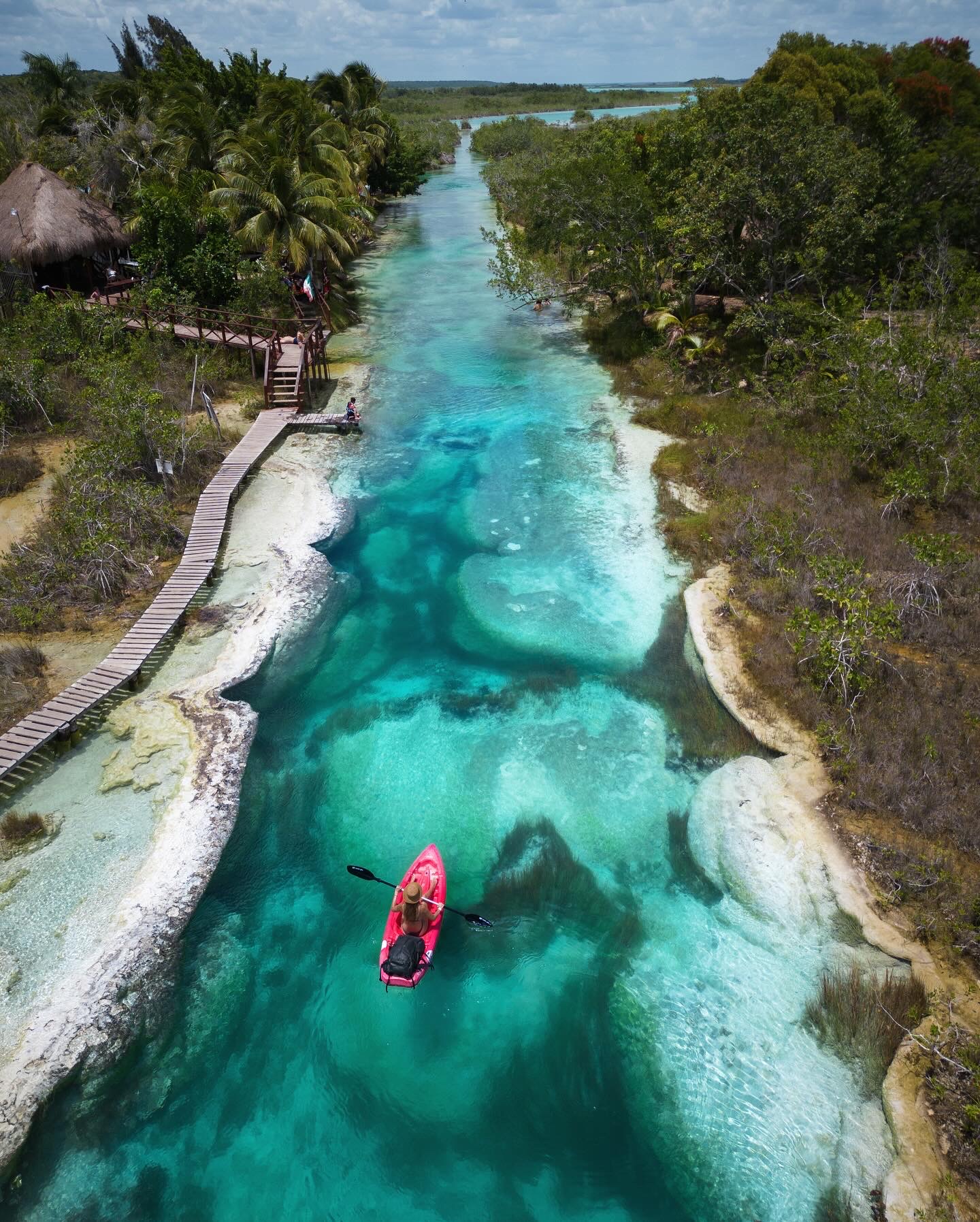
Mexico barely edges out Guatemala here due to its sheer scale and diversity. Guatemala boasts the iconic Lake Atitlán, ringed by volcanoes (San Pedro, Atitlán, Tolimán), offering incredible hiking and kayaking. The trek to see the sunrise over Pacaya volcano (Q200-250 for a guided tour, ~$25-30 USD) is a quintessential experience. Semuc Champey, with its tiered turquoise pools, is another natural marvel, though it requires a significant journey. Mexico, however, offers an unparalleled range: the ethereal underwater caves and sinkholes (cenotes) of the Yucatán Peninsula (entry fees MXN 100-400, ~$5-20 USD), the dramatic Copper Canyon in Chihuahua, the vast deserts of Baja California, and the stunning beaches of Oaxaca and Quintana Roo for surfing, diving, and snorkeling. From exploring the Sian Ka'an Biosphere Reserve (MXN 50, ~$2.50 USD) to climbing Pico de Orizaba, Mexico's natural playground is immense and varied. "The cenotes in Yucatán were mind-blowing, totally unique. Guatemala has beautiful nature, but Mexico's variety is just insane."
Winner takeaway
- Winner: Mexico
- Why: Mexico's geographical diversity offers a broader range of natural landscapes and adventure activities, from deserts to coral reefs.
- Who this matters for: Adventure seekers, nature photographers, divers, surfers, and anyone looking for diverse outdoor activities.
🌮 Food Scene
This isn't even a contest; Mexico takes the crown for its unparalleled food scene. From the humble street taco (starting at MXN 15-20, ~$0.75-1 USD) to Michelin-starred restaurants, Mexican cuisine is a global phenomenon. Each region offers distinct flavors: mole in Oaxaca, cochinita pibil in Yucatán, birria in Jalisco, and seafood along the coasts. Mexico City is a culinary capital, with markets like Mercado de San Juan offering exotic meats and street food stalls serving up tlacoyos and quesadillas. Guatemala's food is delicious but less varied and globally recognized. Staples include pepián (a rich chicken stew), hilachas, and tamales, often served with corn tortillas. While satisfying and comforting, it lacks the complex spices, regional diversity, and innovative culinary scene of Mexico. You can get a great traditional meal in Antigua for Q50-80 ($6-10 USD), but it won't compare to the gastronomic adventure of Mexico. "Don't even get me started on the street food in Oaxaca; it's a game-changer. Guatemala's good, but Mexico is just next-level."
Winner takeaway
- Winner: Mexico
- Why: Mexico boasts one of the world's most acclaimed and diverse culinary traditions, offering an incredible range of flavors and experiences.
- Who this matters for: Foodies, culinary adventurers, and anyone for whom delicious and varied dining is a travel priority.
🏖️ Beaches & Coastlines
Mexico is the undisputed champion when it comes to beaches. The Caribbean coast, particularly Quintana Roo, boasts iconic white sand beaches like those in Tulum, Playa del Carmen, and Isla Holbox, with turquoise waters perfect for swimming, snorkeling, and diving in the Mesoamerican Barrier Reef. Expect to pay for beach club access or find public access points. On the Pacific side, Oaxaca offers vibrant surf towns like Puerto Escondido and Mazunte, known for their laid-back vibes and stunning sunsets. Guatemala's coastline is primarily on the Pacific, featuring dark volcanic sand beaches such as Monterrico. While Monterrico offers a unique charm and is a good spot for sea turtle conservation, it doesn't have the postcard-perfect white sands and crystal-clear waters that Mexico's Caribbean offers. "Mexico's beaches, especially Tulum and Holbox, are just unreal. Guatemala's Monterrico was cool, but it's not the same vibe at all. If you want classic beach paradise, it's Mexico, no contest."
Winner takeaway
- Winner: Mexico
- Why: Mexico offers a far superior and more diverse range of world-class beaches, from Caribbean white sands to Pacific surf breaks.
- Who this matters for: Beach lovers, sun worshippers, surfers, snorkelers, and divers.
🔒 Safety & Security
This is a nuanced category, but Mexico generally feels safer for the average tourist due to better infrastructure and more established tourist zones. While both countries have their issues, Mexico has highly developed tourist corridors (e.g., Yucatán Peninsula, Mexico City historic center) where safety measures are more visible and incidents against tourists are less common. That said, certain regions of Mexico, particularly border states and areas with organized crime activity, should be avoided. Guatemala requires a higher level of general vigilance. Petty crime (pickpocketing, bag snatching) is common in tourist hubs like Antigua and Guatemala City, and chicken bus journeys can be risky at night. However, violent crime against tourists is less frequent in the main tourist circuit (Antigua, Lake Atitlán, Tikal) than often perceived, especially during the day. "I felt pretty safe in Oaxaca and San Cristobal, but you definitely need to be aware of your surroundings in Guatemala, especially after dark in bigger towns." Always follow local advice, use reputable transport, and avoid flashing valuables in both countries.
Winner takeaway
- Winner: Mexico
- Why: Mexico's well-developed tourist infrastructure and concentrated safe zones often make it feel more secure for first-time visitors, despite its own challenges.
- Who this matters for: First-time international travelers, those traveling with families, or individuals seeking a more 'packaged' and less gritty experience.
🚌 Getting Around
Mexico offers significantly more comfortable, reliable, and diverse transportation options. The ADO bus network is fantastic, connecting major cities and tourist destinations with modern, air-conditioned buses that often include WiFi. Prices are reasonable (e.g., Mexico City to Oaxaca around MXN 500-700, ~$25-35 USD for an 8-hour journey). Domestic flights are also plentiful and affordable on airlines like VivaAerobus and Volaris. Within cities, Uber and Didi are widely available and inexpensive. Guatemala's transport is more adventurous. 'Chicken buses' (converted American school buses) are cheap (Q10-30 for short routes, ~$1-4 USD) and offer an authentic, albeit sometimes cramped and slow, experience. Tourist shuttles connect popular spots like Antigua, Lake Atitlán, and Flores (for Tikal) for around Q100-250 ($13-30 USD) per leg. Roads, especially to places like Semuc Champey, can be rough and add significant travel time. "Traveling in Mexico by ADO was a breeze, super comfortable. Guatemala's chicken buses were an experience, but I definitely preferred the efficiency of Mexico's transport."
Winner takeaway
- Winner: Mexico
- Why: Mexico's well-developed transportation infrastructure, including comfortable buses and frequent domestic flights, makes travel much easier and more efficient.
- Who this matters for: Travelers prioritizing comfort and efficiency, those with limited time, and anyone hesitant about rugged local transport.
🏨 Accommodation Options
Mexico wins for the sheer breadth and quality of its accommodation options across all price points. You can find everything from lively party hostels in Cancun (MXN 300-600, ~$15-30 USD) to ultra-luxury resorts in Tulum or Riviera Maya (easily $500+ USD/night). Mexico City boasts an incredible array of boutique hotels, international chains, and stylish Airbnbs. Guatemala offers fantastic value in its budget and mid-range segments. Hostels like Hostal Casa Rustica in Antigua (Q100-150, ~$13-20 USD) are charming and well-located. Beautiful guesthouses and small boutique hotels are common in Antigua and around Lake Atitlán (Q300-800, ~$40-100 USD). However, truly high-end, international-standard luxury options are scarcer outside of specific resorts. For digital nomads, Mexico often provides better co-working spaces and long-term rental options. "Mexico just has *everything* when it comes to places to stay, from cheap hostels with pools to incredible luxury. Guatemala has great charming spots, but the top-tier isn't as common."
Winner takeaway
- Winner: Mexico
- Why: Mexico offers a far wider and more luxurious range of accommodation, catering to every budget and travel style, from basic hostels to five-star resorts.
- Who this matters for: Travelers with varying budgets, luxury seekers, digital nomads, and families needing specific amenities.
🎉 Nightlife & Entertainment
If you're looking for a vibrant nightlife scene, Mexico is your destination. Cities like Mexico City offer an incredible array of options, from chic speakeasies and rooftop bars in Roma Norte to massive clubs with international DJs. The Yucatán Peninsula, especially Cancun and Playa del Carmen, is famous for its resort-style mega-clubs (Coco Bongo entry can be $80-100+ USD) and beach parties. Oaxaca and Guadalajara also have lively scenes with mezcalerias and live music. Guatemala's nightlife is more relaxed and social. Antigua has a decent number of bars and pubs where travelers gather (beers Q20-30, ~$2.50-4 USD), and some hostels host events. Around Lake Atitlán, nightlife is mostly confined to lakeside towns like San Pedro La Laguna, with a few bars catering to backpackers. It's more about chatting with fellow travelers over a few Gallo beers than hitting a dance floor. "Mexico City's nightlife blew me away, so many cool bars and clubs. Guatemala was more about chill vibes at the hostel or a quiet bar, which is fine, but not the same energy."
Winner takeaway
- Winner: Mexico
- Why: Mexico provides a much more extensive and diverse nightlife and entertainment scene, from massive clubs to intimate bars and live music venues.
- Who this matters for: Party-goers, social butterflies, and those who enjoy a lively evening scene with varied options.
🚶♀️ Solo Travel Experience
Mexico is generally easier and more accessible for solo travelers, especially if it's your first time or you prefer a smoother experience. The well-established tourist routes, better infrastructure, and higher prevalence of English speakers in tourist hubs (e.g., Mexico City, Oaxaca, Yucatán) make navigation and socializing simpler. Hostels are plentiful, and it's easy to join tours or meet people. Guatemala is incredibly rewarding for solo travelers seeking a more adventurous and immersive journey, but it requires a bit more grit and Spanish. The hostel scene in Antigua and Lake Atitlán is fantastic for meeting like-minded individuals, and the shared shuttle system makes connecting between popular destinations straightforward. However, traveling off the main circuit can be more challenging, and local transport requires more awareness. "Mexico was super easy solo, always felt safe and met people everywhere. Guatemala was amazing too, but I definitely needed to be more 'on' and my Spanish got a real workout!" Both offer incredible experiences, but Mexico provides a gentler entry point.
Winner takeaway
- Winner: Mexico
- Why: Mexico's extensive tourist infrastructure, ease of transport, and higher English proficiency in tourist areas make it a more straightforward and comfortable choice for solo travelers.
- Who this matters for: First-time solo travelers, those with limited Spanish, and individuals seeking a more convenient and easily social experience.
❓ Frequently Asked Questions
Is Guatemala safe for tourists?
Guatemala requires vigilance, especially in major cities and on local buses. However, the main tourist circuit (Antigua, Lake Atitlán, Flores/Tikal) is generally safe during the day, particularly with organized tours. Petty crime like pickpocketing is the most common issue. Always follow local advice and avoid walking alone at night.
Do I need to speak Spanish in Guatemala or Mexico?
While not strictly mandatory, knowing some basic Spanish will significantly enhance your experience in both countries, especially in Guatemala where English is less common outside of tourist-focused establishments. In Mexico's major tourist hubs, you can often get by with English, but knowing Spanish will open more doors to local interactions and better deals.
What's the best time to visit Guatemala vs Mexico?
The dry season (November to May) is generally ideal for both. For Guatemala, this means clear skies for volcano views and comfortable temperatures. For Mexico, it offers sunny beach weather and pleasant city exploration. The rainy season (June to October) can bring afternoon showers but also lush landscapes and fewer crowds.
Which country is better for families?
Mexico generally offers more family-friendly infrastructure, including resorts with kids' clubs, safer public transport options, and a wider variety of activities catering to different ages, from Mayan ruins to theme parks. Guatemala can be a great adventure for older, more intrepid families, but may present more logistical challenges for younger children.
Can I easily cross the border between Mexico and Guatemala?
Yes, it is possible and relatively common, particularly between Southern Mexico (e.g., San Cristobal de las Casas) and Western Guatemala. You can take a combination of shared shuttles and local buses. Ensure your passport is valid, you have the necessary visas (if applicable), and you complete all immigration procedures on both sides of the border.
How long should I spend in each country?
For Guatemala, a minimum of 10-14 days allows you to visit Antigua, Lake Atitlán, and Tikal comfortably. For Mexico, given its size, 2-3 weeks is a good starting point to explore a single region (e.g., Yucatán Peninsula or Mexico City & Oaxaca), while a month or more is ideal for broader exploration. If doing both, allocate at least 3-4 weeks.
What are the key differences in cuisine?
Mexican cuisine is world-renowned for its incredible regional diversity, complex flavors, and iconic dishes like tacos, mole, and tamales. Guatemalan cuisine is more traditional and hearty, featuring staples like corn, beans, and rice, with popular dishes including pepián (stew) and pupusas. Mexico offers a more adventurous and diverse culinary journey.
Are there any health concerns unique to either country?
Both countries require standard travel vaccinations. In Guatemala, mosquito-borne illnesses like Dengue and Chikungunya are more prevalent, especially in lower-lying areas, so strong insect repellent is a must. Tap water is generally not safe to drink in either country; stick to bottled or filtered water. Food hygiene varies, so be cautious with street food from unverified vendors.
Ready to plan your Central America trip?
Get a free custom itinerary for Guatemala, Mexico, or both — built from real traveler insights.
🎟️ Book Tours & Experiences
Hand-picked tours and activities for both destinations — book with free cancellation
Experiences via Viator — free cancellation on most tours