How we built this comparison
This page combines traveler discussion patterns, published price ranges, flight schedules, and seasonal data to help you decide between Guatemala and United States.
- Reviewed 500+ Reddit threads from r/travel, r/solotravel, r/Guatemala, etc.
- Verified costs and logistics against current booking platforms (e.g., Booking.com, Skyscanner, Hostelworld)
- Cross-referenced seasonal patterns and weather data from NOAA and local tourism boards
⚡ Quick Answers
⚡ The TL;DR Verdict
For most budget-conscious travelers seeking cultural immersion and outdoor pursuits without high prices, Guatemala is the clear choice, offering daily expenses around $30-60 USD. The United States caters to those prioritizing convenience, diverse city experiences, and extensive national park access, but demands a daily budget of $100-200+ USD, often more.
- Choose Guatemala: You are a budget backpacker, cultural explorer, or someone wanting extensive outdoor activity on a minimal spend. You accept slower travel and simpler amenities for big experiences.
- Choose United States: You prioritize modern infrastructure, varied culinary scenes, specific national park visits, or city breaks. You have a larger budget and prefer efficiency and comfort.
- Choose Both: If you have ample time (4+ weeks) and a flexible budget, combine a Central American exploration with a focused trip to one US region. Start with Guatemala for intensity, then decompress in a US city or national park for a different pace.
Choose Guatemala
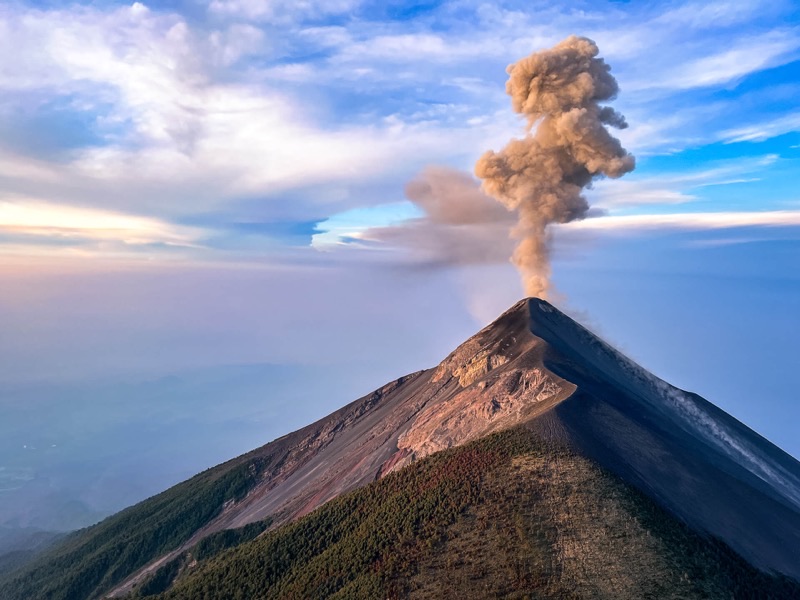
Choose Guatemala if you're a budget-conscious adventurer yearning for deep cultural immersion and breathtaking natural beauty. Explore ancient Mayan ruins at Tikal, trek active volcanoes like Pacaya, or immerse yourself in vibrant Indigenous communities around Lake Atitlán. It's best for travelers seeking authentic, intense experiences and stunning landscapes on a minimal spend.
Choose United States
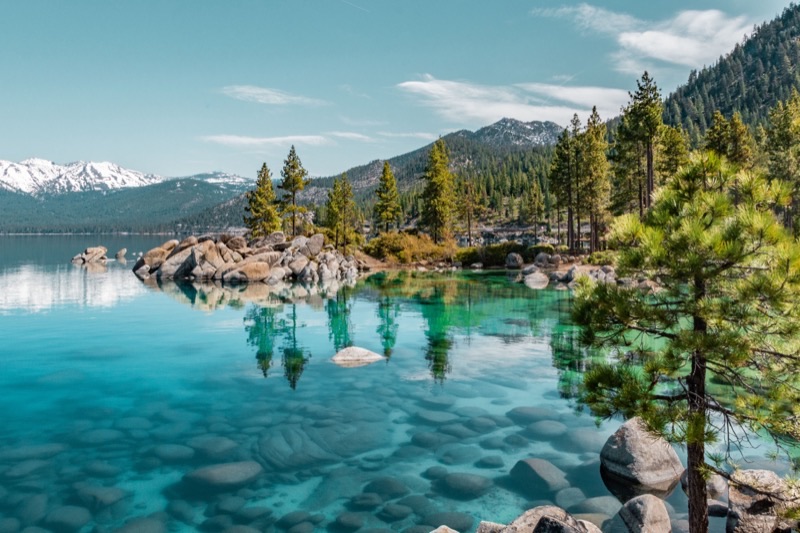
Opt for the United States if you prioritize unparalleled convenience, diverse experiences, and world-class infrastructure. It's perfect for city breaks, from Broadway shows in New York to exploring San Francisco's Golden Gate, or epic road trips through iconic National Parks like the Grand Canyon. Best for those with a larger budget seeking comfort, efficiency, and a wide array of modern amenities.
📊 Visual Scorecard
🌤 When to Visit
Average high temperatures (°C). Green = best months, orange = avoid.
Quick Comparison
| Category | Guatemala | United States | Winner |
|---|---|---|---|
| Costs & Budget | Significantly lower, enabling longer trips for less. Budget travelers can manage on $30-50/day. Mid-range is $70-100/day. | Among the most expensive destinations globally. Even budget travel can reach $80-150/day. Mid-range is $150-300+ daily. | Guatemala |
| Getting There | Direct flights from major US cities to Guatemala City (GUA) are common, 3-5 hours flight time, $300-600 USD round trip. | Extensive domestic and international flight network. Flights within the US can vary greatly, often $150-500 USD for cross-country routes. | United States |
| Getting Around | Dominated by chicken buses and tourist shuttles. Cheap but slow. Renting a car is not recommended for most travelers. | Car ownership and rental is primary. Public transport is good in major cities but sparse elsewhere. | Guatemala |
| Culture & History | Deep Maya heritage, colonial architecture, vibrant indigenous traditions, language schools. Focus on ancient sites and living culture. | Extremely diverse, from indigenous roots to European influences, modern pop culture, and diverse cityscapes. History is more recent. | Guatemala |
| Nature & Scenery | Volcanoes, highland lakes, cloud forests, ancient jungle ruins. Landscapes are dramatic and concentrated. | Vast national parks, diverse ecosystems from deserts to mountains to coastlines. Scale is enormous, requiring long distances. | Tie |
| Food & Drink | Authentic, affordable local cuisine: tortillas, frijoles, plantains, street food. Coffee is excellent. | Global influences, regional specialties (BBQ, tacos, pizza), fine dining to casual. Wide range of choices and prices. | United States |
| Accommodation | Abundance of hostels, guesthouses, and budget hotels. Around $10-50 USD per night. | Hotels, motels, vacation rentals are common. Prices are significantly higher, from $40-80 USD for budget options to $150-300+ for mid-range. | Guatemala |
| Safety & Security | Requires vigilance, particularly in cities and isolated areas. Pickpocketing and petty theft are concerns. Avoid certain zones. | Generally high, especially in tourist areas. Urban areas have typical city issues. Gun violence is a concern in some regions. | United States |
| Solo Travel | Very popular among backpackers. Easy to meet people, well-trodden backpacker trail. Spanish is helpful. | Easy to navigate logistically, but can be isolating and expensive. Requires good planning for social connections. | Guatemala |
| Day Trips & Activities | Abundant and easily arranged. Volcano hikes, lake tours, market visits, coffee farms, ancient ruins. Concentrated options. | Vast range depending on region. City tours, museum visits, outdoor recreation, theme parks. Requires more planning for access. | Guatemala |
💸 Costs & Budget
Guatemala presents a budget travelers dream scenario. A hostel bed in Antigua or Lake Atitlan costs around 75-120 GTQ ($10-15 USD). A filling local meal, like a plato tipico, is…
Guatemala
United States
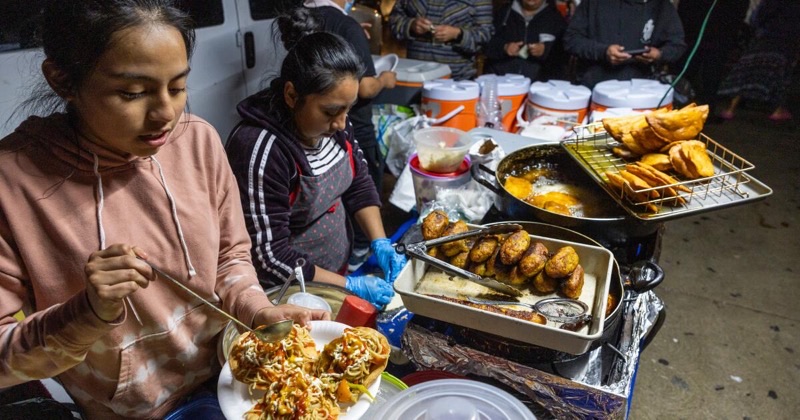
Guatemala presents a budget travelers dream scenario. A hostel bed in Antigua or Lake Atitlan costs around 75-120 GTQ ($10-15 USD). A filling local meal, like a plato tipico, is often 30-50 GTQ ($4-7 USD) at comedors. Local chicken bus rides are 5-20 GTQ ($0.60-2.50 USD) for regional travel. An entire days food can easily be had for 100 GTQ ($13 USD). Activities such as a volcano hike or a Spanish lesson package are also comparatively affordable, with a Pacaya volcano tour often costing 150-250 GTQ ($20-35 USD) including transport.
The United States requires a substantially larger financial outlay. A basic hostel dorm in a city like New York or Los Angeles can be $40-80 USD per night. Eating out, even at a casual diner, typically means $15-30 USD for a single meal, while groceries for a week might run $60-100 USD. Public transport, where available, can be $2.75 USD per ride in NYC, adding up quickly. Car rentals, often essential outside major cities, can cost $40-80 USD per day plus fuel (around $3.50-5.00 USD per gallon). Entry to national parks is typically $30-35 USD per vehicle for a week pass. Tabiji verdict: Guatemala wins overwhelmingly for travelers prioritizing budget stretching and extended stays.
- Winner: Guatemala
- Why: Guatemala offers an order of magnitude lower costs across accommodation, food, and transport, allowing for much longer and deeper travel experiences.
- Who this matters for: Budget backpackers, long-term travelers, and anyone seeking high value for their travel dollar.
✈️ Getting There
Getting to Guatemala is straightforward from many parts of the United States. Major airlines like American, Delta, and United offer daily direct flights from hubs such as Miami…
Guatemala
United States
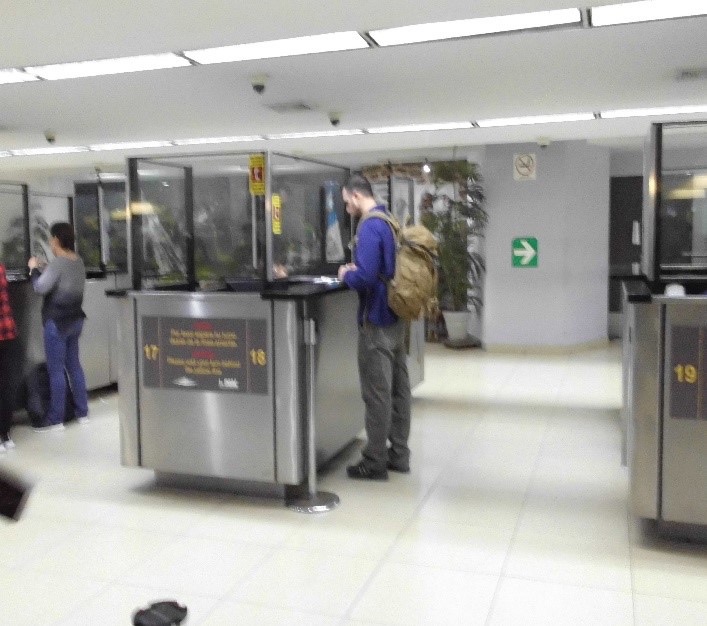
Getting to Guatemala is straightforward from many parts of the United States. Major airlines like American, Delta, and United offer daily direct flights from hubs such as Miami (MIA), Houston (IAH), Atlanta (ATL), and Dallas (DFW) to La Aurora International Airport (GUA) in Guatemala City. Flight times typically range from 3 to 5 hours. A round-trip ticket from a US hub can cost anywhere from $300-600 USD, with cheaper options available during the low season or with advance booking. From Guatemala City, shuttles to Antigua or Lake Atitlan are easily arranged for around 100-200 GTQ ($13-25 USD).
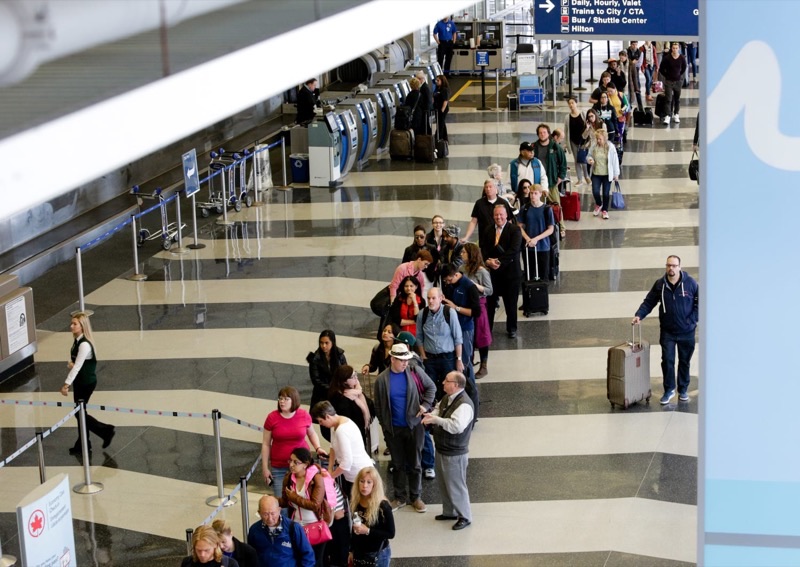
The United States boasts a massive and generally efficient air travel system with thousands of airports. For international visitors, direct flights arrive from nearly every corner of the globe. Domestically, travel between major cities like New York and Los Angeles takes around 5-6 hours by air, with fares ranging from $150-500 USD depending on the airline, route, and booking time. While the sheer volume of options is significant, domestic air travel can be prone to delays and can be costly, especially for last-minute bookings. Tabiji verdict: The US wins due to its expansive internal network and higher frequency of international connections.
- Winner: United States
- Why: The United States offers a more extensive and frequent flight network, both domestically and internationally, making arrival and internal movement simpler.
- Who this matters for: Travelers prioritizing speed, direct flight options, and internal connectivity for multi-city trips.
🚌 Getting Around
Guatemala offers an adventurous approach to local transport centered around its iconic 'chicken buses'. These repurposed American school buses provide a cheap, lively, and truly…
Guatemala
United States
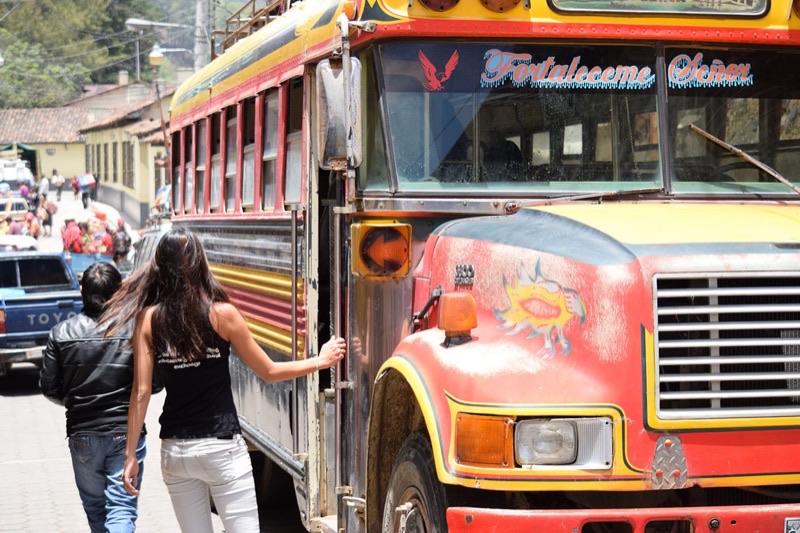
Guatemala offers an adventurous approach to local transport centered around its iconic 'chicken buses'. These repurposed American school buses provide a cheap, lively, and truly local way to get between towns for mere quetzales (e.g., Antigua to Chimaltenango for 10 GTQ, or $1.30 USD). For more comfort and direct routes, tourist shuttles are widely available, connecting popular spots like Antigua, Lake Atitlan, and Semuc Champey. A shuttle from Antigua to Lake Atitlan costs about 100-150 GTQ ($13-20 USD). Within towns like Antigua or Flores, walking is primary, with tuk-tuks available for short distances for around 10-20 GTQ ($1.30-2.50 USD). This system is efficient for backpackers.
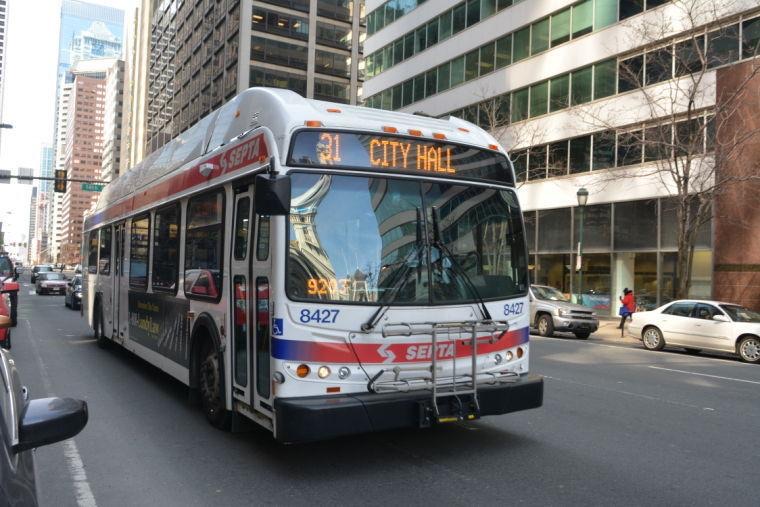
In the United States, personal vehicles are the default mode of transport. Renting a car is almost essential for exploring national parks or smaller towns, with daily rates typically from $40-80 USD, plus significant fuel costs. Major cities like New York, Chicago, and San Francisco have extensive subway or bus networks, with a single ride costing $2.50-3.00 USD. However, outside these metropolitan areas, public transport is often limited or nonexistent. Cross-country travel without flying usually involves expensive long-distance buses (e.g., Greyhound) or Amtrak trains, which are scenic but often slow and costly. Tabiji verdict: Guatemala wins for its accessible, authentic, and budget-friendly local transport that fosters interaction.
- Winner: Guatemala
- Why: Guatemala provides an accessible, inexpensive, and culturally immersive public transport system that is easy for travelers to use without a private car.
- Who this matters for: Budget travelers, those seeking local experiences, and people not wanting to drive themselves.
🗿 Culture & History
Guatemala is a treasure for history and culture enthusiasts, dominated by its ancient Maya legacy and Spanish colonial impact. The site of Tikal, a massive Maya city, offers an…
Guatemala
United States
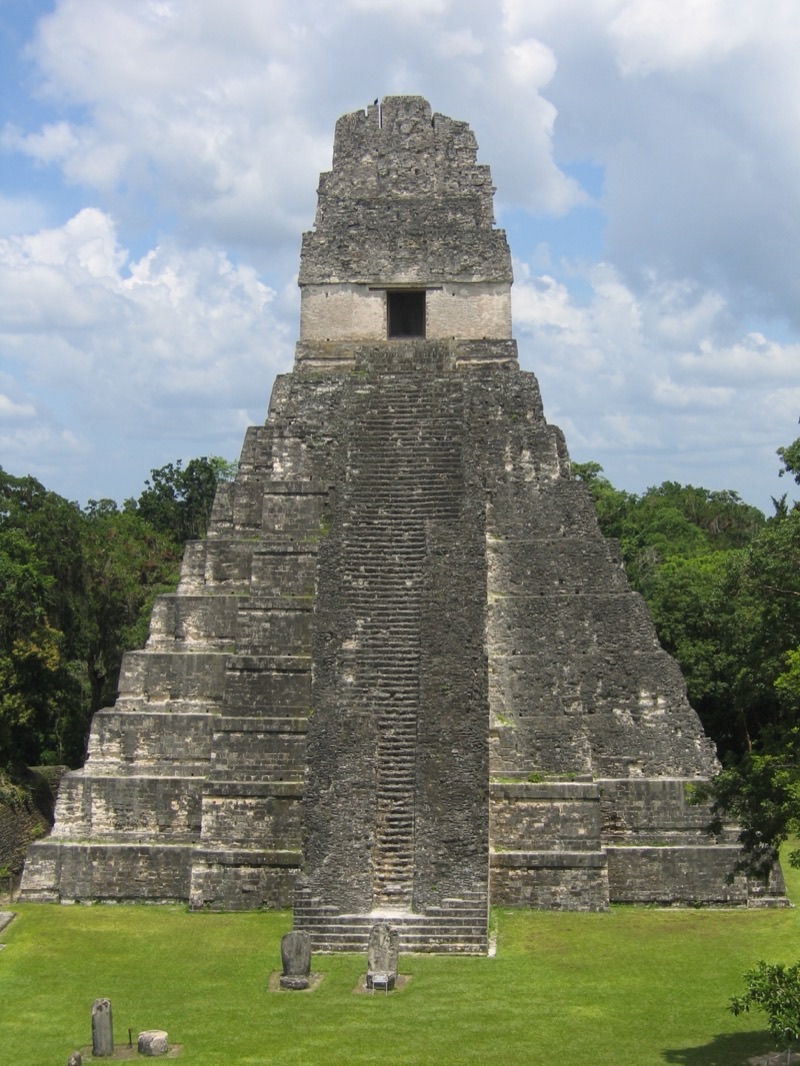
Guatemala is a treasure for history and culture enthusiasts, dominated by its ancient Maya legacy and Spanish colonial impact. The site of Tikal, a massive Maya city, offers an unparalleled experience, with entry around 150 GTQ ($20 USD) for international visitors. Antigua, a UNESCO World Heritage site, is a preserved colonial city with cobbled streets, churches, and monasteries, perfect for walking and immersion. Indigenous Maya traditions are alive and well, particularly around Lake Atitlan and in markets like Chichicastenango, where ancient rituals blend with Catholic practices. Language schools are abundant in Antigua, offering immersive Spanish lessons for around $150-250 USD per week including homestay, a valuable cultural exchange.
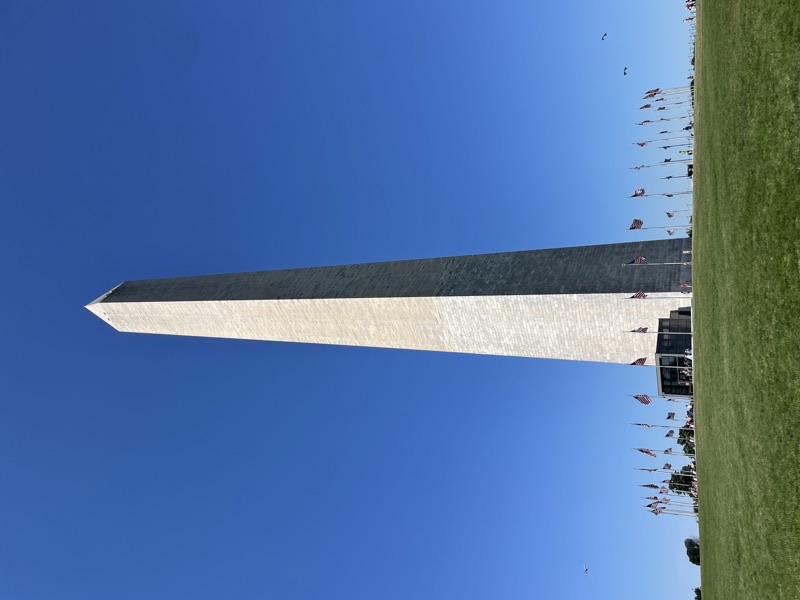
The United States presents a different type of cultural experience, a patchwork of regional identities and global influences. Major cities like New York offer museums (e.g., The Metropolitan Museum of Art, entry $30 USD) and Broadway shows, reflecting modern global culture. Washington DC has numerous free Smithsonian museums detailing American history and science. New Orleans has a distinct Creole and jazz tradition, while the Southwest shows a strong Native American and Mexican influence. However, a cohesive, ancient history as seen in Guatemala is largely absent, with historical sites generally focusing on post-colonial developments like the American Civil War battlefields or early settlements. Tabiji verdict: Guatemala triumphs for its profound ancient history and visible living indigenous cultures that deeply shape daily life.
- Winner: Guatemala
- Why: Guatemala offers a deeper, more tangible connection to ancient civilizations and continuous indigenous traditions, creating a more profound cultural immersion.
- Who this matters for: History buffs, anthropologists, language learners, and those seeking pre-Columbian cultural experiences.
⛰️ Nature & Scenery
Guatemala packs an impressive punch when it comes to nature. Lake Atitlan, encircled by volcanoes and indigenous villages, is a postcard image, offering kayaking, hiking, and boat…
Guatemala
United States
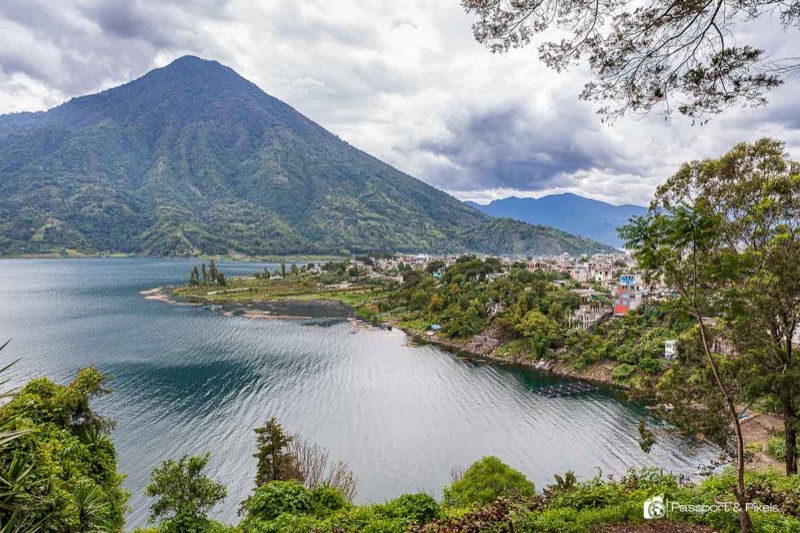
Guatemala packs an impressive punch when it comes to nature. Lake Atitlan, encircled by volcanoes and indigenous villages, is a postcard image, offering kayaking, hiking, and boat tours for 15-20 GTQ ($2-2.50 USD) per village hop. The Pacaya volcano hike (around 100 GTQ or $13 USD for a guide, plus transport) provides direct interaction with an active volcano. Semuc Champey, with its turquoise limestone pools, offers swimming and cave exploration, though reaching it is an adventure itself. The northern Peten region hosts the immense jungle surrounding Tikal, home to howler monkeys and diverse birdlife. The landscapes are often dramatic, compact, and accessible with local transport.
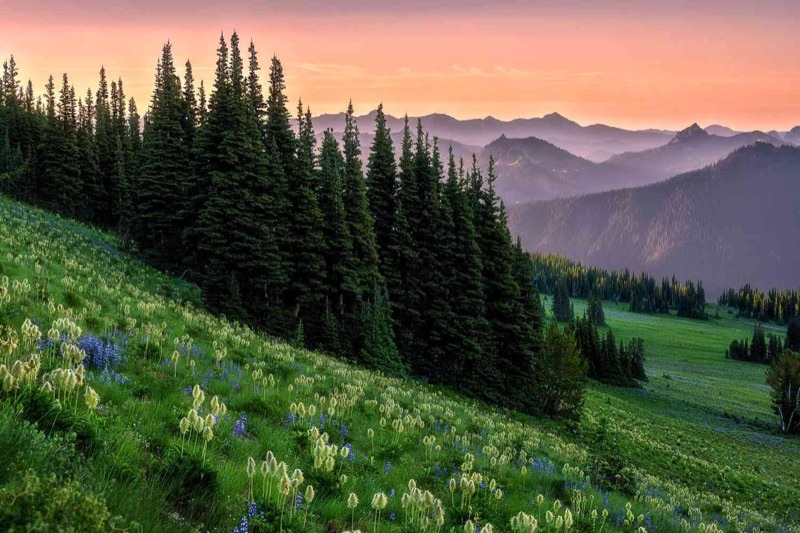
The United States counters with unparalleled scale and diversity in its natural areas. National Parks like the Grand Canyon (entry $35 USD per vehicle), Yellowstone (entry $35 USD per vehicle), and Yosemite (entry $35 USD per vehicle) offer immense, protected landscapes with facilities catering to visitors. From the deserts of Arizona to the Redwood forests of California, the Rocky Mountains, and the Everglades swamps, the variety is immense. However, experiencing this breadth requires significant travel time, often by car, and careful planning. While both offer stunning natural sights, their approach to interaction and scale differs. Tabiji verdict: This category is a tie; Guatemala offers concentrated, accessible intensity, while the US provides vast, diverse, and often more developed natural areas.
- Winner: Tie
- Why: Both countries offer distinct, high-quality natural experiences: Guatemala for its concentrated, accessible drama, and the US for its expansive, diverse, and well-maintained national parks.
- Who this matters for: Any traveler who values outdoor activities; the choice depends on preference for concentrated intensity versus expansive diversity.
🌮 Food & Drink
Guatemalan food is simple, hearty, and locally sourced. Staples include black beans (frijoles), rice, tortillas, and plantains, often served as a plato tipico for 30-50 GTQ ($4-7…
Guatemalan food is simple, hearty, and locally sourced. Staples include black beans (frijoles), rice, tortillas, and plantains, often served as a plato tipico for 30-50 GTQ ($4-7 USD). Street food is inexpensive and common, with pupusas or tamales available for 5-15 GTQ ($0.60-2 USD). Chicken (pollo) is a common protein. The country is renowned for its coffee, particularly from regions like Antigua or Huehuetenango, which can be purchased for around 30-60 GTQ ($4-8 USD) a pound. While good, the culinary variety is less extensive than in other regions, focusing on traditional fare.
The United States offers a huge range of culinary options, driven by its diverse population and regional specialties. From genuine Neapolitan pizza in New York to Texan BBQ (e.g., Franklin Barbecue in Austin), Californian farm-to-table cuisine, or New Orleans Creole dishes, the choices are immense. You can find high-end dining experiences for hundreds of dollars or excellent street food for under $10 USD (e.g., a good taco from a food truck for $3-5 USD). Craft beer, cocktail culture, and specialty coffee are also widespread and highly developed. Tabiji verdict: The United States wins for its sheer breadth of culinary styles, innovation, and quality at every price point, though at a higher cost.
- Winner: United States
- Why: The United States provides an unparalleled diversity of cuisines, dining experiences, and quality, catering to nearly any taste or preference.
- Who this matters for: Foodies, those who appreciate a wide range of international and regional dishes, and travelers who prioritize dining as a central part of their trip.
🛌 Accommodation
Guatemala caters exceptionally well to budget and mid-range travelers. Hostels in popular areas like Antigua (e.g., Hostal Antigua) or Panajachel (e.g., Hotel Posada de Don…
Guatemala caters exceptionally well to budget and mid-range travelers. Hostels in popular areas like Antigua (e.g., Hostal Antigua) or Panajachel (e.g., Hotel Posada de Don Rodrigo) offer dorm beds for 75-120 GTQ ($10-15 USD) and private rooms for 150-300 GTQ ($20-40 USD). Guesthouses and small hotels provide comfortable, often characterful stays for 300-500 GTQ ($40-65 USD). Many options include breakfast and offer a strong community feel, especially in backpacker hubs. For those seeking basic amenities, even cheaper local hotels can be found in smaller towns.
Accommodation in the United States generally comes at a higher price. Even budget motels, like those found along highways, often start at $60-100 USD per night for a basic room. Hostels, primarily in larger cities, can cost $40-80 USD for a dorm bed (e.g., HI USA hostels). Mid-range hotels in cities or popular tourist areas commonly range from $150-300 USD per night (e.g., a Holiday Inn or a local boutique hotel). Vacation rentals, while offering more space, also reflect these higher prices. The cost for a comfortable, independent stay is significantly higher than in Guatemala. Tabiji verdict: Guatemala is the clear winner for accommodation value, allowing travelers to stretch their budget much further.
- Winner: Guatemala
- Why: Guatemala offers excellent value for accommodation, with comfortable and well-located options available at a fraction of the cost found in the United States.
- Who this matters for: Budget-conscious travelers, backpackers, and anyone seeking affordable private rooms without sacrificing location or comfort.
🚨 Safety & Security
Safety in Guatemala requires awareness and common sense. Petty crime, such as pickpocketing and bag snatching, is prevalent in crowded areas like markets and bus stations,…
Safety in Guatemala requires awareness and common sense. Petty crime, such as pickpocketing and bag snatching, is prevalent in crowded areas like markets and bus stations, especially in Guatemala City and sometimes around Lake Atitlan. Armed robberies, though less common for tourists, can occur in more isolated areas or after dark. Travelers should avoid walking alone at night, displaying valuables, and using ATMs in secluded spots. Tourist shuttles are generally safer than chicken buses for inter-city travel. Most popular tourist destinations like Antigua, Panajachel, and Flores have a noticeable police presence, and tourist police (PoliTur) are available.
The United States is generally considered safe for travelers, particularly in major tourist destinations and affluent suburban areas. Violent crime rates vary significantly by city and neighborhood, with urban centers having typical issues like petty theft. The most significant safety concern for visitors can be gun violence, though incidents are usually concentrated in specific areas and not typically targeted at tourists. Driving safety is generally good, but road conditions vary. Natural disasters like hurricanes, wildfires, or tornadoes are regional concerns. Tabiji verdict: The United States provides a higher general level of personal security and lower risk of common travel-related crime.
- Winner: United States
- Why: The United States offers a generally higher degree of personal safety and less prevalent petty crime targeting tourists compared to Guatemala.
- Who this matters for: Solo female travelers, first-time international travelers, families, and anyone prioritizing a lower-stress travel experience regarding personal security.
🚶♀️ Solo Travel
Guatemala is a fantastic destination for solo travelers, particularly backpackers. There is a very established 'gringo trail' that connects Antigua, Lake Atitlan, and Semuc…
Guatemala is a fantastic destination for solo travelers, particularly backpackers. There is a very established 'gringo trail' that connects Antigua, Lake Atitlan, and Semuc Champey, making it simple to meet other travelers in hostels and shared shuttles. The prevalence of Spanish language schools also creates social hubs where solo travelers connect and form groups for activities. Many tours cater to single participants. While vigilance for personal safety is advised, the overall experience of traveling alone here is enriching and offers ample opportunities for connection and shared adventures. You will rarely feel truly alone here.
Solo travel in the United States is logistically straightforward but can be isolating and costly. Accommodation, dining, and transport are primarily designed for groups or couples, making individual costs higher. While cities offer endless activities, meeting other travelers casually can be harder outside of specific hostel environments. Exploring national parks alone can be serene but also lacks the camaraderie of shared shuttle rides or hostel common areas. Social interactions often require more intentional effort. Tabiji verdict: Guatemala is the superior choice for solo travelers seeking easy social connections and an affordable, shared adventure experience.
- Winner: Guatemala
- Why: Guatemala offers a robust backpacker network, easy opportunities for social connection, and affordable solo travel, making it a more engaging experience for individuals.
- Who this matters for: Budget solo travelers, those looking to meet other travelers, and individuals seeking cultural exchange through shared experiences.
🏞️ Day Trips & Activities
Guatemala excels in easily accessible and diverse day trips. From Antigua, you can take a half-day hike up Pacaya volcano for around 150-250 GTQ ($20-35 USD) including transport.…
Guatemala excels in easily accessible and diverse day trips. From Antigua, you can take a half-day hike up Pacaya volcano for around 150-250 GTQ ($20-35 USD) including transport. Lake Atitlan offers boat tours visiting various indigenous villages (San Juan, San Pedro, Santiago) for 100-150 GTQ ($13-20 USD) for a full day. A day trip to the Chichicastenango market on Thursday or Sunday is a vibrant cultural experience, with shuttles from Antigua for about 100 GTQ ($13 USD). Coffee farm tours, chocolate making workshops, and cooking classes are also popular, usually costing around 100-250 GTQ ($13-35 USD). The options are concentrated and simple to arrange through any hostel or tour agency.
In the United States, day trip options are incredibly varied but often require a car or more extensive planning. From Los Angeles, a day trip to Disneyland or the beaches of Santa Monica is common, but driving can take hours. From New York, a train to Washington DC (around $50-100 USD round trip) or a bus to the Hamptons are options. National parks often serve as multi-day trips due to their size and distance. Theme parks like Universal Studios or Six Flags are popular but expensive (tickets $100+ USD). While the choices are endless, they are generally more spread out and demand a higher budget and time commitment. Tabiji verdict: Guatemala wins for its concentrated, accessible, and budget-friendly day trip options that are simple to organize.
- Winner: Guatemala
- Why: Guatemala offers a higher density of easily accessible, affordable, and culturally immersive day trips, making it simpler to fill a travel itinerary with varied activities.
- Who this matters for: Travelers who enjoy spontaneous planning, cultural and natural excursions, and maximizing activities without breaking the bank.
🎯 The Decision Framework
Choose Guatemala If…
- You want to spend less than $60 USD per day on average.
- You desire deep cultural immersion with ancient Maya heritage.
- You enjoy outdoor activities like volcano hiking and lake exploration.
- You prefer to travel using local transport and tourist shuttles.
- You are learning Spanish and want to practice.
- You seek an easy place to meet other backpackers and solo travelers.
- You appreciate authentic street food and local markets.
- You are comfortable with basic amenities and slower travel pace.
Choose United States If…
- You have a budget of $150+ USD per day.
- You want access to diverse modern cities with global cuisine.
- You plan to explore expansive national parks and natural wonders.
- You prefer the convenience of driving and modern infrastructure.
- You are interested in contemporary arts, music, and pop culture.
- You prioritize comfort and a wide range of accommodation options.
- You want a generally higher level of personal security.
- You appreciate efficiency and a fast-paced travel experience.
📅 Sample Itineraries
Weekend in Guatemala (3 Days)
💡 Book shuttles between major towns in advance through your accommodation; it saves time and often costs around Q80-100 ($10-13) per route.
Weekend in United States (3 Days)
💡 Utilize public transport like the Metro Rail in Los Angeles for $1.75 per ride to save on parking and ride-sharing costs, especially for central attractions.
One Week in Guatemala (7 Days)
💡 For Tikal, hiring a local guide at the entrance for Q200-300 ($26-39) significantly enhances the experience with historical context and wildlife spotting.
One Week in United States (7 Days)
💡 When planning multi-city trips in the US, booking flights well in advance can secure fares often below $100 between major hubs, significantly reducing travel costs.
❓ Frequently Asked Questions
What is the typical daily budget for a traveler in Guatemala versus the United States?
In Guatemala, a budget traveler can comfortably spend $30-50 USD per day covering hostels, local meals, and transport. For mid-range, expect $70-100 USD daily. In the United States, even budget travel often costs $80-150 USD per day for hostels and casual dining, while mid-range can easily reach $150-300+ USD daily for hotels and varied meals.
How long should I plan for a trip to each country?
For Guatemala, 10-14 days allows you to cover key spots like Antigua, Lake Atitlan, and Tikal without feeling rushed. For the United States, due to its size, focus on a specific region for 7-10 days (e.g., California coast or Northeast cities) to avoid excessive travel time and cost.
Is it easy to get around Guatemala without speaking Spanish?
While Spanish is the official language and helpful for deeper interaction, it is possible to travel Guatemala speaking only English in major tourist areas like Antigua and Lake Atitlan. Many tour operators, hostel staff, and shuttle drivers speak English. Learning a few basic Spanish phrases will significantly enhance your experience.
What are the main safety concerns for travelers in each country?
In Guatemala, petty theft and pickpocketing are concerns, especially in crowded areas; avoid walking alone at night. In the United States, general urban crime is a consideration in some areas, and visitors should be aware of regional variations in gun violence, though it rarely targets tourists directly. Both require awareness.
Which destination is better for outdoor activities like hiking?
Both offer excellent outdoor activities. Guatemala provides accessible volcano hikes (e.g., Pacaya for $20-35 USD tour) and lake activities. The United States has vast national parks (e.g., Grand Canyon, Yosemite, entry $35 USD) with extensive trail networks. Guatemala wins for concentrated, accessible options, while the US offers massive scale.
Can I find vegetarian or vegan food easily in both places?
In Guatemala, traditional cuisine often includes beans, rice, and plantains, making it easy to find vegetarian options. Vegan options require more specific requests. The United States offers extensive vegetarian and vegan dining, especially in major cities, with dedicated restaurants and options available at most eateries, though at a higher price point.
What is the typical flight time from the US to Guatemala?
Direct flights from major US cities to Guatemala City (GUA) typically range from 3 to 5 hours. For example, a flight from Miami (MIA) to GUA is usually around 2.5-3 hours, while from Houston (IAH) it is about 3.5 hours.
Are there good options for learning Spanish in Guatemala?
Yes, Guatemala, particularly Antigua and Lake Atitlan, is renowned for its affordable and immersive Spanish language schools. Many offer one-on-one instruction for around $150-250 USD per week, often including homestay accommodation, making it a popular choice for language learners.
Ready to plan your next trip?
Get a free custom itinerary for Guatemala, United States, or both — built from real traveler insights.
👥 Travelers Also Compared
🎟️ Book Tours & Experiences
Hand-picked tours and activities for both destinations — book with free cancellation
Experiences via Viator — free cancellation on most tours