How we built this comparison
This page combines traveler discussion patterns, published price ranges, flight schedules, and seasonal data to help you decide between Guilin and Zhangjiajie.
- Reviewed 100+ Reddit threads from r/travel, r/solotravel, r/chinatrip, and r/backpacking for authentic traveler experiences and advice.
- Verified costs and logistics against current booking platforms (Trip.com, Ctrip) and official park websites in early 2024.
- Cross-referenced seasonal patterns, weather data, and crowd calendars to provide optimal visiting times and avoid major holidays.
⚡ The TL;DR Verdict
If you're after a more relaxed, culturally rich journey with stunning river cruises and rice terraces, Guilin (daily budget: ~$40-80 USD / 300-600 CNY) is your pick. For the adventurous soul seeking jaw-dropping, unique geological formations and challenging hikes, Zhangjiajie (daily budget: ~$50-100 USD / 350-750 CNY) is an unparalleled experience.
- Choose Guilin: Choose Guilin if you prefer a gentler pace, iconic river scenery, charming towns like Yangshuo, and a blend of nature with easily accessible local culture. Perfect for families or those seeking relaxation.
- Choose Zhangjiajie: Opt for Zhangjiajie if you're an active traveler, a nature enthusiast, or a photographer craving unique, dramatic landscapes that feel out of this world. Be prepared for extensive walking and crowds.
- Choose Both: If you have at least 10-14 days in China and don't mind a domestic flight in between, visiting both offers a spectacular contrast of China's natural beauty – combining the serene with the epic. Fly from Guilin (GUL) to Zhangjiajie (DYG) via a connecting city like Changsha (CSX).
Quick Comparison
| Category | Guilin | Zhangjiajie | Winner |
|---|---|---|---|
| Nature & Scenery | Iconic karst mountains, peaceful Li River cruises, terraced rice fields (Longji). Soothing, picturesque, accessible. | Dramatic sandstone pillars, floating mountains (Wulingyuan), deep gorges, vast national park. Awe-inspiring, challenging, unique. | Zhangjiajie |
| Costs & Budget | Generally more affordable. Cheaper accommodation, food, and transport. Main costs are boat trips. | Higher daily costs due to expensive park entrance fees, multiple cable car rides, and slightly pricier accommodation/food near the park. | Guilin |
| Activities & Adventure | Relaxed river cruises, cycling in Yangshuo, cave exploration, bamboo rafting. Gentle adventures. | Extensive hiking, glass bridge walks, cable car ascents, challenging trails. High-adrenaline experiences. | Zhangjiajie |
| Getting There & Around | Guilin Liangjiang International Airport (GUL). Good train and bus connections to Yangshuo. Easy local transport. | Zhangjiajie Hehua International Airport (DYG). Direct flights less common. Park relies on shuttle buses and cable cars. | Guilin |
| Accommodation | Wide range from budget hostels to boutique hotels in Guilin and charming guesthouses in Yangshuo, often with river views. | Hotels concentrated around Zhangjiajie city and Wulingyuan town. Options range from budget to mid-range, with fewer truly high-end luxury choices. | Guilin |
| Food & Drink | Known for Guilin rice noodles, fresh river fish, and diverse Cantonese-influenced cuisine. Bustling night markets. | Hunan cuisine, famous for its spicy and bold flavors. Local specialties include preserved meats and wild mushrooms. | Guilin |
| Culture & History | Rich history as an ancient city, traditional fishing practices, local minority cultures (Zhuang). | Focus primarily on natural history and geological formations; less traditional cultural sites or ancient history. | Guilin |
| Best Time to Visit | Spring (April-May) and Autumn (Sept-Nov) offer pleasant weather for river cruises and cycling. Summers are hot/humid, winters mild. | Spring (April-May) and Autumn (Sept-Oct) for comfortable hiking temperatures. Summers are very hot, winters can be cold with snow possible. | Tie |
| Accessibility & Family Travel | More relaxed pace, boat trips, cycling on flat terrain. Easier for young children and less mobile travelers. | Physically demanding, many stairs, long walks. Less suitable for very young children or those with mobility issues. | Guilin |
| Solo Travel Experience | Easy to meet other travelers, safe, well-developed tourist infrastructure, variety of budget accommodations. | Safe, but park exploration can feel solitary. Fewer casual social opportunities, more focused on hiking. | Guilin |
🏞️ Nature & Scenery
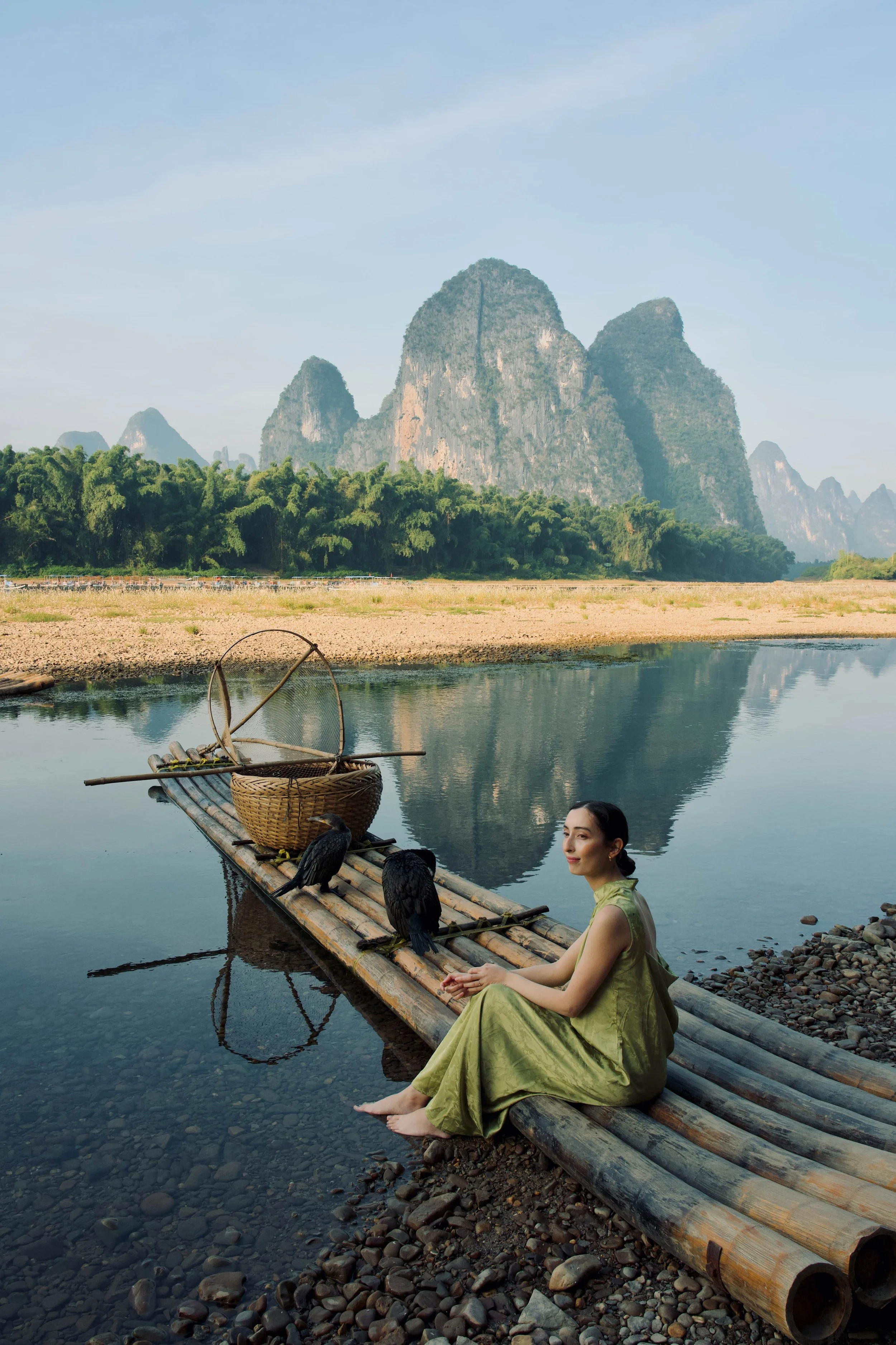
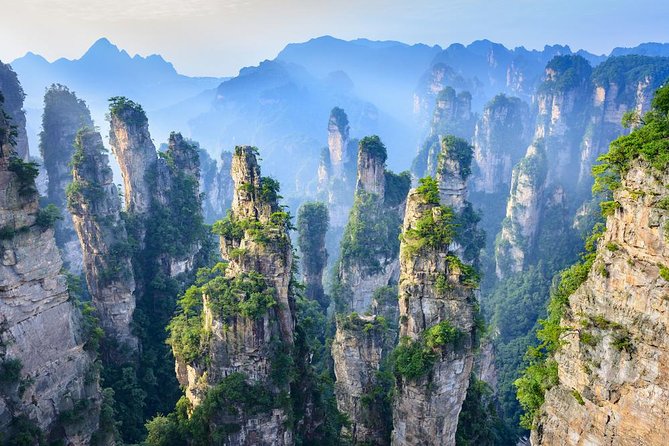
Guilin offers the classic Chinese landscape painting come to life – the serene Li River winding through conical karst peaks, especially beautiful on a boat trip from Guilin to Yangshuo, costing around 200-400 CNY (~$28-55 USD). The Longji Rice Terraces, a popular day trip, are stunning, particularly during planting or harvest seasons. It's a gentle beauty, easily enjoyed by boat or from a riverside cafe. Zhangjiajie, however, elevates natural scenery to an almost mythical level. Wulingyuan National Forest Park, a UNESCO site, features thousands of towering sandstone pillars, famously inspiring the 'Hallelujah Mountains' in Avatar. Exploring requires multiple days (park ticket ~227 CNY for 4 days / ~$31 USD), involving extensive walking, cable cars (e.g., Tianzi Mountain Cableway ~72 CNY), and shuttle buses. It's physically demanding but incredibly rewarding. "Wulingyuan was like being on another planet. My legs were dead after two days, but totally worth it for the views you can't get anywhere else. Guilin was pretty, but Zhangjiajie felt unreal." While Guilin is beautiful, Zhangjiajie's sheer scale and alien topography win for pure visual impact.
Winner takeaway
- Winner: Zhangjiajie
- Why: Zhangjiajie's unique, dramatic, and otherworldly geological formations offer a more awe-inspiring and memorable visual experience.
- Who this matters for: Adventure seekers, photographers, and those craving truly unique natural wonders.
💰 Costs & Budget
Guilin is typically more budget-friendly. You can find hostel dorms for 50-80 CNY (~$7-11 USD) and mid-range hotels for 200-400 CNY (~$28-55 USD) in both Guilin and Yangshuo. Local street food and small restaurants offer delicious meals for 20-50 CNY (~$3-7 USD). The main expenses are the Li River cruise and Longji Terraces day trip (transport + entrance). Overall, a comfortable daily budget could be around 300-600 CNY (~$40-80 USD). Zhangjiajie, while having similar food prices in town, has significantly higher fixed costs. The Wulingyuan National Forest Park entrance fee is 227 CNY (~$31 USD) for a multi-day pass, and you'll likely take several cable cars or elevators, each costing 70-150 CNY (~$10-20 USD) per ride. Accommodation near the park entrance (e.g., Wulingyuan town) tends to be slightly more expensive, with hostels around 60-100 CNY (~$8-14 USD) and hotels 250-500 CNY (~$35-70 USD). "Zhangjiajie definitely ate into my budget more than I expected with all the cable car rides, but I wouldn't skip them – saves so much time and energy." Your daily budget in Zhangjiajie could easily hit 350-750 CNY (~$50-100 USD) or more if you do the Tianmen Mountain tour.
Winner takeaway
- Winner: Guilin
- Why: Guilin offers a more relaxed pace of expenditure, with core attractions being less costly and fewer 'mandatory' high-cost additions.
- Who this matters for: Budget travelers, backpackers, and those looking to stretch their travel funds further.
🧗 Activities & Adventure
Guilin's activities lean towards gentle exploration and scenic enjoyment. The quintessential Li River cruise is a leisurely half-day affair, while cycling through the karst countryside around Yangshuo (bike rentals ~20-50 CNY/day) offers a tranquil way to see the landscape. You can also try bamboo rafting on the Yulong River (around 100-200 CNY) or explore Reed Flute Cave (110 CNY entrance). It’s perfect for those who want beautiful views without extreme exertion. Zhangjiajie, on the other hand, is an adventurer's playground. The primary activity is hiking within Wulingyuan National Forest Park, which offers countless trails, many with thousands of steps. The Glass Bridge at Zhangjiajie Grand Canyon (entrance + bridge ~250 CNY / ~$35 USD) offers a thrilling walk over a deep gorge. Tianmen Mountain National Forest Park (cable car + park ticket ~260 CNY / ~$36 USD) boasts the world's longest cable car, the 'Heaven's Gate' cave, and stomach-lurching cliffside walkways. "My Fitbit went crazy in Zhangjiajie, but every single climb to a viewpoint was absolutely worth it. Guilin was fun, but I didn't feel like I 'conquered' anything there." Zhangjiajie is for those who want to be active and push their limits.
Winner takeaway
- Winner: Zhangjiajie
- Why: Zhangjiajie provides a wider range of physically demanding and thrilling activities, from extensive hiking to walking on glass bridges.
- Who this matters for: Active travelers, thrill-seekers, and those who want to earn their views with some exertion.
✈️ Getting There & Around
Guilin is relatively easy to access and navigate. Guilin Liangjiang International Airport (GUL) has frequent direct flights from major Chinese cities like Shanghai (2.5 hrs, ~700-1200 CNY / ~$95-165 USD) and Beijing (3 hrs, ~800-1500 CNY / ~$110-205 USD). From Guilin, buses to Yangshuo are frequent and cheap (around 30 CNY / ~$4 USD, 1.5 hrs). Within Guilin and Yangshuo, Didi (China's Uber) and local buses are efficient. Getting around for key attractions like the Li River cruise or Longji Terraces is well-organized with tours or public transport. Zhangjiajie Hehua International Airport (DYG) also has flights, but direct routes might be fewer, often requiring a transfer in cities like Changsha. For example, Shanghai to Zhangjiajie is around 2.5-3 hours flying time, costing 800-1400 CNY (~$110-190 USD). "Getting into Wulingyuan town from the airport was a breeze with Didi, but figuring out the park's internal bus system took a minute. Still, felt pretty well connected." Once in Zhangjiajie, getting to the Wulingyuan National Forest Park entrance from Zhangjiajie city involves a 45-minute bus ride (12 CNY). Inside the park, free shuttle buses connect main areas, but you'll rely heavily on costly cable cars and elevators for vertical movement. This multi-layered transport system can be more complex and time-consuming than Guilin's simpler setup.
Winner takeaway
- Winner: Guilin
- Why: Guilin offers more straightforward airport access and simpler, cheaper local transportation options between its main attractions.
- Who this matters for: Travelers prioritizing ease of access and efficient, low-cost internal transit.
🏨 Accommodation
Guilin and especially nearby Yangshuo offer a fantastic array of accommodation options that cater to various budgets and preferences, often with a more scenic or unique flair. In Yangshuo, you can find charming guesthouses right along the Li River or nestled in the karst hills, such as the Yangshuo Sudder Street Guesthouse (250-400 CNY / ~$35-55 USD) offering great views and a relaxed atmosphere. Guilin itself has established hotels like the Guilin Lijiang Waterfall Hotel (500-800 CNY / ~$70-110 USD) or budget-friendly hostels like Wada Hostel (60-90 CNY / ~$8-12 USD). The overall vibe feels more geared towards international tourists, with many places offering English-speaking staff and tour bookings. Zhangjiajie's accommodation is more functional. Most travelers stay either in Zhangjiajie city or, more conveniently, in Wulingyuan town right outside the park entrance. You'll find plenty of mid-range hotels like the Zhangjiajie Pullman Hotel (400-700 CNY / ~$55-95 USD) or more basic guesthouses. "Finding a decent, clean hotel in Wulingyuan was easy, but none of them had that 'boutique' charm like the ones I saw in Yangshuo. It's more about location for the park access." While there are good options, they often lack the unique character or stunning natural integration that many guesthouses in Guilin/Yangshuo provide.
Winner takeaway
- Winner: Guilin
- Why: Guilin and Yangshuo offer more charming, boutique, and scenic accommodation choices, especially in Yangshuo, catering better to diverse traveler preferences.
- Who this matters for: Travelers who appreciate charming guesthouses, boutique hotels, and accommodation with scenic views or unique character.
🍜 Food & Drink
Guilin wins hands down for its culinary scene, primarily due to the ubiquitous and delicious Guilin Rice Noodles (Guilin Mifen), which you can find for as little as 10-15 CNY (~$1.5-2 USD) at local stalls. The region also boasts fresh Li River fish, often steamed with ginger and spring onion, and a variety of dishes influenced by Cantonese cuisine, making it generally less spicy than Hunan. Yangshuo's West Street also offers a vibrant mix of local eateries and international options, creating a fantastic dining experience, from street food to riverside restaurants. "The rice noodles in Guilin were my absolute favorite, I ate them every single day! And Yangshuo had so many great places to try new things." Zhangjiajie is part of Hunan province, famous for its notoriously spicy food. While delicious if you enjoy heat, it can be challenging for those with milder palates. Specialties include preserved pork, wild mushrooms from the mountains, and various chili-infused dishes. Finding non-spicy options can be harder, though tourist areas in Wulingyuan town do cater to broader tastes. Overall, Guilin offers a more universally appealing and diverse food experience.
Winner takeaway
- Winner: Guilin
- Why: Guilin offers a more diverse and universally appealing culinary experience, featuring its famous rice noodles and fresh river fish, with less reliance on extreme spice.
- Who this matters for: Foodies, travelers who prefer varied flavors, and those sensitive to very spicy cuisine.
🏛️ Culture & History
Guilin offers a richer tapestry of culture and history. As an ancient city, Guilin has a long past, evident in sites like Jingjiang Princes' City (entrance ~100 CNY). The Li River embodies traditional fishing culture, with cormorant fishermen still seen, especially at dawn or dusk (often part of tours). The nearby Longji Rice Terraces are not just natural wonders but also showcase the agricultural practices and unique architecture of the Zhuang and Yao minority groups, allowing for cultural interaction. Yangshuo's West Street, while touristy, has historical roots and offers a glimpse into local life evolving with tourism. "I loved seeing the cormorant fishermen on the Li River; it felt like stepping back in time. And the minority villages at Longji were really fascinating." Zhangjiajie's primary appeal is its natural geological history. While there are some temples and pagodas within the parks (like Tianzi Mountain's Tianzi Temple), they are secondary to the landscapes. The focus is overwhelmingly on the unique natural formations rather than human history or traditional cultural practices. There are no significant ancient cities or prominent minority cultural experiences comparable to those around Guilin.
Winner takeaway
- Winner: Guilin
- Why: Guilin provides a deeper connection to historical sites, traditional practices (like cormorant fishing), and accessible minority cultures.
- Who this matters for: Culture vultures, history buffs, and travelers interested in local traditions and ancient heritage.
☀️ Best Time to Visit
Both destinations shine brightest in spring and autumn, but for slightly different reasons. For Guilin and Yangshuo, April-May and September-November are ideal. The weather is pleasantly warm, perfect for Li River cruises, cycling, and exploring the rice terraces without extreme heat or cold. Spring can bring light rain, adding a misty, ethereal quality to the karst mountains. Summers (June-August) are hot and humid, while winters (Dec-March) are mild but can be chilly and foggy. Zhangjiajie also peaks in spring (April-May) and autumn (September-October). These months offer comfortable temperatures for extensive hiking. Spring provides lush greenery, while autumn brings vibrant fall foliage. "I went to Zhangjiajie in October and the weather was absolutely perfect for hiking, clear skies and not too hot. Heard summer can be brutal." Summer (June-August) is very hot, humid, and often crowded, with high chances of rain. Winter (Dec-March) is cold, and snow can sometimes transform the peaks into a stunning, but challenging, landscape, with some attractions potentially closed. Neither destination is truly 'bad' outside these windows, but optimal enjoyment aligns with these periods, making it a tie as both require similar seasonal planning for the best experience.
Winner takeaway
- Winner: Tie
- Why: Both destinations share similar optimal travel seasons (spring and autumn) due to their outdoor-centric attractions, and both face similar challenges in summer and winter.
- Who this matters for: All travelers, as good weather significantly enhances the experience in both outdoor-focused destinations.
👨👩👧👦 Accessibility & Family Travel
Guilin is significantly more family-friendly and accessible for travelers with varying mobility levels. The highlight, a Li River cruise, is a comfortable, seated experience perfect for all ages. Cycling in Yangshuo offers flat routes, and many guesthouses are equipped for families. Even the Reed Flute Cave is easily navigable. The pace is generally relaxed, allowing for spontaneous stops and less rushed exploration. "Guilin was perfect with our kids, they loved the boat trip and cycling in Yangshuo. Zhangjiajie would've been a nightmare with a stroller." Zhangjiajie, while stunning, is challenging. The Wulingyuan National Forest Park involves extensive walking, thousands of stairs, and reliance on cable cars and elevators. While these help, the sheer scale and elevation changes make it tough for very young children, strollers, or individuals with mobility limitations. Tianmen Mountain also involves long cable car rides and cliffside walkways that might be daunting for some. While there are paved paths, reaching the most iconic viewpoints often requires significant physical effort. For a truly relaxing family trip or accessible journey, Guilin is the clear winner.
Winner takeaway
- Winner: Guilin
- Why: Guilin's primary attractions are easily accessible and less physically demanding, making it ideal for families with young children or travelers with mobility concerns.
- Who this matters for: Families with young children, elderly travelers, or anyone seeking a less strenuous and more comfortable travel experience.
🚶♀️ Solo Travel Experience
Guilin and especially Yangshuo are fantastic for solo travelers. Yangshuo's West Street area, in particular, has a vibrant backpacker scene with numerous hostels like the Yangshuo Sudder Street Guesthouse or The Alley Hostel (50-80 CNY / ~$7-11 USD), making it incredibly easy to meet other travelers for shared activities like cycling, rafting, or even a casual drink. English is more commonly spoken in tourist areas, and tour operators are abundant, simplifying logistics. It feels safe and welcoming. "I met so many awesome people in Yangshuo just by staying in a hostel, we ended up biking together for days!" Zhangjiajie is also very safe for solo travelers, but the experience is different. The focus is intensely on exploring the vast national park, which can be a solitary experience unless you intentionally seek out group tours. While hostels exist in Wulingyuan town, the social scene isn't as robust or spontaneous as in Yangshuo. Most solo travelers are there for the hiking, and while you might strike up conversations on a bus or cable car, it's less about communal activities and more about personal exploration. Navigating the park's multiple entrances, buses, and cable cars can also be a bit more complex initially for a solo traveler compared to Guilin's straightforward options.
Winner takeaway
- Winner: Guilin
- Why: Guilin offers a more vibrant social scene for solo travelers, particularly in Yangshuo, making it easier to meet others and share experiences.
- Who this matters for: Solo travelers looking to easily connect with other backpackers and enjoy a social atmosphere.
❓ Frequently Asked Questions
How many days should I allocate for each destination?
For Guilin and Yangshuo, plan 3-4 full days to comfortably enjoy the Li River cruise, explore Yangshuo, and take a day trip to the Longji Rice Terraces. For Zhangjiajie, allow 3-4 full days to adequately explore Wulingyuan National Forest Park and Tianmen Mountain, as it requires extensive hiking and travel within the parks.
Is it easy to get between Guilin and Zhangjiajie?
Direct travel between Guilin and Zhangjiajie is not common. The most efficient way is usually by flying from Guilin (GUL) to Zhangjiajie (DYG), which often involves a layover in a major city like Changsha (CSX). This will take about half a day of travel. Overland options like trains are significantly longer and less convenient.
What are the must-do activities in each place?
In Guilin, a Li River cruise from Guilin to Yangshuo is essential, along with cycling in Yangshuo's countryside and visiting the Longji Rice Terraces. In Zhangjiajie, exploring Wulingyuan National Forest Park (especially Yuanjiajie and Tianzi Mountain) and visiting Tianmen Mountain (with its glass skywalks and 'Heaven's Gate') are absolute musts.
Are these destinations suitable for non-Chinese speakers?
Yes, both destinations are popular with international tourists. In Guilin/Yangshuo, English is more widely spoken in tourist areas and hostels. In Zhangjiajie, while English might be less common among locals, park signage is usually bilingual, and tourist information centers often have English-speaking staff. Translation apps are highly recommended for both.
What's the best way to avoid crowds?
Avoid visiting during Chinese national holidays (e.g., Golden Week in early May and October, Chinese New Year). Arrive at attractions early in the morning, especially at Wulingyuan National Forest Park and Tianmen Mountain in Zhangjiajie. Weekdays are generally less crowded than weekends. Consider visiting during the shoulder seasons (early spring or late autumn).
Are there any specific safety concerns for solo female travelers?
Both Guilin and Zhangjiajie are generally very safe for solo female travelers. Standard precautions apply, such as being aware of your surroundings, especially at night, and safeguarding your belongings. Public transport and Didi are reliable. The main concern might be navigating language barriers, but translation apps help immensely.
Can I see the Avatar Mountains without extensive hiking?
Yes, to a certain extent. In Zhangjiajie's Wulingyuan National Forest Park, there are extensive shuttle bus networks, cable cars (e.g., Tianzi Mountain Cableway), and the Bailong Elevator that can take you to many viewpoints with minimal hiking. However, to truly explore and appreciate the scale of the park, some walking and stair climbing will be unavoidable.
What's the difference between Guilin and Yangshuo?
Guilin is the larger city and main transportation hub, known for Reed Flute Cave and Jingjiang Princes' City. Yangshuo is a smaller, more charming town about 1.5 hours south of Guilin, famous for its intense karst scenery, West Street, and outdoor activities like cycling and rafting. Most travelers use Guilin as an entry point but spend more time in Yangshuo for its more relaxed, scenic vibe.
Ready to plan your China trip?
Get a free custom itinerary for Guilin, Zhangjiajie, or both — built from real traveler insights.
🎟️ Book Tours & Experiences
Hand-picked tours and activities for both destinations — book with free cancellation
Experiences via Viator — free cancellation on most tours