How we built this comparison
This page combines traveler discussion patterns, published price ranges, flight schedules, and seasonal data to help you decide between Haiti and Dominican Republic.
- Reviewed 50+ Reddit threads from r/travel, r/solotravel, r/haiti, r/dominicanrepublic, etc.
- Verified costs and logistics against current booking platforms (Booking.com, Skyscanner, local bus sites)
- Cross-referenced seasonal patterns and weather data from NOAA and local meteorological services
⚡ The TL;DR Verdict
For most travelers seeking a straightforward, relaxing Caribbean vacation with good infrastructure and diverse activities, the Dominican Republic is the clear winner. However, if you're an experienced, adventurous traveler looking for profound cultural immersion, challenging exploration, and don't mind roughing it, Haiti offers an unparalleled, unforgettable experience. Budget-wise, DR can range from $50 (hostel/local) to $200+ (resort) daily, while Haiti often falls in a $70-150 range for independent travel, skewed by higher transport costs.
- Choose Haiti: Choose Haiti if you are an adventurous, culturally curious traveler seeking deep immersion, unique history, and a challenging but profoundly rewarding experience, prioritizing authenticity over comfort and safety.
- Choose Dominican Republic: Pick the Dominican Republic for its accessible, beautiful beaches, established tourism infrastructure, diverse activities from resorts to eco-adventure, and a generally safer, more comfortable travel experience suitable for families, couples, and solo travelers.
- Choose Both: While crossing the land border is possible but complex, consider doing both on separate trips or focusing on one. If combining, allow at least 5-7 days for the DR (e.g., Santo Domingo + a beach town) and 4-6 days for Haiti (e.g., Port-au-Prince + Cap-Haïtien) to truly appreciate their distinct vibes.
Quick Comparison
| Category | Haiti | Dominican Republic | Winner |
|---|---|---|---|
| Safety & Stability | Significantly higher crime rates, political instability, and infrastructure challenges. Travel advisories often recommend reconsidering or avoiding travel. | Generally safer for tourists, especially in resort areas and major cities. Petty crime is common; exercise caution but generally a stable tourist destination. | Dominican Republic |
| Costs & Budget | While local goods are cheap, security and transport costs can quickly escalate. Fewer budget-friendly tourist infrastructure options. | Wide range of options from budget-friendly hostels to luxury resorts. Local transport and food are very affordable; tourist activities vary. | Dominican Republic |
| Beaches & Resorts | Stunning natural beaches exist but are often remote, less developed, and harder to access safely. Limited resort infrastructure outside of Labadee. | World-famous, easily accessible white-sand beaches with extensive resort infrastructure, especially in Punta Cana, Puerto Plata, and Samaná. | Dominican Republic |
| Culture & History | Deeply unique and rich Creole culture, vibrant art scene, Voodoo traditions, and significant revolutionary history. Requires effort to explore. | Rich Spanish colonial history, vibrant merengue and bachata music/dance, baseball culture. Easily accessible museums and historical sites. | Haiti |
| Getting There | Limited international flights, primarily to Port-au-Prince (PAP) or Cap-Haïtien (CAP). Fewer direct routes, often more expensive and less reliable. | Excellent air connectivity with multiple international airports (SDQ, PUJ, POP) offering numerous direct flights from North America and Europe. Generally affordable. | Dominican Republic |
| Getting Around | Challenging infrastructure; private drivers are essential for safety and efficiency. Public transport is unreliable and unsafe for tourists. | Good network of intercity buses, easy access to taxis/Ubers in cities, and rental cars are viable for adventurous drivers. Public transport is generally safe. | Dominican Republic |
| Food & Cuisine | Robust, flavorful Creole cuisine with strong West African influences. Fewer dedicated tourist restaurants, more street food and local eateries. | Flavorful blend of Spanish, Taino, and African influences. Wide variety of restaurants from local 'comedores' to international fine dining. | Dominican Republic |
| Nightlife & Entertainment | Primarily local, informal gatherings. Limited safe options for tourists, especially outside of secure hotel zones. Not a key draw for tourism. | Vibrant and diverse nightlife, from merengue clubs and live music in Santo Domingo to energetic bars and casinos in Punta Cana. Resort entertainment is abundant. | Dominican Republic |
| Nature & Outdoors | Rugged, undeveloped natural beauty, including mountains, waterfalls, and caves. Access is often challenging and requires guides. | Incredibly diverse landscapes, from pristine beaches to alpine forests, deserts, and caves. Well-developed ecotourism and adventure activities. | Dominican Republic |
| Solo Travel | Not recommended for solo, independent travel due to significant safety concerns, lack of infrastructure, and communication barriers. | Generally safe and welcoming for solo travelers, especially in popular tourist areas. Easy to meet others in hostels or on tours. | Dominican Republic |
🚨 Safety & Stability
This is where the two nations diverge most starkly. The Dominican Republic has a well-established tourism sector with dedicated tourist police (POLITUR) in many areas, creating a relatively secure environment for visitors. While petty crime like pickpocketing is a concern in bustling areas like Santo Domingo's Zona Colonial or certain parts of Punta Cana, serious violent crime against tourists is relatively rare. You can comfortably explore cities, take local buses (like Caribe Tours or Expreso Bávaro for around 400-600 DOP / $7-10 USD), and enjoy nightlife with reasonable precautions. Haiti, on the other hand, faces severe challenges including gang violence, kidnappings (even of foreign nationals), and political unrest, especially in Port-au-Prince. Most governments advise against all travel to Haiti due to security risks. Traveling independently is highly discouraged, often requiring private security or trusted local guides/drivers, which can cost $150-300+ USD per day for a driver and vehicle. As one traveler put it on Reddit, "Haiti is not for beginners. You need a fixer, and even then, it's intense. The DR, you can just show up and figure it out." You won't be casually strolling through Port-au-Prince like you might in Santo Domingo.
Winner takeaway
- Winner: Dominican Republic
- Why: The Dominican Republic offers a significantly safer and more stable environment for tourists with established safety protocols, allowing for more relaxed exploration.
- Who this matters for: All travelers, especially families, solo travelers, and those new to the Caribbean.
💰 Costs & Budget
On the surface, Haiti might seem cheaper because local food and markets are incredibly inexpensive; a full meal from a street vendor might be 200-500 HTG ($1.50-4 USD). However, the *total cost* of a safe, functional trip to Haiti often exceeds a comparable DR trip due to security and logistical needs. A decent, secure hotel in Port-au-Prince like The Kinam Hotel might run $100-150 USD/night, and as mentioned, private transport is essential, easily adding $150-300 USD/day. In the Dominican Republic, you can find hostels in Santo Domingo for 800-1500 DOP ($14-25 USD), mid-range hotels for 3000-6000 DOP ($50-100 USD), and all-inclusive resorts from $100-300+ USD/night. Local 'comedores' offer substantial meals for 200-400 DOP ($3.50-7 USD). Intercity buses are efficient and cost-effective (e.g., Santo Domingo to Punta Cana for ~400 DOP / $7 USD). "You can stretch your dollar so much further in DR if you're willing to eat local and use public transport, whereas in Haiti, you're almost forced into pricier options for safety and convenience," a traveler noted. The DR simply offers more control over your budget with more reliable, accessible options at every price point.
Winner takeaway
- Winner: Dominican Republic
- Why: The Dominican Republic provides a much wider range of budget-friendly options for accommodation, food, and transport, allowing travelers to tailor their spending without compromising safety.
- Who this matters for: Budget-conscious travelers, backpackers, and those seeking value for money.
🏖️ Beaches & Resorts
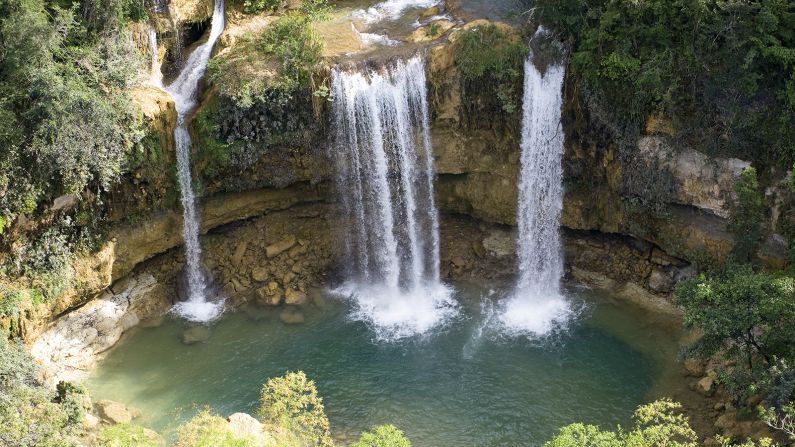
When it comes to the classic Caribbean beach experience, the Dominican Republic is in a league of its own. Destinations like Punta Cana boast miles of pristine, palm-fringed white sands at Bavaro Beach and Macao Beach, backed by hundreds of resorts offering all-inclusive luxury packages. Cabarete is a hub for watersports like kitesurfing and windsurfing, while Samaná Peninsula offers more secluded coves and whale watching. A typical beach day here involves easy access, clear waters, and amenities. Haiti does have incredibly beautiful beaches, such as the remote and stunning Côte des Arcadins, and the famous Bassin Bleu waterfalls near Jacmel, which offer natural pools. However, these are often difficult to reach, lack tourist infrastructure (no beachfront bars, few reliable hotels), and some areas, like those around Port-au-Prince, might have security concerns. The one exception is Labadee, a private resort leased by Royal Caribbean, which is inaccessible to independent travelers. "If you want that postcard beach with a drink in your hand and no worries, DR is it. Haiti's beaches are gorgeous, but it's an expedition, not a casual day trip," observed a forum poster. For the average beachgoer, the DR's convenience and development are unmatched.
Winner takeaway
- Winner: Dominican Republic
- Why: The Dominican Republic offers superior accessibility, infrastructure, and variety of pristine beaches, catering to all types of beach-lovers from luxury resort-goers to watersports enthusiasts.
- Who this matters for: Families, couples, resort seekers, and anyone prioritizing easy access to beautiful, safe beaches.
🏛️ Culture & History
This is Haiti's shining moment, a profound and utterly unique cultural experience forged through revolution and resilience. From the spiritual depth of Haitian Vodou, often misunderstood but central to daily life, to its incredibly vibrant art scene (e.g., Grand Rue artists in Port-au-Prince), and the monumental Citadelle Laferrière and Sans-Souci Palace near Cap-Haïtien – a UNESCO World Heritage site symbolizing the only successful slave revolt in history – Haiti offers an intense, unfiltered cultural immersion. You can visit local markets, witness Vodou ceremonies (respectfully, with a guide), and engage with a people fiercely proud of their heritage. The Dominican Republic also boasts a rich history, particularly the Zona Colonial in Santo Domingo, the oldest permanent European settlement in the Americas, a UNESCO site with stunning architecture and museums (entry fees typically 100-200 DOP / $2-3 USD). Its culture is vibrant with merengue and bachata music filling the streets, and a passionate love for baseball. However, Haiti's culture feels raw, less commodified, and more profoundly impactful. As a seasoned traveler put it, "DR's colonial zone is beautiful, but Haiti's Citadelle feels like history grabbing you by the throat. It's a completely different level of cultural depth and authenticity." If you seek truly transformative cultural encounters, Haiti wins.
Winner takeaway
- Winner: Haiti
- Why: Haiti offers an unparalleled, deeply authentic, and historically significant cultural experience, characterized by its unique Creole heritage, vibrant art, and revolutionary spirit.
- Who this matters for: Cultural enthusiasts, history buffs, academics, and adventurous travelers seeking profound, unfiltered immersion.
✈️ Getting There
Getting to the Dominican Republic is remarkably easy and often quite affordable. Major international airports include Las Américas International Airport (SDQ) near Santo Domingo, Punta Cana International Airport (PUJ), and Gregorio Luperón International Airport (POP) near Puerto Plata. You can find direct flights from most major North American cities (e.g., Miami to SDQ can be $150-300 USD round trip, NYC to PUJ $250-500 USD) and many European capitals. Airlines like American, Delta, JetBlue, and Spirit have frequent services. Haiti's primary international gateway is Toussaint Louverture International Airport (PAP) in Port-au-Prince, with some flights to Cap-Haïtien (CAP). Flight options are significantly fewer, often more expensive, and can be less reliable due to security or operational issues. Direct flights are mainly from a few US cities (e.g., Miami to PAP often $300-600 USD round trip) and limited Caribbean routes. "Booking a flight to DR is like booking a domestic flight, so many options and good prices. Haiti feels like a special operation just to get in and out," remarked a frequent flyer. The ease, affordability, and sheer volume of flight options make the DR a clear winner for accessibility.
Winner takeaway
- Winner: Dominican Republic
- Why: The Dominican Republic boasts far superior international air connectivity with more direct flights, better pricing, and increased reliability, making it much easier to access.
- Who this matters for: All travelers, especially those seeking convenience and competitive flight prices.
🚗 Getting Around
Navigating the Dominican Republic is relatively straightforward. For intercity travel, reputable bus companies like Caribe Tours and Metro Bus offer comfortable, air-conditioned services connecting major cities at very affordable prices (e.g., Santo Domingo to Santiago for around 300 DOP / $5 USD). In cities, taxis are plentiful, and ride-sharing apps like Uber are available in Santo Domingo and Santiago, offering transparent pricing. Rental cars are an option for those comfortable with Caribbean driving, with daily rates around $30-50 USD. Roads vary in quality but are generally manageable. Haiti, in stark contrast, presents significant logistical hurdles. Roads are often in poor condition, signposting is minimal, and public transport (tap-taps, motos) is chaotic, overcrowded, and generally unsafe for tourists, especially outside of specific, secured routes. The prevailing advice is to hire a private driver and vehicle, ideally with local knowledge and security awareness, which is a significant daily expense (often $150-300 USD+). "In the DR, I hopped on a comfortable bus and was in another city in a few hours. In Haiti, every movement was a planned operation, requiring a trusted driver and constant vigilance," a traveler recounted. The DR wins on ease, safety, and affordability of transportation.
Winner takeaway
- Winner: Dominican Republic
- Why: The Dominican Republic offers a reliable, diverse, and safe transportation network, including affordable intercity buses, ride-sharing, and rental car options, making travel much easier and more accessible.
- Who this matters for: Independent travelers, those on a budget, and anyone valuing convenience and safety in transport.
🍽️ Food & Cuisine
Both nations offer delicious food, but the Dominican Republic wins on accessibility, variety, and tourist-friendliness. Dominican cuisine centers around staples like 'La Bandera' (rice, beans, and stewed meat), 'sancocho' (a hearty stew), and 'mofongo' (fried plantain mash). You'll find everything from inexpensive 'comedores' (local eateries serving large portions for 200-400 DOP / $3.50-7 USD) to upscale restaurants in Santo Domingo like Jalao or Pat'e Palo (meals $20-40 USD). Resorts offer international buffets. Haiti's Creole cuisine is incredibly rich and flavorful, characterized by dishes like 'griot' (fried pork), 'tassot' (fried goat), 'riz collé' (rice with beans), and the famous 'soup joumou' (pumpkin soup). Street food is abundant and cheap, but tourist-oriented restaurants are fewer, mostly found in Port-au-Prince (e.g., Quartier Latin or Papaye for $15-30 USD per meal). The challenge in Haiti is often finding safe, hygienic places to eat as a tourist outside of higher-end hotels. "DR food is everywhere, delicious, and easy to find safe options. Haiti's food is amazing, but you need a guide to navigate the best local spots without risking your stomach or safety," a foodie traveler commented. For consistent quality and ease of access, DR takes the edge.
Winner takeaway
- Winner: Dominican Republic
- Why: The Dominican Republic offers a more diverse range of safe, easily accessible dining options from street food to fine dining, catering to all palates and budgets.
- Who this matters for: Foodies, travelers seeking diverse culinary experiences, and those prioritizing food safety and convenience.
🎉 Nightlife & Entertainment
If you're looking for a lively evening out, the Dominican Republic is the place to be. Santo Domingo offers a fantastic nightlife scene, especially in the Zona Colonial, with clubs like El Sartén or live music venues where you can dance to merengue and bachata until the early hours. Drinks are affordable (beers 150-250 DOP / $2.50-4 USD, cocktails 300-500 DOP / $5-8 USD). Punta Cana's resort strip provides countless bars, discos, and casinos (e.g., Coco Bongo offers a show and club experience for around $70-100 USD), along with dedicated resort entertainment. Cabarete on the north coast has a more laid-back, bohemian bar scene. Haiti's nightlife is much more localized and less tourist-friendly. While there are local bars and 'lakou' (courtyard gatherings) where you can experience authentic Haitian music, safety concerns severely limit tourist participation, especially at night. High-end hotels in Port-au-Prince might have their own bars, but venturing out independently is generally not recommended. "The DR is where you go to dance all night, hit casinos, or just chill at a beach bar. Haiti, you're usually back at your hotel by dark, or going to a very specific, pre-arranged local spot," a solo traveler shared. For readily accessible, safe, and diverse entertainment, the DR is the clear victor.
Winner takeaway
- Winner: Dominican Republic
- Why: The Dominican Republic offers a vibrant, safe, and diverse nightlife scene with options ranging from energetic dance clubs and casinos to live music and resort entertainment.
- Who this matters for: Young travelers, party-goers, couples, and anyone seeking evening entertainment and social opportunities.
🏞️ Nature & Outdoors
The Dominican Republic boasts an astonishing range of natural beauty that is also highly accessible for tourism. You can explore the alpine forests and waterfalls (like Salto de Jimenoa) around Jarabacoa, go canyoning or rafting, hike Pico Duarte (the Caribbean's highest peak), explore Los Haitises National Park's mangroves and caves (boat tours around $50-70 USD), or dive in coral reefs off Bayahibe. The variety is immense, and infrastructure for ecotourism is well-developed with tour operators readily available. Haiti also possesses breathtaking natural landscapes, from the remote mountains of the Massif de la Hotte to the stunning Bassin Bleu waterfalls near Jacmel (guide required, small fee around 100 HTG / $0.75 USD, plus guide fee). However, accessing these natural wonders often requires significant logistical planning, off-road vehicles, and local guides for safety. Many areas are largely untouched by tourism infrastructure, making independent exploration difficult and potentially risky. "DR has everything from beaches to mountains, and it's all easy to get to. In Haiti, the nature is wild and incredible, but it feels like you're forging your own path, usually with a lot of help," a nature photographer commented. While Haiti's nature is raw, DR's accessible diversity makes it the winner.
Winner takeaway
- Winner: Dominican Republic
- Why: The Dominican Republic offers a greater diversity of accessible and well-developed natural attractions and outdoor activities, from mountains and waterfalls to coral reefs and national parks.
- Who this matters for: Adventure travelers, eco-tourists, hikers, divers, and families looking for outdoor excursions.
🚶♀️ Solo Travel
For solo travelers, the Dominican Republic is a far more viable and enjoyable destination. Hostels in Santo Domingo (e.g., Island Life Hostel, around 1000 DOP / $17 USD per night) or Cabarete make it easy to meet other travelers. Public transport is reliable, and guided tours (e.g., to Los Haitises National Park for $50-70 USD) offer safe ways to explore. While common-sense precautions are always advised (especially at night), solo female travelers generally feel comfortable. Haiti, on the other hand, is widely considered unsuitable for independent solo travel. The pervasive security risks, language barriers (Haitian Creole is primary, French second), and lack of tourist infrastructure mean that going it alone is exceptionally challenging and potentially dangerous. Most recommendations for Haiti involve traveling with a trusted local guide or as part of an organized tour group. "I've solo traveled all over Latin America, but Haiti felt like a different beast entirely. I wouldn't recommend it without a local contact or a group; the DR, however, was a breeze solo," shared a Reddit user. The ease of navigation, safety, and social opportunities make the DR the unequivocal choice for solo adventurers.
Winner takeaway
- Winner: Dominican Republic
- Why: The Dominican Republic offers a significantly safer, more accessible, and socially engaging environment for solo travelers, with established infrastructure and easy ways to connect with others.
- Who this matters for: Solo travelers of all experience levels, especially solo female travelers and those new to independent international travel.
❓ Frequently Asked Questions
Is it safe to cross the border between Haiti and the Dominican Republic?
While technically possible, crossing the land border is not recommended for tourists. It's often chaotic, involves significant bureaucratic hurdles, and safety can be a concern. It's far easier and safer to fly between the two countries, though direct flights are infrequent.
What is the primary language spoken in each country?
In Haiti, the official languages are Haitian Creole and French. In the Dominican Republic, the official language is Spanish. English is commonly spoken in major tourist areas and resorts in the DR, but much less so in Haiti.
Do I need a visa to visit Haiti or the Dominican Republic?
For US citizens, no visa is typically required for tourist stays in either country (Haiti up to 90 days, DR up to 30 days, though a tourist card for DR is required and usually included in flight cost). Other nationalities should check specific visa requirements based on their passport.
What's the best time of year to visit?
Both countries share a similar climate. The dry season (November to May) is generally considered the best time to visit, with pleasant temperatures and less rain. Hurricane season runs from June to November, peaking in August/September.
What are the local currencies and should I use USD?
Haiti uses the Haitian Gourde (HTG) and the Dominican Republic uses the Dominican Peso (DOP). While USD is widely accepted in major tourist areas and by vendors in the DR, it's always best to have local currency for smaller purchases and better rates. In Haiti, USD is often accepted, but having HTG is still useful.
Are there any eco-tourism opportunities in Haiti?
Yes, Haiti has incredible potential for eco-tourism, particularly around its mountains, caves, and undeveloped coastlines. However, these opportunities are largely undeveloped and require careful planning, local guides, and awareness of safety issues. It's not as accessible as DR's eco-tourism.
Can I drink the tap water in either country?
No, it is strongly advised not to drink tap water in either Haiti or the Dominican Republic. Always stick to bottled water or filtered water to avoid stomach issues. This applies to ice as well, unless you're sure it's made from purified water.
What's the internet connectivity like for digital nomads?
The Dominican Republic offers decent internet connectivity, especially in cities like Santo Domingo and popular tourist hubs like Cabarete, making it a viable option for digital nomads. Haiti's internet infrastructure is significantly less developed and reliable, making it challenging for remote work.
Ready to plan your Caribbean trip?
Get a free custom itinerary for Haiti, Dominican Republic, or both — built from real traveler insights.
🎟️ Book Tours & Experiences
Hand-picked tours and activities for both destinations — book with free cancellation
Experiences via Viator — free cancellation on most tours