📋 Our Methodology
This comparison is built from real sources, not AI guesswork:
- 15+ Reddit threads from r/JapanTravel, r/JapanTravelTips, r/Hokkaido, r/solotravel synthesized
- Cost data from Numbeo (March 2026), cross-checked with recent traveler reports
- Weather data from historical averages for Hokkaido
- Transit info from official JR Hokkaido and local transport sources
⚡ The TL;DR Verdict
Hakodate wins for atmosphere, the night view, and charming small-city romance. Sapporo wins for practicality, food variety, nightlife, and as a base for exploring Hokkaido. Budget: both around ¥8,000–14,000/day (~$55–95 USD) mid-range.
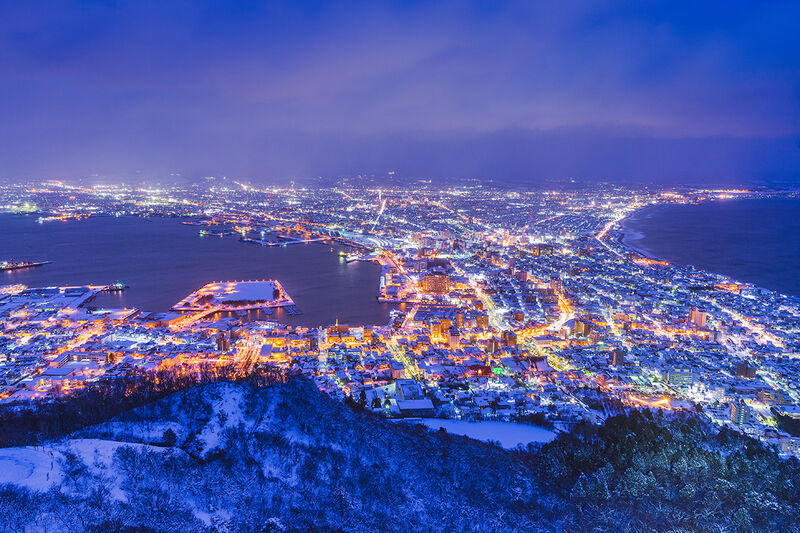
- Go to Hakodate if the night view from Mount Hakodate is on your bucket list — Reddit calls it one of the most stunning night views in the world, and it delivers.
- Go to Sapporo if you want Hokkaido's best food diversity (miso ramen, soup curry, Genghis Khan), easy access to day trips, and a proper city experience.
- Go to both — the Hokuto Limited Express connects them in ~3.5h and they make natural bookends for any Hokkaido itinerary (fly into one, out of the other).
- Reddit consensus: Sapporo is the better base; Hakodate is the better experience. Do Hakodate for 2 nights, Sapporo for 3–4.
🌙 Choose Hakodate if...
You want Japan's most breathtaking night view, a romantic port city vibe, fresh squid and salt ramen at dawn, Western-era architecture in Motomachi, and the star-shaped Goryokaku fort at cherry blossom season.
🏙️ Choose Sapporo if...
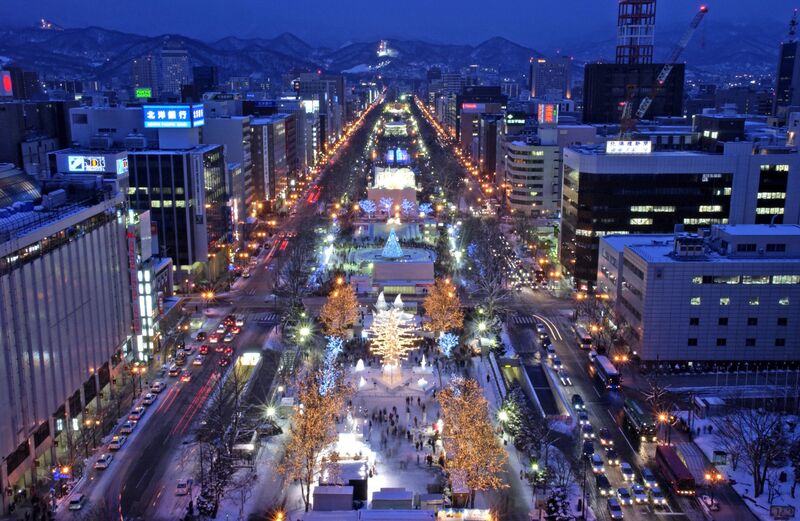
You want Hokkaido's food capital (miso ramen, soup curry, Sapporo Beer Garden), a real city atmosphere, easy day trips to Otaru and Noboribetsu, and the world-famous Snow Festival in February.
Quick Comparison
| Category | 🌙 Hakodate | 🏙️ Sapporo | Winner |
|---|---|---|---|
| Daily Budget (mid-range) | ¥8,000–12,000/day ($55–80) | ¥9,000–14,000/day ($60–95) | Hakodate |
| Budget Hotel/Hostel | From ¥4,500/night ($30) | From ¥3,000/night ($20) | Sapporo |
| Signature Food | Salt ramen, fresh squid, seafood bowls | Miso ramen, soup curry, Genghis Khan | Tie |
| Top Attraction | Mount Hakodate night view (world-class) | Odori Park + Snow Festival | Hakodate |
| Transit Within City | Streetcar + bus (no subway) | Subway (4 lines), buses | Sapporo |
| City Size | ~260,000 people (small city) | ~2 million people (major city) | Depends |
| Day Trip Options | Onuma Park, Matsumae Castle | Otaru, Noboribetsu, Furano/Biei | Sapporo |
| Nightlife | Low-key, bar street near market | Susukino — Hokkaido's best nightlife | Sapporo |
| Western/Historic Architecture | Yes — Motomachi district, churches | Hokkaido Jingu, Clock Tower, beer factory | Hakodate |
| Cherry Blossoms | Goryokaku (early May, iconic) | Maruyama Park (late April) | Hakodate |
| Winter Experience | Beautiful snow, quieter | Snow Festival (Feb), Susukino Ice Fest | Sapporo |
| Getting There from Tokyo | Shinkansen ~4h to Shin-Hakodate-Hokuto | Flight ~1.5h or Shinkansen ~5h | Tie |
🏙️ City Character & Vibe
Hakodate is a city that gets under your skin. It's small — about 260,000 people — and built on a narrow peninsula that gives it the shape of a fish tail on the map. Being the first Japanese city opened to foreign trade in 1854, it has more Western architectural DNA than almost anywhere in Hokkaido: stone-built Russian Orthodox churches, star-shaped Goryokaku fortress (the site where the Tokugawa Shogunate made its last stand in 1869), and the Motomachi hillside neighborhood where consulates once lined the lanes. The harbor-front Kanemori Red Brick Warehouses — now shops and restaurants — give it a Yokohama-waterfront atmosphere, but smaller and less touristy.
Sapporo is a completely different animal. At 2 million people, it's the fifth-largest city in Japan — a proper metropolis built on a grid plan with wide boulevards (the city was designed by American and German advisors in the Meiji era). It has the energy and infrastructure of a major city: a four-line subway, Hokkaido's best nightlife district (Susukino), a world-famous beer brand, Hokkaido University's beautiful campus, and the Odori Park axis that bisects the city like a 1.5km green ribbon. It's efficient, cosmopolitan, and very livable — but it doesn't have the romantic, layered character of Hakodate.
"I've been to Hakodate many times, and it's one of my favorite cities in Japan. I would strongly recommend it." — r/JapanTravel
"I spent 2 nights in Hakodate and absolutely love the vibe. Would we return for a 2nd time? — unfortunately not. It was fun for us as we are into sights and photography, and their food. Beyond that, other parts of Hokkaido are more worth it." — r/Hokkaido
🍜 Food & Dining
Both cities are food destinations in their own right — but they shine in completely different registers.
Hakodate's greatest hits: Salt ramen (shio ramen) was born here — lighter and more delicate than Sapporo's miso style, built on a clear seafood broth. The Hakodate Morning Market (Asaichi) opens at 5–6am and sells some of the freshest seafood in Japan: squid (ika), uni, scallops, and snow crab by weight or as seafood rice bowls (kaisendon) for ¥1,500–3,500 ($10–23). Squid fishing is a gimmick, but it's an authentically Hakodate gimmick. Lucky Pierrot is a beloved local burger chain that's become an institution — bizarre decor, cult-level burgers, prices under ¥800.
Sapporo's food scene: Miso ramen is the city's signature — thick, rich, and intensely flavored, best eaten at one of the ramen alley spots near Susukino (ラーメン横丁). Soup curry (a Sapporo invention: think thin, aromatic curry broth poured over vegetables and meat) has exploded into a full subculture with dozens of competing styles. Genghis Khan (Jingisukan) — grilled lamb on a domed iron plate with onion and bean sprouts — is the city's beloved BBQ tradition and best at the Sapporo Beer Garden. Nijo Market offers Sapporo's version of a seafood market, smaller than Hakodate's but excellent for crab and ikura.
"Hakodate's seafood is a lot cheaper than other areas like Otaru. The hotel spread and restaurants were fantastic — it was the highlight of my trip." — r/Hokkaido
"The seafood hits different in Hokkaido. I absolutely love uni, scallops and sweet shrimps in Hokkaido — must try them in season." — r/JapanTravelTips
⛩️ Top Attractions
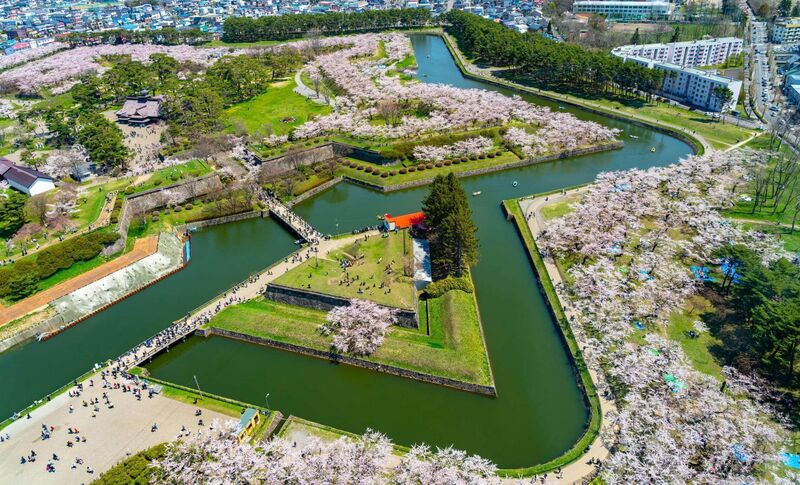
Hakodate's must-sees: The night view from Mount Hakodate (334m) is the city's undisputed crown jewel — and one of Japan's Three Great Night Views alongside Nagasaki and Kobe. The ropeway costs ¥1,500 round-trip (~$10); the view from the observation deck is stunning any time of year but especially beautiful in snow. Goryokaku is a Western-style star-shaped fort built in 1864 — the last stronghold of the Tokugawa samurai. It's beautiful in cherry blossom season (early May) when the moat fills with blooms, and the adjacent tower offers an aerial view of the star shape. The Motomachi district holds Hakodate's old foreign residences, Russian Orthodox church, Anglican church, and Catholic church all within a 10-minute walk — a quirky mix of cultures you won't find anywhere else in Japan.
Sapporo's must-sees: Odori Park is the 1.5km spine of the city — host to the Snow Festival (February), Lilac Festival (May), and Beer Garden (summer). The Sapporo Beer Museum is free entry and tells the 150-year history of Japan's most famous beer brand, with tasting optional. Hokkaido University's campus is genuinely beautiful, especially the ginkgo avenue in autumn. The Hokkaido Shrine (Hokkaido Jingu) sits in Maruyama Park with one of the island's best cherry blossom displays. Susukino is one of Japan's liveliest entertainment districts north of Tokyo — 4,000+ bars and restaurants packed into a few blocks.
"DEFINITELY stay the night. A day trip will exhaust half of your day on the train ride alone and you'll have to rush. It's the NIGHT VIEW of the city from Mt. Hakodate! It's considered one of the three great views of Japan for what it's worth." — r/Hokkaido
💰 Cost Comparison
Both cities are solidly mid-range by Japan standards — neither is a budget destination, but neither will drain your wallet the way Tokyo does.
Accommodation: Hakodate has more character-filled guesthouses and traditional inns near the market and Motomachi, typically ¥5,000–12,000/night ($33–80) for a decent room. Sapporo has a larger hostel/guesthouse scene with dorm beds from ¥3,000/night ($20) near Susukino. Mid-range hotels in both cities run ¥8,000–15,000/night ($55–100).
Food costs: Remarkably similar. A proper seafood bowl at Hakodate's morning market runs ¥1,500–3,500. A bowl of Sapporo miso ramen costs ¥900–1,400. Soup curry is ¥1,200–2,000. Lucky Pierrot burgers in Hakodate clock in at under ¥800. Budget ¥2,500–4,000/day ($17–27) for food if eating well at local spots.
Attractions: Hakodate's main attraction (night view ropeway) costs ¥1,500 return. Goryokaku Tower is ¥1,000. The morning market is free to browse. Sapporo Beer Museum is free. Odori Park and Hokkaido University are free. Main cost in Sapporo is nightlife and restaurants.
Getting between cities: Hokuto Limited Express from Sapporo to Hakodate is ¥8,500 ($57) each way, ~3.5–4h. The Hokkaido Shinkansen from Tokyo to Shin-Hakodate-Hokuto is ¥23,000+ ($155) but covered by the Japan Rail Pass.
🚃 Getting Around
Hakodate's transit: The city has a tram (streetcar) system — the Hakodate City Tram — that runs between the main station area, Goryokaku, and the Motomachi hillside. One-day pass costs ¥600 ($4) and covers most tourist spots. There's no subway. Buses cover areas the tram doesn't reach, including Yunokawa Onsen. Having a tram connection is charming but the network is limited — some visitors find a taxi or rental car useful for outlying areas. The ropeway to Mount Hakodate is a separate service.
Sapporo's transit: Sapporo has a proper subway with four lines (Namboku, Tozai, Toho, and the newer Tōhō extension) plus an extensive bus network. A one-day subway pass costs ¥830 ($5.50) and gets you virtually anywhere in the city center. Susukino, Odori, Sapporo Station, and Hokkaido University are all on the Namboku Line. Getting around Sapporo is efficient and Tokyo-level easy by Japanese standards.
"I live in Hakodate — there's no subway or train, just a light rail, taxis, and buses. Other than that, some nice tourist shops on the wharves and the European district is cool." — r/JapanTravelTips
🌸 Best Time to Visit
Spring (late April–May): Cherry blossom season is spectacular in both cities. Sapporo's Maruyama Park blooms late April. Hakodate's Goryokaku (the star-shaped moat fort) blooms early May and is one of Hokkaido's most famous sakura spots — photographed from above, the cherry-blossom-lined moat filling the star shape is iconic. Reddit consistently ranks Goryokaku among Japan's top sakura experiences.
Summer (July–August): The best weather for both. Temperatures hover at 20–26°C, far cooler than Honshu's brutal summer heat — Hokkaido has no rainy season and summers are genuinely pleasant. Sapporo Beer Garden operates summer-only. Furano's lavender fields (accessible from Sapporo) peak in mid-July. Hakodate summers are quieter but beautiful for waterfront walking.
Autumn (September–October): Foliage season. The train journey between Hakodate and Sapporo becomes especially scenic as mountains turn red and gold. Hokkaido Shrine area in Sapporo is lovely. Hakodate's harbor in autumn has a melancholy beauty.
Winter (December–February): Sapporo's Snow Festival (early February) draws 2 million visitors with massive snow and ice sculptures in Odori Park. This is one of Japan's most famous festivals. Hakodate in snow is quieter but arguably more romantic — the night view from Mount Hakodate is particularly magical in clear winter air. Both cities are cold (-10°C is common in January).
🏨 Where to Stay
Hakodate neighborhoods:
- Near Hakodate Station / Morning Market area: Most convenient — walking distance to the market, streetcar access. Mid-range hotels cluster here. Downside: not the prettiest area.
- Motomachi district: Most atmospheric — on the hillside above the harbor, near the old Western buildings and churches. Small guesthouses and boutique stays. Worth the premium if charm matters to you.
- Yunokawa Onsen: 20 minutes from center by streetcar — if you want a hot spring stay. Several ryokan along the Matsukaze River. Romantic but inconvenient for sightseeing unless you have a car.
Sapporo neighborhoods:
- Susukino / Odori: Best location — near restaurants, subway, nightlife. Prices range from hostels at ¥3,000 to business hotels at ¥10,000+.
- Near Sapporo Station: Good for transport but further from Susukino food scene. JR-connected hotels convenient if arriving by train or taking early trains to Hakodate.
- Hokkaido University area: Quieter, campus atmosphere, slightly cheaper. Good for longer stays.
"There's a hotel in Hakodate often considered as having the best breakfast buffet in Hokkaido (Dormy Inn La Hakodate Banya) — could be worth trying out!" — r/Hokkaido
🎒 Day Trips
From Hakodate:
- Onuma Quasi-National Park (30 min by JR, ¥540 one way): A caldera lake around the volcano Komagatake with boating, cycling, and views. Best in autumn foliage or spring. Easy half-day trip.
- Matsumae (2h by bus): Hokkaido's only castle (actually a small castle — more like a fortified manor, but the surrounding park is famous for cherry blossoms in May). A day trip for history enthusiasts.
- Esashi (~1h): Historic herring fishing town with preserved merchant houses. Quiet and off the beaten path.
From Sapporo: Sapporo has dramatically better day trip options — this is one of its biggest advantages as a base.
- Otaru (40 min by JR, ¥750 one way): Canal town with historic warehouses, excellent sushi, sake breweries, and a beautiful snow scene in winter. The most popular Sapporo day trip — do it.
- Noboribetsu Onsen (1h 20min by JR, ¥3,000+): Hokkaido's most famous hot spring resort town, surrounded by the volcanic Hell Valley (Jigokudani). Day trip or overnight.
- Furano & Biei (2–2.5h by JR): Lavender fields in July, patchwork hills in summer and autumn, ski resorts in winter. A classic Hokkaido day trip or overnight.
- Niseko (2h): World-class ski resort in winter, hiking in summer.
- Lake Toya & Shikotsu (1.5–2h): Caldera lakes with onsen and volcanic scenery.
🔀 Why Not Both? The Classic Hokkaido Route
The good news: you don't have to choose. Hakodate and Sapporo are natural bookends for a Hokkaido itinerary, connected by the scenic Hokuto Limited Express (~3.5h, ¥8,500) or a quick 40-minute flight. The classic circuit:
Option A (from Tokyo, fly out of Sapporo): Tokyo → Shin-Hakodate-Hokuto (Shinkansen ~4h) → 2 nights Hakodate → Hokuto Express to Sapporo → 3–4 nights Sapporo (with Otaru and Noboribetsu day trips) → fly home from New Chitose Airport. Total: 5–6 nights in Hokkaido.
Option B (fly in and out of Sapporo): Fly into New Chitose → Sapporo 2 nights → Hokuto to Hakodate → 2 nights Hakodate → Shinkansen back toward Tokyo (stopping in Aomori or Sendai). Good if you're doing a broader Tohoku loop.
Budget allocation: 2 nights Hakodate + 3 nights Sapporo = 5 nights, roughly ¥60,000–100,000 ($400–670 USD) for accommodation alone at mid-range. Add ¥17,000 for the two train legs (Shinkansen + Hokuto), plus food at ¥3,000/day = about ¥100,000–150,000 ($670–1,000 USD) for a 5-night Hokkaido circuit.
"I was in Hokkaido for five days. Spent three days in Sapporo and two in Hakodate. For that, it was definitely worth it. One of my favorite places in Japan to wander." — r/JapanTravelTips
🎯 The Decision Framework
After synthesizing dozens of Reddit threads and real traveler accounts, here's who each city is right for:
🌙 Choose Hakodate if...
- Japan's best night view is on your bucket list — the Mount Hakodate panorama is genuinely world-class
- You want a romantic, atmospheric port city with Western architecture and Meiji-era charm
- Fresh seafood at dawn markets is a priority — Hakodate Morning Market is the real deal
- Salt ramen (shio ramen) enthusiasts — this is the birthplace of the style
- Cherry blossom season in May — Goryokaku's star-shaped moat is among Japan's best sakura spots
- You want a small city that's deeply walkable and doesn't feel like a major tourist destination
- You're traveling the Hokkaido–Tohoku corridor and it's naturally on the route
🏙️ Choose Sapporo if...
- You want a proper city with subway, nightlife, and urban energy — Sapporo delivers like Hokkaido's Tokyo
- Miso ramen, soup curry, and Genghis Khan BBQ are on your Japan food checklist
- You need a base for Hokkaido day trips — Otaru, Noboribetsu, and Furano all radiate from Sapporo
- The Snow Festival (February) is the reason for your trip — nothing matches it in Hokkaido
- Sapporo Beer Garden and tasting rooms matter to you
- You have 4+ days and want infrastructure that lets you roam easily
- You prefer modern, efficient cities to charming-but-limited small towns
❓ Frequently Asked Questions
Is Hakodate or Sapporo better for a first-time Hokkaido visitor?
It depends on your priorities. Sapporo is the better base for first-timers — it's Hokkaido's capital with great transit, easy day trips to Otaru and Noboribetsu, and a packed food scene (miso ramen, soup curry, Genghis Khan BBQ). Hakodate is special but works best as a 2-night stop, not a base. Reddit consensus: if you can only spend time in one city, Sapporo is more practical. If you have 5+ days in Hokkaido, do both.
How far is Hakodate from Sapporo?
About 320 km by rail. The Hokuto Limited Express takes approximately 3h 30min–4h and costs around ¥8,500 (~$57 USD). There's also a ~40-minute flight from Okadama Airport (central Sapporo) to Hakodate Airport, often cheaper than the train. The Hokkaido Shinkansen connects Tokyo to Shin-Hakodate-Hokuto station in about 4h.
Is Hakodate worth visiting or should I just stay in Sapporo?
Hakodate is absolutely worth it if you stay at least one night. The night view from Mount Hakodate — widely considered one of Japan's three greatest night views — is the highlight. Day-tripping from Sapporo is not recommended: 7-8 hours round-trip on a slow train leaves you little time to enjoy the city. But a 1–2 night stop makes Hakodate one of the most memorable parts of any Hokkaido trip.
Which city has better food: Hakodate or Sapporo?
Both are exceptional but for different things. Hakodate is famous for salt ramen (shio ramen — the birthplace of this style), fresh squid, morning market seafood bowls, and Lucky Pierrot burgers. Sapporo owns miso ramen, soup curry, Genghis Khan lamb BBQ, and has more diversity thanks to its size. Serious seafood eaters often prefer Hakodate's morning market for freshness and value.
What is the best time to visit Hakodate and Sapporo?
Summer (July–August) is the most comfortable in both cities, with temperatures around 20–25°C. Cherry blossoms arrive in late April in Sapporo and early May in Hakodate — Hakodate's Goryokaku park is one of Japan's best sakura spots. Winter is magical: Sapporo hosts the Snow Festival (early February) and Hakodate looks stunning in snow with illuminated nights. Autumn foliage (October) is beautiful along the Hakodate–Sapporo train route.
How many days do you need in Hakodate?
Two nights (full day + half day) is the sweet spot. Day 1: morning market breakfast, Goryokaku fort and tower, Motomachi Western architecture and churches, cable car up Mount Hakodate at dusk, night view. Day 2: Kanemori Red Brick Warehouses, Lucky Pierrot lunch, afternoon departure. Reddit consensus: more than 2 nights gets repetitive; fewer than 1 night means missing the essential night view.
Is the Hakodate morning market worth it?
Mostly yes, with caveats. Some stalls are tourist-priced (especially crab), but seafood bowls remain genuinely good value at ¥1,500–3,000 (~$10–20 USD). Go early (6–9am), stick to set seafood bowl menus rather than à la carte, and avoid any stall aggressively hawking to tourists. Reddit verdict: the morning market is great for atmosphere and solid seafood — just don't fall for the tourist traps.
Can you do a day trip from Sapporo to Hakodate?
Technically possible but strongly discouraged. The train is 3.5–4 hours each way (7–8 hours round-trip), leaving you only 3–4 hours in the city. Reddit is unanimous: if you're going to Hakodate, stay at least one night. The 40-minute flight from Okadama Airport is faster, but you'd still be missing the essential night view from Mount Hakodate — the whole reason to go.
Ready to Plan Your Hokkaido Trip?
tabiji builds personalized Hokkaido itineraries that combine Hakodate and Sapporo with realistic pacing, the Hokuto train connection, and recommendations from actual travelers — not generic AI filler.
🎟️ Book Tours & Experiences
Hand-picked tours and activities for both destinations — book with free cancellation
Experiences via Viator — free cancellation on most tours