How we built this comparison
This page combines traveler discussion patterns, published price ranges, flight schedules, and seasonal data to help you decide between Hamburg and Frankfurt.
- Reviewed 50+ Reddit threads from r/travel, r/solotravel, r/germany, r/hamburg, r/frankfurt
- Verified costs and logistics against current booking platforms (Booking.com, DB Bahn, Skyscanner)
- Cross-referenced seasonal patterns and weather data from official meteorological sources
- Incorporated insights from travel blogs and personal experiences of visiting both cities
⚡ The TL;DR Verdict
Choose Hamburg if you crave vibrant nightlife, unique maritime history, and a laid-back, artsy atmosphere, with a daily budget around €60-€120 ($65-$130). Opt for Frankfurt if you prioritize central connectivity, world-class museums, and a sleek, cosmopolitan vibe, budgeting €70-€140 ($75-$150) daily. Both offer distinct experiences of modern Germany.
- Choose Hamburg: Perfect for night owls, history buffs, and those seeking a city with character and a strong identity beyond typical German stereotypes. Great for creative types and those who enjoy walking by the water.
- Choose Frankfurt: Ideal for business travelers, museum enthusiasts, and anyone using it as a central hub for exploring Germany or Europe. Offers a blend of traditional charm and modern sophistication.
- Choose Both: If you have 7+ days, combining both gives you a comprehensive view of Germany's north and central regions. A fast train ride (approx. 3.5-4 hours, €30-€80/$32-$86) makes it feasible to experience both distinct urban landscapes.
Quick Comparison
| Category | Hamburg | Frankfurt | Winner |
|---|---|---|---|
| Culture & History | Maritime history, impressive modern architecture (Elbphilharmonie), Speicherstadt UNESCO site, quirky museums. | Historic Römerberg, Goethe House, Museumsufer (diverse museums), modern skyline, financial hub history. | Hamburg |
| Nightlife & Entertainment | Legendary Reeperbahn in St. Pauli, diverse bars, clubs, live music venues, alternative scene. | Sachsenhausen's traditional Apfelwein taverns, Bahnhofsviertel's diverse bars, growing club scene. | Hamburg |
| Food & Drink | Fresh fish, Franzbrötchen, craft beer scene, international cuisine, lively fish market. | Apfelwein, Handkäse mit Musik, Grüne Soße, diverse international options, high-end dining. | Frankfurt |
| Costs & Budget | Generally slightly more affordable for accommodation and dining than Frankfurt, good value for money. | Higher average costs due to business travel, but budget options exist; transport can add up. | Hamburg |
| Getting There & Around | Good international airport (HAM), excellent train connections within Germany, extensive public transport. | Major international airport (FRA) with global connections, central train hub (Hauptbahnhof), superb public transport. | Frankfurt |
| Accommodation | Wide range from boutique hotels to hostels, unique converted warehouse stays, good value. | Abundance of business hotels, international chains, good budget options if booked in advance, less character. | Hamburg |
| Day Trips | Historic Lübeck, charming Bremen, North Sea coast, Lüneburg Heath. | Rhine Valley castles, Heidelberg, Mainz, Wiesbaden, Rüdesheim am Rhein. | Frankfurt |
| Atmosphere & Vibe | Maritime, relaxed, artsy, slightly gritty, strong local identity, "Venice of the North." | Modern, cosmopolitan, business-oriented, traditional pockets, international, dynamic. | Hamburg |
| Solo Travel & Safety | Generally very safe, lively but manageable nightlife, easy to navigate, welcoming locals. | Very safe overall, excellent public transport, some areas like Bahnhofsviertel require awareness, cosmopolitan. | Tie |
| Weather & Seasons | Coastal climate, cooler summers, milder winters, more rain year-round, often windy. | Continental climate, warmer summers, colder winters, less consistent rain, more extreme temperatures. | Tie |
🏛️ Culture & History
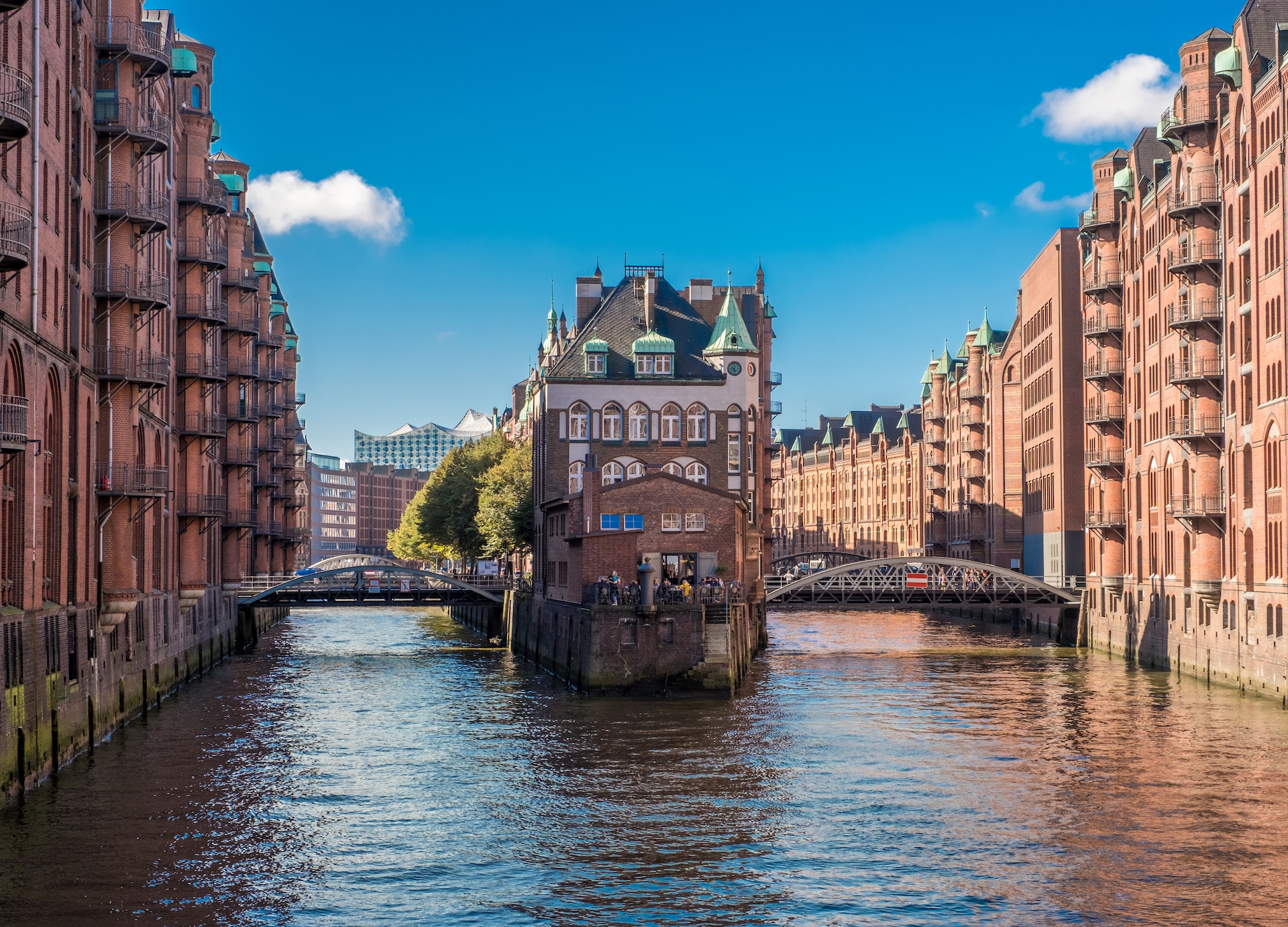
Hamburg truly shines with its unique maritime heritage, which is palpable throughout the city. The Speicherstadt, a UNESCO World Heritage site, with its red-brick warehouses and canals, is breathtaking, especially during a canal cruise (around €20-€30 / $22-$32). Don't miss the Miniatur Wunderland, a miniature world that will astound all ages (entry €20 / $22). The architectural marvel that is the Elbphilharmonie is a modern icon, offering stunning views from its Plaza (free to access, concert tickets from €40 / $43). While Frankfurt boasts the historic Römerberg and impressive Museumsufer, Hamburg's cultural narrative feels more cohesive and deeply ingrained in its identity. As one Redditor put it, "Hamburg's history feels alive, not just preserved behind glass. Walking through the Speicherstadt at sunset is something else."
Winner takeaway
- Winner: Hamburg
- Why: Hamburg's distinctive maritime history, iconic modern architecture, and unique attractions like Miniatur Wunderland offer a more immersive and memorable cultural experience.
- Who this matters for: History buffs, architecture enthusiasts, and those looking for unique, immersive cultural experiences beyond traditional museums.
🍻 Nightlife & Entertainment
When it comes to nightlife, Hamburg's Reeperbahn district in St. Pauli is legendary and unmatched in Germany. It's a vibrant, sometimes wild, street filled with everything from dive bars to high-end clubs, burlesque shows, and live music venues. You can grab a beer for €4-€6 ($4.30-$6.50) and enjoy people-watching for hours. Areas like the Schanzenviertel offer a more alternative, hipster vibe with cozy bars and independent shops. Frankfurt's Sachsenhausen district offers a charming, traditional German experience with its famous Apfelwein taverns, where a glass of local cider costs around €2.50-€3.50 ($2.70-$3.80). The Bahnhofsviertel has seen a revitalization with trendy bars and a more diverse club scene emerging, but it still can't quite compete with the sheer scale and reputation of Hamburg. A Redditor once commented, "If you want to party in Germany, you go to Hamburg. Period. Reeperbahn is an experience everyone should have at least once."
Winner takeaway
- Winner: Hamburg
- Why: Hamburg's Reeperbahn offers an unparalleled and diverse nightlife experience, from wild parties to alternative bars, making it a clear winner for entertainment.
- Who this matters for: Party-goers, live music lovers, and anyone seeking a vibrant, diverse, and well-established nightlife scene.
🍽️ Food & Drink
Frankfurt edges out Hamburg slightly due to its unique regional specialties and impressive international dining scene. You absolutely must try Apfelwein (apple wine) in a traditional Sachsenhausen tavern like Wagner or Zum Gemalten Haus, paired with Handkäse mit Musik (a pungent cheese with onions, about €8-€12 / $8.60-$13) or Grüne Soße (green sauce). The city also boasts a fantastic array of international restaurants, from Michelin-starred fine dining to authentic street food, thanks to its cosmopolitan population. Hamburg excels in fresh seafood, especially at the famous Fish Market on Sunday mornings, and its local pastry, the Franzbrötchen (around €2-€3 / $2.15-$3.25). While both have great food, Frankfurt's combination of distinct local flavors and high-quality global offerings gives it the slight lead. "Frankfurt's Apfelwein culture is something truly special and unique to the region. And the international food scene is seriously underrated," noted a traveler on Reddit.
Winner takeaway
- Winner: Frankfurt
- Why: Frankfurt offers a more distinct regional cuisine (Apfelwein, Handkäse) combined with a highly diverse and sophisticated international dining scene.
- Who this matters for: Foodies, those seeking unique regional specialties, and travelers who appreciate high-quality international cuisine.
💰 Costs & Budget
For the average tourist, Hamburg tends to be a bit more budget-friendly. Accommodation, especially outside the Reeperbahn, can be found for reasonable prices. A decent hostel bed starts around €30-€45 ($32-$48), and mid-range hotels are often €80-€130 ($86-$140). Daily meal costs are manageable, with street food or casual dining options ranging from €10-€20 ($11-$22) for a main. Frankfurt, as a major financial hub, sees higher demand for business accommodation, pushing up hotel prices, with mid-range options often starting at €100-€160 ($108-$173). While budget options exist, they require more searching. Local transport in both cities is efficient, with day tickets around €8-€10 ($8.60-$11). "I found my money stretched a bit further in Hamburg, especially for food and drinks outside the main tourist traps," observed a backpacker on a forum.
Winner takeaway
- Winner: Hamburg
- Why: Hamburg generally offers better value for money, particularly in accommodation and casual dining, making it slightly more budget-friendly for tourists.
- Who this matters for: Budget-conscious travelers, backpackers, and those looking to maximize their travel funds without sacrificing quality.
✈️ Getting There & Around
Frankfurt is undoubtedly the champion for connectivity. Frankfurt Airport (FRA) is one of Europe's busiest and best-connected airports, offering direct flights to virtually every major city worldwide. If you're flying internationally into Germany, chances are you'll land here. Its Hauptbahnhof (main train station) is a central hub for Deutsche Bahn, making it incredibly easy to reach any part of Germany or neighboring European countries. For example, a high-speed ICE train to Cologne takes just over an hour (€20-€50 / $22-$54). Hamburg Airport (HAM) is excellent for European connections and domestic flights, and its train station is also well-connected, but it simply cannot match Frankfurt's global reach or central geographical position within Germany and Europe. Both cities boast fantastic public transport systems (U-Bahn, S-Bahn, trams, buses), making getting around a breeze, with single tickets around €3.50 ($3.80) and day passes for €8-€10 ($8.60-$11). "Frankfurt is a travel nexus. You can get anywhere from there, often cheaper and faster than anywhere else in Germany," a Reddit user pointed out.
Winner takeaway
- Winner: Frankfurt
- Why: Frankfurt's international airport and central train station make it an unparalleled hub for global and European travel.
- Who this matters for: International travelers, those planning to visit multiple cities in Germany or Europe, and business travelers valuing efficiency.
🏨 Accommodation
Hamburg offers a more varied and often more characterful range of accommodation options. You'll find charming boutique hotels in districts like St. Georg or Sternschanze, stylish stays in converted Speicherstadt warehouses (e.g., Sir Nikolai, starting around €150-€250 / $162-$270), and plenty of well-regarded hostels like Generator Hostel Hamburg (from €35 / $38 per night). There's a strong emphasis on design and local flair. Frankfurt, while having a vast number of hotels, particularly in the business district, often caters to a corporate clientele, meaning many options can feel a bit generic or pricier for what you get. While you can find good deals, especially outside peak business seasons, the city generally lacks the same distinctive boutique charm. "Finding a unique, charming hotel in Hamburg was much easier than in Frankfurt, where everything felt like a chain," a traveler shared.
Winner takeaway
- Winner: Hamburg
- Why: Hamburg provides a more diverse, characterful, and often better-value selection of accommodations, including unique boutique and warehouse stays.
- Who this matters for: Travelers seeking unique stays, boutique hotels, and better value for money without sacrificing atmosphere.
🌳 Day Trips
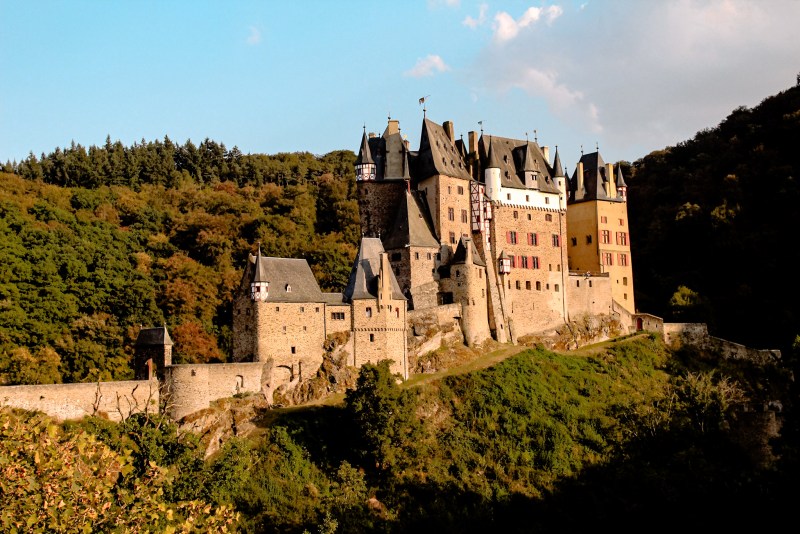
Frankfurt boasts an incredible array of iconic day trips that showcase some of Germany's most famous landscapes and towns. The Rhine Valley, a UNESCO World Heritage site, is just an hour away, offering picturesque castles, vineyards, and boat cruises (Rhine cruise from €20 / $22). The romantic city of Heidelberg, with its famous castle and university, is easily reachable by train in under an hour (€15-€30 / $16-$32). Mainz and Wiesbaden also offer charming historic centers and thermal baths. While Hamburg has excellent options like the Hanseatic city of Lübeck (famous for marzipan, 45 min train, €15-€25 / $16-$27) and the beautiful city of Bremen, Frankfurt's proximity to the concentrated beauty of the Rhine Gorge and the fairytale charm of Heidelberg gives it the edge. "The day trips from Frankfurt are just picture-perfect German postcard stuff. Heidelberg and a Rhine cruise are must-dos," a frequent visitor commented.
Winner takeaway
- Winner: Frankfurt
- Why: Frankfurt's central location provides easier access to more iconic German day trips, including the Rhine Valley and Heidelberg.
- Who this matters for: Travelers eager to explore iconic German landscapes, castles, and charming historic towns beyond the main city.
✨ Atmosphere & Vibe
Hamburg exudes a unique, relaxed, and slightly rebellious charm that many travelers find incredibly appealing. Its maritime history gives it a distinct character, with canals, bridges, and the vast port creating a sense of openness. The city feels less 'stiff' than some other German cities, embracing its alternative and artsy sides, particularly in districts like St. Pauli or Schanzenviertel. There's a strong local pride and a friendly, down-to-earth attitude. Frankfurt, on the other hand, feels much more modern, sleek, and business-focused, with its impressive skyline dominating the view. While it has charming historic pockets like Römerberg and Sachsenhausen, the overall impression is one of efficiency and internationality. "Hamburg just has a soul that Frankfurt is still trying to find. It's grittier, but in a good way, and feels genuinely lived-in," a traveler expressed on a forum.
Winner takeaway
- Winner: Hamburg
- Why: Hamburg's unique maritime character, relaxed atmosphere, and strong local identity offer a more distinctive and charming visitor experience.
- Who this matters for: Travelers seeking a city with strong character, a laid-back vibe, and a blend of history and modernity.
🚶♀️ Solo Travel & Safety
Both Hamburg and Frankfurt are very safe cities for solo travelers, reflecting Germany's generally low crime rates. Public transport in both is reliable, extensive, and easy to use even late at night. In Hamburg, areas around the Reeperbahn can be very lively and crowded, especially on weekends, but are generally safe with standard city awareness. Solo travelers often find the open, friendly nature of Hamburgers welcoming. Frankfurt's Bahnhofsviertel, near the main train station, has a visible drug scene and can feel a bit edgy at night, but it's largely contained, and the tourist areas are far removed and very safe. The city's international nature means you'll hear many languages and find diverse communities. "I felt perfectly safe walking around Hamburg alone at night, even in the St. Pauli area. Frankfurt felt equally safe, just stick to the main areas around the station," a solo female traveler mentioned.
Winner takeaway
- Winner: Tie
- Why: Both cities offer high levels of safety, excellent public transport, and a welcoming environment for solo adventurers, with only minor areas requiring typical urban awareness.
- Who this matters for: Solo travelers of all genders and ages who prioritize safety and ease of navigation in an urban environment.
☀️ Weather & Seasons
Choosing a winner for weather is highly subjective, as both cities offer distinct seasonal experiences. Hamburg, being closer to the North Sea, has a more maritime climate. Summers (June-August) are generally milder, with average highs around 20-22°C (68-72°F), but rain is more frequent, and it can be windy. Winters (Dec-Feb) are milder but damp, with temperatures hovering around freezing. Spring and autumn are cool and often wet. Frankfurt, further inland, experiences a more continental climate. Summers are warmer, often reaching 25-30°C (77-86°F), making it pleasant for outdoor dining and river activities. Winters are colder, with more consistent snow and temperatures often below freezing. The spring and autumn offer clearer skies and vibrant foliage. "Hamburg's weather is famously unpredictable. You can get all four seasons in a day! Frankfurt is more reliable for sunshine in summer, but winters are proper cold," a local shared on a travel blog.
Winner takeaway
- Winner: Tie
- Why: Both cities offer different but equally valid seasonal experiences; Hamburg for mildness, Frankfurt for more distinct summer heat and winter cold, making it a matter of personal preference.
- Who this matters for: Travelers with specific weather preferences – those preferring milder temperatures and don't mind rain (Hamburg) versus those seeking warmer summers and colder winters (Frankfurt).
❓ Frequently Asked Questions
Is Hamburg or Frankfurt better for a first-time visitor to Germany?
For a first-time visitor, Hamburg often offers a more uniquely 'German' urban experience with its maritime history, vibrant culture, and distinct neighborhoods. Frankfurt, while an excellent hub, can feel more international and business-focused, making it a great second or third German city rather than the very first.
Which city has better public transport for tourists?
Both cities boast incredibly efficient and extensive public transport networks (U-Bahn, S-Bahn, trams, buses) that make getting around a breeze. They are comparable in quality and ease of use, with multi-day passes offering good value for tourists.
Is Frankfurt really just a business city, or does it have charm?
Frankfurt is indeed a major financial center, but it absolutely has charm! Explore the historic Römerberg square, walk across the Eiserner Steg bridge for skyline views, wander through Sachsenhausen for traditional Apfelwein taverns, and visit the impressive Museumsufer. Its charm is different – a blend of modern dynamism and traditional pockets.
Can I visit both Hamburg and Frankfurt on a short trip?
While feasible, it's a tight squeeze for a very short trip (e.g., 3-4 days). With 5-7 days, you can comfortably spend 2-3 days in each. High-speed ICE trains connect the cities in about 3.5-4 hours, costing €30-€80 ($32-$86) depending on how far in advance you book.
Which city is better for shopping?
Both cities offer excellent shopping. Hamburg has impressive shopping arcades (Passagen), major department stores on Mönckebergstraße, and unique boutiques in districts like Schanzenviertel. Frankfurt boasts luxury brands on Goethestrasse, large shopping centers like MyZeil, and a variety of retail options. It's a tie, depending on your preferred style of shopping.
What's the best time of year to visit Hamburg or Frankfurt?
Late spring (May-June) and early autumn (September-October) are generally ideal for both, offering pleasant temperatures and fewer crowds than peak summer. Summer (July-August) can be great for outdoor activities, but expect more tourists and potentially higher prices. Winters are cold and damp in Hamburg, colder with more chance of snow in Frankfurt.
Is it easy to find English speakers in Hamburg and Frankfurt?
Yes, absolutely. In both Hamburg and Frankfurt, particularly in tourist areas, hotels, restaurants, and transport hubs, you'll find that many people, especially younger generations, speak excellent English. You won't have trouble communicating.
Which city is better for families with young children?
Hamburg often edges out Frankfurt for families. Its Miniatur Wunderland is a massive hit with kids of all ages, the Tierpark Hagenbeck (zoo) is fantastic, and the numerous parks and boat tours offer great family fun. Frankfurt has good museums and parks, but Hamburg feels more geared towards unique family attractions.
Ready to plan your German trip?
Get a free custom itinerary for Hamburg, Frankfurt, or both — built from real traveler insights.
🎟️ Book Tours & Experiences
Hand-picked tours and activities for both destinations — book with free cancellation
Experiences via Viator — free cancellation on most tours