How we built this comparison
This page combines traveler discussion patterns, published price ranges, flight schedules, and seasonal data to help you decide between Hangzhou and Shanghai.
- Reviewed 50+ Reddit threads from r/travel, r/solotravel, r/chinatrip, and r/Shanghai for authentic traveler experiences and opinions.
- Verified costs and logistics against current booking platforms (Trip.com, Booking.com, China Rail) to ensure real-world accuracy.
- Cross-referenced seasonal patterns and weather data for optimal travel timing and activity recommendations.
⚡ The TL;DR Verdict
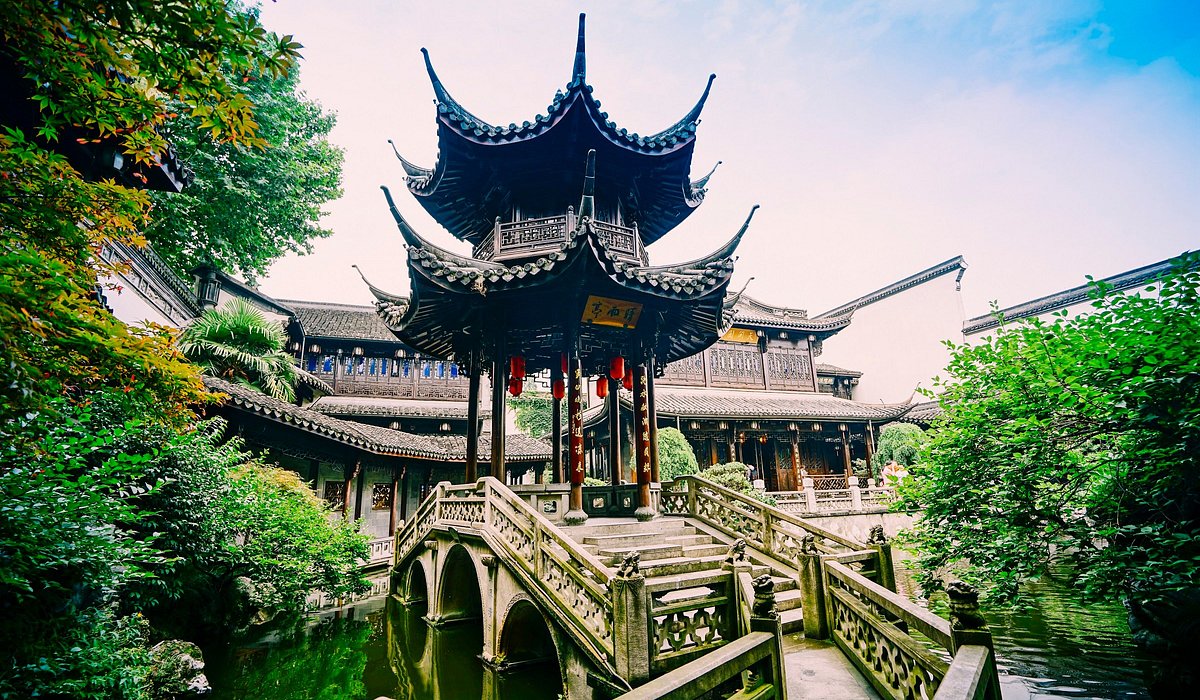
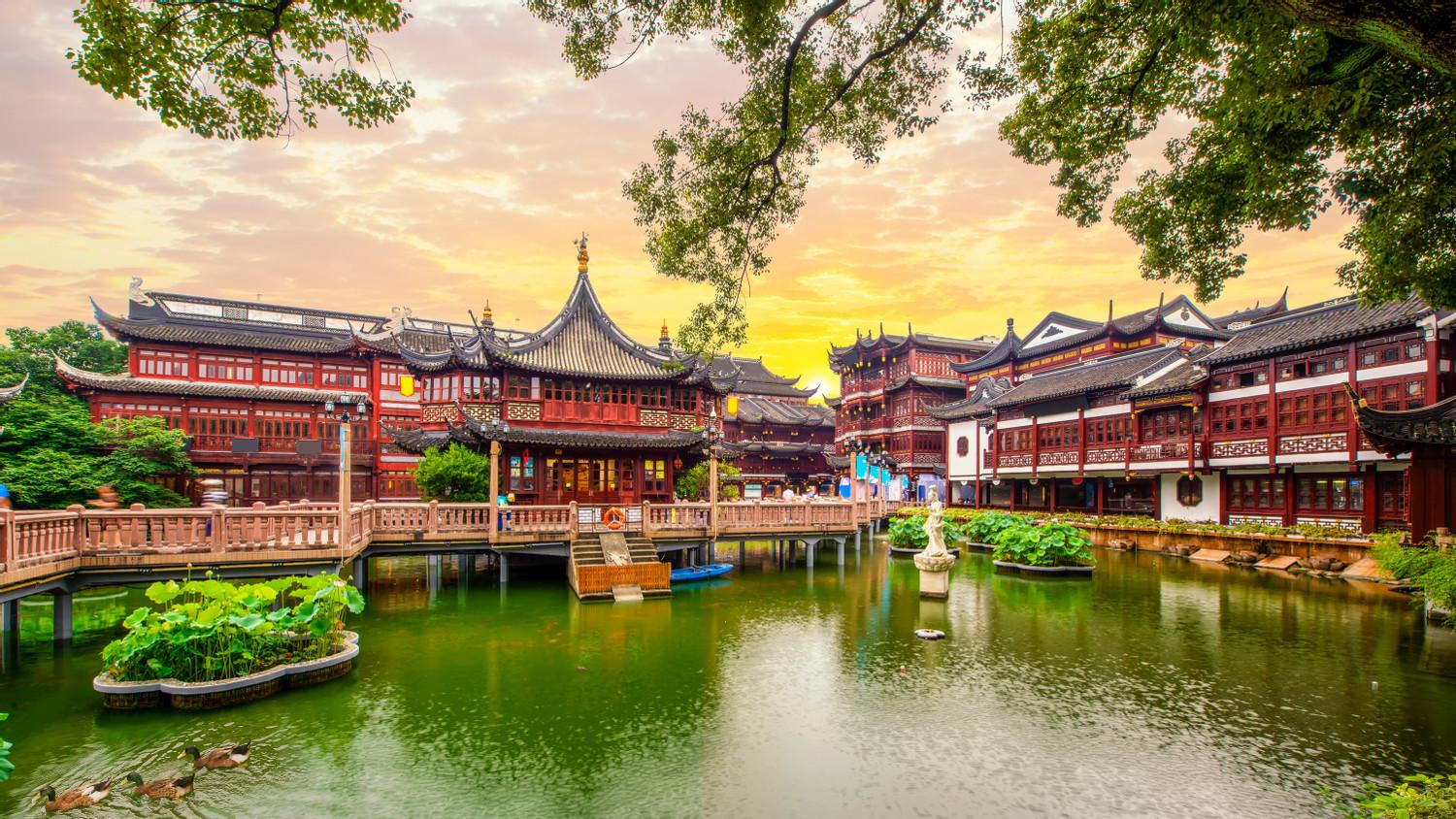
For those seeking ancient beauty, tranquil lakes, and a more relaxed pace with a lower budget, Hangzhou is your clear winner. If you crave vibrant nightlife, world-class shopping, modern architecture, and don't mind a higher daily spend, Shanghai will captivate you. A combined trip offers the best of both worlds for a truly comprehensive China experience.
- Choose Hangzhou: You're a culture enthusiast, nature lover, or budget-conscious traveler looking for ancient temples, serene West Lake cruises, and authentic Chinese charm. Expect to spend ¥300-600 ($40-80 USD) daily.
- Choose Shanghai: You thrive on bustling city life, futuristic skylines, high-end shopping, diverse international cuisine, and a pulsating nightlife. Budget around ¥500-1000+ ($70-140+ USD) daily.
- Choose Both: For the ultimate Jiangsu-Zhejiang experience, allocate 3-4 days for Shanghai to soak in its urban energy and 2-3 days for Hangzhou to unwind by the lake. They're easily connected by high-speed rail, making a combined trip efficient and rewarding.
Quick Comparison
| Category | Hangzhou | Shanghai | Winner |
|---|---|---|---|
| Culture & History | Ancient capital rich in traditional Chinese art, tea culture, and Buddhist heritage, centered around West Lake. | A blend of colonial past and futuristic modernity, showcasing a dynamic cultural evolution and international influence. | Hangzhou |
| Food Scene | Focus on delicate, fresh Jiangnan cuisine with famous dishes like West Lake Fish and Dongpo Pork. | Cosmopolitan culinary hub with diverse regional Chinese cuisines, international dining, and vibrant street food. | Shanghai |
| Nightlife & Entertainment | Muted nightlife focused on tea houses, quiet bars, and scenic evening walks by West Lake. | Vibrant, world-class nightlife with rooftop bars, mega-clubs, live music venues, and bustling entertainment districts. | Shanghai |
| Costs & Budget | Generally more affordable for accommodation, food, and attractions, offering good value. | Higher price tags across the board, especially for accommodation, upscale dining, and entertainment. | Hangzhou |
| Getting There | Served by Hangzhou Xiaoshan (HGH) for direct flights or easily reached from Shanghai via high-speed rail. | Major international hub with two airports (PVG, SHA) offering direct flights worldwide. | Shanghai |
| Getting Around | Efficient subway, extensive bus network, bike-sharing, and pleasant walking paths around West Lake. | One of the world's most extensive subway systems, buses, taxis, and ride-sharing, covering vast distances. | Shanghai |
| Accommodation | Offers charming boutique hotels, guesthouses by West Lake, and more affordable options. | Wide range of choices from luxury international chains to stylish boutique hotels and budget hostels, often with higher prices. | Shanghai |
| Day Trips | Excellent base for exploring nearby water towns like Wuzhen and Xitang, or the classical gardens of Suzhou. | Good for exploring nearby cities like Suzhou and Hangzhou itself, or the mountain resort of Moganshan. | Hangzhou |
| Nature & Scenery | World-renowned for West Lake's serene beauty, surrounding hills, tea plantations, and classical gardens. | Primarily urban, with limited natural escapes within the city, but offers impressive urban parks and riverside promenades. | Hangzhou |
| Shopping | Offers traditional crafts, local tea, silk products, and modern malls, but less variety than Shanghai. | A global shopping mecca with luxury brands, massive malls, trendy boutiques, and vibrant street markets. | Shanghai |
🏛️ Culture & History
Hangzhou wins hands down if you're chasing classical Chinese culture and history. Its identity is deeply rooted in its imperial past and the legend of West Lake. You can spend days exploring the Lingyin Temple, one of China's most significant Buddhist temples, dating back 1,700 years, or wandering through the Hefang Street Ancient Culture Street, where traditional crafts and snacks abound. The city is also the birthplace of Longjing (Dragon Well) tea, and visiting a tea plantation like Meijiawu for a ceremony is a must. Shanghai, while historically significant with its Bund architecture and French Concession charm, often feels more globalized and less 'traditionally Chinese' in its everyday vibe. It's a fantastic place to observe China's rapid development and its unique East-meets-West fusion, but if it's ancient dynasties and serene temples you're after, Hangzhou is the clear winner. 'Hangzhou felt like stepping into an ancient scroll painting, while Shanghai was like being in a cyberpunk movie.'
Winner takeaway
- Winner: Hangzhou
- Why: Hangzhou offers a deeper, more accessible dive into traditional Chinese culture, history, and natural beauty.
- Who this matters for: History buffs, culture seekers, and those looking for a more serene, authentic Chinese experience.
🍜 Food Scene
While Hangzhou boasts its own distinct and delicious Jiangnan cuisine, Shanghai's food scene is simply unparalleled in its breadth and diversity. Hangzhou's specialties are renowned – think the sweet and savory Dongpo Pork (braised pork belly, usually around ¥60-80), West Lake Vinegar Fish (often ¥100-150), and the delicate Longjing Shrimp (¥80-120). Restaurants like Lou Wai Lou or Zhi Wei Guan are institutions. However, Shanghai takes it up a notch, offering everything from Michelin-starred fine dining to incredible street food. You can feast on xiaolongbao (soup dumplings, ¥20-40 per basket) at Jia Jia Tang Bao, try shengjianbao (pan-fried pork buns, ¥15-30) at Xiao Yang Sheng Jian, or explore the endless options in the French Concession for international flavors. Its status as an international metropolis means you'll find top-tier Sichuan, Cantonese, Xinjiang, and global cuisines, plus an ever-evolving cafe and bar scene. 'Shanghai's food game is just next level, you can eat something completely different and amazing every single meal for a week.'
Winner takeaway
- Winner: Shanghai
- Why: Shanghai's culinary landscape is vastly more diverse, offering everything from regional Chinese specialties to world-class international cuisine and street food.
- Who this matters for: Foodies, adventurous eaters, and anyone wanting a huge variety of dining options.
🎉 Nightlife & Entertainment
If you're looking to party or even just enjoy a lively evening out, Shanghai is the undisputed champion. The city truly comes alive after dark, offering a spectrum of options from sophisticated rooftop bars with stunning Bund views (like Flair Bar at the Ritz-Carlton, cocktails around ¥120-180) to pulsating mega-clubs in the French Concession (e.g., Myst, with entry fees often ¥100-200 including a drink) and live music venues. Areas like Xintiandi and Tianzifang also offer charming bars and cafes that stay open late. Hangzhou's nightlife is significantly more subdued. It revolves around leisurely evening strolls around West Lake, enjoying light shows, traditional tea houses that close relatively early, or a handful of quiet local bars. While there are some KTV (karaoke) spots and modest clubs, they can't compare to Shanghai's scale or international flair. 'Shanghai's nightlife is insane. You can go from a chill jazz bar to a massive club in an hour. Hangzhou felt like everyone was in bed by 10 PM.'
Winner takeaway
- Winner: Shanghai
- Why: Shanghai offers a vastly more dynamic, diverse, and extensive nightlife scene catering to all tastes, from high-end clubs to cozy bars.
- Who this matters for: Party-goers, social butterflies, and anyone who wants their evenings to be as exciting as their days.
💰 Costs & Budget
Hangzhou is considerably kinder to your wallet than Shanghai. For accommodation, a decent mid-range hotel in Hangzhou might cost ¥300-500 ($40-70 USD) per night, whereas a comparable hotel in Shanghai could easily be ¥600-900+ ($85-130+ USD). Hostel beds in Hangzhou start around ¥80-120 ($11-17 USD), while in Shanghai they are typically ¥120-200 ($17-28 USD). Food is also cheaper; a good meal at a local restaurant in Hangzhou might be ¥60-100 ($8-14 USD), compared to ¥100-200 ($14-28 USD) in Shanghai. Transportation within the city is similar, with subway rides typically ¥3-8. Many of Hangzhou's main attractions, like West Lake itself, are free, while Shanghai's iconic observation decks (e.g., Shanghai Tower, ¥180-250) or museums often have steeper entry fees. 'I could stretch my budget so much further in Hangzhou and still feel like I was living it up. Shanghai made my wallet cry.'
Winner takeaway
- Winner: Hangzhou
- Why: Hangzhou offers significantly better value for money across accommodation, dining, and attractions, making it ideal for budget-conscious travelers.
- Who this matters for: Budget travelers, backpackers, and anyone looking to maximize their travel funds.
✈️ Getting There
For international travelers, Shanghai is the undeniable gateway to this region of China. Shanghai Pudong International Airport (PVG) is a massive hub, connecting directly to virtually every major city globally. Shanghai Hongqiao International Airport (SHA) handles mostly domestic and some regional flights, and importantly, is directly connected to the Hongqiao High-Speed Rail Station. Hangzhou Xiaoshan International Airport (HGH) also has international connections, but far fewer direct long-haul flights. However, the beauty of this comparison is their proximity. You can fly into PVG, take the Maglev or subway to the city center, then hop on a high-speed train from Shanghai Hongqiao Station to Hangzhou East Station. This journey takes only about 1 hour and costs ¥73-100 ($10-14 USD), making Hangzhou incredibly accessible even if your main arrival point is Shanghai. 'Honestly, just fly into Shanghai PVG, it's easier, and the bullet train to Hangzhou is super fast and smooth.'
Winner takeaway
- Winner: Shanghai
- Why: Shanghai offers vastly more direct international flight options, acting as the primary entry point for most overseas visitors to the region.
- Who this matters for: International travelers and those seeking the most convenient air access to China.
🚇 Getting Around
Shanghai's public transport system is a marvel of urban planning and efficiency, making it the winner for getting around. Its subway network is one of the largest globally, incredibly clean, modern, and covers virtually every corner of the sprawling city. Fares are cheap (¥3-10 per ride), and English signs are prevalent. Buses are also extensive, and taxis/DiDi (China's Uber) are readily available and affordable. Hangzhou also has a very good public transport system, including a growing subway network, comprehensive bus routes, and an excellent bike-sharing system which is fantastic for exploring West Lake. Walking is also a joy, especially around the lake. However, Shanghai's sheer scale and the seamless connectivity of its metro system means you can traverse vast distances quickly and conveniently, making it slightly superior for navigating a larger, more spread-out urban environment. 'Shanghai's metro is a dream, you can get anywhere fast and it's never too crowded unless it's rush hour.'
Winner takeaway
- Winner: Shanghai
- Why: Shanghai's vast and highly efficient metro system makes navigating its large urban area incredibly easy and convenient for travelers.
- Who this matters for: Travelers who prefer efficient public transport and want to cover a lot of ground in a big city.
🏨 Accommodation
While Hangzhou offers fantastic value, Shanghai simply has a wider, more luxurious, and more diverse range of accommodation options, earning it the win. In Shanghai, you can find world-renowned luxury hotels like The Peninsula or Waldorf Astoria on the Bund (often ¥2000+ / $280+ per night), stylish boutique hotels in the French Concession (e.g., The Sukhothai, around ¥1200-1800 / $170-250), or excellent mid-range international chains. The sheer number of options means more competition and often better quality at higher price points. Hangzhou has its own charm, with beautiful boutique hotels near West Lake (like Hotel Indigo Hangzhou, ¥800-1200 / $110-170) and lovely guesthouses, but the high-end luxury market is smaller. Budget travelers will find slightly cheaper hostels in Hangzhou (e.g., West Lake International Youth Hostel, ¥80-150), but Shanghai still has plenty of good hostel choices too. 'Shanghai just has so many more cool, unique hotels, especially if you're looking for something really special or super luxurious.'
Winner takeaway
- Winner: Shanghai
- Why: Shanghai offers a broader and more sophisticated range of accommodation, from ultra-luxury to stylish boutiques, catering to all preferences (at a price).
- Who this matters for: Luxury travelers, those seeking unique boutique experiences, and travelers who value a wide selection of high-quality lodging.
🗺️ Day Trips
Hangzhou is arguably a better base for traditional Chinese day trips, making it the winner here. From Hangzhou, you're perfectly positioned to visit the famous ancient water towns like Wuzhen or Xitang. Wuzhen, often called the 'Venice of the East,' is about an hour's bus ride (¥30-50, entry ¥150-200) and offers beautifully preserved canals, bridges, and traditional architecture – a truly iconic Chinese experience. Suzhou, with its classical gardens (like Humble Administrator's Garden, ¥70-90 entry) and canals, is also just a 2-hour train ride away. While Shanghai can also access these, the journey is slightly longer. Day trips from Shanghai often focus on Hangzhou itself or more contemporary options. For nature lovers, Moganshan, a beautiful mountain resort, is also accessible from both, but perhaps slightly easier from Hangzhou. 'Hangzhou felt like the perfect hub to explore those magical water towns, they were so close and easy to get to.'
Winner takeaway
- Winner: Hangzhou
- Why: Hangzhou's proximity to iconic water towns like Wuzhen and Xitang makes it an ideal base for classic Chinese day trips.
- Who this matters for: Travelers interested in exploring traditional Chinese villages and historical sites beyond the main cities.
🌳 Nature & Scenery
This category is an easy win for Hangzhou, celebrated for its breathtaking natural landscapes. The centerpiece, West Lake, is a UNESCO World Heritage site and truly lives up to its reputation. You can cycle around its perimeter, take a boat cruise (around ¥50-70 for a typical boat), or simply wander its numerous causeways, islands, and temples like Leifeng Pagoda (¥40 entry). Beyond the lake, the surrounding hills are dotted with lush tea plantations like Longjing, offering scenic walks and a glimpse into tea cultivation. The botanical gardens and wetlands also provide peaceful retreats. Shanghai, by contrast, is a concrete jungle. While it has beautiful urban parks like Fuxing Park or Century Park, and the stunning Bund promenade, it lacks the expansive, naturally integrated beauty that defines Hangzhou. Its appeal is very much man-made and architectural. 'Hangzhou's West Lake is just ridiculously beautiful, especially at sunrise or sunset. Shanghai is cool, but it's not 'nature' cool.'
Winner takeaway
- Winner: Hangzhou
- Why: Hangzhou is world-famous for its stunning natural beauty, particularly West Lake and its surrounding landscapes, offering unparalleled tranquility.
- Who this matters for: Nature lovers, photographers, and those seeking peaceful, scenic environments.
🛍️ Shopping
Shanghai is a shopper's paradise and completely dominates this category. Nanjing Road (East and West) is iconic, offering everything from massive department stores to luxury brand flagships and touristy souvenir shops. You'll find high-end boutiques in the French Concession (e.g., Huaihai Road), futuristic malls in Pudong like IFC Mall (think global luxury brands), and quirky independent stores in areas like Tianzifang. For electronics or knock-offs, there are specific markets, though caution is always advised. Hangzhou has its own strong shopping scene, particularly known for silk products (visit the Silk City for scarves and fabrics, prices vary widely but a good quality scarf can be ¥150-500) and Longjing tea, which makes for excellent souvenirs. It also has modern shopping complexes like Hubin Yintai, but the sheer scale, diversity, and international brand presence in Shanghai are unmatched. 'If you want to shop till you drop, Shanghai is the place. Hangzhou is good for local specialties, but Shanghai has literally everything.'
Winner takeaway
- Winner: Shanghai
- Why: Shanghai offers an unrivaled shopping experience, from luxury international brands to diverse local markets, catering to every style and budget.
- Who this matters for: Fashionistas, luxury shoppers, souvenir hunters, and anyone who enjoys retail therapy.
❓ Frequently Asked Questions
How many days should I spend in Hangzhou vs Shanghai?
For Shanghai, plan 3-4 full days to cover the major sights, food, and nightlife. For Hangzhou, 2-3 full days are ideal to explore West Lake, temples, and tea plantations without rushing. If combining, 6-7 days total offers a balanced experience.
Is it easy to travel between Hangzhou and Shanghai?
Yes, incredibly easy! High-speed trains run frequently between Shanghai Hongqiao Station and Hangzhou East Station, taking just about 1 hour. Tickets cost around ¥73-100 ($10-14 USD) and can be booked in advance online or at the station.
What's the best time of year to visit both cities?
Spring (March-May) and Autumn (September-November) are generally considered the best times. The weather is mild and pleasant, ideal for walking and sightseeing. Summers can be very hot and humid, while winters are cold and damp.
Do I need to speak Chinese to get around?
While English proficiency is limited, especially outside of major tourist areas in Hangzhou, you can manage. In Shanghai, more people speak some English, particularly in tourist-heavy spots. Translation apps, VPNs (for Google Maps/Translate), and having addresses written in Chinese characters are highly recommended for both cities.
What are some must-try local foods in each city?
In Hangzhou, don't miss Dongpo Pork, West Lake Vinegar Fish, Longjing Shrimp, and Beggar's Chicken. In Shanghai, you absolutely must try Xiaolongbao (soup dumplings), Shengjianbao (pan-fried buns), Hairy Crab (seasonal), and various street foods like scallion pancakes.
Is Hangzhou too quiet compared to Shanghai?
That depends on your preference! Hangzhou offers a much more relaxed, scenic, and culturally immersive experience focused on nature and history. If you're looking for bustling nightlife, endless shopping, and a fast-paced urban vibe, then yes, Hangzhou will feel quiet compared to Shanghai. But for a tranquil escape, it's perfect.
What's the visa situation for foreign travelers?
Most foreign visitors need a visa to enter China. However, China offers a 144-hour visa-free transit policy for citizens of many countries, allowing stays in Shanghai and Zhejiang province (where Hangzhou is located). This requires arriving and departing from specific ports and having an onward ticket to a third country.
Are there any specific safety concerns for solo female travelers?
Both Hangzhou and Shanghai are generally very safe cities, even for solo female travelers. Basic precautions apply, like being aware of your surroundings, especially at night, and safeguarding your belongings. Public transport is safe and reliable. Scams are rare but can occur in crowded tourist areas, so stay vigilant.
Ready to plan your China trip?
Get a free custom itinerary for Hangzhou, Shanghai, or both — built from real traveler insights.
🎟️ Book Tours & Experiences
Hand-picked tours and activities for both destinations — book with free cancellation
Experiences via Viator — free cancellation on most tours