How we built this comparison
This page combines traveler discussion patterns, published price ranges, flight schedules, and seasonal data to help you decide between Hanoi and Sapa.
- Reviewed 50+ Reddit threads from r/travel, r/solotravel, r/Vietnam, and r/VietNamTravel for common questions and real experiences.
- Verified costs and logistics against current booking platforms (Grab, Agoda, Booking.com, local tour operators) in Q1 2024.
- Cross-referenced seasonal patterns and weather data from meteorological sources for accurate best-time-to-visit recommendations.

⚡ The TL;DR Verdict
Hanoi is your pick if you thrive on urban energy, incredible street food, and deep historical dives, typically on a budget of $40-70/day. Sapa calls to nature lovers and trekkers seeking misty mountains and ethnic culture, where daily costs can range from $50-90 depending on tour inclusions. For the full Northern Vietnam experience, combine both for at least a week.
- Choose Hanoi: Choose Hanoi if you're a foodie, a history buff, or someone who loves the organized chaos of a vibrant city. It's fantastic for solo travelers, budget backpackers, and those looking for a cultural deep dive with endless activities and nightlife.
- Choose Sapa: Opt for Sapa if your idea of travel involves breathtaking landscapes, challenging treks, and an authentic glimpse into ethnic minority cultures. It's perfect for adventure seekers, couples looking for a romantic escape, and anyone wanting to disconnect from city life.
- Choose Both: Doing both is highly recommended for a comprehensive Northern Vietnam trip, ideally dedicating 3-4 days to Hanoi and 2-3 days to Sapa. This allows you to experience both the urban pulse and the mountain tranquility, showcasing the incredible diversity of the region.
Quick Comparison
| Category | Hanoi | Sapa | Winner |
|---|---|---|---|
| Food & Drink | A world-class street food paradise with iconic dishes and vibrant dining scenes. | Hearty local fare, often featuring fresh produce and unique ethnic flavors, but fewer options. | Hanoi |
| Culture & History | Rich tapestry of ancient traditions, colonial influences, and revolutionary history. | Focus on the vibrant traditions and unique lifestyles of ethnic minority groups. | Hanoi |
| Nature & Scenery | Urban parks, lakes, and a gateway to iconic natural wonders like Ha Long Bay. | Stunning terraced rice fields, misty mountains, and lush valleys. | Sapa |
| Getting There & Around | Major international airport, excellent local transport, and easy connections. | Accessible mainly by overnight train or sleeper bus from Hanoi, requiring patience. | Hanoi |
| Costs & Budget | Generally very affordable, especially for food and local transport. | Can be slightly higher due to tour costs and more tourist-centric pricing. | Tie |
| Accommodation | Vast range from budget hostels to luxury hotels, charming boutique stays. | Homestays and simple guesthouses are common, with some emerging resorts. | Hanoi |
| Nightlife & Social Scene | Bustling, lively, with famous 'Beer Street' and diverse bars. | Quiet evenings, focused on local gatherings or early nights after trekking. | Hanoi |
| Activities & Adventures | City exploration, cultural tours, and crucial base for iconic day trips. | Premier trekking destination with immersive village experiences. | Sapa |
| Shopping & Souvenirs | Diverse markets, boutique stores, and specialty crafts. | Handicrafts from ethnic minorities, often sold in local markets. | Hanoi |
| Weather & Best Time to Visit | Hot, humid summers; mild, sometimes chilly dry winters. Best in autumn/spring. | Cooler year-round, often misty. Best for rice terraces in spring/early autumn. | Tie |
🍜 Food & Drink
Hanoi is undeniably a global food capital, a sensory overload of flavors that will spoil you for choice. From the iconic Bún Chả Obama at Bún Chả Hương Liên to the rich Phở at Phở Gia Truyền Bát Đàn, every corner offers a culinary adventure. Street food here is incredibly affordable; you can get a delicious meal for 30,000-60,000 VND ($1.20-2.50). Don't miss Egg Coffee at Café Giang or exploring the bustling night markets for skewers and desserts. Sapa offers a different, more rustic dining experience focused on local ingredients like fresh fish, wild vegetables, and 'thắng cố' (a local hotpot, if you're brave!). While tasty, Sapa's options are fewer and generally more tourist-oriented, meaning slightly higher prices (80,000-150,000 VND or $3.50-6.50 for a main). "Honestly, I could spend a week in Hanoi just eating. Sapa was good, but after Hanoi, it felt a bit plain, food-wise." The sheer variety and quality in Hanoi make it an easy winner.
Winner takeaway
- Winner: Hanoi
- Why: Hanoi offers an unparalleled diversity and quality of world-renowned street food and dining experiences that Sapa simply cannot match.
- Who this matters for: Foodies, budget travelers, and anyone who considers eating a core part of their travel experience.
🏛️ Culture & History
Hanoi is steeped in history, a city where ancient temples like the Temple of Literature and Hoan Kiem Lake's Ngoc Son Temple sit alongside French colonial architecture and revolutionary sites such as the Ho Chi Minh Mausoleum. You can easily spend days exploring the Old Quarter's guild streets, visiting museums (like the Hoa Lo Prison Museum or Vietnam Museum of Ethnology, 30,000-50,000 VND entry, $1.20-2.10), and absorbing the city's complex past. Sapa's cultural appeal lies primarily in its ethnic minority communities – the Hmong, Dao, Tay, and others – and their distinct customs, clothing, and way of life. Engaging with these cultures, often through guided treks and homestays in villages like Cat Cat or Ta Van, offers a unique, immersive experience. However, the historical depth and variety of cultural institutions in Sapa are much less developed compared to Hanoi. "Hanoi's history hits you in the face everywhere you go, it's so palpable. Sapa is more about living culture than historical monuments." Hanoi clearly wins for its sheer breadth and depth of historical and cultural offerings.
Winner takeaway
- Winner: Hanoi
- Why: Hanoi boasts a vast array of historical sites, museums, and a deeply layered urban culture spanning centuries, while Sapa's cultural focus is primarily on its ethnic communities.
- Who this matters for: History buffs, museum lovers, and those keen on understanding Vietnam's national story.
⛰️ Nature & Scenery
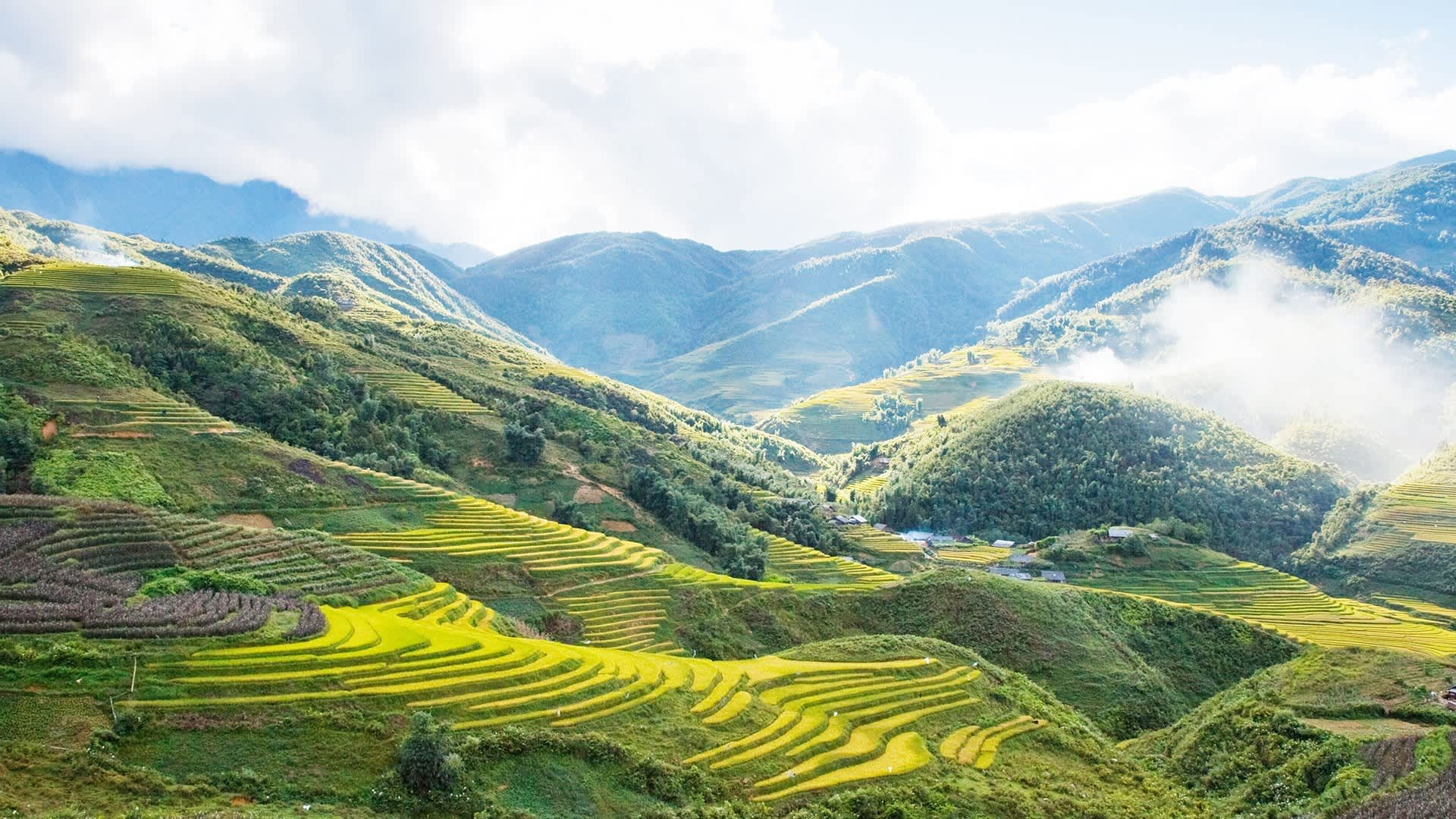
Sapa is a postcard-perfect destination for nature lovers. Its dramatic landscapes of cascading rice terraces, verdant valleys, and towering peaks, including the highest in Indochina, Fansipan (accessible by cable car for 750,000-800,000 VND or $30-33 return), are truly breathtaking. The mist often rolling through the mountains adds an ethereal quality, perfect for trekking and photography. Hanoi, while a vibrant city, doesn't offer the same direct access to raw natural beauty. Its 'nature' is more contained within urban spaces like Hoan Kiem Lake, West Lake, and various parks. However, Hanoi serves as a crucial hub for day trips or overnight stays to world-renowned natural sites such as Ha Long Bay or the karsts of Ninh Binh, both 2-3 hours away by bus. But for immediate, immersive natural landscapes, Sapa is the undisputed champion. "The views in Sapa were insane. Every turn on a hike was another photo op. Hanoi's nice, but it's a city, not a mountain paradise." For raw, immediate natural beauty, Sapa takes the crown.
Winner takeaway
- Winner: Sapa
- Why: Sapa's iconic terraced rice fields, majestic mountains, and misty valleys offer an unparalleled, immersive natural experience directly within the town's vicinity.
- Who this matters for: Hikers, photographers, nature enthusiasts, and those seeking serene, panoramic views.
🚌 Getting There & Around
Hanoi is the logistical hub of Northern Vietnam, boasting Noi Bai International Airport (HAN) with direct flights from across Asia and beyond. Getting around the city is a breeze with Grab (ride-hailing for motorbikes or cars), affordable taxis, and cyclo rides in the Old Quarter. Inner city Grab bike rides typically cost 20,000-50,000 VND ($0.80-2.10). Sapa, on the other hand, requires a dedicated journey. There's no airport nearby. The most common ways to reach Sapa are by overnight sleeper train from Hanoi to Lao Cai (around 300,000-600,000 VND or $12-25 for a soft sleeper berth, 8-9 hours), followed by a 1-hour minivan/bus ride to Sapa town (50,000-80,000 VND or $2-3.50). Alternatively, direct sleeper buses from Hanoi to Sapa are faster (around 6 hours, 250,000-400,000 VND or $10-16). Once in Sapa, the town is walkable, but getting to villages usually requires trekking, motorbike rental (100,000-150,000 VND/day or $4-6), or guided tours. "The journey to Sapa was part of the adventure, but after the convenience of Hanoi, it felt like a trek even before the actual trekking." Hanoi's ease of access and diverse internal transport options make it the clear winner.
Winner takeaway
- Winner: Hanoi
- Why: Hanoi is easily accessible via a major international airport and offers diverse, efficient, and affordable urban transportation, contrasting with Sapa's more remote location and longer travel times.
- Who this matters for: Travelers prioritizing convenience, time efficiency, and smooth transitions.
💰 Costs & Budget
Both destinations can be explored on a budget, but their cost structures differ. In Hanoi, daily expenses can be surprisingly low if you embrace street food (30,000-60,000 VND for a meal, $1.20-2.50), use Grab for transport, and opt for hostels (150,000-250,000 VND or $6-10 for a dorm). Mid-range hotels are plentiful from 700,000-1,500,000 VND ($30-60). Activities like temple entries are cheap (30,000-50,000 VND). Sapa's core town can feel a bit more tourist-priced for food, with meals often costing 80,000-150,000 VND ($3.50-6.50). However, the main cost in Sapa comes from trekking tours and guides (often $20-60 per day depending on length and inclusions, excluding homestay costs which can be another $15-25). Transportation to Sapa (train/bus) is also a significant upfront cost. "I found my day-to-day eating and city transport cheaper in Hanoi, but Sapa felt pricier overall once I factored in the trek and guide fees." If you stick to independent exploration in Sapa, costs can be comparable to Hanoi, but most travelers opt for guided experiences.
Winner takeaway
- Winner: Tie
- Why: While Hanoi offers cheaper daily essentials like food and local transport, Sapa's unique experiences often involve guided treks and tours which can push the budget higher, balancing out overall costs depending on travel style.
- Who this matters for: Budget-conscious travelers, backpackers, and anyone balancing daily spending with unique experiences.
🏨 Accommodation
Hanoi offers an incredibly diverse and well-developed accommodation scene to suit every budget and style. You can find vibrant backpacker hostels in the Old Quarter for as little as 150,000 VND ($6) a night, charming boutique hotels (e.g., La Siesta, Peridot Grand) for 1,500,000-3,000,000 VND ($60-120), and luxurious international chains. The sheer number of options means competitive pricing and high standards. Sapa's accommodation landscape is more focused on traditional guesthouses, local homestays (offering a unique cultural immersion, typically 350,000-600,000 VND or $15-25 per night including meals), and a growing number of resorts on the outskirts (e.g., Hotel de la Coupole, Topas Ecolodge for 2,500,000-5,000,000 VND or $100-200+). While Sapa has its charm, the variety and quality of mid-range and luxury options in the town itself are limited compared to Hanoi. "Hanoi had so many cool hostels and boutique places right in the action. Sapa's homestays were awesome for the experience, but if you wanted a proper hotel, options felt fewer and pricier for what you got." Hanoi wins for its extensive range, quality, and competitive pricing across all categories.
Winner takeaway
- Winner: Hanoi
- Why: Hanoi provides a significantly wider range of accommodation options, from budget hostels to luxury hotels, with better quality and competitive pricing compared to Sapa.
- Who this matters for: Travelers seeking specific accommodation styles, from social hostels to upscale boutique hotels, or those on a strict budget for lodging.
🍻 Nightlife & Social Scene
If you're looking for vibrant nightlife and a buzzing social scene, Hanoi is your spot. Ta Hien Street, famously known as 'Beer Street,' comes alive every evening with throngs of locals and tourists spilling onto the sidewalks, enjoying cheap 'bia hơi' (fresh beer for 10,000-20,000 VND or $0.40-0.80) on tiny plastic stools. Beyond Beer Street, there are numerous stylish bars, live music venues, and even rooftop lounges around Hoan Kiem Lake. The energy is infectious, making it easy to meet fellow travelers or locals. Sapa, by contrast, offers a much quieter and more laid-back evening atmosphere. After a day of trekking, most visitors are ready for an early dinner and a relaxing night. There are a few small bars and restaurants, but the focus is more on hearty meals and perhaps a quiet drink rather than a party scene. Homestays often offer communal dinners, which provide a lovely social experience, but it's not 'nightlife' in the traditional sense. "Hanoi's Beer Street was an absolute riot, so much fun. In Sapa, I was usually asleep by 9 PM after a long hike." For those who enjoy an active and diverse nightlife, Hanoi is the clear winner.
Winner takeaway
- Winner: Hanoi
- Why: Hanoi offers a famously vibrant and diverse nightlife, particularly around Beer Street, while Sapa is predominantly quiet and geared towards relaxation after daytime activities.
- Who this matters for: Social travelers, party-goers, and anyone who enjoys evening entertainment and meeting new people.
🚶♀️ Activities & Adventures
Sapa shines brightest for adventurous activities, primarily trekking. The region offers an incredible array of trails, from easy walks through rice paddies to challenging multi-day hikes to remote villages like Lao Chai, Ta Van, or the more touristy Cat Cat Village (entry 70,000 VND or $2.90). Guided treks often include homestays, providing deep cultural immersion with local ethnic groups. Conquering Fansipan Peak (via cable car or a challenging 2-day hike) is another major draw. While Hanoi offers fascinating city exploration (Old Quarter, museums, Hoan Kiem Lake), its 'adventure' typically involves navigating traffic or serving as the base for iconic day trips. Popular excursions include Ha Long Bay (overnight cruises from $100+), Ninh Binh's Trang An Grottoes (boat trip 250,000 VND or $10.50), and Mai Chau's scenic valleys. While these are fantastic, they require leaving the city. Sapa's adventures are right on its doorstep. "Sapa was all about getting out and hiking; it was incredible. Hanoi was more about sightseeing and eating, which I loved, but it's a different kind of 'activity.'" Sapa is the unequivocal winner for direct, immersive adventure activities.
Winner takeaway
- Winner: Sapa
- Why: Sapa is world-renowned for its direct access to incredible trekking opportunities and immersive cultural village experiences right on its doorstep.
- Who this matters for: Adventure seekers, trekkers, nature lovers, and those looking for active, immersive experiences.
🛍️ Shopping & Souvenirs
Hanoi offers a much broader and more diverse shopping experience. The Old Quarter is a labyrinth of streets, each historically dedicated to a specific craft – 'Hang Bac' for silver, 'Hang Gai' for silk, and so on. You'll find everything from tailor shops creating custom garments, high-quality lacquerware, intricate embroidery, unique art pieces, to bustling markets like Dong Xuan Market for clothes, spices, and everyday goods. There are also modern malls for international brands. Prices are generally negotiable, especially in markets. Sapa's shopping is more niche, focusing primarily on handicrafts made by local ethnic minority groups. You'll find beautifully embroidered textiles, silver jewelry, and bamboo crafts in the Sapa Market and around town. While these make for authentic and meaningful souvenirs, the variety is limited compared to Hanoi. "I bought so many cool things in Hanoi – custom shoes, amazing art. Sapa had some nice textiles, but it was nowhere near the same variety or scale." For sheer choice, quality, and variety of shopping, Hanoi is the clear winner.
Winner takeaway
- Winner: Hanoi
- Why: Hanoi provides a significantly wider array of shopping opportunities, from traditional handicrafts and bespoke tailoring to modern fashion and unique art, vastly exceeding Sapa's focused handicraft market.
- Who this matters for: Shoppers, souvenir collectors, and those looking for unique local goods or custom items.
☀️ Weather & Best Time to Visit
Choosing a 'winner' for weather is subjective, as both offer distinct seasonal experiences. Hanoi has a tropical monsoon climate: hot, humid, and rainy summers (May-September, 30-35°C / 86-95°F) and mild to cool, dry winters (November-February, 15-20°C / 59-68°F, sometimes dipping lower). The best times to visit Hanoi are autumn (September-November) and spring (March-April) for pleasant temperatures and less rain. Sapa's high altitude means cooler temperatures year-round, often misty or foggy, which can add to its charm but also obscure views. Summers (June-August) are milder than Hanoi (20-25°C / 68-77°F) but can still be rainy. Winters (December-February) can be quite cold, sometimes with frost or even rare snow, making trekking challenging (5-10°C / 41-50°F). The shoulder seasons, especially April-May (terraces green) and September-October (terraces golden for harvest), offer the best views and pleasant trekking conditions. "I loved Sapa in September when the rice fields were golden, but Hanoi was still pretty hot and humid then. They're just so different." Your preference for heat vs. cool, and what scenery you want to see (green vs. golden rice fields), dictates the best time, making this a tie.
Winner takeaway
- Winner: Tie
- Why: Both destinations offer distinct weather patterns that appeal to different preferences and best showcase their unique features during specific seasons, meaning neither is definitively 'better' for weather overall.
- Who this matters for: Travelers with specific weather preferences, those sensitive to heat/cold, or photographers aiming for specific seasonal backdrops.
❓ Frequently Asked Questions
How many days should I spend in Hanoi vs Sapa?
For Hanoi, 3-4 full days are ideal to cover the Old Quarter, major historical sites, and enjoy the food scene. For Sapa, 2-3 days allow for a good trekking experience and cultural immersion. If combining both, plan for a minimum of 6-7 days in Northern Vietnam.
Is it worth going to Sapa despite the long journey?
Absolutely! While the overnight train or sleeper bus journey from Hanoi (6-9 hours) is long, the breathtaking landscapes, unique ethnic cultures, and unparalleled trekking opportunities in Sapa are well worth the effort for nature and adventure lovers.
Can I do a day trip to Sapa from Hanoi?
A day trip to Sapa from Hanoi is generally not recommended due to the significant travel time (6+ hours each way). You'd spend most of your day traveling. An overnight stay of at least 1-2 nights is essential to properly experience Sapa.
What are the best things to eat in Hanoi?
In Hanoi, you MUST try Bún Chả (grilled pork with noodles), Phở (noodle soup, especially Phở Bò - beef pho), Bánh Mì (Vietnamese sandwich), Chả Cá Lã Vọng (turmeric fish), and the iconic Cà Phê Trứng (Egg Coffee). Don't shy away from street food stalls!
Is Sapa too touristy now?
Sapa town itself has become quite developed for tourism, with hotels and souvenir shops. However, the authentic trekking experiences and homestays in the surrounding villages (like Ta Van, Lao Chai, Ban Ho) still offer genuine cultural immersion away from the main tourist hub.
What should I pack for Sapa?
For Sapa, pack layers as temperatures can change quickly. Include waterproof gear, comfortable hiking shoes, a hat, sunscreen, insect repellent, and warm clothing, especially for winter months (Dec-Feb) or early mornings/evenings. Bring a small daypack for treks.
Is it safe to travel solo in Hanoi or Sapa?
Both Hanoi and Sapa are generally safe for solo travelers. In Hanoi, be mindful of pickpocketing in crowded areas and traffic. In Sapa, stick to marked trails or hire a local guide for treks. Basic precautions and common sense will ensure a smooth trip in both locations.
What are some must-do day trips from Hanoi?
From Hanoi, the top day trips include an overnight cruise in Ha Long Bay (or a long day trip), a visit to the stunning karst landscapes and boat rides of Ninh Binh (Trang An or Tam Coc), and the peaceful rural charm of Mai Chau Valley.
Ready to plan your Northern Vietnam trip?
Get a free custom itinerary for Hanoi, Sapa, or both — built from real traveler insights.
🎟️ Book Tours & Experiences
Hand-picked tours and activities for both destinations — book with free cancellation
Experiences via Viator — free cancellation on most tours