How we built this comparison
This page combines traveler discussion patterns, published price ranges, flight schedules, and seasonal data to help you decide between Havana and Bogota.
- Reviewed 50+ Reddit threads from r/travel, r/solotravel, r/Cuba, r/Colombia, and r/bogota for real traveler experiences and advice.
- Verified costs and logistics against current booking platforms (e.g., Booking.com, Airbnb, Skyscanner, local tour operators).
- Cross-referenced seasonal patterns, weather data, and major events for optimal travel timing and activities.
⚡ The TL;DR Verdict
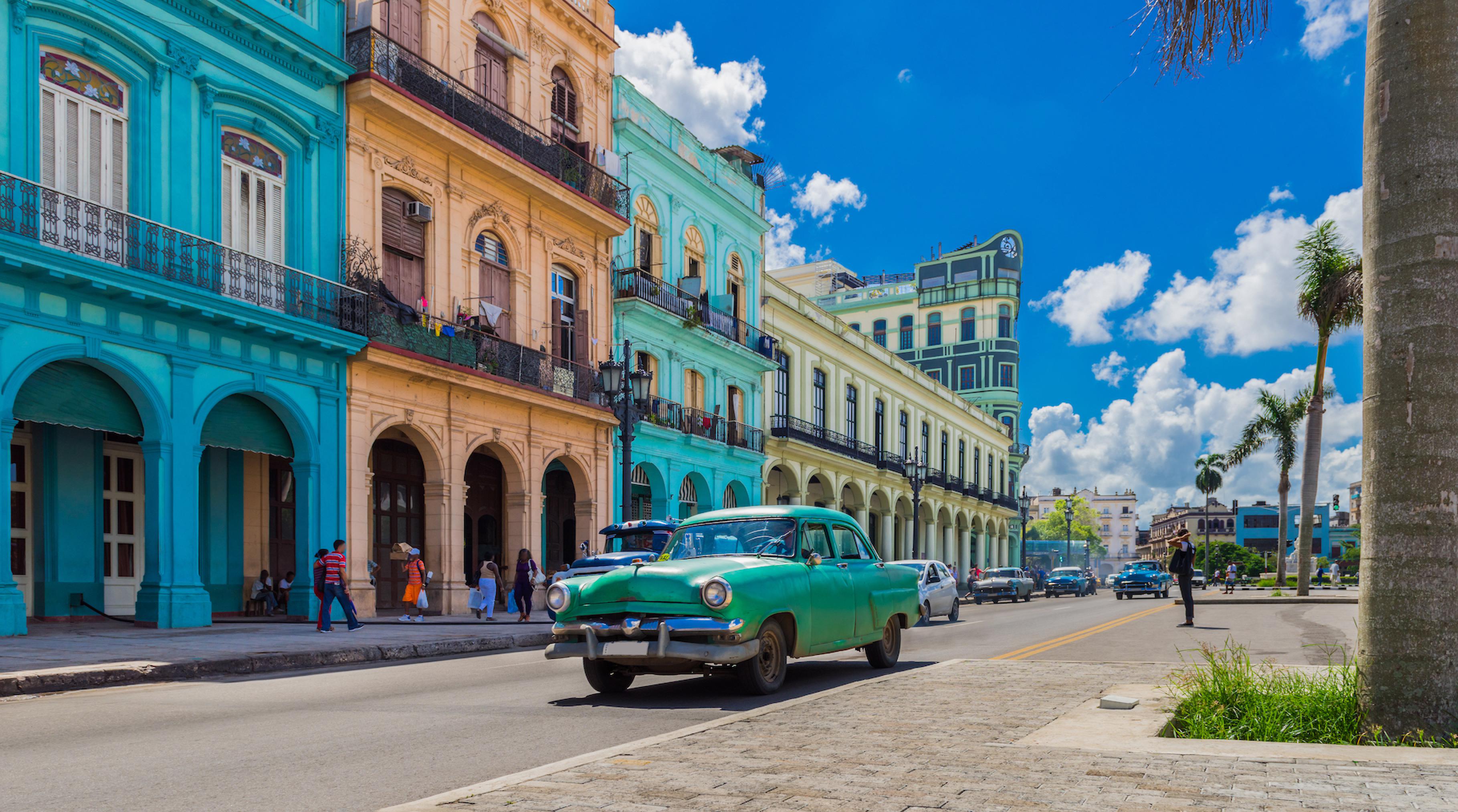
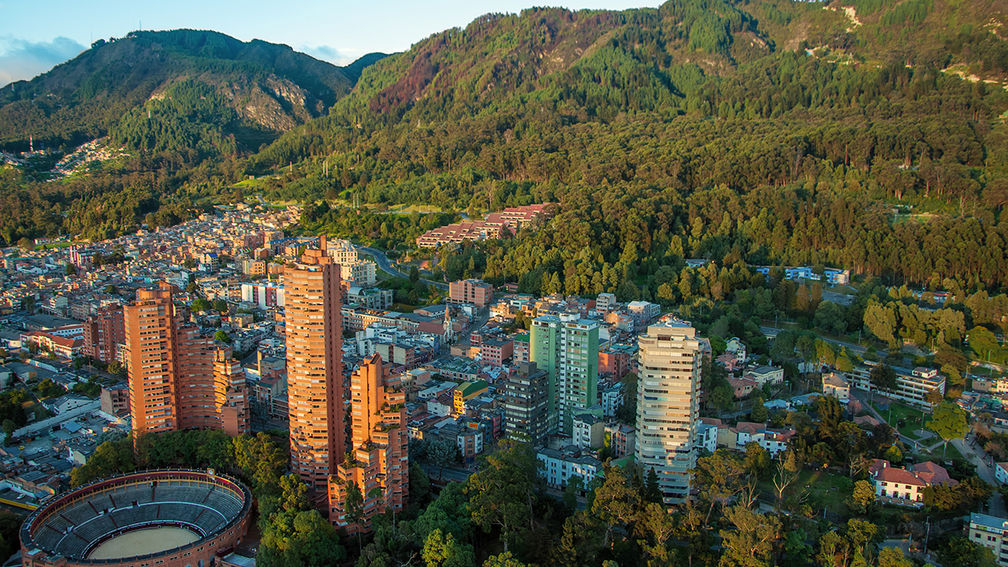
Choose Havana for a truly unique, immersive cultural dive into a bygone era with salsa, vintage cars, and a slower pace, best for those with a daily budget of $70-150 USD. Opt for Bogota if you crave a vibrant, modern city experience with world-class food, art, and easy access to Andean nature, ideal for budgets of $50-120 USD.
- Choose Havana: Best for culture vultures, history buffs, and those seeking an 'unplugged' experience without the typical Western conveniences. If you love live music, vintage aesthetics, and a unique socio-political backdrop, Havana is your pick.
- Choose Bogota: Ideal for foodies, art lovers, digital nomads, and adventurers who want a dynamic city base with easy access to mountains, coffee regions, and vibrant nightlife. If you prioritize comfort, variety, and modern amenities, Bogota wins.
- Choose Both: A 2-week itinerary could combine both for a truly diverse Latin American experience. Start with 5-7 days in Havana for its unique charm, then fly to Bogota (via Panama City or Miami) for another 5-7 days to contrast the old-world with a thriving metropolis. It's a fantastic pairing for a longer trip, offering both relaxation and adventure.
Quick Comparison
| Category | Havana | Bogota | Winner |
|---|---|---|---|
| Culture & History | A living museum of colonial architecture, revolutionary history, and vibrant Afro-Cuban traditions. Expect vintage cars, pastel buildings, and a palpable sense of resilience. | A sprawling canvas of pre-Columbian gold, colonial churches, and a booming street art scene. Home to world-class museums and a rich intellectual heritage. | Havana |
| Food & Drink | Traditional Cuban comfort food – rice, beans, pork, plantains – often found in paladares (private restaurants). Rum cocktails are a highlight. | A diverse culinary scene from traditional Colombian ajiaco (chicken and potato soup) to innovative fine dining, complemented by excellent coffee and exotic fruits. | Bogota |
| Nightlife & Entertainment | Legendary for live music, especially salsa and Son Cubano. Iconic cabarets, jazz clubs, and street parties abound. | A dynamic and varied scene, from electronic music clubs in Zona T to salsa bars in Chapinero, and a thriving craft beer culture. | Tie |
| Costs & Budget | While accommodation can be pricier, food and local transport are affordable. Dual currency (CUP/MLC) makes budgeting a bit complex. | Generally very affordable for Western travelers. Excellent value for food, transport, and cultural experiences, especially outside luxury options. | Bogota |
| Safety & Vibe | Generally very safe with low violent crime, but petty theft can occur. The vibe is slow, communal, and resilient, with constant street life. | Improving safety, but certain areas (especially downtown at night) require caution. The vibe is bustling, energetic, and modern with a strong sense of local pride. | Havana |
| Getting Around & Connectivity | Walking, classic car taxis, and coco-taxis are common. Internet is limited, often slow, and requires purchasing scratch cards. | Extensive bus system (TransMilenio), affordable taxis/ride-sharing, and increasingly bike-friendly. Good internet and mobile coverage. | Bogota |
| Accommodation | Predominantly 'casas particulares' (private homestays) offering an authentic, intimate experience. Hotels are often state-run and pricier. | Wide range of options from boutique hostels to luxury hotels. Strong presence of international chains and a robust Airbnb market. | Bogota |
| Day Trips & Nature | Viñales Valley (tobacco farms, mogotes), Varadero (beaches), or further afield to Trinidad. Less immediate nature access from the city. | Monserrate (mountain views), Zipaquirá Salt Cathedral, Guatavita Lake, and easy access to the coffee region or Chingaza National Park. | Bogota |
| Weather & Seasons | Tropical climate with distinct wet (May-Oct) and dry (Nov-Apr) seasons. Hot and humid year-round, especially in summer. | High-altitude climate (2,640m) means spring-like temperatures year-round, often cool evenings. Rainy season from April-May and Oct-Nov. | Tie |
| Solo Travel & Socializing | Generally safe for solo travelers, but socializing often means initiating conversations or joining tours. Less structured hostel scene. | Excellent for solo travelers with a thriving hostel culture, abundant social activities, and easy meet-ups via apps or tours. | Bogota |
🏛️ Culture & History
Havana is less a city and more a time capsule, a truly immersive cultural experience unlike anywhere else. Walking through Old Havana (Habana Vieja), a UNESCO World Heritage site, you're surrounded by crumbling colonial mansions, bustling plazas like Plaza Vieja and Plaza de Armas, and the iconic Capitolio Nacional. Revolutionary Square (Plaza de la Revolución) and the Museo de la Revolución offer deep dives into Cuba's socialist past. The city breathes live music, from salsa in Casa de la Música to traditional Son Cubano in small paladares. The unique challenges of life in Cuba create a distinct social fabric and entrepreneurial spirit that's incredibly engaging for visitors. "Honestly, you can't really prepare for Havana. It's beautiful, frustrating, and totally unforgettable, like stepping into a movie," shared one Redditor. While Bogota offers fantastic museums like the Gold Museum (Museo del Oro) with its stunning collection of pre-Hispanic artifacts and the Botero Museum in La Candelaria, Havana's entire urban landscape feels like a continuous, living historical narrative. You're not just observing history; you're living it, riding in a 1950s Chevy taxi (a 10-15 USD ride for longer distances) or watching kids play baseball in the street.
Winner takeaway
- Winner: Havana
- Why: Havana offers an unparalleled, immersive cultural and historical experience that feels like stepping back in time.
- Who this matters for: History buffs, photographers, and travelers seeking truly unique cultural immersion.
🍽️ Food & Drink
Bogota's food scene is a revelation, easily surpassing Havana in variety, quality, and innovation. From high-end restaurants in Zona G like El Chato (expect a tasting menu around 250,000 COP / $65 USD) to street food vendors selling arepas and empanadas for 3,000-5,000 COP ($0.80-$1.30 USD), there's something for every palate and budget. The city is a paradise for coffee lovers, with countless cafes offering single-origin brews, and the fruit markets are a riot of colors and flavors. "Bogota's food was seriously next level, I ate so well for so cheap. Don't skip the ajiaco at La Puerta Falsa!" raved a Redditor. Havana, while improving, still struggles with consistent ingredient supply due to economic challenges. Expect simple but hearty fare: Ropa Vieja (shredded beef), lechón (roast pork), and moros y cristianos (rice and beans). Paladares like La Guarida (dinner for two around 70-100 MLC / $70-100 USD) offer a more refined experience, but the overall culinary landscape is less diverse. Havana excels in cocktails, though, with the classic Mojito and Daiquiri perfected at places like Floridita (around 6-8 MLC / $6-8 USD per drink).
Winner takeaway
- Winner: Bogota
- Why: Bogota offers a far more diverse, innovative, and high-quality food scene, catering to all tastes and budgets.
- Who this matters for: Foodies, gourmands, and those who prioritize culinary exploration.
💃 Nightlife & Entertainment
This category is a tough call as both cities offer vibrant, distinct nightlife experiences. Havana is synonymous with music and dance. Casa de la Música in Miramar or Centro Habana (cover charge around 25-35 MLC / $25-35 USD) offers incredible live salsa bands where locals and tourists dance until dawn. Tropicana cabaret (around 90-120 MLC / $90-120 USD for show and drinks) is a classic, albeit touristy, spectacle. Jazz clubs like La Zorra y el Cuervo (10 MLC / $10 USD cover, includes drinks) provide an intimate, smoky atmosphere. The energy is infectious, with music spilling out onto the streets. Bogota, however, provides a more varied, modern club scene. Zona T and Parque 93 are packed with upscale bars and electronic music clubs like Theatron (a massive multi-room club, around 50,000-70,000 COP / $13-18 USD cover), attracting a younger crowd. Chapinero has a more bohemian feel with lively salsa bars and craft breweries. "Bogota's nightlife surprised me, it's so diverse. You can go from a chill craft beer spot to a huge club with multiple rooms, all in one night!" noted a Redditor. While Bogota offers more diversity in terms of music genres and modern venues, Havana's raw, authentic musical energy and dancing culture are utterly unique. Both are incredible for different reasons, making it a tie.
Winner takeaway
- Winner: Tie
- Why: Both cities offer distinct yet equally vibrant and compelling nightlife scenes, catering to different preferences.
- Who this matters for: Party-goers, music lovers, and anyone looking for lively evenings.
💰 Costs & Budget
Bogota is significantly more budget-friendly for a traveler seeking comfort and variety, offering incredible value. You can easily find a decent hostel bed for 40,000-70,000 COP ($10-18 USD), or a mid-range hotel for 150,000-250,000 COP ($40-65 USD). Meals can be as cheap as 15,000-25,000 COP ($4-7 USD) for a 'menu del día,' and a taxi across town might be 15,000-25,000 COP. A comfortable daily budget of $50-70 USD is very feasible. "Honestly, the peso goes so far in Bogota, I was eating like a king and taking Ubers everywhere on $30 a day without trying too hard," remarked a satisfied Redditor. Havana is more complex due to Cuba's dual currency system (CUP for locals, MLC for tourists/importers) and the economic situation. Tourist-facing prices are often in MLC (pegged to USD). Private rooms (casas particulares) range from 30-50 MLC ($30-50 USD). Meals at paladares can be 15-30 MLC ($15-30 USD), while street food is cheaper in CUP if you can navigate it. Taxis are generally 10-20 MLC ($10-20 USD) for tourists. While local experiences can be cheap, tourist staples like accommodation, specific meals, and official taxis tend to be higher than Bogota. A reasonable daily budget for Havana is $70-100 USD, often feeling like you get less for your money compared to Bogota.
Winner takeaway
- Winner: Bogota
- Why: Bogota offers superior value for money across accommodation, food, and transport, making it a more budget-friendly destination overall.
- Who this matters for: Budget-conscious travelers, backpackers, and digital nomads seeking value.
🛡️ Safety & Vibe
Havana generally feels very safe for tourists, especially in Old Havana, Vedado, and Miramar. Violent crime against tourists is rare, though petty theft like pickpocketing can happen, particularly in crowded areas. The constant street presence of locals, even late at night, often contributes to a sense of security. The vibe is laid-back, community-oriented, and resilient; people are generally friendly and open, though hustlers trying to sell cigars or offer 'help' are common. "I felt safer walking around Havana at night than in many European cities. Just be aware of your surroundings, like anywhere," a Redditor commented. Bogota has a historical reputation for being unsafe, but significant improvements have been made, especially in tourist-friendly zones like Zona T, Chapinero, and Usaquén. However, areas like La Candelaria, while beautiful during the day, can be risky at night, and general vigilance is advised. Express kidnappings (paseo millonario) can occur in taxis hailed off the street, making ride-sharing apps (Uber, Cabify) or reputable hotel taxis a safer choice (e.g., a 20,000 COP / $5 USD ride from Zona T to La Candelaria). The energy in Bogota is more bustling and metropolitan, with a mix of modern and traditional. While Bogota is much safer than its past, Havana still edges it out for a general sense of ease and low-stress wandering.
Winner takeaway
- Winner: Havana
- Why: Havana offers a more consistent and palpable sense of safety for tourists, with a lower incidence of serious crime.
- Who this matters for: Solo female travelers, first-time international travelers, and those prioritizing a worry-free experience.
🗺️ Getting Around & Connectivity
Bogota is a much easier city to navigate and stay connected in. The TransMilenio bus rapid transit system covers a vast area, with rides costing around 2,950 COP ($0.75 USD). Taxis are plentiful and affordable, though using apps like Uber (which operates in a legal grey area but is widely used) or Cabify is recommended for safety and transparency (a 10km ride might be 20,000 COP / $5 USD). The city is also becoming more bike-friendly, especially on Sundays when major roads close for ciclovía. Internet is fast and readily available, with Wi-Fi in most cafes and hotels, and affordable local SIM cards (Claro, Tigo) are easy to purchase (e.g., 5GB data for 30,000 COP / $8 USD). "Bogota's TransMilenio takes some getting used to, but it's super efficient once you figure it out. And having reliable internet made planning so much easier," a traveler noted. Havana's connectivity is notoriously challenging. Wi-Fi is primarily available in designated public parks or hotels, accessed by purchasing scratch cards (ETECSA Nauta cards) for 1 MLC ($1 USD) per hour, which can be slow and unreliable. Getting around involves walking, classic car taxis (haggle for prices, often 5-10 MLC for short trips), or shared collective taxis (maquinas). While charming, it requires more effort and less spontaneity for navigation and communication, making Bogota the clear winner for convenience and modern amenities.
Winner takeaway
- Winner: Bogota
- Why: Bogota offers superior public transport, readily available and fast internet, and modern ride-sharing options, making it far more convenient.
- Who this matters for: Digital nomads, business travelers, and those who value seamless travel logistics and constant connectivity.
🏨 Accommodation
Bogota offers a far more diverse, comfortable, and competitively priced range of accommodation. You can choose from trendy hostels in Chapinero Alto like The Cranky Croc (dorm beds from 50,000 COP / $13 USD), charming boutique hotels in Usaquén, or luxury international chains in Zona T. Airbnb is thriving, offering apartments for every budget (e.g., a well-located private apartment for 180,000-300,000 COP / $45-80 USD per night). The quality and amenities generally meet international standards. "Finding a great Airbnb in Bogota was super easy and affordable, and the amenities were exactly what I'd expect back home," a Redditor shared. Havana's accommodation scene is dominated by 'casas particulares,' private homes converted into guesthouses. These offer a fantastic opportunity to interact with Cuban families and experience local life, with prices typically ranging from 30-50 MLC ($30-50 USD) per night for a private room with a bathroom. While charming, they can vary greatly in quality and amenities (e.g., air conditioning might be old, water pressure inconsistent). State-run hotels like Hotel Nacional de Cuba (200-400 MLC / $200-400 USD per night) are often expensive, dated, and don't always offer value commensurate with their price. Finding available, high-quality hotel rooms can also be more challenging and require booking well in advance. For variety, comfort, and consistent quality, Bogota is the clear winner.
Winner takeaway
- Winner: Bogota
- Why: Bogota provides a wider array of accommodation options, better value, and more consistent modern amenities across all price points.
- Who this matters for: Travelers seeking modern comforts, diverse choices, and reliable booking platforms.
🏞️ Day Trips & Nature
Bogota is an excellent base for a variety of captivating day trips that showcase Colombia's diverse natural and cultural landscape. Just a short drive away is Monserrate, a mountain peak offering panoramic views of the sprawling city (funicular/cable car ride ~27,000 COP / $7 USD return). The breathtaking Zipaquirá Salt Cathedral (entry ~60,000 COP / $15 USD), an underground church carved within a salt mine, is a truly unique experience. Further afield, the sacred Guatavita Lake, associated with the El Dorado legend, offers stunning natural beauty and indigenous history. For nature lovers, Chingaza National Natural Park (entry ~55,000 COP / $14 USD for foreigners, guides recommended) provides opportunities for hiking and spotting unique Andean wildlife like spectacled bears. "The Salt Cathedral blew my mind, and the views from Monserrate are essential for understanding Bogota's scale. So many cool things to do just a few hours away!" exclaimed a Redditor. Havana's most popular day trip is Viñales Valley (around 120-180 MLC / $120-180 USD for a private taxi day trip), famous for its dramatic 'mogotes' (limestone hills) and tobacco plantations, offering a glimpse into rural Cuba. The stunning white sand beaches of Varadero are also accessible (around 80-120 MLC / $80-120 USD for a return taxi), but are more resort-focused. While Viñales is beautiful, Bogota's range of natural, historical, and geological excursions is more diverse and consistently accessible.
Winner takeaway
- Winner: Bogota
- Why: Bogota offers a wider and more accessible range of diverse day trip options, blending nature, history, and unique attractions.
- Who this matters for: Adventure seekers, nature enthusiasts, and those who enjoy exploring beyond the city limits.
☀️ Weather & Seasons
Comparing the weather of Havana and Bogota is like comparing apples and oranges due to their drastically different elevations, making a 'winner' depend entirely on personal preference. Havana enjoys a tropical savanna climate, meaning it's generally hot and humid year-round. The dry season (November to April) is considered the best time to visit, with average temperatures around 25-30°C (77-86°F) and less rain. The wet season (May to October) brings higher humidity, more frequent showers, and the risk of hurricanes (especially August-October). "Havana in February was perfect, warm days but not scorching, and no rain. Ideal for walking everywhere," a traveler mentioned. Bogota, situated at a high altitude of 2,640 meters (8,660 feet), experiences a perpetual spring-like climate. Temperatures are mild and consistent throughout the year, typically ranging from 10-20°C (50-68°F). Evenings can be quite cool, often dropping to single digits, so layers are essential. Bogota has two rainy seasons (April-May and October-November) but even then, rain often comes in short bursts. For those who prefer warmth, Havana's dry season is ideal. For those who dislike intense heat and humidity and prefer cooler, more temperate conditions, Bogota is perfect. Both offer pleasant periods depending on what you're looking for, making it a tie based on preference rather than objective superiority.
Winner takeaway
- Winner: Tie
- Why: Both cities offer distinct climatic experiences, with Havana being tropical and Bogota temperate, appealing to different traveler preferences.
- Who this matters for: Depends on preference: those who love tropical heat vs. those who prefer cool, spring-like weather.
🧍♀️ Solo Travel & Socializing
Bogota is a fantastic city for solo travelers looking to meet people and socialize. Its robust hostel scene, particularly in La Candelaria and Chapinero, means there are always fellow backpackers and travelers to connect with. Hostels like Selina La Candelaria or República Hostel have daily activities, bar crawls, and common areas designed for interaction. Language exchange events and walking tours (like the free walking tour starting from Parque de los Periodistas) are great ways to meet locals and other travelers. The sheer number of cafes, bars, and cultural events also makes it easy to strike up conversations. "Bogota was so easy as a solo traveler. Stayed at a great hostel, met people instantly, and always had someone to explore with," a Redditor shared. Havana is also generally safe for solo travelers, and Cubans are incredibly friendly and curious. However, the social scene is less structured for foreigners. While staying in a casa particular offers interaction with a local family, the traditional 'hostel vibe' with organized social events is less prevalent. Meeting other travelers often requires joining organized tours or being proactive in popular tourist spots. Internet limitations also make spontaneous meet-ups or using social apps more challenging. While the unique cultural interactions in Havana are profound, Bogota offers a more straightforward and diverse array of opportunities for solo travelers to socialize and build connections with ease.
Winner takeaway
- Winner: Bogota
- Why: Bogota's vibrant hostel culture, numerous social events, and ease of connectivity make it superior for solo travelers seeking to socialize.
- Who this matters for: Solo travelers, backpackers, and those looking to easily meet other travelers and locals.
❓ Frequently Asked Questions
Is it safe to visit Havana or Bogota right now?
Both cities have improved significantly, but require general vigilance. Havana is very safe for tourists, with low violent crime. Bogota has made strides in safety, especially in tourist zones like Zona T, but visitors should be cautious in certain areas at night and use ride-sharing apps over street taxis.
Which city is better for a budget traveler?
Bogota is generally more budget-friendly. You'll get more value for your money across accommodation, food, and transport, with comfortable daily budgets starting around $50-70 USD. Havana's tourist costs, especially for accommodation and specific tourist services, can be higher, with daily budgets starting closer to $70-100 USD.
How difficult is it to get to Havana from the US vs. Bogota?
Flights to Bogota from major US hubs are frequent and straightforward, often direct. Flights to Havana from the US can be more complex due to US regulations, typically requiring a specific 'category of travel' (e.g., 'support for the Cuban people') and sometimes have fewer direct options. It's often easier from non-US cities.
Which city has better internet access for digital nomads?
Bogota is vastly superior for digital nomads. It offers widespread, fast, and affordable internet access in cafes, co-working spaces, and accommodation, along with easy access to local SIM cards. Havana's internet is limited, often slow, requires purchasing specific cards, and is generally unreliable for work requiring constant connectivity.
What's the main language spoken, and do I need to know Spanish?
Spanish is the main language in both cities. While you can get by with English in tourist-heavy areas and hotels, knowing basic Spanish will significantly enhance your experience in both Havana and Bogota. Many locals, especially outside major tourist zones, speak little to no English.
Which city is better for a first-time traveler to Latin America?
Bogota might be a slightly easier entry point for a first-time Latin American traveler due to its modern infrastructure, readily available amenities, better internet, and more familiar travel logistics. Havana offers a more 'unplugged' and unique experience that, while incredibly rewarding, might present more cultural and logistical challenges for a complete novice.
What kind of local transport should I expect in each city?
In Havana, expect to walk a lot, use classic car taxis (often shared, haggle prices), and coco-taxis. Bogota has an extensive and efficient bus rapid transit system (TransMilenio), affordable taxis, and ride-sharing apps like Uber (though operating in a grey area).
Which city has better options for vegetarians/vegans?
Bogota offers significantly better options for vegetarians and vegans. Its diverse culinary scene includes many restaurants with dedicated plant-based menus or easily adaptable dishes. Havana's traditional cuisine is very meat-heavy, and while paladares are increasingly accommodating, variety can be limited, and options might be simpler.
Ready to plan your Caribbean or Andean trip?
Get a free custom itinerary for Havana, Bogota, or both — built from real traveler insights.
🎟️ Book Tours & Experiences
Hand-picked tours and activities for both destinations — book with free cancellation
Experiences via Viator — free cancellation on most tours