How we built this comparison
This page combines traveler discussion patterns, published price ranges, flight schedules, and seasonal data to help you decide between Hawaii and Florida.
- Reviewed 50+ Reddit threads from r/travel, r/solotravel, r/Hawaii, r/florida, and more.
- Verified costs and logistics against current booking platforms (e.g., Google Flights, Booking.com, Kayak) for 2024/2025.
- Cross-referenced seasonal patterns, weather data, and major event calendars to ensure practical advice.
⚡ The TL;DR Verdict
For those seeking unparalleled natural beauty, unique Polynesian culture, and a truly 'away from it all' vibe, Hawaii is your ultimate splurge, typically requiring $400-700+ USD per person daily. If you crave diverse entertainment, accessible beaches, theme park thrills, and a more budget-friendly adventure, Florida offers a fantastic experience, generally ranging from $200-450+ USD daily.
- Choose Hawaii: Perfect for honeymooners, nature lovers, serious hikers, surfers, and anyone prioritizing breathtaking landscapes, unique culture, and a slower pace, willing to invest significantly.
- Choose Florida: Ideal for families with young kids (theme parks), party-goers (Miami), budget-conscious beachgoers, East Coasters seeking a quick escape, and those who want a blend of activities beyond just nature.
- Choose Both: If you have ample time (3+ weeks) and budget, combine them! Start with Florida for its entertainment and ease, then transition to Hawaii for a truly different, more serene island experience. It's a grand American adventure.
Quick Comparison
| Category | Hawaii | Florida | Winner |
|---|---|---|---|
| Beaches & Water Sports | Iconic black sand, pristine white sand, world-class surfing, snorkeling in vibrant reefs. Truly postcard-perfect and diverse. | Expansive white sand beaches, warm calm waters, excellent for family swimming, parasailing, jet skiing. Less dramatic, more accessible. | Hawaii |
| Costs & Budgeting | Significantly higher for flights, accommodation, food, and activities. Expect to pay a premium for everything due to island logistics. | Generally more affordable flights, diverse accommodation options from budget to luxury, competitive dining, and many free activities like beaches. | Florida |
| Nature & Scenery | Volcanic landscapes, lush rainforests, dramatic cliffs, vibrant reefs, unique endemic flora and fauna. Stunning and diverse. | Everglades wetlands, diverse coastal ecosystems, natural springs, pine forests, but generally flatter and less dramatic. | Hawaii |
| Travel Time & Accessibility | Long flights from the mainland US (5-11+ hours), requiring a significant time commitment, especially from the East Coast. | Shorter flights from most of the US (1-5 hours), very accessible by car for many, allowing for shorter getaways. | Florida |
| Food & Drink Scene | Unique fusion of Polynesian, Asian, and American flavors. Fresh seafood, poke, shave ice, farm-to-table. Can be pricey. | Diverse culinary landscape with strong Latin influences (especially Miami), fresh seafood, Southern comfort food, theme park dining. More range. | Tie |
| Family Friendliness | Safe, beautiful beaches, gentle waves (on some coasts), cultural activities, but can be expensive and involve long travel for young kids. | World-famous theme parks, abundant kid-friendly resorts, calm Gulf Coast beaches, many interactive attractions. Very kid-centric. | Florida |
| Accommodation Options | Luxury resorts, boutique hotels, vacation rentals, fewer budget options. Often requires booking far in advance. | Vast range from budget motels to sprawling luxury resorts, extensive vacation rentals, many chain hotels. High availability. | Florida |
| Culture & Vibe | Rich Polynesian heritage, aloha spirit, unique blend of Asian and Western influences. More relaxed, spiritual, and community-focused. | Diverse melting pot, strong Latin American influence (especially South Florida), Southern charm in the north, tourist-centric in theme park areas. Fast-paced and varied. | Hawaii |
| Nightlife & Entertainment | More low-key, focused on luaus, live music at resorts, stargazing. Honolulu offers some bars, but not a huge club scene. | World-class clubs (Miami), vibrant live music venues, theme park extravaganzas, diverse bar scenes. Something for everyone. | Florida |
| Getting Around | Rental car highly recommended for most islands, but can be expensive. Limited public transport, inter-island flights necessary. | Good road network, affordable rental cars, extensive ride-sharing, some areas walkable, decent public transport in major cities. | Florida |
🏖️ Beaches & Water Sports
Hawaii's beaches are simply on another level. From the dramatic black sands of Punalu'u on the Big Island to the legendary surfing waves of the North Shore of Oahu (think Waimea Bay and Banzai Pipeline), and the pristine white sands of Lanikai Beach, the sheer variety and natural beauty are unmatched. Snorkeling at Hanauma Bay (Oahu) or Molokini Crater (Maui) offers incredible coral and marine life visibility, often clearer than Florida's Gulf Coast. While Florida boasts beautiful stretches like Siesta Key Beach with its powdery white quartz sand, or the lively South Beach in Miami, they don't quite offer the same sense of 'wild' beauty or the thrill of ocean sports like big-wave surfing. You can rent a surfboard in Waikiki for around $20-30/hour, while a jet ski rental in Miami Beach might cost $100-150 for 30 minutes. "Honestly, there's no comparison. Maui's beaches felt like something out of a dream; Florida's are nice for a day, but not magical." The volcanic landscapes often meet the sea in Hawaii, creating dramatic backdrops that Florida's flatter coastline can't replicate.
Winner takeaway
- Winner: Hawaii
- Why: Hawaii's beaches offer unparalleled natural beauty, diverse landscapes, and world-class conditions for a wider range of water sports.
- Who this matters for: Surfers, snorkelers, divers, photographers, and anyone seeking truly iconic, diverse beach experiences.
💰 Costs & Budgeting
Let's be blunt: Hawaii is expensive, often shockingly so. A round-trip flight from the East Coast (e.g., NYC) to Honolulu (HNL) can easily run $800-1200+ USD, while a flight to Orlando (MCO) or Miami (MIA) might be $250-500 USD. Accommodation in Hawaii averages $300-600 USD per night for a decent hotel or condo, whereas Florida offers options from $100-300 USD in tourist areas. A simple plate lunch in Hawaii can be $15-20 USD, while a similar casual meal in Florida might be $10-15 USD. Rental cars in Hawaii are often $70-120 USD/day, compared to $40-80 USD/day in Florida. Activities like a luau are $150-250 USD per person. Theme park tickets in Florida, while pricey ($100-150+/day), can be offset by cheaper food and lodging outside the parks. "We spent more in 5 days in Maui than we did in 10 days in Florida, and we weren't even trying to be fancy in Hawaii." For a comfortable trip, budget $400-700+ per person daily in Hawaii vs. $200-450+ in Florida, excluding major splurges like luxury resorts or private tours. Florida's competition in hospitality keeps prices more in check.
Winner takeaway
- Winner: Florida
- Why: Florida offers a far more accessible and varied price point for flights, accommodation, dining, and activities, making it easier on the wallet.
- Who this matters for: Budget-conscious travelers, families, and those who want more bang for their buck without sacrificing fun.
⛰️ Nature & Scenery
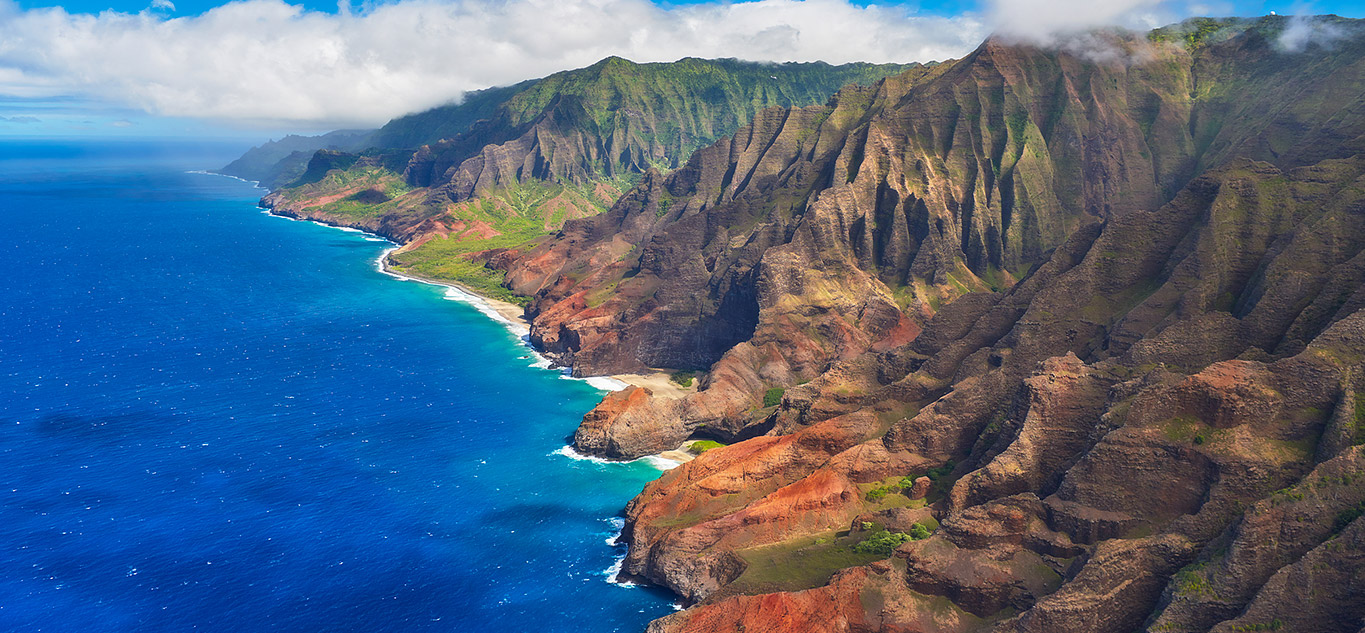
Hawaii's natural beauty is truly world-class and incredibly diverse across its islands. On the Big Island, you can witness active volcanoes at Hawaiʻi Volcanoes National Park, walk on black sand beaches, and then drive to the snowy summit of Mauna Kea. Maui offers the breathtaking Road to Hana with its waterfalls and bamboo forests, and the stunning sunrise over Haleakalā crater. Kauai, the 'Garden Isle,' is famous for its dramatic Na Pali Coast, accessible by hike, helicopter, or boat tour. Florida's nature, while beautiful, is a different kind of beauty. The Everglades National Park is a unique ecosystem with alligators and diverse birdlife, and the crystal-clear freshwater springs like Blue Spring State Park are fantastic for swimming and manatee viewing. However, Florida lacks the dramatic elevation changes, volcanic formations, and lush tropical rainforests that define Hawaii. "I love Florida's beaches, but after hiking through Waimea Canyon on Kauai, it feels like Florida's nature is just… flat." Hawaii offers a more 'epic' and visually stunning natural experience.
Winner takeaway
- Winner: Hawaii
- Why: Hawaii's volcanic origins, diverse ecosystems, and dramatic landscapes offer a more awe-inspiring and varied natural experience.
- Who this matters for: Hikers, photographers, geology enthusiasts, and anyone seeking unique and breathtaking natural wonders.
✈️ Travel Time & Accessibility
For most of the continental US, Florida is simply much easier and quicker to reach. From a major East Coast city like New York, a direct flight to Miami or Orlando is typically 2.5-3 hours. From the Midwest, it's around 3-4 hours. Even from the West Coast, a flight to Florida is about 4-5 hours. In contrast, a flight from Los Angeles to Honolulu is about 5.5-6 hours, and from New York, you're looking at 10-11+ hours, often with a layover. This means a Hawaii trip typically demands at least 7-10 days to make the travel worthwhile, whereas Florida can be a great long weekend destination. The price difference for flights also reflects this accessibility, as mentioned in the 'Costs' section. "We can hop on a flight to Florida after work on a Friday and be on the beach by dinner. Hawaii needs serious planning and vacation time." For many Americans, Florida is a 'driveable' or 'short flight' destination, a luxury Hawaii simply cannot offer due to its geographic isolation. Factor in the time change (3-6 hours difference from the mainland) and jet lag for Hawaii too.
Winner takeaway
- Winner: Florida
- Why: Florida is significantly closer and faster to reach for the majority of US travelers, making it ideal for shorter, more spontaneous trips.
- Who this matters for: Travelers with limited vacation time, East Coasters, and those looking for easy, quick getaways without major jet lag.
🍽️ Food & Drink Scene
This is a tough one, as both offer fantastic, distinct culinary experiences. Hawaii excels in its unique fusion cuisine, heavily influenced by its diverse immigrant history and local ingredients. Think fresh poke bowls (a must-try at places like Da Poke Shack on the Big Island), kalua pig, loco moco, and incredible fresh fruit and shave ice (Matsumoto Shave Ice on Oahu). The farm-to-table movement is strong, especially on Maui. However, dining out can be very expensive; a nice dinner can easily be $50-100+ per person. Florida, on the other hand, offers incredible diversity, particularly in its urban centers. Miami's Cuban food is legendary (Versailles Restaurant!), and you'll find fantastic seafood shacks all along the coasts, serving fresh stone crabs and Key West pink shrimp. Orlando has a massive range of international cuisine and unique theme park dining experiences. "Florida has amazing Cuban food and fresh seafood everywhere; Hawaii has poke and cool fusion, but it gets expensive fast." Both have their strengths: Hawaii for unique, authentic island flavors, Florida for its sheer variety, especially its vibrant Latin American influences and accessible casual dining.
Winner takeaway
- Winner: Tie
- Why: Both destinations offer rich, distinct culinary experiences, with Hawaii's unique fusion and Florida's incredible diversity balancing each other out.
- Who this matters for: Foodies who appreciate fresh, local, and unique flavors (Hawaii) vs. those who love diverse ethnic cuisines, great seafood, and theme park dining (Florida).
👨👩👧👦 Family Friendliness
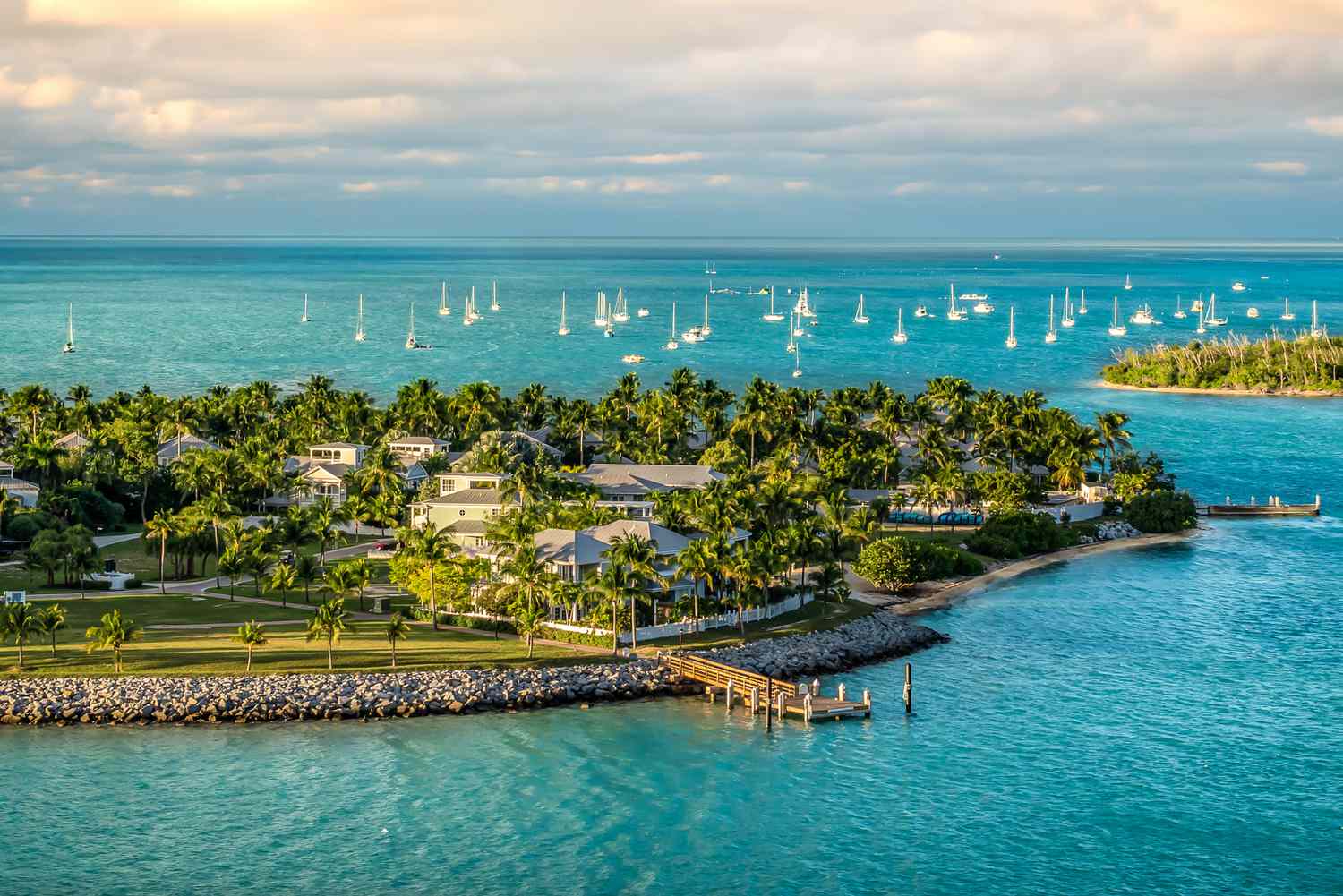
Florida is arguably the reigning champion for family vacations, largely thanks to its unparalleled theme park offerings. Walt Disney World, Universal Orlando Resort, SeaWorld, and LEGOLAND are massive draws, providing days of entertainment for all ages. Beyond the parks, the Gulf Coast beaches like Clearwater Beach offer calm, shallow waters perfect for young children, and resorts like the Margaritaville Hollywood Beach Resort cater extensively to families. While Hawaii is safe and beautiful for families, the long flight can be daunting with small children, and the overall cost adds up quickly. Hawaii's activities, like surfing lessons or volcano tours, might appeal more to older kids and teens. "Florida, hands down, if you have young kids. Disney alone is a full week of magic. Hawaii felt more for older kids who appreciate nature." Many Hawaiian resorts, like Aulani, a Disney Resort & Spa, are fantastic but come with a hefty price tag. Florida also has numerous family-friendly museums, wildlife encounters (like Gatorland), and water parks that are more accessible and often less expensive than their Hawaiian counterparts.
Winner takeaway
- Winner: Florida
- Why: Florida's world-class theme parks, abundance of kid-centric resorts, and generally shorter travel times make it a more accessible and comprehensive family destination.
- Who this matters for: Families with young children (under 12), those seeking high-energy entertainment, and multi-generational family trips.
🏨 Accommodation Options
Florida offers an incredible breadth and depth of accommodation options, catering to every budget and travel style. In Orlando, you can find budget motels for $80-120 USD/night, mid-range chains for $150-250 USD, or stay at a deluxe Disney resort for $400-800+ USD. Miami offers everything from chic boutique hotels in South Beach to more affordable options further inland. Vacation rentals via Airbnb/VRBO are abundant and competitively priced. Hawaii, while offering stunning luxury resorts like the Four Seasons Maui at Wailea or The Royal Hawaiian in Waikiki, has significantly fewer budget-friendly choices. A basic hotel room can still run $200-350 USD per night, and vacation rentals are often heavily regulated and pricey. "We struggled to find anything under $200 a night in Hawaii that wasn't a total dive. In Florida, we got a great Airbnb for $120/night near the beach." The demand in Hawaii consistently outstrips supply, driving prices up across the board, making it harder for travelers on a tighter budget to find comfortable lodging. Florida's sheer volume of hotels and resorts means better deals and more choices.
Winner takeaway
- Winner: Florida
- Why: Florida provides a much wider and more affordable range of accommodation options, from budget-friendly to luxury, with greater availability.
- Who this matters for: Budget travelers, large families needing space, and those who want flexibility in their lodging choices without exorbitant costs.
🎭 Culture & Vibe
Hawaii's culture is a profound and beautiful part of the experience. The 'Aloha Spirit' is palpable – a sense of welcoming, respect, and connection to the land and people. You'll encounter traditional hula, luau feasts, the Hawaiian language, and a deep appreciation for nature. The islands have a unique fusion of Polynesian, Japanese, Chinese, and Filipino influences that shape everything from food to festivals. It's a slower, more mindful pace of life. Florida, while incredibly diverse, doesn't have a single, unified cultural identity in the same way. South Florida, particularly Miami, is a vibrant Latin American hub, bursting with Cuban, Colombian, and other Caribbean influences in its music, food, and language. Central Florida is largely shaped by the theme park industry, creating a 'tourist bubble.' Northern Florida leans more Southern. "Hawaii's culture felt so authentic and welcoming, a real sense of place. Florida is cool for its diversity, but it's not the same deep-rooted vibe." While Florida offers lively cultural pockets, Hawaii offers a truly immersive, distinct, and ancient cultural experience that feels intrinsically tied to the land and its people.
Winner takeaway
- Winner: Hawaii
- Why: Hawaii offers a deeply rooted, unique, and pervasive Polynesian culture, creating an immersive and authentic sense of place that permeates every aspect of a visit.
- Who this matters for: Culture enthusiasts, those seeking an authentic 'sense of place,' and travelers who appreciate history and local traditions.
🌃 Nightlife & Entertainment
Florida takes the crown for nightlife, largely thanks to Miami. South Beach is globally renowned for its high-energy clubs like LIV and Story, celebrity sightings, and glamorous pool parties that go late into the night. You'll find a massive range of bars, lounges, and live music venues, especially in areas like Wynwood. Orlando also offers a lively, albeit more tourist-centric, nightlife with Disney Springs and Universal CityWalk providing entertainment districts with bars, restaurants, and shows. Key West has its own unique, quirky bar scene on Duval Street. Hawaii's nightlife is much more subdued. While Honolulu (Waikiki) has some decent bars and live music venues, and resorts across the islands host luaus and Polynesian shows (typically ending by 10 PM), it's not a destination for hardcore clubbing. "If you're looking for real nightlife, Miami blows Hawaii out of the water. Hawaii is more about sunset drinks and chilling." Expect peaceful evenings, stargazing, or a quiet drink at a resort bar in Hawaii, versus the vibrant, high-octane options abundant in Florida. A typical club cover in Miami might be $30-70+ USD, whereas Hawaii's entertainment often revolves around resort shows or smaller local bars.
Winner takeaway
- Winner: Florida
- Why: Florida, especially Miami, offers a much more vibrant, diverse, and world-class nightlife and entertainment scene, catering to all tastes from clubs to theme park shows.
- Who this matters for: Party-goers, young adults, singles, and anyone looking for energetic evening entertainment beyond a quiet dinner.
🚗 Getting Around
While both destinations generally benefit from having a rental car, Florida is significantly easier and more flexible for getting around. The state has an excellent highway system, and rental cars are generally more affordable (e.g., $40-80 USD/day) and easier to find than in Hawaii. Ride-sharing (Uber/Lyft) is widely available and often cheaper, especially in cities like Miami and Orlando. Major cities also have decent public transport; Miami has its Metromover and Metrorail. In Hawaii, a rental car is almost essential on most islands (except perhaps staying exclusively in Waikiki on Oahu). However, rental car prices can skyrocket ($70-120+ USD/day, sometimes much more), and availability can be limited, especially during peak season. "Getting around Hawaii without a car is a nightmare, and renting one cost us a fortune. Florida felt so much simpler." Inter-island travel in Hawaii requires expensive and time-consuming flights (e.g., Hawaiian Airlines, Southwest), which adds another layer of logistical planning and cost. Florida allows for seamless road trips between its diverse regions, whereas Hawaii requires flying every time you want to experience a new island.
Winner takeaway
- Winner: Florida
- Why: Florida offers more affordable and readily available rental cars, a better road network, extensive ride-sharing, and less reliance on inter-state flights for exploration.
- Who this matters for: Budget travelers, those who prefer driving themselves, and anyone who wants ease and flexibility in exploring different areas.
❓ Frequently Asked Questions
Which destination is better for a honeymoon?
Hawaii, without a doubt, if your budget allows. Its unparalleled natural beauty, romantic sunsets, and intimate resort experiences create an unforgettable backdrop. Florida can be fun for a 'minimony' or a budget-friendly option, but Hawaii truly embodies the magic and exclusivity often sought for honeymoons.
Can I do Hawaii on a budget?
It's challenging but possible. Opt for vacation rentals with kitchens, cook many of your meals, stick to free activities like hiking and beach time, and look for flights during off-peak seasons (late spring/early fall). You'll still spend more than a budget Florida trip, but you can avoid the extreme luxury costs.
Which has better wildlife viewing opportunities?
Both offer unique experiences. Hawaii excels with marine life – humpback whales (winter), vibrant reef fish, sea turtles, and dolphins. Florida's Everglades are world-famous for alligators, diverse bird species, and manatees in the natural springs. It depends on whether you prefer ocean or swamp/freshwater ecosystems.
Is the weather always perfect in both places?
Not quite. Hawaii has a generally consistent tropical climate but experiences rainy seasons (winter, especially on windward sides) and hurricane season (June-November, though rare direct hits). Florida is known for its intense summer heat and humidity, daily afternoon thunderstorms, and a more active hurricane season (June-November), which can significantly impact travel plans.
Which is safer for solo female travelers?
Both Hawaii and Florida are generally safe for solo female travelers, particularly in tourist areas. Hawaii often feels a bit more relaxed and less 'big city' in most areas, contributing to a sense of safety. In Florida, stick to well-lit, populated areas at night, especially in larger cities like Miami, just like any major urban center.
Are there good hiking opportunities in both?
Absolutely! Hawaii is a hiker's paradise with trails ranging from easy coastal walks to challenging volcanic climbs (e.g., Kalalau Trail on Kauai, Diamond Head on Oahu). Florida offers flatter but equally rewarding hikes through national parks like the Everglades, Big Cypress, and various state parks, showcasing unique wetland and forest ecosystems. Different types of beauty, both great.
Which destination offers better shopping?
Florida, particularly cities like Miami and Orlando, offers more extensive and diverse shopping, from luxury boutiques (e.g., Bal Harbour Shops) to massive outlets and theme park-themed stores. Hawaii has beautiful local artisan crafts, unique Hawaiian brands, and high-end luxury in Waikiki, but not the sheer volume or variety of Florida's retail landscape.
What about the 'touristy' feeling?
Both can feel touristy, but in different ways. Waikiki in Hawaii can feel very crowded and commercialized, but you can easily escape to quieter parts of the island or other islands. Florida's theme park areas (Orlando) are inherently tourist-centric. Outside these zones, much of Florida feels more like 'regular life' than Hawaii, where the entire economy is heavily tourism-dependent. It's about finding your niche in both.
Ready to plan your unforgettable trip?
Get a free custom itinerary for Hawaii, Florida, or both — built from real traveler insights, tailored to your budget and interests.
🎟️ Book Tours & Experiences
Hand-picked tours and activities for both destinations — book with free cancellation
Experiences via Viator — free cancellation on most tours