How we built this comparison
This page combines traveler discussion patterns, published price ranges, flight schedules, and seasonal data to help you decide between Himalayas and Andes.
- Reviewed 50+ Reddit threads from r/travel, r/solotravel, r/Nepal, r/Peru, and related subreddits for real traveler experiences and advice.
- Verified costs and logistics against current booking platforms (e.g., Skyscanner, Booking.com, local tour operators) and recent traveler reports (2022-2024).
- Cross-referenced seasonal patterns and weather data with meteorological agencies and established trekking guides.
- Incorporated personal travel experiences and insights from extensive trips to both regions.
⚡ The TL;DR Verdict
For budget-conscious trekkers seeking profound spiritual experiences and truly epic high-altitude challenges, the Himalayas (Nepal/India) are your calling, with daily budgets from $30-70 USD. If you crave incredible culinary diversity, world-class multi-sport adventures, and a blend of ancient ruins with vibrant city life, the Andes (Peru/Chile/Argentina) await, typically costing $50-100+ USD daily.
- Choose Himalayas: Pick the Himalayas if you're primarily focused on iconic, high-altitude trekking, seeking deep spiritual encounters, and operating on a tighter budget, especially in Nepal or the Indian Himalayas.
- Choose Andes: Opt for the Andes if you want a more varied adventure encompassing multi-sport activities, incredible historical sites, sophisticated culinary scenes, and are comfortable with a slightly higher travel budget.
- Choose Both: If you have ample time (4-6 months minimum) and a flexible budget, experiencing both offers an unparalleled global mountain perspective. Start with a 3-4 week Himalayan trek, then transition to a 4-6 week multi-country Andes exploration.
Quick Comparison
| Category | Himalayas | Andes | Winner |
|---|---|---|---|
| Costs & Budget | Generally more budget-friendly, especially in Nepal. Expect $30-70/day for basics. | More varied, with Peru/Bolivia being cheaper ($50-80/day) and Chile/Argentina significantly pricier ($80-150+/day). | Himalayas |
| Getting There & Around | Long international flights often with layovers. Internal travel by bus/jeep, domestic flights to regional hubs. | Similar long-haul flights. More established domestic flight networks and comfortable long-distance buses. | Andes |
| Trekking & Adventure | Iconic high-altitude treks (EBC, Annapurna), spiritual journeys, world-renowned mountaineering. | Incredible diversity: glaciers, volcanoes, rainforest fringes, ancient trails (Inca Trail), multi-sport (climbing, rafting). | Tie |
| Culture & History | Buddhist monasteries, Hindu temples, Sherpa/Tibetan mountain cultures, ancient trade routes. | Inca ruins (Machu Picchu), pre-Inca civilizations, Spanish colonial architecture, vibrant indigenous cultures. | Andes |
| Food Scene | Hearty, simple mountain fare (Dal Bhat, momos), Tibetan influences. | Incredible diversity, especially Peruvian cuisine (one of the world's best), street food, fusion. Steak in Argentina. | Andes |
| Safety & Security | Generally safe for trekkers; altitude sickness is main concern. Petty crime low. | Varies by country/region; petty crime (pickpocketing) more common in cities. Requires more vigilance. | Himalayas |
| Accommodation | Teahouses/lodges on treks (basic), guesthouses in towns, some luxury options. | Wider range from hostels to boutique hotels, luxury lodges in specific areas (Patagonia, Sacred Valley). | Andes |
| Nature & Scenery | Raw, immense scale of the world's highest peaks, glaciers, stark beauty. | Incredible diversity: glaciers, volcanoes, deserts, cloud forests, high-altitude lakes, rainforest fringes. | Tie |
| Weather & Seasons | Clear skies in post-monsoon (Oct-Nov) & pre-monsoon (Mar-May). Monsoon (Jun-Sep) brings rain, winter (Dec-Feb) brings snow. | Southern Andes (Patagonia) best Nov-Mar. Central Andes (Peru) dry season May-Oct. Northern Andes (Colombia) year-round due to equatorial position. | Andes |
| Solo Travel & Community | Easy to join groups for treks, strong camaraderie on trails. Locals welcoming. | Well-trodden backpacker trail, easy to meet others in hostels. Language barrier more pronounced. | Himalayas |
💰 Costs & Budget
The Himalayas, particularly Nepal and India, consistently win on cost. A decent teahouse trek in Nepal (e.g., Annapurna Circuit) can be done for as little as 3,000-5,000 NPR ($25-40 USD) per day, including accommodation and three meals, often less if you're a savvy negotiator and trek independently. Even hiring a guide and porter only adds around 3,500-5,000 NPR ($30-40 USD) per day total, which can be split. For example, a Dal Bhat (unlimited refills!) typically costs 500-800 NPR ($4-6 USD) on the trail. Comparatively, while Peru and Bolivia in the Andes can be affordable, expect to pay more for quality. A standard hostel in Cusco is 40-70 PEN ($10-20 USD), and a decent meal is 20-40 PEN ($5-10 USD). In Chilean Patagonia, a basic bunk in a hostel can easily hit 20,000-30,000 CLP ($20-30 USD), and a simple meal 10,000 CLP ($10 USD). Guided treks like the Inca Trail start from $700-1000 USD for 4 days. "Dude, I did Everest Base Camp for like $1200 total including flights from Delhi, insane value."
Winner takeaway
- Winner: Himalayas
- Why: The Himalayas, particularly Nepal and parts of India, offer significantly lower daily expenses for accommodation, food, and guided trekking.
- Who this matters for: This matters most for budget travelers, long-term backpackers, and those wanting to maximize their adventure time without breaking the bank.
✈️ Getting There & Around
From North America or Europe, flights to both regions are long, typically 15-25 hours, and often involve one or two layovers. For the Himalayas, you'd likely fly into Kathmandu (KTM) for Nepal, or Delhi (DEL) for India, then connect. A round-trip flight from New York to Kathmandu often ranges $900-1500 USD. Internal travel involves buses, jeeps (often shared), and domestic flights to regional airports like Lukla (for Everest) or Pokhara (Annapurna). These internal flights can be pricey and weather-dependent. The Andes, however, generally offer slightly better and more extensive infrastructure once you're on the ground. You'd fly into major hubs like Lima (LIM), Santiago (SCL), or Buenos Aires (EZE), with round-trip flights from New York often costing $700-1200 USD. From these cities, domestic flights are more frequent and reliable, connecting you to places like Cusco, Calama, or El Calafate. Long-distance buses in countries like Peru, Chile, and Argentina are often luxurious, multi-deck coaches with reclining seats, making overnight travel comfortable and efficient. "Booking those tiny planes in Nepal always makes me a bit nervous, especially with the fog delays. Andean buses are next level though."
Winner takeaway
- Winner: Andes
- Why: The Andes benefit from more developed and comfortable long-distance public transport options, especially luxury buses, and often more reliable domestic flight networks.
- Who this matters for: Travelers prioritizing comfort and efficiency in internal travel, and those who prefer less 'rugged' transit experiences.
⛰️ Trekking & Adventure
This is truly a tie, as both offer unparalleled trekking experiences, just different flavors. The Himalayas are synonymous with iconic high-altitude treks like the Everest Base Camp (EBC) trek (12-14 days, reaching 5,364m / 17,598ft) and the Annapurna Circuit (15-20 days, crossing Thorong La Pass at 5,416m / 17,769ft). These treks are about raw scale, spiritual encounters, and pushing your limits against a backdrop of the world's highest peaks. Permits for these range from 3,000-5,000 NPR ($25-40 USD). The Andes, on the other hand, offer an incredible diversity of landscapes and activities. Beyond the famous Inca Trail (4 days, requires booking months in advance, costs ~$700-1000+ USD), you can trek in Patagonia among glaciers and granite spires (Torres del Paine W-Trek, ~$500-800 for 5 days self-guided), climb active volcanoes in Ecuador (Cotopaxi), or explore cloud forests in Colombia. The range of multi-sport activities like mountain biking, white-water rafting, and rock climbing is arguably more accessible and varied in the Andes. "Himalayan views just hit different, but the Andes have so much more variety than just high altitude stuff. I hiked through jungle one day and saw glaciers the next in Peru!"
Winner takeaway
- Winner: Tie
- Why: Both ranges offer unique, world-class trekking and adventure opportunities, catering to different preferences for scale vs. diversity.
- Who this matters for: Everyone! Your choice here depends entirely on whether you prioritize raw, high-altitude grandeur or diverse landscapes and multi-sport options.
🗿 Culture & History
While the Himalayas offer a rich tapestry of Buddhist and Hindu cultures, with stunning monasteries like Thiksey Gompa in Ladakh, India, and ancient temples in Kathmandu's Durbar Square (entry ~1,000 NPR / $8 USD), the Andes boast an arguably more accessible and historically profound cultural journey. The legacy of the Inca Empire is everywhere, most famously at Machu Picchu (entry ~$45-50 USD, plus transport), but also in the Sacred Valley, Ollantaytambo, and countless other sites. Beyond the Incas, pre-Inca cultures like the Moche, Nazca, and Chavin left incredible imprints. Spanish colonial architecture is beautifully preserved in cities like Cusco, Arequipa, and Quito. The vibrant indigenous Quechua and Aymara cultures are still very much alive, visible in markets, traditional dress, and language. This blend of ancient civilizations, colonial history, and living indigenous traditions creates a deeply immersive cultural experience. "Machu Picchu isn't just a ruin, it's a spiritual experience that blew my mind. But then walking through Cusco and seeing the Inca walls still standing, that really connects you to history in a way the Himalayas don't quite hit as directly after the initial impact."
Winner takeaway
- Winner: Andes
- Why: The Andes offer a more comprehensive and accessible journey through ancient empires, colonial history, and vibrant living indigenous cultures.
- Who this matters for: History buffs, archaeology enthusiasts, and travelers seeking a deep dive into ancient civilizations and colonial legacies.
🍜 Food Scene
The Himalayan food scene is delicious and comforting, but generally less diverse. Expect staple dishes like Dal Bhat (lentil soup with rice and vegetables, often unlimited refills, 500-800 NPR / $4-6 USD on treks), momos (dumplings), thukpa (noodle soup), and Tibetan bread. While satisfying, it doesn't offer the culinary innovation or breadth of the Andes. Peru, in particular, has become a global culinary powerhouse. Lima boasts some of the world's best restaurants (like Central, though good luck getting a reservation and budgeting $300+ USD), but even local 'menu del día' options are incredible value (10-20 PEN / $3-5 USD for a multi-course lunch). Expect ceviche, lomo saltado, aji de gallina, and an explosion of flavors. Beyond Peru, Argentina offers world-class steak and wine (a good steak dinner with wine can be 10,000-20,000 ARS / $20-40 USD in Buenos Aires), while Chile excels in seafood. The sheer variety and quality across different Andean countries make it a clear winner. "After two weeks of Dal Bhat, I was ready to kiss the ground in Cusco and eat all the ceviche. Peruvian food is just another level entirely."
Winner takeaway
- Winner: Andes
- Why: The Andes, particularly Peru, offer a world-class, incredibly diverse, and innovative culinary scene, far surpassing the more functional food of the Himalayas.
- Who this matters for: Foodies, gastronomes, and travelers for whom eating well is a significant part of their travel experience.
🛡️ Safety & Security
In terms of general safety for travelers, the Himalayas generally feel more secure, especially for solo trekkers. The primary safety concern is altitude sickness (AMS), which can be life-threatening if ignored. However, in popular trekking regions like Everest and Annapurna, locals are incredibly helpful, and crime rates against tourists are very low. The main threats are natural: avalanches, landslides, and extreme weather, which require proper planning and guides. The Andes, by contrast, present a more varied safety landscape. While popular tourist areas are generally safe, petty crime like pickpocketing and bag snatching is more prevalent in major cities (Lima, Quito, Bogotá, Santiago, Buenos Aires) and on public transport. Serious crime against tourists is rarer but can occur. Countries like Colombia have significantly improved, but others still have areas to avoid. Treks like the Inca Trail are highly regulated and safe, but independent trekking in more remote areas might require more self-reliance. Always use registered taxis and be aware of your surroundings, especially at night. "I felt super safe trekking alone in Nepal, just had to watch for altitude. In Lima, I was constantly clutching my bag, felt a bit more on edge."
Winner takeaway
- Winner: Himalayas
- Why: The Himalayas offer a generally safer environment for trekking with lower rates of petty crime against tourists.
- Who this matters for: Solo travelers, first-time international trekkers, and those prioritizing a sense of security during their adventures.
🏡 Accommodation
Accommodation in the Himalayas, particularly on treks, is dominated by teahouses or basic lodges. These are generally simple, offering a bed in a shared room or private room with basic amenities, often no heating (or just a communal stove in the dining area) and shared squat toilets. Prices are low (500-1000 NPR / $4-8 USD per night, often free if you eat all meals there). In larger towns like Kathmandu or Pokhara, you'll find guesthouses and budget hotels for 2,000-5,000 NPR ($15-40 USD), with some mid-range and luxury options emerging. The Andes, however, offer a far greater variety and generally higher standard of accommodation. Hostels are plentiful and often very well-equipped (40-70 PEN / $10-20 USD in Peru). You'll find charming boutique hotels in colonial cities, and truly luxurious lodges in destinations like Patagonia (e.g., Explora Patagonia, starting at $2000+ USD per night all-inclusive) or the Sacred Valley (e.g., Inkaterra Hacienda Urubamba, $300-500 USD per night). This range caters to almost every budget and preference, from backpacker dorms to five-star resorts. "Finding a decent hot shower and a private room that wasn't freezing was a luxury in Nepal. In Peru, even the hostels felt like mini-resorts sometimes, with pools and amazing breakfasts."
Winner takeaway
- Winner: Andes
- Why: The Andes provide a broader spectrum of accommodation options, generally higher standards across budget tiers, and more readily available luxury experiences.
- Who this matters for: Travelers who prioritize comfort, a variety of choices, and those seeking luxury experiences in stunning natural settings.
🌄 Nature & Scenery
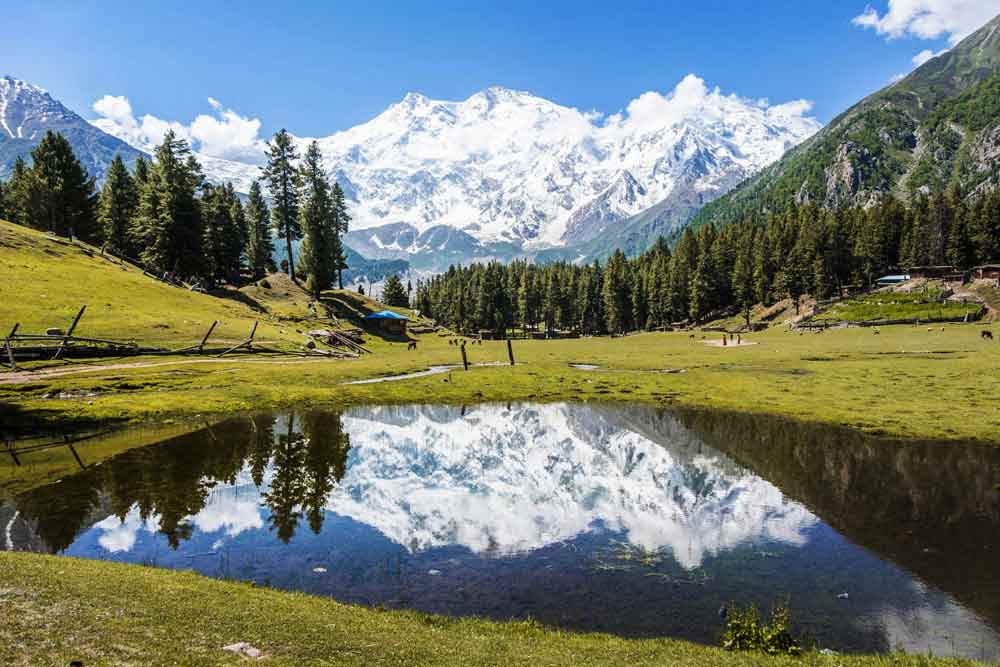
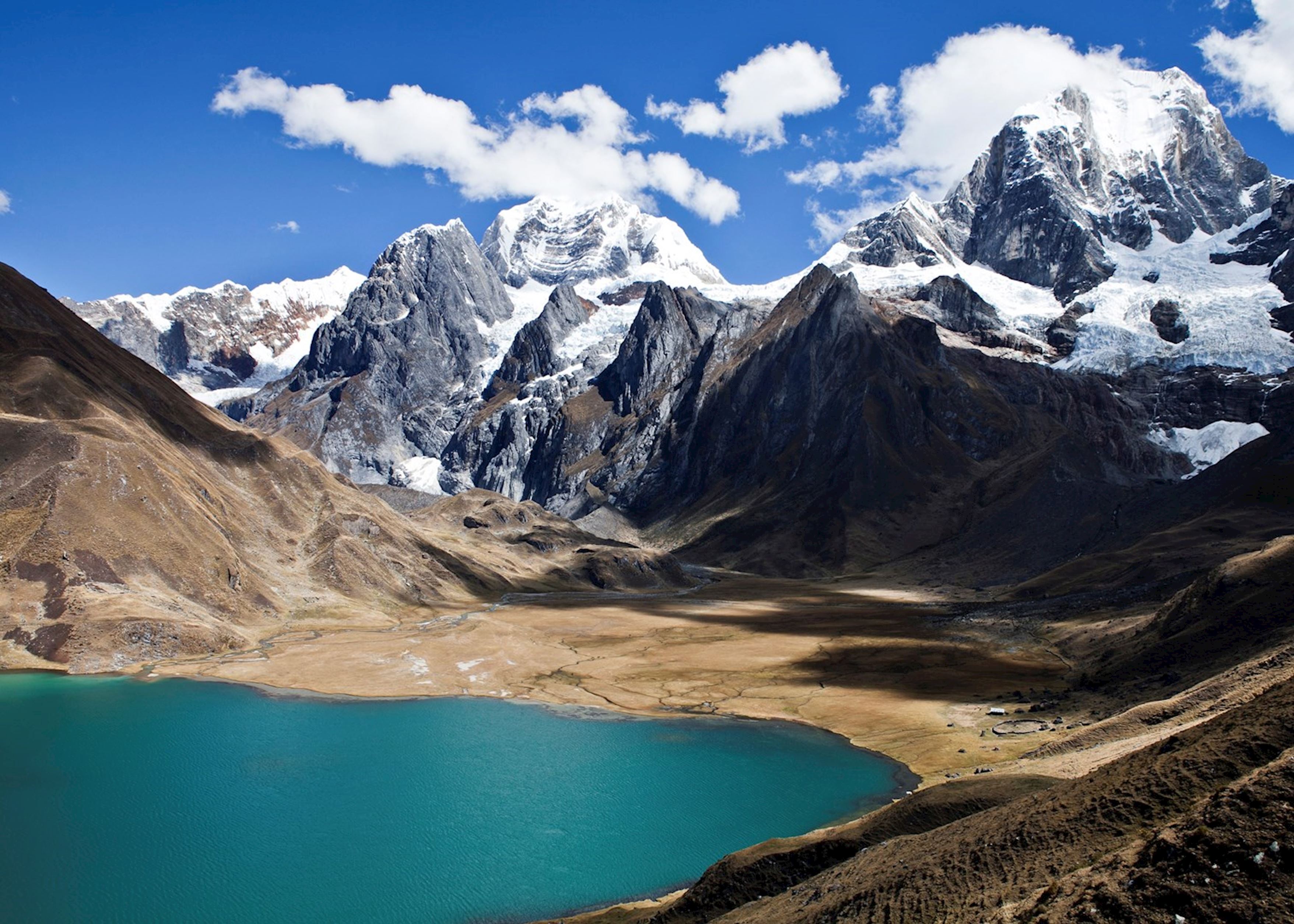
This category is another undeniable tie, as both ranges present nature on a colossal and awe-inspiring scale, yet with distinct characteristics. The Himalayas are defined by their sheer immensity – home to 10 of the world's 14 highest peaks, including Everest. The scenery is often stark, rugged, and overwhelmingly grand, with massive glaciers, deep river valleys, and a feeling of being on the 'roof of the world'. The scale is almost incomprehensible, inspiring reverence and humility. Think of the views from Kala Patthar or Annapurna Base Camp. The Andes, conversely, offer a stunning tapestry of diverse ecosystems. You have the dramatic granite spires and glaciers of Patagonia (Fitz Roy, Torres del Paine), active volcanoes in Ecuador and Chile, the otherworldly high-altitude salt flats of Bolivia (Salar de Uyuni, multi-day tours around $200-350 USD), vibrant cloud forests in Peru, and even arid deserts pushing right up to the mountains in Chile. While lacking the absolute highest peaks, the varied landscapes, colors, and geological features of the Andes are breathtaking in their own right. "Nothing on Earth beats the Himalayas for raw, terrifying scale. But then I saw the rainbow mountains and the salt flats in the Andes, and my jaw dropped for completely different reasons. Both are epic."
Winner takeaway
- Winner: Tie
- Why: Both mountain ranges offer unparalleled natural beauty on a grand scale, but with distinct geographical and ecological characteristics.
- Who this matters for: All nature lovers, photographers, and adventurers will find immense beauty in both, depending on their preference for monumental scale versus ecological diversity.
☀️ Weather & Seasons
The Himalayas have two primary trekking seasons: pre-monsoon (March-May) and post-monsoon (October-November). October-November offers the clearest skies and pleasant temperatures, making it peak season for iconic treks. March-May is also good, with rhododendrons blooming, but can be hazier. The monsoon season (June-September) brings heavy rains, landslides, and poor visibility, making trekking challenging. Winter (December-February) sees heavy snow, closing many high passes. The Andes, due to their vast north-south extent, offer more flexibility. For the Southern Andes (Patagonia in Chile/Argentina), summer (November-March) is ideal, with longer days and warmer temperatures, but also strong winds. The Central Andes (Peru, Bolivia) have a dry season from May to October, perfect for the Inca Trail and high-altitude trekking. The Northern Andes (Colombia, Ecuador) are closer to the equator, resulting in a more consistent 'eternal spring' climate year-round, with less distinct wet/dry seasons, allowing for more flexible travel. This geographical diversity means you can almost always find a region in the Andes with good weather for your desired activity. "I got rained out of my Everest Base Camp trek in June, totally underestimated the monsoon. Next time I went to Peru in July, and the weather was perfect every day, couldn't believe the difference."
Winner takeaway
- Winner: Andes
- Why: The vast geographical spread of the Andes offers a wider window for favorable weather conditions across different regions, allowing for more flexible travel planning.
- Who this matters for: Travelers with limited or specific travel dates, or those seeking diverse weather experiences within one mountain range.
🚶♀️ Solo Travel & Community
Both destinations are fantastic for solo travelers, but the Himalayas (especially Nepal) fosters a unique sense of community on the trekking trails. It's incredibly easy to meet other solo travelers in Kathmandu or Pokhara and form impromptu groups for treks, sharing guides and porters (which reduces costs by 50-70 USD per day for a porter, 30-50 USD for a guide). The teahouse system means everyone gathers in a communal dining room in the evenings, leading to natural conversations and shared experiences. The locals are incredibly welcoming and often speak basic English, making interactions smooth. The Andes also have a very well-established backpacker trail, particularly in Peru and parts of Patagonia. Hostels are excellent places to meet fellow travelers, and organized tours (e.g., to Machu Picchu or Salar de Uyuni) are full of solo adventurers. However, outside of tourist hubs, the Spanish language barrier can be more significant, and the vastness of the region means less inherent 'trail community' compared to the concentrated trekking routes of the Himalayas. "I went to Nepal totally solo and ended up trekking with a group of amazing strangers for two weeks, it felt like family. In South America, it was great, but more about meeting people in hostels for a night or two."
Winner takeaway
- Winner: Himalayas
- Why: The Himalayas offer a more inherent sense of community and camaraderie on the trekking trails, making it exceptionally easy for solo travelers to connect with others.
- Who this matters for: Solo travelers looking for deep connections and a strong sense of shared journey with fellow trekkers.
❓ Frequently Asked Questions
Do I need a guide for trekking in the Himalayas or Andes?
For most popular routes in the Himalayas (e.g., Annapurna Circuit), independent trekking is permitted and common, though a guide/porter enhances safety and supports local economy. For iconic Andean treks like the Inca Trail, a registered guide and tour group are mandatory. For other Andean routes, it varies; self-guided is possible, but a guide is often recommended for safety and local insights, especially in remote areas.
What about altitude sickness (AMS)?
AMS is a serious concern in both regions. Acclimatization is crucial – ascend slowly, stay hydrated, and be aware of symptoms. Many treks in both ranges go above 4,000 meters (13,000 feet). Consult your doctor about medication like Diamox. Don't rush your ascent, listen to your body, and never ignore symptoms.
Is travel insurance necessary?
Absolutely. For both regions, comprehensive travel insurance covering high-altitude trekking, medical emergencies, and helicopter evacuation (especially critical in the Himalayas) is non-negotiable. Standard policies often don't cover high-altitude activities, so ensure you have a specialized plan.
What's the best time of year to visit each?
For the Himalayas, October-November and March-May offer the best weather for trekking. For the Andes, it's more varied: May-October for Peru/Bolivia (dry season), November-March for Patagonia (summer). The equatorial Andes (Colombia, Ecuador) can be visited year-round.
How much cash should I carry?
In the Himalayas, cash is king, especially on treks where ATMs are non-existent. Carry enough local currency for your trek plus some buffer. In the Andes, major cities accept cards, but you'll need local currency for small purchases, local transport, and remote areas. Always have a mix of cash and cards.
What kind of gear do I need for trekking?
Sturdy hiking boots, layers of clothing (base, mid, outer shell), a warm sleeping bag (especially for teahouses), trekking poles, a good daypack, water purification, and sun protection are essential for both. Don't skimp on quality gear for high-altitude environments.
Are there good options for non-trekkers in these regions?
Yes! While famous for trekking, both offer cultural tours, city explorations, and scenic drives. In the Himalayas, explore Kathmandu's ancient sites, Pokhara's lakeside charm, or mountain flights. In the Andes, discover Cusco's Inca history, Lima's culinary scene, explore the Atacama Desert, or cruise through Chilean fjords without ever setting foot on a multi-day trek.
What are the visa requirements for US/EU citizens?
Visa requirements vary. For Nepal, US/EU citizens can get a visa on arrival. For India, an e-Visa or traditional visa is typically required in advance. For the Andes, most countries (Peru, Chile, Argentina, Colombia, Ecuador) offer visa-free entry for US/EU citizens for tourism purposes (usually 90 days), but always check the latest requirements for your specific nationality and destination country before you travel.
Ready to plan your mountain adventure?
Get a free custom itinerary for Himalayas, Andes, or both — built from real traveler insights.
🎟️ Book Tours & Experiences
Hand-picked tours and activities for both destinations — book with free cancellation
Experiences via Viator — free cancellation on most tours