How we built this comparison
This page combines traveler discussion patterns, published price ranges, flight schedules, and seasonal data to help you decide between Ho Chi Minh City and Phnom Penh.
- Reviewed 100+ Reddit threads from r/travel, r/solotravel, r/Vietnam, r/Cambodia, etc.
- Verified costs and logistics against current booking platforms (Grab, Agoda, Skyscanner)
- Cross-referenced seasonal patterns and weather data for optimal travel timing
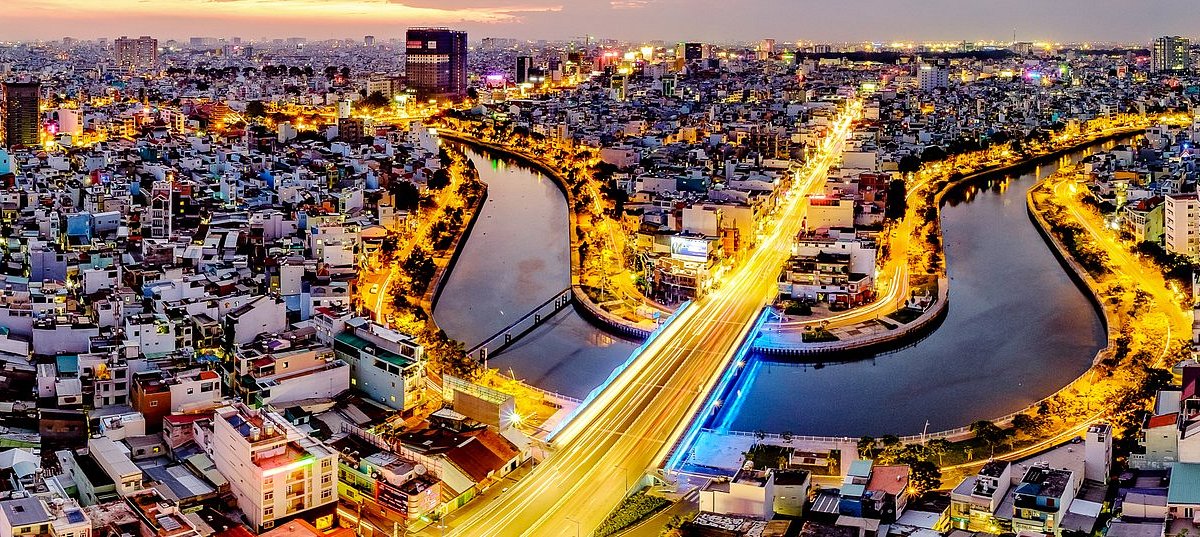
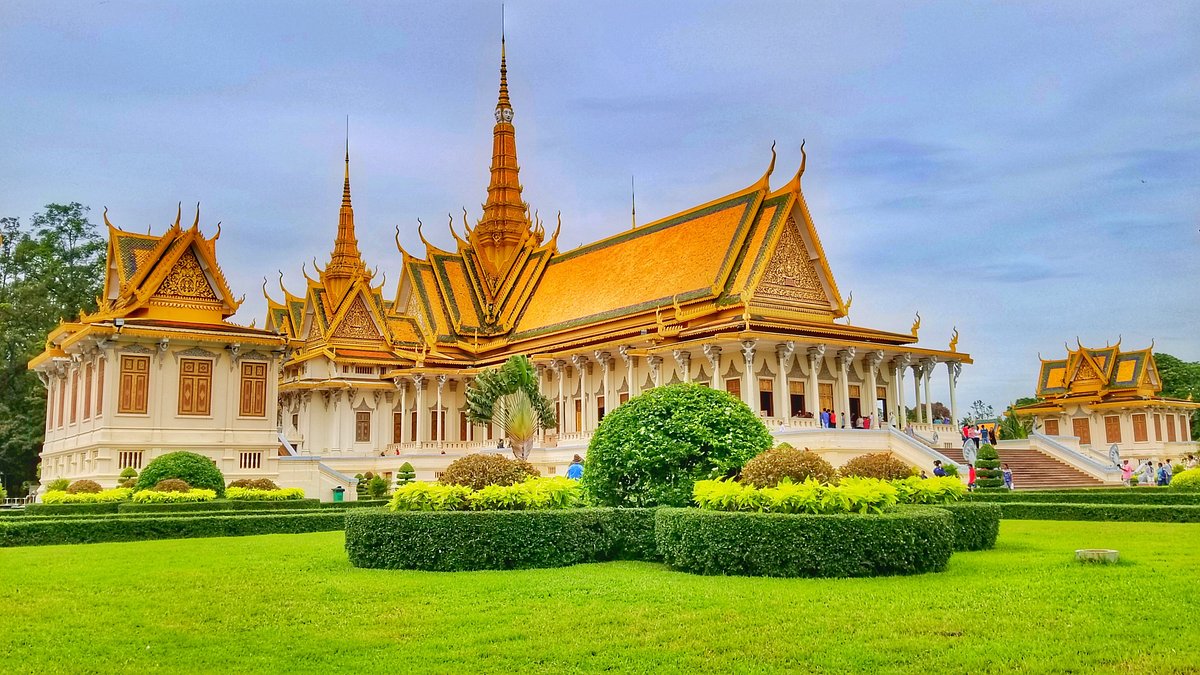
⚡ The TL;DR Verdict
Ho Chi Minh City is your pick for an exhilarating, fast-paced dive into Vietnamese culture with incredible food and vibrant nightlife, perfect for a daily budget of $40-65 USD. Phnom Penh offers a more reflective, historically rich experience at a slightly slower pace, ideal for those on a $30-50 USD daily budget who want to delve into Cambodia's story.
- Choose Ho Chi Minh City: Choose HCMC for an electric energy, world-class street food scene, buzzing nightlife, and a dynamic urban experience with endless things to do and see. It's great for foodies, party-goers, and those who thrive in a bustling metropolitan environment.
- Choose Phnom Penh: Choose Phnom Penh for a deeper dive into Cambodian history and resilience, a more laid-back riverside vibe, and a chance to engage with a city still finding its voice after a difficult past. It's better for history buffs, budget travelers, and those seeking a quieter, more reflective journey.
- Choose Both: Definitely do both if you have 7-10 days! They're well-connected by bus (6-7 hours, ~$15-25 USD) or a short flight (1 hour, ~$50-100 USD). Starting in HCMC and moving to PP offers a great contrast, showing you the diverse tapestry of mainland Southeast Asia.
Quick Comparison
| Category | Ho Chi Minh City | Phnom Penh | Winner |
|---|---|---|---|
| Food Scene | A street food paradise with endless options, from iconic pho to obscure regional delights. Consistently high quality and incredible value. | Authentic Khmer cuisine, rich in fresh ingredients and subtle flavors. Less variety than HCMC but unique local dishes and good value. | Ho Chi Minh City |
| Nightlife & Entertainment | Electric and diverse, from backpacker haunts on Bui Vien to sophisticated rooftop bars and live music venues. Always something happening. | More low-key, centered around the Riverside area with relaxed bars and a few nightclubs. Developing but not as wild as HCMC. | Ho Chi Minh City |
| Culture & History | Rich history reflecting French colonialism and the Vietnam War. Iconic landmarks and museums offering deep insights into Vietnam's past. | A city deeply marked by the Khmer Rouge era, offering powerful and essential historical sites. Also home to ancient temples and royal grandeur. | Tie |
| Costs & Budget | Excellent value for money, especially for food and local transport. Can be done cheaply but also offers more mid-range to luxury options. | Generally slightly cheaper for accommodation and some activities, making it a great choice for strict budget travelers. Food and transport are also very affordable. | Phnom Penh |
| Getting There & Around | Major international hub (SGN) with excellent flight connections. Local transport dominated by Grab bikes/cars and buses, with heavy traffic. | Well-connected internationally (PNH), especially within ASEAN. Local transport is mainly tuk-tuks (PassApp) and some taxis, generally less congested. | Tie |
| Day Trips & Excursions | Iconic and diverse day trip options, including historical tunnels and the lush Mekong Delta. Well-organized tours are plentiful. | Fewer well-known options compared to HCMC, but unique cultural sites like Oudong and Silk Island offer a glimpse into rural Cambodian life. | Ho Chi Minh City |
| Accommodation | Vast selection across all price points, from budget hostels to luxury hotels. High standards even for mid-range options. | Good value for budget and mid-range, with charming guesthouses. Fewer high-end luxury options compared to HCMC, but growing. | Ho Chi Minh City |
| Safety & Atmosphere | Generally safe, but bustling traffic and petty crime (phone snatching) require vigilance. Dynamic and energetic atmosphere. | Generally safe, with a more relaxed pace. Some opportunistic crime (bag snatching) and can feel quiet at night. Reflective atmosphere. | Phnom Penh |
| Shopping | From massive malls and luxury boutiques to vibrant markets and bespoke tailor shops. A shopper's paradise with huge variety. | Traditional markets for local crafts and souvenirs, plus a few modern malls. More focused on Cambodian specific items, less variety. | Ho Chi Minh City |
| Digital Nomad / Expat Vibe | Thriving digital nomad hub with countless cafes, co-working spaces, and a large, active expat community. Excellent infrastructure. | Emerging digital nomad scene, with a smaller but growing community. Fewer dedicated co-working spaces but plenty of quiet cafes. | Ho Chi Minh City |
🍜 Food Scene
Ho Chi Minh City is an undisputed heavyweight in the Southeast Asian food scene. From the moment you step out, you're enveloped in aromatic street food. You can grab a legendary Banh Mi from Huynh Hoa for 35,000 VND (approx. $1.50 USD), slurp down a bowl of Pho Quynh (50,000-70,000 VND, $2-3 USD), or explore the vibrant seafood stalls in District 4. The sheer variety, quality, and affordability are staggering. Restaurants range from humble plastic-stool joints to Michelin-starred establishments. Phnom Penh, while offering delicious food, simply can't compete with HCMC's scale and diversity. Khmer cuisine is fantastic – don't miss Amok (fish curry) or Lok Lak (stir-fried beef) at places like Romdeng or Friends the Restaurant (both social enterprises). Street food is also plentiful, with noodle stalls and BBQ starting around $2-4 USD. However, outside of local specialties, the international options are more limited. "Honestly, HCMC's food scene alone is worth the flight. I ate like royalty for $15 a day, easy. PP was good, but not on that level." The depth of culinary exploration in HCMC is unmatched, making it a dream destination for any foodie.
Winner takeaway
- Winner: Ho Chi Minh City
- Why: HCMC offers an unparalleled diversity, quality, and accessibility of street food and dining experiences, catering to all tastes and budgets.
- Who this matters for: Foodies, budget travelers looking for amazing value, and anyone who loves to eat their way through a city.
💃 Nightlife & Entertainment
Ho Chi Minh City's nightlife is legendary and relentlessly vibrant. Bui Vien Walking Street in District 1 is the epicenter of backpacker revelry, buzzing with cheap beer (Bia hơi for 20,000 VND / ~$0.80 USD), street performers, and pounding music until the early hours. For a more sophisticated experience, head to rooftop bars like Saigon Skydeck at Bitexco Financial Tower (entry ~200,000 VND / ~$8 USD, drinks extra) or the Chill Skybar, offering breathtaking city views. There are also numerous speakeasies, jazz clubs, and live music venues scattered throughout the city, ensuring options for every taste. Phnom Penh, in contrast, offers a more subdued nightlife. The Riverside area is the main hub, with many open-front bars like the Foreign Correspondents' Club (FCC) offering happy hour cocktails for $4-6 USD and a relaxed atmosphere. Street 51 has a cluster of pubs and some late-night spots, but it lacks the scale and intensity of HCMC. There are a few growing clubs, but the scene is smaller and generally winds down earlier. "I thought PP would be quieter, which it was, but HCMC's Bui Vien literally never sleeps. My ears are still ringing, but it was a blast!" If you're looking for a party that never stops and a wide array of entertainment, HCMC is the clear champion.
Winner takeaway
- Winner: Ho Chi Minh City
- Why: HCMC boasts a significantly larger, more diverse, and more energetic nightlife scene, catering to every preference from budget street parties to luxury rooftop experiences.
- Who this matters for: Party-goers, social butterflies, and travelers who enjoy a lively atmosphere after dark.
🏛️ Culture & History
Both cities offer profound cultural and historical experiences, albeit with very different narratives. Ho Chi Minh City provides a fantastic glimpse into Vietnam's recent past, particularly the impact of French colonialism and the Vietnam War. Must-visits include the War Remnants Museum (entry 40,000 VND / ~$1.60 USD), which is a powerful and often harrowing experience, the Reunification Palace (entry 40,000 VND / ~$1.60 USD), and the Notre Dame Cathedral and Central Post Office, showcasing French colonial architecture. Phnom Penh, however, carries the immense weight of the Khmer Rouge genocide. The S-21 Tuol Sleng Genocide Museum (entry $5 USD + audio guide $5 USD) and the Choeung Ek Killing Fields (entry $3 USD + audio guide $3 USD) are emotionally challenging but absolutely essential visits to understand Cambodia's resilience. Beyond this, you have the Royal Palace and Silver Pagoda (entry $10 USD), offering a look at royal Khmer architecture and Buddhist traditions. "Visiting the Killing Fields was heartbreaking, but it's history everyone needs to witness. HCMC's War Remnants was intense too, but PP's history felt more raw." While HCMC offers a broader spectrum of historical periods, Phnom Penh's specific focus on its recent tragic history provides an incredibly poignant and unique cultural lesson that cannot be overlooked. The depth of historical impact in both cities is immense, making this a tie.
Winner takeaway
- Winner: Tie
- Why: Both cities offer equally compelling, though distinct, historical narratives – HCMC focusing on the Vietnam War and French influence, and Phnom Penh on the Khmer Rouge and Cambodian resilience.
- Who this matters for: History buffs, those seeking cultural understanding, and travelers interested in recent geopolitical events.
💰 Costs & Budget
When it comes to stretching your dollar, Phnom Penh generally edges out Ho Chi Minh City, especially for accommodation and general day-to-day expenses. In Phnom Penh, a decent guesthouse or budget hotel can be found for $15-25 USD per night, while street food meals are typically $2-4 USD. A local beer might cost $1-2 USD. A tuk-tuk ride across town using PassApp might be $2-4 USD. Ho Chi Minh City still offers incredible value, but prices, particularly for mid-range hotels and more 'touristy' dining, are incrementally higher. A similar budget hotel in HCMC might be $20-35 USD. While street food is equally cheap (Banh Mi for $1.50, Pho for $2-3 USD), the sheer number of upscale restaurants and cafes means you're more likely to spend more if not careful. Local beer (Bia Saigon) is around 25,000-35,000 VND ($1-1.50 USD). Grab bike taxis are often cheaper than PP's tuk-tuks for solo travelers. "I found myself spending less without even trying in Phnom Penh. HCMC tempted me with so many cool cafes and bars that I ended up blowing my budget a bit more there." For a traveler on a very strict budget, Phnom Penh allows you to experience a great deal without feeling the pinch as quickly. A budget traveler can comfortably get by on $30-40 USD per day in PP, while HCMC might require $40-55 USD for a similar experience.
Winner takeaway
- Winner: Phnom Penh
- Why: Phnom Penh offers slightly lower costs for accommodation and many activities, making it marginally more budget-friendly overall.
- Who this matters for: Strict budget travelers, backpackers, and anyone looking to maximize their travel funds.
✈️ Getting There & Around
Both cities are well-served by international airports, making them easily accessible. Ho Chi Minh City's Tan Son Nhat International Airport (SGN) is a major hub, with direct flights from most major Asian cities and many long-haul destinations. A flight from Bangkok (BKK) to SGN is typically 1.5-2 hours and costs $50-100 USD. Getting around HCMC is a vibrant chaos. Grab (both car and motorbike taxis) is ubiquitous and incredibly cheap (motorbike rides often 20,000-40,000 VND / ~$0.80-1.60 USD). The city's notorious traffic, however, can make journeys slow and exhilarating. Buses are also a cheap option. Phnom Penh International Airport (PNH) is smaller but still well-connected, with flights from Bangkok, Singapore, Kuala Lumpur, and HCMC itself (HCMC to PNH is about 1 hour, $50-100 USD). "Honestly, the Grab bikes in HCMC were a lifesaver, and terrifying! But I definitely preferred the tuk-tuks in PP for chilling out and seeing the city." In PP, tuk-tuks are the go-to, easily hailed or booked via the PassApp, Grab, or TADA apps (rides typically $2-5 USD). The traffic is less intense than HCMC, making tuk-tuk rides more pleasant. While HCMC has more options and greater flight frequency, Phnom Penh's less frantic local transport offers a calmer experience. The ease of access and local transit efficiency balance out, making this a tie.
Winner takeaway
- Winner: Tie
- Why: Both cities offer efficient international access and highly affordable local transport options, tailored to their respective urban environments.
- Who this matters for: All travelers, as ease of access and intra-city travel are crucial for any trip.
🏞️ Day Trips & Excursions
Ho Chi Minh City offers a more diverse and iconic range of day trips that are easily accessible and well-organized. The Cu Chi Tunnels are a must-see (half-day tours usually $20-35 USD, including transport and entry), providing a stark insight into the Vietnam War. Another highly popular option is a full-day tour to the Mekong Delta (typically $30-50 USD), where you can explore fruit orchards, coconut candy workshops, and cruise along narrow canals. These tours are abundant, competitively priced, and cater to various budgets. Phnom Penh's day trip options, while culturally significant, are less varied and generally less developed for mass tourism. A common excursion is to Oudong Mountain, a former royal capital with numerous stupas and temples (about 1.5-hour drive, hire a tuk-tuk for $25-35 USD for the day). Another pleasant half-day trip is to Koh Dach, or 'Silk Island,' accessible by ferry (tuk-tuk + ferry for $15-20 USD), where you can observe traditional silk weaving and rural life. "The Mekong Delta tour from HCMC was a highlight, so much to see and do. PP's Silk Island was cool, but a bit more niche." While Phnom Penh offers unique insights into rural Cambodia, HCMC's day trips are more universally appealing and provide more iconic experiences that many travelers seek, making it the stronger choice for excursions.
Winner takeaway
- Winner: Ho Chi Minh City
- Why: HCMC provides more well-known, diverse, and well-organized day trip options that are major draws for international visitors.
- Who this matters for: Travelers who want to explore beyond the city limits and see famous regional attractions.
🏨 Accommodation
Ho Chi Minh City boasts a far more extensive and diverse range of accommodation options, offering something for every budget and taste. You can find excellent hostels like The Common Room Project for $10-15 USD a night, stylish boutique hotels in District 1 like The Myst Dong Khoi for $100-150 USD, or luxurious international chains like the Park Hyatt Saigon for $200-300+ USD. The sheer volume means competitive pricing and a high standard of service even in mid-range options. Many hotels feature rooftop pools and excellent breakfast buffets. Phnom Penh offers good value, particularly in the budget and mid-range sectors. You can find clean, comfortable guesthouses around the Riverside or BKK1 areas for $20-40 USD a night, such as Okay Boutique Hotel or the TeaHouse Asian Urban Resort. There are luxury hotels like the Raffles Hotel Le Royal (from $150-250 USD), but the selection is not as wide or as competitively priced as in HCMC. "I was genuinely surprised by how much luxury you could get for your money in HCMC. My $50 hotel felt like a $150 room elsewhere. PP was fine, but a bit more basic for the price." While Phnom Penh has decent options, HCMC's scale and development in the hospitality sector simply offer more choices, better value at higher tiers, and a more polished experience across the board, making it the winner for accommodation.
Winner takeaway
- Winner: Ho Chi Minh City
- Why: HCMC offers a significantly wider, more varied, and generally higher-standard selection of accommodation across all budget ranges.
- Who this matters for: All travelers, but particularly those seeking comfort, luxury, or a specific type of lodging experience.
🚨 Safety & Atmosphere
Both cities are generally safe for tourists, but they present different challenges and atmospheres. Ho Chi Minh City is a whirlwind of activity, and its sheer density and chaotic traffic contribute to a constant, high-energy buzz. While serious violent crime against tourists is rare, opportunistic petty theft, particularly phone snatching by motorbike riders, is a common concern. You need to be constantly aware of your surroundings, especially when using your phone on the street or carrying bags. The constant noise and movement can be exhilarating but also overwhelming for some. Phnom Penh has a more relaxed, slower pace. The riverside area is pleasant for evening strolls, and the city generally feels less frantic. However, it's not without its risks; bag snatching (often by motorbike) can occur, especially in quieter areas or at night. The city can feel quite empty after dark in some districts, which might make solo travelers feel less comfortable than in the always-bustling HCMC. "I felt safer walking around PP at night, even though I knew snatching happens. HCMC's traffic alone made me clutch my phone like a lifeline." The overall atmosphere in Phnom Penh, while tinged with its historical weight, is generally calmer and less intense, which many travelers find more appealing for a sense of personal safety and ease, despite the lingering petty crime concerns shared by both cities. This makes Phnom Penh a slight winner for a more relaxed and less vigilant experience.
Winner takeaway
- Winner: Phnom Penh
- Why: Phnom Penh offers a calmer, less overwhelming atmosphere, which many travelers find contributes to a greater sense of ease and safety, despite similar petty crime risks.
- Who this matters for: Solo travelers, families, and those who prefer a more relaxed and less chaotic urban environment.
🛍️ Shopping
Ho Chi Minh City is a shopping haven that caters to every desire, from high-end luxury to bargain-basement finds. Modern shopping malls like Vincom Center and Saigon Centre offer international brands, cinemas, and food courts. For more local flavor and souvenirs, Ben Thanh Market is iconic (though prone to aggressive sales tactics, so haggle hard!), and the Russian Market (Cho Binh Tay) offers a more authentic experience. Dong Khoi Street is home to numerous fashion boutiques and art galleries. You can also find bespoke tailors for custom clothing at very reasonable prices. Phnom Penh's shopping scene is more modest but offers unique Cambodian treasures. The Central Market (Phsar Thmey) is an architectural gem and a great place for souvenirs, jewelry, and textiles. The Russian Market (Psar Toul Tom Poung) is another popular spot for local crafts, silks, and clothing. For modern shopping, there are a few malls like Aeon Mall, but they don't compare to HCMC's offerings in terms of scale or variety. "HCMC's shopping was insane! I picked up so many cool local brands and haggled for some great silks at Ben Thanh. PP had some nice stuff, but definitely less choice." While Phnom Penh provides a good selection of authentic Cambodian goods, HCMC's sheer size, diversity of products, and range of shopping environments, from street stalls to luxury department stores, makes it the superior destination for shoppers.
Winner takeaway
- Winner: Ho Chi Minh City
- Why: HCMC offers a significantly wider range of shopping experiences, from vast modern malls to bustling traditional markets and bespoke tailors, catering to all budgets and styles.
- Who this matters for: Shopaholics, fashion enthusiasts, and anyone looking for souvenirs beyond the basic tourist traps.
💻 Digital Nomad / Expat Vibe
Ho Chi Minh City has firmly established itself as one of Southeast Asia's top destinations for digital nomads and expats, and for good reason. The city is awash with excellent cafes offering fast Wi-Fi and comfortable working environments, from quaint local spots to modern chains like Starbucks (though local ones are better value). Co-working spaces like The Hive and Work Room Four are plentiful and offer flexible plans. The expat community is large, diverse, and well-integrated, making it easy to find social groups, networking events, and practical advice. The cost of living is very reasonable for the quality of life, and the infrastructure (internet, transportation) is robust. Phnom Penh's digital nomad scene is developing but is not yet on the same scale. While there are plenty of cafes with good Wi-Fi, dedicated co-working spaces are fewer, though initiatives like Impact Hub Phnom Penh exist. The expat community is smaller and often more focused on NGO work or teaching, creating a different social dynamic. "I loved working from cafes in HCMC, so many options with great coffee and strong Wi-Fi. PP was chill, but I felt a bit more isolated there." While Phnom Penh offers a quieter, perhaps more authentic, experience, HCMC's robust infrastructure, extensive support network, and sheer volume of options for working and socializing make it the undisputed winner for digital nomads and expats seeking a vibrant community and convenience. The ease of setting up life and finding like-minded individuals is far greater in HCMC.
Winner takeaway
- Winner: Ho Chi Minh City
- Why: HCMC offers a far more developed and vibrant digital nomad and expat ecosystem, with abundant co-working spaces, cafes, and a large, active community.
- Who this matters for: Digital nomads, remote workers, expats, and those looking for a long-term base in Southeast Asia.
❓ Frequently Asked Questions
How long should I spend in each city?
For Ho Chi Minh City, aim for at least 3-4 full days to cover the main sights, enjoy the food, and experience the nightlife. If you plan a day trip to the Mekong Delta or Cu Chi Tunnels, add an extra day or two. For Phnom Penh, 2-3 full days is usually sufficient to visit the main historical sites like the Royal Palace, S-21, and the Killing Fields, plus explore the Riverside area.
What's the best way to travel between Ho Chi Minh City and Phnom Penh?
The most common and cost-effective way is by bus. Numerous companies like Giant Ibis or Mekong Express offer comfortable services (6-7 hours, including border crossing) for around $15-25 USD. For a quicker but more expensive option, direct flights take about 1 hour and cost $50-100 USD.
Is the language barrier a big issue in either city?
In both Ho Chi Minh City and Phnom Penh, English is widely spoken in tourist areas, hotels, and many restaurants, so you'll generally manage fine. Learning a few basic phrases in Vietnamese (e.g., 'Cám ơn' for thank you) or Khmer (e.g., 'Arkoun' for thank you) is always appreciated by locals and can enhance your experience.
What are the must-try dishes in each city?
In Ho Chi Minh City, you absolutely must try Banh Mi (Vietnamese sandwich), Pho (noodle soup), Bún Chả (grilled pork with noodles), and Cơm Tấm (broken rice). For Phnom Penh, don't miss Amok (fish curry), Lok Lak (stir-fried beef), and Kuy Teav (noodle soup).
What's the best time of year to visit?
The dry season, from November to April, is generally considered the best time to visit both cities. Temperatures are warm but manageable, and there's less rainfall. The shoulder months of November and February-March offer pleasant weather with fewer crowds.
Are there any cultural etiquette tips I should know?
In both Vietnam and Cambodia, it's polite to remove your shoes before entering someone's home or a temple. Dress modestly when visiting religious sites (shoulders and knees covered). Always use your right hand when giving or receiving items, and avoid touching people's heads, which is considered sacred.
How do I deal with street vendors and haggling?
In both cities, haggling is expected in traditional markets (like Ben Thanh in HCMC or Central Market in PP) but not in shops with fixed prices. Start by offering about half the asking price and negotiate politely. Always keep a friendly demeanor, and be prepared to walk away if the price isn't right.
What about the traffic and getting around?
Ho Chi Minh City has famously chaotic motorbike traffic; use Grab (app-based ride-hailing for motorbikes or cars) for easy and affordable transport. In Phnom Penh, tuk-tuks are prevalent and can be hailed or booked via apps like PassApp or Grab. Always agree on a price before starting a journey if not using an app.
Ready to plan your Southeast Asia trip?
Get a free custom itinerary for Ho Chi Minh City, Phnom Penh, or both — built from real traveler insights.
🎟️ Book Tours & Experiences
Hand-picked tours and activities for both destinations — book with free cancellation
Experiences via Viator — free cancellation on most tours