How we built this comparison
This page combines traveler discussion patterns, published price ranges, flight schedules, and seasonal data to help you decide between Hoi An and Oaxaca.
- Reviewed 100+ Reddit threads from r/travel, r/solotravel, r/Vietnam, r/MexicoTravel, r/digitalnomad for authentic insights.
- Verified costs and logistics against current booking platforms (Booking.com, Skyscanner, Google Flights) and popular travel blogs.
- Cross-referenced seasonal patterns and weather data from NOAA and local meteorological services for accuracy.
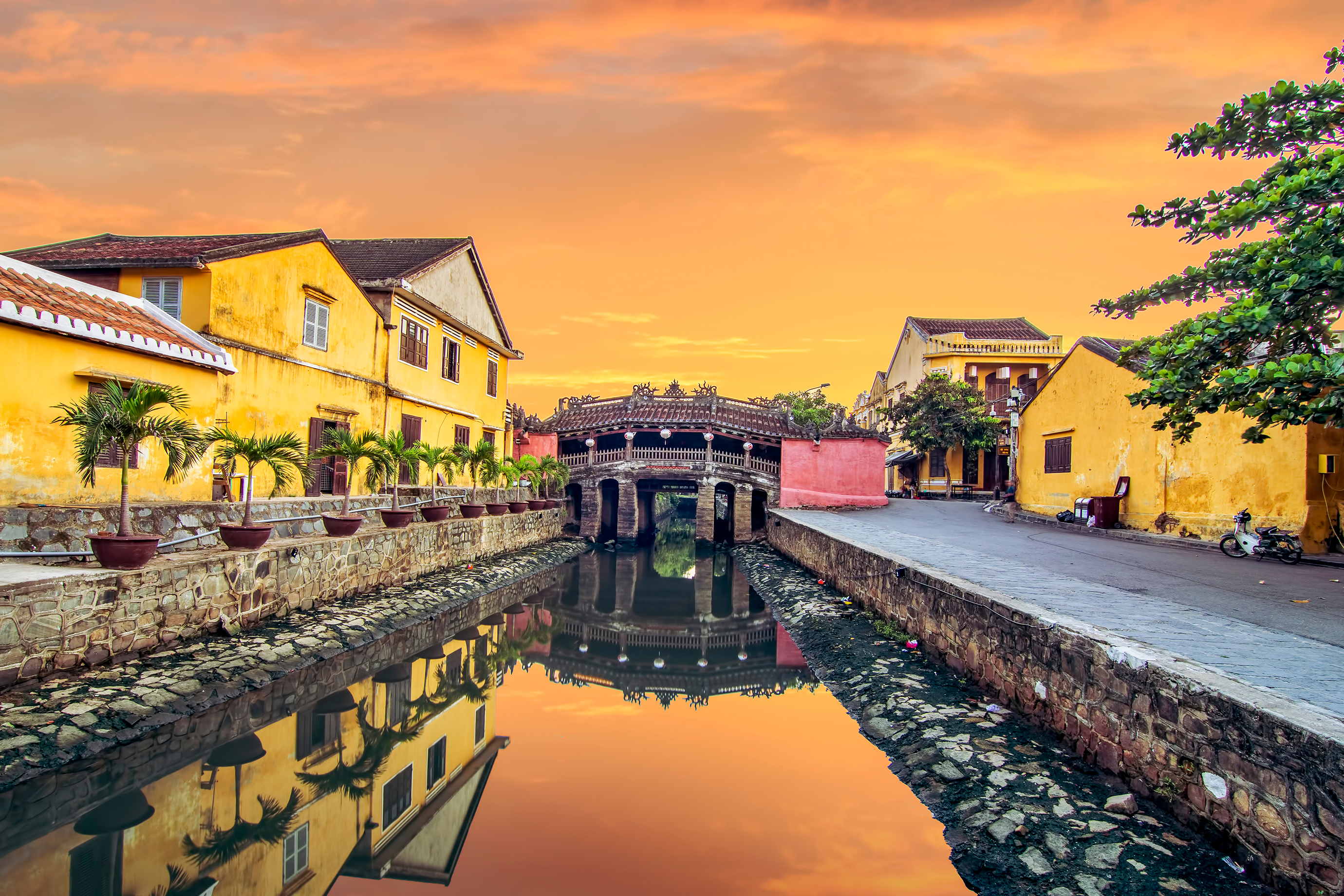
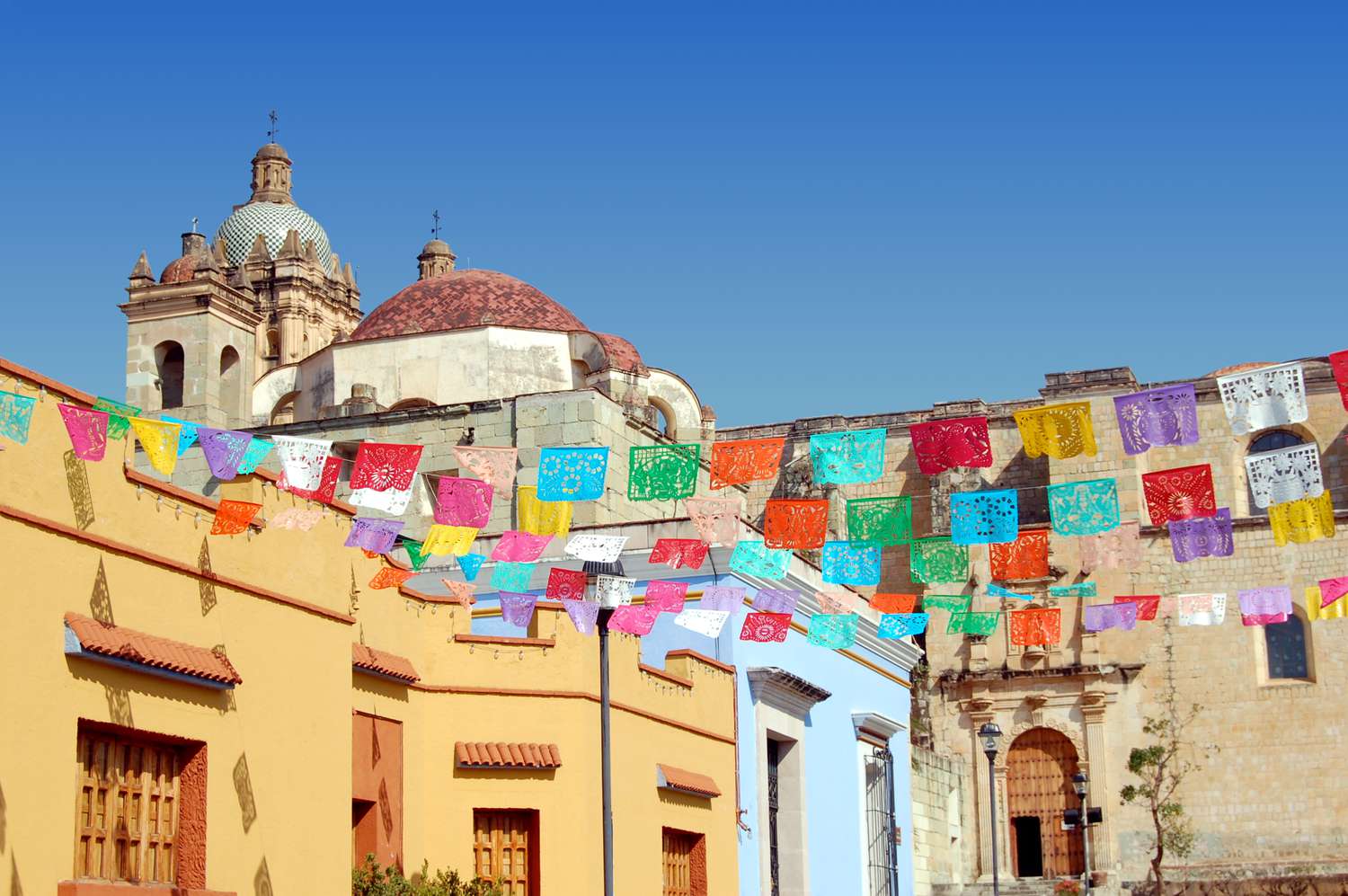
⚡ The TL;DR Verdict
For those craving an exceptionally budget-friendly, visually stunning, and historically rich experience with amazing food, Hoi An is your winner, ideally with a daily budget of $30-50. If you seek a deeper, more sophisticated culinary journey, vibrant arts scene, and rugged natural beauty, Oaxaca calls, with a slightly higher but still affordable $50-80 daily budget.
- Choose Hoi An: You're a budget-conscious traveler who loves charming ancient towns, incredible street food, tailored clothes, and easy day trips to beaches and rice paddies. Ideal for a first-time Asia explorer or someone who enjoys a slower pace.
- Choose Oaxaca: You're a food-focused traveler, appreciative of indigenous culture, mezcal, vibrant art, and a more 'authentic' Latin American feel. Perfect for those who enjoy exploring on foot and have a slightly higher budget for artisan crafts and dining.
- Choose Both: If you have ample time (4+ weeks), both offer distinct, rich cultural experiences. Start with Hoi An for a week for its ethereal charm and then fly to Oaxaca for a week or more to dive into its complex flavors and art. You'll get a full spectrum of global hospitality and heritage.
Quick Comparison
| Category | Hoi An | Oaxaca | Winner |
|---|---|---|---|
| Food & Drink | Street food heaven: Banh Mi, Cao Lau, White Rose. Incredibly cheap and delicious. Fresh seafood and local beers. | Culinary capital: Mole, tlayudas, tamales, mezcal. Deep, complex flavors, farm-to-table focus. World-class dining. | Oaxaca |
| Culture & History | Ancient trading port, UNESCO site. Lantern-lit streets, Japanese bridge, French colonial architecture. Rich maritime history. | Indigenous Zapotec heritage, colonial architecture. Vibrant artisan traditions, Day of the Dead. Deep historical layers. | Oaxaca |
| Costs & Budget | Extremely budget-friendly. Meals for $1-5, guesthouses for $15-30, tailored clothes dirt cheap. | Affordable but slightly higher. Meals for $5-15, guesthouses for $30-60. Artisan goods can add up. | Hoi An |
| Getting There & Around | Fly into Da Nang (DAD), 30-45 min drive. Easy to walk, bike, or scooter in town. Grab taxis readily available. | Fly into Oaxaca (OAX), 20-30 min drive. Walkable city center, affordable taxis/colectivos. Buses for longer trips. | Tie |
| Accommodation | Abundance of charming guesthouses, boutique hotels with pools. Very affordable for high quality. | Boutique hotels, renovated colonial homes, and stylish Airbnbs. Good value, but slightly pricier. | Hoi An |
| Day Trips & Nature | An Bang Beach, My Son Sanctuary, coconut boat tours, rice paddies. Scenic, relaxed nature. | Hierve el Agua, Monte Alban, Teotitlán del Valle, Mezcal Routes. Rugged, diverse, and historical nature. | Oaxaca |
| Shopping | Tailored clothes, shoes, silk lanterns, local crafts. Excellent value, but can be touristy. | Artisan crafts: textiles, pottery, alebrijes, mezcal. High quality, culturally rich, unique souvenirs. | Oaxaca |
| Weather & Seasons | Dry season (Feb-Aug) warm/hot. Rainy season (Sept-Jan) can have typhoons. Humid. | Dry season (Oct-May) sunny, mild. Rainy season (June-Sept) afternoon showers. High altitude, pleasant climate. | Oaxaca |
| Safety & Vibe | Generally very safe, low crime. Relaxed, tourist-friendly vibe. Petty theft possible. | Generally safe in tourist areas. Lively, bustling vibe. Petty crime possible, need awareness. | Hoi An |
| Digital Nomad / Solo Travel | Good Wi-Fi, affordable living, co-working spaces emerging. Easy to meet people in hostels/tours. | Reliable Wi-Fi, vibrant expat community, plenty of cafes. Language barrier might be higher. Solo dining is easy. | Tie |
🍜 Food & Drink
Hoi An’s food scene is a delightful, accessible explosion of flavors, famous for dishes like Banh Mi Phuong (often dubbed 'the best banh mi in Vietnam' for ~30,000 VND / $1.20) and the unique Cao Lau noodles. You can eat like royalty for under $10-15 a day, grazing at street stalls or cozy restaurants like Morning Glory. Local beer (Bia Hoi) is incredibly cheap, often 5,000-10,000 VND (~$0.20-0.40). However, Oaxaca takes the crown for its sheer depth, complexity, and global culinary significance. It's the land of seven moles, tlayudas, and a vibrant street food scene that extends to upscale dining. Restaurants like Origen and Casa Oaxaca offer Michelin-star quality experiences for a fraction of European prices (mains $20-40 USD). Then there’s the mezcal – a spirit with profound cultural roots, often tasted at distilleries (palenques) just outside the city. 'Honestly, I thought Vietnam food was amazing, but Oaxaca just hits different. The moles? Unbelievable. Every meal was an experience.' While Hoi An is fantastic for casual, fresh eats, Oaxaca is a destination for serious foodies.
Winner takeaway
- Winner: Oaxaca
- Why: Oaxaca's food scene is more diverse, sophisticated, and globally recognized, offering a deeper culinary journey from street food to fine dining.
- Who this matters for: Foodies, culinary adventurers, and those who appreciate indigenous gastronomic heritage.
🏛️ Culture & History
Hoi An's culture is a captivating blend of Vietnamese, Chinese, Japanese, and European influences, evident in its well-preserved Ancient Town. The Japanese Covered Bridge, assembly halls like Fujian Assembly Hall, and traditional houses offer a glimpse into its past as a bustling trading port. The nightly lantern spectacle is magical, especially during the full moon. Most attractions are within walking distance, and a single ticket (~120,000 VND / $5 USD) grants access to several sites. However, Oaxaca's cultural tapestry feels even more profound and layered. It's the heartland of indigenous Zapotec and Mixtec cultures, seen in the vibrant textiles, pottery, and wood carving (alebrijes) found in markets like Benito Juárez and La Merced. The Monte Alban ruins (entrance ~90 MXN / $5 USD) offer a breathtaking look at pre-Columbian civilization. Its colonial architecture, particularly around the Zócalo and Santo Domingo de Guzmán church, is stunning, and events like Día de Muertos are legendary. 'Hoi An is pretty, definitely. But Oaxaca felt like I was stepping into a living history book, especially with the artisans and the Monte Alban site. Blew me away.' Oaxaca offers a deeper, more active engagement with living traditions.
Winner takeaway
- Winner: Oaxaca
- Why: Oaxaca presents a more complex, living cultural heritage with significant indigenous roots, ancient ruins, and world-renowned festivals.
- Who this matters for: History buffs, anthropology enthusiasts, and travelers seeking profound cultural immersion beyond just aesthetics.
💰 Costs & Budget
Hoi An is an absolute dream for budget travelers. You can comfortably get by on $30-50 USD per day, including accommodation. A delicious street food meal or local restaurant dish costs 25,000-100,000 VND ($1-4 USD). A comfortable guesthouse or budget hotel, often with a pool, can be found for 350,000-700,000 VND ($15-30 USD) per night. Tailoring a custom suit or dress is incredibly cheap, often starting from 1,500,000 VND ($60 USD). Scooter rentals are 100,000-150,000 VND ($4-6 USD) per day. Oaxaca is also very affordable, but it's a step up. A decent meal will typically run 100-300 MXN ($5-15 USD) at a casual spot, while mid-range hotels cost 600-1200 MXN ($30-60 USD) per night. Artisan goods, though beautiful, can be tempting and increase spending. Transportation (colectivos, taxis) is cheap. 'Hoi An felt like I was cheating the system, everything was so cheap and good. My entire week there cost less than 3 days in Paris.' For sheer bang-for-your-buck value, Hoi An is hard to beat.
Winner takeaway
- Winner: Hoi An
- Why: Hoi An offers significantly lower costs across the board for accommodation, food, and activities, making it one of the best budget destinations.
- Who this matters for: Backpackers, long-term travelers, and anyone looking to maximize their travel budget without sacrificing quality.
✈️ Getting There & Around
Getting to Hoi An typically involves flying into Da Nang International Airport (DAD), which receives direct flights from major Asian hubs like Seoul, Bangkok, and Singapore, or domestic flights from Hanoi/Ho Chi Minh City. A taxi or Grab ride from DAD to Hoi An costs around 300,000-400,000 VND ($12-16 USD) and takes 30-45 minutes. Once in Hoi An, the Ancient Town is pedestrian-friendly, and most visitors rent bicycles (often free from hotels) or scooters for 100,000-150,000 VND ($4-6 USD) a day to explore surrounding areas like An Bang Beach. Oaxaca is served by Oaxaca International Airport (OAX), with direct flights from Mexico City, Guadalajara, and several US cities (e.g., Houston, LAX, Dallas). An airport taxi or 'colectivo' shuttle to the city center costs 100-200 MXN ($5-10 USD) and takes 20-30 minutes. The city center itself is very walkable, and local taxis (often under 50-70 MXN / $2.50-3.50 USD for short rides) or colectivos (shared taxis for ~10-20 MXN / $0.50-1 USD) are abundant. 'Both were super easy to navigate from the airport. Hoi An felt more chill for just biking around, Oaxaca was great for walking everywhere.' Both offer efficient and affordable ways to arrive and explore locally, making them a tie in convenience.
Winner takeaway
- Winner: Tie
- Why: Both destinations offer excellent accessibility via regional airports and highly walkable city centers complemented by affordable local transport options.
- Who this matters for: Travelers who prioritize ease of transit upon arrival and convenient local exploration without needing a car.
🏨 Accommodation
Hoi An excels in offering incredible value for accommodation. You can snag a beautiful guesthouse like Tribee Bana Hostel (dorms for ~150,000 VND / $6 USD) or a boutique hotel such as Anantara Hoi An Resort (mid-range ~2,000,000 VND / $80 USD) or Little Riverside Hoi An with a pool for as little as 500,000-1,000,000 VND ($20-40 USD) per night. Many include breakfast and bike rentals. The quality-to-price ratio is outstanding, making it easy to splurge on comfort without breaking the bank. Oaxaca also has fantastic accommodation options, particularly boutique hotels set in renovated colonial buildings or stylish Airbnbs. Hotel Casa Antonieta or Hotel Sin Nombre offer beautiful stays for 1,500-3,000 MXN ($75-150 USD), while budget-friendly options like Hostal de Las Américas start around 300-500 MXN ($15-25 USD) for a dorm or basic private room. 'I was shocked at how nice my hotel in Hoi An was for $30 a night, came with a pool and free breakfast. Oaxaca had good options too, but I paid more for less.' While both offer charm, Hoi An’s pricing for comparable quality is simply unbeatable.
Winner takeaway
- Winner: Hoi An
- Why: Hoi An offers an exceptional quality-to-price ratio for accommodation, providing luxurious comforts at budget-friendly rates.
- Who this matters for: Budget-conscious travelers, those who prioritize comfort and amenities without a high price tag.
🌳 Day Trips & Nature
Hoi An offers delightful day trips. An Bang Beach is just a short bike ride away, perfect for relaxing by the sea, and coconut boat tours through the Bay Mau coconut forest are a fun, unique experience for around 150,000-200,000 VND ($6-8 USD). The My Son Sanctuary, a UNESCO World Heritage site of ancient Cham temples, is a popular half-day trip (~150,000 VND / $6 entrance). The scenery is mostly flat, green rice paddies and coastal landscapes, beautiful in its simplicity. Oaxaca, however, wins for its sheer variety and dramatic natural beauty combined with cultural significance. Hierve el Agua, the petrified waterfalls, is a stunning geological wonder (~50 MXN / $2.50 entrance, plus transport). Monte Alban (mentioned earlier) offers breathtaking views and ancient history. The Mezcal Route takes you through agave fields and distilleries. You can also visit artisan villages like Teotitlán del Valle for weaving. 'Hierve el Agua changed my life. I've never seen anything like it. And the mezcal tours through the agave fields were so unique. Hoi An's beach was nice, but Oaxaca's nature was just wilder.' The rugged mountains, desert landscapes, and unique geological formations make Oaxaca's natural surroundings more compelling.
Winner takeaway
- Winner: Oaxaca
- Why: Oaxaca offers a more dramatic and diverse range of natural landscapes and historically significant sites for day trips.
- Who this matters for: Adventure seekers, photographers, and those who appreciate unique geological formations and ancient ruins amidst nature.
🛍️ Shopping
Hoi An is famous for its tailoring. You can get custom-made suits, dresses, and shoes in 24-48 hours from shops like Yaly Couture or Bebe Tailor, often for a fraction of Western prices (e.g., a custom suit from $100-200 USD). Silk lanterns, local art, and simple crafts are also abundant. However, the sheer volume of shops can feel overwhelming and sometimes pushy. Oaxaca's shopping experience is more focused on authentic, high-quality artisan goods, deeply rooted in indigenous traditions. Markets like Mercado Benito Juárez and Mercado de Artesanías are treasure troves for hand-woven rugs (Teotitlán del Valle), black pottery (Barro Negro from San Bartolo Coyotepec), colorful wooden alebrijes (from San Martín Tilcajete), and, of course, a vast array of mezcal. The quality and cultural significance of Oaxacan crafts are unparalleled. 'I got a custom dress in Hoi An, which was cool, but the alebrijes and textiles in Oaxaca felt like real art. I bought so much stuff for my home that felt truly unique.' While Hoi An offers incredible value for personalized clothing, Oaxaca provides a richer, more authentic, and diverse shopping experience for unique cultural souvenirs.
Winner takeaway
- Winner: Oaxaca
- Why: Oaxaca's shopping offers a deeper connection to artisan traditions, providing higher quality, culturally significant, and unique crafts.
- Who this matters for: Travelers seeking authentic, handmade souvenirs and unique art pieces with cultural significance.
☀️ Weather & Seasons
Hoi An experiences a distinct wet and dry season. The dry season (February to August) is generally hot and humid, with temperatures often reaching 30-35°C (86-95°F). March to May are considered ideal. The rainy season (September to January) can be unpredictable, with heavy downpours, occasional flooding in the Ancient Town, and even typhoons, particularly from October to November. The humidity is consistently high. Oaxaca, due to its high altitude (around 1,550 meters / 5,000 feet), enjoys a more temperate and pleasant climate year-round. The dry season (October to May) brings sunny skies, warm days (25-30°C / 77-86°F), and cool evenings. The rainy season (June to September) typically features brief, intense afternoon showers that clear quickly, leaving fresh air and lush landscapes. Flooding is rarely an issue. 'I loved Hoi An, but the humidity was brutal in July. Oaxaca in November was just perfect – warm days, cool nights, no humidity. Amazing.' Oaxaca's climate is generally more comfortable and predictable, especially during its peak travel season.
Winner takeaway
- Winner: Oaxaca
- Why: Oaxaca's high-altitude climate offers more consistently pleasant temperatures and less humidity, especially during peak travel months.
- Who this matters for: Travelers sensitive to high humidity and extreme heat, those who prefer comfortable exploration weather.
🛡️ Safety & Vibe
Hoi An is widely considered one of the safest destinations in Vietnam, with a very relaxed and welcoming atmosphere. Serious crime against tourists is rare, and most issues are limited to petty theft (e.g., bag snatching from scooters) or overcharging by street vendors/taxis, particularly around the Ancient Town. Walking alone at night feels very safe, even in dimly lit areas. The vibe is charming, tranquil (especially in the mornings), and tourist-oriented, with many locals speaking English. Oaxaca is also generally safe for tourists, particularly in the city center and popular neighborhoods like Reforma. However, like any major Mexican city, petty crime (pickpocketing, bag snatching) can occur, especially in crowded markets or on public transport. It's wise to be aware of your surroundings, avoid flashing valuables, and use licensed taxis. The vibe is more bustling, authentic, and less 'catered' than Hoi An, which some travelers prefer. 'I felt incredibly safe walking around Hoi An at any time, totally chill. Oaxaca felt safe too, but I definitely kept a closer eye on my bag, especially in the markets.' For a palpable sense of ease and low-stress exploration, Hoi An just edges it out.
Winner takeaway
- Winner: Hoi An
- Why: Hoi An offers a slightly more relaxed and undeniably safer experience with very low crime rates, fostering a greater sense of security.
- Who this matters for: Solo female travelers, families, and anyone prioritizing a very low-stress and secure travel environment.
💻 Digital Nomad / Solo Travel
Hoi An is increasingly popular with digital nomads and solo travelers. Wi-Fi is generally good in hotels and cafes, and the cost of living is very low. Co-working spaces are starting to appear, though not as established as in larger Vietnamese cities. It's incredibly easy to meet people through cooking classes, bike tours, or simply by staying in a social hostel like Tribee Bana. The laid-back pace and small size make it feel very approachable. Oaxaca is also a fantastic hub for digital nomads and solo adventurers. It boasts reliable Wi-Fi, numerous laptop-friendly cafes, and a strong, diverse expat community that makes networking easy. Co-working spaces like Selina Oaxaca offer dedicated facilities. Solo dining is a joy, with many casual eateries and bustling markets. While Spanish proficiency helps, many locals in tourist-facing roles speak English. 'I spent a month in Hoi An, met so many cool people, and my internet was solid for work. But Oaxaca's vibe for nomads felt a bit more established, with more specific events and meetups.' Both offer excellent infrastructure and opportunities for solo travelers and remote workers, balancing community with independent exploration effectively.
Winner takeaway
- Winner: Tie
- Why: Both destinations offer excellent conditions for digital nomads and solo travelers, including reliable infrastructure, affordability, and opportunities for social connection.
- Who this matters for: Remote workers, solo adventurers, and anyone looking for a supportive and stimulating environment to live and work abroad.
❓ Frequently Asked Questions
Which destination is better for families with young children?
Hoi An generally edges out Oaxaca for young families. Its car-free Ancient Town is safer for walking, there are plenty of gentle activities like lantern making and coconut boat rides, and the proximity to An Bang Beach offers easy relaxation. The food is also very accessible and less spicy for kids.
What's the best time of year to visit each, considering weather and crowds?
For Hoi An, February to April offers pleasant weather before the peak heat and avoids the rainy season's potential flooding. For Oaxaca, October to May is the dry season, with November (post-Día de Muertos) and February-March being ideal for mild weather and manageable crowds. Avoid summer in both if you dislike humidity.
Are language barriers an issue for English speakers?
In Hoi An, English is widely spoken in tourist areas, hotels, and restaurants due to heavy tourism. In Oaxaca, basic Spanish is very helpful, especially outside the main tourist zones, though many people in hospitality will speak some English. Google Translate is your friend in both!
Can I easily do a cooking class in both places?
Absolutely! Both are culinary hotspots. Hoi An is famous for its Vietnamese cooking classes (e.g., Red Bridge Cooking School), often including market visits and boat trips. Oaxaca offers fantastic classes focusing on regional Oaxacan cuisine, mole, and tortillas (e.g., El Sabor Zapoteco). Highly recommended in both.
Which destination is better for unique souvenirs?
While Hoi An offers tailored clothing and silk lanterns, Oaxaca is superior for truly unique, culturally rich souvenirs. Its artisan traditions produce world-renowned textiles, black pottery, alebrijes (carved wooden animals), and high-quality mezcal that are authentic and deeply rooted in local heritage.
How long should I spend in each to get a good feel?
For Hoi An, 3-4 full days is ideal to explore the Ancient Town, visit the beach, and do a cooking class. For Oaxaca, 5-7 days allows you to delve into the city's food and art, visit Monte Alban, and take a day trip to Hierve el Agua or a mezcal palenque.
What are the visa requirements like for US citizens?
For Hoi An (Vietnam), US citizens generally need a visa. An e-visa (currently 90 days, multiple entry) is the easiest option, applied for online in advance. For Oaxaca (Mexico), US citizens do not need a visa for tourist stays up to 180 days; a FMM tourist card is issued upon arrival.
Are there good opportunities for volunteering or cultural exchange?
Both offer opportunities. In Hoi An, you might find English teaching opportunities or conservation projects, though less formalized. Oaxaca, with its strong indigenous communities and social programs, has more established avenues for cultural exchange, artisan workshops, and community-based volunteering, often through NGOs.
Ready to plan your next adventure?
Get a free custom itinerary for Hoi An, Oaxaca, or both — built from real traveler insights and tailored to your preferences.
🎟️ Book Tours & Experiences
Hand-picked tours and activities for both destinations — book with free cancellation
Experiences via Viator — free cancellation on most tours