How we built this comparison
This page combines traveler discussion patterns, published price ranges, flight schedules, and seasonal data to help you decide between Hokkaido and Okinawa.
- Reviewed 100+ Reddit threads from r/travel, r/solotravel, r/JapanTravel, and region-specific subreddits for authentic traveler sentiment and tips.
- Verified costs and logistics against current booking platforms (e.g., Skyscanner, Booking.com, rental car aggregators) to ensure accuracy.
- Cross-referenced seasonal patterns, weather data, and major event calendars to provide optimal travel timing recommendations.
⚡ The TL;DR Verdict
For those chasing vibrant city life, world-class snow sports, and incredible seafood, Hokkaido wins, especially on a mid-range budget of ¥12,000-¥25,000 (~$80-$170 USD) per day. If you're yearning for tropical beaches, unique Ryukyuan culture, and island hopping with a slightly more relaxed pace, Okinawa is your spot, often more budget-friendly at ¥8,000-¥20,000 (~$55-$135 USD) daily outside peak season.
- Choose Hokkaido: You're a winter sports enthusiast, a ramen aficionado, or you crave vast, uncrowded natural landscapes and a distinct Japanese frontier feel. Best visited in winter (Dec-Feb) for snow or summer (Jul-Aug) for flowers and cooler weather.
- Choose Okinawa: You dream of warm turquoise waters, snorkeling, diving, and a laid-back island vibe with a unique cultural twist. Perfect for beach lovers and those seeking a break from mainland Japan's hustle. Best in spring (Apr-May) or autumn (Oct-Nov) to avoid typhoons and peak heat.
- Choose Both: If you have 3+ weeks and want to experience the full breadth of Japan's natural diversity, combine them! Start in Okinawa for relaxation, then fly north to Hokkaido for adventure. Be mindful of seasonal timing for each.
Quick Comparison
| Category | Hokkaido | Okinawa | Winner |
|---|---|---|---|
| Weather & Seasons | Long, snowy winters (Dec-Mar), mild summers (Jul-Aug) with cool evenings. Distinct four seasons. | Subtropical climate, warm year-round. Hot, humid summers (Jun-Sep), mild winters (Dec-Feb). Typhoon season. | Hokkaido |
| Nature & Scenery | Volcanic landscapes, vast national parks, forests, lakes, and rolling agricultural plains. Dramatic and grand. | Coral reefs, pristine beaches, dense subtropical forests, caves, and dramatic cliffs. Lush and marine-focused. | Tie |
| Food & Drink | Rich ramen, fresh seafood (crab, uni, salmon), dairy products, Jingisukan (lamb BBQ), Sapporo beer. | Ryukyu cuisine: Goya Champuru (bitter melon stir-fry), Soki Soba (pork rib noodles), Rafute (braised pork belly), taco rice, Orion beer. | Hokkaido |
| Costs & Budget | Can be expensive, especially ski resorts in winter. Food is good value. Car rental often necessary. ¥12,000-¥25,000/day. | Generally more affordable than mainland Japan outside peak season. Accommodation can be cheaper. Car rental common. ¥8,000-¥20,000/day. | Okinawa |
| Getting There | Major airports in Sapporo (CTS), Hakodate (HKD). Direct flights from Tokyo (HND/NRT) ~90 mins. JAL/ANA, LCCs. | Major airport in Naha (OKA). Direct flights from Tokyo (HND/NRT) ~2.5-3 hours. JAL/ANA, LCCs. | Hokkaido |
| Getting Around | Excellent train network in urban areas, but car rental essential for exploring rural areas and national parks. | Public transport (bus, monorail in Naha) is limited. Car rental is highly recommended for exploring the main island and hopping smaller islands. | Tie |
| Activities & Adventure | Skiing/snowboarding, hiking, cycling, hot springs (onsen), wildlife viewing, ice festivals, beer gardens. | Snorkeling, diving, beach relaxation, island hopping, marine sports, visiting castles, exploring caves, local markets. | Hokkaido |
| Culture & History | Frontier history, Ainu indigenous culture, development by mainland Japanese, influences from Russia. | Unique Ryukyu Kingdom history, US military influence, distinct language, traditional arts and crafts. | Okinawa |
| Beaches & Water Sports | Limited swimming beaches, mostly in summer. Lake activities. Not a primary beach destination. | Abundant white sand beaches, crystal-clear turquoise waters, world-class snorkeling and diving. Primary beach destination. | Okinawa |
| Accommodation & Stays | Wide range from city hotels to traditional ryokans, ski resorts, and charming guesthouses. Unique glamping options. | Diverse options: luxury beach resorts, budget guesthouses, traditional minshuku, and unique 'vacation rentals' (condo hotels). | Hokkaido |
☀️❄️ Weather & Seasons
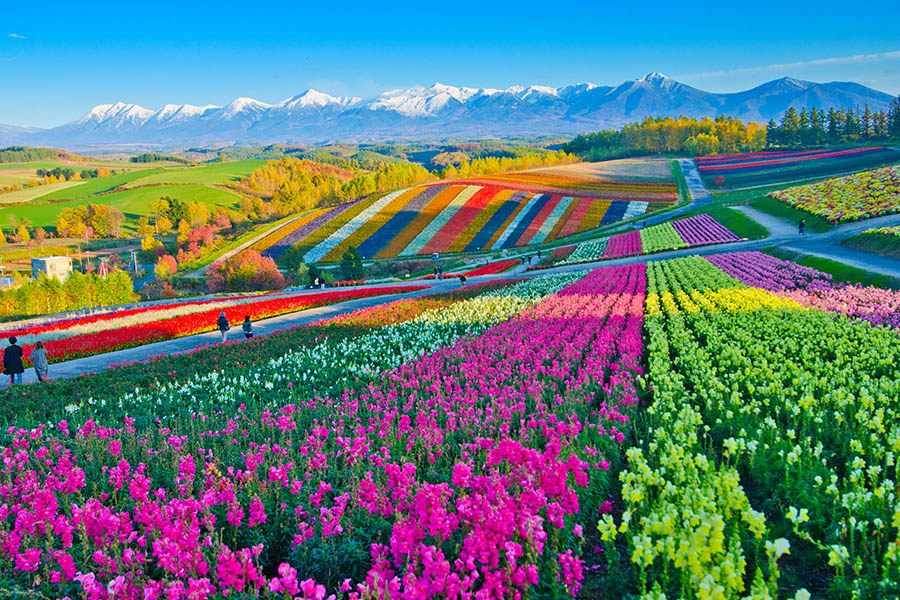
This is where they truly diverge. Hokkaido is legendary for its powder snow, attracting skiers and snowboarders from around the globe to resorts like Niseko and Rusutsu from December to March. Winter temperatures often hover around -5°C to -10°C (23°F to 14°F). Summers, however, are a delightful escape from Japan's oppressive humidity, with average temperatures around 20-25°C (68-77°F), perfect for exploring lavender fields in Furano. Okinawa, on the other hand, is tropical all the way. Even in winter (Jan-Feb), you're looking at 15-20°C (59-68°F), warm enough for light jackets. Summers are intensely hot and humid, often 30-35°C (86-95°F), with frequent afternoon showers. Crucially, Okinawa's typhoon season runs roughly from July to October, which can seriously disrupt travel plans. Hokkaido wins for its diverse, more comfortable seasons and reliable winter activities. "I went to Okinawa in August once, never again. It felt like walking through soup. Hokkaido in July was pure bliss though, cool nights and no sweat!" - r/JapanTravel user.
Winner takeaway
- Winner: Hokkaido
- Why: Hokkaido offers more distinct and comfortable seasons, with world-class winter sports and pleasant summers, avoiding Okinawa's typhoon risks and intense humidity.
- Who this matters for: Travelers sensitive to extreme heat, winter sports enthusiasts, and those seeking varied seasonal experiences.
🏞️🌊 Nature & Scenery
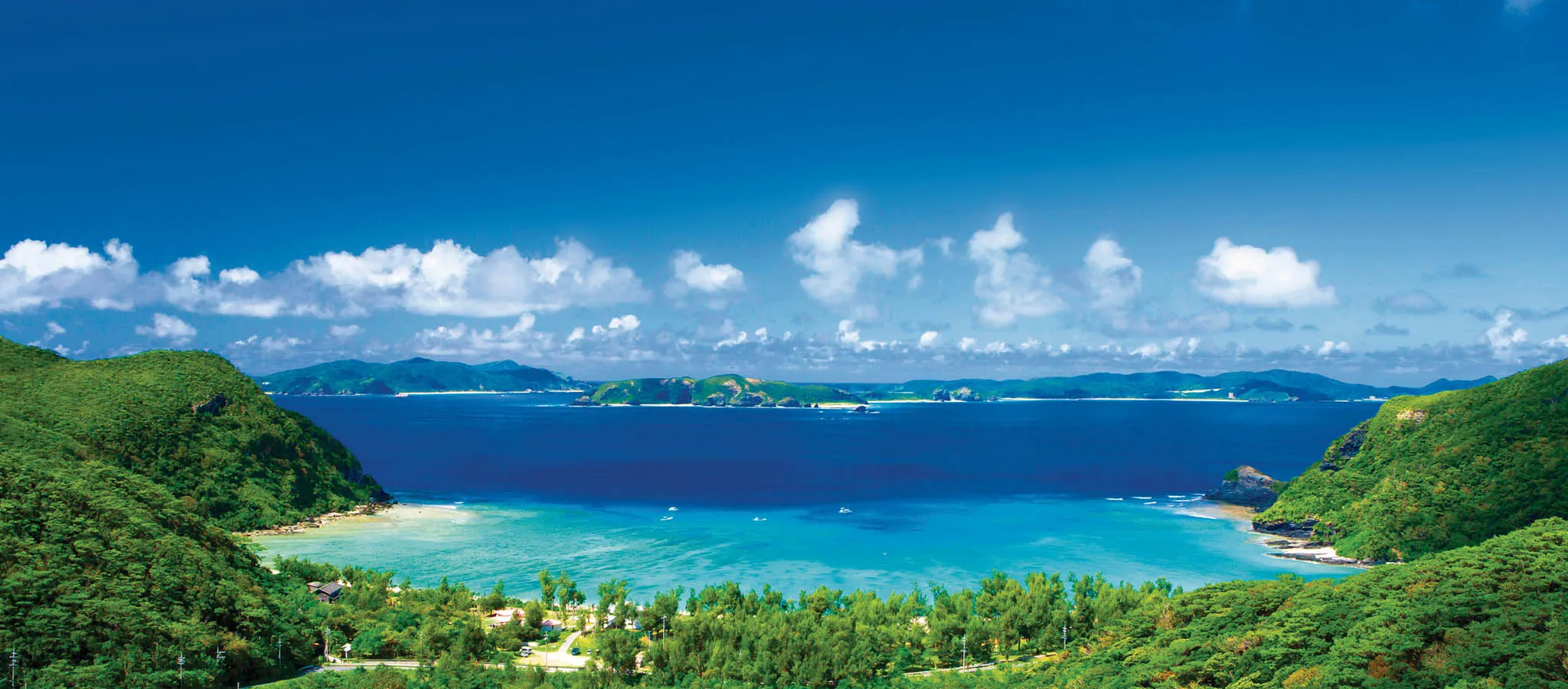
Both regions are absolute stunners, but in fundamentally different ways. Hokkaido boasts magnificent landscapes like the Shiretoko National Park, a UNESCO World Heritage site known for its brown bears and dramatic coastlines, or the pristine caldera lakes of Akan-Mashu National Park. You'll find vast, untouched wilderness, active volcanoes, and fields of vibrant flowers in summer. Okinawa offers a different kind of beauty: a dazzling underwater world of coral reefs, vibrant marine life perfect for snorkeling and diving at places like the Kerama Islands. On land, you'll find lush subtropical forests, dramatic limestone caves like Gyokusendo, and stunning coastal drives. It's truly a matter of preference between majestic mountains and pristine oceans. If you want epic hikes and panoramic vistas, Hokkaido. If you want to be in and on the water, Okinawa. Both provide breathtaking natural beauty unparalleled in Japan. "Honestly, you can't compare. Hokkaido's scale is breathtaking, like Canada. Okinawa's marine life and tropical vibe are just as unique. It's apples and oranges." - r/solotravel forum.
Winner takeaway
- Winner: Tie
- Why: Both offer incredibly distinct and world-class natural beauty; it's a matter of personal preference for mountain wilderness versus tropical marine environments.
- Who this matters for: Nature lovers of all stripes, but their specific interests will dictate which they prefer.
🍜🍣 Food & Drink
Hokkaido is a culinary powerhouse, often dubbed Japan's larder. The cold seas provide incredibly fresh seafood – think succulent crab (kegani, zuwaigani), melt-in-your-mouth uni (sea urchin), and fatty salmon. Sapporo is famous for its rich miso ramen, particularly at spots like Ramen Alley. The region's dairy products are exceptional, leading to delicious ice cream and cheese. Jingisukan, a grilled lamb dish, is another must-try. Local craft beer scenes are also thriving. Okinawa's food scene is distinctly different, influenced by its Ryukyu Kingdom heritage and US military presence. Staples include Goya Champuru (stir-fry with bitter melon, tofu, egg, and pork), Soki Soba (noodles with tender stewed pork ribs), and Rafute (braised pork belly). Taco rice, a fusion dish, is surprisingly popular and delicious. While unique, it's generally less diverse and internationally renowned than Hokkaido's offerings. For sheer variety and quality of produce, Hokkaido takes the cake. "Seriously, Hokkaido food is next level. The seafood in Otaru, the ramen in Sapporo, the fresh dairy... I ate like a king for cheap. Okinawa was good, but not *that* good." - r/JapanTravel on Reddit.
Winner takeaway
- Winner: Hokkaido
- Why: Hokkaido's diverse, high-quality, and internationally acclaimed produce, especially its seafood and ramen, generally outshines Okinawa's more niche Ryukyu cuisine.
- Who this matters for: Foodies, seafood lovers, and those seeking iconic Japanese culinary experiences.
💰 Costs & Budget
Okinawa generally offers a more budget-friendly experience, especially if you avoid peak summer or Golden Week. A decent guesthouse might run you ¥4,000-¥7,000 (~$27-$47 USD), while a mid-range hotel is ¥8,000-¥15,000 (~$55-$100 USD). Meals can be found for ¥800-¥1,500 (~$5.50-$10 USD) at local eateries. Car rental is highly recommended, costing around ¥4,000-¥7,000 (~$27-$47 USD) per day. Hokkaido can be quite pricey, particularly if you're hitting major ski resorts like Niseko in winter, where accommodation can easily exceed ¥20,000 (~$135 USD) a night. Outside of ski season, Sapporo and other cities offer good value, with hostels around ¥3,000-¥5,000 (~$20-$35 USD) and mid-range hotels ¥7,000-¥12,000 (~$47-$80 USD). Food, especially fresh seafood, is excellent value for its quality. Flights to both from Tokyo are similar, around ¥10,000-¥20,000 (~$68-$135 USD) one way. Overall, Hokkaido's activities and seasonal demand often push costs higher. "Okinawa felt way cheaper than I expected, especially for food and guesthouses. Hokkaido, outside of Sapporo, needed a car, and that adds up, plus Niseko was killer on the wallet." - r/travel thread.
Winner takeaway
- Winner: Okinawa
- Why: Okinawa is generally more affordable for accommodation and daily expenses, especially when avoiding peak seasons and major resort areas.
- Who this matters for: Budget-conscious travelers and those looking to stretch their yen further.
✈️ Getting There
Both destinations are primarily accessed by air from Japan's major hubs like Tokyo (Haneda HND or Narita NRT) or Osaka (KIX). For Hokkaido, the main gateway is New Chitose Airport (CTS) near Sapporo, with flights taking approximately 1 hour 30 minutes from Tokyo. Hakodate Airport (HKD) is another option in the south. You can find competitive fares with JAL, ANA, and LCCs like Peach and Jetstar, usually ¥10,000-¥20,000 (~$68-$135 USD) one-way if booked in advance. For Okinawa, Naha Airport (OKA) is the main entry point, with flights from Tokyo taking about 2 hours 45 minutes to 3 hours. Again, JAL, ANA, Peach, and Jetstar operate these routes, with similar pricing. The key difference here is the flight duration. Hokkaido is significantly closer to mainland Japan, making the journey shorter and potentially less tiring, especially for shorter trips. The Shinkansen also connects Tokyo to Hakodate, though it's a 4-hour journey. "Getting to Sapporo is a breeze from Tokyo, just a quick hop. Okinawa felt like a longer haul, a real commitment for a weekend trip." - backpacker on a forum.
Winner takeaway
- Winner: Hokkaido
- Why: Hokkaido is geographically closer to Japan's major mainland cities, resulting in significantly shorter flight times compared to Okinawa.
- Who this matters for: Travelers with limited time or those who prefer shorter domestic transit.
🚗🚌 Getting Around
Both regions pretty much demand a car if you want to properly explore beyond their main cities. In Hokkaido, Sapporo has a good subway system, and major cities like Hakodate and Otaru are connected by JR trains. However, to truly experience the vast national parks, ski resorts like Niseko and Furano's flower fields, a rental car is almost a necessity. Daily car rental in Hokkaido can range from ¥5,000-¥9,000 (~$34-$60 USD) depending on the season and vehicle type. In Okinawa, Naha has a monorail (Yui Rail) that's great for city exploration, but once you step outside the capital, the bus system is infrequent and slow. To visit beaches, castles, and other attractions across the main island, a rental car is essential. It's also how you get to ferry terminals for island hopping. Car rental costs are comparable to Hokkaido, perhaps slightly cheaper at ¥4,000-¥7,000 (~$27-$47 USD) per day. Both offer very scenic drives, but rely heavily on personal vehicles for true exploration. "Renting a car in Okinawa was a game changer, the buses were a nightmare. Same for Hokkaido, you really need a car to see anything outside Sapporo." - traveller comment on Reddit.
Winner takeaway
- Winner: Tie
- Why: Both destinations heavily rely on car rentals for comprehensive exploration beyond their main urban centers, making neither a clear winner in ease of public transport.
- Who this matters for: Independent travelers comfortable driving abroad, or those willing to budget for car rental.
⛷️🐠 Activities & Adventure
Hokkaido is an adventure playground, especially for outdoor enthusiasts. In winter, it's a global mecca for skiing and snowboarding, with resorts like Niseko, Rusutsu, and Furano offering incredible powder. Beyond the slopes, you can enjoy snowshoeing, ice fishing, and visiting the Sapporo Snow Festival. In summer, the vast national parks like Daisetsuzan offer world-class hiking, cycling, and wildlife viewing (bears, deer, foxes). Onsen (hot springs) are plentiful year-round. Okinawa's adventure revolves around its stunning marine environment. Snorkeling and diving in places like the Blue Cave or the Kerama Islands are phenomenal, with vibrant coral reefs and diverse marine life. Kayaking, paddleboarding, and other water sports are readily available. Land-based activities include exploring historical sites like Shuri Castle, visiting traditional villages, and exploring limestone caves. While Okinawa's marine adventures are top-tier, Hokkaido's year-round diversity, from extreme winter sports to extensive summer hiking, offers a broader range of adrenaline-pumping activities. "If you love the mountains and snow, Hokkaido is unmatched. But even in summer, the hiking trails are incredible. Okinawa is great for beaches but that's kinda it for 'adventure'." - Redditor's opinion.
Winner takeaway
- Winner: Hokkaido
- Why: Hokkaido offers a more diverse and extreme range of adventure activities across multiple seasons, from world-class winter sports to extensive summer hiking and wildlife viewing.
- Who this matters for: Adrenaline junkies, outdoor enthusiasts, and those seeking varied physical challenges.
🏯📜 Culture & History
Okinawa offers a truly unique cultural experience that sets it apart from mainland Japan. For centuries, it was the independent Ryukyu Kingdom, developing its own distinct language, music, cuisine, and martial arts (karate originated here). This rich heritage is visible at UNESCO sites like Shuri Castle (though largely rebuilt), the Sefa-Utaki sacred site, and traditional Ryukyuan villages. The strong US military presence since WWII has also left a unique imprint, particularly in terms of food and fusion culture. Hokkaido, while fascinating, has a more recent history of development by mainland Japanese settlers, giving it a 'frontier' feel. It is also home to the indigenous Ainu people, whose culture can be explored at places like the Upopoy National Ainu Museum and Park. However, this history is less pervasive in the everyday cultural landscape compared to Okinawa's Ryukyuan roots. While both offer fascinating insights, Okinawa's deeply distinct and historically independent identity makes it a more profound cultural destination. "Okinawa felt like a different country almost, the music, the language snippets, the food – it's so rich. Hokkaido was interesting with the Ainu stuff, but it still felt very 'Japan'." - comment from a long-term Japan resident.
Winner takeaway
- Winner: Okinawa
- Why: Okinawa offers a profoundly distinct and historically rich cultural experience rooted in its Ryukyu Kingdom heritage, which feels more unique than Hokkaido's more recent frontier history.
- Who this matters for: History buffs, cultural explorers, and those interested in indigenous or minority cultures within Japan.
🏖️🏄 Beaches & Water Sports
This category is a no-brainer. Okinawa is synonymous with stunning tropical beaches and vibrant marine life, making it Japan's premier destination for sun, sand, and water sports. Picture pristine white sands at places like Kondoi Beach on Taketomi Island, or the dazzling turquoise waters of Yonaha Maehama Beach on Miyakojima. The Kerama Islands are a National Park, famous for world-class diving and snorkeling with incredible coral reefs and diverse fish. You can easily spend days island hopping, kayaking, paddleboarding, or just relaxing on the sand. Main island beaches like Manza Beach also offer fantastic resort experiences. Hokkaido, while boasting beautiful lakes and some coastal areas, is simply not a beach destination. While you might find a handful of small swimming spots in summer, they don't compare to Okinawa's tropical paradise. Its waters are far too cold for comfortable swimming for most of the year, and the focus is on mountains and forests, not sandy shores. "If you're going to Japan for beaches, you go to Okinawa. Full stop. Hokkaido has literally nothing comparable." - traveler's direct advice on a travel forum.
Winner takeaway
- Winner: Okinawa
- Why: Okinawa boasts world-class tropical beaches, crystal-clear waters, and abundant opportunities for snorkeling, diving, and other marine sports, which Hokkaido cannot offer.
- Who this matters for: Beach lovers, divers, snorkelers, and anyone seeking a tropical island getaway.
🏨🏡 Accommodation & Stays
Both regions offer a broad spectrum of accommodation, but Hokkaido feels like it has a slight edge in variety and unique experiences, especially for luxury and traditional stays. In Sapporo, you'll find modern business hotels alongside elegant ryokans like Jozankei Onsen's (just outside the city). Ski resorts like Niseko offer high-end chalets and international hotels, while rural areas have charming farm stays and glamping options, like those near Lake Shikotsu. Traditional Japanese inns (ryokan) with onsen are plentiful across the region, offering a quintessential Japanese experience. Prices can range from budget hostels at ¥3,000 (~$20 USD) to luxury ryokans at ¥30,000+ (~$200 USD) per person. Okinawa also has excellent options, from sprawling beach resorts (e.g., ANA InterContinental Manza Beach Resort) to smaller, family-run minshuku (traditional inns) and an increasing number of Airbnb-style vacation rentals. However, the traditional ryokan experience, while present, isn't as prevalent or iconic as in Hokkaido. The resort hotels are great, but Hokkaido's blend of city, ski, and traditional onsen stays feels a bit more diverse and characteristic of Japan's varied offerings. "Hokkaido's onsen ryokans were legendary. We stayed at one in Noboribetsu, totally worth the splurge. Okinawa had nice resorts, but not the same traditional charm." - traveler's review.
Winner takeaway
- Winner: Hokkaido
- Why: Hokkaido offers a slightly more diverse range of iconic Japanese accommodation experiences, including numerous high-quality traditional ryokans with onsen and unique ski resort lodging.
- Who this matters for: Travelers seeking traditional Japanese accommodations (ryokans) and those who enjoy a variety of unique lodging experiences.
❓ Frequently Asked Questions
Which is better for families with young children?
Both offer great family experiences but for different reasons. Hokkaido, particularly in summer, is fantastic for wide-open spaces, farm visits, and easy-to-manage nature trails. In winter, beginner-friendly ski resorts are great. Okinawa offers safe, calm beaches, aquariums (Churaumi), and kid-friendly marine activities, perfect for water-loving families. It truly depends on your family's preferences for snow or sand.
Is English widely spoken in either region?
You'll find more English spoken in major tourist hubs and international ski resorts (like Niseko) in Hokkaido. In Sapporo and other main cities, hotels and larger establishments will have English speakers. Okinawa also has English support in major Naha hotels and some tourist areas due to its US military presence, but rural areas in both destinations will require basic Japanese phrases or translation apps.
Which destination is better for solo travelers?
Both are excellent for solo travelers, but with different vibes. Hokkaido offers safe, easy navigation, and plenty of opportunities to join group tours for activities like skiing or hiking. Okinawa is great for meeting people at guesthouses, joining diving tours, or simply enjoying peaceful solitude on a beach. Your preference for city exploration/winter sports vs. island hopping/beach relaxation will guide your choice.
What are the best times to visit to avoid crowds?
For Hokkaido, consider late spring (May-June) or early autumn (Sept-Oct) to enjoy pleasant weather and fewer crowds outside of the peak summer flower season. For Okinawa, late spring (April-early May, avoiding Golden Week) or late autumn (October-November, after typhoon season) are ideal, offering great weather and fewer tourists than the scorching summer months.
Are there direct flights between Hokkaido and Okinawa?
Yes, there are often direct flights between Hokkaido's New Chitose Airport (CTS) and Okinawa's Naha Airport (OKA), especially during peak seasons. These routes are usually operated by airlines like JAL, ANA, or LCCs such as Peach. Flight duration is approximately 4-5 hours, making it feasible to combine both if you have sufficient time.
Which has better nightlife?
Hokkaido, specifically Sapporo, offers a more robust and diverse nightlife with numerous izakayas, bars, and clubs in areas like Susukino. There's a lively atmosphere, especially in winter. Okinawa's nightlife is more laid-back, centered around Naha's Kokusai Dori with its local pubs and live music venues, or relaxed beach bars on outer islands. For vibrant clubbing, Sapporo takes the lead.
Can I see cherry blossoms in either region?
Yes, but at different times! Okinawa's cherry blossoms (mostly 'Hikanzakura' species) bloom much earlier, typically from late January to mid-February, making it the earliest place in Japan to see them. Hokkaido's cherry blossoms are the latest in Japan, usually from late April to early May, a pleasant contrast to its snowy winters. They offer distinct experiences.
Which region has better shopping?
Hokkaido offers better shopping for general goods, fashion, and souvenirs, particularly in Sapporo with its large department stores, underground malls, and unique local crafts. Otaru is famous for glassworks and music boxes. Okinawa's shopping is more focused on local crafts, traditional textiles (like Ryukyu Glass), ceramics, and unique food products, primarily found along Naha's Kokusai Dori.
Ready to plan your unforgettable Japanese adventure?
Get a free custom itinerary for Hokkaido, Okinawa, or both — built from real traveler insights.
🎟️ Book Tours & Experiences
Hand-picked tours and activities for both destinations — book with free cancellation
Experiences via Viator — free cancellation on most tours