How we built this comparison
This page combines traveler discussion patterns, published price ranges, flight schedules, and seasonal data to help you decide between Honduras and Guatemala.
- Reviewed 50+ Reddit threads from r/travel, r/solotravel, r/Guatemala, r/Honduras, and r/backpacking for authentic experiences and advice.
- Verified costs and logistics against current booking platforms (e.g., Hostelworld, Skyscanner, local tour operators).
- Cross-referenced seasonal patterns and weather data from NOAA and local meteorological services to determine best travel times.
⚡ The TL;DR Verdict
For those seeking deep indigenous culture, stunning volcanic landscapes, and well-trodden backpacker routes, Guatemala is your pick (budget: $35-60/day). If pristine Caribbean diving, laid-back island vibes, and a slightly more off-the-beaten-path feel are calling, Honduras offers incredible value (budget: $30-55/day, excluding dedicated diving).
- Choose Honduras: Choose Honduras for world-class, affordable diving and snorkeling in the Bay Islands (Roatán, Utila), pristine Caribbean beaches, and a more adventurous, less touristy mainland with rich Garifuna culture and impressive Mayan ruins at Copán.
- Choose Guatemala: Opt for Guatemala if you crave immersive Mayan culture, bustling colonial cities like Antigua, breathtaking volcanic scenery around Lake Atitlán, and iconic ruins like Tikal. It has a more developed tourist infrastructure and is generally easier to navigate for first-time Central American travelers.
- Choose Both: Experienced travelers with 3+ weeks can combine both for a truly comprehensive Central American adventure. Start in Guatemala for culture and mountains, then fly or bus across to Honduras for the Caribbean coast and diving. Consider a flight from Flores (FRS) to San Pedro Sula (SAP) for efficiency.
Quick Comparison
| Category | Honduras | Guatemala | Winner |
|---|---|---|---|
| Safety & Security | Often perceived as higher risk due to historical issues; specific areas like Bay Islands are very safe. Mainland requires more caution, especially in cities. | Generally feels safer in tourist hubs like Antigua, Lake Atitlán, and Flores. Guatemala City and rural areas can be risky, but common sense goes a long way. | Guatemala |
| Beaches & Diving | World-class diving and snorkeling in the Bay Islands; stunning white sand beaches, vibrant coral reefs, and affordable PADI certifications. | Limited true Caribbean beaches. Focus is more on volcanic lakes (Lake Atitlán) and river systems. Monterrico offers black sand beaches, but no diving. | Honduras |
| Culture & History | Home to the impressive Mayan ruins of Copán, and the unique, vibrant Garifuna culture along the Caribbean coast. | Rich indigenous Mayan culture, colonial cities like Antigua, and iconic ruins such as Tikal, Yaxhá, and Quiriguá. Strong artisan traditions. | Guatemala |
| Nature & Adventure | Rainforests, cloud forests, white-water rafting on the Cangrejal River, and excellent birdwatching. Rich marine biodiversity. | Volcano trekking (Acatenango overnight hike), stunning crater lakes, Semuc Champey natural pools, extensive jungles, and diverse wildlife. | Guatemala |
| Food & Local Cuisine | Emphasis on seafood in the Bay Islands (conch, lobster); baleadas are a Honduran staple. Garifuna cuisine with coconut influences. | Hearty Mayan-influenced dishes like Pepián and Kak'ik. Tamales, rellenitos, and street food. Antigua has excellent international dining options. | Tie |
| Costs & Budget | Generally slightly cheaper for everyday expenses. Diving can be expensive but is cheaper here than many other places. | Very affordable, particularly outside of Antigua. Tourist services can be slightly pricier due to demand, but local options are plentiful. | Honduras |
| Getting Around | Chicken buses on mainland, private shuttles are less common. Ferries to islands. Roads can be rough. | Extensive network of 'chicken buses' (colorful old school buses), private tourist shuttles, and boats on Lake Atitlán. Roads are generally better. | Guatemala |
| Accommodation & Comfort | Good range of budget hostels and mid-range hotels, especially on the islands. Fewer high-end luxury options outside resorts. | Wide array of accommodations from budget hostels to boutique hotels and eco-lodges. Stronger focus on comfort and aesthetic in tourist areas. | Guatemala |
| Solo & Backpacker Friendliness | Good for solo divers and adventurous backpackers, especially on the islands. Mainland requires more self-reliance. | Excellent for solo travelers and backpackers with a well-established 'Gringo Trail,' plenty of hostels, and easy meet-ups. | Guatemala |
| Overall Vibe & Experience | More rugged, adventurous, and less touristy (outside Bay Islands). Authentic, laid-back Caribbean atmosphere on the coast. | Vibrant, culturally rich, and highly immersive. A blend of well-developed tourist infrastructure with deep authentic experiences. | Guatemala |
🚨 Safety & Security
Both Honduras and Guatemala have reputations for crime, which often deter travelers. However, tourist zones in both countries are generally safer than their headlines suggest. In Honduras, the Bay Islands (Roatán, Utila) are remarkably safe, with petty crime being the main concern, similar to any popular beach destination. The mainland, particularly cities like San Pedro Sula and Tegucigalpa, warrants higher vigilance. Bus travel between cities like La Ceiba and Copán can be done safely with reputable companies. Guatemala, on the other hand, has a more established backpacker trail where safety feels more manageable. Antigua, Lake Atitlán, and Flores (for Tikal) are well-patrolled and accustomed to tourists. "I felt way more relaxed wandering around Antigua at night than I ever would in San Pedro Sula. Just keep your wits about you, don't flash valuables, and use Ubers in cities." Always check government travel advisories and local forums before you go, and avoid walking alone at night in less-trafficked areas of either country. Taxis/Ubers are safer than walking after dark.
Winner takeaway
- Winner: Guatemala
- Why: Guatemala's well-developed tourist infrastructure and concentration of attractions in safer, tourist-friendly zones make it feel more secure for the average traveler.
- Who this matters for: First-time travelers to Central America, solo female travelers, and those with limited Spanish skills.
🏖️ Beaches & Diving
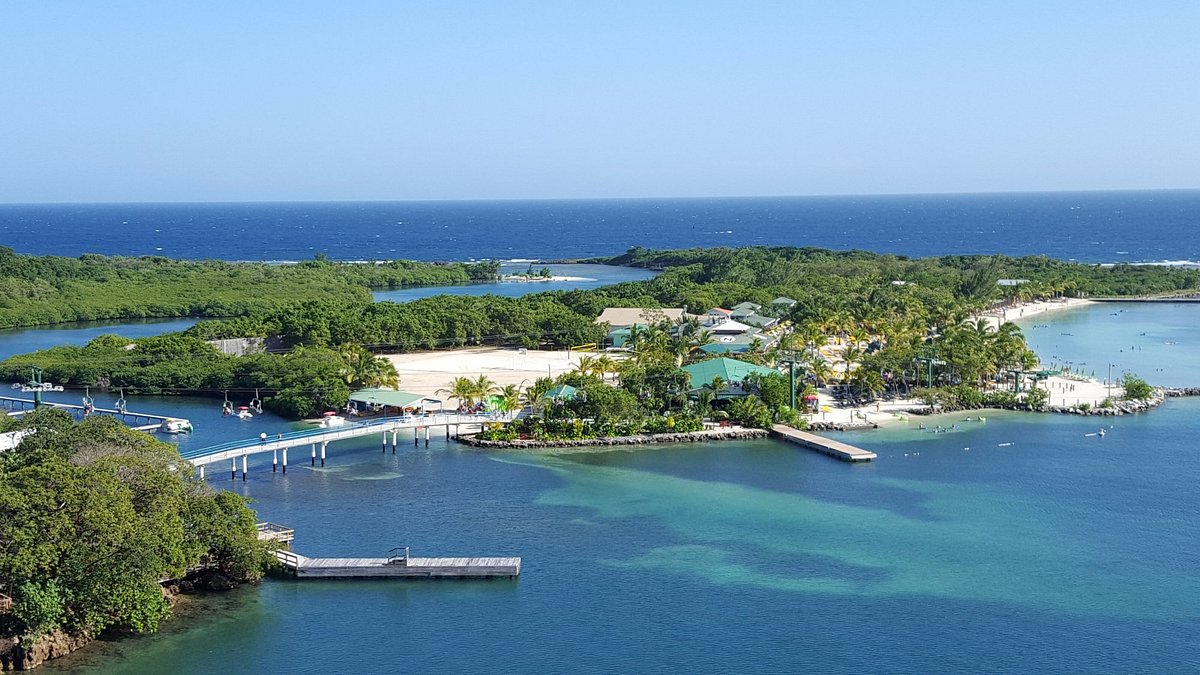
Honduras is undeniably the winner for anything ocean-related, primarily due to its incredible Bay Islands: Roatán and Utila. These islands sit on the Mesoamerican Barrier Reef, offering some of the most vibrant and accessible coral reefs in the world. Utila is particularly famous as one of the cheapest places globally to get your PADI Open Water certification, often for around $300-350 USD. Roatán offers a more upscale experience with resorts, but still boasts phenomenal diving and snorkeling. Expect dive trips to cost $30-50 USD per tank. The beaches, like West Bay in Roatán or the smaller coves in Utila, are postcard-perfect. "The diving in Utila was mind-blowing and so cheap. Saw more sharks and turtles there than anywhere else in Central America." Guatemala's coastline, by contrast, is mostly volcanic black sand beaches like Monterrico on the Pacific, which are interesting but not for coral reefs or traditional 'beach holiday' vibes. Lake Atitlán is stunning but an inland lake, not a beach destination.
Winner takeaway
- Winner: Honduras
- Why: Honduras offers unparalleled access to the Mesoamerican Barrier Reef, providing world-class and affordable diving and snorkeling experiences.
- Who this matters for: Divers, snorkelers, beach lovers, and those seeking a relaxed Caribbean island escape.
🗿 Culture & History
Guatemala is a cultural immersion powerhouse. Its Mayan heritage is palpable and active, especially in the highlands around Lake Atitlán and Chichicastenango, where indigenous traditions, languages (like Kaqchikel and K'iche'), and colorful textiles thrive. The colonial city of Antigua is a UNESCO World Heritage site, a beautifully preserved gem with cobblestone streets, vibrant markets, and stunning architecture. Major Mayan ruins like Tikal in the Petén jungle are globally renowned, offering an awe-inspiring glimpse into a powerful ancient civilization (Tikal entrance: GTQ 150 / ~$20 USD). "Walking through Tikal at sunrise felt like stepping back in time, absolutely incredible, and the local guides really brought the history alive." Honduras, while having the magnificent Copán Ruinas (entrance: HNL 400 / ~$16 USD), which is a fascinating site with intricate stelae and hieroglyphic staircases, doesn't offer the same widespread, living indigenous cultural immersion as Guatemala. Its unique Garifuna culture, found along the Caribbean coast, is distinct and lively but concentrated in specific communities like La Ceiba or Cayos Cochinos.
Winner takeaway
- Winner: Guatemala
- Why: Guatemala boasts a more pervasive and accessible living indigenous culture, extensive colonial history, and a greater number of iconic Mayan archaeological sites.
- Who this matters for: History buffs, cultural explorers, photographers, and those interested in indigenous traditions.
⛰️ Nature & Adventure
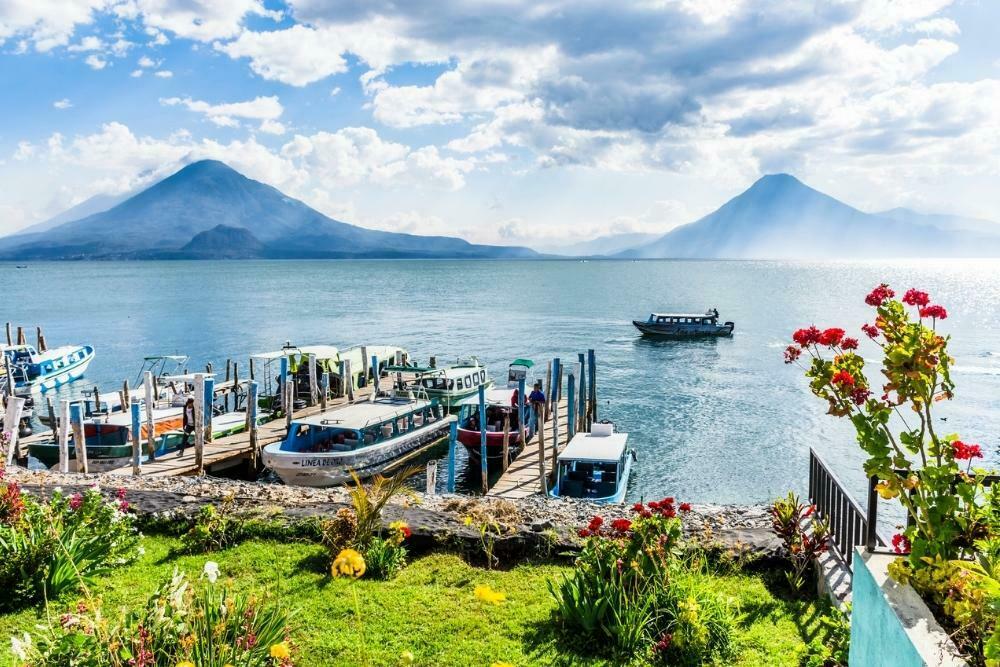
Both countries offer incredible natural beauty, but Guatemala's landscapes feel more dramatic and diverse, especially for land-based adventures. The iconic overnight hike up Acatenango Volcano, offering breathtaking views of erupting Fuego, is a bucket-list experience (tours range from $60-100 USD, including guides, food, and gear). The turquoise pools and cascading waterfalls of Semuc Champey, nestled in lush jungle, are another highlight, though challenging to reach. Lake Atitlán, surrounded by volcanoes, provides stunning vistas for hiking, kayaking, and exploring indigenous villages. "Hiking Acatenango was brutal but absolutely worth every single step. Fuego erupting constantly in front of you... unbelievable." Honduras has its own gems, including the Pico Bonito National Park with its challenging hikes and white-water rafting on the Cangrejal River. The marine environment around the Bay Islands is a natural wonder, but Guatemala edges out for its sheer variety of accessible, iconic land-based adventure activities.
Winner takeaway
- Winner: Guatemala
- Why: Guatemala offers more iconic and diverse land-based adventure activities, from volcano trekking to natural river pools, all within a more established tourist circuit.
- Who this matters for: Trekkers, hikers, adrenaline junkies, and landscape photographers.
🍽️ Food & Local Cuisine
Both countries offer delicious, hearty Central American fare, but with distinct regional flavors. In Honduras, you absolutely cannot leave without trying a baleada – a thick flour tortilla filled with refried beans, cheese, and crema, often with eggs or meat (HNL 25-60 / ~$1-2.50 USD). On the Bay Islands, fresh seafood reigns supreme, with plentiful conch, lobster, and snapper often grilled (HNL 250-500 / ~$10-20 USD for a full meal). Garifuna cuisine, with its coconut milk-infused seafood and cassava bread, is also a must-try. Guatemala's cuisine leans more into its Mayan roots, with rich stews like Pepián (a spicy chicken/beef stew with roasted seeds) and Kak'ik (a turkey stew). Street food in Antigua and Xela is fantastic and cheap – think tostadas, pupusas, and grilled meats for GTQ 15-30 (~$2-4 USD). "Seriously, the baleadas in Honduras hit different, especially after a dive. But the variety of food, especially in Antigua, is just next level." Guatemala, particularly Antigua, also boasts a much broader selection of international restaurants and trendy cafes, catering to a wider range of tastes, whereas Honduran mainland food is more consistently traditional.
Winner takeaway
- Winner: Tie
- Why: Both offer authentic, delicious, and distinct local cuisines; Honduras excels in seafood and its unique baleada, while Guatemala provides rich stews and a broader international dining scene in its tourist hubs.
- Who this matters for: Foodies, budget travelers looking for cheap eats, and those interested in trying unique local dishes.
💰 Costs & Budget
Both Honduras and Guatemala are budget-friendly destinations, especially compared to North America or Europe. However, Honduras often edges out Guatemala on daily expenses, especially on the mainland. A decent hostel bed in Honduras can be found for HNL 200-350 (~$8-14 USD), while in Guatemala, expect to pay GTQ 80-150 (~$10-20 USD). Local meals in Honduras are incredibly cheap, with baleadas for a few dollars. Even on the Bay Islands, while resorts can be pricey, local eateries offer good value. Transport is also very affordable. "My daily budget in Utila was maybe $40-50 not including diving, but once you add in 2-3 dives a day, it shoots up, obviously. Still, way cheaper than Belize or Mexico." Guatemala, while still cheap, has slightly higher prices in popular tourist spots like Antigua for accommodation and organized tours. Basic street food or a 'menu del día' (set lunch) can be as low as GTQ 30-50 (~$4-7 USD), but tourist-oriented restaurants will be more. Entry fees for major attractions like Tikal (GTQ 150 / ~$20 USD) can add up, but are worth it.
Winner takeaway
- Winner: Honduras
- Why: Honduras offers slightly lower costs for basic accommodation, food, and transport, making it marginally more budget-friendly for core travel expenses.
- Who this matters for: Budget backpackers, long-term travelers, and those looking to maximize their dollar.
🚌 Getting Around
Guatemala offers a more streamlined and varied experience for getting around, especially for tourists. The extensive network of 'chicken buses' is an iconic, cheap, and adventurous way to travel between towns, often costing GTQ 20-80 (~$2.50-10 USD) for a multi-hour journey. For those seeking more comfort or direct routes, a robust system of tourist shuttles connects all major hubs like Antigua, Lake Atitlán, and Flores, typically costing GTQ 75-250 (~$10-35 USD) depending on distance. Boats are the primary way to navigate the villages around Lake Atitlán. "Shuttles in Guatemala made getting around super easy, even if they were a bit more expensive than the chicken buses. Saved a lot of hassle." In Honduras, while chicken buses are prevalent on the mainland, the tourist shuttle network is less developed. You'll rely more on long-distance intercity buses (e.g., Hedman Alas, Cristina) which are comfortable and safe. To get to the Bay Islands, domestic flights or ferries from La Ceiba are necessary, which can add cost and complexity. Roads on the Honduran mainland can also be in poorer condition.
Winner takeaway
- Winner: Guatemala
- Why: Guatemala boasts a more comprehensive and accessible network of both local and tourist-oriented transport, making internal travel smoother and more predictable.
- Who this matters for: Travelers prioritizing ease of transport, those with limited time, and those who prefer not to navigate local bus systems extensively.
🏨 Accommodation & Comfort
Guatemala generally offers a more diverse and aesthetically pleasing range of accommodations, particularly within its main tourist circuit. Antigua is brimming with charming boutique hotels, beautifully restored colonial guesthouses, and a plethora of well-regarded hostels. Expect to pay GTQ 200-500 (~$25-65 USD) for a comfortable mid-range hotel room, and GTQ 80-150 (~$10-20 USD) for a hostel dorm. Around Lake Atitlán, you'll find unique eco-lodges, yoga retreats, and lakeside bungalows. "The hostels in Antigua and San Pedro La Laguna were some of the nicest I stayed in Central America, really social and clean." Honduras, while having perfectly adequate options, tends to be more utilitarian on the mainland. The Bay Islands, particularly Roatán, have a good selection of dive resorts and mid-range hotels, but fewer of the characterful, boutique stays seen in Guatemala. Utila is predominantly budget hostels catering to divers (HNL 250-400 / ~$10-16 USD for a dorm). For luxury, Roatán has several high-end resorts, but outside of that, choices are more limited.
Winner takeaway
- Winner: Guatemala
- Why: Guatemala provides a broader and more varied selection of accommodations, particularly in the boutique and mid-range categories, with a higher standard of comfort and aesthetic appeal in its tourist hubs.
- Who this matters for: Couples, flashpackers, and travelers who appreciate comfortable, well-designed accommodations.
🎒 Solo & Backpacker Friendliness
Guatemala is a fantastic destination for solo travelers and backpackers, often considered one of the easiest and most rewarding in Central America. It has a very well-defined 'Gringo Trail' connecting Antigua, Lake Atitlán, and Flores (for Tikal), which means a steady flow of like-minded travelers. Hostels are plentiful, social, and often organize tours and activities, making it incredibly easy to meet people. "I traveled solo through Guatemala for a month and never felt truly alone. Always met people on shuttles or at hostels to share experiences with." Honduras, while popular with solo divers heading to Utila or Roatán, has a less integrated backpacker circuit on the mainland. Meeting other travelers outside the islands can be more challenging, and navigating the mainland requires a bit more confidence and self-sufficiency. It feels a bit more 'off the beaten path' in general, which appeals to some but might be less ideal for first-time solo travelers looking for constant companionship. The ease of getting around in Guatemala also contributes significantly to its solo-friendly nature.
Winner takeaway
- Winner: Guatemala
- Why: Guatemala's established backpacker trail, abundance of social hostels, and ease of meeting other travelers make it an ideal choice for solo adventurers.
- Who this matters for: Solo travelers, first-time backpackers, and those looking to easily connect with other travelers.
✨ Overall Vibe & Experience
Guatemala offers a more consistently vibrant and 'complete' Central American experience for the average traveler. Its blend of stunning natural beauty (volcanoes, lakes), profound ancient history (Mayan ruins), and living indigenous culture creates a deeply immersive journey. The well-worn tourist trail ensures ease of travel and connection with other travelers, while still allowing for plenty of authentic encounters if you venture off the main path. There's a palpable energy, especially in places like Antigua and around Lake Atitlán. "Guatemala just feels alive, everywhere you go there's color, music, and history unfolding. It’s hard not to fall in love with it." Honduras, by contrast, feels more segmented. The Bay Islands offer a distinct, laid-back Caribbean vibe focused on the ocean, quite different from the mainland's rugged, often challenging, but rewarding landscapes and Garifuna culture. It's an excellent destination for specific interests (diving), but its overall 'vibe' for a general travel experience can feel less cohesive or immediately captivating compared to Guatemala's rich tapestry of offerings.
Winner takeaway
- Winner: Guatemala
- Why: Guatemala provides a more consistently vibrant, culturally rich, and universally appealing travel experience, blending natural beauty, ancient history, and lively indigenous culture seamlessly.
- Who this matters for: Travelers seeking a comprehensive cultural and natural immersion, those on a first-time Central America trip, and anyone looking for a rich, varied experience.
❓ Frequently Asked Questions
Is it safe to travel to Honduras and Guatemala?
Both countries have areas with high crime rates, but tourist areas are generally safe. Exercise caution, use reputable transport, and avoid walking alone at night. Always check current travel advisories and local forums like Reddit for up-to-date safety perceptions.
What's the best time of year to visit?
The dry season, from November to April, is generally considered the best time to visit both. This avoids heavy rains and offers pleasant temperatures. For diving in Honduras, conditions are good year-round, but avoiding hurricane season (June-November) is wise.
Do I need to speak Spanish?
While not strictly necessary in major tourist hubs, knowing some basic Spanish phrases will significantly enhance your experience in both countries. Locals appreciate the effort, and it's essential for navigating off the main tourist trails, especially in Honduras.
How much does a PADI certification cost in Honduras?
Honduras, particularly Utila, is renowned for being one of the most affordable places in the world to get your PADI Open Water certification. Expect to pay between $300-350 USD, often including accommodation for the duration of the course.
Can I visit Tikal from Guatemala City?
While technically possible, visiting Tikal from Guatemala City is a long day. Most travelers fly to Flores (FRS) from GUA (around 1 hour flight, $100-200 RT) and stay overnight, allowing for a sunrise or sunset tour of the ruins, which is highly recommended.
What are the currency differences?
Honduras uses the Lempira (HNL), while Guatemala uses the Quetzal (GTQ). Both accept USD in many tourist areas, but it's always better to pay in local currency for better exchange rates and to support local businesses. ATMs are widely available in cities.
Are there direct flights between Honduras and Guatemala?
Direct flights are often limited. You might find direct flights between major cities like San Pedro Sula (SAP) and Guatemala City (GUA), but connections are common. It's often easier to fly via El Salvador (SAL) or a US hub, or take a long-distance bus for overland travel.
Which country is better for families?
Guatemala generally offers a more family-friendly experience due to its more developed tourist infrastructure, clearer safety perception in key areas, and a wider range of activities suitable for all ages, from colonial exploration to gentle hikes around Lake Atitlán.
Ready to plan your Central American trip?
Get a free custom itinerary for Honduras, Guatemala, or both — built from real traveler insights.
🎟️ Book Tours & Experiences
Hand-picked tours and activities for both destinations — book with free cancellation
Experiences via Viator — free cancellation on most tours