How we built this comparison
This page combines traveler discussion patterns, published price ranges, flight schedules, and seasonal data to help you decide between Honduras and Mexico.
- Reviewed 500+ Reddit threads from r/travel, r/solotravel, r/HondurasTravel, and r/MexicoTravel.
- Verified costs and logistics against current booking platforms like Booking.com, Skyscanner, and ADO bus schedules.
- Cross-referenced seasonal patterns and weather data from NOAA and local tourism boards.
⚡ Quick Answers
⚡ The TL;DR Verdict
For most travelers seeking a mix of cultural depth, established tourism, and varied landscapes, Mexico is the stronger choice. Honduras appeals to those prioritizing diving, off-the-beaten-path experiences, and a lower daily budget, roughly $40-80. Mexico offers more for $60-150+ daily, providing wider access to historical sites and diverse regional cuisines.
- Choose Honduras: Pick Honduras if you are an experienced backpacker, a dedicated diver focused on places like Utila or Roatán, or someone seeking a more rugged, less commercialized adventure on a tight budget. It requires more planning and a higher tolerance for unpredictability.
- Choose Mexico: Choose Mexico if you appreciate diverse food, extensive historical sites, varied landscapes from deserts to cenotes, and a well-developed tourism industry that caters to many travel styles. It is a good choice for families, first-time international travelers, or those seeking convenience.
- Choose Both: Considering the logistical differences, doing both in one trip is ambitious for less than three weeks. A focused two-week trip on Mexico's Yucatán Peninsula and a separate week in Honduras' Bay Islands would be a better approach to experience each properly.
Choose Honduras
Choose Honduras if world-class diving on a budget is your priority, especially around Utila or Roatán. It's best for intrepid backpackers and water sports enthusiasts seeking genuine, less-commercialized adventures, offering incredible value and raw beauty for those willing to venture off the well-trodden path.
Choose Mexico
Opt for Mexico for an incredibly diverse and accessible cultural journey, perfect for families and foodies alike. Explore ancient Mayan ruins like Chichen Itza, savor world-renowned cuisine in Oaxaca, or relax on stunning Yucatán beaches, enjoying a well-developed infrastructure that caters to every travel style.
📊 Visual Scorecard
🌤 When to Visit
Average high temperatures (°C). Green = best months, orange = avoid.
Quick Comparison
| Category | Honduras | Mexico | Winner |
|---|---|---|---|
| Beaches & Coastline | Caribbean islands (Roatán, Utila) known for diving; mainland coast less developed for tourism. | Extensive coastlines on Caribbean, Pacific, and Gulf of Mexico; resorts, surfing, cenotes. | Mexico |
| Food & Drink | Caribbean influence, seafood, baleadas; less street food variety. | Globally recognized cuisine; regional specialties, extensive street food, tequila, mezcal. | Mexico |
| Culture & History | Mayan ruins (Copán), Garifuna culture, colonial towns; less preserved. | Extensive Mayan, Aztec, colonial sites; indigenous traditions, art, music. | Mexico |
| Costs & Budget | Generally lower costs for accommodation, food, and activities, especially outside Bay Islands. | Costs vary significantly by region; budget-friendly in some areas, expensive in tourist zones. | Honduras |
| Safety & Logistics | Higher crime rates in mainland cities; Bay Islands are safer but remote; travel requires more vigilance. | Varies by region; tourist areas generally safer, but cartel activity and petty crime exist; easier logistics. | Mexico |
| Nature & Outdoors | Barrier reef for diving, jungle trekking, cloud forests; more rugged access. | Deserts, mountains, jungles, cenotes, extensive marine life; well-organized parks. | Mexico |
| Accommodation | Hostels, guesthouses, dive resorts on islands; basic hotels on mainland. | Extensive range from hostels to luxury resorts, boutique hotels, eco-lodges. | Mexico |
| Getting Around | Local buses, colectivos, ferries to islands; requires patience and flexibility. | Extensive bus network, domestic flights, ride-sharing, taxis; generally efficient. | Mexico |
| Nightlife | Relaxed island bars, some local clubs in cities; not a primary draw. | Party resorts, sophisticated city bars, live music, diverse club scenes. | Mexico |
| Solo Travel Suitability | More challenging; requires higher street smarts; Bay Islands better for meeting people. | Easier due to infrastructure and established backpacker routes; many safe cities. | Mexico |
🏖️ Beaches & Coastline
Honduras' premier beach experiences center on its Bay Islands, particularly Roatán and Utila. These islands offer barrier reef access for diving and snorkeling, with clear…
Honduras
Mexico
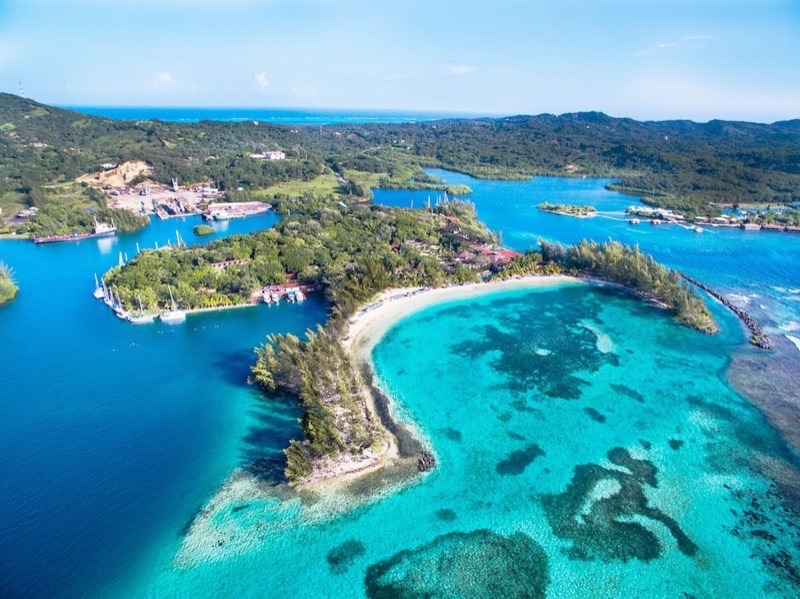
Honduras' premier beach experiences center on its Bay Islands, particularly Roatán and Utila. These islands offer barrier reef access for diving and snorkeling, with clear turquoise waters and white sand. West Bay Beach on Roatán is popular, providing access to diving shops and casual beachfront eateries. Utila is more backpacker-focused, known for its affordable dive certifications. The mainland coast, like near La Ceiba, has beaches but they lack the infrastructure and appeal for general tourism, often used as jump-off points to the islands.
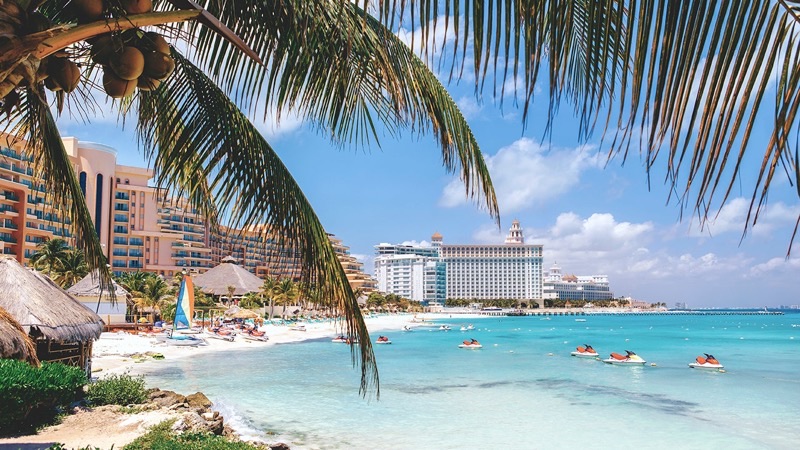
Mexico presents a far more extensive array of coastal options. The Yucatán Peninsula boasts the famous white sands of Cancun, Playa del Carmen, and Tulum, with amenities ranging from large resorts to bohemian-style retreats. The Pacific coast offers surfing destinations like Puerto Escondido and Sayulita, along with resort towns like Puerto Vallarta. Baja California has desert landscapes meeting the Sea of Cortez, ideal for marine life encounters. Mexico's cenotes, natural swimming sinkholes, provide a freshwater alternative to ocean swimming, a unique geological feature not found in Honduras.
Tabiji verdict: Mexico wins due to its sheer diversity, accessibility, and quality of both ocean and freshwater swimming experiences.
- Winner: Mexico
- Why: Mexico's extensive and varied coastlines, from Caribbean white sands to Pacific surf breaks and unique cenotes, offer more options.
- Who this matters for: Beach enthusiasts, divers (both), surfers, families seeking resorts, or those wanting unique swimming holes.
🌮 Food & Drink
Honduran cuisine is generally simpler, with strong Caribbean and Latin American influences. Staples include baleadas (thick flour tortillas filled with beans, cheese, and cream,…

Honduras
Mexico
Honduran cuisine is generally simpler, with strong Caribbean and Latin American influences. Staples include baleadas (thick flour tortillas filled with beans, cheese, and cream, often with eggs or meat, costing around 20-50 HNL / $0.80-$2), seafood, and fried plantains. On the Bay Islands, fresh fish, conch, and lobster are common. Restaurants are typically casual; outside of tourist hubs like Roatán, dining options can be limited to basic comedores. While flavorful, it lacks the culinary depth and regional variations found elsewhere.
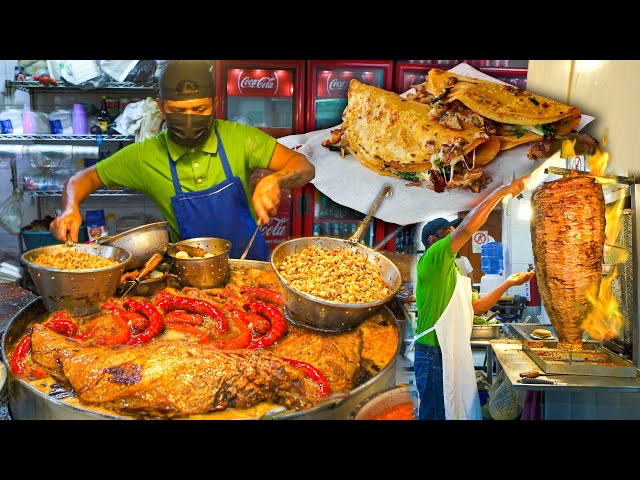
Mexico's food scene is a major draw, boasting regional specialties recognized by UNESCO. From the street tacos of Mexico City (15-30 MXN / $0.75-$1.50 each) and Oaxaca's mole to Yucatán's cochinita pibil, the diversity is immense. Markets like Mercado de San Juan in Mexico City offer unique ingredients. High-end dining options exist alongside ubiquitous and delicious street food. Tequila and mezcal are integral to the drink culture, with craft breweries emerging in larger cities. The culinary experience is a journey through flavors and traditions.
Tabiji verdict: Mexico is the undisputed champion for food lovers, offering unparalleled variety, depth, and accessibility across all budget levels.
- Winner: Mexico
- Why: Mexico offers a globally celebrated, incredibly diverse, and widely accessible culinary landscape with extensive regional specialties.
- Who this matters for: Foodies, budget travelers seeking delicious street food, those interested in culinary tours and fine dining.
🗿 Culture & History
Honduras' primary historical attraction is Copán Ruinas, a significant Mayan site known for its intricate stelae and hieroglyphic staircase. While impressive, it is less extensive…
Honduras
Mexico
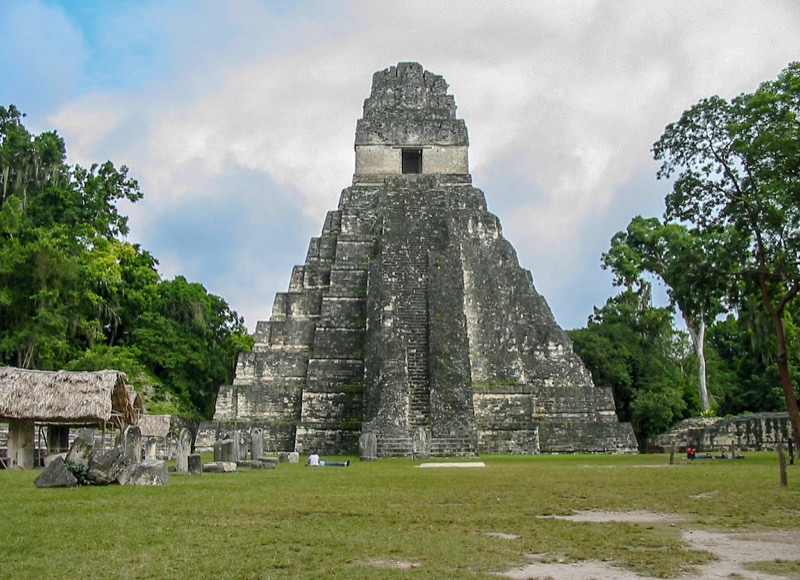
Honduras' primary historical attraction is Copán Ruinas, a significant Mayan site known for its intricate stelae and hieroglyphic staircase. While impressive, it is less extensive than some of Mexico's sites. The country also has a unique Garifuna culture along its Caribbean coast, descendants of African and indigenous peoples, with distinct music and traditions. Colonial heritage is present in towns like Comayagua, but the preservation and tourist infrastructure around these sites are not as developed or easily accessible as in Mexico.
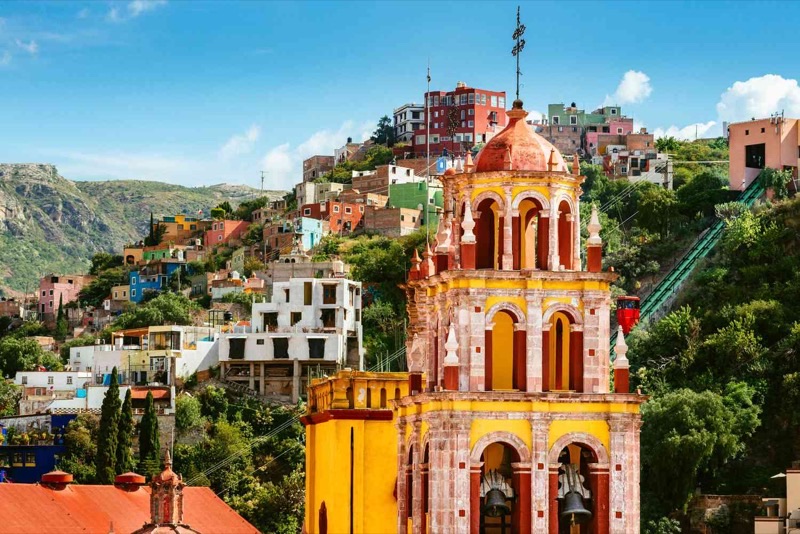
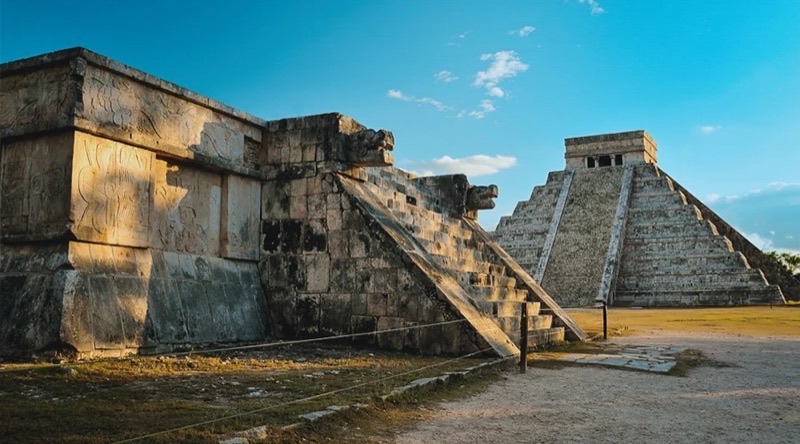
Mexico's cultural and historical offerings are vast and deeply integrated into the travel experience. It includes major Mayan sites like Chichen Itza, Palenque, and Uxmal, and Aztec ruins such as Teotihuacan near Mexico City. Colonial cities like San Miguel de Allende, Oaxaca, and Guanajuato are UNESCO World Heritage sites, known for their preserved architecture and artistic communities. Indigenous cultures remain prominent, particularly in states like Oaxaca and Chiapas, with vibrant markets and traditional crafts. Mexico City itself is a historical and cultural hub with numerous museums, galleries, and a dynamic contemporary art scene.
Tabiji verdict: Mexico provides a far richer and more accessible historical and cultural experience, with well-preserved sites and living traditions.
- Winner: Mexico
- Why: Mexico's ancient civilizations and colonial heritage are extensively preserved and integrated into a comprehensive visitor experience.
- Who this matters for: History buffs, archeology enthusiasts, culture seekers, art lovers, and those interested in indigenous traditions.
💰 Costs & Budget
Honduras offers a lower cost of travel, making it attractive for budget backpackers. A hostel bed can be found for $10-20, and a basic private room for $30-50 per night. Local…
Honduras
Mexico
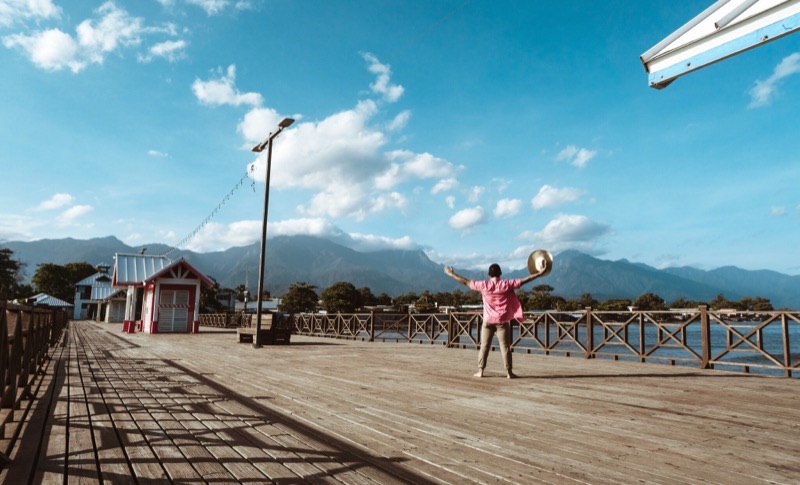
Honduras offers a lower cost of travel, making it attractive for budget backpackers. A hostel bed can be found for $10-20, and a basic private room for $30-50 per night. Local meals like baleadas are under $2, while a sit-down meal might be $5-10. Diving in Utila is notably cheaper than many other Caribbean locations, with open water certifications sometimes available for around $300. Local bus travel is very inexpensive, often a few dollars for intercity routes. Overall, a daily budget of $40-80 is feasible for independent travelers.
Mexico's costs are highly variable. In popular resort areas like Cancun or Tulum, private rooms can easily exceed $100-200, and meals can rival US prices. However, in cities like Oaxaca or Mexico City, budget hostels are $15-30, and excellent street food keeps meal costs low (e.g., $10-15 for a filling street food dinner). Intercity buses are comfortable but more expensive than Honduras, with a 6-hour journey potentially costing $30-50. A mid-range daily budget for Mexico could be $60-150, but it can quickly escalate if staying in tourist-heavy zones or opting for tours.
Tabiji verdict: Honduras provides a more consistently budget-friendly experience, making it a clear winner for those prioritizing cost savings.
- Winner: Honduras
- Why: Honduras consistently offers lower prices across accommodation, food, and activities, making a tighter budget stretch further.
- Who this matters for: Budget travelers, long-term backpackers, and those prioritizing cost savings above all else.
⚠️ Safety & Logistics
Honduras has a reputation for higher crime rates, particularly in major mainland cities like San Pedro Sula and Tegucigalpa. Travelers need to exercise caution, avoid walking…
Honduras
Mexico
Honduras has a reputation for higher crime rates, particularly in major mainland cities like San Pedro Sula and Tegucigalpa. Travelers need to exercise caution, avoid walking alone at night, and be aware of their surroundings. The Bay Islands (Roatán, Utila) are generally considered much safer, with a more relaxed atmosphere, but petty theft can still occur. Transportation can be less organized, often relying on local 'collectivos' or shared taxis, which require negotiation skills. Getting around often involves more planning and adaptability.
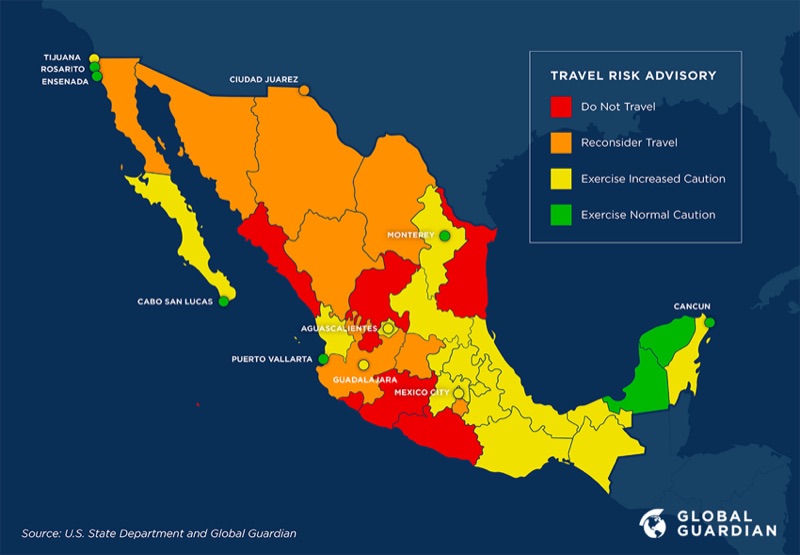
Mexico's safety situation varies dramatically by region. Popular tourist destinations like Cancun, Playa del Carmen, and much of the Yucatán Peninsula are relatively safe for visitors, with visible police presence. Major cities like Mexico City also have safe tourist zones. However, certain border regions and states experiencing cartel activity can pose risks. Petty crime like pickpocketing is common in crowded areas. Logistics are generally smoother in Mexico, with an extensive network of comfortable ADO buses connecting major cities, clear taxi services, and more widely available ride-sharing apps, making travel more straightforward.
Tabiji verdict: Mexico, despite its regional challenges, offers a significantly more manageable and generally safer experience for the average traveler due to better infrastructure and clearer safety zones.
- Winner: Mexico
- Why: Mexico's well-developed tourism infrastructure and more established safety protocols in key visitor areas simplify travel and reduce perceived risks.
- Who this matters for: First-time international travelers, families, solo female travelers, or anyone prioritizing peace of mind and smooth logistics.
🌳 Nature & Outdoors
Honduras offers impressive natural environments, especially for marine activities. The Mesoamerican Barrier Reef system around the Bay Islands is a major draw for divers, with…
Honduras offers impressive natural environments, especially for marine activities. The Mesoamerican Barrier Reef system around the Bay Islands is a major draw for divers, with whale shark encounters in Utila being a seasonal highlight. On the mainland, Pico Bonito National Park near La Ceiba provides opportunities for jungle trekking, white-water rafting on the Cangrejal River, and exploring waterfalls. Celaque National Park holds Honduras' highest peak and cloud forests. Access to these mainland natural attractions can be challenging, often requiring guides and less developed trails.
Mexico's natural diversity is staggering. It ranges from the arid deserts and whale watching opportunities of Baja California to the lush jungles and ancient ruins of Chiapas and the Yucatán. The Yucatán is also famous for its thousands of cenotes, providing unique swimming and diving experiences. Mexico boasts numerous national parks, like those in the Copper Canyon region (Barrancas del Cobre), offering hiking and adventure sports. Marine life is abundant in both the Pacific and Caribbean, with opportunities for snorkeling with sea turtles, whale sharks, and manta rays. Access to these areas is generally well-managed and tourism-friendly.
Tabiji verdict: Mexico's sheer scale and variety of natural landscapes, coupled with better accessibility, make it a superior destination for outdoor enthusiasts.
- Winner: Mexico
- Why: Mexico's vast geographical span encompasses more diverse and accessible natural landscapes, from deserts to cenotes to volcanoes.
- Who this matters for: Hikers, divers, wildlife photographers, adventure sports enthusiasts, and those seeking varied natural beauty.
🛌 Accommodation
Honduras' accommodation landscape is more limited. On the Bay Islands, you'll find a good selection of dive resorts, hostels (e.g., Underwater Vision in Utila, $15-25/night), and…
Honduras' accommodation landscape is more limited. On the Bay Islands, you'll find a good selection of dive resorts, hostels (e.g., Underwater Vision in Utila, $15-25/night), and guesthouses. These cater to a specific crowd, often including dive packages. On the mainland, hotels outside of larger cities like Tegucigalpa are generally basic, functional, and less focused on international tourism amenities. Boutique or high-end options are scarce outside of a few specific resorts or major city business hotels. For example, a mid-range hotel in Copán Ruinas might cost $40-70/night.
Mexico offers an incredibly wide spectrum of accommodation. From budget-friendly hostels (e.g., Selina in various cities, $20-40/night) and Airbnbs to luxurious all-inclusive resorts in Cancun or Playa del Carmen (easily $200-500+ per night), boutique hotels in colonial cities like Oaxaca, and eco-lodges in natural areas. Travelers can find options to fit nearly any budget and style, with good booking infrastructure and reliable reviews. This variety ensures comfort and choice, whether seeking rustic charm or pampered indulgence.
Tabiji verdict: Mexico's vast and varied accommodation options, from budget to luxury, cater to every traveler's preference and wallet, giving it a clear advantage.
- Winner: Mexico
- Why: Mexico provides an exponentially wider range of accommodation types and price points, from hostels to luxury resorts, across all regions.
- Who this matters for: All travelers, from budget backpackers to luxury seekers, families, and those desiring specific lodging experiences.
🚌 Getting Around
Getting around Honduras primarily involves local buses (often old school buses), 'colectivos' (shared taxis), and ferries or small planes to the Bay Islands. Intercity bus travel…
Getting around Honduras primarily involves local buses (often old school buses), 'colectivos' (shared taxis), and ferries or small planes to the Bay Islands. Intercity bus travel can be slow and less comfortable, and schedules might be flexible. For example, a bus from San Pedro Sula to La Ceiba (approx 3 hours) might cost $5-10. Navigating without Spanish can be challenging, as official information is limited. The ferry from La Ceiba to Roatán costs around $35-40 and takes 1.5 hours. It requires more initiative and planning from the traveler.
Mexico boasts a highly developed and efficient transportation system. The ADO bus network is extensive, comfortable, and reliable, connecting almost all major cities and tourist destinations. For example, a bus from Cancun to Mérida costs about $25-35 and takes 4 hours. Domestic flights are widely available and affordable for longer distances. Ride-sharing apps like Uber are common in major cities, and taxis are plentiful. Rental cars are a viable option, especially in areas like the Yucatán Peninsula, where roads are generally good. Signage is clear, and information is readily available in English in tourist areas.
Tabiji verdict: Mexico's superior transportation infrastructure and reliability make getting around significantly easier and more comfortable for most visitors.
- Winner: Mexico
- Why: Mexico's comprehensive, comfortable, and reliable bus network, combined with domestic flights and ride-sharing, offers superior travel convenience.
- Who this matters for: Travelers who prioritize comfort and efficiency, those with limited time, and anyone less comfortable with spontaneous local transport.
🕺 Nightlife
Honduras' nightlife is relatively subdued. On the Bay Islands, particularly Roatán and Utila, you'll find relaxed beachfront bars, often associated with dive shops, where…
Honduras' nightlife is relatively subdued. On the Bay Islands, particularly Roatán and Utila, you'll find relaxed beachfront bars, often associated with dive shops, where travelers gather for a few beers after a day underwater. Places like Tranquila Bar in Utila are popular. Mainland cities like San Pedro Sula and Tegucigalpa have local clubs and bars, but these are generally not tourist-focused and may require caution. The overall atmosphere is more about casual enjoyment than large-scale partying. Options are limited, and late-night scenes are not a major reason to visit.
Mexico offers a vast array of nightlife experiences. Cancun and Playa del Carmen are famous for their large clubs and resort-based parties, attracting an international crowd to places like Coco Bongo. Mexico City has a sophisticated and diverse nightlife, from trendy rooftop bars in Roma Norte to live music venues and traditional cantinas. Oaxaca's nightlife includes mezcalerías with live music and quieter bars. San Miguel de Allende offers elegant bars. The options range from high-energy dance clubs to intimate jazz venues and traditional folk music performances, catering to every preference.
Tabiji verdict: Mexico provides a far more extensive, diverse, and accessible nightlife experience, from global party spots to local cultural performances.
- Winner: Mexico
- Why: Mexico's nightlife caters to a wider range of preferences, from world-renowned party zones to sophisticated city bars and live music venues.
- Who this matters for: Party-goers, those seeking diverse evening entertainment, and travelers interested in sophisticated bar scenes.
🚶♀️ Solo Travel Suitability
Solo travel in Honduras, particularly on the mainland, requires a higher level of experience and vigilance. Public transportation can be less intuitive, and language barriers can…
Solo travel in Honduras, particularly on the mainland, requires a higher level of experience and vigilance. Public transportation can be less intuitive, and language barriers can be more pronounced outside of tourist areas. While solo travelers do visit, it's less common, and safety concerns often mean sticking to well-trodden paths or guided tours. The Bay Islands are more solo-traveler friendly, especially for divers, as hostels and dive shops create natural meeting points and a communal atmosphere. However, overall, it demands more independence and adaptability.
Mexico is highly suitable for solo travelers, with established backpacker trails and a well-developed hostel network. Cities like Mexico City, Oaxaca, and San Cristóbal de las Casas are popular for solo explorers due to their safety in tourist zones, ease of getting around, and numerous opportunities to meet other travelers. The Yucatán Peninsula also offers solo-friendly options, though some resort areas are more geared towards couples or families. Spanish is useful but often less critical in tourist hubs where English is commonly spoken. The robust public transport system makes independent exploration straightforward and secure.
Tabiji verdict: Mexico is a significantly easier and more rewarding destination for solo travelers due to its robust infrastructure and established travel communities.
- Winner: Mexico
- Why: Mexico offers more developed infrastructure, clearer safety zones, and a larger solo traveler community, simplifying independent exploration.
- Who this matters for: Solo travelers, particularly those new to international travel or seeking an easier experience to meet others.
🎯 The Decision Framework
Choose Honduras If…
- You are a dedicated diver or want an affordable dive certification (e.g., Utila $300-400).
- You seek a truly off-the-beaten-path experience away from mainstream tourism.
- You are comfortable with less developed infrastructure and less English spoken.
- You prioritize a significantly lower daily travel budget (e.g., $40-80/day).
- You want to experience raw, untamed nature like Pico Bonito National Park.
- You are interested in genuine Garifuna cultural immersion.
- You are an experienced traveler seeking a more challenging adventure.
Choose Mexico If…
- You want extensive and diverse culinary experiences, from street food to fine dining.
- You are interested in ancient Mayan and Aztec ruins (e.g., Chichen Itza, Teotihuacan).
- You prefer well-developed tourism infrastructure and easy transportation (e.g., ADO buses).
- You desire a variety of beach experiences, from resort luxury to surfing spots.
- You want to explore vibrant colonial cities (e.g., San Miguel de Allende, Oaxaca).
- You are traveling solo and prefer established, easy-to-navigate routes.
- You appreciate diverse natural landscapes, including deserts, mountains, and cenotes.
- You want a lively nightlife scene, from mega-clubs to sophisticated bars.
- You are looking for family-friendly options with established resorts and activities.
📅 Sample Itineraries
Weekend in Honduras (3 Days)
💡 To save on local transport in Roatán, utilize water taxis between West Bay and West End instead of road taxis; they are faster and cost around $3 per ride.
Weekend in Mexico (3 Days)
💡 For budget-friendly transport in the Riviera Maya, use 'colectivos' (shared vans) for inter-town travel; they are significantly cheaper than private taxis, costing $2-5 per ride between towns like Playa del Carmen and Tulum.
One Week in Honduras (7 Days)
💡 When planning inland travel, use reputable bus companies like Hedman Alas for longer distances; they offer more comfortable and safer journeys for around $15-25 per trip between major cities.
One Week in Mexico (7 Days)
💡 Booking ADO bus tickets online in advance can often secure better prices and preferred seats, especially for longer journeys between cities like Cancun, Playa del Carmen, and Merida.
❓ Frequently Asked Questions
Which destination is safer for a first-time international traveler?
Mexico is generally a safer and more manageable option for first-time international travelers. Its major tourist zones and well-traveled routes (like the Yucatán Peninsula or Mexico City) have established security and infrastructure. Honduras, particularly the mainland, requires more awareness and is better suited for experienced travelers.
What's the best way to get between cities in each country?
In Mexico, the ADO bus system is excellent, offering comfortable and reliable travel between most major cities and tourist destinations. Domestic flights are also widely available. In Honduras, you'll primarily rely on local 'chicken buses' or colectivos for intercity travel, which are less comfortable and less predictable. Ferries or small planes connect to the Bay Islands.
How do flight times and costs from the US compare?
Direct flights from major US hubs (e.g., Houston, Miami) to Cancun (Mexico) can be as short as 2-3 hours and often found for $200-400 roundtrip. Flights to San Pedro Sula or Tegucigalpa (Honduras) are typically 3-4 hours direct and can cost $350-600+ roundtrip, sometimes requiring connections.
Which country offers better diving experiences?
Both offer excellent diving. Honduras, particularly Utila and Roatán, provides access to the Mesoamerican Barrier Reef at a significantly lower cost, often around $30-50 per dive. Mexico's Cozumel offers drift diving, and the Yucatán's cenotes provide unique cavern diving experiences, but typically at higher prices, often $60-90+ per dive.
Can I easily use English in both countries?
In Mexico's major tourist areas (Cancun, Playa del Carmen, Cabo, large cities), English is widely understood and spoken, especially in hotels and tour operators. In Honduras, English is more prevalent on the Bay Islands (Roatán, Utila) due to their expat and tourism communities. On the mainland, Spanish is essential, and English is less common.
What are the average daily costs for a mid-range traveler?
For a mid-range traveler, expect to spend roughly $40-80 per day in Honduras, covering decent accommodation, meals, and a few activities. In Mexico, a mid-range budget would be around $80-150+ per day, varying greatly by region, allowing for comfortable hotels, good food, and excursions.
Which country has more impressive ancient ruins?
Mexico has a more extensive and diverse collection of ancient ruins, including major Mayan sites like Chichen Itza, Palenque, Uxmal, and Aztec sites like Teotihuacan. Honduras' Copán Ruinas is a significant Mayan site, but it is less expansive than many of Mexico's offerings and more isolated.
What type of traveler would prefer each destination?
Honduras is for the intrepid, budget-conscious diver or adventurer who enjoys rougher travel and cultural immersion. Mexico is for those seeking diverse experiences, from beach relaxation to cultural exploration, food adventures, and comfortable travel, suitable for a wider range of budgets and travel styles.
Ready to plan your Central America trip?
Get a free custom itinerary for Honduras, Mexico, or both — built from real traveler insights.
👥 Travelers Also Compared
🎟️ Book Tours & Experiences
Hand-picked tours and activities for both destinations — book with free cancellation
Experiences via Viator — free cancellation on most tours