How we built this comparison
This page combines traveler discussion patterns, published price ranges, transit details, and seasonal data to make the Hong Kong vs Singapore decision easier to resolve.
- Reviewed Reddit-style traveler discussions and recurring decision patterns across r/travel, r/solotravel, r/HongKong, and r/askSingapore.
- Checked numeric claims like accommodation ranges, transit costs, transfer times, and seasonal patterns where those numbers appear on the page.
- Updated the page structure so each major section ends with a clearer winner, reason, and traveler-use note.
Best read as a decision guide, not a universal truth: the right pick depends on your budget, pace, and what kind of trip you actually want.
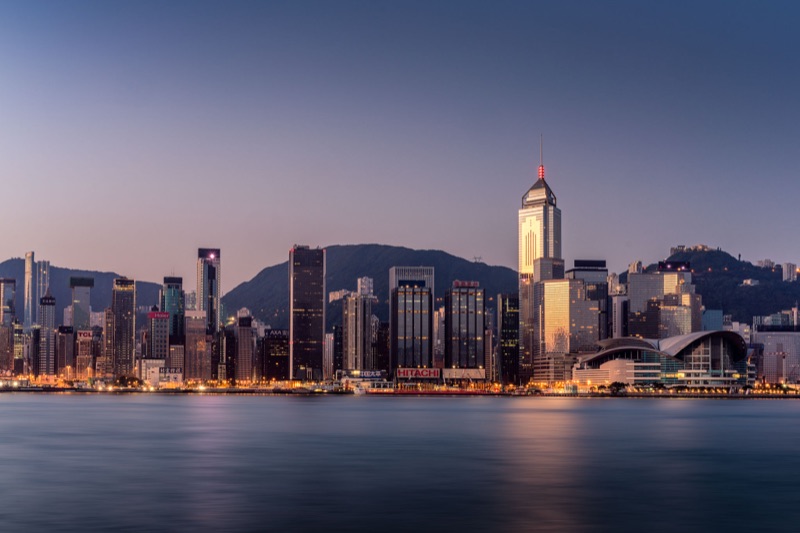
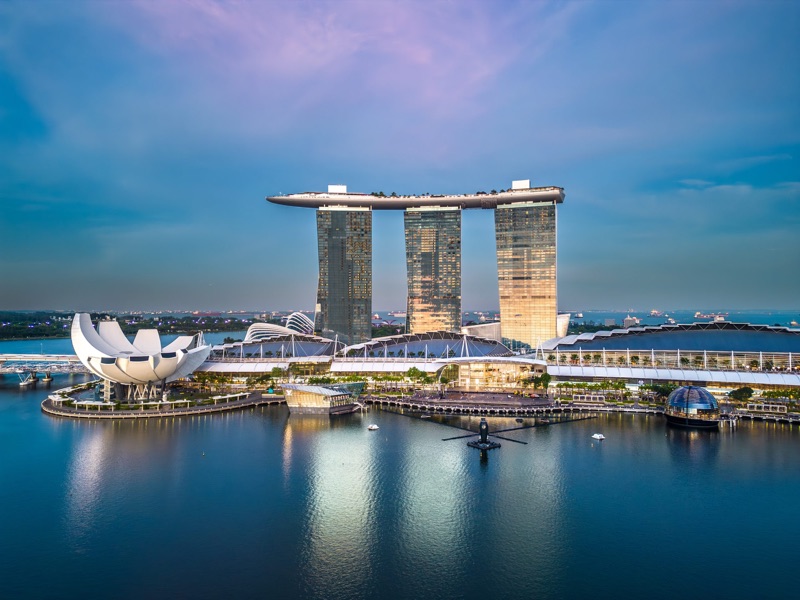
⚡ The TL;DR Verdict
🏙️ Hong Kong
Choose Hong Kong if you want energy, chaos, cheap street food, some of the world's best dim sum, rooftop bars that don't require a second mortgage, and the feeling of actually being in Asia — not a polished theme park version of it.
🦁 Singapore
Choose Singapore if you want a frictionless, English-speaking city with world-class hawker food, extraordinary architecture, spotless streets, and the peace of mind that comes from one of the world's safest urban environments.
Reddit's most common summary: Singapore is vanilla ice cream — perfect, polished, you'll love it. Hong Kong is rocky road with every flavor bean mixed in — louder, grittier, and the one you'll still be talking about ten years later. Neither is wrong. But they're solving different needs.
- Choose Hong Kong: If raw urban energy, food adventure, and Macau day trips excite you
- Choose Singapore: If ease, English, family-friendliness, and iconic landmarks matter most
- Budget edge: Singapore wins on hawker food and hotels; HK wins on nightlife costs
- First-timer's pick: Singapore for lowest-friction experience; HK for most memorable
Quick Comparison
| Category | Hong Kong | Singapore | Edge |
|---|---|---|---|
| Street Food | Dim sum, roast meats, wonton noodles (~HK$50–80 / $6–10) | Hawker centres: Hainanese chicken rice, laksa, char kway teow (~S$4–6 / $3–5) | Tie |
| Daily Budget | ~HK$600–1,000 / day ($75–125 USD) mid-range | ~S$120–200 / day ($90–150 USD) mid-range | Singapore |
| Getting Around | MTR + minibuses + trams (Octopus card, ~HK$10–30/trip) | MRT + buses (EZ-Link card, ~S$1–2.50/trip) | Tie |
| Nightlife | Lan Kwai Fong, Wan Chai, Kowloon bars (beer ~HK$50–70 / $6–9) | Clarke Quay, Boat Quay (beer ~S$15–20 / $11–15) | Hong Kong |
| Iconic Landmark | Victoria Harbour + Peak Tram + Star Ferry | Marina Bay Sands + Gardens by the Bay + Supertrees | Tie |
| English Ease | Very good; Cantonese dominant but English widely understood | English official language; easiest Asian city for English speakers | Singapore |
| Safety | Extremely safe, near-zero street crime | Consistently rated world's safest major city | Tie |
| Best Weather Window | Oct–Dec (20–25°C, dry, low humidity) | All year (30–33°C, ~80% humidity, daily rain possible) | Hong Kong |
| Day Trips | Macau (1h ferry), Lantau Island, Lamma Island | Sentosa, Bintan Island (Indonesia), Batam | Hong Kong |
| Family Activities | Ocean Park, Disneyland HK, hiking, beaches | Universal Studios, Night Safari, S.E.A. Aquarium, Sentosa | Singapore |
| Airport | HKIA — excellent, one of Asia's best | Changi — consistently ranked world's best airport | Singapore |
| Shopping | Mong Kok markets, Causeway Bay, electronics, tailoring | Orchard Road, ION, VivoCity; slightly pricier | Hong Kong |
🍜 Food & Dining
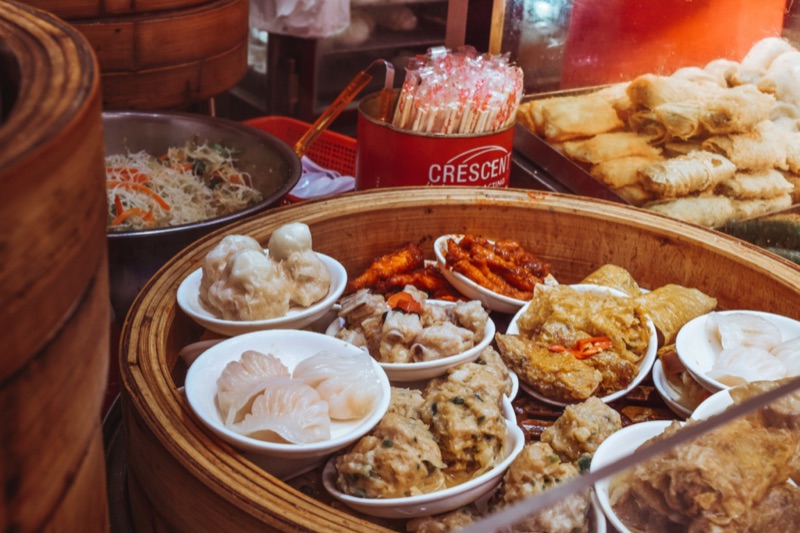
Both cities have a legitimate claim to being Asia's best food destination. The difference isn't quality — it's variety and style.
Hong Kong Food
Hong Kong is the world capital of dim sum. Tim Ho Wan, once the world's cheapest Michelin star, has a meal for under HK$100 (~$13). The city has 78 Michelin-starred restaurants. Dai pai dongs (open-air food stalls) serve plates of wonton noodles, char siu, and roast goose for HK$50–70 ($6–9). Cha chaan tengs (Hong Kong-style cafés) serve condensed milk toast and milk tea — a genuine local ritual that no other city replicates.
The cuisine range is deep in one direction: Cantonese. Exceptional Cantonese, but Cantonese. You'll find other cuisines, but Hong Kong isn't known for diversity — it's known for mastery.
Singapore Food
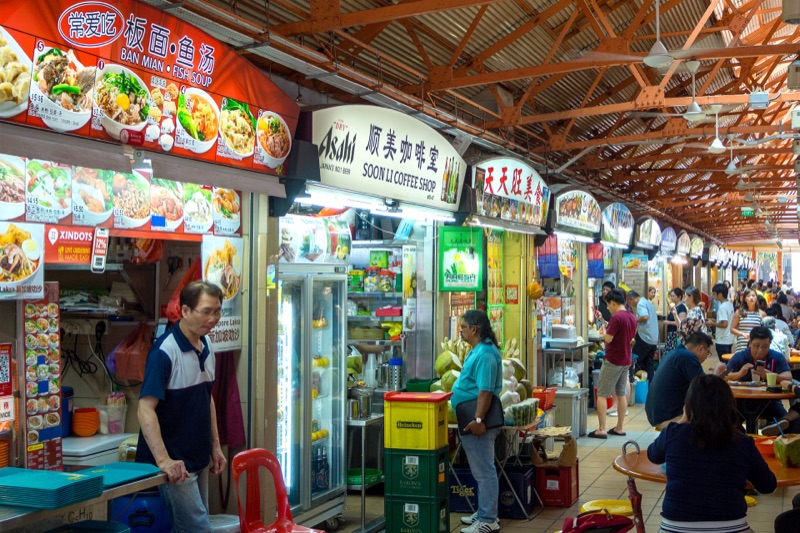
Singapore's hawker culture is UNESCO Intangible Cultural Heritage. Maxwell Food Centre, Lau Pa Sat, Chinatown Complex — each has 50–100 stalls serving Hainanese chicken rice (S$5–7), laksa (S$4–6), char kway teow, roti prata, and nasi lemak. The variety is stunning: Malay, Chinese, Indian Tamil, Peranakan (Nonya), and everything in between.
Singapore's restaurant scene is also world-class. Hawkers Chan, another Michelin-starred hawker stall, serves soy sauce chicken rice for S$6. The city has more diverse options for non-Chinese cuisines.
Tie — but they scratch different itches. Hong Kong for depth of Cantonese cuisine and the world's best dim sum. Singapore for breadth — if you want to eat your way through five distinct Asian food cultures in one city, nowhere does it better. Go to both if food is your main motivation.
🏙️ Skyline & Iconic Sights
Both cities have instant-recognition skylines. Victoria Harbour vs Marina Bay is one of travel's great visual rivalries.
Hong Kong Landmarks
- Victoria Harbour: The Symphony of Lights show (nightly 8pm) is free from the Tsim Sha Tsui waterfront. The harbour at night, with skyscrapers reflecting off the water, is one of Asia's most dramatic views.
- The Peak Tram: A steep funicular to Victoria Peak (428m) for panoramic views. Book timed tickets in advance (~HK$118/$15 return).
- Star Ferry: The 10-minute harbour crossing costs HK$3.40 (~$0.44) — one of the world's best urban experiences per dollar.
- Mong Kok & Kowloon: Temple Street Night Market, Ladies' Market, Nathan Road — genuinely gritty urban Asia.
- Man Mo Temple, Wong Tai Sin: Active temples where locals still burn offerings. Not tourist traps — genuine living religion.
Singapore Landmarks
- Marina Bay Sands: The infinity pool at the SkyPark is iconic. Non-hotel guests can access the observation deck for S$32.
- Gardens by the Bay: The Supertrees are free to walk among at night when they glow. The Cloud Forest and Flower Dome conservatories (~S$28 each) are worth it.
- Merlion Park: The 8.6m statue at Marina Bay — a bit underwhelming but obligatory for the photo.
- Chinatown, Little India, Kampong Glam: Singapore's ethnic enclaves are cleaner and more curated than Hong Kong's, but still culturally interesting.
- Universal Studios Singapore: Sentosa Island's crown jewel (~S$88 adult). Better for families than pure sightseers.
Tie — completely different visual identities. Victoria Harbour's raw industrial grandeur vs Marina Bay's polished futurism. If you want to feel like you're in a Hong Kong movie, choose HK. If you want to feel like you're in the future, Singapore wins. Both skylines deliver; neither disappoints.
💰 Cost Comparison
Both cities rank among Asia's most expensive. But the gap between them is smaller than people expect — and depends heavily on how you travel.
Daily Budget Estimates
| Expense | Hong Kong | Singapore |
|---|---|---|
| Budget accommodation | HK$300–500 ($38–65) hostel/guesthouse | S$35–70 ($26–52) hostel |
| Mid-range hotel | HK$800–1,500 ($100–190) per night | S$150–250 ($110–185) per night |
| Cheap meal (street/hawker) | HK$50–80 ($6–10) | S$4–7 ($3–5) |
| Mid-range restaurant | HK$120–200 ($15–25) per person | S$20–40 ($15–30) per person |
| Beer (bar) | HK$50–80 ($6–10) | S$12–20 ($9–15) |
| Transit (single trip) | HK$8–30 ($1–4) | S$0.80–2.50 ($0.60–1.85) |
| Day tour | HK$300–600 ($38–77) | S$60–120 ($44–89) |
The key budget differentials: Singapore's hawker food is cheaper (S$4–6 vs HK$50–80 for equivalent street food). But Singapore's nightlife is dramatically more expensive — a night out in Lan Kwai Fong (HK) costs roughly half what it does in Clarke Quay (Singapore).
Singapore slightly wins on budget — if you eat hawker food and skip the nightlife. Hong Kong is the better deal for drinkers, shoppers at street markets, and anyone staying in Kowloon (cheaper hotel rates). Overall daily spend is within 15% of each other for most travel styles.
🚃 Getting Around
Both cities have metro systems that genuinely embarrass most Western cities. The debate here is marginal — you can't go wrong with either.
Hong Kong: MTR + Everything Else
Hong Kong's MTR (Mass Transit Railway) is consistently ranked the best metro system in the world: 99.9% on-time rate, air-conditioned, clean, and comprehensively mapped. The Octopus card (HK$150 deposit refundable) covers MTR, buses, minibuses, trams, Star Ferry, and even 7-Eleven purchases. Get one at any MTR station immediately on arrival.
Unique to HK: the double-decker tram along Hong Kong Island's north shore (HK$3 flat rate — extraordinary value), the Star Ferry (~HK$3.40 harbour crossing), and the Peak Tram funicular. A day exploring Hong Kong Island using trams and the Star Ferry costs almost nothing.
Taxis: HK$22 flagfall ($2.80) + metered. Cheaper than Singapore taxis.
Singapore: MRT + Buses
Singapore's MRT covers most tourist sites efficiently. The EZ-Link card (S$12 including S$7 credit) works on MRT and buses. Most attractions are a short walk from a station. Buses fill gaps. The network is excellent but smaller than Hong Kong's — the island is smaller.
Grab (Southeast Asian Uber) is affordable and recommended for off-peak trips: S$8–15 across most of the city. Singapore's taxis start at S$3.20–3.90 flagfall.
Tie — both are world-class. Hong Kong's MTR has the edge in scale and the added joy of the tram and Star Ferry. Singapore's MRT is newer and more modern-looking. Neither will frustrate you. Get an Octopus or EZ-Link card on day one and stop thinking about transport.
🌸 Best Time to Visit
Weather is where Hong Kong genuinely has an advantage over Singapore for a significant part of the year.
Hong Kong Weather
- October–December (Best): 18–26°C, low humidity, clear skies. Perfect for hiking, outdoor markets, and Victoria Peak. The sweet spot of Hong Kong weather.
- January–March: Cooler (10–18°C), occasionally grey. Still very pleasant; no crowds like October.
- April–May: Heating up; foggy. Humidity starting to climb. Manageable but not ideal.
- June–September (Avoid): Typhoon season + extreme heat (32–36°C) + humidity above 85%. Typhoons can disrupt for 2–3 days at a time. Not impossible, but expect disruptions.
Singapore Weather
Singapore sits 1° north of the equator. There is no meaningful "season" — it's hot (30–33°C), humid (75–85%), and rains briefly most days year-round. The wettest months are November–January (northeast monsoon) and May–July (southwest monsoon), but rain typically comes in intense 30-minute showers, not all-day drizzle.
If tropical heat bothers you, Singapore will bother you all year. The silver lining: every mall, restaurant, and attraction is aggressively air-conditioned — you spend a lot of time indoors.
Hong Kong wins on weather — conditionally. If you visit October–December, Hong Kong's climate is significantly more pleasant. Visit June–September and Singapore is the better call (same heat, but no typhoons). Year-round, Singapore's consistency may actually beat Hong Kong's unpredictability for short trips when you can't control timing.
🏨 Where to Stay
Both cities are expensive, but there are budget options if you know where to look.
Hong Kong Neighbourhoods
- Tsim Sha Tsui (Kowloon): Best value. Close to the Star Ferry and harbour views. Mid-range hotels HK$600–1,000 ($77–128)/night. The Peninsula Hotel (if you're splurging) is a classic.
- Mong Kok: Budget-friendly guesthouses and Nathan Road options (HK$300–500 / $38–65). Buzzing neighbourhood, very local.
- Wan Chai / Causeway Bay (HK Island): Mid-range to expensive. Good access to nightlife and shopping. HK$800–1,500+ per night.
- Central / Sheung Wan: Most expensive, but walkable to most island sights. Boutique hotels HK$1,200–2,500+.
Singapore Neighbourhoods
- Marina Bay / CBD: The most scenic, most expensive. Marina Bay Sands starts at S$400+ per night.
- Bugis / Kampong Glam: Mid-range sweet spot. Good transport links, culturally interesting. S$100–180/night.
- Little India / Lavender: Best budget options. Hostels from S$25–40/night, guesthouses from S$70–120.
- Sentosa: Resort hotels (Resorts World, Hard Rock). Great for families; less convenient for city exploration.
Singapore has slightly more budget options in the hostel tier (S$25–40 vs HK$200–300+ for comparable dorms). Mid-range is similar. For location-to-value, Hong Kong's Kowloon (Tsim Sha Tsui, Mong Kok) beats Singapore's equivalent. Book early — both fill up fast on weekends and around Chinese New Year.
🌿 Nature & Day Trips
This is where Hong Kong pulls ahead for travelers who want more than urban density.
Hong Kong: Surprisingly Green
40% of Hong Kong's land area is protected country park — a fact that shocks most first-timers. The MacLehose Trail (100km) traverses Sai Kung's highlands. The Dragon's Back hike on Hong Kong Island is rated one of Asia's best urban hikes. Lamma Island (45-min ferry, ~HK$35) offers seafood restaurants and car-free village lanes.
Macau day trip: One of Asia's greatest day trips. The 1-hour high-speed ferry (~HK$160–220 / $20–28 each way) deposits you in a world of Portuguese colonial architecture, the ruins of St Paul's Cathedral, and casinos that make Las Vegas look modest. See also: Tokyo vs Hong Kong for context on HK's full day trip potential.
Lantau Island (MTR + cable car) has the Tian Tan Big Buddha, Po Lin Monastery, and Ngong Ping village. The Ngong Ping 360 cable car (~HK$230 round trip) is tourist-priced but the views are spectacular.
Singapore Day Trips
Singapore's size limits hiking options. Bukit Timah Nature Reserve and the Southern Ridges offer good forest walks within the city. Pulau Ubin (bumboat from Changi, S$4) is a rustic island with cycling and mangroves — charming for half a day.
International day trips require brief departures: Batam, Indonesia (45-min ferry, S$18–25) for resorts and cheaper dining. Bintan Island (Indonesia, ~1.5h ferry) for beaches. Johor Bahru, Malaysia (30-min drive across the Causeway) for cheaper food and shopping.
Hong Kong wins convincingly. Macau alone makes HK's day trip portfolio unbeatable. Add genuinely excellent hiking, real beaches, and offshore islands — and Singapore's more limited nature offerings can't compete. For travelers who want to escape the concrete even briefly, Hong Kong is the stronger choice.
🎉 Nightlife & Entertainment
This is Hong Kong's clearest win. Singapore has a great nightlife scene — but it costs significantly more.
Hong Kong Nightlife
Lan Kwai Fong (LKF) in Central is the most concentrated bar strip in Asia — dozens of bars on a few interconnected streets, with foot traffic that spills into the street from 10pm onwards. Wan Chai has a grittier mix of dive bars and clubs. The rooftop bar scene is exceptional: Ozone (106th floor), Aqua, and various spots in Soho offer views you don't pay an arm for.
Beer: HK$50–80 ($6–10) in most bars. Cocktails: HK$100–150 ($13–19). After 2am, taxis home. The MTR stops around midnight.
Singapore Nightlife
Clarke Quay and Boat Quay are the main nightlife hubs — beautiful waterfront settings, but expensive. A beer costs S$12–20 ($9–15), cocktails S$22–30 ($16–22). Clubs like Marquee (at Marina Bay Sands) charge S$30–50 entry. The upside: Singapore's late-night hawker food (Maxwell stays open late, 24-hour stalls scattered throughout) is world-class post-drink food.
Hong Kong wins on nightlife value. The energy in LKF and Wan Chai is hard to replicate anywhere in Southeast Asia. Singapore's scene is more sophisticated and beautiful (Clarke Quay is gorgeous) but you'll spend roughly double per drink. For budget nightlife, it's not even close — Hong Kong.
🛍️ Shopping
Both cities are shopping destinations, but they serve different shopping profiles.
Hong Kong Shopping
Hong Kong is still Asia's duty-free shopping hub for electronics, watches, and jewellery. Prices on cameras, phones, and audio gear are often the cheapest in the world outside of airport duty-free. Mong Kok's Apliu Street (electronics), Sham Shui Po (fabric, textiles), and Nathan Road (everything) feel genuinely cheap. Causeway Bay for international brands. Custom-tailored suits from HK$2,000–4,000 ($255–510) in 3–5 days.
Singapore Shopping
Orchard Road is one of Asia's premier shopping streets — international luxury brands, ION Orchard, Ngee Ann City, VivoCity. Prices for luxury goods are comparable to Europe (Singapore has low import tax). For mass-market brands and electronics, prices are similar to or slightly higher than Hong Kong. The experience is more polished; the deals are less dramatic.
Hong Kong wins for shopping value. Especially for electronics, street market finds, and anything non-luxury. Singapore wins for the experience of upscale mall shopping and luxury brands in a pristine environment. Serious bargain hunters: plan dedicated time in Mong Kok. See also: Singapore popular picks and Hong Kong popular picks for curated neighbourhood guides.
🎯 The Decision Framework
Choose Hong Kong If…
- You want to feel the pulse of a genuinely chaotic Asian megacity
- Dim sum, roast goose, and wonton noodles are on your bucket list
- You plan to day-trip to Macau (non-negotiable if you're in HK)
- You want outdoor hiking alongside urban exploration
- You're going for nightlife and want affordable drinks
- You're shopping for electronics, street markets, or custom tailoring
- You're visiting October–December and want perfect walking weather
- You've already been to Singapore and want a different energy
Choose Singapore If…
- You want an English-first city with zero language friction
- You're traveling with family and need Universal Studios, Night Safari, Sentosa
- You want the world's most diverse hawker food in a single city
- You're transiting through and Changi Airport is on your route
- Architecture and futuristic urban design inspire you
- You prefer polished, organized, "everything works" environments
- You're combining with Southeast Asia (Thailand, Vietnam, Bali)
- You want a Southeast Asia trip anchor city that's also a home base
❓ Frequently Asked Questions
Is Hong Kong or Singapore better for first-time visitors?
Singapore edges out for most first-timers: it's English-friendly (official language), spotlessly organized, and the transit is beginner-proof. But Reddit consensus says Hong Kong delivers a rawer, more memorable experience. If you want to feel genuinely immersed in an intense Asian megacity, Hong Kong wins. If you want ease, comfort, and world-class food markets without the chaos, Singapore is the better fit.
Which city is cheaper — Hong Kong or Singapore?
They're both expensive, but Singapore tends to edge out cheaper on street food (hawker meals S$4–6) and accommodation. Hong Kong street food costs HK$50–80 ($6–10) per meal. Nightlife is dramatically cheaper in HK — a beer in Lan Kwai Fong costs ~HK$60 vs S$15–20 in Singapore's Clarke Quay. Budget travelers: Hong Kong, with self-discipline about restaurants. Mid-range: Singapore.
How many days do you need in Hong Kong vs Singapore?
Most travelers feel satisfied after 3–4 days in Singapore — you can cover Marina Bay, Gardens by the Bay, Sentosa, and several hawker centres comfortably. Hong Kong warrants 4–5 days minimum for a first visit, and most travelers wish they had more time. Factor in a Macau day trip if you're in HK — it adds at least one full day.
Is it worth visiting both Hong Kong and Singapore on the same trip?
Yes, especially if you're on a longer Southeast or East Asia trip. They're about 2,600 km apart — a 3–4 hour flight. Pairing HK with Japan works well; pairing Singapore with Thailand or Vietnam is natural. Trying to do both as a standalone 7-day trip means rushing; budget 4+ days each.
Which city has better food — Hong Kong or Singapore?
Both are legitimately world-class food cities, and this is genuinely a tie. Hong Kong wins on dim sum, roast meats, and Cantonese cuisine depth — including the world's most Michelin-starred street food stalls. Singapore wins on diversity: hawker centres serve Malay, Indian, Chinese, and Peranakan dishes under one roof. Singapore's hawker culture is UNESCO-listed. Try both if you possibly can.
Which city is safer — Hong Kong or Singapore?
Both are among the safest cities on earth. Singapore is often cited as the world's safest city (low crime, strict law enforcement). Hong Kong is also extremely safe for tourists — petty crime is rare, solo female travelers report few issues. The main practical difference: Singapore's strict laws mean fewer edge cases but also things like fines for jaywalking.
What is the best time to visit Hong Kong vs Singapore?
Hong Kong is best October–December: dry, pleasant 20–25°C weather, low humidity. Avoid June–September (typhoon season, extreme humidity). Singapore has no 'bad' season — it's equatorial with rain year-round, but rain typically comes in intense 30-minute showers. Singapore's heat and humidity (~32°C, 80%+ humidity) is constant; if that's a dealbreaker, HK's cooler winters give it the edge.
Can you do a day trip from Hong Kong to Macau?
Absolutely — and you should. Macau is 1 hour by high-speed ferry from Hong Kong (tickets ~HK$160–220 / $20–28 USD each way). The combination of colonial Portuguese architecture, world-class casinos, and incredible Macanese food makes it one of the best day trips in Asia. Most travelers spend a full day; some stay overnight at a casino hotel.
Ready to plan your Asia trip?
Get a free custom itinerary for Hong Kong, Singapore, or both — built from real traveler insights, not generic templates.
🎟️ Book Tours & Experiences
Hand-picked tours and activities for both destinations — book with free cancellation
Experiences via Viator — free cancellation on most tours