How we built this comparison
This page combines traveler discussion patterns, published price ranges, flight schedules, and seasonal data to help you decide between Hong Kong and South Korea.
- Reviewed 50+ Reddit threads from r/travel, r/solotravel, r/HongKong, r/Korea, and r/Seoul for firsthand accounts and advice.
- Verified costs and logistics against current booking platforms like Google Flights, Booking.com, and local transit websites.
- Cross-referenced seasonal patterns and weather data for optimal travel timing and activities.
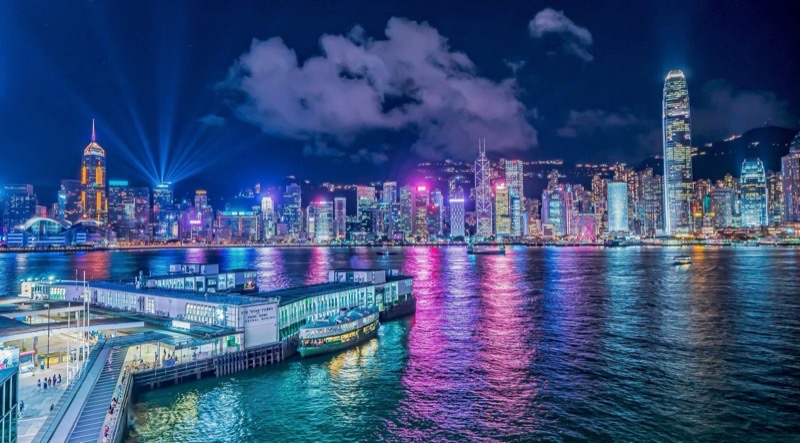
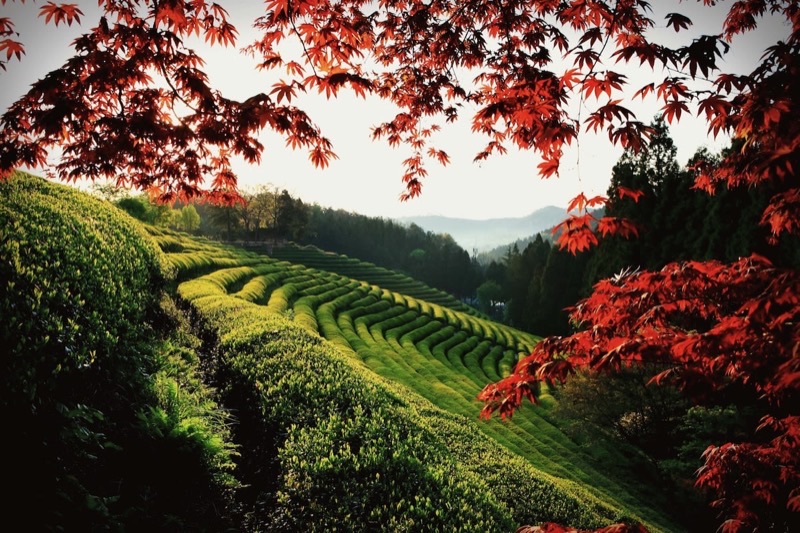
⚡ Quick Answers
⚡ The TL;DR Verdict
For travelers prioritizing efficient, dense city experiences with exceptional food and island escapes, Hong Kong is the better pick. Those seeking a broader cultural exploration, varied nature, and a slightly lower daily budget should lean towards South Korea. Most travelers will find Korea offers more for the average trip length.
- Choose Hong Kong: You have a shorter trip (5-7 days), prioritize food and efficient public transit, and enjoy dense urban environments with accessible nature like beaches and hikes.
- Choose South Korea: You have a longer trip (7-14+ days), want to explore diverse cities, historical sites, national parks, and enjoy a cafe culture with a generally calmer pace.
- Choose Both: If you have 14+ days, both destinations are accessible for a combined trip. Focus 5-7 days on Hong Kong and the remainder on Seoul and a regional Korean city like Busan or Jeju Island.
Choose Hong Kong
Choose Hong Kong if your priority is an electrifying urban adventure packed with world-class dining, from Michelin-starred dim sum to bustling street food stalls. It's best for travelers with shorter trips (5-7 days) who appreciate incredibly efficient public transport, iconic skyline views from Victoria Peak, and easy access to stunning hikes like Dragon's Back and island getaways, offering a dynamic city-nature blend.
Choose South Korea
Opt for South Korea if you have 7+ days and crave a deeper dive into rich history, vibrant pop culture, and diverse landscapes. It's perfect for explorers eager to wander ancient palaces in Seoul, experience the bustling markets of Busan, or escape to the volcanic beauty of Jeju Island, all while enjoying an unparalleled cafe culture and efficient high-speed rail that connects unique regional experiences.
📊 Visual Scorecard
🌤 When to Visit
Average high temperatures (°C). Green = best months, orange = avoid.
Quick Comparison
| Category | Hong Kong | South Korea | Winner |
|---|---|---|---|
| Costs & Budget | Generally more expensive daily costs, particularly for accommodation and dining out beyond street food. Efficient but premium. | More budget-friendly options for food, transport, and often accommodation. Offers better value for longer stays. | South Korea |
| Food Scene | Exceptional, dense food options from street stalls to Michelin stars. Cantonese cuisine reigns, but international options abound. | Diverse and widely available Korean specialties, with a strong focus on communal dining and distinct regional dishes. | Hong Kong |
| Getting There & Flights | Hong Kong International Airport (HKG) is a major hub, with many direct flights from North America and Europe. Efficient airport access. | Incheon International Airport (ICN) is a large, modern hub with good global connections. Requires a longer connection to Seoul city. | Tie |
| Getting Around | Highly efficient MTR subway system, extensive bus network, and iconic Star Ferry. Compact city makes walking easy. | Excellent subway systems in major cities (Seoul, Busan), good bus networks. High-speed rail (KTX) connects regions. | Hong Kong |
| Accommodation | Often small, expensive rooms. Budget options are hostels or guesthouses. Location is key due to space constraints. | More diverse range of options from budget guesthouses to modern hotels. Rooms are generally larger for the price. | South Korea |
| Culture & History | Colonial history alongside traditional Cantonese practices. Temples, museums, and a strong sense of local identity. | Deep historical roots from ancient kingdoms to modern struggles. Palaces, temples, traditional villages, and K-culture. | South Korea |
| Nature & Outdoors | Surprisingly accessible hiking trails, beaches, and island escapes just a short trip from the city. | Diverse national parks, coastal areas, and islands, often requiring more travel time from major cities. | Hong Kong |
| Nightlife | Late-night options from rooftop bars and clubs in Central to local pubs in Tsim Sha Tsui and street food. | Strong focus on soju, Korean BBQ, and karaoke rooms (noraebang). Districts like Hongdae and Gangnam in Seoul are active. | Hong Kong |
| Shopping | Tax-free shopping for luxury goods, electronics, and fashion. Local markets offer unique finds. | Focus on K-beauty, fashion, and unique local brands. Large department stores and specialty districts. | South Korea |
| Safety & Solo Travel | Generally very safe with low crime rates. Efficient public transport makes solo navigation easy. | Extremely safe, especially for solo female travelers. Well-lit streets, reliable public transport, and helpful locals. | South Korea |
💸 Costs & Budget
Hong Kong operates on a higher price point across the board. A mid-range hotel in Tsim Sha Tsui or Central can easily run $100-200+ (HKD 780-1560) per night. Street food like a…
Hong Kong
South Korea
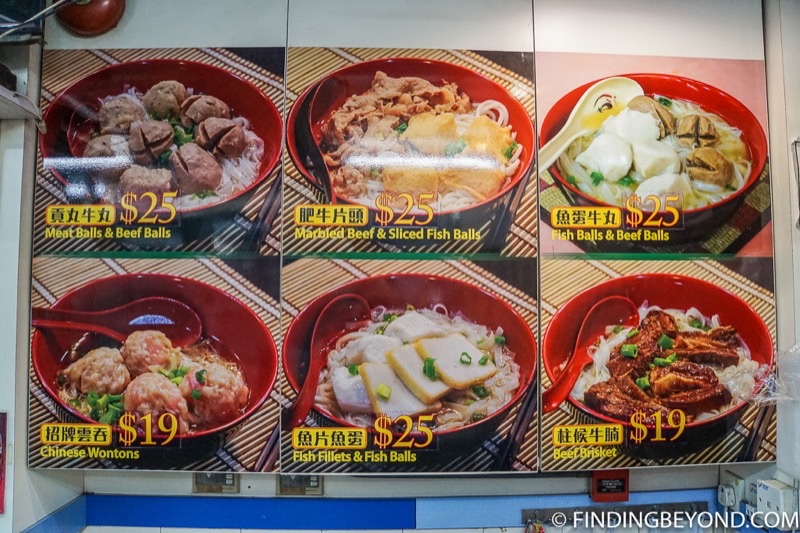
Hong Kong operates on a higher price point across the board. A mid-range hotel in Tsim Sha Tsui or Central can easily run $100-200+ (HKD 780-1560) per night. Street food like a bowl of wonton noodles might be $5 (HKD 40), but sit-down restaurants quickly scale up to $20-50+ (HKD 150-400) per person. Transport, while efficient, adds up with MTR fares averaging $1-3 (HKD 8-25) per ride. A daily budget for a comfortable traveler in Hong Kong often sits between $100-180 (HKD 780-1400), excluding major splurges.
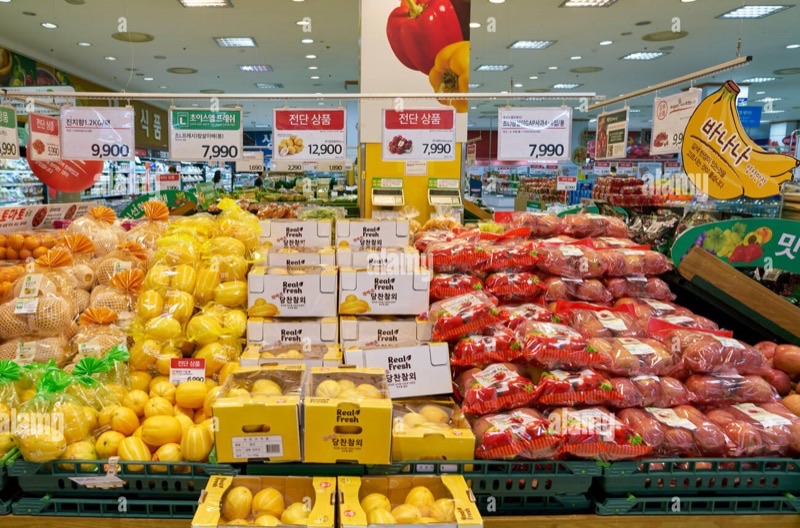
South Korea generally offers more flexibility for various budgets. A guesthouse or budget hotel in Seoul can be found for $50-90 (KRW 67,500-121,500) per night, with mid-range hotels around $100-150 (KRW 135,000-202,500). Street food at places like Gwangjang Market is excellent value, with dishes often $4-8 (KRW 5,000-10,000). A hearty meal at a casual restaurant costs $10-20 (KRW 13,500-27,000). Subway fares are standardized and affordable, starting around $1.00 (KRW 1,400). A daily budget for a comfortable traveler in South Korea typically falls between $70-150 (KRW 94,500-202,500), offering more financial breathing room for extended trips. South Korea provides better value for money for most travelers.
- Winner: South Korea
- Why: South Korea consistently offers lower costs for accommodation, food, and activities, allowing a more extended or richer trip for the same budget.
- Who this matters for: Budget-conscious travelers, backpackers, and those planning longer itineraries.
🍜 Food Scene
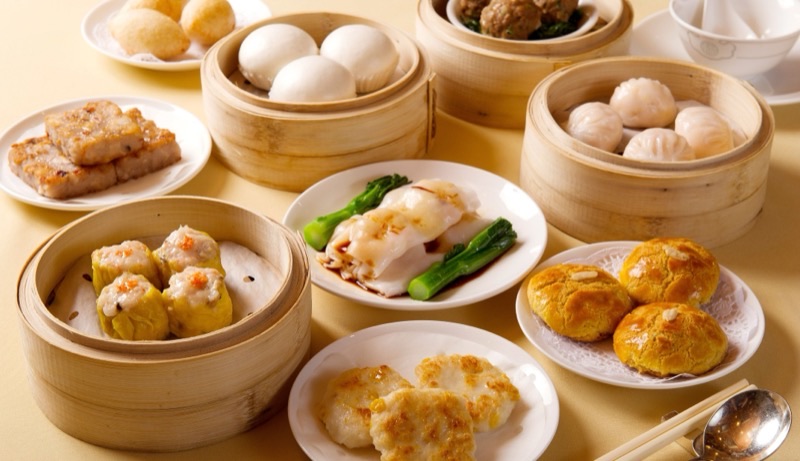
Hong Kong's food scene is intensely focused and incredibly diverse, especially for its size. You can get Michelin-starred dim sum at Tim Ho Wan for under $10 (HKD 80) or enjoy…
Hong Kong
South Korea
Hong Kong's food scene is intensely focused and incredibly diverse, especially for its size. You can get Michelin-starred dim sum at Tim Ho Wan for under $10 (HKD 80) or enjoy bowls of wonton noodles from local eateries like Mak's Noodle for $5-7 (HKD 40-55). Wet markets like Graham Street Market offer fresh produce and local snacks. Seafood in Sai Kung is a popular day trip. The city's small footprint means incredible density of options, from traditional cha chaan tengs (local diners) to high-end international dining. The availability of diverse, quality food at all price points, often late into the night, sets it apart.
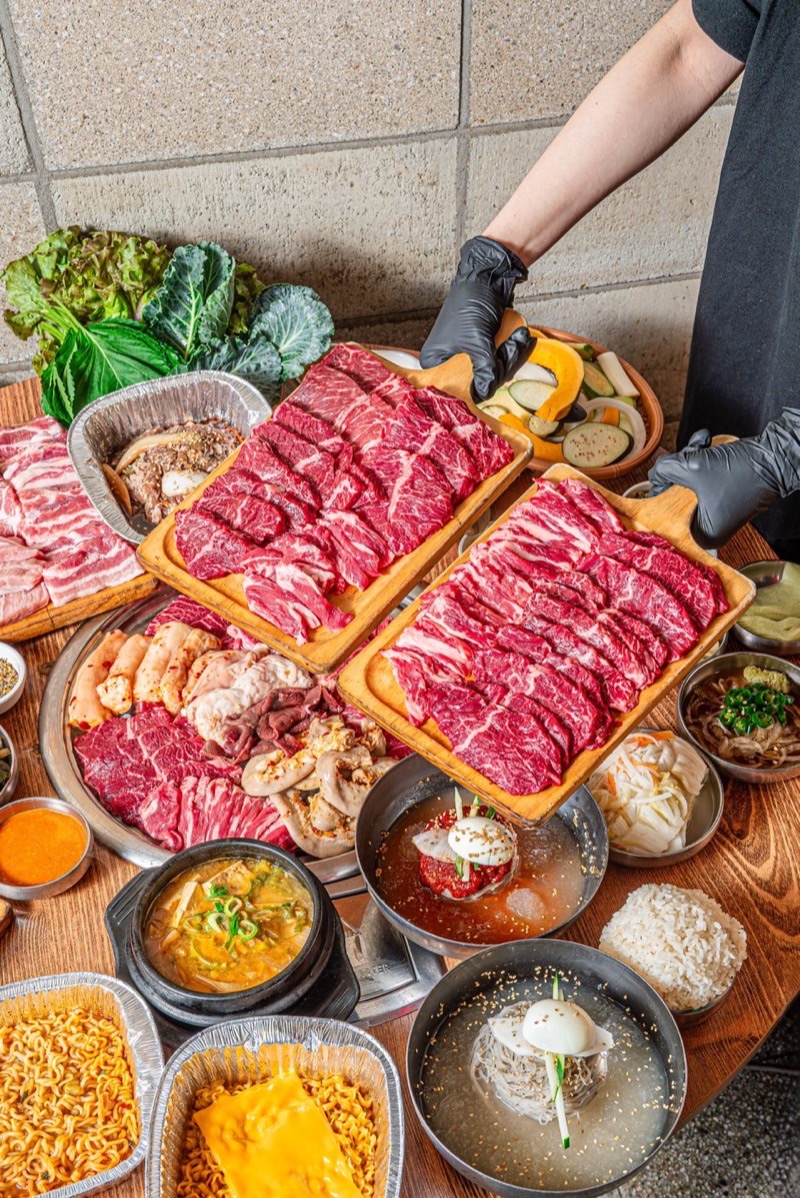
South Korea offers a food experience centered around its national dishes and cafe culture. Places like Myeongdong Street Food or Gwangjang Market in Seoul offer quick, affordable bites like tteokbokki (spicy rice cakes) for $3-5 (KRW 4,000-7,000) or bindaetteok (mung bean pancake) for $7-9 (KRW 9,000-12,000). Korean BBQ and kimchi stew are staples, with a full meal costing $15-30 (KRW 20,000-40,000) per person. Regional specialties, like seafood in Busan or black pork on Jeju Island, are distinct. While excellent, the variety outside of Korean cuisine is less prevalent than in Hong Kong, and finding late-night sit-down meals can be harder outside of specific districts. Hong Kong takes the lead for sheer density, diversity, and accessibility of top-tier food at every price point.
- Winner: Hong Kong
- Why: Hong Kong offers a more concentrated and diverse food experience, with top-tier options from street stalls to fine dining available at all hours.
- Who this matters for: Foodies, culinary adventurers, and travelers who prioritize eating well and affordably.
✈️ Getting There & Flights
Hong Kong International Airport (HKG) is a highly efficient airport with direct flights from major cities worldwide. A direct flight from Los Angeles (LAX) averages 13-15 hours,…
Hong Kong
South Korea
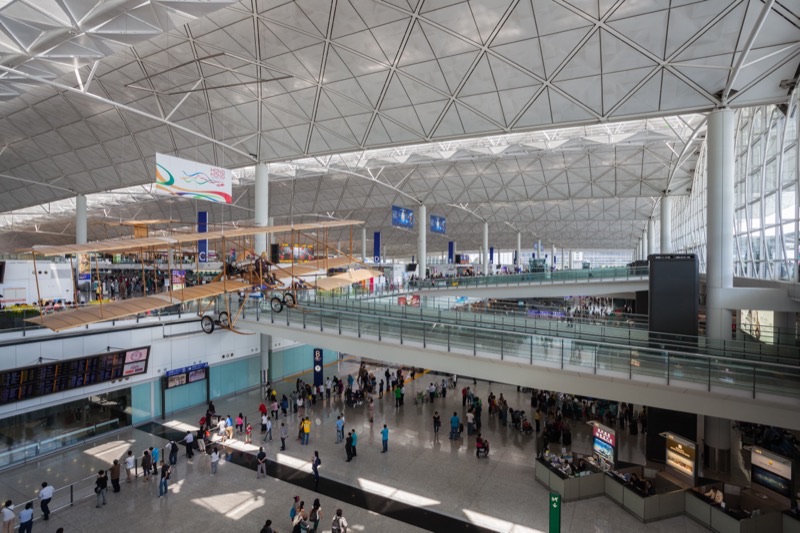
Hong Kong International Airport (HKG) is a highly efficient airport with direct flights from major cities worldwide. A direct flight from Los Angeles (LAX) averages 13-15 hours, and from London Heathrow (LHR) about 12-13 hours. Prices can vary widely, but expect $800-1500+ round trip from North America. The Airport Express train connects HKG to Central in about 24 minutes for $14 (HKD 110), making city access extremely quick and easy. Many carriers, including Cathay Pacific, operate frequent services.
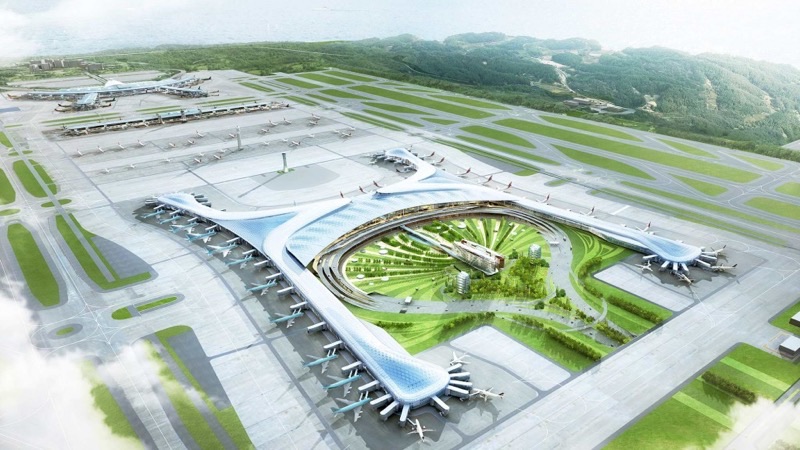
Incheon International Airport (ICN) is also a significant global hub, consistently ranked highly for service. Direct flights from Los Angeles (LAX) are typically 11-13 hours, and from London Heathrow (LHR) around 11-12 hours. Airfare is comparable to Hong Kong, often $700-1400+ round trip from North America. The AREX (Airport Railroad Express) takes about 43 minutes to Seoul Station for $8 (KRW 10,000), a bit longer to central Seoul than HKG's connection to its city center. Both offer robust international connections, making access straightforward. It's a tie, as both airports are efficient and well-connected globally.
- Winner: Tie
- Why: Both destinations offer similar flight times and airport efficiency from major global hubs.
- Who this matters for: Travelers coming from North America, Europe, or other major international origins.
🚇 Getting Around
Hong Kong's MTR is a masterclass in urban transit: clean, efficient, air-conditioned, and covers nearly every corner of the city and even extends to Lantau Island. An Octopus card…

Hong Kong
South Korea
Hong Kong's MTR is a masterclass in urban transit: clean, efficient, air-conditioned, and covers nearly every corner of the city and even extends to Lantau Island. An Octopus card simplifies payments for MTR, buses, trams, and even some shops. Fares are reasonable, ranging from $1-3 (HKD 8-25) per ride. The Star Ferry across Victoria Harbour offers scenic transport for under $1 (HKD 3.70). Taxis are plentiful and affordable. The compact nature of Hong Kong Island and Kowloon means many areas are walkable, and combining MTR with walking is often the quickest way to get around.
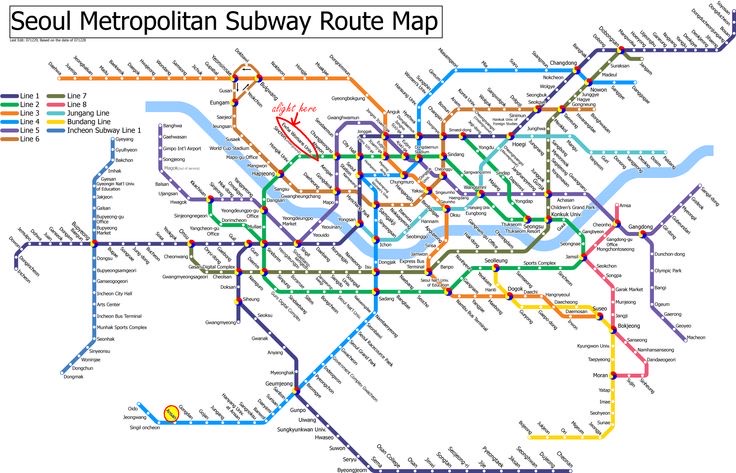
South Korea's major cities, especially Seoul, have extensive and modern subway systems that are easy to navigate with English signs. A T-Money card is essential for seamless travel on subways and buses, with basic fares around $1.00 (KRW 1,400). Buses fill gaps where subways don't reach. For inter-city travel, the KTX high-speed train connects Seoul to Busan in about 2.5 hours for $50-60 (KRW 60,000-80,000). While efficient, the sheer size of Seoul means more time spent on transit compared to Hong Kong's smaller, denser urban core. Hong Kong's ultra-compact design and seamless transit, including unique options like the Star Ferry, edge it out for urban mobility.
- Winner: Hong Kong
- Why: Hong Kong's MTR and compact urban layout provide an unparalleled level of efficiency and ease of movement within the city, often making journeys quicker.
- Who this matters for: Travelers who prioritize efficient movement, minimizing transit time, and exploring dense urban areas without hassle.
🏨 Accommodation
Accommodation in Hong Kong is notoriously compact and can be expensive. A typical hotel room in a central area like Tsim Sha Tsui or Sheung Wan might be 150-200 sq ft and cost…
Hong Kong
South Korea
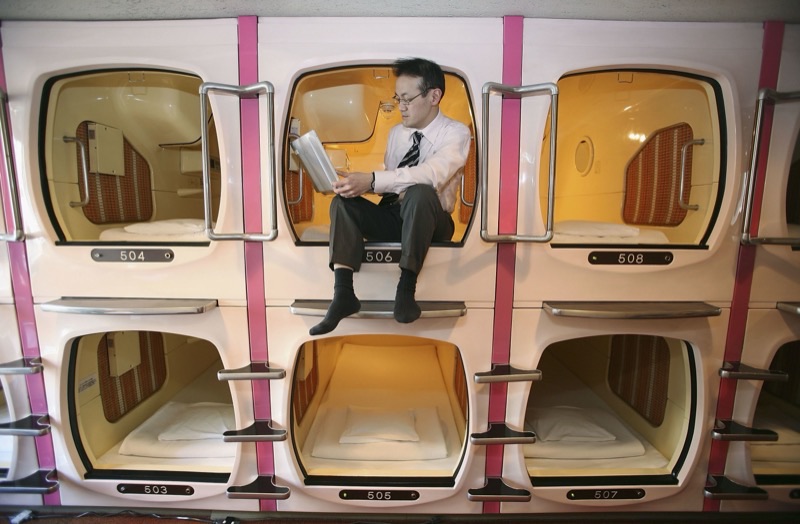
Accommodation in Hong Kong is notoriously compact and can be expensive. A typical hotel room in a central area like Tsim Sha Tsui or Sheung Wan might be 150-200 sq ft and cost $120-200 (HKD 930-1560) per night for a mid-range option. Budget travelers often opt for hostels in areas like Causeway Bay or guesthouses in Mong Kok, where a bed in a dorm can be $30-50 (HKD 230-390). Booking well in advance is advisable, especially during peak seasons. The emphasis is on location and efficiency over spaciousness, as you'll spend most of your time exploring.
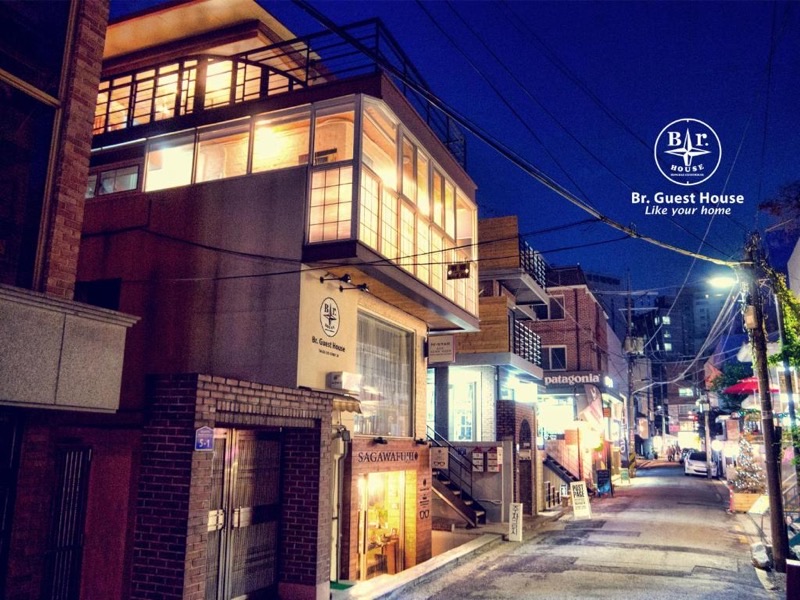
South Korea generally provides more space and variety for the price. In Seoul, you can find well-regarded guesthouses in Hongdae or Insadong for $40-70 (KRW 54,000-94,500) per night, while mid-range hotels in Myeongdong or Gangnam typically range from $90-150 (KRW 121,500-202,500) for a room often larger than its Hong Kong equivalent. Hanok stays (traditional Korean houses) offer a unique cultural experience, costing $80-200 (KRW 108,000-270,000) depending on location and amenities. For comfortable stays across different budgets, South Korea offers better value and more diverse options. South Korea is the clear winner for accommodation due to better space-to-price ratios and a broader selection of lodging types.
- Winner: South Korea
- Why: South Korea offers better value, larger rooms, and a wider range of accommodation types for various budgets, including unique cultural stays.
- Who this matters for: Travelers who prioritize comfort, space, and a broader selection of lodging experiences, including cultural options.
📜 Culture & History
Hong Kong's cultural landscape is a blend of its Chinese heritage and a significant British colonial past. Key historical sites include Man Mo Temple in Sheung Wan, the…
Hong Kong's cultural landscape is a blend of its Chinese heritage and a significant British colonial past. Key historical sites include Man Mo Temple in Sheung Wan, the revitalized Tai Kwun (Central Police Station), and the Hong Kong Museum of History. Traditional Cantonese opera and martial arts schools are still present, particularly in areas like Yau Ma Tei. The city's history is often told through its architecture, from colonial buildings in Central to the dense residential towers. The culture feels focused on commerce and efficient living, with history often integrated into modern developments rather than preserved in large dedicated districts.
South Korea offers a more expansive and consistently preserved historical narrative. Seoul alone hosts five Grand Palaces (Gyeongbokgung, Changdeokgung, Deoksugung, Changgyeonggung, Gyeonghuigung), each with significant historical depth and grounds for exploration. Bukchon Hanok Village provides a preserved traditional Korean village experience. Outside Seoul, places like Gyeongju, often called a 'museum without walls,' feature ancient Silla kingdom tombs, temples (like Bulguksa and Seokguram Grotto), and observatories. The DMZ offers a poignant look at modern history. South Korea's long, singular history is more broadly represented and accessible in its sites and practices. South Korea offers a richer, more extensive exploration of history and traditional culture.
- Winner: South Korea
- Why: South Korea provides a more extensive and consistently preserved historical narrative, with numerous palaces, temples, and ancient sites across the country.
- Who this matters for: History enthusiasts, culture seekers, and travelers looking for traditional experiences beyond urban centers.
⛰️ Nature & Outdoors
Hong Kong is deceptively green, with over 70% of its land protected as country parks. Within 30-60 minutes via public transport, you can access trails like Dragon's Back (offering…
Hong Kong is deceptively green, with over 70% of its land protected as country parks. Within 30-60 minutes via public transport, you can access trails like Dragon's Back (offering city and coastal views) or explore Lamma Island's walking paths and beaches. Sai Kung Peninsula offers beaches like Tai Long Wan that feel remote, accessible by ferry or short hike. Lantau Island features the Tian Tan Buddha and plenty of hiking options. The proximity of these natural escapes to the dense urban core is unmatched; you can go from skyscraper to serene beach in under an hour.
South Korea also possesses beautiful natural areas, but they typically require more dedicated travel time. Jirisan National Park, Seoraksan National Park, and Jeju Island offer mountains, coasts, and volcanic landscapes. These are often multi-day trips involving KTX trains or flights. Within Seoul, Namsan Mountain provides city views and walking paths, but it's a relatively small urban park. While the scenery in places like Jeju is remarkable, the ease and speed with which Hong Kong allows you to transition from city to substantial nature makes it a stronger choice for travelers who want both. Hong Kong's compact nature means outdoor escapes are always within easy reach, making it the stronger pick for integrating nature into a city trip.
- Winner: Hong Kong
- Why: Hong Kong offers an exceptional density of accessible hiking trails, beaches, and island escapes within a short public transport ride from the city.
- Who this matters for: Travelers who want to combine urban exploration with easy, quick access to outdoor activities and natural beauty.
🍻 Nightlife
Hong Kong's nightlife is an energetic, late-night affair. Lan Kwai Fong and Soho in Central are packed with bars and clubs, often open until 3-4 AM, with drinks typically costing…
Hong Kong's nightlife is an energetic, late-night affair. Lan Kwai Fong and Soho in Central are packed with bars and clubs, often open until 3-4 AM, with drinks typically costing $10-15 (HKD 80-120) for a cocktail. Tsim Sha Tsui offers more local pubs and karaoke. Beyond bars, the city's food scene extends late, with street food stalls and cha chaan tengs serving till the early hours. Rooftop bars provide impressive city views. The density of options and the sheer volume of people out late make it a consistently active scene.
South Korea's nightlife centers heavily on alcohol, food, and communal singing. Soju and makgeolli are popular drinks, often consumed with Korean BBQ or other late-night snacks. Districts like Hongdae and Gangnam in Seoul are where most of the action happens, with bars, clubs, and noraebang (karaoke rooms) open late. A noraebang session can cost $15-30 (KRW 20,000-40,000) per hour. While clubs are plentiful, the overall atmosphere often feels more localized, and finding specific international-style clubs can be harder. Hong Kong's general accessibility of international bars, varied districts, and diverse offerings make its nightlife feel more universally appealing and easier to navigate for visitors. Hong Kong offers a more diverse and internationally-oriented nightlife experience.
- Winner: Hong Kong
- Why: Hong Kong's compact districts like Lan Kwai Fong offer a concentrated, diverse, and internationally recognized nightlife with many late-night options.
- Who this matters for: Social travelers, those looking for late-night entertainment, and people who enjoy varied bar and club scenes.
🛍️ Shopping
Hong Kong is a shopper's haven for luxury goods, electronics, and international fashion, largely due to its tax-free status. Areas like Central, Causeway Bay, and Tsim Sha Tsui…
Hong Kong is a shopper's haven for luxury goods, electronics, and international fashion, largely due to its tax-free status. Areas like Central, Causeway Bay, and Tsim Sha Tsui are filled with high-end boutiques and large malls (e.g., IFC Mall, Harbour City). Electronics markets in Sham Shui Po (like Apliu Street) offer gadgets at competitive prices. Local markets like Ladies' Market in Mong Kok sell souvenirs and cheaper fashion, though quality varies. While there are good deals, the retail experience can feel generic, similar to large malls anywhere.
South Korea offers a more distinct and exciting shopping experience, particularly in fashion and K-beauty. Myeongdong is famous for its cosmetic stores (Innisfree, Olive Young) and fashion boutiques. Hongdae caters to younger trends and indie brands. Dongdaemun Design Plaza and its surrounding markets (e.g., Dongdaemun Market) are active 24/7 for wholesale and retail fashion. High-end shopping is available in Gangnam's Apgujeong and Cheongdam-dong. The tax refund system for tourists is straightforward. The focus on unique Korean brands, innovative beauty products, and specific fashion districts makes shopping in South Korea feel more localized and interesting. South Korea wins for providing a more distinct and culturally relevant shopping experience, especially for K-beauty and local fashion.
- Winner: South Korea
- Why: South Korea offers a more distinct and culturally relevant shopping experience, particularly for K-beauty, local fashion, and unique brands.
- Who this matters for: Fashion enthusiasts, K-beauty fans, and travelers looking for unique local products and trends.
🛡️ Safety & Solo Travel
Hong Kong is a very safe city, with low rates of violent crime. Petty theft can occur in crowded tourist areas, but it's not common. Solo travelers will find the MTR efficient and…
Hong Kong is a very safe city, with low rates of violent crime. Petty theft can occur in crowded tourist areas, but it's not common. Solo travelers will find the MTR efficient and safe at all hours, and walking alone at night in most areas is not a concern. Locals are generally helpful, though English proficiency varies outside tourist zones. The city's compact nature means help is usually nearby if needed. Public spaces are well-maintained and monitored.
South Korea consistently ranks as one of the safest countries globally, which is a significant advantage for solo travelers, particularly solo female travelers. Crime rates are exceptionally low. Public transport, including the subway and buses, operates efficiently and safely even late into the night. Well-lit streets and a strong sense of public order contribute to a secure environment. While English proficiency can be a barrier in some areas, the emergency services are reliable, and people are generally respectful and non-intrusive. The sense of security and lower risk of any incidents makes South Korea a marginally better option for solo travelers seeking maximum peace of mind. South Korea is marginally safer, providing an exceptional level of comfort for solo travelers.
- Winner: South Korea
- Why: South Korea consistently ranks as one of the safest countries globally, offering an exceptional level of security and comfort for solo travelers.
- Who this matters for: Solo travelers (especially females), first-time international travelers, and those prioritizing personal safety above all else.
🎯 The Decision Framework
Choose Hong Kong If…
- You want to eat exceptional Cantonese food at all hours for varied prices.
- You prioritize incredibly efficient and compact public transport.
- You like balancing intense city exploration with accessible island and mountain escapes.
- You appreciate tax-free luxury shopping and specific electronics markets.
- You enjoy late-night rooftop bars and diverse nightlife zones.
- You have limited time (5-7 days) and want a dense, impactful experience.
- You prefer a city with a visible blend of colonial and traditional influences.
- You don't mind smaller accommodation if the location is prime.
Choose South Korea If…
- You are looking for more budget-friendly daily costs for food and accommodation.
- You want to delve into a broader and more extensively preserved historical culture.
- You are interested in K-beauty, K-fashion, and unique local brands for shopping.
- You enjoy the energetic and communal experience of Korean BBQ and soju.
- You plan a longer trip (7-14+ days) and want to explore multiple cities/regions.
- You prioritize extreme safety and comfort as a solo traveler.
- You prefer slightly larger accommodation rooms for your budget.
- You like exploring distinct themed districts within a large city (e.g., Hongdae, Gangnam).
📅 Sample Itineraries
Weekend in Hong Kong (3 Days)
💡 Purchase an Octopus Card upon arrival for easy payment on MTR, buses, ferries, and even some convenience stores, saving time and small change.
Weekend in South Korea (3 Days)
💡 Utilize the T-Money card for seamless travel on Seoul's subway and buses, topping it up at convenience stores for efficiency.
One Week in Hong Kong (7 Days)
💡 Download the 'My Hong Kong Guide' app for offline maps and public transport directions, which is especially useful for MTR routes and bus connections.
One Week in South Korea (7 Days)
💡 Book KTX train tickets between cities like Seoul and Busan online in advance, especially during peak travel seasons, to secure seats and potentially better prices.
❓ Frequently Asked Questions
Which destination is better for a short trip, like 4-5 days?
Hong Kong is better suited for a shorter trip of 4-5 days. Its compact size and highly efficient MTR system allow you to cover significant ground, from city sights to island day trips, without much travel time. You can experience its food, views from Victoria Peak, and a day out on Lantau or Lamma Island quite effectively.
What are the typical flight times from the US to Hong Kong vs. South Korea?
From the US West Coast (e.g., LAX), direct flights to Hong Kong are typically 13-15 hours, and to Seoul (ICN) are 11-13 hours. From the East Coast (e.g., NYC), flights to both destinations are usually 15-16 hours direct, often with a slight edge in favor of Seoul for some routes, depending on airline and connections.
Is public transport easy to use in both places for non-local speakers?
Yes, public transport in both Hong Kong and South Korea is very user-friendly for non-local speakers. Both MTR in Hong Kong and the Seoul/Busan subways have English signage and announcements. Using an Octopus card in Hong Kong or a T-Money card in Korea simplifies fares and transfers, making navigation straightforward.
Which destination has better options for outdoor activities?
Hong Kong offers more accessible and varied outdoor activities within a short distance of the urban core. You can reach numerous hiking trails like Dragon's Back, beaches, and island excursions like Lamma Island within 30-60 minutes by public transport. While South Korea has beautiful national parks, they often require more dedicated travel time and planning.
How do food costs compare for street food and casual dining?
Hong Kong street food can be found for $3-8 (HKD 25-60) per item, and casual meals for $10-25 (HKD 80-200). South Korea's street food is generally slightly cheaper, $3-7 (KRW 4,000-9,000) per item, with casual restaurant meals often $10-20 (KRW 13,500-27,000). Overall, South Korea provides slightly better value for everyday eating.
What's the best way to experience local culture in each place?
In Hong Kong, local culture is found in bustling wet markets like Graham Street, traditional cha chaan tengs, and temples like Man Mo. In South Korea, explore traditional hanok villages like Bukchon, visit historical palaces such as Gyeongbokgung, or experience a temple stay outside Seoul for a deeper immersion.
Which has better options for digital nomads or remote workers?
South Korea, particularly Seoul, offers a stronger environment for digital nomads. It has more affordable long-term accommodation, a thriving cafe culture with good Wi-Fi, and a generally lower cost of living for daily expenses compared to Hong Kong. Hong Kong's higher rent and smaller living spaces can be a challenge for extended stays.
Are there good day trip options from each main city?
Yes. From Hong Kong, popular day trips include Lantau Island for the Big Buddha and Po Lin Monastery, Lamma Island for beaches and seafood, or Sai Kung for hiking and remote beaches. From Seoul, common day trips are the DMZ, Suwon Hwaseong Fortress, or Nami Island for natural scenery. Both offer distinct and worthwhile excursions.
Ready to plan your East Asia trip?
Get a free custom itinerary for Hong Kong, South Korea, or both — built from real traveler insights.
👥 Travelers Also Compared
🎟️ Book Tours & Experiences
Hand-picked tours and activities for both destinations — book with free cancellation
Experiences via Viator — free cancellation on most tours