How we built this comparison
This page combines traveler discussion patterns, published price ranges, flight schedules, and seasonal data to help you decide between Honolulu and Maui.
- Reviewed 50+ Reddit threads from r/travel, r/Hawaii, r/VisitingHawaii, and related subreddits.
- Verified costs and logistics against current booking platforms like Google Flights, Booking.com, and rental car sites.
- Cross-referenced seasonal patterns, weather data, and activity availability.
- Incorporated local insights from travel blogs and online forums.
⚡ Quick Answers
⚡ The TL;DR Verdict
For most travelers seeking a mix of city activities, history, and good value, Honolulu is the clearer choice with daily budgets around $120-250. If your priority is peace, driving through dramatic scenery, and a higher-end resort stay, Maui justifies its $180-350+ daily spend.
- Choose Honolulu: You want ease of access, public transit, diverse food at varied prices, historical sites like Pearl Harbor, and a lively city atmosphere alongside iconic beaches.
- Choose Maui: You prioritize dramatic natural landscapes, driving scenic routes, outdoor recreation like snorkeling and hiking, and a slower pace with more secluded resort options.
- Choose Both: Dedicate at least 7-10 days to see both. Start with 3-4 days in Honolulu for city life and history, then take a 30-40 minute inter-island flight to Maui for 4-6 days focused on nature and relaxation.
Choose Honolulu
Choose Honolulu if you're a first-time Hawaii visitor or budget-conscious traveler eager for a vibrant city experience alongside famous beaches. Explore historic Pearl Harbor and bustling Waikiki, enjoying diverse culinary options and the convenience of public transit, making it ideal for those who love urban energy and cultural immersion without needing to rent a car.
Choose Maui
Opt for Maui if your ideal vacation involves breathtaking natural beauty, scenic drives, and a more luxurious, tranquil escape. It's best for couples or families seeking premium resorts, world-class snorkeling, and adventures like the Road to Hana, willing to spend more for an unforgettable blend of relaxation and dramatic landscapes that require a car to fully explore.
📊 Visual Scorecard
🌤 When to Visit
Average high temperatures (°C). Green = best months, orange = avoid.
Quick Comparison
| Category | Honolulu | Maui | Winner |
|---|---|---|---|
| Beaches & Water Activities | Urban beaches like Waikiki, North Shore surf breaks, calm Kaimana Beach. Busy, accessible. Good for learning to surf, paddleboarding. | Varied beaches from calm Ka anapali to windy Ho okipa. Less crowded, good for snorkeling, whale watching, wind sports. More remote options. | Maui |
| Food Scene | Diverse options from cheap plate lunches to high-end dining. Strong Asian influence. Food trucks, local eateries, fine restaurants. | Focus on farm-to-table, fresh seafood. Lahaina and Pa ia are food hubs. More expensive generally, but good quality. Fewer budget options. | Honolulu |
| Nightlife & Entertainment | Active nightlife in Waikiki and Downtown. Bars, clubs, live music, luaus. Options are varied and stay open late. | Muted nightlife focused on resort bars, dinner shows, and relaxed pubs in towns like Lahaina. Closes earlier than Honolulu. | Honolulu |
| Culture & History | Rich with historical sites (Pearl Harbor, Iolani Palace), museums, and Polynesian cultural centers. Strong Hawaiian and Asian influences. | Focus on Hawaiian heritage through smaller historical sites, plantations, and local communities. Less grand in scale, but authentic. | Honolulu |
| Costs & Budget | Generally more affordable. Public transport, diverse food options, and a range of accommodation. Daily budget $120-250 USD. | Higher costs across the board. Rental cars are essential, food is pricier, and accommodation leans towards resorts. Daily budget $180-350+ USD. | Honolulu |
| Getting Around | Excellent public bus system (TheBus). Walkable areas. Ride-sharing available. Rental car useful for exploring outside city. | Rental car is almost mandatory for exploring. Limited public transport. Driving is a core part of the experience (e.g., Road to Hana). | Honolulu |
| Accommodation | Wide range from budget hostels to luxury resorts in Waikiki. More options for mid-range hotels. Hotels concentrated in specific areas. | Mainly resorts and vacation rentals. Fewer budget hotels. Higher average prices. More spread out geographically. | Honolulu |
| Nature & Scenery | Iconic Diamond Head, Hanauma Bay, Manoa Falls. Less wild, more developed. Good hikes near the city. North Shore surf coast. | Dramatic and varied: Haleakala crater, Road to Hana waterfalls, lush Iao Valley, West Maui Mountains. More raw and less developed. | Maui |
| Families & Kids | Many kid-friendly activities: Honolulu Zoo, Waikiki Aquarium, calm beaches, museums, diverse food for picky eaters. Convenience a plus. | Resorts with kid clubs, calmer beaches, snorkeling. Requires more driving. Less structured entertainment, more focus on outdoor play. | Honolulu |
| Accessibility & Convenience | Major international airport (HNL), excellent public transport, concentrated city amenities. Easy to navigate. | Smaller airport (OGG), requires rental car for true exploration, amenities are more spread out. Less general convenience. | Honolulu |
🏖️ Beaches & Water Activities
Honolulu offers Waikiki Beach, a long stretch of sand with calm waters near amenities, ideal for beginners learning to surf or paddleboard. Other options include Ala Moana Beach…
Honolulu
Maui
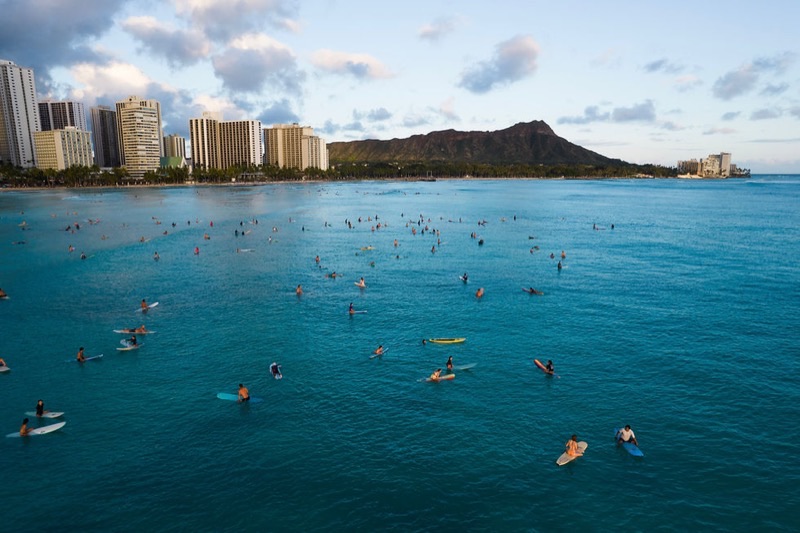
Honolulu offers Waikiki Beach, a long stretch of sand with calm waters near amenities, ideal for beginners learning to surf or paddleboard. Other options include Ala Moana Beach Park, a protected lagoon good for families, and the North Shore for serious surfers in winter months like Waimea Bay or Pipeline. Snorkeling is good at Hanauma Bay Nature Preserve, but requires reservations and an entrance fee of about $25 USD.
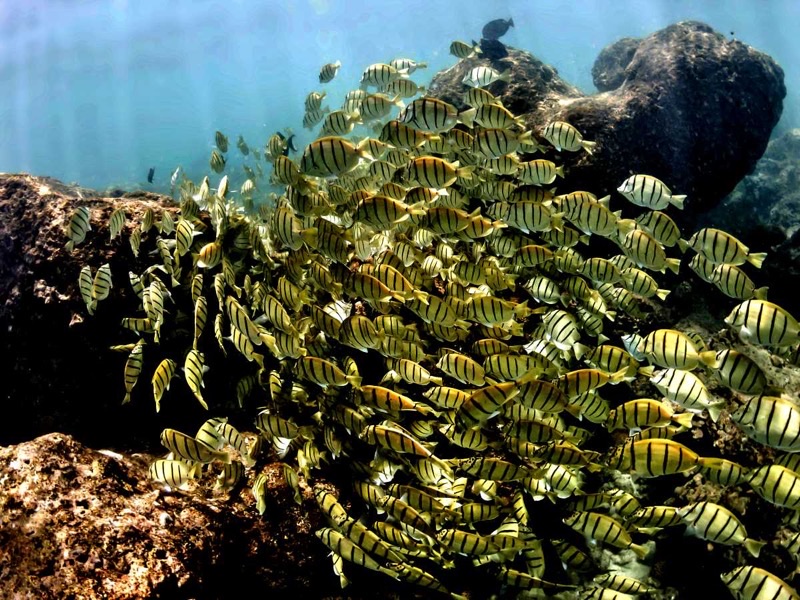
Maui provides a broader range of beach experiences. Ka anapali Beach near Lahaina is a popular resort area with good swimming and Black Rock for snorkeling. Wailea Beach on the south side offers golden sand and calmer conditions. For advanced water sports, Ho okipa Beach Park is known for windsurfing and kitesurfing. Snorkeling at Molokini Crater is a boat excursion costing around $100-150 USD. The beaches here often feel less congested than those in Honolulu, particularly outside of the main resort strips. Tabiji verdict: Maui wins for its sheer diversity and quality of less crowded beach environments.
- Winner: Maui
- Why: Maui has a broader spectrum of beach types and better opportunities for less crowded, nature-focused water activities.
- Who this matters for: Travelers who prioritize varied ocean experiences, peace, and snorkeling with abundant marine life.
🍣 Food Scene
Honolulu presents a vast food landscape. You can grab a filling plate lunch with kalua pig or garlic shrimp from a spot like Rainbow Drive-In for around $10-15 USD. Chinatown…
Honolulu
Maui
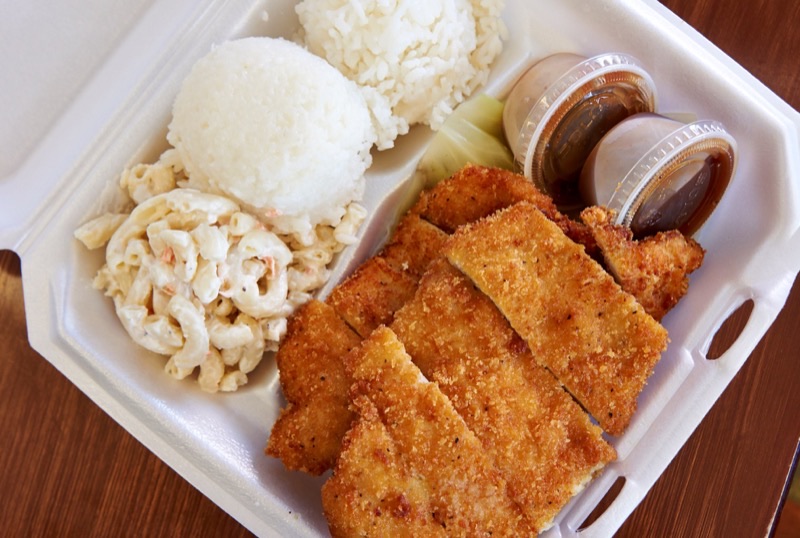
Honolulu presents a vast food landscape. You can grab a filling plate lunch with kalua pig or garlic shrimp from a spot like Rainbow Drive-In for around $10-15 USD. Chinatown offers authentic dim sum for $5-10 USD a dish and noodle shops. Upscale dining is prominent in Waikiki and Kaimuki, with restaurants like Merriman's or Duke's Waikiki offering entrees for $35-60 USD. Poke bowls are everywhere, with fresh fish costing $15-20 USD. The sheer volume and variety, from budget to luxury, is significant.
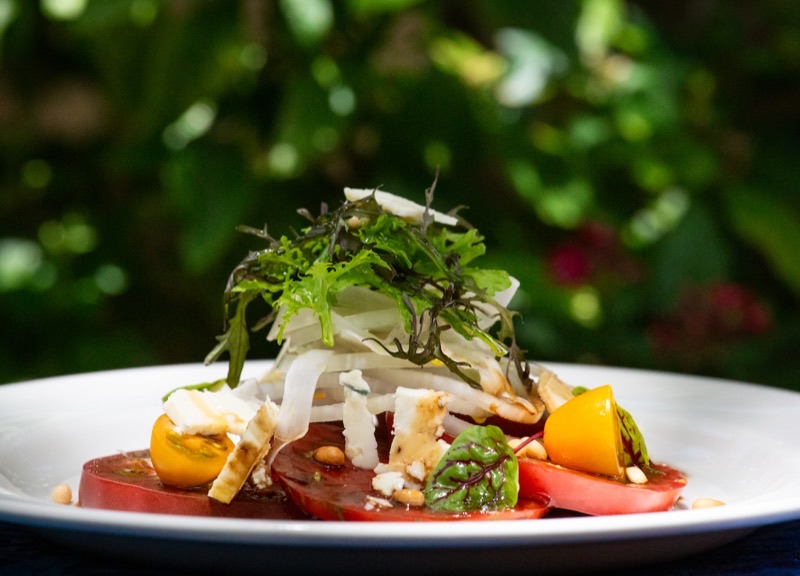
Maui's food scene emphasizes fresh, local ingredients and a slower pace. Lahaina has many seafood restaurants like Star Noodle, where small plates average $15-25 USD. Pa ia is a town known for its unique cafes and eateries, like Mama's Fish House, which is a splurge with entrees often over $70 USD. Food trucks are common, especially on the road to Hana, offering fish tacos for $15-20 USD. While the quality is high and ingredients are fresh, the overall cost is higher and the sheer number of quick, affordable options is less than in Honolulu. Tabiji verdict: Honolulu offers a more accessible, diverse, and budget-friendly food experience for a wider range of tastes.
- Winner: Honolulu
- Why: Honolulu provides a greater variety of culinary experiences, from budget-friendly local eats to high-end restaurants, at more accessible price points.
- Who this matters for: Food enthusiasts who want diverse choices, good value, and a chance to try many different local dishes.
🍹 Nightlife & Entertainment
Honolulu’s nightlife centers around Waikiki and Downtown. Waikiki offers numerous hotel bars, beachfront spots like Duke’s Canoe Club with live music until late, and dance clubs.…

Honolulu

Maui
Honolulu’s nightlife centers around Waikiki and Downtown. Waikiki offers numerous hotel bars, beachfront spots like Duke’s Canoe Club with live music until late, and dance clubs. Downtown Honolulu has a different feel, with craft cocktail bars such as The Manifest and more local venues. Live music is common, ranging from traditional Hawaiian performances to contemporary bands. Luaus, like the Ka Moana Luau at Sea Life Park, are large-scale productions with dinner and entertainment, costing around $150-200 USD per person. There is always something happening until the early morning hours.
Maui’s nightlife is more subdued. It primarily revolves around resort lounges and bars in areas like Ka anapali and Wailea. Lahaina has a few pubs and casual bars on Front Street, but they typically close by 10-11 PM. Dinner shows and luaus, such as the Old Lahaina Luau, provide an evening entertainment option at a similar price point to Honolulu. However, you will not find the same density of clubs or late-night venues. For those seeking quiet evenings and early mornings for activities, Maui's lack of a loud late-night scene is a benefit. Tabiji verdict: Honolulu is the clear winner for anyone seeking late-night entertainment and a vibrant evening scene.
- Winner: Honolulu
- Why: Honolulu has a significantly more active and diverse nightlife, with many options for bars, clubs, and live music that stay open late.
- Who this matters for: Travelers who enjoy going out in the evenings, attending live shows, or dancing at clubs.
🗿 Culture & History
Honolulu is an important historical center. Pearl Harbor National Memorial is a major site, with free entry to the grounds and a boat ride to the USS Arizona Memorial, though some…
Honolulu

Maui
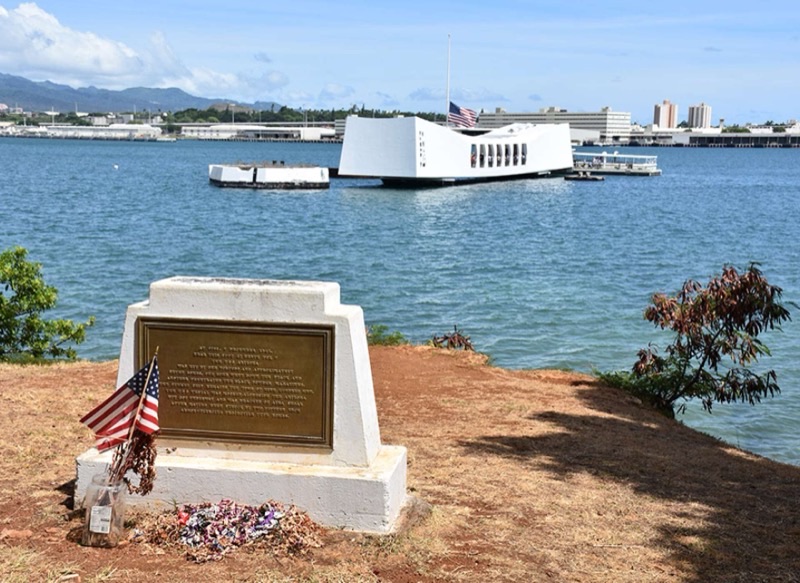
Honolulu is an important historical center. Pearl Harbor National Memorial is a major site, with free entry to the grounds and a boat ride to the USS Arizona Memorial, though some museums on site have fees. Iolani Palace, the only royal palace in the US, offers guided tours for about $25 USD. The Bishop Museum provides deep insights into Polynesian culture and natural history. Honolulu also has a vibrant Chinatown with temples and traditional markets, showcasing its multi-ethnic heritage. The Polynesian Cultural Center, though a drive from the city, is a large attraction offering extensive cultural demonstrations and performances.
Maui offers a different kind of cultural immersion. Lahaina, once a whaling village, has historical buildings along Front Street and museums like the Baldwin Home Museum ($7 USD entry). The plantations like Maui Tropical Plantation provide insight into agricultural history. Upcountry Maui has smaller, local communities and churches that retain a strong sense of Hawaiian heritage. While these experiences are authentic, they lack the immediate impact and scale of Honolulu's key historical sites. Tabiji verdict: Honolulu offers a more direct and impactful engagement with significant historical events and broader cultural narratives.
- Winner: Honolulu
- Why: Honolulu houses major historical landmarks and large cultural institutions, providing a comprehensive view of Hawaiian and US history.
- Who this matters for: Travelers interested in history, museums, and exploring significant cultural sites.
💸 Costs & Budget
Honolulu is the more budget-friendly option in Hawaii. Public transportation, TheBus, costs $3 USD for a single ride or $5.50 for a day pass, making it possible to get around…
Honolulu
Maui
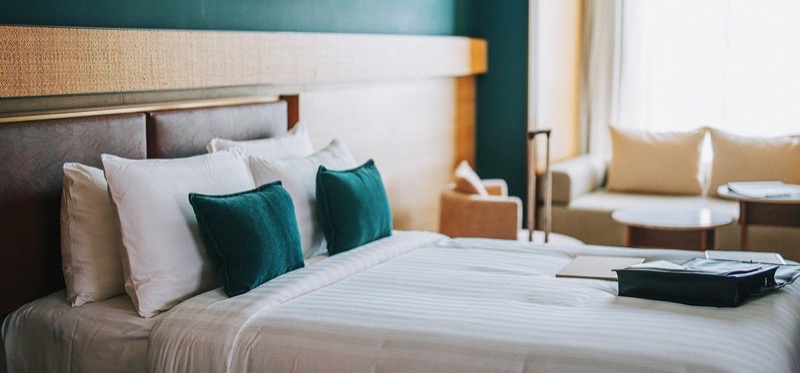
Honolulu is the more budget-friendly option in Hawaii. Public transportation, TheBus, costs $3 USD for a single ride or $5.50 for a day pass, making it possible to get around without a rental car. Food choices range from $10-15 USD plate lunches to higher-end dining, providing flexibility. Accommodation in Waikiki can be found from $180 USD for a basic hotel room, with budget hotels and hostels available further from the beach starting around $80-120 USD. Activities like Diamond Head hike ($5 USD) or free beach access keep costs lower. A realistic daily budget is $120-250 USD.
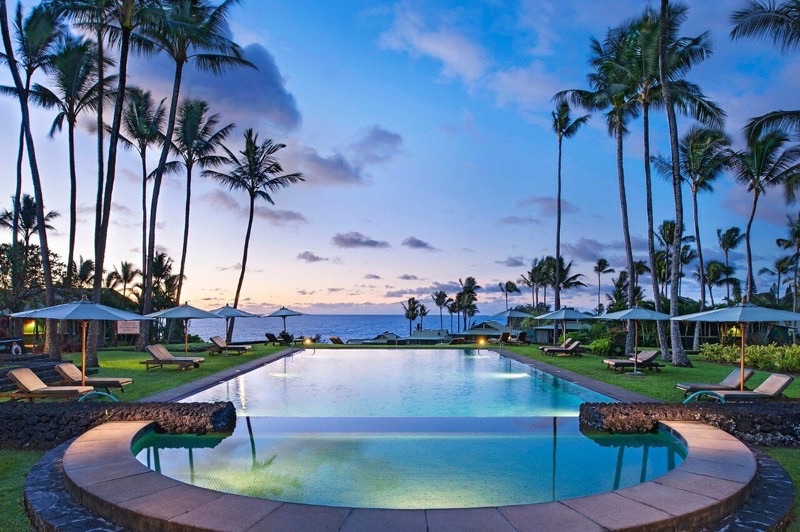
Maui is typically more expensive. A rental car is almost a necessity, costing $70-120+ USD per day. Food trucks and casual eateries are $15-25 USD per person, and sit-down meals can easily be $30-50+ USD. Accommodation, especially resorts in Ka anapali or Wailea, starts at $300-600 USD per night, with more basic hotels or Airbnbs sometimes found for $200-300 USD. Activities like Haleakala sunrise reservations ($1 USD + park entry $30 USD per car) are minor, but boat tours or surf lessons add up quickly. A daily budget of $180-350 USD is more typical. Tabiji verdict: Honolulu offers a significantly more manageable budget for most travelers.
- Winner: Honolulu
- Why: Honolulu provides more affordable options for transport, food, and accommodation, allowing for a lower overall trip cost.
- Who this matters for: Budget-conscious travelers or those wanting to extend their trip duration without excessive spending.
🚗 Getting Around
Honolulu boasts TheBus, a robust public transportation system covering most of Oahu, with single rides costing $3 USD. Waikiki and downtown are very walkable, with many…
Honolulu boasts TheBus, a robust public transportation system covering most of Oahu, with single rides costing $3 USD. Waikiki and downtown are very walkable, with many attractions, restaurants, and shops within easy reach. Ride-sharing services like Uber and Lyft are readily available. A rental car is useful if you plan to explore the North Shore or other remote parts of the island extensively, but not essential for a city-centric trip. Parking can be difficult and expensive in some areas, ranging from $25-50 USD per day at hotels.
Maui is designed for driving. A rental car is highly recommended, if not essential, for getting to attractions like Haleakala National Park, the Road to Hana, and various beaches. Rental car costs can be $70-120+ USD per day depending on the season and vehicle type. Public transportation is very limited and not suitable for general tourist use. Much of Maui’s appeal comes from driving scenic routes and stopping at viewpoints or small towns, which a rental car allows. Without one, you are largely confined to your resort area or relying on expensive taxis. Tabiji verdict: Honolulu offers superior accessibility and freedom of movement without the necessity of a personal vehicle.
- Winner: Honolulu
- Why: Honolulu has an effective public transit system and walkable areas, making it easier and cheaper to get around without a rental car.
- Who this matters for: Travelers who prefer not to drive on vacation, want to save on transportation costs, or prioritize convenience.
🏨 Accommodation
Honolulu offers a broad spectrum of accommodation. Waikiki has everything from large luxury resorts like The Royal Hawaiian (starting $500+ USD/night) to mid-range hotels like the…
Honolulu offers a broad spectrum of accommodation. Waikiki has everything from large luxury resorts like The Royal Hawaiian (starting $500+ USD/night) to mid-range hotels like the Courtyard by Marriott Waikiki Beach (around $250-400 USD/night). Budget-conscious travelers can find hostels like Polynesian Hostel Beach Club (dorm beds $40-60 USD) or smaller, older hotels further from the immediate beach area starting around $150 USD. There are many options, allowing travelers to find something within most price ranges, often with easy access to amenities and the beach. Availability is usually good, even during peak season, though prices fluctuate.
Maui’s accommodation leans heavily towards resorts and vacation rentals, particularly in areas like Ka anapali, Wailea, and Kapalua. Resorts such as the Grand Wailea or Andaz Maui can easily cost $600-1000+ USD per night. Mid-range options are fewer and still pricy, often $300-500 USD per night. Budget hotels are scarce, with limited options outside of specific areas. Vacation rentals through Airbnb or VRBO are common, but often have minimum stay requirements and cleaning fees, pushing up the total cost. The choices tend to be more spread out across the island, requiring a car. Tabiji verdict: Honolulu wins for its wider range of accommodation types and price points, making it more accessible.
- Winner: Honolulu
- Why: Honolulu provides more accommodation options across all price points, including budget-friendly hotels and hostels, making it more accessible.
- Who this matters for: Travelers with varying budgets, particularly those seeking value or more diverse hotel styles.
⛰️ Nature & Scenery
Honolulu and Oahu offer some famous natural sights. Diamond Head State Monument provides a good hike with views of Waikiki (reservation $5 USD, entry $10 per car). Hanauma Bay…
Honolulu and Oahu offer some famous natural sights. Diamond Head State Monument provides a good hike with views of Waikiki (reservation $5 USD, entry $10 per car). Hanauma Bay Nature Preserve is known for snorkeling in a protected cove (reservation required, $25 USD entry). Manoa Falls Trail is a short, easy hike through a rainforest to a waterfall. The North Shore is famous for its powerful winter waves and surf beaches. While these are appealing, much of Oahu outside the city is developed, and the natural spaces feel integrated into or bordered by human activity.
Maui’s nature is more expansive and impactful. Haleakala National Park includes a dormant volcano crater with an otherworldly landscape and impressive sunrise views (reservation required for sunrise, $30 USD per car for park entry). The Road to Hana is a winding drive along the coast, passing numerous waterfalls, black sand beaches like Wai anapanapa State Park, and dense rainforests. Iao Valley State Monument offers striking emerald peaks and a calm river. West Maui Mountains provide challenging hiking and remote vistas. The feeling of being immersed in wilder, less developed nature is much stronger here. Tabiji verdict: Maui is superior for those seeking dramatic, raw, and diverse natural landscapes.
- Winner: Maui
- Why: Maui features more diverse, dramatic, and less developed natural landscapes, including a major volcano, extensive waterfalls, and lush valleys.
- Who this matters for: Outdoors enthusiasts, hikers, photographers, and those who prioritize pristine natural beauty.
👨👩👧👦 Families & Kids
Honolulu is generally a better fit for families with children, especially younger ones. Waikiki Beach offers calm, protected swimming areas and plenty of space for sand play. The…
Honolulu is generally a better fit for families with children, especially younger ones. Waikiki Beach offers calm, protected swimming areas and plenty of space for sand play. The Honolulu Zoo ($21 USD adult, $13 child) and Waikiki Aquarium ($25 USD adult, $12 child) provide structured educational entertainment. Many hotels are designed to cater to families, and there is a wide array of food options to please picky eaters. Public transportation reduces the need for constant car seats or long drives, and access to pharmacies and medical facilities is immediate. The convenience factor for families is very high.
Maui can also be good for families, particularly those who enjoy outdoor activities and resorts. Many resorts in Ka anapali and Wailea have excellent kids clubs and pools. Calm beaches like Wailea or Ka anapali are good for children. Snorkeling tours can be a hit with older kids. However, the reliance on a rental car means more time in the car for excursions like the Road to Hana, which can be challenging with small children. Food options outside of resorts can be less varied for kids, and general costs are higher. Tabiji verdict: Honolulu provides more structured, accessible, and diverse family-friendly activities with greater convenience.
- Winner: Honolulu
- Why: Honolulu offers more structured attractions, easier transportation, and a broader array of food choices suitable for families with children.
- Who this matters for: Families with young children who value convenience, diverse activities, and readily available amenities.
🗺️ Accessibility & Convenience
Honolulu excels in accessibility and convenience. Daniel K. Inouye International Airport (HNL) is the main gateway to Hawaii, with direct flights from many global and mainland US…
Honolulu excels in accessibility and convenience. Daniel K. Inouye International Airport (HNL) is the main gateway to Hawaii, with direct flights from many global and mainland US cities. Upon arrival, you are just a 30-minute taxi or bus ride from Waikiki. The city layout is straightforward, and public transport connects major points of interest. Everything from grocery stores to medical facilities to diverse dining is within easy reach. Travelers without a car can still experience much of the island without feeling limited, making it a low-stress destination for planning logistics.
Maui’s Kahului Airport (OGG) is smaller, with fewer direct international connections, often requiring a layover in Honolulu or on the US mainland. While direct flights from the mainland are common, getting around Maui without a rental car is difficult. Most activities and attractions are geographically spread out, necessitating driving. Amenities like varied dining or specific shopping require travel from resort areas. While beautiful, the level of spontaneous convenience found in Honolulu is not present. Tabiji verdict: Honolulu offers superior overall accessibility and convenience for a travel destination.
- Winner: Honolulu
- Why: Honolulu has a major international airport, robust public transit, and concentrated amenities, making it simpler to access and navigate.
- Who this matters for: Travelers who prefer ease of travel, straightforward logistics, and quick access to everything.
🎯 The Decision Framework
Choose Honolulu If…
- You want a vacation with city energy, alongside beach time.
- You prioritize visiting historical sites like Pearl Harbor and Iolani Palace.
- You are traveling on a tighter budget and want more affordable food and transport.
- You prefer to get around using public transportation or walking.
- You enjoy a diverse food scene with many options from casual to upscale.
- You seek an active nightlife with bars, clubs, and live music.
- You are traveling with young children and appreciate structured activities.
- You want direct flights from many major cities and easy airport access.
Choose Maui If…
- You seek natural beauty, dramatic landscapes, and outdoor activities.
- You want a quieter, more relaxed pace for your vacation.
- You are excited about driving scenic routes like the Road to Hana.
- You are comfortable renting a car and planning your own excursions.
- You prioritize resort amenities and a more secluded experience.
- You enjoy snorkeling, whale watching, and exploring unique beaches.
- You want to experience a sunrise or sunset from a volcano crater.
- You prefer farm-to-table dining and fresh seafood, even if it is pricier.
📅 Sample Itineraries
Weekend in Honolulu (3 Days)
💡 Purchase a 4-day 'TheBus' pass for $20 to save on daily transport costs, especially if you plan multiple bus rides.
Weekend in Maui (3 Days)
💡 Book your Haleakala sunrise reservation exactly 60 days in advance at 7 AM HST, as spots fill quickly.
One Week in Honolulu (7 Days)
💡 To save on food, seek out local plate lunch spots, poke counters, and farmers markets. Many offer substantial meals for under $15.
One Week in Maui (7 Days)
💡 Download offline maps for the Road to Hana before you depart, as cell service is intermittent along the route.
❓ Frequently Asked Questions
Which island is better for a first-time visitor to Hawaii?
For a first-time visitor, Honolulu on Oahu is often the better choice. It provides a comprehensive introduction to Hawaii with its mix of city life, iconic beaches, significant historical sites like Pearl Harbor, and a diverse food scene. It also offers more budget-friendly options and easier navigation without a rental car.
Is it possible to visit both Honolulu and Maui on one trip?
Yes, it is very common to visit both islands. You would typically fly into Honolulu (HNL), spend a few days there, then take a short inter-island flight (approx. 30-40 minutes) to Maui (OGG). Allow at least 7-10 days for a combined trip to avoid feeling rushed, dedicating 3-4 days to Oahu and 4-6 days to Maui.
Do I need a rental car for Honolulu or Maui?
For Honolulu, a rental car is not strictly necessary if you plan to stay mainly in Waikiki and use public transport for city exploration. However, for Maui, a rental car is almost essential to explore the island fully, access different beaches, reach Haleakala, and drive the Road to Hana. Taxis and ride-shares on Maui are expensive for extensive travel.
Which island has better beaches for swimming and relaxing?
Both islands have good beaches. Honolulu offers the protected, calm waters of Waikiki and Ala Moana, which are convenient for families. Maui has numerous calm beaches like Wailea Beach or Ka anapali Beach that are excellent for swimming, plus more secluded and dramatic options. Maui generally has less crowded beaches outside of major resort areas.
What is the average cost difference per day between Honolulu and Maui?
Honolulu can be experienced on a daily budget of approximately $120-250 USD, especially if you utilize public transport and local eateries. Maui typically requires $180-350+ USD per day due to higher accommodation costs, the necessity of a rental car, and generally pricier dining options.
Which island is better for hiking and outdoor adventures?
Maui is superior for hiking and outdoor adventures. Its landscape includes the vast Haleakala crater, numerous waterfalls along the Road to Hana, and the lush Iao Valley, providing more varied and less developed trails. Honolulu offers hikes like Diamond Head and Manoa Falls, but they are fewer and often closer to urban areas.
How long are flights between the US mainland and Hawaii?
Direct flights from the US West Coast (e.g., Los Angeles, San Francisco) to Honolulu (HNL) or Maui (OGG) typically take around 5 to 6 hours. From the US East Coast, flights are longer, often 9 to 11 hours, and may involve a stopover.
Which island is better for a honeymoon or romantic getaway?
Maui generally receives higher marks for honeymoons and romantic getaways. Its focus on luxurious resorts, dramatic scenery, and a more tranquil, secluded atmosphere creates an ideal setting. Honolulu, while having luxury options, has a busier city environment that may not appeal as much for a purely romantic escape.
Ready to plan your Hawaii trip?
Get a free custom itinerary for Honolulu, Maui, or both — built from real traveler insights.
👥 Travelers Also Compared
🎟️ Book Tours & Experiences
Hand-picked tours and activities for both destinations — book with free cancellation
Experiences via Viator — free cancellation on most tours