How we built this comparison
This page combines traveler discussion patterns from Reddit, published price ranges, transit details, and seasonal data to make the Hue vs Hoi An decision easier to navigate.
- Synthesized traveler opinions from r/VietNam, r/solotravel, r/backpacking, r/travel, r/digitalnomad
- Cost data cross-referenced with Numbeo and recent Reddit traveler reports (2024–2026)
- Weather data from Open-Meteo monthly averages for Central Vietnam
- Transit and logistics from official sources and community reports
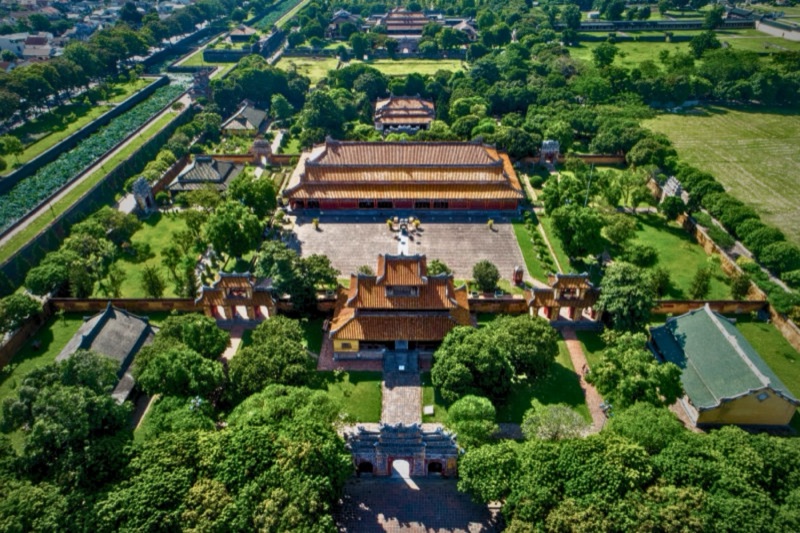
Hue Imperial Citadel
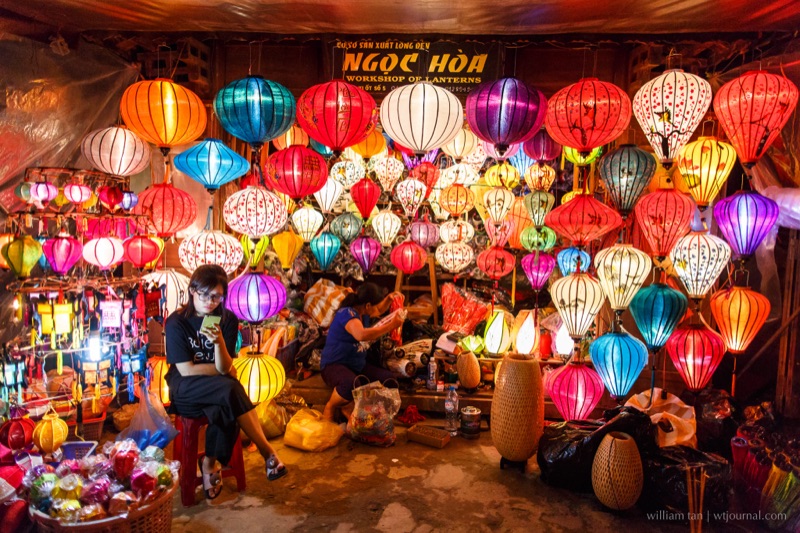
Hoi An Ancient Town at night
⚡ The TL;DR Verdict
Hue wins for history, food depth, and authenticity. Hoi An wins for romance, atmosphere, and visual beauty. They’re 130km apart — do both. Daily budget: Hue ₫400k–900k ($16–36) vs Hoi An ₫600k–1.3M ($24–52).
- Choose Hue: History buffs, foodies, budget travelers, anyone who wants to feel like they’re in a real Vietnamese city rather than a tourist bubble. The Imperial Citadel, royal tombs, Thien Mu Pagoda, and bun bo Hue alone are worth the trip.
- Choose Hoi An: Romantic couples, Instagram travelers, tailoring shoppers, beach seekers (An Bang is 5km away). The Ancient Town at dusk with lanterns is one of Southeast Asia’s most beautiful evenings.
- Do both: With 5+ days in Central Vietnam, split your time. The Hai Van Pass road trip between them is one of Vietnam’s great drives. Classic split: 2 nights Hue, 3 nights Hoi An.
Choose Hue
History enthusiasts, food lovers, budget travelers, authentic Vietnam seekers. Vietnam’s most historically dense city — UNESCO imperial citadel, seven royal tombs, and royal cuisine you can’t get anywhere else.
Choose Hoi An
Romantic travelers, couples, beach lovers, tailoring shoppers, atmosphere seekers. UNESCO Ancient Town, world-famous paper lanterns, and three signature dishes that justify their own trip.
Quick Comparison: Hue vs Hoi An
| Category | Hue 🇻🇳 | Hoi An 🇻🇳 | Edge |
|---|---|---|---|
| Vibe | Imperial, historic, authentic Vietnamese city | Atmospheric, romantic, lantern-lit tourist town | Depends |
| Cultural Sights | Imperial Citadel, 7 royal tombs, Thien Mu Pagoda, Dong Ba Market | UNESCO Ancient Town, Japanese Covered Bridge, Assembly Halls | Hue 🏆 |
| Food Scene | Bun bo Hue, banh khoai, com hen — royal cuisine capital | Cao Lau, White Rose dumplings, Banh Mi Phuong | Hue 🏆 |
| Budget/Day | ₫400k–900k ($16–36) | ₫600k–1.3M ($24–52) | Hue 🏆 |
| Crowds | Moderate — real city, limited tourist zones | Heavy — Ancient Town packed year-round | Hue 🏆 |
| Beaches | Lang Co Beach (30km away, unspoiled) | An Bang Beach (5km, lively), Cua Dai (eroded) | Hoi An 🏆 |
| Romance Factor | Perfume River boat rides, pagoda sunsets | Evening lanterns, Ancient Town candlelit alleys | Hoi An 🏆 |
| Shopping | Dong Ba Market, conical hat workshops | Custom tailoring, silk, lanterns, local crafts | Hoi An 🏆 |
| Nightlife | Quiet — a few bars, river walks | Moderate — cocktail bars, riverside restaurants | Hoi An 🏆 |
| Day Trips | Bach Ma National Park, DMZ sites, Phong Nha (4h) | My Son Sanctuary (Cham ruins), Da Nang (30min), Marble Mountains | Tie |
| Authenticity | High — real city, few tourist traps | Lower — heavily touristed old town | Hue 🏆 |
| Best For | History, food, budget travel, authentic Vietnam | Romance, atmosphere, beaches, tailoring | Depends |
🍜 Food & Dining
Hue is Vietnam’s royal cuisine capital. The Nguyen emperors elevated cooking into an art form, and the city’s food identity runs deeper than anywhere else in Vietnam. The signature dish, Bún bò Huế — a spicy, lemongrass-scented beef noodle soup — is Hue’s answer to Hanoi’s pho, and arguably more complex. A bowl runs ₫30,000–50,000 ($1.20–2). Bánh khoái (crispy yellow rice pancake with shrimp, pork, and bean sprouts, dipped in peanut sauce, ₫30,000–60,000/$1.20–2.40) and cơm hến (a tiny bowl of rice with baby clams, peanuts, sesame, and herbs — ₫20,000–35,000/$0.80–1.40) round out a food identity that is utterly unique to the city.
Hoi An’s food reputation is equally earned but built on a tighter set of dishes. Cao Lầu (thick smoky noodles made with ash-leached water from a specific ancient well, topped with char siu pork — ₫40,000–60,000/$1.60–2.40), White Rose dumplings (banh bao vac, steamed rice parcels, ₫30,000–50,000/$1.20–2), and Banh Mi Phuương — the spot Anthony Bourdain declared the best banh mi in the world (₫25,000–35,000/$1–1.40) — are the holy trinity. These three alone make Hoi An a food pilgrimage destination.
Reddit consistently rates Hue’s food scene as broader and more diverse. Hoi An’s Old Town restaurants carry a tourist premium — eating one or two blocks away cuts prices by 30–40%. Hue’s street food scene is more local and less commercialized. For a pure food trip, Hue wins on variety and authenticity; Hoi An wins on the fame of its specific signature dishes.
“I’d spend a couple days in Hue and spend a day max in Hoi An. Hue had way better food and there’s way more interesting things to see like the imperial citadel and tombs.”— u/mobyschlong, r/VietNam
“Was in Hoi An for one week, waayyy too long time! I loved Hue, the food was very good there.”— r/VietNam, 1 week in Hoi An thread
⛩️ Cultural Attractions
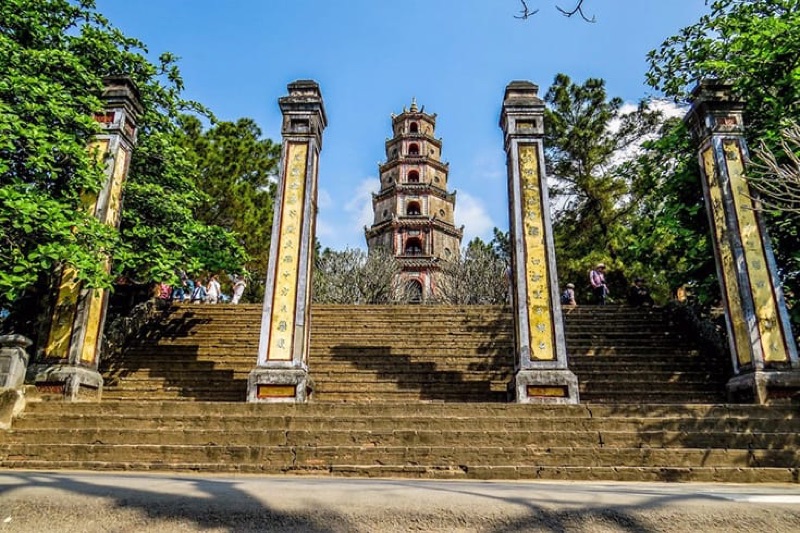
Hue is Vietnam’s most historically dense city. The Imperial Citadel (Dai Noi), a UNESCO World Heritage Site, is a vast walled complex containing the Forbidden Purple City — Vietnam’s answer to Beijing’s Forbidden City. Entry: ₫200,000 ($8). The complex takes 3–4 hours to explore properly. Beyond the citadel, Hue has seven royal tombs spread along the Perfume River — the most spectacular are Minh Mang (vast ceremonial complex), Tu Duc (garden-surrounded lake palace), and Khai Dinh (French-Vietnamese fusion, hilltop perch). A full tombs day costs ₫150,000–200,000 per tomb or ₫450,000 for a combination ticket. Thien Mu Pagoda is free and one of the most photographed structures in Vietnam — a seven-tiered tower on the Perfume River.
Hoi An’s Ancient Town is also UNESCO-listed and equally stunning in a very different way. The preserved 15th–19th century trading port — yellow-walled merchant houses, the iconic Japanese Covered Bridge, Chinese Assembly Halls with incense smoke drifting through carved wooden doors — is unlike anywhere else in Southeast Asia. The tourist pass (₫120,000/$4.80) covers entry to 5 heritage buildings. The town itself is free to walk; the lantern-lit evenings (especially the 14th lunar month Lantern Festival) are unforgettable.
Quantity and depth of sights: Hue wins decisively. Two full days of UNESCO-quality sites. But Hoi An’s concentrated beauty is more immediately photogenic — every alley is Instagram-worthy in a way Hue’s broader, more spread-out sites are not.
“Hue is not for the impatient young travelers. It is quite a ‘mature destination’ — you need to appreciate history to get the full value. But for those who do, it’s one of the best cities in Vietnam.”— r/VietNam, Hue vs Hoi An thread
💰 Cost Comparison
Hue is one of Vietnam’s cheaper cities and consistently undercuts Hoi An by 20–30% overall. The gap is widest in accommodation and food — Hoi An’s Old Town tourist premium is real.
Accommodation:
- Budget guesthouse (private room): Hue ₫200,000–400,000/night ($8–16) vs Hoi An ₫300,000–600,000 ($12–24)
- Mid-range hotel: Hue ₫400,000–1M ($16–40) vs Hoi An ₫600,000–1.5M ($24–60)
- Boutique/heritage hotel: Hue ₫1M–3M ($40–120) vs Hoi An riverside villa ₫1.5M–5M ($60–200)
Food:
- Street food meal (bun bo / pho / banh mi): Hue ₫20,000–50,000 ($0.80–2) — slightly cheaper
- Local restaurant: Hue ₫50,000–150,000 ($2–6) vs Hoi An Old Town ₫100,000–300,000 ($4–12)
- Sight entry: Hue ₫200,000 citadel + ₫150,000–200,000/tomb vs Hoi An ₫120,000 combo pass
Transport: Hue to Hoi An by open bus: ₫120,000–200,000 ($5–8). Private transfer: ₫700,000–1,200,000 ($28–48). Motorbike rental in Hue: ₫100,000–150,000/day ($4–6).
Daily budget estimate (including sights, food, accommodation): Hue ₫400,000–900,000 ($16–36) vs Hoi An ₫600,000–1,300,000 ($24–52). Budget travelers save meaningfully in Hue.
“Hoi An has become a tourist trap with hundreds of shops trying to sell you tailored silk suits. Hue is much more authentic and cheaper.”— r/VietNam, Hue or Hoi An thread
✨ Atmosphere & Vibe
This is the clearest differentiator. Hue feels like a real Vietnamese city that happens to have extraordinary historical monuments. The streets are lived-in; the markets are for locals; the traffic and noise is authentic urban Vietnam. Hue has a slower, more contemplative pace — it rewards those who linger over a bowl of bun bo watching the Perfume River. The mood is melancholic and ancient in the best way.
Hoi An is, at its core, a beautifully preserved tourist town — and that’s not a criticism. The Ancient Town’s yellow walls draped in bougainvillea, paper lanterns in every colour strung above narrow streets, candlelit restaurants beside the river: this is one of Southeast Asia’s most visually arresting evening scenes. It’s worth every Instagram cliché about it. But you will be sharing it with enormous crowds of tourists, and every second shop wants to sell you something.
The Reddit consensus splits predictably: older or historically-minded travelers tend to prefer Hue’s authenticity; younger or first-time visitors are often more captivated by Hoi An’s visual spectacle. Neither is wrong. They’re genuinely different experiences.
“Hoi An is suuuuper touristy but also quite quaint and beautiful. Hue is more of a ‘real’ Vietnamese city with amazing history — both are worth visiting but for completely different reasons.”— r/VietNam, r/VietNam
“I didn’t like Hue and only stayed one night (the palaces day tour was great) but I loved Hoi An and went back again for a total of 8 days.”— r/VietNam, Hue vs Hoi An thread
🌤️ Best Time to Visit
Best months for both: February–May. This is dry season in Central Vietnam — clear skies, low humidity, temperatures 24–32°C (75–90°F), and calm seas. March and April hit the sweet spot before summer heat peaks.
June–August is hot (30–36°C/86–97°F) and crowded in both cities. Hotels fill quickly. It’s bearable but sweaty; early mornings are the best time to visit the citadel and Ancient Town.
Avoid October–November especially in Hoi An. Typhoon season brings catastrophic flooding to Central Vietnam. Hoi An’s Ancient Town, which sits on a flood plain by the Thu Bon River, regularly floods to knee-height or higher in October–November. Hue also floods but less dramatically. If you’re visiting in this window, plan flexibility into your itinerary. Some travelers find the flooded Hoi An streets hauntingly beautiful — others find their trip ruined.
December–January is the cool dry season — good weather, lower temperatures (18–24°C / 64–75°F), and manageable crowds. Some overcast days. The Hoi An Lantern Festival falls on the 14th day of each lunar month year-round.
🏨 Where to Stay
Hue neighborhoods:
- Near the Citadel (north bank of Perfume River): Best location for sightseeing — walk to the Imperial Citadel, close to Dong Ba Market. Mix of budget guesthouses and mid-range hotels.
- South bank / Pham Ngu Lao area: The backpacker strip with hostels, budget hotels, cafes and bar-restaurants. Lively at night, noisy in the morning. Budget: ₫150,000–350,000/night ($6–14).
- Riverside boutiques: A cluster of lovely boutique and heritage hotels along the Perfume River. Prices ₫700,000–2M+ ($28–80+) — great value for the quality.
Hoi An neighborhoods:
- Ancient Town edge (Tran Phu / Nguyen Hue streets): Walking distance to everything. Premium pricing and noise at night. Best for atmosphere.
- An Bang Beach area (5km from Ancient Town): Quieter, beach access, great cafes. Best for those who want both beach and Ancient Town. Budget: ₫300,000–700,000 ($12–28).
- Cam Nam Island: Quiet residential island just south of the Ancient Town — a favorite among longer-stay travelers. Authentic, cheaper, short walk to everything.
Accommodation verdict
- Best budget base: Hue (more choices at lower prices)
- Best boutique hotel value: Hue (heritage hotels punch above their weight)
- Most romantic stay: Hoi An riverside villas or An Bang beach retreats
- Best for beach access: Hoi An (An Bang) — Hue’s beach is 30km out
🚌 Getting There & Around
Getting to Hue: Hue Phu Bai Airport (HUI) has domestic connections to Hanoi and Ho Chi Minh City. Most international travelers fly into Da Nang (DAD, 90km away) or Hanoi and connect. Train: the Reunification Express stops in Hue — a scenic overnight train from Hanoi (~14h, ₫300,000–800,000/$12–32 for soft sleeper) is a classic. The Hue station is central and walkable to most accommodation.
Getting to Hoi An: No airport or train station. You fly into Da Nang (30km, ₫200,000–300,000/$8–12 by Grab) or bus from Hue. The open-bus ticket from Hue to Hoi An costs ₫120,000–200,000 ($5–8) and takes 4–5 hours. The Hai Van Pass motorbike route (Hue → Da Nang → Hoi An via the coastal pass) is one of Vietnam’s legendary drives and is available as a guided Easy Rider tour.
Getting around:
- Hue: Grab works throughout the city. Motorbike rental is the best way to reach tombs and pagodas (₫100,000–150,000/day/$4–6). Bicycle rental (₫50,000–80,000/day) works for central sights.
- Hoi An: The Ancient Town is walkable. Bicycle rental (₫50,000–80,000/day/$2–3) is ideal for reaching An Bang Beach and the countryside. Grab coverage is thinner — taxis fill the gap.
🛍️ Shopping
Hoi An wins the shopping comparison by a wide margin. The city is Vietnam’s custom tailoring capital — hundreds of tailors can produce made-to-measure clothes in 24–48 hours at prices a fraction of Western equivalents. Silk dresses, suits, and shirts are the most popular orders. Quality varies wildly; ask at your hotel for recommendations and budget ₫600,000–2M+ ($24–80+) for a good quality garment. The Ancient Town is also full of handmade ceramics, silk lanterns, lacquerware, and hand-embroidered goods — prices are tourist-inflated but goods are genuinely high quality.
Hue’s Dong Ba Market is one of Central Vietnam’s best local markets — chaotic, authentic, and cheap. Great for conical hats (nón lá — ₫30,000–100,000), incense products (Hue is Vietnam’s incense production capital), local snacks, and fabric. The nearby Tay Loc Market is even more local and has almost no tourists. Shopping in Hue is more about authentic local markets than souvenir-focused retail.
“I didn’t care much for Hoi An itself (touristy as mentioned before) but I would go back just for the Cao Lau — and I did get a great custom jacket made while I was there.”— r/VietNam, r/VietNam
🧳 Day Trips
From Hue:
- Bach Ma National Park (45km south): Lush mountain park with waterfalls, trekking, and French colonial ruins at the summit. Half-day or full-day. Entry + guides: ₫300,000–500,000 ($12–20).
- DMZ sites (80km north): The demilitarized zone between North and South Vietnam — Khe Sanh, Vinh Moc Tunnels, Ben Hai River. A powerful full-day history tour. ₫600,000–900,000 ($24–36) for guided tour.
- Phong Nha Caves (200km north, ~4h): The world’s largest cave system. An ambitious day trip, more practical as an overnight. Phong Nha is increasingly worth its own dedicated visit.
From Hoi An:
- My Son Sanctuary (40km west): Vietnam’s Angkor-equivalent — Cham Hindu temple ruins dating to the 4th–14th centuries, UNESCO-listed. Half-day tour: ₫300,000–500,000 ($12–20). Far easier from Hoi An than from Hue or Da Nang.
- Da Nang (30km north): Marble Mountains, Ba Na Hills (Golden Bridge), Dragon Bridge fire show. An easy half-day or full-day excursion.
- Countryside cycling: The paddy fields, vegetable gardens, and river villages around Hoi An are beautiful by bicycle. Self-guided or guided tours from ₫200,000–400,000 ($8–16).
🎯 The Decision Framework
✅ Choose Hue if you…
- Love history and want UNESCO-level imperial monuments
- Are a foodie who wants the broadest, most authentic Vietnamese cuisine
- Are traveling on a tighter budget
- Want to feel like you’re in a real Vietnamese city, not a tourist bubble
- Are interested in the Vietnam War’s history (DMZ day trips)
- Are doing the Hanoi–Hue–Hoi An–Ho Chi Minh City classic itinerary and want to slow down in the middle
✅ Choose Hoi An if you…
- Are traveling with a partner and want the most romantic atmosphere
- Want beach access (An Bang is 5km away)
- Are here for custom tailoring — budget 48+ hours
- Want the Instagram Ancient Town experience and night lanterns
- Are visiting My Son Sanctuary (far easier from Hoi An)
- Have limited time and want concentrated visual beauty in a small area
The tabiji recommendation
- 4–5 days in Central Vietnam: 2 nights Hue + 3 nights Hoi An (or reverse) via Hai Van Pass
- 2–3 days: Choose based on your priority — history (Hue) or atmosphere (Hoi An) — and do a day trip to the other
- Couples / romantic trip: Prioritize Hoi An but don’t miss Hue’s Perfume River and pagoda sunsets
- Budget travelers: Base in Hue, day-trip to Hoi An — saves ₫200k–400k/day on accommodation alone
❓ Frequently Asked Questions
Is Hue or Hoi An better for first-time Vietnam visitors?
For first-timers, the Reddit consensus is to do both if you have the time. If you must choose: Hue wins for historical depth and authentic Vietnamese culture (few cities offer UNESCO imperial complexes + royal tombs + pagodas in one day). Hoi An wins for visual impact and atmosphere — the Ancient Town at dusk with paper lanterns is one of Southeast Asia’s most memorable evening experiences. They’re 130km and ~2 hours apart via Hai Van Pass, making a split trip very feasible.
How far is Hue from Hoi An?
Hue and Hoi An are approximately 130km apart. By car or bus it takes around 3.5–4.5 hours on Highway 1. The scenic route is the Hai Van Pass motorbike ride (Hue to Da Nang, then Da Nang to Hoi An), which takes a full day but is one of Vietnam’s great road experiences. Open bus tickets between the two cities cost around ₫120,000–200,000 ($5–8). A private transfer runs ₫700,000–1,200,000 ($28–48).
Which city has better food — Hue or Hoi An?
Both cities have world-class food, but different specialties. Hue is Vietnam’s royal cuisine capital: Bún bò Huế (spicy beef noodle soup), bánh khoái (crispy rice pancake), and cơm hến (rice with tiny baby clams) are impossible to replicate elsewhere. Hoi An owns Cao Lầu (smoky thick noodles made from ash-leached water unique to the town), White Rose dumplings, and Banh Mi Phuương. Reddit consistently rates Hue’s food scene as richer and more diverse, but Hoi An’s three signature dishes have more global recognition.
How many days should I spend in Hue vs Hoi An?
Most Reddit travelers recommend 2 days in Hue (Day 1: Imperial Citadel + Thien Mu Pagoda; Day 2: Royal Tombs + Dong Ba Market) and 2–3 days in Hoi An (Day 1: Ancient Town + evening lanterns; Day 2: An Bang Beach + countryside cycling; optional Day 3: My Son Sanctuary). Hue reveals more over time but gets quieter after the main sights; Hoi An can feel repetitive if you stay too long.
Is Hoi An too touristy compared to Hue?
Yes — this is the most consistent Reddit complaint about Hoi An. The Ancient Town is crowded year-round, vendor pressure is high, and most restaurants inside the Old Town charge tourist premiums. Hue is noticeably less commercialized and feels more like a real Vietnamese city. That said, Hoi An’s beauty and unique atmosphere are genuinely worth experiencing. The key: stay one or two nights (not a week), eat outside the Old Town, and visit the Ancient Town at 7am before the crowds arrive.
What is Hue famous for?
Hue was Vietnam’s imperial capital from 1802–1945 under the Nguyen dynasty. It’s famous for the UNESCO-listed Imperial Citadel (the Forbidden Purple City), seven elaborate royal tombs (Minh Mang, Tu Duc, and Khai Dinh are the most spectacular), Thien Mu Pagoda on the Perfume River, and royal cuisine (bun bo Hue, banh khoai, com hen). It remains Vietnam’s most historically dense city — more concentrated sights per square kilometer than Hanoi.
Can I visit both Hue and Hoi An on the same trip?
Absolutely — and most travelers do. The classic Central Vietnam itinerary runs Hue → Hai Van Pass → Da Nang → Hoi An. Open bus tickets are cheap and easy. With a week in Central Vietnam, a 2–3 day split between each is comfortable. With 5 days, 2 in Hue + 3 in Hoi An (or vice versa) is the standard recommendation. The Hai Van Pass road trip in between is one of Vietnam’s most memorable drives — don’t skip it.
Which city is cheaper — Hue or Hoi An?
Hue is consistently cheaper than Hoi An. Budget guesthouse in Hue: ₫200,000–400,000/night ($8–16). Hoi An equivalent: ₫300,000–600,000 ($12–24). Street food in Hue costs ₫20,000–40,000 ($0.80–1.60) for a full bowl of bun bo. Hoi An’s Old Town restaurants charge 1.5–2x more. Hue is the budget winner — more history for less money.
Ready to plan your Central Vietnam trip?
Get a free custom itinerary for Hue, Hoi An, or both — built from real traveler insights, not generic templates.
Top Tours & Experiences
Experiences via Viator — free cancellation on most tours
🎟️ Book Tours & Experiences
Hand-picked tours and activities for both destinations — book with free cancellation
Experiences via Viator — free cancellation on most tours