How we built this comparison
This page combines traveler discussion patterns, published price ranges, flight schedules, and seasonal data to help you decide between Hungary and Ireland.
- Reviewed 50+ Reddit threads from r/travel, r/solotravel, r/budapest, r/ireland, r/VisitingIreland.
- Verified costs and logistics against current booking platforms (Booking.com, Skyscanner, Google Flights, local public transport sites).
- Cross-referenced seasonal patterns and weather data for optimal travel times.
⚡ Quick Answers
⚡ The TL;DR Verdict
For most travelers prioritizing budget and a lively urban experience with historical depth, Hungary is the clearer choice. Its affordability allows for longer stays and more experiences, particularly in Budapest. Ireland, while offering unparalleled natural beauty and a welcoming pub culture, comes with a significantly higher price tag, making it better suited for those with a more generous budget focused on road trips and traditional village experiences.
- Choose Hungary: You are a budget-conscious traveler, enjoy thermal baths, lively nightlife, and substantial historical architecture without the Western European price tag. Ideal for a city-centric trip focusing on Budapest.
- Choose Ireland: You prioritize scenic drives, historic castles, traditional pub culture, and are prepared for a higher travel budget. Better for those seeking a mix of rural exploration and city highlights.
- Choose Both: If you have 3+ weeks and want to experience both Central European history and Western European landscapes, combining them is possible, though it requires dedicated travel time and a significant budget for flights between them.
Choose Hungary
Choose Hungary if you're a budget-savvy traveler eager for a vibrant city break. Budapest offers incredible value, from exploring historic Buda Castle to unwinding in the thermal waters of Széchenyi or experiencing the unique ruin bars. It's best for those who love lively nightlife, rich history, and delicious food without breaking the bank.
Choose Ireland
Opt for Ireland if breathtaking natural landscapes and a welcoming pub culture are your top priorities. Best for travelers with a more generous budget, you can embark on an unforgettable road trip along the Wild Atlantic Way, visit the majestic Cliffs of Moher, and enjoy lively traditional music sessions in cozy pubs. It promises an authentic mix of rugged beauty and historic charm.
📊 Visual Scorecard
🌤 When to Visit
Average high temperatures (°C). Green = best months, orange = avoid.
Quick Comparison
| Category | Hungary | Ireland | Winner |
|---|---|---|---|
| Cost of Travel | Significantly cheaper across all categories: accommodation, food, transport, and activities. | Higher costs comparable to Western Europe, especially in cities like Dublin and for car rentals. | Hungary |
| Food & Drink | Hearty, affordable Eastern European cuisine; famous for goulash, langos, and a robust coffee and cake culture. | Focus on traditional pub fare, fresh seafood, and Irish breakfast; globally recognized for Guinness and whiskey. | Hungary |
| Nightlife | Famous for its ruin bars, lively clubs, and thermal bath parties; generally very affordable drinks. | Centered around traditional pubs, live music sessions, and friendly local atmospheres; drinks are more expensive. | Hungary |
| Culture & History | Deep Central European history, Ottoman and Austro-Hungarian influences, thermal bath culture, and significant memorials. | Celtic heritage, ancient castles, Viking and Norman influences, rich literary tradition, and vibrant pub culture. | Tie |
| Nature & Scenery | Flat landscapes, the Danube River, Lake Balaton, and the Great Hungarian Plain. | Rugged coastlines, green rolling hills, dramatic cliffs, and national parks; famous for its 'forty shades of green'. | Ireland |
| Getting There | Typically requires layovers from North America; well-connected within Europe by budget airlines. | Direct flights from many North American cities; major hub for transatlantic travel. | Ireland |
| Getting Around | Excellent public transport in cities, extensive train and bus network for intercity travel. | Efficient intercity buses, but car rental is popular for rural exploration, driving on the left. | Hungary |
| Accommodation | Wide range of budget-friendly hostels, stylish apartments, and historic hotels. | Higher prices for hostels and hotels, strong B&B culture in rural areas. | Hungary |
| Safety | Generally safe, but be aware of pickpockets in tourist areas and common scams. | Very safe overall, low crime rates, friendly locals; typical big-city precautions apply. | Ireland |
| Solo Travel | Excellent for solo travelers with abundant hostels, social nightlife, and easy public transport. | Welcoming pub culture, safe environment, but can be pricier for single occupancy and less hostel-heavy outside Dublin. | Hungary |
💰 Cost of Travel
Hungary is a traveler's paradise for budget management, offering exceptional value for money. A mid-range daily budget for accommodation, food, and activities in Budapest can…
Hungary
Ireland
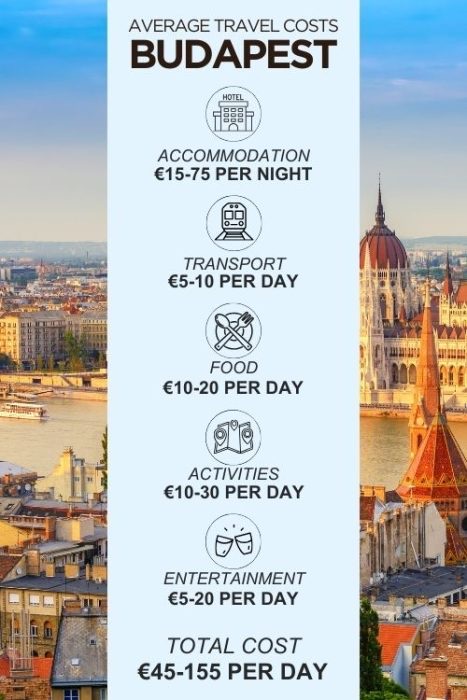
Hungary is a traveler's paradise for budget management, offering exceptional value for money. A mid-range daily budget for accommodation, food, and activities in Budapest can hover around 60-100 EUR (~65-110 USD), with hostel beds from 15-25 EUR (~16-27 USD) and decent hotel rooms from 50-80 EUR (~55-88 USD). A hearty meal with a drink can cost 3000-6000 HUF (~8-16 USD) at a good local restaurant, while a beer in a ruin bar might be 1000-1500 HUF (~2.75-4 USD). Public transport in Budapest is efficient and inexpensive, with a single ticket around 350 HUF (~1 USD) and a 72-hour pass around 4500 HUF (~12 USD). Thermal bath entry, like Szechenyi, is roughly 8000-10000 HUF (~22-28 USD). This affordability allows for more experiences and longer stays.
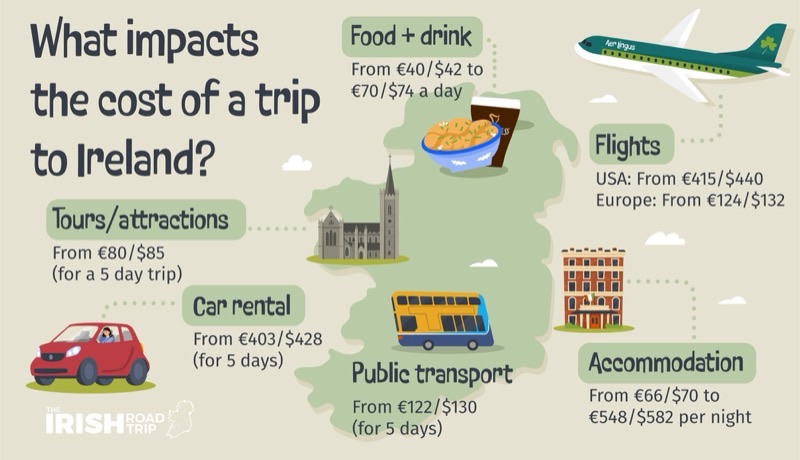
Ireland presents a more substantial financial commitment. A mid-range daily budget in Ireland, covering similar categories, often falls between 100-180 EUR (~110-200 USD). Hostel beds in Dublin start from 30-50 EUR (~33-55 USD), and hotel rooms are easily 120-200 EUR (~132-220 USD) or more. A pub meal with a pint can cost 18-30 EUR (~20-33 USD), and a standard pint of Guinness in Dublin averages 6-7 EUR (~6.50-7.70 USD). Intercity bus or train tickets are pricier, for example, a return from Dublin to Galway can be 20-35 EUR (~22-38 USD). Car rental, a popular option for exploring the countryside, adds significantly, often 40-70 EUR (~44-77 USD) per day plus fuel and insurance. Activities like entry to the Guinness Storehouse are around 26-30 EUR (~28-33 USD). Hungary is the clear winner for budget-conscious travelers.
- Winner: Hungary
- Why: Hungary consistently offers better value across all travel expenses, making it more accessible for diverse budgets.
- Who this matters for: Budget travelers, long-term explorers, and groups looking to maximize experiences without overspending.
🍽️ Food & Drink
Hungary's food scene, particularly in Budapest, is a delight for those who appreciate substantial, flavorful dishes without breaking the bank. Expect rich stews like Goulash…
Hungary
Ireland
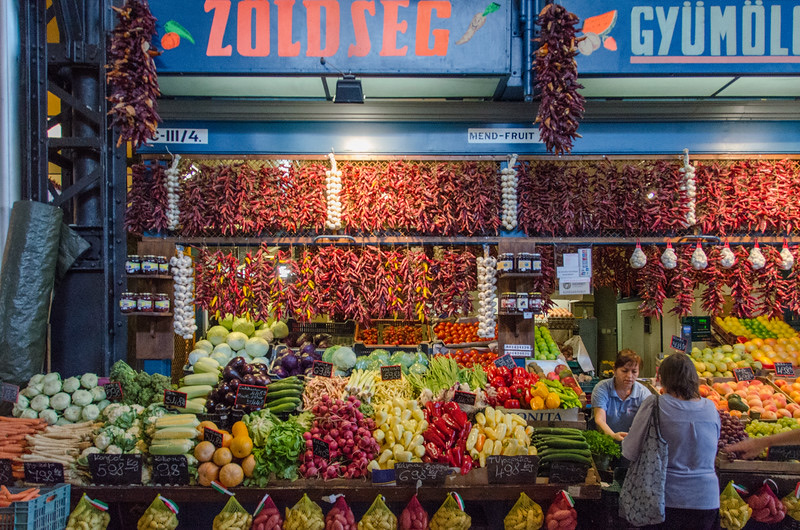
Hungary's food scene, particularly in Budapest, is a delight for those who appreciate substantial, flavorful dishes without breaking the bank. Expect rich stews like Goulash (Gulyas), savory fried bread (Langos) with various toppings, and paprika-infused chicken paprikash (Csirke paprikas). Street food is excellent, with Langos costing around 1500-2500 HUF (~4-7 USD) and a full meal at a local eatery like Frici Papa Kifozdeje for 3000-5000 HUF (~8-14 USD). Budapest also boasts a strong coffee house tradition, with places like New York Cafe (though pricey) or more local spots offering exquisite cakes and pastries. Wine regions like Tokaj offer excellent and affordable local wines, and local pálinka (fruit brandy) is popular. The cost-to-quality ratio here is difficult to beat.
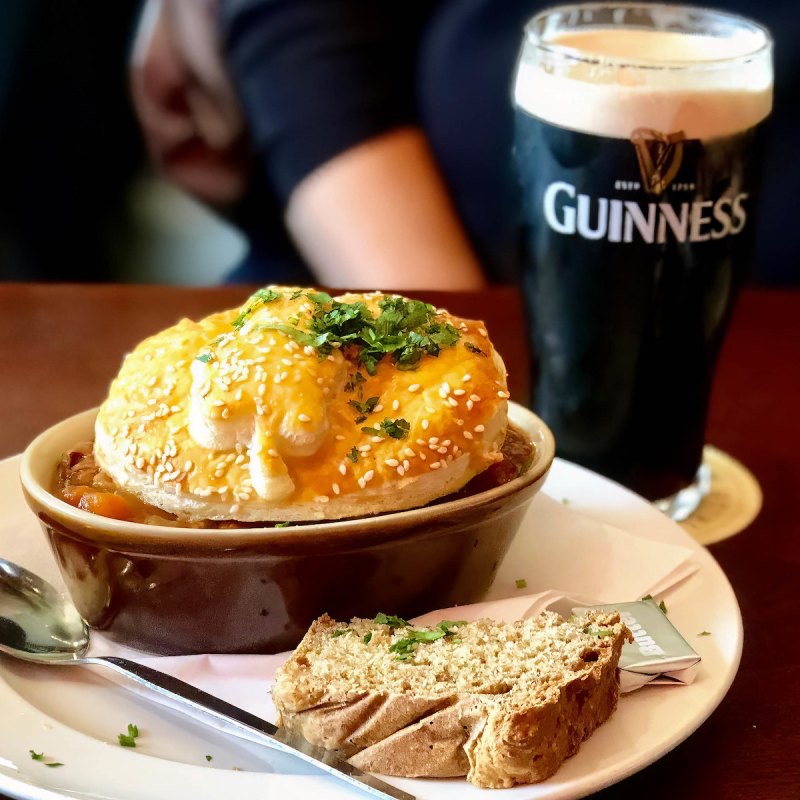
Ireland offers a comforting, traditional food experience. Staples include hearty Irish stew, fish and chips, and a full Irish breakfast. Seafood is prominent, especially along the coast. Pubs are central to the food and drink culture, offering both traditional fare and modern gastropub options. A typical pub lunch can be 12-20 EUR (~13-22 USD), and a dinner might be 18-30 EUR (~20-33 USD). Guinness is, of course, omnipresent and a cultural cornerstone, costing 6-7 EUR (~6.50-7.70 USD) per pint in Dublin. Irish whiskey distilleries like Jameson Bow St. offer tours and tastings. While the food is good, it lacks the same level of affordability and diverse street food options as Hungary. For sheer value and diverse culinary exploration on a budget, Hungary comes out on top.
- Winner: Hungary
- Why: Hungary offers a wider range of affordable, delicious, and distinct culinary experiences.
- Who this matters for: Foodies on a budget, those seeking unique Central European flavors, and anyone who appreciates a good coffee and cake culture.
🌃 Nightlife
Budapest's nightlife is globally recognized, largely due to its unique ruin bars. These establishments, built in abandoned buildings and courtyards, offer a distinctive atmosphere…
Hungary
Ireland
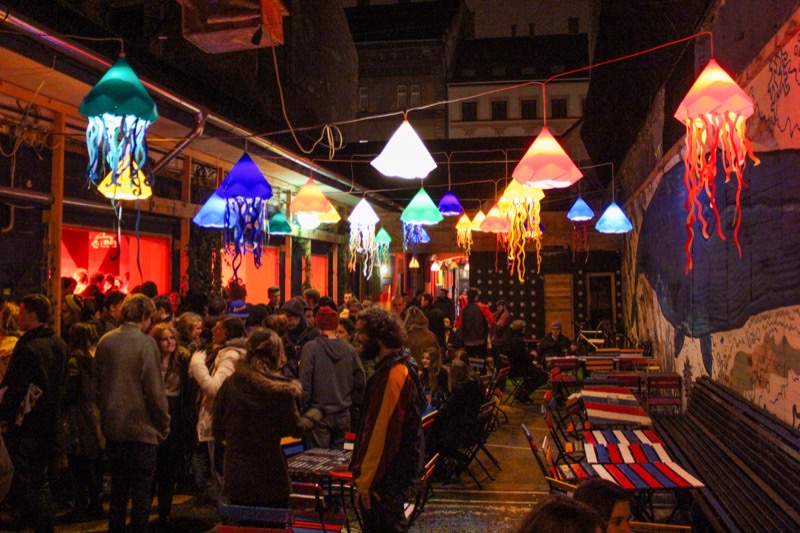
Budapest's nightlife is globally recognized, largely due to its unique ruin bars. These establishments, built in abandoned buildings and courtyards, offer a distinctive atmosphere with eclectic decor, cheap drinks, and a mix of locals and travelers. Szimpla Kert is the most famous, but dozens of others like Instant-Fogas Complex and Anker't provide endless options. A local beer might be 800-1500 HUF (~2.20-4 USD), and cocktails are similarly affordable. Beyond ruin bars, there are traditional clubs, boat parties on the Danube, and even 'Sparties' – nighttime parties at thermal baths like Szechenyi. The variety and affordability make Budapest a prime destination for nightlife enthusiasts, catering to every mood from relaxed drinks to all-night dancing.
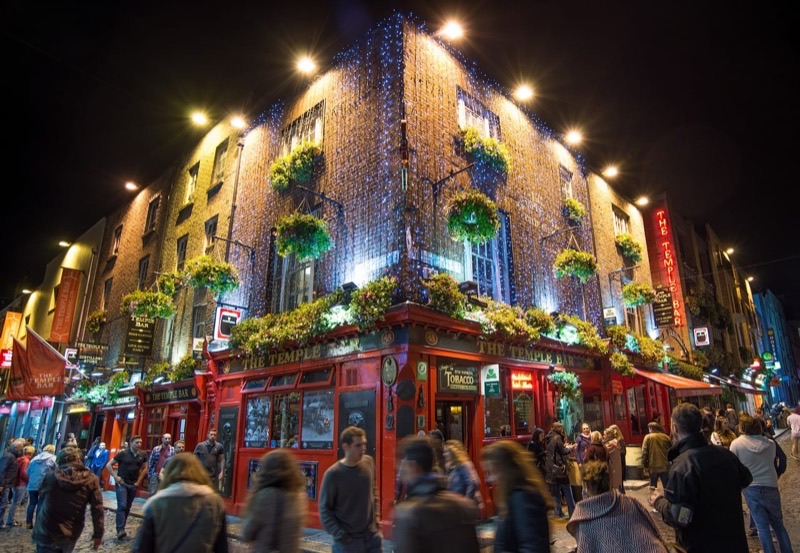
Ireland's nightlife revolves primarily around its pub culture, which is an experience unto itself. Traditional pubs, especially outside Dublin, offer a cozy atmosphere, live traditional Irish music (trad sessions), and friendly conversation. In cities like Dublin and Galway, there are also modern bars and nightclubs, but they tend to be more expensive. A pint of Guinness or local beer averages 6-7 EUR (~6.50-7.70 USD), and cocktails can be 12-15 EUR (~13-16.50 USD). While the pub scene is undeniably charming and a central part of the Irish social fabric, it does not offer the same diverse, high-energy, and budget-friendly options found in Budapest. For sheer variety, innovation, and value, Hungary wins this category.
- Winner: Hungary
- Why: Budapest's ruin bars and diverse, affordable nightlife options offer a more exciting and accessible experience.
- Who this matters for: Younger travelers, party-goers, and those seeking unique and budget-friendly evening entertainment.
🏛️ Culture & History
Hungary, particularly Budapest, is a treasure trove of Central European history. Its past is marked by Roman, Ottoman, and Austro-Hungarian empires, visible in its architecture,…
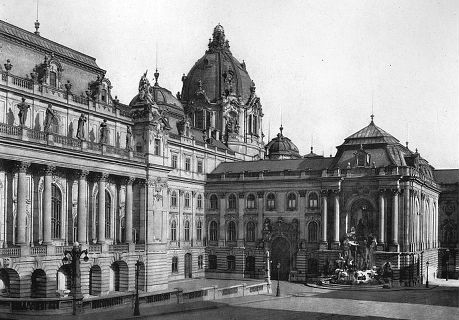
Hungary
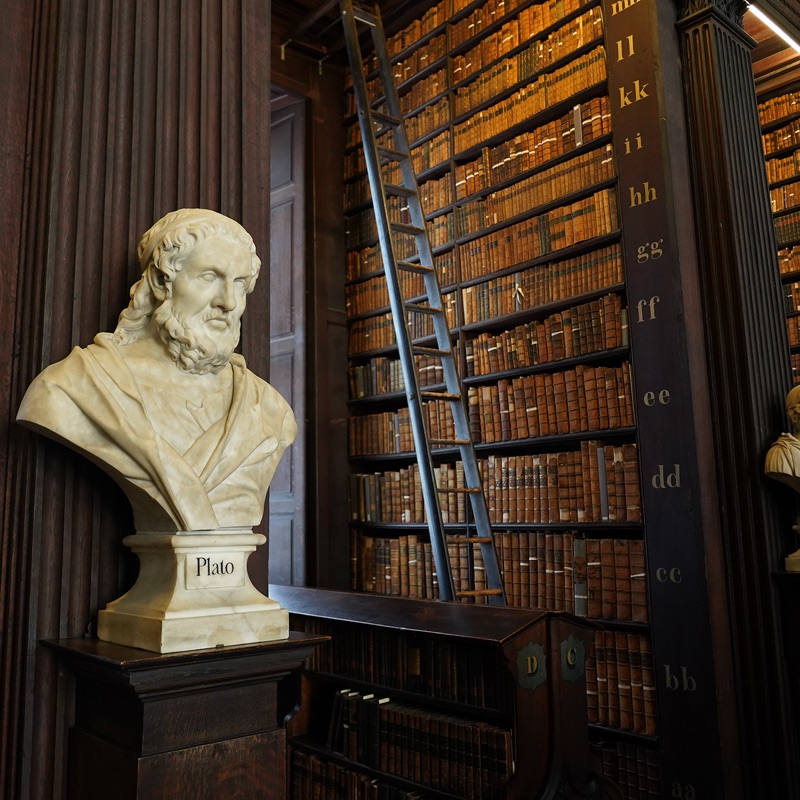
Ireland
Hungary, particularly Budapest, is a treasure trove of Central European history. Its past is marked by Roman, Ottoman, and Austro-Hungarian empires, visible in its architecture, from the Buda Castle complex and Fisherman's Bastion to the Parliament Building. Thermal bath culture, like the Szechenyi and Gellert baths, is a unique historical and social ritual. Museums such as the Hungarian National Museum and the House of Terror offer deep dives into the nation's complex past. The city is walkable and many historical sites are close, allowing for easy exploration. The Chain Bridge, St. Stephen's Basilica, and Dohany Street Synagogue (Europe's largest) are just a few examples of its impressive historical and cultural landscape.
Ireland's cultural and historical fabric is equally compelling, rooted in its Celtic heritage, ancient myths, and a long struggle for independence. From prehistoric sites like Newgrange to medieval castles such as Blarney Castle and Dublin Castle, its past is palpable. Dublin's literary history is rich, with connections to writers like James Joyce and W.B. Yeats, celebrated at places like the Dublin Writers Museum or Trinity College's Long Room. The pub is a central cultural institution, serving as a community hub for music, storytelling, and social interaction. Exploring the Viking and Norman legacies, particularly in Dublin, adds another layer. Both destinations offer a compelling narrative of their past, making it difficult to pick a single winner here. The choice truly depends on personal interest in the specific historical flavors.
- Winner: Tie
- Why: Both countries offer deep, distinct, and extensive cultural and historical experiences that appeal to different interests.
- Who this matters for: History buffs and culture enthusiasts will find compelling narratives and sites in both destinations.
🏞️ Nature & Scenery
Hungary's natural landscape is generally flatter, dominated by the Great Hungarian Plain. While not as dramatically varied as Ireland, it offers its own charm. The Danube River is…
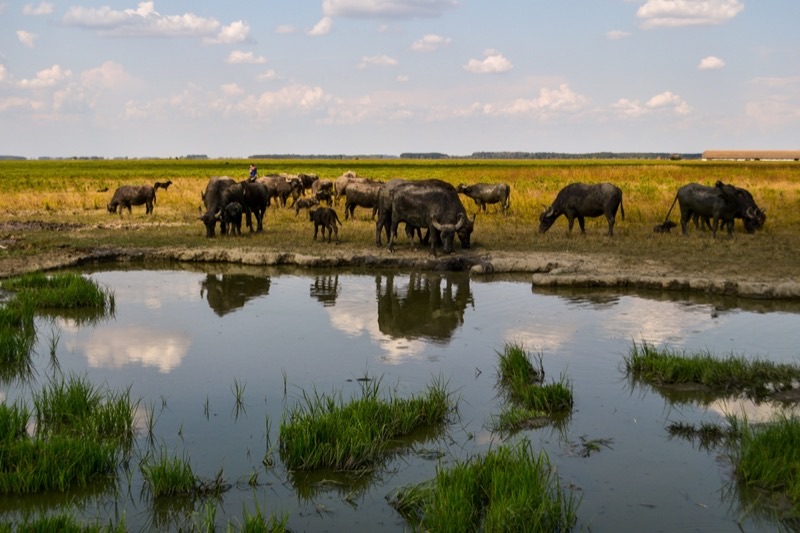
Hungary
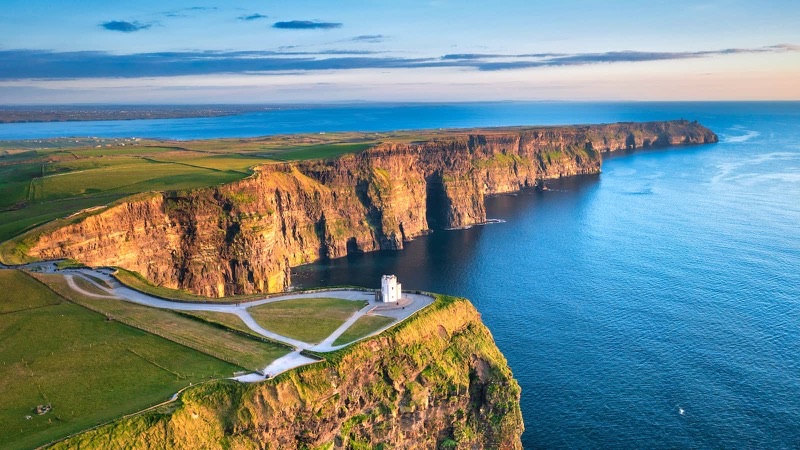
Ireland
Hungary's natural landscape is generally flatter, dominated by the Great Hungarian Plain. While not as dramatically varied as Ireland, it offers its own charm. The Danube River is a central feature, dividing Budapest and offering scenic river cruises. Lake Balaton, Central Europe's largest lake, is a popular summer destination for swimming, sailing, and wine tasting, with charming towns like Tihany and Balatonfured. The Aggtelek Karst and Caves, a UNESCO World Heritage site, provides an underground natural wonder. Hortobagy National Park showcases the Puszta, a unique grassland ecosystem. While pleasant, these natural attractions typically require venturing outside Budapest and are not as immediately striking as Ireland's offerings.
Ireland is renowned for its verdant landscapes and dramatic natural beauty. The Cliffs of Moher, rising majestically from the Atlantic Ocean, are an icon, attracting hundreds of thousands of visitors annually (entry around 10-12 EUR/~11-13 USD). The Ring of Kerry and the Wild Atlantic Way offer breathtaking coastal drives with panoramic views. Killarney National Park provides ancient woodlands, lakes, and mountains ideal for hiking. The Giant's Causeway in Northern Ireland (accessible as a day trip) is another geological marvel. The constant green, the rugged coastlines, and the mystical feel of the countryside are truly a core part of the Irish experience. For raw, jaw-dropping natural scenery, Ireland is the undisputed champion.
- Winner: Ireland
- Why: Ireland's dramatic cliffs, rolling green hills, and expansive coastlines offer a more visually impactful and varied natural experience.
- Who this matters for: Outdoor enthusiasts, road trip lovers, photographers, and those seeking dramatic landscapes.
✈️ Getting There
Getting to Hungary from North America usually involves a layover in a major European hub like London, Frankfurt, Amsterdam, or Paris. Total flight time from the East Coast of the…
Getting to Hungary from North America usually involves a layover in a major European hub like London, Frankfurt, Amsterdam, or Paris. Total flight time from the East Coast of the USA to Budapest (BUD) generally ranges from 9-12 hours, including layovers. From the West Coast, it can be 12-16 hours. Airlines like Lufthansa, KLM, and Air France serve Budapest. Within Europe, Budapest is extremely well-connected by budget carriers such as Ryanair and Wizz Air, making it easy and affordable to fly in from other European cities, often for less than 50 EUR (~55 USD) if booked in advance.
Ireland, specifically Dublin (DUB), is a major transatlantic gateway. Direct flights are available from many North American cities, including New York, Boston, Chicago, Toronto, and Los Angeles. A direct flight from the East Coast USA to Dublin can be as short as 6-7 hours. This convenience significantly reduces travel time and potential layover stress. Major carriers like Aer Lingus, Delta, and United offer these routes. While flights within Europe are also available, the primary advantage for North American travelers is the ease and speed of direct transatlantic connections. For most North American travelers, Ireland offers a more straightforward journey.
- Winner: Ireland
- Why: Ireland offers more direct and shorter flight options from North America, simplifying the travel process.
- Who this matters for: Travelers from North America, those prioritizing convenience and minimal travel time.
🚗 Getting Around
Hungary boasts an efficient and affordable public transportation system, particularly in Budapest. The city's metro, tram, and bus networks cover virtually every corner, making it…
Hungary boasts an efficient and affordable public transportation system, particularly in Budapest. The city's metro, tram, and bus networks cover virtually every corner, making it easy to navigate without a car. A 24-hour travel card costs around 1650 HUF (~4.50 USD), and a 72-hour pass 4500 HUF (~12 USD). Intercity travel is also well-covered by train (MÁV-Start) and long-distance buses (Volánbusz), connecting major cities and towns at reasonable prices. For example, a train from Budapest to Lake Balaton (Siofok) might cost 3000-4500 HUF (~8-12 USD). Roads are generally good, but car rental is not typically necessary for most tourist itineraries focused on cities and popular day trips.
Ireland's public transport is good within major cities like Dublin, with buses and the Luas tram. Intercity travel relies on Bus Eireann and Irish Rail, connecting most towns. However, for truly experiencing the countryside, the Wild Atlantic Way, or the Ring of Kerry, a rental car is almost essential. This comes with the added challenge of driving on the left side of the road, often on narrow, winding rural routes. Car rental can be 40-70 EUR (~44-77 USD) per day, plus fuel and insurance, significantly adding to the budget. While a car offers freedom, it introduces costs and complexities. For ease of movement and affordability without the need for a car, Hungary is more user-friendly.
- Winner: Hungary
- Why: Hungary's extensive and affordable public transportation network makes getting around simple and inexpensive.
- Who this matters for: Budget travelers, those who prefer not to drive abroad, and city explorers.
🏨 Accommodation
Hungary offers a fantastic array of accommodation options that generally provide excellent value. In Budapest, you can find well-rated hostels for 15-25 EUR (~16-27 USD) per…
Hungary offers a fantastic array of accommodation options that generally provide excellent value. In Budapest, you can find well-rated hostels for 15-25 EUR (~16-27 USD) per night, like Maverick City Lodge or The Hive Party Hostel. Mid-range hotels, such as Hotel Rum or Hotel Clark, can be found for 50-100 EUR (~55-110 USD) per night, often with central locations and good amenities. Airbnb and other rental platforms also offer numerous affordable and stylish apartments. Outside the capital, prices drop even further, allowing for stays in charming guesthouses or lakeside resorts at Lake Balaton for very reasonable rates. The combination of quality, location, and price is highly favorable.
Accommodation in Ireland, particularly in popular cities like Dublin, is notably more expensive. Hostel beds can range from 30-50 EUR (~33-55 USD) per night, with places like Generator Dublin being a common choice. Mid-range hotels in Dublin often start at 120-200 EUR (~132-220 USD) per night, for example, The Hendrick Smithfield or The Alex. Outside the main cities, Bed & Breakfasts (B&Bs) are a popular and charming option, typically costing 70-120 EUR (~77-132 USD) per night for a double room with breakfast included. While B&Bs offer a personal touch, the overall cost of accommodation in Ireland is consistently higher than in Hungary. For maximizing your budget and getting more for your money, Hungary is the superior choice.
- Winner: Hungary
- Why: Hungary provides significantly more affordable and diverse accommodation options, from hostels to hotels, offering greater value.
- Who this matters for: Budget travelers, anyone planning a longer trip, and those seeking good value for their money.
🚨 Safety
Hungary is a generally safe country for travelers, with Budapest being a relatively low-crime city. However, like any major European capital, visitors should exercise caution…
Hungary is a generally safe country for travelers, with Budapest being a relatively low-crime city. However, like any major European capital, visitors should exercise caution against pickpockets, especially in crowded tourist areas like Vaci Street, the metro, or during festivals. Taxi scams (overcharging) can occur, so using reputable apps like Bolt or Főtaxi is recommended. Nightlife areas, particularly around ruin bars, can see increased instances of petty theft or drink spiking, so staying aware of surroundings and not leaving drinks unattended is sensible. Solo female travelers generally report feeling safe, but standard precautions for walking alone at night apply. Overall, common sense will keep most travelers out of trouble.
Ireland is considered a very safe country with low rates of violent crime. Major cities like Dublin have some petty crime, such as pickpocketing, particularly in tourist hotspots like Temple Bar or Grafton Street, but it is not pervasive. The primary safety concern is often related to excessive alcohol consumption in nightlife areas, which can lead to minor incidents. Rural areas are exceptionally safe, and locals are generally friendly and helpful. Driving on rural roads requires care due to narrowness and livestock, but general personal safety is high. Solo travelers, including women, report feeling very secure throughout the country. For a slightly more relaxed sense of personal security, Ireland holds an edge.
- Winner: Ireland
- Why: Ireland has a slightly lower incidence of common tourist-related petty crime and a more relaxed overall atmosphere.
- Who this matters for: Solo travelers, families, and anyone prioritizing a very low-stress travel environment.
🚶♀️ Solo Travel
Hungary, especially Budapest, is a fantastic destination for solo travelers. The city has a thriving hostel scene with many social hostels like Wombat's City Hostel or The Hive,…
Hungary, especially Budapest, is a fantastic destination for solo travelers. The city has a thriving hostel scene with many social hostels like Wombat's City Hostel or The Hive, making it easy to meet other travelers. The ruin bar culture is perfect for striking up conversations, and there are numerous free walking tours that serve as excellent icebreakers. Public transport is efficient and safe, allowing solo explorers to navigate independently. The affordability means a solo traveler can enjoy more experiences, from thermal baths to museums, without stretching their budget. Dining alone is common and comfortable, with plenty of cafes and casual eateries. The overall environment encourages connection and independent exploration.
Ireland is also a good option for solo travelers, particularly due to its reputation for safety and the welcoming nature of its pub culture. It is easy to find conversation at a pub, especially if there is live music. However, it is a more expensive destination for solo travelers, as single room supplements can add up, and hostels are less common and more expensive outside Dublin. While the intercity bus and train network is functional, truly exploring the scenic countryside often requires a rental car, which can be less appealing or cost-effective for a solo traveler. Group tours for day trips are available and popular. While safe and friendly, the higher costs and reliance on personal transport for rural exploration make Hungary a slightly more accessible and budget-friendly choice for solo adventurers.
- Winner: Hungary
- Why: Hungary offers superior affordability, a more vibrant hostel scene, and easier social opportunities for solo travelers.
- Who this matters for: Solo budget travelers, backpackers, and those seeking to easily meet other travelers.
🎯 The Decision Framework
Choose Hungary If…
- You prioritize a significantly lower travel budget for accommodation, food, and activities.
- You are interested in a lively, unique nightlife scene centered around ruin bars.
- You want to experience thermal baths as a core part of your trip.
- You appreciate hearty, flavorful, and affordable Central European cuisine.
- You prefer to navigate cities and travel between them using efficient public transport.
- You enjoy grand, historic architecture from different imperial periods.
- You are a solo traveler looking for social hostels and easy connections.
- You plan a longer trip and want your money to go further.
Choose Ireland If…
- You want direct flights and quicker travel times from North America.
- You dream of seeing dramatic coastal cliffs and green rolling landscapes.
- You are eager to immerse yourself in traditional pub culture and live music sessions.
- You enjoy road trips and are comfortable driving on the left side of the road.
- You are deeply interested in Celtic history, ancient castles, and literary heritage.
- You prioritize a very safe and relaxed travel environment.
- You have a more generous budget to spend on daily expenses and activities.
- You prefer a blend of charming small towns and rural exploration over primarily urban settings.
📅 Sample Itineraries
Weekend in Hungary (3 Days)
💡 Purchase a 72-hour Budapest Card for $40-50 for unlimited public transport and discounts on attractions, saving you significant costs on movement and entry fees.
Weekend in Ireland (3 Days)
💡 Book popular attractions like the Guinness Storehouse and Book of Kells online in advance to secure your slot and sometimes get a slight discount, saving time and potentially a few dollars.
One Week in Hungary (7 Days)
💡 For intercity travel, use Hungary's efficient train system. Booking tickets in advance online often secures better prices than buying at the station, especially for longer journeys like to Eger.
One Week in Ireland (7 Days)
💡 If planning to travel extensively outside Dublin, renting a car offers the most flexibility, especially for scenic drives like the Ring of Kerry. Book car rentals well in advance for better rates, typically from $50 per day.
❓ Frequently Asked Questions
Which country is better for a week-long trip?
For a week, Hungary is often a better choice. You can comfortably explore Budapest and take a day trip to Szentendre or Lake Balaton, experiencing a lot without feeling rushed. Ireland would require a faster pace to see both Dublin and parts of the countryside, potentially feeling a bit constrained by travel time.
What is the average daily budget difference?
A comfortable mid-range budget in Hungary is typically 60-120 USD per day, including accommodation, food, and activities. In Ireland, the equivalent budget would be closer to 100-180 USD per day, especially if you plan on significant touring or city stays.
Is it easy to get around without a car in both countries?
In Hungary, yes, very easy. Budapest has an excellent public transport system, and intercity buses and trains are comprehensive. In Ireland, while cities have good transport, exploring the scenic rural areas and smaller villages often benefits greatly from a rental car, as public transport can be less frequent.
Which country has better nightlife for younger travelers?
Hungary, specifically Budapest, is generally considered better for younger travelers seeking vibrant nightlife. Its ruin bars offer a unique, social, and very affordable party scene compared to Ireland's pub-centric and generally more expensive options.
Which country offers more unique historical sites?
Both offer unique historical sites. Hungary's appeal lies in its Austro-Hungarian and Ottoman architecture and thermal bath culture. Ireland showcases ancient Celtic ruins, medieval castles, and a rich literary history. Your preference for historical periods will guide your choice.
How do flight times from the East Coast US compare?
Flights to Dublin are often direct and shorter, typically 6-7 hours. Flights to Budapest usually involve at least one layover in a European hub, resulting in total travel times of 9-12 hours from the East Coast US.
What is the best time of year to visit each country?
For Hungary, late spring (May-June) and early autumn (September-October) offer pleasant weather for city exploration. For Ireland, summer (June-August) provides the best chance for warmer weather and longer daylight hours, though rain is possible year-round.
Are they good for solo female travelers?
Both are generally safe for solo female travelers. Ireland has a slight edge for overall safety perception, particularly in rural areas. Hungary is excellent for social opportunities in hostels and nightlife, but standard big-city precautions against petty crime apply in Budapest.
Ready to plan your European trip?
Get a free custom itinerary for Hungary, Ireland, or both — built from real traveler insights.
👥 Travelers Also Compared
🎟️ Book Tours & Experiences
Hand-picked tours and activities for both destinations — book with free cancellation
Experiences via Viator — free cancellation on most tours