How we built this comparison
This page combines traveler discussion patterns, published price ranges, flight schedules, and seasonal data to help you decide between Hungary and Portugal.
- Reviewed 100+ Reddit threads from r/travel, r/solotravel, r/Europe, r/budapest, and r/PortugalTravel for firsthand experiences and recommendations.
- Verified costs and logistics against current booking platforms (Booking.com, Skyscanner, Rome2Rio) and currency exchange rates (USD to HUF/EUR).
- Cross-referenced seasonal patterns and weather data from meteorological sources for accurate climate information.
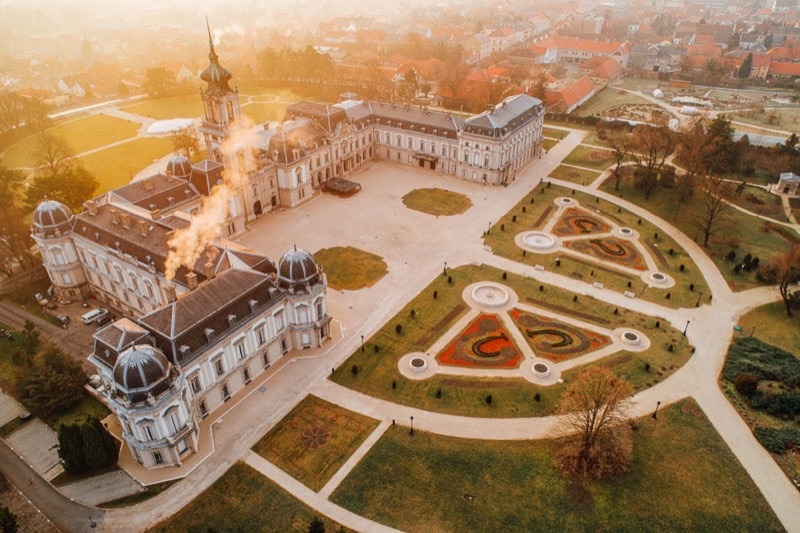
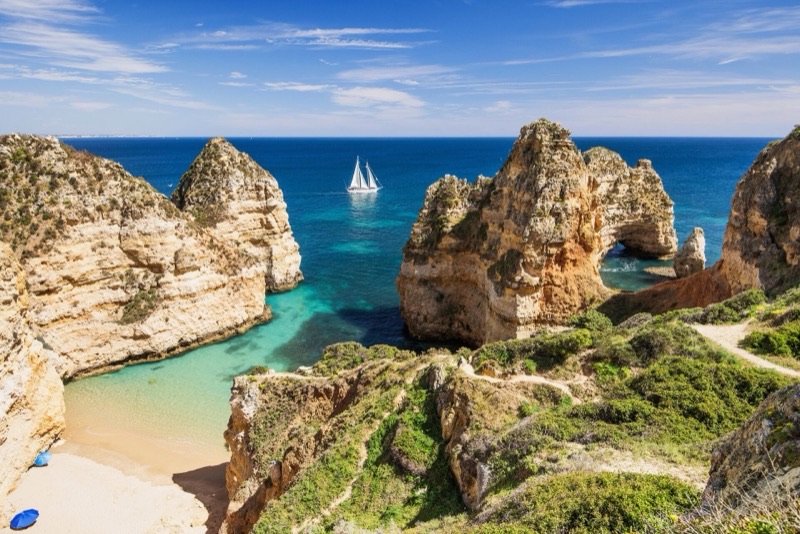
⚡ Quick Answers
⚡ The TL;DR Verdict
For most travelers prioritizing budget, hearty food, and grand continental history, Hungary is the clear pick with daily costs around $50-100. If ocean proximity, a Mediterranean climate, and fresh seafood are higher on your list, Portugal offers a compelling, slightly pricier alternative at $80-150 per day.
- Choose Hungary: Travelers focused on low-cost exploration of grand architecture, thermal baths, and hearty cuisine, especially those on a backpacker budget or seeking a city-break focused on Budapest.
- Choose Portugal: People wanting diverse landscapes from city hills to beaches, ocean activities, fresh seafood, and a more relaxed, sun-drenched pace. Good for those with a mid-range budget looking for good value Western Europe.
- Choose Both: If you have 3-4 weeks and want to experience both Central and Western European cultures, flying between Budapest and Lisbon/Porto is feasible, but be prepared for differing climates and budgets.
Choose Hungary
Choose Hungary if you're a budget-conscious traveler eager to immerse yourself in grand history and vibrant culture. Explore Budapest's stunning Parliament, unwind in the famous Széchenyi thermal baths, and savor hearty goulash in atmospheric ruin bars. It's best for those seeking a rich city break focused on historical architecture and unique nightlife without breaking the bank.
Choose Portugal
Opt for Portugal if you crave sun-drenched coastlines, fresh seafood, and a relaxed European pace. Wander Lisbon's historic Alfama district, enjoy Fado music, or explore the stunning beaches of the Algarve. It's ideal for travelers seeking a vibrant blend of culture, culinary delights, and ocean activities with a slightly more flexible mid-range budget.
📊 Visual Scorecard
🌤 When to Visit
Average high temperatures (°C). Green = best months, orange = avoid.
Quick Comparison
| Category | Hungary | Portugal | Winner |
|---|---|---|---|
| Daily Costs | Significantly cheaper across the board: food, transport, activities, accommodation. Expect $50-80/day. | More expensive than Hungary, but still good value for Western Europe. Budget $80-130/day. | Hungary |
| Food & Drink | Hearty, meat-focused cuisine with rich flavors. Think goulash, langos, chimney cake. Excellent wines and pálinka. | Fresh seafood, pastries, and a focus on Atlantic flavors. Bacalhau, pastel de nata, port wine, vinho verde. | Portugal |
| Culture & History | Grand Austro-Hungarian architecture, thermal bath culture, complex 20th-century history. Danube River is central. | Age of Discoveries, Moorish influence, Fado music, tiled buildings. Lisbon and Porto carry maritime heritage. | Tie |
| Nightlife | Famous for ruin bars in Budapest, offering unique, laid-back party spots. Also traditional clubs and pubs. | Lively bar districts like Bairro Alto in Lisbon, Cais do Sodre, and Ribeira in Porto. Later starts. | Hungary |
| Nature & Outdoors | Lake Balaton for summer, Danube Bend landscapes, national parks with caves and forests. | Dramatic coastlines, national parks like Serra da Estrela, Douro Valley vineyards, volcanic Azores islands. | Portugal |
| Beaches | Lake Balaton provides freshwater beaches and resort towns; not true ocean beaches. | Extensive coastline with diverse Atlantic beaches: sandy, rocky, surfing, secluded coves. Algarve is famous. | Portugal |
| Getting There | Budapest (BUD) is a major hub for low-cost airlines across Europe. Longer flights from North America. | Lisbon (LIS) and Porto (OPO) are major European hubs with direct flights from North and South America. | Tie |
| Getting Around | Excellent public transport in Budapest (metro, tram, bus). Trains connect major cities reliably. | Good public transport in Lisbon (metro, tram) and Porto. Intercity trains are efficient. Car rentals for rural exploration. | Hungary |
| Accommodation | Excellent value for hostels, guesthouses, and mid-range hotels, especially in Budapest. | Good value for Western Europe, with abundant hostels and guesthouses. Prices are higher than Hungary. | Hungary |
| Solo Travel | Safe, easy to navigate, good hostel scene for meeting people. Language barrier is minimal in tourist areas. | Safe, friendly locals, extensive hostel network. Hilly cities and spread-out attractions can be a minor challenge. | Tie |
💰 Daily Costs
Hungary consistently delivers lower prices for nearly every travel expense. A hostel bed in Budapest averages 15-25 USD (5,500-9,000 HUF) per night, while a sit-down meal with a…
Hungary
Portugal
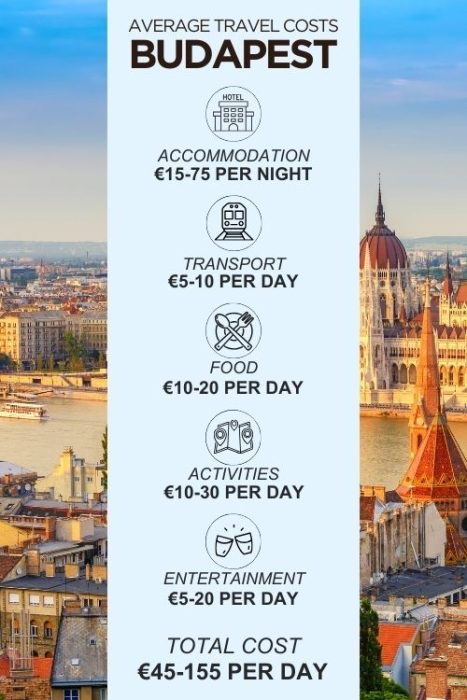
Hungary consistently delivers lower prices for nearly every travel expense. A hostel bed in Budapest averages 15-25 USD (5,500-9,000 HUF) per night, while a sit-down meal with a drink can be 10-15 USD (3,500-5,500 HUF). Public transport in Budapest is efficient and affordable, with a single ticket at 1.10 USD (400 HUF) and a 3-day travel card for 10 USD (3,700 HUF). Activities like thermal baths entry (e.g., Szechenyi Bath) cost around 25-30 USD (9,000-11,000 HUF).
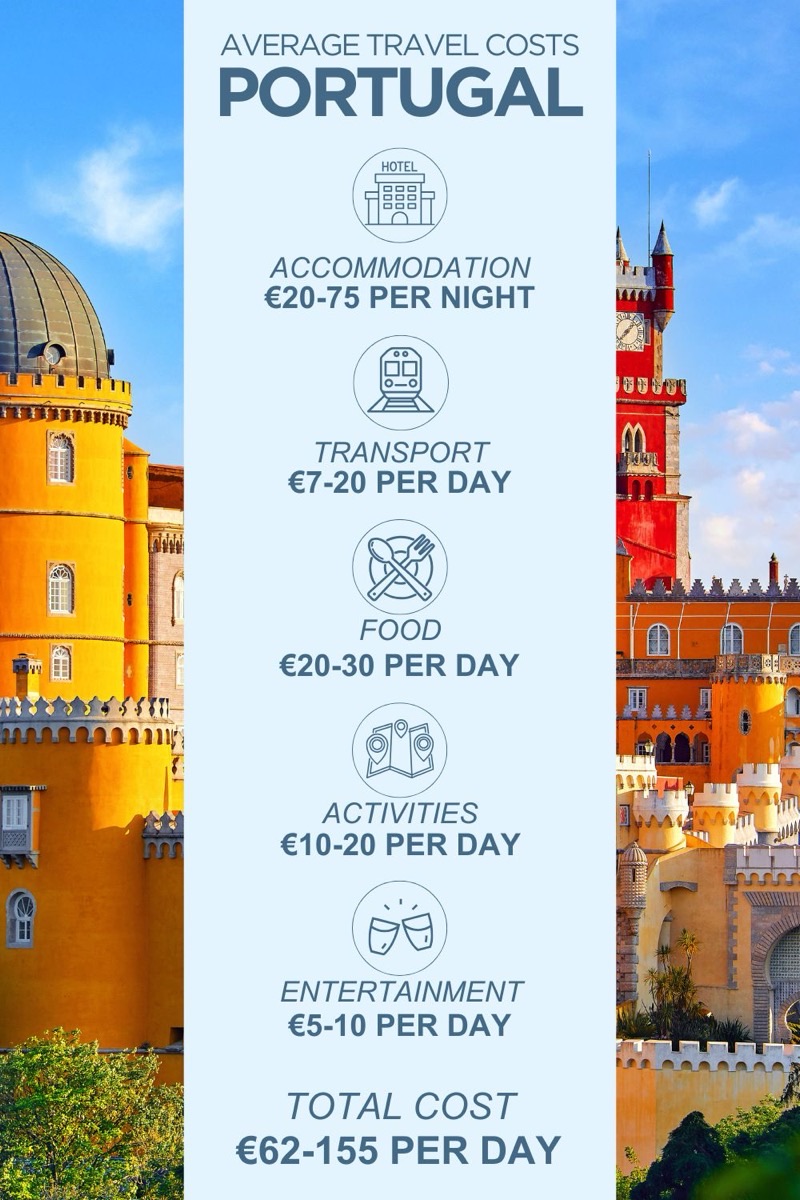
Portugal presents good value for Western Europe, but costs generally run 30-50% higher than Hungary. A hostel bed in Lisbon or Porto averages 25-40 USD (23-37 EUR). A meal at a local restaurant with a drink is typically 15-25 USD (14-23 EUR). Public transport is also good value, with a single metro/bus ticket costing around 1.80 USD (1.65 EUR) and a daily pass at 7.50 USD (6.80 EUR). Attractions like Jeronimos Monastery are around 12 USD (10 EUR). For travelers counting every dollar, Hungary offers more mileage for your budget. The verdict: Hungary is the clear winner for budget-conscious travelers.
- Winner: Hungary
- Why: Hungary offers substantially lower prices for accommodation, food, drink, and activities, making it an ideal choice for budget travelers.
- Who this matters for: Budget backpackers, long-term travelers, and anyone prioritizing saving money without sacrificing experience.
🍽️ Food & Drink
Hungarian cuisine leans towards comfort food: goulash soup, paprika chicken, langos (fried dough with toppings), and chimney cake (kürtőskalács). Meals are generally heavy,…

Hungary

Portugal
Hungarian cuisine leans towards comfort food: goulash soup, paprika chicken, langos (fried dough with toppings), and chimney cake (kürtőskalács). Meals are generally heavy, favoring meats, potatoes, and plenty of paprika. Local wines from regions like Eger and Tokaj are good, and pálinka (fruit brandy) is a potent experience. You can find excellent street food for 3-5 USD (1,000-1,800 HUF) and a proper restaurant meal for 10-20 USD (3,500-7,000 HUF). Budapest has a growing fine dining scene, but traditional fare dominates.
Portugal offers a diverse palate, heavily influenced by its coastline. Fresh grilled fish (sardines, sea bass), bacalhau (codfish) prepared in hundreds of ways, caldo verde soup, and of course, the ubiquitous pastel de nata (custard tart) are staples. Port wine from Porto and crisp vinho verde are highlights. A typical bacalhau dish in Lisbon can be 15-25 USD (14-23 EUR), while a pastel de nata is around 1.20 USD (1.10 EUR). The sheer variety of seafood, combined with iconic pastries and world-renowned wines, gives Portugal an edge in food and drink for most palates. The verdict: Portugal wins for its fresher ingredients, seafood variety, and iconic pastries.
- Winner: Portugal
- Why: Portugal's extensive coastline provides an abundance of fresh seafood, which is a major draw, alongside its pastries and diverse wines.
- Who this matters for: Seafood enthusiasts, dessert lovers, and those who appreciate lighter, Meditteranean-style flavors.
🏛️ Culture & History
Hungarys history is a story of empires and resilience. Budapest alone offers the Parliament Building, Buda Castle, Heroes Square, and the Dohany Street Synagogue, all speaking to…
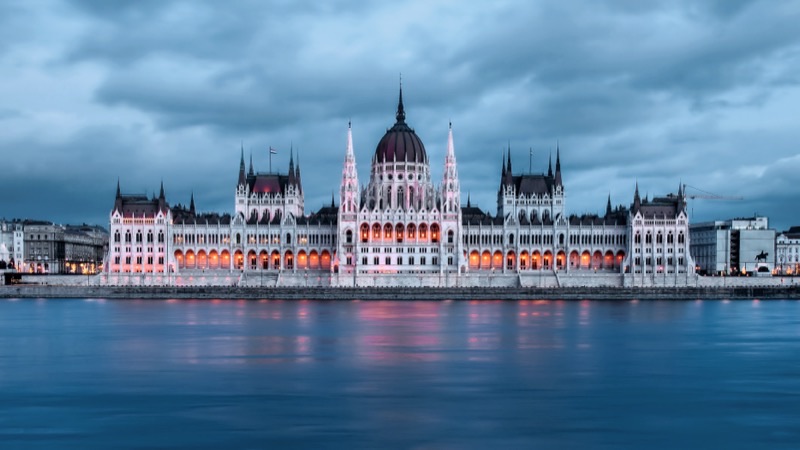
Hungary
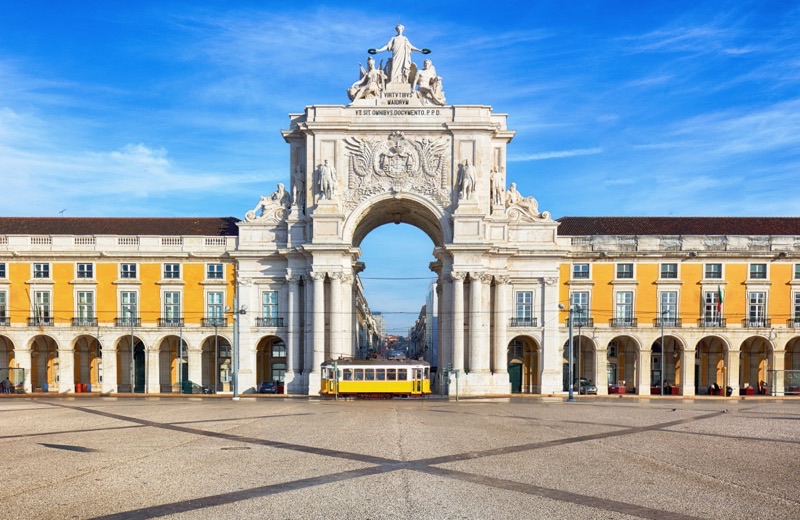
Portugal
Hungarys history is a story of empires and resilience. Budapest alone offers the Parliament Building, Buda Castle, Heroes Square, and the Dohany Street Synagogue, all speaking to its past. The thermal bath culture, exemplified by Szechenyi Thermal Bath and Gellert Spa, is a daily ritual for many, blending relaxation with social activity. Communist-era remnants are visible in Memento Park. Beyond Budapest, towns like Eger and Szentendre hold centuries of history and traditional architecture. The country offers a deep dive into Central European history, distinct from its Western counterparts.
Portugals narrative is dominated by its maritime prowess and Age of Discoveries, with monuments like the Jeronimos Monastery and Belém Tower in Lisbon showcasing this era. Moorish influences appear in architecture and cuisine, particularly in the south. Fado music, originating from Lisbon, provides an emotional auditory experience. The narrow, tiled streets of Alfama in Lisbon or Ribeira in Porto offer a step back in time. Both nations offer profound historical journeys, but their narratives and architectural styles are distinct. Hungary excels in grand imperial scale, while Portugal provides a layered history of exploration and Moorish influence. The verdict: Both countries provide compelling historical and cultural immersion, catering to different historical interests.
- Winner: Tie
- Why: Both countries offer distinct, deep historical and cultural experiences that appeal to different interests, making it impossible to declare a single winner.
- Who this matters for: Travelers interested in specific historical periods or architectural styles will find a winner in either country.
🎉 Nightlife
Budapest is synonymous with ruin bars, converted dilapidated buildings now housing eclectic bars and dance floors. Szimpla Kert is the most famous, but dozens of others offer…
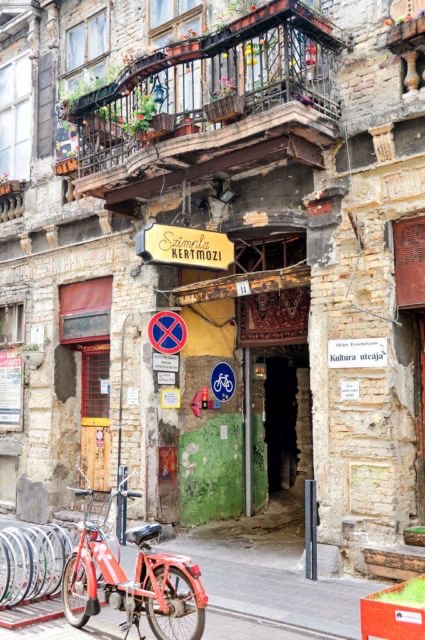
Hungary

Portugal
Budapest is synonymous with ruin bars, converted dilapidated buildings now housing eclectic bars and dance floors. Szimpla Kert is the most famous, but dozens of others offer varied atmospheres and cheap drinks. A local beer often costs 2-3 USD (700-1,100 HUF). The city also has traditional clubs and smaller pubs. The nightlife is concentrated and easy to navigate, with many places open late, especially on weekends. Outside Budapest, options are more limited to local pubs.
Portugals nightlife centers on districts like Bairro Alto and Cais do Sodre in Lisbon, or Ribeira in Porto. Bars in Bairro Alto spill onto the streets, creating a large, open-air party. Drinks are moderately priced, with a beer typically costing 3-5 USD (2.70-4.50 EUR). The party often starts later, with many people dining late and then heading out around 11 PM or midnight. While Portugal has a fun nightlife, Hungarys ruin bars offer a truly novel and budget-friendly experience that stands out globally. The verdict: Hungary takes the lead with its distinct and affordable ruin bar scene.
- Winner: Hungary
- Why: Budapest's ruin bars offer a truly unique and cost-effective nightlife experience that cannot be replicated elsewhere.
- Who this matters for: Party-goers seeking novelty, unique atmospheres, and low drink prices.
🌳 Nature & Outdoors
Hungarys natural attractions are primarily inland. Lake Balaton is Central Europes largest freshwater lake, popular for summer recreation, swimming, and sailing. The Danube Bend…
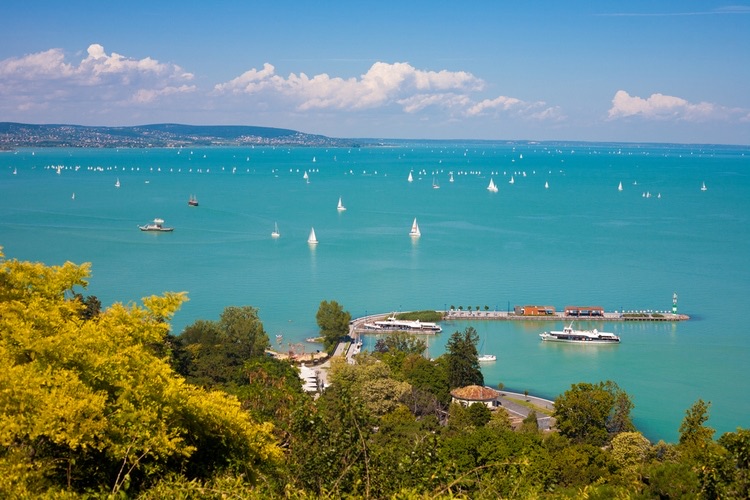
Hungary
Portugal
Hungarys natural attractions are primarily inland. Lake Balaton is Central Europes largest freshwater lake, popular for summer recreation, swimming, and sailing. The Danube Bend north of Budapest offers scenic towns like Visegrad and Esztergom, surrounded by hills and forests, good for hiking and cycling. Hortobagy National Park protects vast grasslands and traditional Hungarian puszta. Aggtelek Karst National Park features extensive cave systems. While pleasant, these landscapes generally lack the dramatic impact of coastal or mountainous regions.
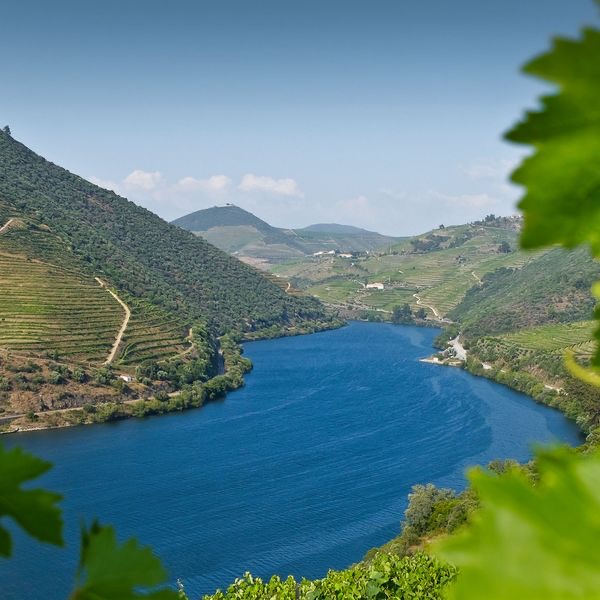
Portugal boasts incredible natural diversity. The Algarve coast provides golden beaches, sea caves, and dramatic cliffs. Sintra-Cascais Natural Park offers palaces amidst lush forests and ocean views. The Douro Valley is known for its terraced vineyards along the river. For more extreme beauty, the Azores islands offer volcanic landscapes, hot springs, and whale watching. The countrys varied terrain, from the Atlantic coast to mountainous interiors and island ecosystems, offers a wider range of outdoor activities and visually striking scenery. The verdict: Portugal provides a wider array of dramatic and diverse natural landscapes.
- Winner: Portugal
- Why: Portugal offers more diverse and dramatic natural landscapes, from ocean cliffs and beaches to mountains and volcanic islands.
- Who this matters for: Hikers, surfers, beach lovers, and those seeking varied geological formations and ocean views.
🏖️ Beaches
Hungary is a landlocked country, so true ocean beaches do not exist. Lake Balaton serves as the primary 'beach' destination, particularly in summer. Towns like Siofok and Tihany…
Hungary is a landlocked country, so true ocean beaches do not exist. Lake Balaton serves as the primary 'beach' destination, particularly in summer. Towns like Siofok and Tihany offer sandy or grassy lakefronts for swimming, sunbathing, and water sports. The lake is shallow and warms up considerably in summer, making it popular for families. While enjoyable for freshwater recreation, it cannot compare to a coastal experience.
Portugal has over 1,700 km (1,000 miles) of coastline. The Algarve region in the south is renowned for its golden sandy beaches, dramatic cliffs, and sea caves (e.g., Praia da Marinha, Benagil Cave). Near Lisbon, Costa da Caparica offers long stretches of sand, and Cascais provides calmer waters. The west coast is a surf paradise, with places like Peniche and Nazaré (famous for big waves). The variety, quality, and sheer quantity of ocean beaches give Portugal an undeniable advantage for beach lovers. The verdict: Portugal is the unequivocal choice for anyone seeking ocean beaches.
- Winner: Portugal
- Why: Portugal's vast Atlantic coastline provides an abundance of diverse ocean beaches, from surfing spots to sunbathing coves, which Hungary cannot offer.
- Who this matters for: Surfers, sun-worshippers, families wanting ocean play, and anyone prioritizing coastal relaxation.
✈️ Getting There
Budapest Ferenc Liszt International Airport (BUD) is a primary hub for budget airlines like Wizz Air and Ryanair, making it highly accessible from many European cities, often for…
Budapest Ferenc Liszt International Airport (BUD) is a primary hub for budget airlines like Wizz Air and Ryanair, making it highly accessible from many European cities, often for less than 50 USD (18,000 HUF) one-way. From New York City (JFK), direct flights to Budapest typically take 9-10 hours, with prices varying from 600-1000 USD, or more with layovers. Travel within Europe is generally cheap and fast.
Lisbon Portela Airport (LIS) and Porto Francisco Sá Carneiro Airport (OPO) are also well-connected. Lisbon is a significant gateway for flights from North America and South America. Direct flights from New York City (JFK) to Lisbon usually take around 7-8 hours, with fares ranging from 550-900 USD. Within Europe, budget airlines also serve Portugal, with flights often similar in price to Hungary. Both countries offer excellent air connectivity, though Lisbon typically has slightly shorter direct flight times from the US due to its more western location. The verdict: Both destinations are well-connected by air, offering similar ease of access from major hubs.
- Winner: Tie
- Why: Both countries have well-connected international airports that serve as major hubs for both budget and full-service airlines, making them equally accessible.
- Who this matters for: Travelers coming from diverse global origins, as both countries are easily reached by air.
🚆 Getting Around
Budapest boasts an extensive and efficient public transport system, including four metro lines, trams (the 2 and 4/6 lines are useful), and buses. A single ticket costs around…
Budapest boasts an extensive and efficient public transport system, including four metro lines, trams (the 2 and 4/6 lines are useful), and buses. A single ticket costs around 1.10 USD (400 HUF), and multi-day passes are available. Most city attractions are accessible via public transport or walking. Intercity travel by train is reliable and affordable, connecting Budapest to cities like Eger and Szeged. Long-distance buses also serve smaller towns. The compact nature of Budapest and the well-integrated transport make getting around straightforward and cheap.
Lisbon and Porto also have efficient public transport networks, including metros, trams (Lisbon's historic Tram 28E is famous), and buses. A single metro/bus ticket costs about 1.80 USD (1.65 EUR). However, Lisbons hilly terrain can make walking challenging for some. Intercity trains are good, connecting cities like Lisbon, Porto, and Faro. For exploring rural areas or the Algarve coast, renting a car is often recommended. While Portugal's transport is solid, Hungary's slightly lower costs and the exceptional ease of navigating Budapest without a car give it a slight edge. The verdict: Hungarys transport system is marginally more cost-effective and simpler for city exploration.
- Winner: Hungary
- Why: Hungary's public transport, particularly in Budapest, is exceptionally efficient and affordable, making city exploration very easy without a car.
- Who this matters for: Travelers who prefer to rely on public transport and want ease of navigation within major cities.
🏨 Accommodation
Hungary offers excellent value for accommodation across all budgets. A bed in a well-regarded hostel in Budapest typically costs 15-25 USD (5,500-9,000 HUF) per night. Mid-range…
Hungary offers excellent value for accommodation across all budgets. A bed in a well-regarded hostel in Budapest typically costs 15-25 USD (5,500-9,000 HUF) per night. Mid-range hotels (3-4 star) can be found for 60-100 USD (22,000-36,000 HUF), and Airbnbs are widely available and often spacious. For example, a centrally located Airbnb apartment can be 50-80 USD (18,000-29,000 HUF) per night. Prices outside Budapest for similar quality are often even lower, making it easy to find comfortable stays without breaking the bank.
Portugal provides good accommodation options, though at a higher price point than Hungary. Hostels in Lisbon or Porto average 25-40 USD (23-37 EUR) per night. Mid-range hotels usually start from 80-130 USD (73-118 EUR). Airbnbs are also popular but generally cost more, with a decent central apartment starting around 70-120 USD (64-109 EUR). While the quality of accommodation in Portugal is high, Hungary consistently beats it on price, offering more upscale options for a similar budget. The verdict: Hungary provides significantly more affordable and high-quality accommodation options.
- Winner: Hungary
- Why: Hungary consistently offers lower prices for equivalent or superior quality accommodation across all budget ranges.
- Who this matters for: Travelers on a tighter budget, or those looking to get more luxury for their money.
🚶♀️ Solo Travel
Hungary is a solid choice for solo travelers. Budapest is considered very safe, with low crime rates. The public transport system is simple to use, and many attractions are within…
Hungary is a solid choice for solo travelers. Budapest is considered very safe, with low crime rates. The public transport system is simple to use, and many attractions are within walking distance or a short tram ride. The citys hostel scene is active, making it easy to meet other travelers. English is widely spoken in tourist areas, hotels, and restaurants. Outside Budapest, things get quieter, but rural areas are also generally safe and welcoming. Language outside the capital can be a barrier, but people are usually helpful. The overall ease and affordability make it a comfortable solo destination.
Portugal is also an excellent option for solo travelers. It consistently ranks high in safety indices, and locals are generally friendly and helpful. The hostel network is extensive and social, particularly in Lisbon and Porto. English is common in tourist centers. Navigating Lisbon's hills or some of the more spread-out areas of the country might require more planning or reliance on ride-sharing, but overall, it is manageable. Both countries offer safe, welcoming environments with ample opportunities for meeting people and exploring independently. The verdict: Both Hungary and Portugal offer equally positive experiences for solo travelers.
- Winner: Tie
- Why: Both countries are safe, have excellent infrastructure for solo travelers (hostels, transport), and provide easy opportunities for social interaction.
- Who this matters for: Anyone planning a solo trip who prioritizes safety, ease of navigation, and opportunities to connect with other travelers.
🎯 The Decision Framework
Choose Hungary If…
- You want to explore grand imperial architecture on a budget.
- You are interested in thermal baths and their social aspects.
- You prefer hearty, paprika-rich comfort food.
- You want to experience unique ruin bars and cheap drinks.
- You plan a city-focused trip, primarily around Budapest.
- Your daily travel budget is under $80 USD.
- You appreciate efficient and very affordable public transport.
- You seek historical context of Central Europe and the Soviet era.
Choose Portugal If…
- You want extensive, diverse ocean beaches and coastal scenery.
- You love fresh seafood, bacalhau, and pastel de nata.
- You prefer a warmer, more Mediterranean-influenced climate.
- You are interested in the Age of Discoveries and maritime history.
- You enjoy Fado music and tiled architecture (azulejos).
- You plan to explore the dramatic landscapes of the Algarve or Douro Valley.
- You appreciate good wine, especially Port and Vinho Verde.
- You have a budget of $80-150 USD per day for your trip.
📅 Sample Itineraries
Weekend in Hungary (3 Days)
💡 Purchase a Budapest Card for 24-72 hours ($25-45) to save on public transport and get discounts on attractions like museums and baths.
Weekend in Portugal (3 Days)
💡 Use a Viva Viagem card in Lisbon ($0.50 for the card, then load money) for cheaper public transport fares, usually $1.50 per ride.
One Week in Hungary (7 Days)
💡 For regional travel, purchase train tickets directly at the station for the best prices, often saving you on online booking fees.
One Week in Portugal (7 Days)
💡 Consider buying a 'combo ticket' for major attractions in Lisbon or Sintra to save a few euros instead of purchasing individual entries.
❓ Frequently Asked Questions
Which country is cheaper for a week-long trip?
Hungary is generally much cheaper. A week in Budapest, including accommodation in a mid-range hotel, food, transport, and activities, can be done for around $500-700 USD. A similar trip to Lisbon would likely cost $800-1100 USD due to higher prices for meals and lodging.
Is it easy to travel between Hungary and Portugal?
Yes, direct flights connect Budapest (BUD) with Lisbon (LIS) and Porto (OPO). Budget airlines like Ryanair and Wizz Air often offer flights for as low as $50-100 USD one-way, with a flight duration of approximately 3-4 hours. It is very feasible to combine both on a longer trip.
Which country has better weather for summer travel?
Both countries experience hot summers. Hungary, being inland, can have very hot, humid summers (July-August often sees 30-35°C / 86-95°F). Portugal's coastal areas benefit from Atlantic breezes, making the heat feel less oppressive, though temperatures can still reach 30°C (86°F) in Lisbon or higher inland.
Which country is better for families with young children?
Portugal might edge out slightly. Its beaches and milder coastal climate appeal to families. Many towns have parks and child-friendly attractions. Hungary is also good, especially Lake Balaton in summer, but the constant heat in Budapest could be less comfortable for very young children.
What is the language barrier like in each country?
In Hungary, English is widely spoken in tourist areas of Budapest. Outside the capital, Hungarian is dominant, and English speakers are less common. In Portugal, English is generally more prevalent in tourist regions and cities, making communication slightly easier for English-only speakers across more areas.
Which country offers more unique experiences?
Hungary's ruin bars and its thermal bath culture are truly unique and defining experiences you wont find elsewhere on the same scale. Portugal offers its Fado music, specific tiled architecture, and its Age of Discovery monuments, which are distinct but perhaps less universally unique compared to Budapest's ruin bar scene.
What are the typical flight times from the East Coast of the USA?
Direct flights from major East Coast USA cities like New York to Lisbon (LIS) generally take 7-8 hours. Direct flights to Budapest (BUD) are less common and typically take 9-10 hours, often with one stop, extending total travel time to 11-13 hours.
Is solo female travel safe in Hungary vs Portugal?
Both Hungary and Portugal are considered very safe for solo female travelers. Crime rates are low, especially for violent crime. Common sense precautions apply, such as being aware of pickpockets in crowded tourist areas of Lisbon or Budapest, and avoiding walking alone late at night in unlit areas. Both offer welcoming environments.
Ready to plan your European trip?
Get a free custom itinerary for Hungary, Portugal, or both — built from real traveler insights.
👥 Travelers Also Compared
🎟️ Book Tours & Experiences
Hand-picked tours and activities for both destinations — book with free cancellation
Experiences via Viator — free cancellation on most tours