How we built this comparison
This page combines traveler discussion patterns, published price ranges, flight schedules, and seasonal data to help you decide between Hungary and Sweden.
- Reviewed 50+ Reddit threads from r/travel, r/solotravel, r/budapest, etc.
- Verified costs and logistics against current booking platforms (e.g., Google Flights, Booking.com)
- Cross-referenced seasonal patterns and weather data from meteorological sources
⚡ Quick Answers
⚡ The TL;DR Verdict
For most travelers prioritizing budget, historical depth, and a lively urban experience, Hungary is the clearer choice. Daily expenses can be half of Sweden's, typically $50-70 per person. Sweden suits those seeking calm nature, modern design, and are comfortable with higher costs, usually $100-150 per person.
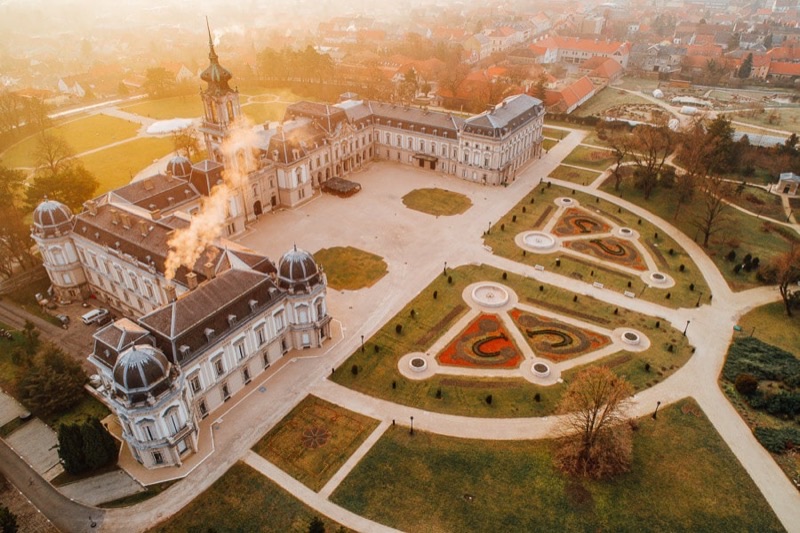
- Choose Hungary: Travelers on a budget, those keen on history, Ottoman-era baths, a lively nightlife, and hearty Eastern European food should pick Hungary for its value and energetic capital, Budapest.
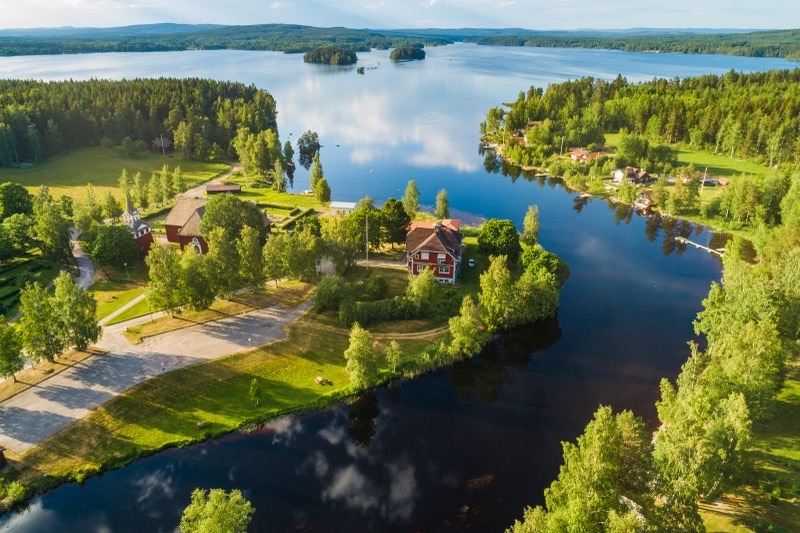
- Choose Sweden: Travelers who prioritize clean cities, accessible nature, minimalist design, fika culture, and dont mind a higher price tag should choose Sweden for its calm atmosphere and well-organized experiences.
- Choose Both: If you have at least 10-14 days and want a contrast between Central and Northern Europe, combine Hungary for a few days of urban exploration and Sweden for a few days of archipelago or city calm.
Choose Hungary
Choose Hungary if you're a budget-conscious traveler eager for rich history and vibrant urban energy. Dive into Budapest's famous thermal baths, explore the historic Buda Castle, and experience the buzzing nightlife in the Jewish Quarter's ruin bars. It's best for those seeking lively culture, delicious Eastern European cuisine like goulash, and excellent value without compromising on experience.
Choose Sweden
Choose Sweden for a serene escape defined by stunning nature, cutting-edge design, and a relaxed pace, perfect for travelers comfortable with a higher budget. Embrace the 'fika' culture in Stockholm's charming Södermalm district, explore the pristine archipelagos, or marvel at the Vasa Museum's maritime history. It's ideal for those prioritizing clean, safe environments, innovative design, and accessible wilderness adventures.
📊 Visual Scorecard
🌤 When to Visit
Average high temperatures (°C). Green = best months, orange = avoid.
Quick Comparison
| Category | Hungary | Sweden | Winner |
|---|---|---|---|
| Costs & Budget | Significantly more affordable across all categories: food, accommodation, transport, and activities. Daily budget often below $70 USD. | Among Europes most expensive countries. High prices for dining out, alcohol, and accommodation. Daily budget easily exceeds $100 USD. | Hungary |
| Food & Drink | Hearty, meat-focused cuisine (goulash, paprikash), street food (langos), strong coffee culture, and quality wine regions. | Emphasis on fresh, local ingredients (fish, berries), iconic meatballs, fika (coffee and pastry break), and craft beer. | Hungary |
| Culture & History | Ancient Roman ruins, Ottoman baths, Austro-Hungarian palaces, Communist-era history. Budapest is a UNESCO site. | Viking heritage, royal history, Nobel laureates, modern design, and strong democratic traditions. Stockholm offers museums. | Hungary |
| Nightlife | Famous for ruin bars, lively clubs, pubs, and affordable drinks. Budapest offers options for every taste. | Sophisticated bars, nightclubs, and pubs, primarily in Stockholm. Alcohol is expensive, and venues close earlier. | Hungary |
| Getting There | Budapest Ferenc Liszt International Airport (BUD) is a major hub, well-connected by budget airlines. | Stockholm Arlanda Airport (ARN) is Sweden's largest, with good international connections but fewer budget options. | Tie |
| Getting Around | Extensive, affordable public transport networks in cities. Trains connect major towns efficiently. | Modern, efficient public transport, though pricier. Excellent infrastructure for cycling. | Hungary |
| Accommodation | Wide range of budget-friendly options, from hostels to mid-range hotels and apartments, especially in Budapest. | Higher prices across the board for hotels and apartments. Hostels are available but still more expensive than Hungary. | Hungary |
| Nature & Outdoors | Lake Balaton (Central Europe's largest lake), thermal caves, national parks, and the Danube Bend. | Vast forests, thousands of lakes, coastal archipelagos, mountains in the north. Offers activities like hiking, kayaking, and skiing. | Sweden |
| Safety & Local Vibe | Generally safe, but petty crime like pickpocketing is present in tourist areas. Locals are direct. | Very safe, low crime rates. Locals can be reserved, but friendly once approached. | Sweden |
| Solo Travel Suitability | Excellent for solo travelers due to affordable hostels, easy public transport, and a social nightlife. | Good for solo travelers seeking quiet exploration and safety, but less emphasis on spontaneous social interaction. | Hungary |
💰 Costs & Budget
Hungary consistently wins on cost. A decent meal in Budapest at a mid-range restaurant costs around 3,000-5,000 HUF ($8-14 USD). A pint of local beer is about 800-1,200 HUF…
Hungary
Sweden
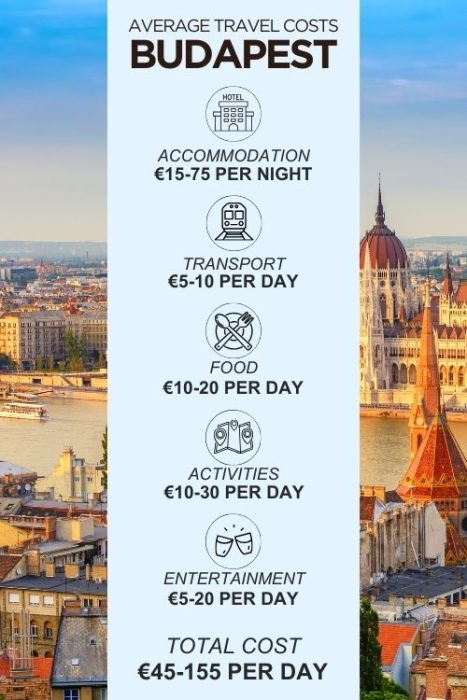
Hungary consistently wins on cost. A decent meal in Budapest at a mid-range restaurant costs around 3,000-5,000 HUF ($8-14 USD). A pint of local beer is about 800-1,200 HUF ($2.20-3.30 USD). Public transport passes are very reasonable; a 3-day Budapest pass is 5,500 HUF ($15 USD). Entrance to Szechenyi Thermal Bath is about 8,000-10,000 HUF ($22-28 USD). Hostel beds can be found for $15-25, and basic hotel rooms for $50-80 USD outside peak season. Travelers often report comfortable daily spending around $50-70 USD.
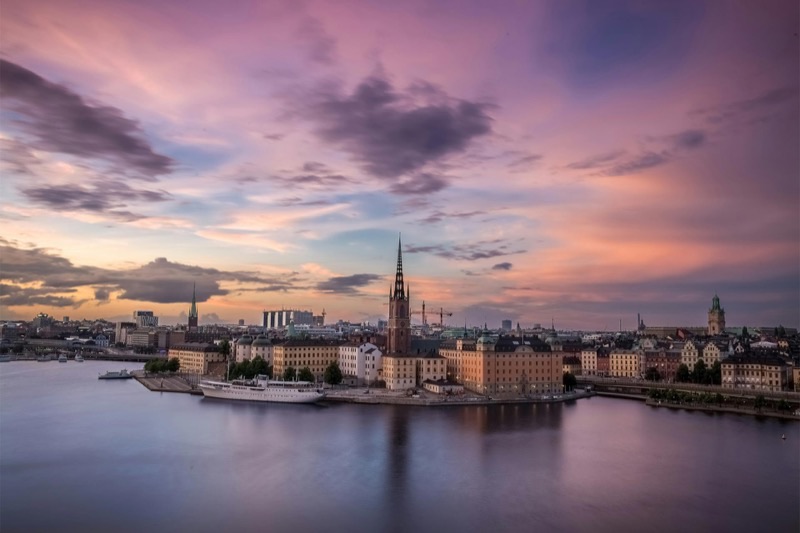
Sweden presents a stark contrast. A basic meal at a casual restaurant in Stockholm can easily cost 150-250 SEK ($14-23 USD). A beer averages 70-90 SEK ($6.50-8.50 USD). Public transport in Stockholm, while efficient, is pricier; a 72-hour pass costs 310 SEK ($29 USD). Entry to the Vasa Museum is 190 SEK ($18 USD). Hostel beds start around $40-60, and budget hotel rooms are typically $100-150 USD. Expect daily expenses for a mid-range traveler to be in the $100-150 USD range, not including alcohol or extensive shopping. Tabiji verdict: Hungary offers superior value for nearly every type of traveler.
- Winner: Hungary
- Why: Hungary provides a much lower cost of travel across all categories, making budgets stretch further.
- Who this matters for: Budget-conscious travelers, backpackers, and anyone seeking high value for their travel dollar.
🍽️ Food & Drink
Hungarian food is substantial and flavorful. Dishes like goulash (marha gulyás), chicken paprikash (csirke paprikás), and fisherman's soup (halászlé) are staples, often served…
Hungary
Sweden
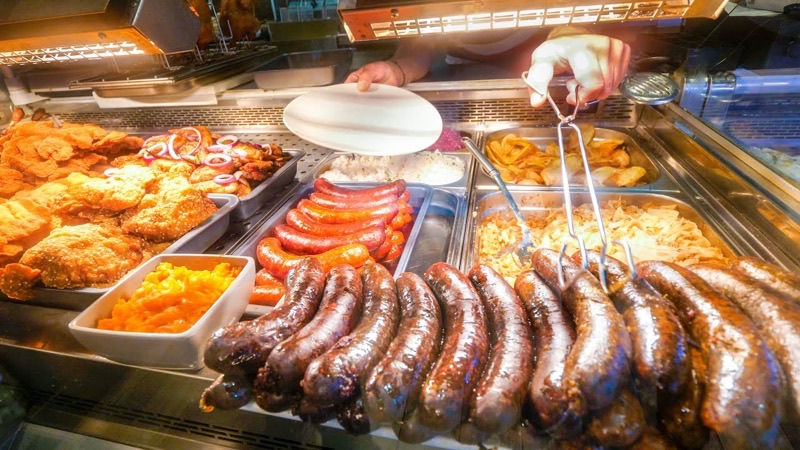
Hungarian food is substantial and flavorful. Dishes like goulash (marha gulyás), chicken paprikash (csirke paprikás), and fisherman's soup (halászlé) are staples, often served with noodles or dumplings. Street food like lángos (fried dough with sour cream and cheese) is popular and cheap, around 1,500-2,500 HUF ($4-7 USD). Budapest has a strong cafe scene, excellent pastries, and its Tokaji wine region produces acclaimed sweet wines. Ruin bars serve local pálinka (fruit brandy) and affordable beer. Try the chimney cake (kürtőskalács) for a sweet treat for about 1,000 HUF ($2.80 USD).
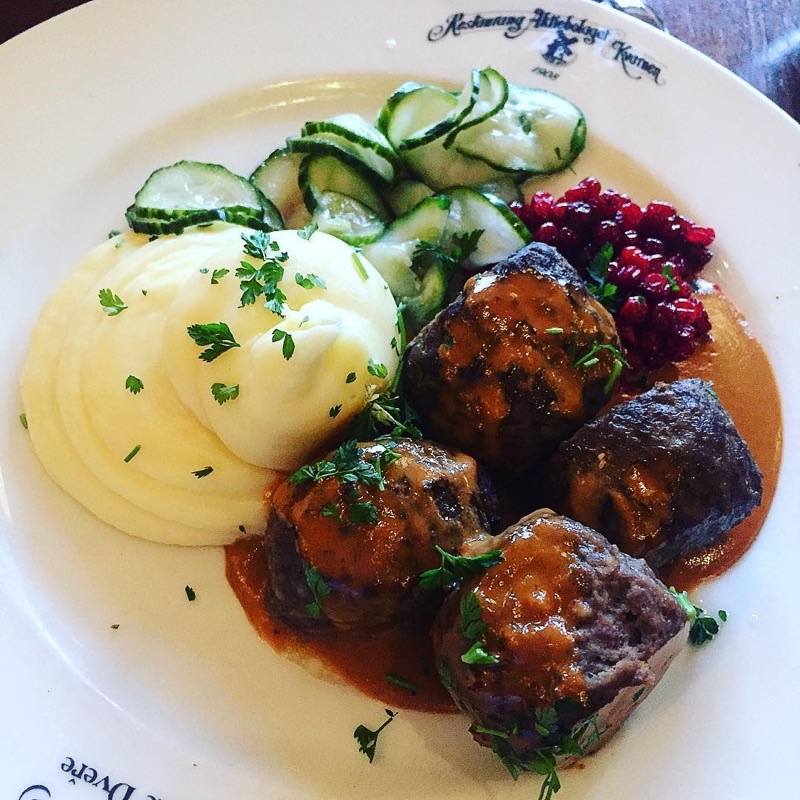
Swedish cuisine is often lighter, focusing on quality ingredients. Iconic dishes include Swedish meatballs (köttbullar), gravlax, and various pickled herrings. Fika is a cultural institution – a coffee and pastry break, often with a kanelbulle (cinnamon bun) for about 30-50 SEK ($2.80-4.60 USD). While quality is high, dining out is expensive. Alcohol is heavily taxed and sold through state-run Systembolaget stores. Stockholm's food halls like Östermalms Saluhall offer gourmet options, but a simple open-faced sandwich (smörgås) can cost 80-120 SEK ($7.50-11 USD). Tabiji verdict: For flavor, variety, and sheer affordability, Hungary delivers a more satisfying culinary journey.
- Winner: Hungary
- Why: Hungary offers richer, more diverse, and significantly more affordable culinary experiences compared to Sweden.
- Who this matters for: Foodies, budget travelers who enjoy hearty meals, and those seeking a lively drinking scene.
🏛️ Culture & History
Hungary is steeped in layers of history, from its Roman roots to the Ottoman occupation, the grandeur of the Austro-Hungarian Empire, and the more recent Communist past. Budapest…
Hungary
Sweden
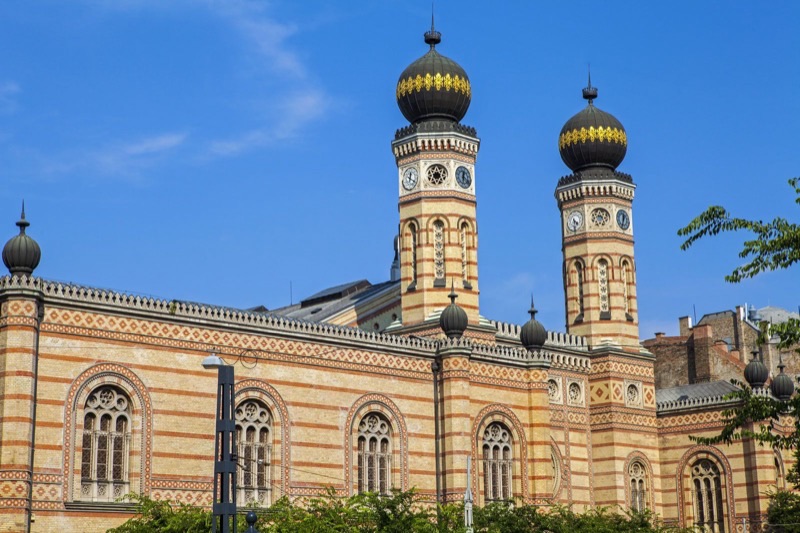
Hungary is steeped in layers of history, from its Roman roots to the Ottoman occupation, the grandeur of the Austro-Hungarian Empire, and the more recent Communist past. Budapest alone offers Buda Castle, Parliament Building, Matthias Church, and the Dohány Street Synagogue, the largest in Europe. The citys thermal baths, such as Szechenyi and Gellért, are functional historical sites, some dating back to the Ottoman era. Outside Budapest, Eger boasts a castle and Ottoman minaret, and Pécs has early Christian burial chambers. History is palpable on every street, with monuments and architecture telling tales of empires and revolutions.
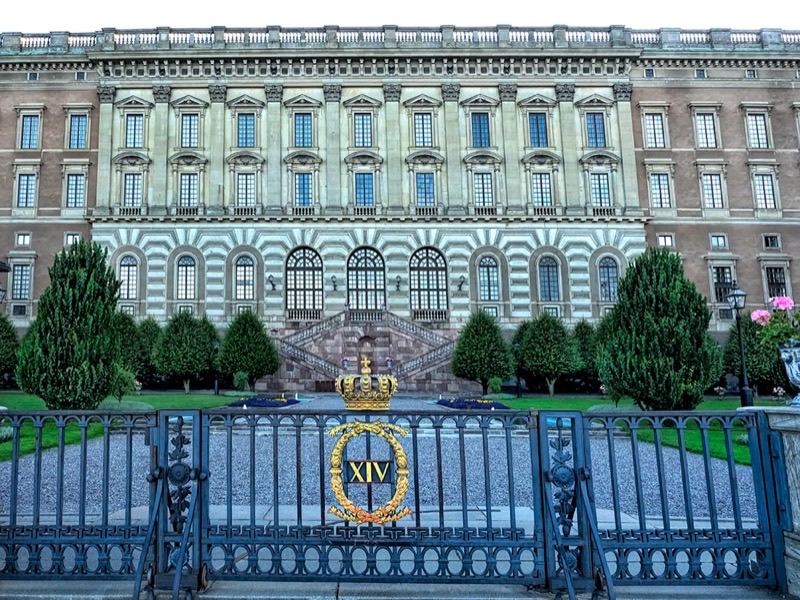
Sweden's history is also rich, particularly its Viking Age and its powerful 17th-century empire. Stockholm's Gamla Stan (Old Town) preserves medieval cobblestone streets and the Royal Palace. The Vasa Museum houses a remarkably preserved 17th-century warship, and the Nobel Museum celebrates innovation. While compelling, Swedish history often feels more contained within specific museums or historical parks. The focus is often on clean preservation and accessible interpretation. Tabiji verdict: Hungary offers a more immersive and visibly layered historical experience that feels less curated than Sweden's.
- Winner: Hungary
- Why: Hungary provides a more diverse and visibly integrated historical experience, covering multiple empires and eras directly in its urban fabric.
- Who this matters for: History buffs, architecture enthusiasts, and those who enjoy exploring complex historical narratives.
🍻 Nightlife
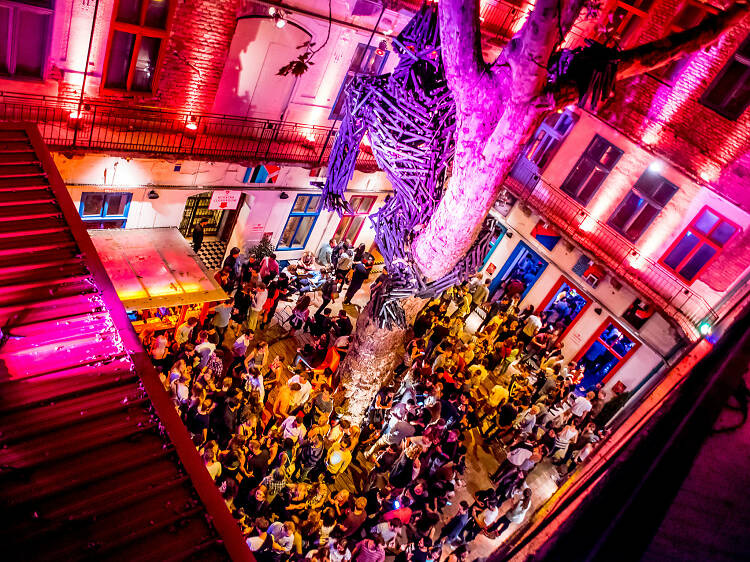
Budapest's nightlife is legendary, largely due to its unique ruin bar scene. Szimpla Kert is the most famous, an eclectic multi-room establishment built into a derelict building,…
Hungary
Sweden
Budapest's nightlife is legendary, largely due to its unique ruin bar scene. Szimpla Kert is the most famous, an eclectic multi-room establishment built into a derelict building, serving cheap drinks and hosting live music. Other popular ruin bars include Instant-Fogas Complex and Anker't. Beyond ruin bars, Budapest has numerous traditional pubs, high-energy clubs, and even 'bath parties' at Szechenyi. A local beer often costs around 800-1,200 HUF ($2.20-3.30 USD), making a night out very budget-friendly. Most venues stay open until 3-4 AM or later.
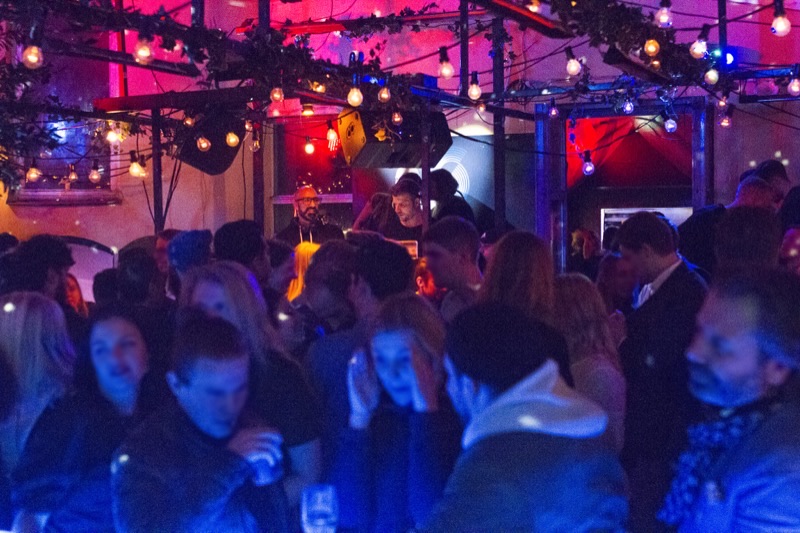
Stockholm's nightlife is more polished and expensive. The city has a good selection of cocktail bars, upscale clubs, and traditional pubs. Areas like Stureplan are known for their exclusive clubs, while Södermalm offers more relaxed bars. However, alcohol prices are a significant deterrent for many travelers; a cocktail can cost 150-200 SEK ($14-18 USD), and a pint of beer 70-90 SEK ($6.50-8.50 USD). Venues typically close around 1-3 AM, earlier than in Budapest. The atmosphere is generally more subdued and less spontaneously energetic. Tabiji verdict: Hungary wins for its unique, lively, and budget-friendly nightlife that offers a true cultural experience.
- Winner: Hungary
- Why: Budapest's ruin bars and overall affordability create a more dynamic and accessible nightlife experience than Stockholm's pricier, more reserved scene.
- Who this matters for: Party-goers, social travelers, and those looking for an energetic and unique evening experience.
✈️ Getting There
Reaching Budapest is generally straightforward and often budget-friendly. Budapest Ferenc Liszt International Airport (BUD) is a key hub for low-cost carriers like Wizz Air and…

Hungary

Sweden
Reaching Budapest is generally straightforward and often budget-friendly. Budapest Ferenc Liszt International Airport (BUD) is a key hub for low-cost carriers like Wizz Air and Ryanair, meaning direct flights from major European cities are plentiful and inexpensive. From North America, direct flights are less common, but one-stop options from New York (JFK/EWR) to Budapest usually take 8.5-10 hours, with prices varying from $600-1000 USD round trip. Public transport from BUD to the city center is efficient, with buses like the 100E costing 2,200 HUF ($6 USD) and taking about 30-40 minutes.
Stockholm Arlanda Airport (ARN) is a larger, busier airport with excellent connections, particularly to other European capitals and some direct routes from North America. Direct flights from New York (JFK/EWR) to Stockholm typically take 8-9 hours, with round-trip prices often ranging from $700-1200 USD. While budget carriers operate, they are less dominant than at BUD. The Arlanda Express train provides a fast link to the city center in 20 minutes for 320 SEK ($30 USD), or cheaper bus options like Flygbussarna for 129 SEK ($12 USD) take about 45 minutes. Tabiji verdict: Both destinations are well-served internationally, making direct access relatively comparable, though Hungary edges out slightly on budget airline access within Europe.
- Winner: Tie
- Why: Both countries have well-connected international airports, offering similar ease of access from major global hubs.
- Who this matters for: Travelers coming from outside Europe, as direct flight times and costs are broadly similar.
🚇 Getting Around
Getting around Hungary, especially within Budapest, is easy and inexpensive. Budapest boasts a comprehensive public transport system of metro, trams, and buses. A single ticket…
Getting around Hungary, especially within Budapest, is easy and inexpensive. Budapest boasts a comprehensive public transport system of metro, trams, and buses. A single ticket costs 350 HUF ($0.95 USD), and a 24-hour travel card is 1,650 HUF ($4.50 USD). The metro lines are historic and cover key areas. Intercity travel by train is reliable, linking cities like Budapest, Eger, and Pécs. Driving outside Budapest offers flexibility, but road conditions can vary. Fuel costs are moderate, roughly 600-650 HUF per liter ($1.65-1.80 USD/liter). Taxis are also quite affordable compared to Western European norms.
Sweden's public transport, particularly in Stockholm, is very efficient, clean, and modern. The Stockholm metro (Tunnelbana) is famous for its art installations. A single ticket costs 39 SEK ($3.60 USD) and a 24-hour pass is 165 SEK ($15.50 USD). While excellent, it is significantly more expensive than Hungarys. Cycling is a popular mode of transport in Swedish cities with dedicated lanes. Intercity trains are comfortable and punctual but can be costly if not booked in advance. Fuel prices are high, around 20-22 SEK per liter ($1.85-2.05 USD/liter). Car rentals are available but expensive, and parking in cities is costly. Tabiji verdict: Hungary provides a more budget-friendly and equally effective way to navigate both its capital and regional areas.
- Winner: Hungary
- Why: Hungary offers a highly efficient and significantly more affordable public transport system within cities and for intercity travel.
- Who this matters for: Budget travelers, those who rely on public transport, and anyone wanting to save on daily commuting expenses.
🏨 Accommodation
Accommodation in Hungary offers excellent value. In Budapest, a clean, well-located hostel bed can be found for $15-25 USD per night. Budget hotels often range from $50-80 USD,…
Accommodation in Hungary offers excellent value. In Budapest, a clean, well-located hostel bed can be found for $15-25 USD per night. Budget hotels often range from $50-80 USD, while comfortable mid-range options (3-4 stars) are typically $80-120 USD. Renting an apartment via platforms like Airbnb is also very common and provides good space for the price, often $60-100 USD for a central apartment. Prices can increase during peak summer months or major festivals, but generally remain accessible. Expect good quality for the price paid, often with historical architectural appeal.
Sweden's accommodation market is considerably more expensive. Hostel beds in Stockholm start around $40-60 USD per night, even for basic dorms. Budget hotel rooms are difficult to find under $100 USD, and most mid-range hotels (3-4 stars) will be $150-250 USD per night. Apartment rentals can be slightly more cost-effective for groups but still command high prices, often $120-200 USD for a central apartment. Quality is consistently high, with a focus on clean, modern design, but the value for money is much lower compared to Hungary. Tabiji verdict: Hungary is the clear winner for providing more diverse, affordable, and high-value accommodation options.
- Winner: Hungary
- Why: Hungary offers significantly better value for accommodation across all segments, from hostels to hotels.
- Who this matters for: All travelers, but especially those on a budget or those seeking comfortable mid-range lodging without breaking the bank.
🌳 Nature & Outdoors
Hungarys natural offerings center around Lake Balaton, Central Europes largest freshwater lake, popular for summer recreation, sailing, and wine tasting on its northern shore. The…
Hungarys natural offerings center around Lake Balaton, Central Europes largest freshwater lake, popular for summer recreation, sailing, and wine tasting on its northern shore. The Danube Bend offers picturesque views, historical towns like Visegrád and Esztergom, and hiking trails. The Aggtelek Karst and Slovak Karst caves are a UNESCO site with impressive stalactite formations. Hungary also has several national parks, like Hortobágy National Park, a large grassland known for its unique wildlife and traditional Hungarian grey cattle. While pleasant, the landscape is generally flatter and less dramatic than Sweden's.
Sweden boasts an abundance of diverse natural landscapes. The Stockholm Archipelago alone consists of tens of thousands of islands, perfect for kayaking, sailing, or simply exploring. Vast forests cover much of the country, offering extensive hiking opportunities, especially in areas like Tyresta National Park near Stockholm. The northern parts of Sweden feature mountains, including Kebnekaise, the countrys highest peak, and are ideal for skiing and viewing the Northern Lights. The 'Allemansrätten' (right to public access) allows for camping and foraging almost anywhere. Tabiji verdict: Sweden provides a more diverse, pristine, and accessible range of outdoor experiences and truly spectacular nature.
- Winner: Sweden
- Why: Sweden offers more expansive, varied, and pristine natural landscapes, from archipelagos to vast forests and mountains.
- Who this matters for: Outdoor enthusiasts, hikers, nature photographers, and those seeking serene natural environments.
🛡️ Safety & Local Vibe
Hungary is generally safe for travelers, particularly in major cities like Budapest. Violent crime against tourists is rare. However, petty crime such as pickpocketing can occur…
Hungary is generally safe for travelers, particularly in major cities like Budapest. Violent crime against tourists is rare. However, petty crime such as pickpocketing can occur in crowded areas like the metro, markets, or ruin bars. Scams involving taxi fares or inflated restaurant bills are occasionally reported, so vigilance is advised. Locals can be perceived as direct or reserved by some, especially in tourist service roles, but are generally helpful. English is widely spoken in tourist zones, less so in rural areas. The overall atmosphere in Budapest is lively and energetic, sometimes bordering on chaotic.
Sweden is one of the safest countries in the world. Crime rates are very low, and tourists can generally feel secure even at night in major cities. Petty crime exists but is less prevalent than in many other European capitals. Swedes are known for being polite and reserved, valuing personal space. While they might not initiate conversations, they are usually very friendly and helpful when approached, and most speak excellent English. The overall vibe is calm, organized, and respectful. Tabiji verdict: Sweden offers a more consistently safe and relaxed travel experience, with a generally calm local atmosphere.
- Winner: Sweden
- Why: Sweden consistently ranks among the safest countries with low crime rates and a calm, polite local atmosphere.
- Who this matters for: Solo travelers, families with young children, and those who prioritize a low-stress, secure environment.
🧍 Solo Travel Suitability
Hungary, especially Budapest, is a fantastic destination for solo travelers. The city has a thriving hostel scene with numerous social hostels that make it easy to meet other…
Hungary, especially Budapest, is a fantastic destination for solo travelers. The city has a thriving hostel scene with numerous social hostels that make it easy to meet other travelers. Public transport is straightforward and cheap, allowing independent exploration. The ruin bar culture naturally encourages mingling, even if you arrive alone. There are also many free walking tours and affordable group activities available. Solo dining is common and well-accepted. The low cost of living means a solo trip remains budget-friendly, and the citys energy means you rarely feel truly alone. Budapest offers a welcoming and engaging environment for those traveling independently.
Sweden is also suitable for solo travel, particularly for those who appreciate independence, safety, and a more introspective journey. Its extremely low crime rate means solo travelers can explore freely without much concern. The efficient public transport and widespread English proficiency make navigation easy. However, the social scene can be more reserved. While there are hostels, they tend to be less focused on spontaneous group activities compared to Budapest's. Solo dining is common, but spontaneous conversations with locals might be less frequent. The higher costs can also add up faster for a single traveler. Tabiji verdict: Hungary provides a more social, budget-friendly, and engaging experience for solo travelers looking to connect with others.
- Winner: Hungary
- Why: Hungary offers a more social, affordable, and engaging environment for solo travelers looking to meet people and explore independently.
- Who this matters for: Solo travelers seeking to meet new people, those on a budget, and those who enjoy an energetic urban social scene.
🎯 The Decision Framework
Choose Hungary If…
- You want to spend less than $70 USD per day for a good travel experience.
- You are excited by the idea of unique ruin bars and lively nightlife.
- You appreciate hearty, flavorful food like goulash and cheap street snacks.
- You want to immerse yourself in centuries of diverse history and grand architecture.
- You enjoy soaking in thermal baths that double as historical sites.
- You are looking for affordable, high-quality accommodation options.
- You prefer an energetic, sometimes gritty, urban environment.
- You want to explore wine regions without breaking the bank.
Choose Sweden If…
- You prioritize safety and a calm, organized travel environment.
- You are keen on exploring pristine natural landscapes like archipelagos and forests.
- You appreciate modern design, cleanliness, and efficiency.
- You are comfortable with higher travel costs for food, drink, and lodging.
- You enjoy 'fika' culture and minimalist aesthetics.
- You are interested in Viking history and royal palaces.
- You prefer walking or cycling in well-maintained urban spaces.
- You are prepared for reserved but friendly interactions with locals.
📅 Sample Itineraries
Weekend in Budapest (3 Days)
💡 Purchase a Budapest Card for unlimited public transport and discounts on attractions, potentially saving you $15-20 over three days.
Weekend in Stockholm (3 Days)
💡 Consider a Stockholm Pass if you plan to visit many museums and use public transport, as it can offer savings of 15-25% on entry fees.
One Week in Hungary (7 Days)
💡 For regional travel, utilize Hungary's efficient train system. Booking tickets online in advance can often secure better prices, saving you up to 10-15% on longer journeys.
One Week in Sweden (7 Days)
💡 To save on food, look for 'Dagens Rätt' (dish of the day) lunch specials, which typically include a main course, salad, bread, and coffee for around $12-18, significantly cheaper than dinner.
❓ Frequently Asked Questions
What is the average flight time from the US to Hungary or Sweden?
Direct flights from major US East Coast cities like New York to Budapest or Stockholm typically range from 8 to 9.5 hours. One-stop flights can extend this to 11-14 hours. Prices generally start around $600-700 USD round trip during off-peak seasons.
Which country is better for a family vacation?
Sweden might be a slightly better fit for families prioritizing safety, cleanliness, and structured activities like museums (Vasa Museum, ABBA Museum) and outdoor parks. Hungary offers family-friendly thermal baths and historical sites but requires more vigilance regarding petty crime in busy areas.
Can I use English in Hungary and Sweden?
In Sweden, English proficiency is exceptionally high, especially among younger generations and in service industries. In Hungary, English is widely spoken in tourist areas of Budapest but can be less common in smaller towns or among older populations. Basic Hungarian phrases are appreciated outside the capital.
Which country has better public transportation?
Both countries have excellent public transportation systems. Sweden's are modern, clean, and very efficient but expensive. Hungary's, particularly Budapest's, are extensive, cover a wide area, and are significantly more affordable, making daily transit much cheaper.
Is it easy to travel between Hungary and Sweden?
Traveling between Hungary and Sweden typically requires a flight, as the countries are not adjacent. Direct flights from Budapest to Stockholm take around 2.5-3 hours. Train travel would be very long and involve multiple connections across several countries.
What is the best time of year to visit each country?
Hungary is best visited in spring (April-May) or early autumn (September-October) for pleasant weather and fewer crowds. Sweden is ideal in summer (June-August) for long daylight hours, warmer temperatures, and archipelago exploration, though it's also peak tourist season.
Are there any specific cultural etiquettes I should know?
In Hungary, punctuality is generally expected, and tipping (around 10-15%) is customary in restaurants. In Sweden, being punctual is important. Swedes value personal space and can be reserved; a simple 'tack' (thank you) goes a long way. The 'right to public access' (allemansrätten) allows respectful outdoor exploration.
Which country offers more unique attractions?
Hungary's ruin bars, Ottoman-era thermal baths, and the vast Lake Balaton offer truly unique experiences found nowhere else in Europe. Sweden counters with the amazingly preserved Vasa ship, the Stockholm archipelago, and the Northern Lights in its far north, which are also distinctive global attractions.
Ready to plan your European trip?
Get a free custom itinerary for Hungary, Sweden, or both — built from real traveler insights.
👥 Travelers Also Compared
🎟️ Book Tours & Experiences
Hand-picked tours and activities for both destinations — book with free cancellation
Experiences via Viator — free cancellation on most tours