How we built this comparison
This page combines traveler discussion patterns, published price ranges, flight schedules, and seasonal data to help you decide between Hungary and Turkey.
- Reviewed 500+ Reddit threads from r/travel, r/solotravel, r/Budapest, etc.
- Verified costs and logistics against current booking platforms like Booking.com, Skyscanner, and local transport sites
- Cross-referenced seasonal patterns and weather data from meteorological sources
⚡ Quick Answers
⚡ The TL;DR Verdict
For most travelers prioritizing budget, diverse natural settings, and a more exotic cultural immersion, Turkey offers a compelling edge. Hungary suits those seeking an accessible European city break with a solid nightlife and thermal spa scene. Overall, Turkey generally provides more bang for your buck and a broader range of experiences.
- Choose Hungary: Travelers seeking a refined Central European city experience, easy regional train travel, thermal baths, and a focused, energetic nightlife scene should choose Hungary.
- Choose Turkey: Travelers prioritizing significant historical sites, extensive coastlines, a lower daily budget, unique landscapes like Cappadocia, and a deeper dive into Eastern and Islamic culture should choose Turkey.
- Choose Both: If you have at least 14 days and appreciate both European urban culture and ancient Eurasian history, combine a 4-5 day Budapest trip with a 7-8 day Turkey itinerary covering Istanbul and Cappadocia.
Choose Hungary
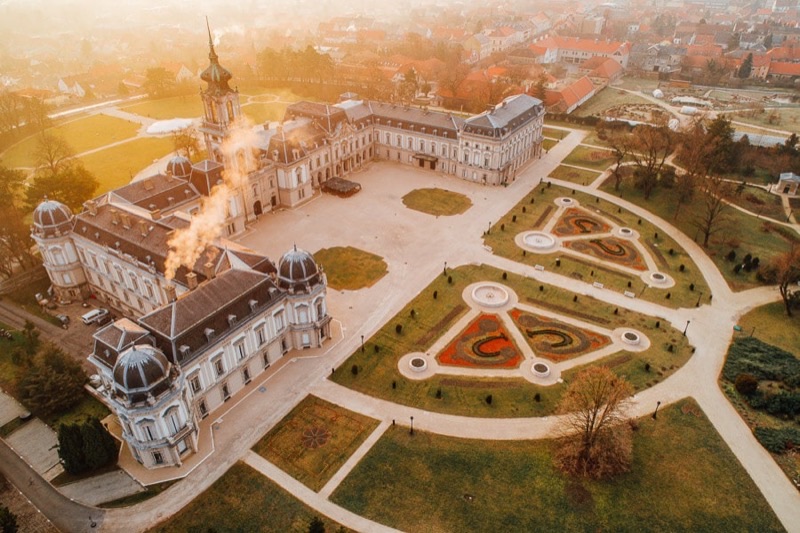
Hungary is ideal for travelers seeking a sophisticated yet affordable European city escape, particularly drawn to Budapest's iconic thermal baths like Széchenyi and its vibrant ruin bar scene. Best for those who appreciate easy city exploration, rich history, and an energetic nightlife combined with relaxing spa experiences, all within Central Europe.
Choose Turkey
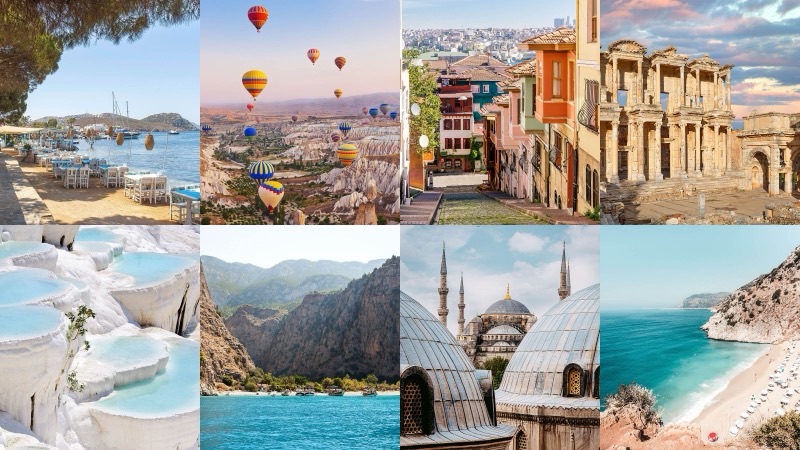
Turkey offers an unparalleled adventure for budget-conscious explorers craving diverse landscapes and profound cultural immersion. Experience the surreal hot air balloons over Cappadocia, haggle at Istanbul's Grand Bazaar, or explore ancient Roman ruins, making it perfect for those seeking extensive historical sites and unique, exotic experiences.
📊 Visual Scorecard
🌤 When to Visit
Average high temperatures (°C). Green = best months, orange = avoid.
Quick Comparison
| Category | Hungary | Turkey | Winner |
|---|---|---|---|
| Costs & Budget | Mid-range European costs, Budapest can be €40-80/day. Accommodations and transport are reasonable, food and drink vary. | Generally lower costs, Istanbul €30-60/day. Food, transport, and some accommodations are very budget-friendly, especially outside major tourist areas. | Turkey |
| Food & Drink | Hearty, meat-focused Hungarian cuisine (goulash, langos), good pastries, and a thriving wine and craft beer scene. | Diverse, flavorful Turkish cuisine (kebabs, meze, baklava), fresh produce, strong tea culture, and unique local drinks. | Turkey |
| Culture & History | Roman ruins, Ottoman occupation influence, Austro-Hungarian Empire grandeur, and Soviet-era remnants. Budapest is a history hub. | Millennia of history: Hittite, Greek, Roman, Byzantine, Ottoman Empires. Istanbul's layers are deep. Sites are spread across a large country. | Turkey |
| Nightlife & Entertainment | Budapest offers a famous ruin bar scene, lively clubs, pubs, and cultural performances. Strong focus on city-based entertainment. | Istanbul has rooftop bars, clubs in areas like Beyoğlu, and traditional tavernas. More varied across the country, with less emphasis on a single party hub. | Hungary |
| Getting Around | Excellent public transport in Budapest (metro, tram, bus). Trains connect major cities efficiently. Small country, easy to navigate. | Extensive bus network for intercity travel. Istanbul's public transport is good but crowded. Flying is often necessary for long distances. | Hungary |
| Nature & Landscapes | Flat plains, rolling hills, Lake Balaton (Central Europe's largest lake), and caves in the north. Less dramatic overall. | Diverse terrain: Mediterranean coast, Black Sea mountains, Cappadocia's fairy chimneys, Pamukkale's terraces, vast Anatolian steppes. | Turkey |
| Beaches & Water Activities | Lake Balaton is the primary water destination, offering swimming, sailing, and lakeside activities. No sea access. | Extensive coastline on the Mediterranean, Aegean, and Black Seas with numerous sandy and pebbly beaches. Excellent for swimming, diving, and boat trips. | Turkey |
| Safety & Practicalities | Generally very safe. Low crime rates, petty theft in tourist areas is the main concern. Good infrastructure. | Generally safe, but be aware of scams, especially in Istanbul. Political situation can be a concern for some, though tourist areas are usually unaffected. Infrastructure is good in major cities. | Hungary |
| Family Travel | Budapest offers parks, children's museums, thermal baths, and easy public transport. Lake Balaton is family-friendly. | Beaches, historical sites, unique experiences like Cappadocia balloons. Long travel distances can be challenging. Hospitality is strong. | Tie |
| Solo Travel | Budapest is very solo-traveler friendly with hostels, social ruin bars, and easy navigation. Good for first-time solo Europeans. | Solo travel is common. Hospitality is strong. Can be very social, but solo female travelers may experience more attention. Long distances can be isolating. | Hungary |
💰 Costs & Budget
Hungary presents itself as a more budget-friendly European option compared to Western Europe, but it's not dirt cheap. A budget traveler can expect to spend around €40-60 ($45-65)…
Hungary
Turkey
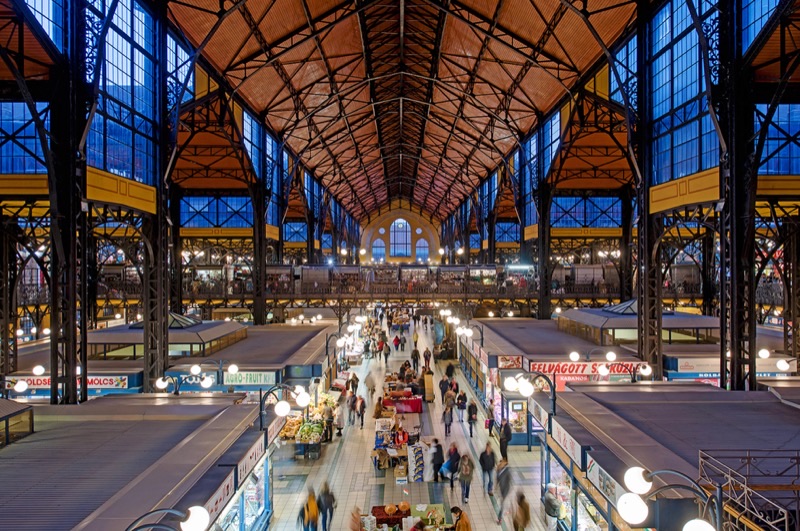
Hungary presents itself as a more budget-friendly European option compared to Western Europe, but it's not dirt cheap. A budget traveler can expect to spend around €40-60 ($45-65) per day, while a mid-range traveler might spend €80-120 ($90-130). A beer in Budapest's ruin bars like Szimpla Kert can cost around 1000-1500 HUF ($2.80-$4.20), and a simple meal at a local eatery like Karaván Street Food around 2500-4000 HUF ($7-$11). Public transport passes for 3 days are approximately 4500 HUF ($12.50). Entrance to the Szechenyi Thermal Bath is about 9000-10000 HUF ($25-$28). Outside Budapest, costs decrease slightly, making Lake Balaton or Eger more affordable.
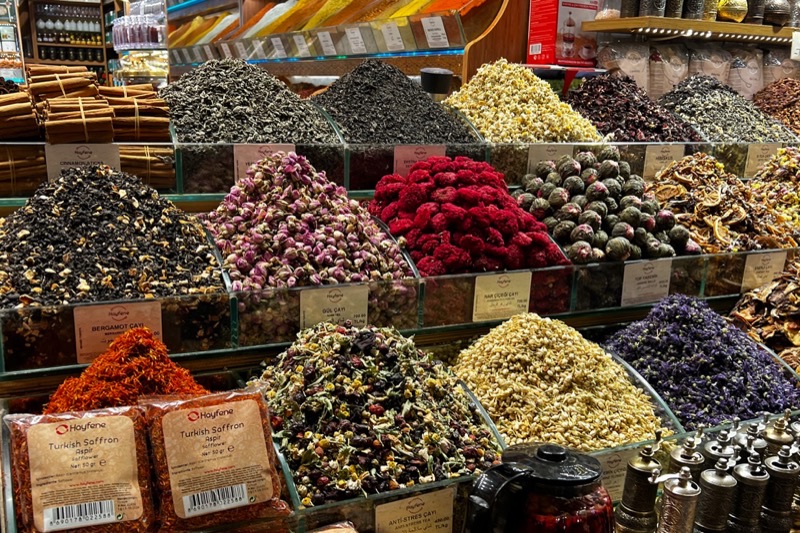
Turkey generally offers a lower cost of living and travel, making it highly appealing for budget-conscious travelers. Daily expenses can be as low as €30-50 ($33-55) for a backpacker, and €60-90 ($65-100) for a mid-range experience. A hearty meal at a local lokanta in Istanbul can be 100-200 TRY ($3-$6), and a cup of Turkish coffee is typically 30-60 TRY ($1-$2). Public transport in Istanbul, using an Istanbulkart, costs around 15-30 TRY ($0.50-$1) per ride. A hot air balloon ride in Cappadocia, while a splurge, is usually around €200-300 ($220-$330) but provides an experience with no direct parallel in Hungary. For basic daily expenses, Turkey delivers greater value. Verdict: Turkey wins on overall affordability and the potential for a deeper travel experience on a tighter budget.
- Winner: Turkey
- Why: Turkey offers significantly lower daily costs for food, transport, and attractions, stretching budgets further.
- Who this matters for: Budget travelers, long-term travelers, and those seeking maximum value for money.
🍜 Food & Drink
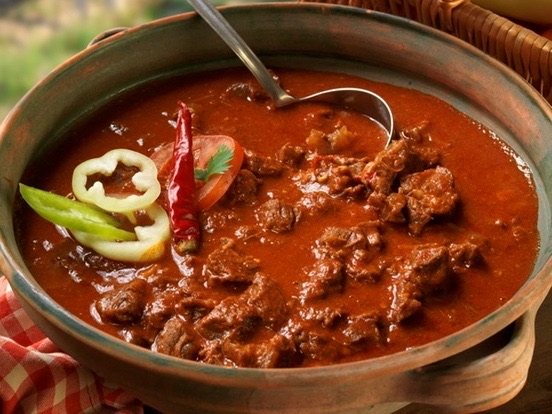
Hungarian cuisine revolves around paprika, meat, and rich stews. Goulash is iconic, but also try halászlé (fish soup) and töltött káposzta (stuffed cabbage). Langos, a fried dough…
Hungary
Turkey
Hungarian cuisine revolves around paprika, meat, and rich stews. Goulash is iconic, but also try halászlé (fish soup) and töltött káposzta (stuffed cabbage). Langos, a fried dough snack, is a street food staple, costing around 1500-2500 HUF ($4-$7). The country produces excellent wines, particularly from regions like Tokaj for sweet wines and Eger for reds. Pálinka, a fruit brandy, is also popular. Budapest has a strong café culture with places like New York Café offering elaborate experiences, though at a higher price point (coffees around 1500 HUF/$4.20). Craft beer is also prevalent in the ruin bars, with good local options.
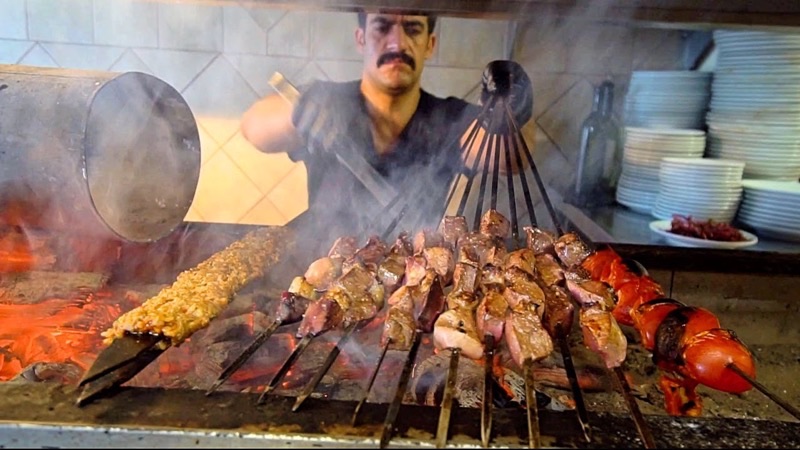
Turkish food is a delicious fusion of Central Asian, Middle Eastern, and Mediterranean influences. Expect fresh meze platters, various kebabs (try Iskender kebab), köfte (meatballs), and borek (savory pastries). Street food is abundant and cheap; a simit (sesame bread ring) costs 10-20 TRY ($0.30-$0.60), and a döner kebab around 80-150 TRY ($2.50-$4.70). Desserts like baklava and künefe are common. Turkish tea (çay) is ubiquitous and integral to daily life, offered almost everywhere. Raki, an anise-flavored alcoholic drink, is the national spirit. The range of flavors, spices, and fresh ingredients in Turkish cuisine generally exceeds Hungary's offerings. Verdict: Turkey wins for its incredible culinary diversity, depth of flavor, and widespread availability of affordable, high-quality food experiences.
- Winner: Turkey
- Why: Turkey offers a more extensive and complex culinary landscape with diverse flavors, ingredients, and street food options.
- Who this matters for: Food enthusiasts, those seeking varied flavors, and travelers who enjoy culinary exploration on a budget.
🏛️ Culture & History
Hungary's history is a story of empires and resilience. Budapest displays Roman Aquincum remains, Ottoman-era baths, Austro-Hungarian palaces like Buda Castle, and the Parliament…
Hungary
Turkey
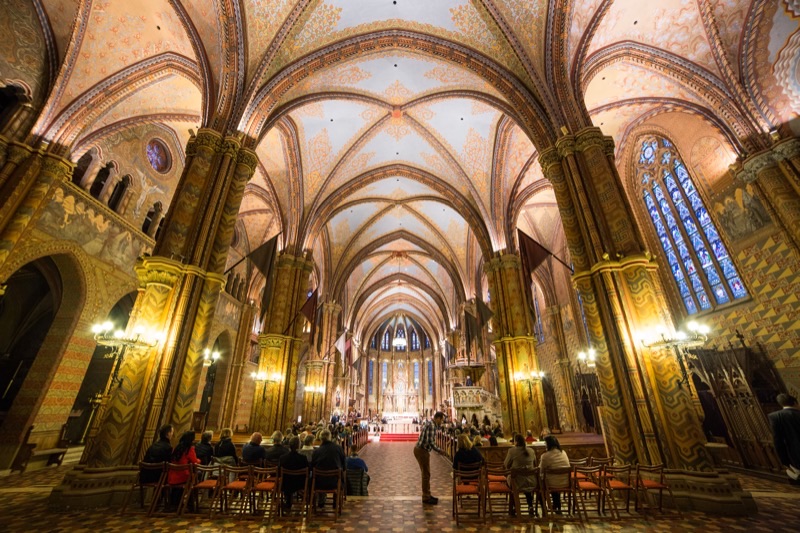
Hungary's history is a story of empires and resilience. Budapest displays Roman Aquincum remains, Ottoman-era baths, Austro-Hungarian palaces like Buda Castle, and the Parliament Building. The Dohány Street Synagogue is Europe's largest. The House of Terror Museum documents 20th-century fascism and communism. Outside Budapest, Eger's castle holds significant Ottoman siege history, and Esztergom was an early Hungarian capital. Hungarian culture leans Central European with strong folk traditions, classical music, and a somewhat reserved demeanor until you get to know people. The history is localized, primarily in Budapest and a few regional towns.
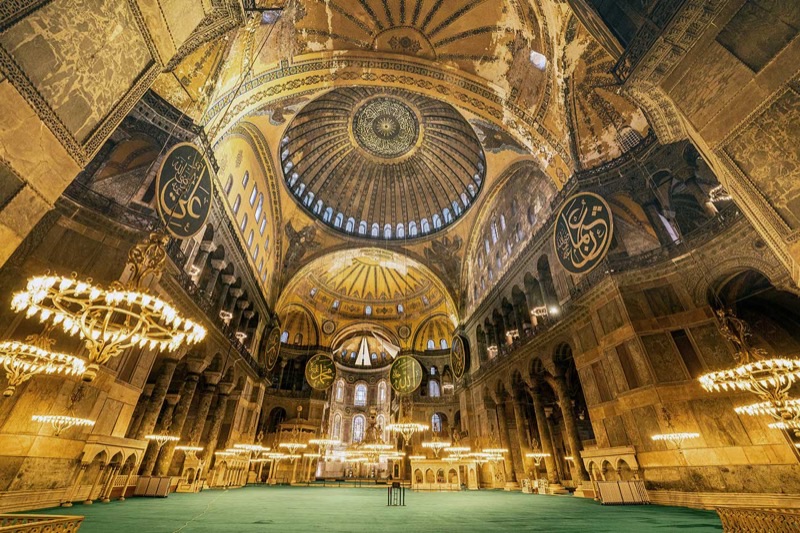
Turkey's historical depth is immense, spanning thousands of years and numerous civilizations. Istanbul alone offers Hagia Sophia, the Blue Mosque, Topkapi Palace, and the Grand Bazaar – all legacies of Byzantine and Ottoman rule. Ephesus provides remarkably preserved Roman ruins, while Göbeklitepe is one of the oldest known temples in the world. Cappadocia's cave dwellings and underground cities are unique historical sites. The Hittite capital Hattusa and the ancient city of Troy further highlight Turkey's layered past. Turkish culture is a blend of East and West, with hospitality, family values, and religious traditions playing important roles. The sheer volume and scale of historical sites across Turkey are compelling. Verdict: Turkey is the clear winner for its unparalleled historical depth and breadth, offering a journey through civilizations spanning millennia.
- Winner: Turkey
- Why: Turkey's historical sites are more numerous, diverse, and span a much longer period, representing multiple global empires.
- Who this matters for: History buffs, archaeology enthusiasts, and those seeking a profound cultural immersion.
🎉 Nightlife & Entertainment
Budapest is renowned for its nightlife, particularly the ruin bars in the Jewish Quarter. Szimpla Kert is the original, but dozens of others like Instant-Fogas Complex offer…
Hungary

Turkey
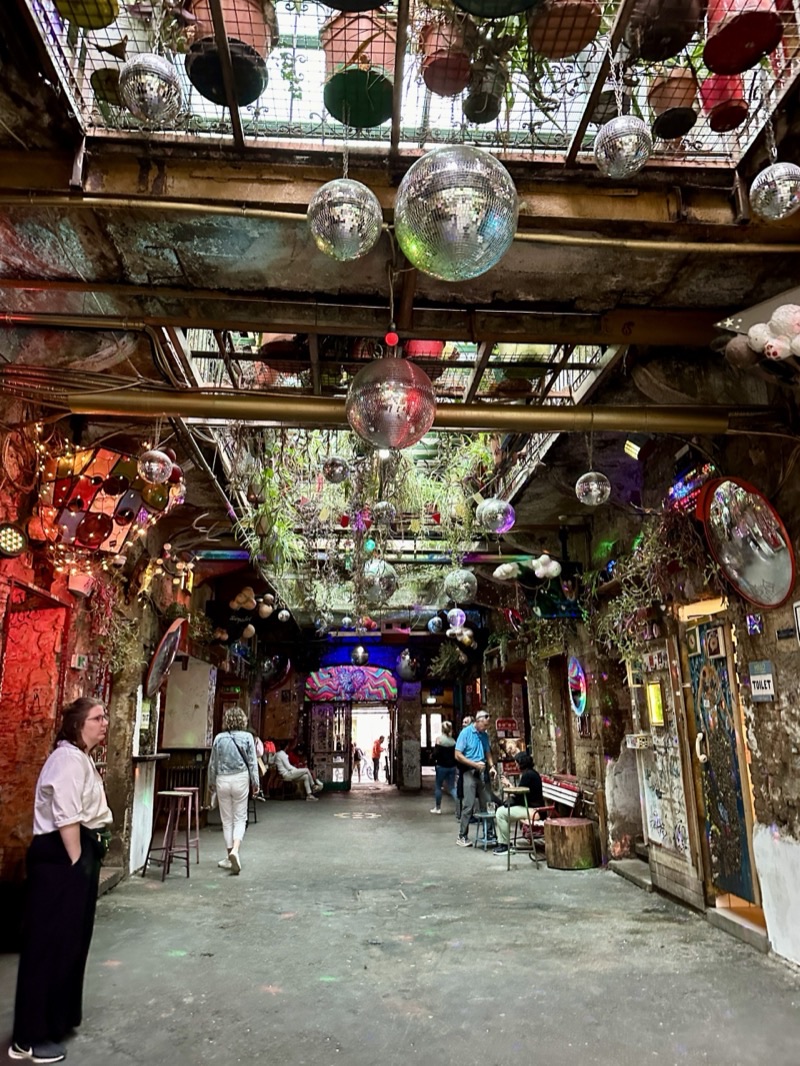
Budapest is renowned for its nightlife, particularly the ruin bars in the Jewish Quarter. Szimpla Kert is the original, but dozens of others like Instant-Fogas Complex offer unique atmospheres, live music, and diverse crowds. Drinks are relatively affordable, making for long nights out. Expect beers for 1000-1500 HUF ($2.80-$4.20) and cocktails for 2500-4000 HUF ($7-$11). There are also larger clubs, jazz venues, and opera performances at the Hungarian State Opera House. The city's concentration of options within a small area makes it easy to hop between venues. During summer, open-air parties and festivals on Margaret Island also draw crowds. Hungary's nightlife is a major draw for younger travelers and those seeking a dynamic evening experience.
Turkey's nightlife is more diverse and spread out. Istanbul has areas like Beyoğlu and Kadıköy with bars, clubs, and live music venues. Rooftop bars with views of the Bosphorus are popular but can be pricey. Traditional meyhanes (tavernas) offer raki, meze, and live Turkish music, providing a different kind of evening entertainment. Along the Aegean and Mediterranean coasts, resorts like Bodrum and Antalya have their own party scenes during summer, but these are distinct from Istanbul's offerings. Alcohol consumption in Turkey is more regulated and often more expensive than in Hungary, especially outside tourist zones. A beer might cost 80-150 TRY ($2.50-$4.70) in a bar, and cocktails upwards of 250 TRY ($7.80). Verdict: Hungary, specifically Budapest, offers a more concentrated, accessible, and generally more affordable nightlife experience, particularly with its unique ruin bar culture.
- Winner: Hungary
- Why: Budapest's ruin bar scene and concentrated nightlife options provide a unique and accessible experience that is a major draw.
- Who this matters for: Younger travelers, party-goers, and those prioritizing lively evening entertainment.
🚆 Getting Around
Hungary's size makes internal travel relatively straightforward. Budapest boasts an efficient and extensive public transportation system, including metro, tram, and bus lines,…

Hungary
Turkey
Hungary's size makes internal travel relatively straightforward. Budapest boasts an efficient and extensive public transportation system, including metro, tram, and bus lines, making it easy to cover the city. A single ticket costs 350 HUF ($1), or a 24-hour pass for 1650 HUF ($4.60). Intercity travel is primarily by train, with MÁV (Hungarian State Railways) connecting Budapest to major cities like Pécs, Szeged, and Debrecen. For example, a train from Budapest to Lake Balaton's Siófok takes about 1.5-2 hours and costs around 3000-4000 HUF ($8-$11). Buses also serve smaller towns. Rental cars are an option for exploring rural areas but are not necessary for city-to-city travel. The compact geography is a significant advantage.
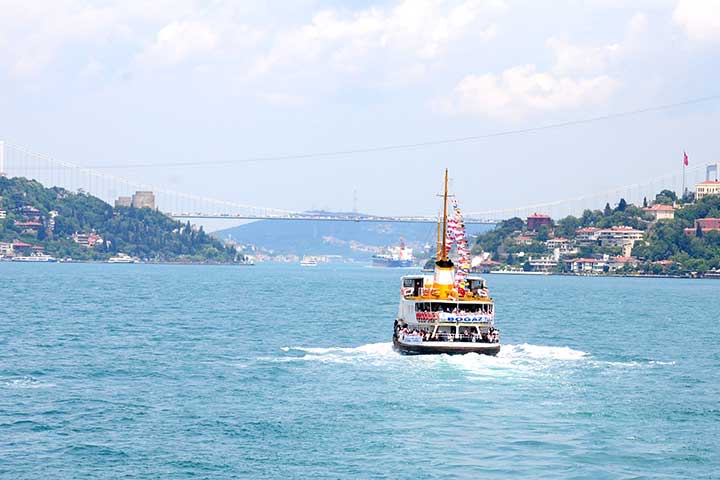
Turkey is a large country, so internal travel often requires a combination of methods. Istanbul's public transport (metro, tram, ferry, Marmaray train) is extensive but can be crowded, especially during peak hours. Using an Istanbulkart is essential, with fares around 15-30 TRY ($0.50-$1) per ride. For intercity travel, buses are the backbone, with a vast network connecting almost every town; a trip from Istanbul to Cappadocia can take 10-12 hours and cost 500-800 TRY ($15-$25). For longer distances, flying is often the practical choice, with domestic flights from Istanbul to destinations like İzmir, Antalya, or Cappadocia taking 1-1.5 hours and costing anywhere from €30-€80 ($33-$90) when booked in advance. Driving can be challenging due to road conditions and traffic, especially in cities. Verdict: Hungary wins for its compact size, making internal travel simpler, faster, and less reliant on long-distance domestic flights.
- Winner: Hungary
- Why: Hungary's smaller size and efficient public transport systems make internal travel far easier and quicker.
- Who this matters for: Travelers with limited time, those who prefer not to fly internally, and those seeking simple logistics.
🏞️ Nature & Landscapes
Hungary's natural landscape is characterized by the Great Hungarian Plain, rolling hills, and the Danube River. Lake Balaton, Central Europe's largest freshwater lake, is a…
Hungary's natural landscape is characterized by the Great Hungarian Plain, rolling hills, and the Danube River. Lake Balaton, Central Europe's largest freshwater lake, is a popular summer destination for swimming, sailing, and relaxing, with towns like Siófok and Tihany. The northern regions, like the Bükk Mountains and Aggtelek Karst, offer hiking and cave systems. The country has thermal springs and many protected areas, but the scenery is generally less dramatic than some other European countries. Hortobágy National Park, a UNESCO site, showcases a puszta (steppe) environment with traditional horsemen. While pleasant, Hungary's natural appeal is more understated.
Turkey boasts an incredibly diverse and often dramatic natural landscape. Along its Mediterranean and Aegean coasts, there are turquoise waters, sandy beaches, and pine-clad hills (e.g., around Fethiye or Antalya). The most iconic natural wonder is Cappadocia, with its unique 'fairy chimney' rock formations and cave dwellings, often explored via hot air balloons. Pamukkale offers striking white travertine terraces formed by mineral-rich thermal waters. The Kaçkar Mountains in the northeast provide alpine scenery and hiking opportunities. The Black Sea coast is lush and green, contrasting with the arid Anatolian plateau. Turkey's natural offerings include deserts, volcanoes, vast plains, and two significant mountain ranges. Verdict: Turkey is the clear victor for its extraordinary diversity and unique geological formations, offering more iconic and varied natural experiences.
- Winner: Turkey
- Why: Turkey's landscapes are far more diverse, dramatic, and globally recognizable, from Cappadocia's formations to Pamukkale's terraces.
- Who this matters for: Nature lovers, photographers, adventurers, and those seeking iconic geological wonders.
🏖️ Beaches & Water Activities
Hungary is a landlocked country, so its water activities center around lakes and thermal baths. Lake Balaton is the largest, offering numerous resorts, swimming opportunities, and…
Hungary is a landlocked country, so its water activities center around lakes and thermal baths. Lake Balaton is the largest, offering numerous resorts, swimming opportunities, and sailing. Towns like Siófok are popular for summer breaks. The water is freshwater, warm in summer, and generally shallow near the shores, making it suitable for families. There are also smaller lakes and rivers, but they don't compare to a sea coast. Thermal baths, like the Szechenyi Baths in Budapest, offer a different kind of water experience, focusing on relaxation and health benefits. While enjoyable, Hungary's water experiences are limited to lakes and artificial pools.
Turkey, bordered by four seas, has a vast and varied coastline. The Mediterranean and Aegean coasts are particularly popular, with famous beach destinations like Antalya, Fethiye, Bodrum, and Marmaris. Ölüdeniz, near Fethiye, is renowned for its Blue Lagoon, a protected area with calm, turquoise waters perfect for swimming and paragliding. Kas offers excellent scuba diving opportunities. Beach types range from long sandy stretches (e.g., Patara Beach) to secluded coves. Boat tours, snorkeling, and other water sports are widely available. The water is warm for much of the year, particularly from May to October. Verdict: Turkey wins definitively for its extensive, diverse, and internationally acclaimed sea coasts and a wider range of water-based activities.
- Winner: Turkey
- Why: Turkey possesses thousands of kilometers of coastline with diverse beaches and sea activities, far surpassing landlocked Hungary's lake offerings.
- Who this matters for: Beach lovers, sun worshipers, divers, and those who prioritize sea-based relaxation and activities.
🚨 Safety & Practicalities
Hungary is considered a very safe country for tourists. Major cities like Budapest have low violent crime rates. The primary concern for travelers is petty theft, particularly…
Hungary is considered a very safe country for tourists. Major cities like Budapest have low violent crime rates. The primary concern for travelers is petty theft, particularly pickpocketing, in crowded tourist areas, on public transport, or in busy nightlife spots like the ruin bars. Being aware of surroundings and securing belongings is usually sufficient. Taxis can sometimes overcharge, so using ride-hailing apps or reputable taxi services is advisable. Women traveling solo generally report feeling secure. The infrastructure is modern and reliable, and emergency services are efficient. Health care facilities are good in cities. English is commonly spoken in tourist-heavy areas.
Turkey is also generally safe for tourists, especially in major tourist zones like Istanbul, Cappadocia, and the coastal resorts. However, scams, particularly around Grand Bazaar or taxi drivers, are more prevalent than in Hungary. It's important to agree on prices beforehand or use metered taxis/ride apps. Solo female travelers may experience more unwanted attention, though serious incidents are rare. The political situation in Turkey can be dynamic, and while tourist regions are typically unaffected, being informed about current events is prudent. Infrastructure in big cities is modern, but roads can be busy. Emergency services are available. Language can be a barrier outside major tourist areas, but hospitality is high. Verdict: Hungary edges out Turkey on safety and practicalities due to lower incidence of tourist scams and a generally more predictable environment for first-time European travelers.
- Winner: Hungary
- Why: Hungary presents fewer common tourist scams and a more consistently predictable safety environment.
- Who this matters for: First-time international travelers, those sensitive to petty crime or scams, and solo female travelers.
👨👩👧👦 Family Travel
Hungary is a good option for families. Budapest has various parks, including Margaret Island with playgrounds and a musical fountain. The Palatinus Strand and Szechenyi Baths…
Hungary is a good option for families. Budapest has various parks, including Margaret Island with playgrounds and a musical fountain. The Palatinus Strand and Szechenyi Baths offer kid-friendly thermal pool sections. The Children's Railway is a unique experience. Family-friendly restaurants are common, and public transport makes getting around with kids straightforward. Lake Balaton is a popular summer destination for Hungarian families, with shallow waters suitable for children and plenty of lakeside activities. The slower pace outside Budapest and the relatively compact nature of the country make it easier to manage with younger children. Costs are reasonable for family-sized apartments or meals. Budapest offers a balanced mix of education and entertainment.
Turkey also welcomes families warmly. The coastal regions (Antalya, Fethiye) have resorts with kid-friendly facilities, beaches, and water parks. Historical sites like Ephesus can be engaging for older children, while Cappadocia's hot air balloons (for those above a certain age/height) and cave explorations offer memorable adventures. Turkish culture is very family-oriented, and children are often doted upon. Food options are generally appealing to children, with many mild choices. The main challenge for families might be the long travel distances between attractions, potentially requiring domestic flights or long bus rides. Some historical sites involve a lot of walking or stairs, which might not suit very young children. Verdict: It's a tie, as both countries offer distinct but equally compelling experiences for families, depending on their priorities for relaxation vs. adventure.
- Winner: Tie
- Why: Both countries provide specific benefits for families, from Hungary's compact city and lake options to Turkey's extensive beaches and unique adventure sites.
- Who this matters for: Families seeking specific types of vacations: Hungary for city/lake, Turkey for beaches/adventure.
🚶♀️ Solo Travel
Hungary, particularly Budapest, is an excellent choice for solo travelers. The city has a well-established hostel scene, making it easy to meet other travelers. The ruin bars are…
Hungary, particularly Budapest, is an excellent choice for solo travelers. The city has a well-established hostel scene, making it easy to meet other travelers. The ruin bars are inherently social environments, where striking up conversations is common. Public transport is intuitive and safe, even at night. Many walking tours and free walking tours operate daily, providing opportunities for both sightseeing and socializing. The generally low crime rate and predictable environment contribute to a sense of security. Dining alone is normal, and café culture allows for comfortable solo relaxation. English is widely spoken in tourist areas, minimizing language barriers. Getting around the country solo is simple due to its size and efficient transport.
Solo travel in Turkey is also rewarding, with a high level of hospitality. Hostels are available in major cities, and guesthouses often provide a social atmosphere. However, as a solo traveler, particularly for women, you might encounter more persistent attention or cultural misunderstandings compared to Hungary. While not typically threatening, it can be tiresome. Long distances between key attractions can make solo travel feel more isolated at times, unless you opt for organized tours (e.g., in Cappadocia). In traditional areas, solo dining as a woman might attract stares, though it's generally safe. Local transport is efficient but can be confusing initially. Verdict: Hungary wins for solo travelers due to its more consistently comfortable and straightforward experience, especially for those new to solo international trips, and its easily navigable social scene.
- Winner: Hungary
- Why: Hungary provides a more consistently comfortable and less challenging experience for solo travelers, particularly solo female travelers.
- Who this matters for: First-time solo travelers, solo female travelers, and those prioritizing ease of meeting others.
🎯 The Decision Framework
Choose Hungary If…
- You want excellent thermal baths and spa culture.
- You prioritize a concentrated, accessible nightlife with unique ruin bars.
- You prefer a shorter, more compact trip without extensive internal travel.
- You appreciate Austro-Hungarian Empire architecture and Central European history.
- You are a first-time solo traveler seeking easy social connections.
- You want efficient, reliable city public transport.
- You enjoy hearty, meat-based stews and local wines.
- You prefer a generally predictable and low-stress travel environment.
Choose Turkey If…
- You seek significant ancient history, from Roman ruins to Ottoman palaces.
- You want a substantially lower daily budget for food, transport, and lodging.
- You desire incredibly diverse and dramatic natural landscapes like Cappadocia and Pamukkale.
- You are a beach lover seeking extensive Mediterranean or Aegean coastlines.
- You enjoy deep cultural immersion with a blend of East and West influences.
- You appreciate flavorful, varied cuisine with abundant street food options.
- You don't mind longer travel distances within a country, potentially by domestic flights.
- You are looking for an exotic experience distinct from typical European destinations.
📅 Sample Itineraries
Weekend in Budapest (3 Days)
💡 Purchase a 72-hour Budapest Card for approximately $40-50 to save on public transport and museum entries, offering good value if you plan to visit multiple attractions.
Weekend in Istanbul (3 Days)
💡 Use an Istanbulkart for public transportation, loading it with funds. It saves time and money on buses, trams, and ferries, costing around $1 to acquire the card plus desired credit.
One Week in Hungary (7 Days)
💡 For travel outside Budapest, look into regional train passes or purchase tickets in advance online from MÁV Start to secure better prices, particularly for longer journeys to Lake Balaton.
One Week in Turkey (7 Days)
💡 Book domestic flights in Turkey well in advance, especially for routes to Cappadocia or Izmir, as prices can increase significantly closer to the travel date. Pegasus Airlines often offers competitive fares.
❓ Frequently Asked Questions
Which country is cheaper for a 7-day trip, Hungary or Turkey?
Turkey is generally cheaper for a 7-day trip. A mid-range budget in Turkey might be €400-600 ($440-$660) excluding international flights, covering accommodations, food, and attractions. In Hungary, expect to spend €500-850 ($550-$935) for a similar trip, with Budapest being the main cost driver.
How long are flights from major European cities to Hungary versus Turkey?
Flights from Western European cities (e.g., London, Berlin) to Budapest (Hungary) typically range from 2.5 to 3 hours direct. Flights to Istanbul (Turkey) usually take longer, around 3.5 to 4 hours direct. This makes Hungary slightly more accessible for shorter trips.
Is it easy to travel between cities in Hungary and Turkey?
Hungary, being smaller, is very easy to navigate by train or bus; intercity travel typically takes 1-3 hours. Turkey is a large country, so while its bus network is extensive, journeys between major cities like Istanbul, Cappadocia, and the coast can take 8-12 hours, often necessitating domestic flights (1-1.5 hours) for efficiency.
Which country has better weather for summer travel?
Both countries experience hot summers. Hungary, particularly Budapest and Lake Balaton, sees average July temperatures of 25-30°C (77-86°F). Turkey's Mediterranean coast can be much hotter, often exceeding 35°C (95°F) in July/August, while Istanbul is similar to Budapest. For slightly milder heat, Hungary might be preferable, but for reliable beach weather, Turkey's coast delivers.
What kind of unique experiences can I find in Hungary that aren't in Turkey?
In Hungary, you can experience the unique ruin bar scene in Budapest, relax in grand thermal baths like Szechenyi or Gellért, and explore the vast freshwater Lake Balaton. These specific combinations of urban decay nightlife, historic spa culture, and large inland lake recreation are distinct from Turkey's offerings.
What unique experiences does Turkey offer that Hungary does not?
Turkey offers hot air balloon rides over Cappadocia's fairy chimneys, walking on Pamukkale's travertine terraces, exploring ancient Roman cities like Ephesus, and relaxing on extensive Mediterranean beaches like Ölüdeniz. These geological formations, ancient historical sites, and vast coastlines are exclusive to Turkey.
Is one country significantly safer for solo female travelers?
Hungary is generally considered more straightforward and comfortable for solo female travelers, with fewer instances of unwanted attention and a familiar European travel environment. While Turkey is safe, solo female travelers might experience more persistent attention, especially outside major tourist zones or in more traditional areas, requiring more awareness.
Which country has more impressive historical sites?
Turkey has a greater quantity and diversity of historical sites, spanning millennia and numerous empires (Hittite, Greek, Roman, Byzantine, Ottoman). Iconic sites include Hagia Sophia, Ephesus, Topkapi Palace, and Göbeklitepe. Hungary's history is significant but more concentrated around the Austro-Hungarian and Ottoman eras, primarily in Budapest.
Ready to plan your Central European or Eurasian trip?
Get a free custom itinerary for Hungary, Turkey, or both — built from real traveler insights.
👥 Travelers Also Compared
🎟️ Book Tours & Experiences
Hand-picked tours and activities for both destinations — book with free cancellation
Experiences via Viator — free cancellation on most tours