How we built this comparison
This page combines traveler discussion patterns, published price ranges, flight schedules, and seasonal data to help you decide between Hurghada and Sharm El Sheikh.
- Reviewed 50+ Reddit threads from r/travel, r/solotravel, r/Egypt, and r/redsea for firsthand accounts and local tips.
- Verified costs and logistics against current booking platforms (Booking.com, Skyscanner, GoBus) and local tour operators.
- Cross-referenced seasonal patterns, weather data, and safety advisories from government travel resources.
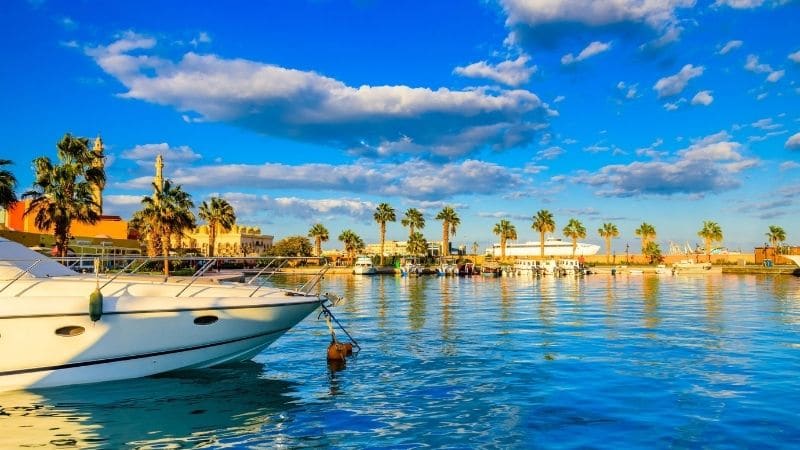
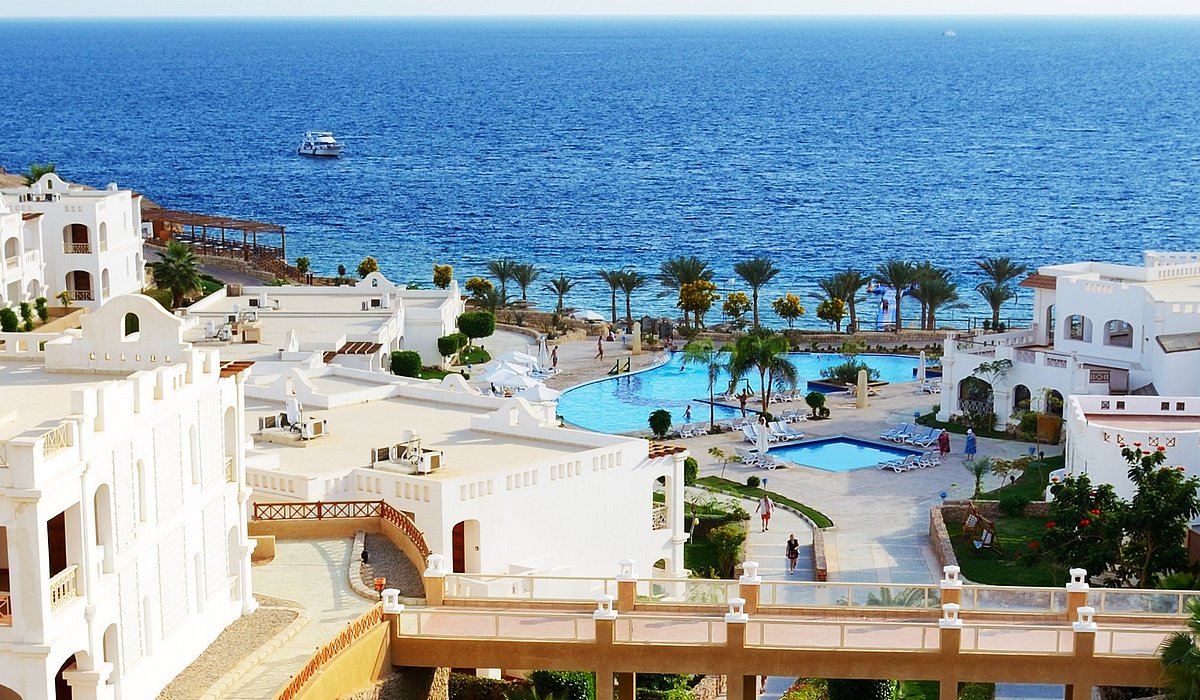
⚡ The TL;DR Verdict
If you're chasing world-class diving with a more upscale, resort-centric vibe and don't mind a bit of a tourist bubble, Sharm El Sheikh is your spot, expecting a daily budget of $80-150+. For a more budget-friendly, local-flavor experience with access to stunning islands and ancient history day trips, Hurghada offers great value, often for $60-120+ a day.
- Choose Hurghada: Perfect for budget-conscious travelers, families, and those wanting a mix of Red Sea activities with easy access to Luxor or Cairo for historical excursions. You'll find a more 'Egyptian' feel outside the resorts.
- Choose Sharm El Sheikh: Ideal for serious divers, couples seeking a romantic or luxurious resort experience, and those who prioritize high-end amenities, nightlife, and direct access to pristine marine parks like Ras Mohammed.
- Choose Both: If you have 10-14 days, consider flying into one, enjoying 4-5 days, then taking a domestic flight or a long bus/ferry (less recommended for efficiency) to the other for a contrasting experience. This lets you sample both desert adventures and historical wonders.
Quick Comparison
| Category | Hurghada | Sharm El Sheikh | Winner |
|---|---|---|---|
| Beaches & Diving | Fantastic boat trips to Giftun Islands for snorkeling/diving; mainland beaches vary but are mostly resort-owned. Access to the famous Thistlegorm wreck. | Stunning, well-maintained beaches, often resort-front. Direct access to world-renowned dive sites like Ras Mohammed National Park and Tiran Island. | Sharm El Sheikh |
| Nightlife & Entertainment | Lively but a bit more localized. Known for Papas Beach Club, Little Buddha, and a strip of pubs along Sheraton Road. | More international and sophisticated. Famous for Pacha, Hard Rock Cafe, and the vibrant Soho Square with its ice rink and dancing fountain. | Sharm El Sheikh |
| Food Scene | Good mix of local Egyptian eateries and international restaurants, particularly along the Marina. More authentic street food options. | Heavily dominated by international resort buffets and upscale tourist-oriented restaurants. Fewer authentic local spots outside Naama Bay. | Hurghada |
| Costs & Budget | Generally more affordable for accommodation, food, and local transport. Good value for money for various activities. | Tends to be slightly more expensive overall, particularly for higher-end resorts, dining, and organized tours. Budget options exist but are fewer. | Hurghada |
| Getting There & Around | Well-connected international airport (HRG). Local transport includes taxis, Careem/Uber, and microbuses. Good bus links to major Egyptian cities. | Well-connected international airport (SSH). Local transport mainly taxis and resort shuttles. Less integrated with national bus networks. | Tie |
| Accommodation Options | Wide range from budget hostels and guesthouses to sprawling all-inclusive resorts. More apartments and local stays. | Dominated by large, often luxurious, all-inclusive resorts. Fewer budget hostels or authentic local guesthouses outside of specific areas. | Hurghada |
| Day Trips & Excursions | Unbeatable access to Luxor and Cairo for historical tours. Excellent desert safaris and island hopping. | Strong on desert safaris, St. Catherine's Monastery, and Coloured Canyon. Limited historical sites nearby. | Hurghada |
| Culture & History | More opportunities for local interaction in El Dahar (old town). Excellent base for ancient Egyptian history via day trips. | Less direct cultural immersion within the city. Historical sites like St. Catherine's are powerful but fewer and further between. | Hurghada |
| Safety & Solo Travel | Generally safe, especially in tourist areas. Solo female travelers should be mindful of local customs; moderate hassle factor. | Very safe, especially within the secure resort zones. Often feels more 'contained' for tourists. Minimal hassle factor. | Sharm El Sheikh |
| Vibe & Atmosphere | A more authentic, bustling Egyptian city feel blended with tourism. Energetic, a bit gritty outside the resort bubble. | More of a purpose-built, polished resort town. Feels distinctly international, tranquil within resorts, lively in specific hubs. | Sharm El Sheikh |
🐠 Beaches & Diving
Sharm El Sheikh arguably takes the crown for sheer convenience to world-class diving and pristine beaches. Its proximity to Ras Mohammed National Park and Tiran Island means many resorts have house reefs accessible directly from their shores, offering incredible snorkeling just steps away. Dive centers are abundant and highly professional, with trips to sites like the Yolanda Reef or Jackson Reef (near Tiran) being daily occurrences. Expect to pay around 1500-2500 EGP ($50-80 USD) for a two-dive day trip, excluding gear rental. Hurghada's diving is also exceptional, particularly for accessing the iconic SS Thistlegorm wreck, but often requires longer boat journeys to reach the best spots like Big Giftun Island or Abu Ramada. Mainland beaches in Hurghada can be less appealing outside of private resort stretches. For casual beach-goers and snorkelers, Sharm's Naama Bay and Shark's Bay offer more immediate gratification. As one Redditor put it, “Sharm just felt like the diving was *everywhere*, whereas in Hurghada, you really need to go out on a boat every time to see the good stuff.”
Winner takeaway
- Winner: Sharm El Sheikh
- Why: Sharm El Sheikh offers more immediate access to world-class diving and pristine, easily accessible beaches directly from many resorts.
- Who this matters for: Serious divers, snorkelers, and those who prioritize convenience to exceptional marine life.
🎉 Nightlife & Entertainment
Sharm El Sheikh generally offers a more diverse and internationally-recognized nightlife scene, especially centered around Naama Bay and Soho Square. Naama Bay is a bustling strip of bars, clubs, and cafes. Pacha Sharm, while perhaps not as globally renowned as its Ibiza counterpart, still offers high-energy nights with international DJs. Hard Rock Cafe Sharm provides a familiar chain experience. Soho Square, in contrast, offers a more family-friendly evening with its spectacular dancing fountain, ice rink, and various upscale restaurants and bars, like the famous Pangaea nightclub. Hurghada's nightlife is also vibrant but leans a bit more towards local tastes and specific hotspots. Papas Beach Club is consistently popular for beach parties, and Little Buddha (also present in Sharm) offers a chic lounge atmosphere. The promenade along Sheraton Road has numerous smaller pubs and shisha cafes. For a bottle of local beer (Sakara Gold or Stella), expect to pay around 60-100 EGP ($2-3 USD) in a bar in either city. A cocktail might run you 150-250 EGP ($5-8 USD). “Sharm just has that 'resort party' vibe nailed down, especially around Naama Bay. Hurghada felt more like 'find a good pub and stick to it',” a traveler once noted.
Winner takeaway
- Winner: Sharm El Sheikh
- Why: Sharm El Sheikh boasts a more polished, diverse, and internationally-recognized nightlife, especially with attractions like Soho Square and Pacha.
- Who this matters for: Party-goers, couples seeking upscale evening entertainment, and those who enjoy a lively, resort-style atmosphere.
🍽️ Food Scene
Hurghada offers a more authentic and varied food scene, especially if you venture beyond your resort. The New Marina is packed with international restaurants and seafood spots, but head into El Dahar (the old town) or along Sheraton Road, and you'll find fantastic local Egyptian eateries. You can grab a delicious koshary (Egypt's national dish) for 30-50 EGP ($1-1.5 USD) or a full foul and ta'ameya (falafel) breakfast for even less. Fresh seafood is a highlight, with places like Star Fish Restaurant offering incredible grilled fish for around 300-600 EGP ($10-20 USD) per person, depending on your catch. Sharm El Sheikh's food scene, while plentiful, is largely geared towards international palates within resorts or in tourist hubs like Naama Bay and Soho Square. While you'll find excellent fine dining and diverse cuisines, truly authentic Egyptian street food is harder to come by unless you seek out specific local areas away from the main tourist drag. “Hurghada definitely has the edge if you want to try real Egyptian food without breaking the bank. Sharm felt like every meal was aimed at European tourists,” shared a foodie on Reddit. Both cities excel at fresh fish, but Hurghada feels more accessible for local flavors.
Winner takeaway
- Winner: Hurghada
- Why: Hurghada provides a more authentic and diverse Egyptian food experience, with more accessible local eateries and street food options.
- Who this matters for: Foodies, budget travelers, and those keen on trying local cuisine beyond resort buffets.
💰 Costs & Budget
Hurghada is generally the more budget-friendly option. A decent meal outside a resort can be found for 100-200 EGP ($3-6 USD), while a resort meal might be 300-500 EGP ($10-17 USD). Basic hotel rooms or guesthouses can start from 600 EGP ($20 USD) per night, with mid-range 4-star resorts offering rooms for 1500-3000 EGP ($50-100 USD). Taxis are cheaper, and ride-hailing apps like Careem are widely available. Sharm El Sheikh, on the other hand, often caters to a slightly more upscale crowd, driving prices up. While budget hostels do exist, mid-range resorts typically start from 2000 EGP ($65 USD) and can easily go up to 5000+ EGP ($160+ USD) per night for a good 4-5 star option. Dining out in tourist areas or resorts will likely cost 400-800 EGP ($13-26 USD) per person. Activities like diving, while similar in base cost, might have slightly higher add-ons due to the general pricing structure. “If you're pinching pennies but still want a great Red Sea trip, Hurghada is definitely the way to go. My daily costs were noticeably lower there,” a budget traveler commented.
Winner takeaway
- Winner: Hurghada
- Why: Hurghada offers better value for money across accommodation, dining, and local experiences, making it more accessible for budget-conscious travelers.
- Who this matters for: Budget travelers, families looking to save, and those wanting to maximize their travel funds.
✈️ Getting There & Around
Both Hurghada (HRG) and Sharm El Sheikh (SSH) boast international airports with direct flights from many European cities. Flight times from London are roughly 5.5 hours, and from Berlin, about 4.5 hours, usually costing 250-450 EUR round trip depending on the season and airline. Once you land, getting around differs slightly. In Hurghada, you have a mix of regular taxis, the local 'microbus' system (which takes some getting used to but is very cheap), and ride-hailing apps like Careem or Uber, making independent travel relatively easy and affordable. A taxi from HRG to the city center costs around 100-150 EGP ($3-5 USD). For intercity travel, Hurghada is a major hub for GoBus and other services to Luxor (4-5 hours, 200-300 EGP / $6-10 USD), Cairo (6-7 hours, 300-400 EGP / $10-13 USD), and Marsa Alam. Sharm El Sheikh relies more heavily on resort-arranged transport or taxis. While taxis are plentiful, they can be pricier, and haggling is essential; expect to pay 150-250 EGP ($5-8 USD) from SSH to Naama Bay. Ride-hailing apps are less prevalent or effective in Sharm due to local taxi union dominance. Buses to other parts of Egypt are available but less frequent and routes less direct than from Hurghada. “Both airports are super easy, but I found getting around Hurghada on my own was way easier and cheaper than Sharm, where I felt stuck with expensive taxis,” a solo traveler mentioned.
Winner takeaway
- Winner: Tie
- Why: Both cities have excellent international airport connections, but Hurghada offers slightly more accessible and affordable local transport options and better national bus links, while Sharm's transport is more resort-centric.
- Who this matters for: Independent travelers, budget-conscious individuals, and those planning multi-city trips within Egypt.
🏨 Accommodation Options
Hurghada offers a remarkably diverse range of accommodation to suit every budget and style. You can find budget-friendly hostels like the Canary Hotel for 300-500 EGP ($10-17 USD) per night, charming local guesthouses, a plethora of mid-range 3-4 star resorts (e.g., Jaz Aquamarine, Steigenberger Aldau Beach Hotel) for 1500-3000 EGP ($50-100 USD), and luxury 5-star options (e.g., Oberoi Sahl Hasheesh) starting from 4000 EGP ($130 USD). There's also a robust market for Airbnb apartments, especially in El Gouna, catering to longer stays or those desiring self-catering. Sharm El Sheikh, while having excellent resorts, is more focused on the all-inclusive, larger-scale property. Expect resorts like Rixos Sharm El Sheikh or Four Seasons Resort Sharm El Sheikh to dominate the landscape, with prices often starting from 3000-8000+ EGP ($100-260+ USD) per night for a quality 5-star experience. While there are a few budget guesthouses in Naama Bay or Hadaba, they are less prevalent and often less appealing than Hurghada's options. “Hurghada definitely has more options if you're not doing the all-inclusive resort thing. We found a great apartment for a fraction of what a basic hotel in Sharm would cost,” a family traveler recounted.
Winner takeaway
- Winner: Hurghada
- Why: Hurghada provides a broader spectrum of accommodation choices, from budget-friendly hostels to luxury resorts and apartments, catering to diverse travel styles and budgets.
- Who this matters for: Budget travelers, long-term stayers, digital nomads, and those seeking alternatives to large resorts.
🗺️ Day Trips & Excursions
This is where Hurghada truly shines for those interested in Egypt's ancient history. From Hurghada, you can embark on a comfortable 4-5 hour bus or private car journey to Luxor, home to the Valley of the Kings, Karnak Temple, and Luxor Temple. A full day trip to Luxor from Hurghada, including transport and a guide, typically costs 1500-2500 EGP ($50-80 USD). While a long day, it's absolutely doable and highly recommended. You can also fly to Cairo for the Pyramids, or take a very long bus. Beyond history, Hurghada offers fantastic desert safaris to Bedouin villages (around 600-1000 EGP / $20-33 USD) and boat trips to paradisiacal islands like Orange Bay and Mahmya Island (800-1500 EGP / $26-50 USD) for snorkeling and relaxation. Sharm El Sheikh's day trips are more focused on the Sinai Peninsula's natural beauty and desert landscapes. Popular excursions include quad biking or jeep safaris to the stunning Coloured Canyon and White Canyon (1200-2000 EGP / $40-65 USD), and sunrise climbs or visits to St. Catherine's Monastery, one of the oldest working Christian monasteries (1000-1800 EGP / $33-60 USD). While these are impressive, they lack the world-renowned historical significance of Luxor. “If you're in Egypt and not seeing Luxor, you're missing out. Hurghada makes that so much easier than Sharm,” remarked a history buff.
Winner takeaway
- Winner: Hurghada
- Why: Hurghada offers unparalleled access to Egypt's iconic ancient historical sites like Luxor and Cairo, complementing its Red Sea attractions.
- Who this matters for: History enthusiasts, cultural travelers, and those wanting a diverse itinerary beyond just beach and diving.
🏺 Culture & History
Hurghada, particularly its older district of El Dahar, offers a more tangible sense of everyday Egyptian life and culture. Here, you can wander through traditional souks (markets) where locals shop for spices, textiles, and everyday goods, giving you a glimpse into authentic life. The Hurghada Grand Aquarium provides insight into local marine life. Furthermore, its strategic location is a huge advantage for accessing the unparalleled ancient Egyptian history of Luxor (Valley of the Kings, Karnak Temple) and even Cairo (Pyramids of Giza, Egyptian Museum) via longer day trips or short flights. This direct connection to the heart of ancient Egypt boosts its cultural appeal significantly. Sharm El Sheikh, by contrast, is a newer city built almost entirely for tourism. While it does have the impressive St. Catherine's Monastery and Moses Mountain nearby, these are more isolated historical/religious sites rather than vibrant cultural hubs integrated into the city. Local interaction outside of tourist services is less common. “Hurghada felt like a real Egyptian city, not just a resort town. We loved getting lost in the souks and trying to practice our Arabic,” a traveler shared, highlighting the difference.
Winner takeaway
- Winner: Hurghada
- Why: Hurghada provides more opportunities for authentic local interaction and serves as an ideal gateway to Egypt's rich ancient history.
- Who this matters for: Cultural explorers, history buffs, and travelers seeking a deeper connection with local life.
🛡️ Safety & Solo Travel
Both Hurghada and Sharm El Sheikh are considered very safe for tourists, with a strong security presence. However, Sharm El Sheikh edges out Hurghada slightly in terms of a 'hassle-free' environment, particularly for solo female travelers or those sensitive to persistent touts. Sharm's tourist areas, especially Naama Bay and Soho Square, feel more curated and contained, with security checkpoints often controlling access to zones. Within resorts, safety is paramount. The Sinai region has had past security issues, but areas like Sharm have been heavily fortified and are currently considered secure. Hurghada is also very safe, but outside of resort areas, particularly in El Dahar or busier streets, you might encounter more persistent touts or vendors. Solo female travelers in Hurghada should be prepared for more attention and dress modestly, although it's generally good-natured. Both cities have tourist police readily available. “I felt extremely safe walking around Sharm at night, even alone. In Hurghada, I stuck to the busier tourist promenades after dark,” a solo female traveler mentioned, reflecting a common sentiment. Petty crime is rare in both locations. Always use reputable taxis or ride-hailing apps.
Winner takeaway
- Winner: Sharm El Sheikh
- Why: Sharm El Sheikh offers a slightly more contained and hassle-free environment, often feeling more secure within its heavily protected tourist zones and resorts.
- Who this matters for: Solo female travelers, first-time visitors to Egypt, and those prioritizing a very low-hassle experience.
✨ Vibe & Atmosphere
Sharm El Sheikh, at its core, is a purpose-built resort destination. The atmosphere is generally more polished, international, and geared towards vacationers seeking relaxation and amenities within secure, well-maintained compounds. The main hubs like Naama Bay and Soho Square offer concentrated bursts of nightlife and dining, but the transition back to the quiet of your resort is often stark. It feels less like an 'Egyptian city' and more like a global holiday destination. Hurghada, conversely, offers a more diverse atmosphere. While it has its fair share of resorts, particularly along the coast and in areas like Sahl Hasheesh or El Gouna, the city itself retains a strong local Egyptian character. Venture into El Dahar, and you'll find a lively, bustling local life, complete with traditional markets, cafes, and mosques. It's a bit grittier and more chaotic than Sharm but offers a richer sense of cultural immersion for those who seek it. “Sharm felt like a bubble, which was great for pure relaxation. Hurghada felt more like you were actually in Egypt, which I loved, but it took more effort,” a Reddit user articulated. Sharm wins for those wanting a seamless, resort-focused vacation.
Winner takeaway
- Winner: Sharm El Sheikh
- Why: Sharm El Sheikh excels in providing a polished, international resort atmosphere conducive to effortless relaxation and upscale enjoyment.
- Who this matters for: Luxury travelers, couples seeking a pampered retreat, and those who prefer a resort-centric, hassle-free vacation.
❓ Frequently Asked Questions
Which destination is better for families with young children?
Sharm El Sheikh often wins for families due to its abundance of large, all-inclusive resorts with extensive kids' clubs, water parks, and entertainment programs. The beaches are generally very calm and safe. Hurghada also has family-friendly resorts but might require more effort to find comparable dedicated children's facilities outside the major chains, though island trips are great for older kids.
Is one location better for non-divers who still want to experience the Red Sea?
Both offer excellent snorkeling and boat trips. Hurghada's proximity to the Giftun Islands (like Orange Bay and Mahmya) makes for incredibly picturesque island day trips, perfect for swimming and snorkeling. Sharm El Sheikh has easier access to fantastic house reefs directly from many resort beaches and numerous snorkeling excursions to Ras Mohammed, offering similar stunning underwater views without diving.
What's the best time of year to visit Hurghada or Sharm El Sheikh?
The best time to visit both is typically from October to April. Temperatures are pleasant (20-30°C / 68-86°F), and the sea is warm enough for swimming. Summers (June-August) can be extremely hot (35-45°C / 95-113°F), making outdoor activities uncomfortable, though it's peak season for some European travelers who enjoy the heat.
Can I easily travel between Hurghada and Sharm El Sheikh?
Traveling directly between them isn't as straightforward as you might hope due to the Gulf of Suez separating them. The most common options are a domestic flight (approx. 45 mins, 1000-2000 EGP / $33-65 USD), or a combination of bus and ferry (long and less reliable). There's no direct land route without a very long detour through mainland Egypt.
Do I need a visa for Egypt, and where can I get one?
Most nationalities, including EU, UK, US, and Canadian citizens, require a visa. You can obtain a visa on arrival at Hurghada or Sharm El Sheikh airports for $25 USD, or apply for an e-Visa online before your trip. For stays in Sharm El Sheikh (and surrounding areas like Dahab, Nuweiba) for up to 15 days, some nationalities (including many EU) can get a free 'Sinai Only' stamp, but check current regulations.
What's the local currency, and should I carry cash?
The local currency is the Egyptian Pound (EGP). While major hotels and tourist shops accept credit cards, it's highly recommended to carry cash for smaller purchases, local eateries, taxis, and tipping. ATMs are widely available in both cities. Expect to exchange at roughly 30-31 EGP to 1 USD.
Is alcohol readily available in Hurghada and Sharm El Sheikh?
Yes, both are tourist destinations, and alcohol is widely available. Resorts, hotels, and many restaurants and bars openly serve alcoholic beverages. There are also duty-free shops at the airports and within the cities where you can purchase alcohol, especially upon arrival with your passport.
Are there good options for digital nomads in either city?
Hurghada, particularly areas like El Gouna (a short drive north), offers a better vibe for digital nomads. It has more apartments for rent, a growing expat community, and a slightly lower cost of living, plus a more 'real city' feel. Sharm El Sheikh is more resort-focused, making it less ideal for long-term independent stays, though some resorts offer good long-stay packages with reliable Wi-Fi.
Ready to plan your Egyptian Red Sea trip?
Get a free custom itinerary for Hurghada, Sharm El Sheikh, or both — built from real traveler insights.
🎟️ Book Tours & Experiences
Hand-picked tours and activities for both destinations — book with free cancellation
Experiences via Viator — free cancellation on most tours