How we built this comparison
This page combines traveler discussion patterns, published price ranges, flight schedules, and seasonal data to help you decide between Hwange and Chobe.
- Reviewed 100+ Reddit threads from r/travel, r/solotravel, r/africa, r/Botswana, r/ZimbabweTravel for real traveler experiences and advice.
- Verified costs and logistics against current booking platforms (e.g., SafariBookings, Expert Africa, lodge direct sites) and recent tour operator quotes.
- Cross-referenced seasonal patterns and weather data with local safari experts and meteorological resources for optimal travel times.
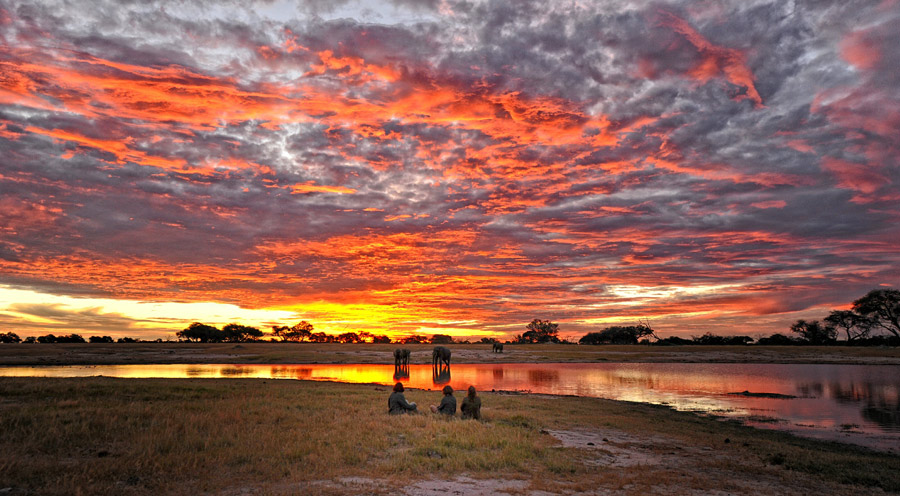
⚡ The TL;DR Verdict
For raw, unadulterated wilderness and incredible value, Hwange is your champion, ideal for seasoned safari-goers or those on a mid-range budget ($400-700/day). Chobe, while pricier ($600-1000+/day), offers unparalleled elephant encounters and luxurious, effortless river safaris, perfect for first-timers or luxury seekers.
- Choose Hwange: Choose Hwange if you crave authentic, less-crowded wilderness, exceptional predator sightings (especially wild dogs), and a slightly more rustic, value-driven safari experience. It's fantastic for experienced safari enthusiasts and photographers.
- Choose Chobe: Opt for Chobe if you prioritize convenience, guaranteed massive elephant herds, thrilling river safaris, and a generally more luxurious, polished safari experience. It's perfect for first-time safari-goers and families.
- Choose Both: Doing both is highly recommended for a comprehensive Southern Africa experience, combining Hwange's land-based game drives with Chobe's unique river safaris. Allocate at least 3-4 nights in each, plus a couple of days for Victoria Falls in between.
Quick Comparison
| Category | Hwange | Chobe | Winner |
|---|---|---|---|
| Wildlife & Safari Experience | Vast wilderness, huge elephant herds, excellent predator sightings (lions, wild dogs), diverse habitats, focused on traditional game drives and walking safaris. | World's largest elephant concentration, iconic river safaris, robust predator viewing along the river, accessible and consistent sightings. | Chobe |
| Costs & Budget | Generally more budget-friendly than Botswana, with good value mid-range options and luxury camps offering competitive rates. | Premium safari destination, higher overall costs for lodges, park fees, and activities, fewer budget options. | Hwange |
| Getting There & Logistics | Access via Victoria Falls (VFA), followed by a 2-3 hour road transfer or charter flight; internal transfers can be longer and more complex. | Extremely convenient access via Kasane (BBK) airport, often combined with Victoria Falls via a short road transfer (1.5-2 hours) across the border. | Chobe |
| Accommodation & Comfort | Diverse range from basic park campsites to intimate tented camps and luxurious lodges, often with a more rustic, classic safari feel. | Primarily high-end luxury lodges and houseboats along the Chobe River, offering polished amenities and exceptional service; limited budget options in Kasane town. | Tie |
| Best Time to Visit (Seasons) | Dry season (July-October) for concentrated wildlife at waterholes; Green season (Nov-April) for birding, lush landscapes, and newborns. | Dry season (May-October) for incredible riverfront game viewing; Green season (Nov-April) offers migratory birds and fewer crowds. | Tie |
| Crowds & Exclusivity | Generally less crowded, especially in private concessions, offering a more exclusive and wild safari feel. | The Chobe Riverfront can be very busy with multiple vehicles at sightings; private concessions offer more exclusivity but at a premium. | Hwange |
| Activities Beyond Safari | Primarily focused on traditional game drives and walking safaris; limited external activities. | River cruises, fishing, cultural village visits; often combined with Victoria Falls for white-water rafting, bungee jumping, and helicopter flights. | Chobe |
| Family Friendliness | Some lodges are family-friendly, but generally geared towards older children due to longer transfers and a more rugged feel. | Many lodges cater specifically to families with children's programs, shorter transfers, and safer, less intense game viewing options like river cruises. | Chobe |
| Safety & Health | Generally safe within safari areas; standard precautions for malaria and local health facilities; political stability is good in tourist areas. | Very safe within safari areas, excellent health infrastructure for tourists, low crime rates, and politically stable; malaria risk similar to Hwange. | Chobe |
| Overall Vibe & Immersion | Rugged, authentic, deep wilderness feel; sense of adventure and discovery; less commercialized and more intimate. | Polished, luxurious, and efficient; spectacular wildlife guaranteed; can feel more touristy along the riverfront but offers unique river-based immersion. | Hwange |
🐘 Wildlife & Safari Experience
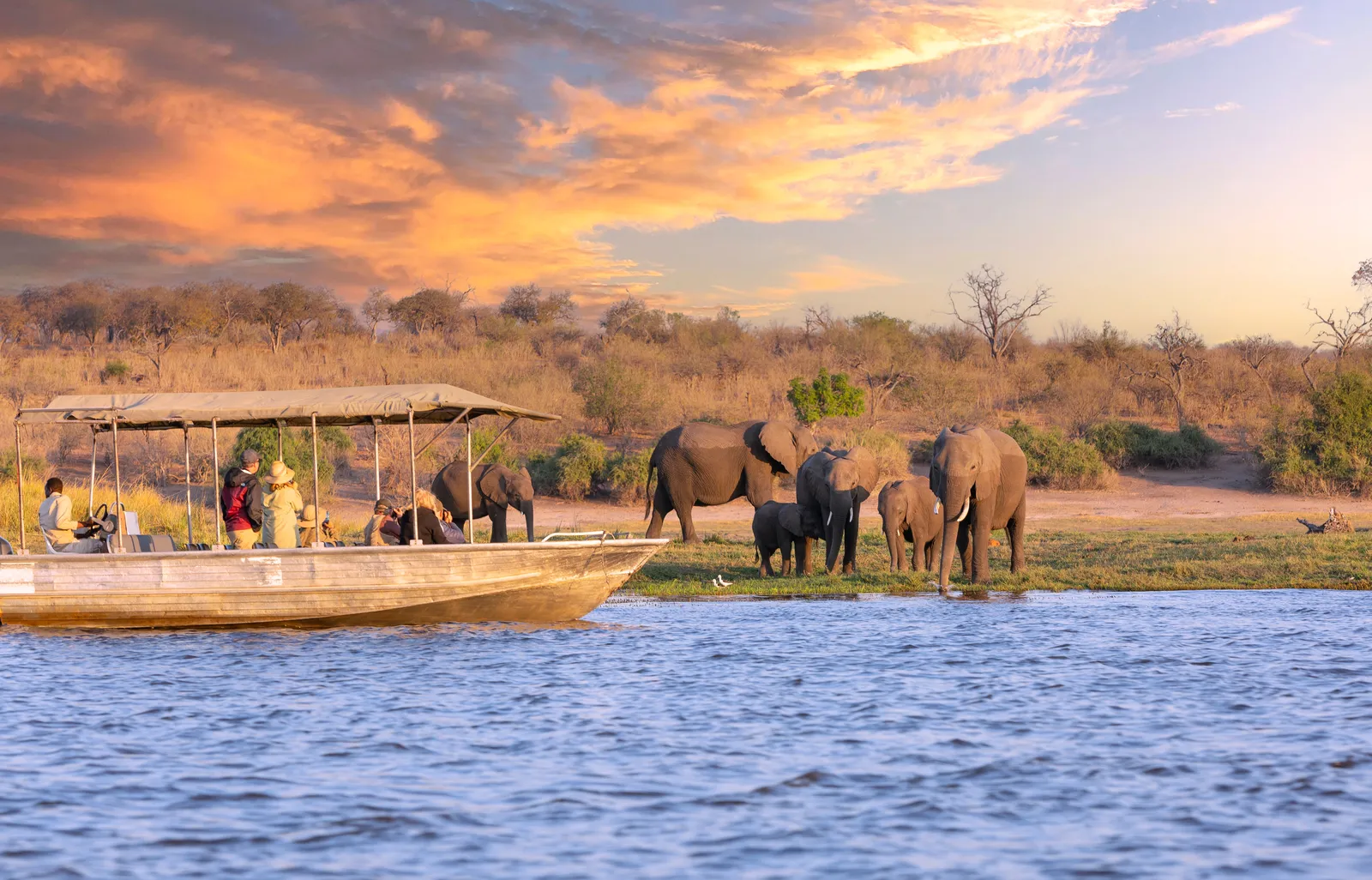
While Hwange National Park in Zimbabwe boasts impressive biodiversity and is particularly renowned for its painted wolf (wild dog) populations and massive elephant herds that converge at pumped waterholes during the dry season, Chobe National Park in Botswana, specifically the Chobe Riverfront, is simply unrivaled for sheer volume of wildlife, especially elephants. A morning boat cruise on the Chobe River often yields hundreds of elephants, buffalo, and a myriad of birdlife, along with regular lion and leopard sightings coming to drink. Hwange offers a more 'deep bush' feel, with areas like Linkwasha Concession providing exclusive game viewing and exceptional tracking opportunities. Chobe's reliability for massive sightings, particularly the river experience, gives it the edge for many. A typical Hwange game drive might cost around $100-150 USD per person for a full day (excluding park fees of $20-30 USD/day), whereas Chobe River safaris are often included in lodge packages, with independent operators charging $40-60 USD for a 3-hour cruise. "Honestly, nothing beats seeing literally hundreds of elephants bathing in the Chobe River. It's just absurd." The consistent, high-impact sightings in Chobe are hard to beat.
Winner takeaway
- Winner: Chobe
- Why: Chobe's Chobe Riverfront delivers consistently spectacular and high-volume wildlife sightings, particularly elephants, with the unique advantage of river safaris.
- Who this matters for: First-time safari-goers, photographers, and those who prioritize guaranteed big game numbers.
💰 Costs & Budget
Botswana is consistently ranked as one of Africa's most expensive safari destinations, and Chobe is no exception. Luxury lodges like Chobe Chilwero can easily run $1000-1500 USD per person per night during peak season, including activities and meals. Mid-range options in Kasane hover around $250-400 USD per night for accommodation, with activities extra. Park fees are around $30 USD per person per day. Hwange, on the other hand, offers more flexibility. While luxury camps like Somalisa Camp or Linkwasha Camp still command $800-1200+ USD per night, there are excellent mid-range options such as Ivory Lodge or Camelthorn Lodge starting from $350-550 USD per person per night (all-inclusive), providing superb value. Self-driving and camping in Hwange, though challenging, is also possible and significantly cheaper, with campsites costing $20-50 USD per night plus park fees of $20-30 USD. "We saved a bunch by doing Hwange first then just a quick Chobe River cruise, definitely felt the difference in lodge prices." For a comparable quality experience, Hwange consistently delivers more bang for your buck, allowing for longer stays or more diverse activities within a given budget.
Winner takeaway
- Winner: Hwange
- Why: Hwange offers a wider range of accommodation and safari options, providing excellent value for money across various budget points compared to Chobe's generally higher price tag.
- Who this matters for: Budget-conscious travelers, those looking for longer safari stays, and value-seeking adventurers.
✈️ Getting There & Logistics
Chobe's accessibility is a significant advantage. The Kasane Airport (BBK) is just a 15-minute drive from the park entrance and many lodges. For travelers flying into Victoria Falls (VFA) in Zimbabwe, it's a straightforward 1.5 to 2-hour road transfer, including a border crossing into Botswana (KAZA Uni-Visa makes this seamless for eligible nationalities, costing $50 USD). This proximity to Vic Falls makes Chobe an ideal add-on. Hwange, while also accessed via VFA, requires a longer commitment. Road transfers to lodges in the northern part of Hwange (e.g., Main Camp area) take about 2-3 hours, while more remote southern concessions can be 4-5 hours or require costly charter flights ($300-500 USD per person one-way from VFA to Hwange airstrips like Manga or Hwange Airport). "Getting to Chobe from Vic Falls was a breeze, literally just a quick border stop and we were at our lodge. Hwange felt more of a journey." The ease of getting to and from Chobe, especially when combined with a Victoria Falls visit, makes it a logistical winner for most travelers.
Winner takeaway
- Winner: Chobe
- Why: Chobe offers superior logistical convenience with its close proximity to Kasane airport and easy road access from Victoria Falls, simplifying travel plans.
- Who this matters for: First-time safari-goers, travelers with limited time, and those combining their safari with Victoria Falls.
🛌 Accommodation & Comfort
Both destinations offer exceptional safari accommodation, but with distinct flavors. Chobe excels in pure luxury and seamless service, with world-renowned lodges like Chobe Game Lodge and Chobe Chilwero providing opulent suites, gourmet dining, and often private plunge pools with river views. The experience is highly polished, with every detail meticulously handled. Houseboats on the Chobe River also offer a unique, floating lodge experience ($500-1000+ USD per night). Hwange, while also home to ultra-luxury options like Linkwasha Camp or Davison's Camp (both Wilderness Safaris properties), tends to offer a broader spectrum, including more authentic, traditional tented camps that balance comfort with a true 'bush' feel. Places like Somalisa Camp are known for their proximity to wildlife and unique waterhole experiences. "Our tent in Hwange felt like we were really in the wild, but still super comfy. Chobe was pure five-star resort vibe." The choice here depends entirely on preference: Hwange offers a more diverse 'classic safari' feel across price points, while Chobe specializes in high-end, riverfront luxury. Neither disappoints in terms of quality within their respective niches. Mid-range Hwange lodges might run $400-600 USD/night, while Chobe's equivalent starts at $600-800 USD/night, showing the price difference for similar perceived comfort levels.
Winner takeaway
- Winner: Tie
- Why: Both destinations offer outstanding accommodation choices, catering to different preferences: Chobe for high-end luxury and Hwange for a broader range including authentic, rustic safari camps.
- Who this matters for: Luxury seekers will lean Chobe, while those seeking a more authentic, varied camp experience (or better value at mid-range) will prefer Hwange.
☀️ Best Time to Visit (Seasons)
Both Hwange and Chobe shine during their respective dry seasons, typically from May to October, when water is scarce and animals concentrate around permanent water sources, making sightings easier and more predictable. In Hwange, this means incredible action at pumped waterholes like Nyamandhlovu Pan or Presidential Pumping Station, where huge herds of elephants, buffalo, and predators gather daily. The vegetation is also sparse, improving visibility. In Chobe, the dry season sees the Chobe Riverfront teeming with wildlife, particularly vast herds of elephants and buffalo coming to drink and cross the river, offering spectacular photographic opportunities from both land and water. The 'Green Season' (November to April) brings lush landscapes, migratory birds, and newborn animals to both parks. Hwange's Green Season offers fewer crowds and unique predator-prey dynamics, while Chobe's Green Season is excellent for birding and photography of elephants in vibrant settings. "We went to Chobe in October and the river was just packed, felt like a documentary! Friends who went to Hwange in August said the waterholes were insane." There's no clear winner as both offer distinct, compelling experiences in different seasons. Hwange's dry season waterhole drama is intense, while Chobe's dry season riverfront spectacle is legendary. The 'best' time depends on what experience you're seeking.
Winner takeaway
- Winner: Tie
- Why: Both parks offer equally compelling and distinct safari experiences across the dry and green seasons, making the 'best time' dependent on individual preferences for wildlife behavior and scenery.
- Who this matters for: Anyone interested in seasonal wildlife patterns; photographers will appreciate both for different reasons.
👥 Crowds & Exclusivity
This is where Hwange truly stands out for those seeking an authentic wilderness experience. While the main public areas of Hwange can see some traffic, especially around Main Camp, the vastness of the park and the presence of numerous private concessions mean that it's relatively easy to find solitude and exclusive game viewing. Lodges in areas like the Linkwasha Concession or Shumba Pan often have traversing rights over huge, private tracts, ensuring uncrowded sightings. Chobe, particularly along the accessible Chobe Riverfront near Kasane, can get very busy, especially during peak dry season. It's not uncommon to find multiple safari vehicles and boats at a single elephant or lion sighting. "Chobe's riverfront was like a highway at times, so many boats and jeeps! Hwange felt like we had the whole place to ourselves." While Chobe does have more exclusive areas further into the park or on private islands, these come at a significantly higher premium, usually only accessible via fly-in safaris. For a consistently less crowded feel and a greater sense of wild immersion, Hwange is the clear winner, especially if you opt for a camp in a private concession which might add $100-200 USD per person per night but is well worth it for the exclusivity.
Winner takeaway
- Winner: Hwange
- Why: Hwange offers a significantly less crowded and more exclusive safari experience, particularly within its vast private concessions.
- Who this matters for: Travelers seeking solitude, an immersive wilderness experience, and photographers who dislike crowded sightings.
🚶 Activities Beyond Safari
While both parks are primarily about game viewing, Chobe's proximity to the Chobe River and the town of Kasane, combined with its easy access to Victoria Falls, offers a much wider array of 'beyond safari' activities. In Chobe itself, river cruises are a major highlight, allowing for unique perspectives on wildlife and incredible birding. Many lodges also offer fishing excursions on the river. Kasane provides opportunities for cultural village visits or simply exploring a local town. Crucially, Chobe is often paired with Victoria Falls (just a 1.5-hour drive away), which is an adventure hub offering world-class white-water rafting ($150-200 USD), bungee jumping ($160 USD), helicopter flights over the falls ($150-200 USD), gorge swings, and more. Hwange, on the other hand, is a purist's safari destination. Activities are almost exclusively limited to game drives, walking safaris (a highlight in Hwange!), and night drives. There are very few external activities or cultural interactions directly from the park itself. "We loved doing the river cruise and then hitting Vic Falls for rafting. Hwange was amazing for wildlife but felt a bit isolated for other stuff." For travelers who want a more diverse itinerary beyond just animals, Chobe, especially with the Vic Falls combo, is the undeniable champion.
Winner takeaway
- Winner: Chobe
- Why: Chobe's unique river-based activities and its ideal location for combining with the adventure offerings of Victoria Falls provide a much broader range of 'beyond safari' options.
- Who this matters for: Adventure seekers, families, and travelers who want a diverse itinerary beyond pure game drives.
👨👩👧👦 Family Friendliness
Chobe generally edges out Hwange when it comes to family-friendly safaris, especially for those with younger children. The shorter transfer times from Kasane Airport to lodges are a huge plus for weary kids. Many luxury lodges along the Chobe River, such as Chobe Safari Lodge or Chobe Game Lodge, have dedicated children's programs, activities like junior ranger clubs, and family suites. The river cruises offer a more relaxed, contained, and often safer way to view wildlife compared to open-vehicle game drives, which can be long and sometimes bumpy for little ones. The ability to combine Chobe with Victoria Falls also adds child-friendly activities like canopy tours, zip-lining (for older kids), and just the sheer wonder of the falls. "Our kids absolutely loved the boat safaris in Chobe, they didn't get bored like they sometimes do in the car." Hwange, while certainly welcoming to families, often involves longer, bumpier transfers and a more 'rustic' feel in many camps, which might be less comfortable for very young children. Walking safaris, a highlight in Hwange, are also usually restricted to older children (12+ years). A family of four for 3 nights in a mid-range family-friendly Chobe lodge might cost $3000-5000 USD, whereas a similar Hwange setup could be $2500-4500 USD, but the overall experience for kids is often smoother in Chobe.
Winner takeaway
- Winner: Chobe
- Why: Chobe offers superior family-friendliness with shorter transfers, dedicated children's programs, and less strenuous wildlife viewing options like river cruises.
- Who this matters for: Families with younger children, those seeking a more relaxed safari pace, and parents wanting diverse activities.
⚕️ Safety & Health
Both Hwange and Chobe are generally very safe destinations for tourists within the national parks and established safari circuits. However, Botswana (where Chobe is located) often ranks higher in terms of overall political stability, low crime rates, and robust governance, which translates into a slightly more reassuring environment for travelers. Health-wise, both areas are considered moderate-to-high malaria risk, especially during the wet season (November-April), so prophylaxis is strongly recommended for both. Emergency medical services in remote safari areas in both countries are typically handled via air evacuation to major cities like Victoria Falls, Harare, or Johannesburg. Chobe's proximity to Kasane offers slightly quicker access to basic medical facilities, whereas Hwange's remote location means transfers to larger towns like Hwange Town or Victoria Falls can take longer. "Felt incredibly safe in Chobe, the guides were so professional, and everything ran like clockwork." While both are secure, Botswana's consistent reputation for stability and higher-standard public services (even if rarely needed by tourists) gives Chobe a marginal edge for peace of mind. Both regions require up-to-date vaccinations and comprehensive travel insurance, including emergency evacuation coverage, which can cost around $100-200 USD for a two-week trip.
Winner takeaway
- Winner: Chobe
- Why: Botswana's (and thus Chobe's) consistently high ranking in political stability, lower crime rates, and slightly more developed tourist infrastructure provides a marginal edge in perceived safety and health preparedness.
- Who this matters for: First-time international travelers, families, and those who prioritize perceived safety and robust infrastructure.
✨ Overall Vibe & Immersion
This category is deeply subjective, but for many safari purists, Hwange delivers a more profound sense of 'getting away from it all' and a deeper immersion into the wild. Its vastness and relatively lower tourist numbers create an atmosphere of discovery and adventure. Game drives often feel like you're truly exploring untouched wilderness, and the focus is purely on the bush. The camps, even the luxurious ones, often blend more seamlessly into the environment, fostering a stronger connection to nature. Chobe, especially the Riverfront, while undeniably spectacular, can feel more like a well-oiled machine, sometimes with a more 'touristy' vibe due to the higher concentration of vehicles and boats. The efficiency and guaranteed sightings are fantastic, but it can lack the raw, untamed edge that Hwange offers. "Hwange felt like stepping back in time to classic safari days, really raw and wild. Chobe was stunning but a bit too 'packaged' for my taste." If you're looking for that truly rugged, adventurous, and less-filtered connection with the African bush, Hwange provides it in spades. The quiet moments, the vast horizons, and the feeling of exclusivity make its overall vibe incredibly powerful, something that can't be put on a price tag (though a 4-day safari in Hwange might cost $1500-3000 USD, while a comparable Chobe trip could be $2000-4000 USD).
Winner takeaway
- Winner: Hwange
- Why: Hwange offers a more rugged, authentic, and less commercialized deep wilderness immersion, appealing to those seeking a true sense of adventure and solitude.
- Who this matters for: Experienced safari-goers, photographers, wilderness enthusiasts, and those prioritizing solitude over guaranteed mass sightings.
❓ Frequently Asked Questions
Can I combine Hwange and Chobe on one trip?
Absolutely! Combining Hwange and Chobe is highly recommended to experience both land-based and river-based safaris. Most travelers fly into Victoria Falls (VFA), visit the falls for a few days, then transfer to Hwange, and finally to Chobe (or vice-versa), before flying out of Kasane (BBK) or back from VFA.
What's the best way to get between Hwange and Chobe?
The most common route is via Victoria Falls. You'd transfer from Hwange to Victoria Falls (2-3 hours by road), spend a day or two there, then take a road transfer from Victoria Falls to Kasane for Chobe (1.5-2 hours, including border crossing). Direct charter flights between Hwange airstrips and Kasane are also an option but are significantly more expensive ($400-600+ USD per person).
Do I need a 4x4 for self-driving in Hwange or Chobe?
Yes, a proper 4x4 vehicle is essential for self-driving in both Hwange and Chobe. The roads within the parks are often sandy, muddy, or deeply rutted, especially outside the main dry season. Novice off-road drivers might find Hwange particularly challenging due to its vastness and fewer signposts; guided safaris are often recommended for both.
What currency should I use in Hwange and Chobe?
In Zimbabwe (Hwange), the primary currency for tourists is the USD, though the local ZWL can be used for smaller purchases. In Botswana (Chobe), the local currency is the Botswana Pula (BWP), but major lodges and activities often list prices in USD and accept credit cards. Always carry some small USD bills for tips.
Are walking safaris common in both parks?
Walking safaris are a significant highlight in Hwange, especially in private concessions, offering an intimate way to experience the bush with armed guides. While some Chobe lodges might offer short guided walks outside the park or on private islands, extensive walking safaris within Chobe National Park itself are much less common due to the high density of dangerous game along the riverfront.
What are the visa requirements for Zimbabwe and Botswana?
Visa requirements vary by nationality. Many nationalities can get a KAZA Uni-Visa ($50 USD) upon arrival at Victoria Falls or Kazungula border, which covers both Zimbabwe and Zambia (and allows day trips to Botswana). For direct entry into Botswana, check specific requirements, but many can enter visa-free for up to 90 days. Always check current regulations with your embassy before travel.
How much should I tip safari guides and lodge staff?
Tipping is customary. For safari guides, a general guideline is $10-20 USD per person per day. For lodge staff (shared tip box), $5-10 USD per person per day is appropriate. This can vary based on service quality and the overall cost of your trip. Always tip in USD or local currency if you have it.
What's the wildlife difference, specifically for big cats?
Both parks offer excellent big cat sightings. Chobe's lions are frequently seen along the riverfront, often preying on buffalo. Hwange is renowned for its large lion prides and is also considered one of the best places in Southern Africa to see cheetahs and the elusive leopard, often found in its more diverse habitats. Hwange also has a stronger reputation for consistent wild dog sightings.
Ready to plan your Southern Africa trip?
Get a free custom itinerary for Hwange, Chobe, or both — built from real traveler insights.
🎟️ Book Tours & Experiences
Hand-picked tours and activities for both destinations — book with free cancellation
Experiences via Viator — free cancellation on most tours