How we built this comparison
This page combines traveler discussion patterns, published price ranges, flight schedules, and seasonal data to help you decide between Iceland and Scotland.
- Reviewed 50+ Reddit threads from r/travel, r/solotravel, r/Iceland, r/ScotlandTravel for traveler experiences and cost data.
- Verified costs and logistics against current booking platforms for flights, accommodation, and car rentals.
- Cross-referenced seasonal patterns, weather data, and major attraction operating hours for accurate planning information.
⚡ Quick Answers
⚡ The TL;DR Verdict
For those seeking truly other-worldly volcanic and glacial landscapes, Iceland delivers a raw, powerful experience, though at a significant cost of $180-300+ per day. Travelers who prioritize ancient history, a lively pub scene, and a more accessible trip around $80-150 per day will find Scotland a compelling and rewarding destination. Scotland offers a broader appeal for families and travelers with tighter budgets seeking cultural depth.
- Choose Iceland: You want extreme geology, long daylight hours in summer, and dont mind spending heavily for solitude and natural phenomena. Ideal for photographers and nature enthusiasts prioritizing landscape over history.
- Choose Scotland: You seek ancient castles, clan history, whisky distilleries, and rolling green hills. Scotland is for those who enjoy pub culture, driving on the left, and a more budget-friendly approach to a European adventure.
- Choose Both: If you have 3-4 weeks and a substantial budget, both offer distinct Northern European experiences. Start with Iceland for 5-7 days, then fly to Scotland for 10-14 days to contrast the natural extremes with cultural depth.
Choose Iceland
Choose Iceland if you dream of witnessing raw, untamed nature, from the volcanic fields of the Reykjanes Peninsula to the ice caves of Vatnajökull. It's ideal for photographers, solitude seekers, and those prioritizing unique natural phenomena like the Northern Lights over historical sites, especially if your budget allows for experiences such as glacier hikes. Best for adventurous spirits ready for a truly otherworldly journey.
Choose Scotland
Opt for Scotland to immerse yourself in millennia of history, from the ancient streets of Edinburgh's Old Town to the dramatic castles of the Highlands. It's perfect for travelers who crave cultural depth, enjoy a lively pub scene, and appreciate stunning green landscapes, all while offering a more accessible and family-friendly adventure. Best for history buffs, whisky lovers, and those seeking a charming European experience on a moderate budget.
📊 Visual Scorecard
🌤 When to Visit
Average high temperatures (°C). Green = best months, orange = avoid.
Quick Comparison
| Category | Iceland | Scotland | Winner |
|---|---|---|---|
| Costs & Budget | Significantly higher daily expenses, especially for food, accommodation, and activities. Expect $180-300+ per day without flights. | More budget-friendly with diverse options for lodging and dining. Daily costs typically range from $80-150 per day without flights. | Scotland |
| Nature & Landscapes | Raw, volcanic terrain with glaciers, geothermal areas, waterfalls, and black sand beaches. Unique geological features. | Rolling green highlands, ancient lochs, deep glens, dramatic coastlines, and islands. Focus on historical landscapes. | Iceland |
| Getting There & Flights | Keflavík (KEF) is the main international airport. Direct flights from major North American and European cities. Typical flight time from NYC is 5-6 hours. | Major airports in Edinburgh (EDI) and Glasgow (GLA). Excellent connectivity to Europe and North America. Typical flight time from NYC is 6-7 hours. | Tie |
| Getting Around | Car rental is essential for independence; the Ring Road is the primary route. Limited public transport outside Reykjavik. Roads can be challenging in winter. | Extensive public transport network (trains, buses) connects major cities and regions. Car rental is popular for rural exploration. Driving on the left. | Scotland |
| Food & Drink | Focus on fresh seafood, lamb, and dairy. Traditional dishes include fermented shark and puffin. Expensive dining, few budget options. | Hearty pub fare, local seafood, haggis, and a significant whisky culture. Diverse dining from casual pubs to fine dining, with more affordable choices. | Scotland |
| Culture & History | Norse heritage, sagas, and a modern emphasis on design and arts. Few ancient structures. Focus on contemporary culture. | Centuries of clan history, medieval castles, Jacobite rebellions, and strong literary traditions. Deep historical roots and preserved sites. | Scotland |
| Accommodation | Expensive and often booked well in advance. Options include hotels, guesthouses, and farm stays. Limited budget hostels outside Reykjavik. | Wide range of options from luxury hotels to budget hostels, B&Bs, and self-catering cottages. More availability and competitive pricing. | Scotland |
| Weather & Seasons | Unpredictable, even in summer. Cold, windy, and wet is common. Midnight sun in summer, northern lights in winter. Average summer temps 10-15°C (50-59°F). | Temperate maritime climate. Milder winters, wetter summers, but generally more sunshine than Iceland. Average summer temps 15-20°C (59-68°F). | Scotland |
| Solo Travel & Safety | Extremely safe with low crime rates. Solo travel is common. The primary risks are environmental (weather, hiking accidents). | Very safe with low crime rates. Solo travel is straightforward, especially in cities and popular tourist areas. Standard urban precautions apply. | Tie |
| Day Trips & Activities | Focus on nature activities: glacier hiking, geothermal bathing, whale watching, Golden Circle tours. Limited cultural day trips. | Diverse options: castle visits, whisky distillery tours, loch cruises, island hopping, historical battlefield tours. Mix of nature and culture. | Scotland |
💰 Costs & Budget
Iceland consistently ranks among the most expensive countries for travelers. A simple pub meal in Reykjavik can cost 3,000-5,000 ISK ($22-37 USD), and a standard hotel room often…
Iceland
Scotland
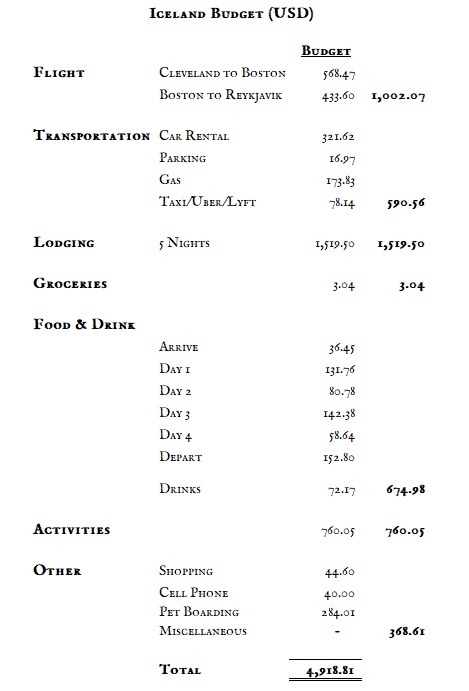
Iceland consistently ranks among the most expensive countries for travelers. A simple pub meal in Reykjavik can cost 3,000-5,000 ISK ($22-37 USD), and a standard hotel room often starts at 25,000-40,000 ISK ($185-295 USD) per night outside the off-season. Activities like the Blue Lagoon entry range from 6,990 ISK ($50 USD) for basic access to over 10,000 ISK ($75 USD) for comfort packages. Car rental, essential for exploring, can be $80-150 USD per day for a basic 2WD vehicle. Groceries from stores like Bonus or Kronan can help, but imported goods are pricey. Budget travelers will struggle to keep costs below $150 USD per day even with careful planning.
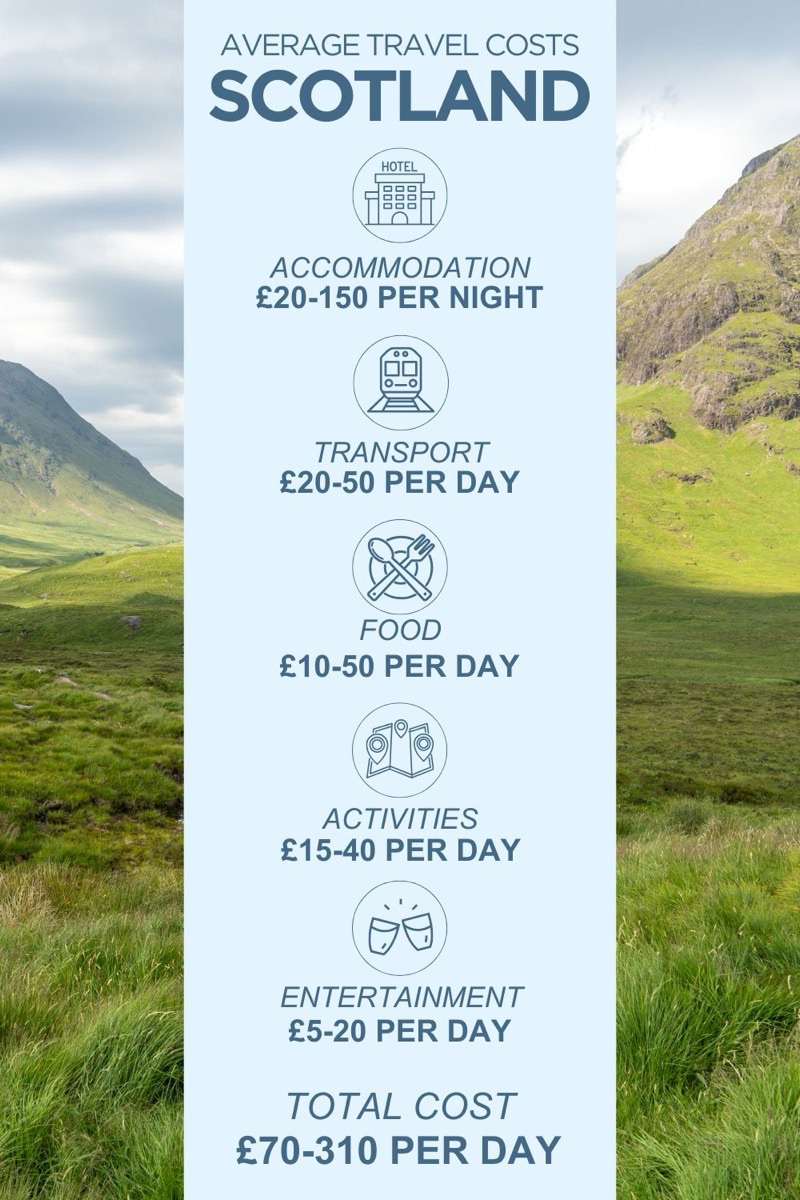
Scotland offers a more accessible price point for various budgets. A traditional pub meal, like haggis and neeps, often costs £12-£20 ($15-25 USD). Accommodation in cities like Edinburgh or Glasgow can be found for £80-£150 ($100-190 USD) for a decent hotel, with hostels offering beds for £25-£40 ($30-50 USD). Castle entry fees, like Edinburgh Castle, are around £19.50 ($25 USD). Public transport is efficient and affordable, and car rental starts around £30-£60 ($40-75 USD) per day. Whisky distillery tours typically cost £15-£30 ($20-40 USD). It's easier to maintain a daily budget under $100-120 USD here. Scotland clearly provides better value for money and a wider range of options for budget-conscious travelers.
- Winner: Scotland
- Why: Scotland offers significantly lower overall costs for accommodation, food, transport, and activities, making it more accessible for most budgets.
- Who this matters for: Budget travelers, families, and those planning longer trips.
🏔️ Nature & Landscapes
Iceland's landscape is defined by its extreme geological activity. You find vast lava fields, active volcanoes, massive glaciers like Vatnajökull, and numerous hot springs and…
Iceland
Scotland
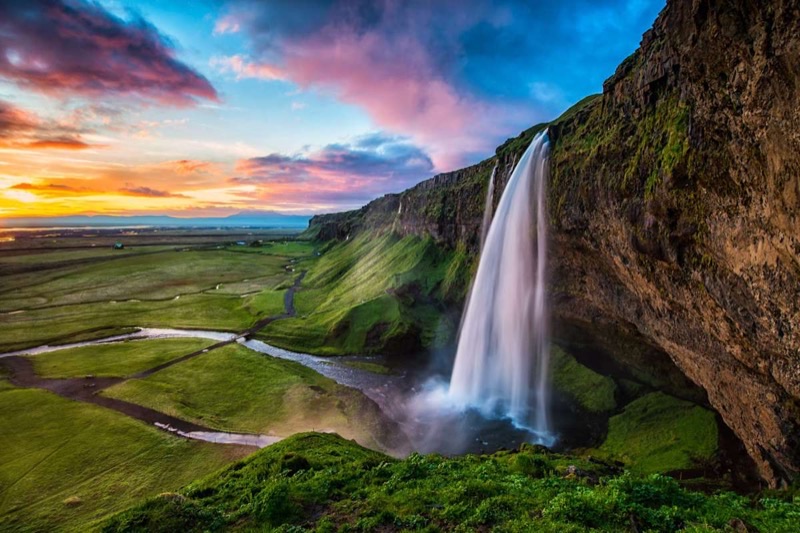
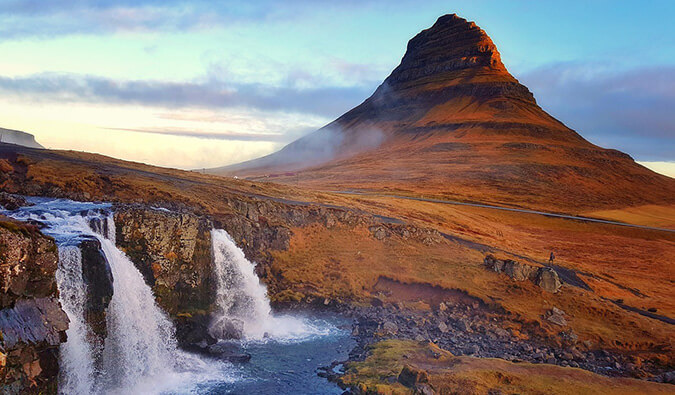
Iceland's landscape is defined by its extreme geological activity. You find vast lava fields, active volcanoes, massive glaciers like Vatnajökull, and numerous hot springs and geysers such as Strokkur. Waterfalls like Seljalandsfoss and Skógafoss are prominent, allowing close interaction. The south coast features Reynisfjara's black sand beach and basalt columns. The Golden Circle route packs in Gullfoss waterfall, the Geysir geothermal area, and Þingvellir National Park, showcasing the divergence of tectonic plates. The Snaefellsnes Peninsula offers a microcosm of Iceland's diverse geology. This is a land of elemental forces on full display, offering sights unlike almost anywhere else on Earth.
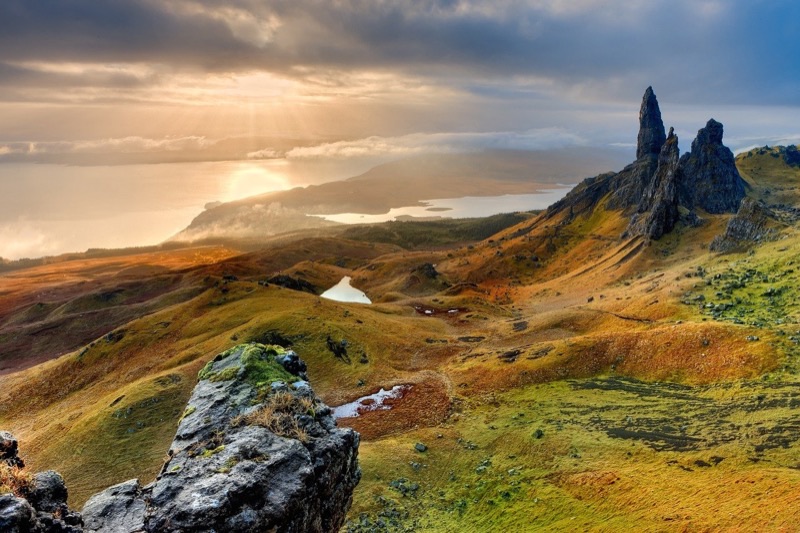
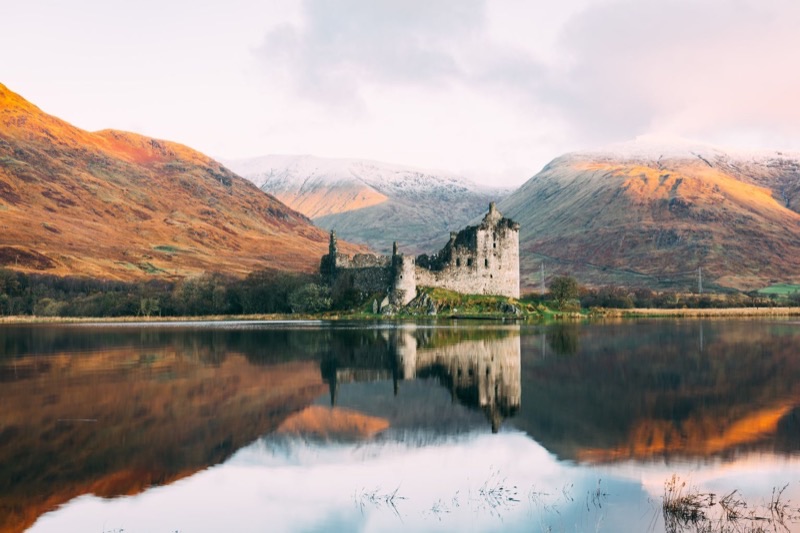
Scotland's natural environment offers a different kind of grandeur, characterized by its ancient geological formations and human influence over millennia. The Scottish Highlands feature expansive moorlands, deep freshwater lochs like Loch Ness, and towering mountains such as Ben Nevis. The Isle of Skye presents dramatic sea cliffs, the Old Man of Storr, and the Quiraing landslip. The Cairngorms National Park provides opportunities for hiking and wildlife spotting. While Scotland's landscapes are rugged and beautiful, with a moody atmosphere, they generally lack the raw, volatile geological power of Iceland. Iceland wins for its sheer planetary uniqueness and concentration of extreme natural phenomena.
- Winner: Iceland
- Why: Iceland's geological activity creates a truly unique and otherworldly landscape of volcanoes, glaciers, and geothermal features found nowhere else on this scale.
- Who this matters for: Adventure seekers, photographers, geology enthusiasts, and those wanting a truly alien landscape.
✈️ Getting There & Flights
For travelers from North America, Iceland's Keflavík (KEF) airport serves as a frequent layover point for flights to Europe, making it highly accessible. Direct flights from East…
Iceland
Scotland
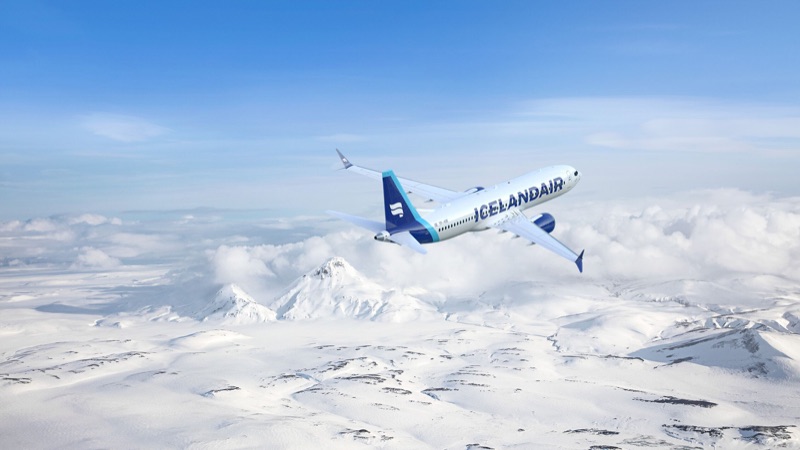
For travelers from North America, Iceland's Keflavík (KEF) airport serves as a frequent layover point for flights to Europe, making it highly accessible. Direct flights from East Coast US cities like New York (JFK/EWR) or Boston (BOS) typically take 5-6 hours. From major European hubs like London (LHR/LGW), flights are around 2.5-3 hours. Airlines like Icelandair and Play offer competitive fares, especially during shoulder seasons. The airport is well-organized, and transfers to Reykjavik are straightforward via Flybus or airport express services, costing around 3,500-4,500 ISK ($25-33 USD).
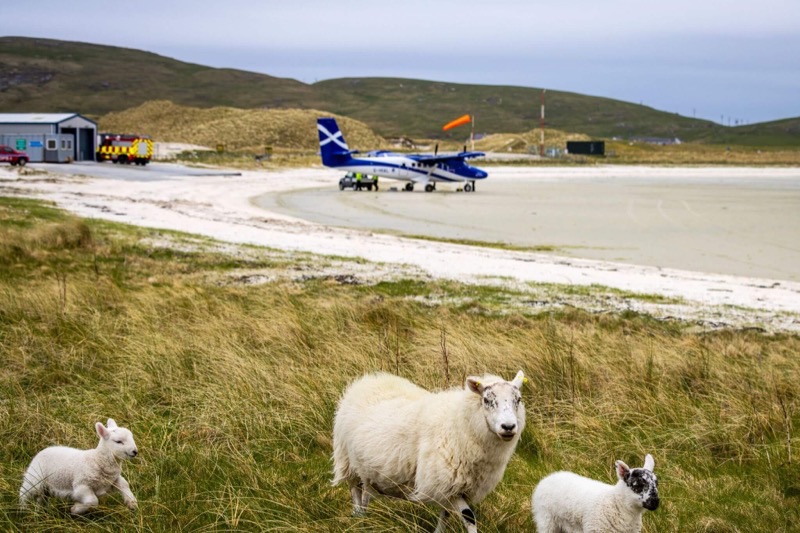
Scotland's main international gateways, Edinburgh (EDI) and Glasgow (GLA), also have strong direct flight connections to North America and Europe. Flights from East Coast US cities typically take 6-7 hours. From London, flights are about 1-1.5 hours. Airlines such as United, Delta, British Airways, and various low-cost carriers serve these routes. Both airports are close to their respective city centers, with excellent public transport links. A bus from Edinburgh Airport to the city center costs around £4.50-£5.50 ($6-7 USD). Both destinations offer good air access, with Iceland often being a slightly shorter flight from the US East Coast, balanced by Scotland's broader airline options.
- Winner: Tie
- Why: Both countries offer direct flights from major hubs, similar flight durations, and efficient airport infrastructure, making them equally accessible by air.
- Who this matters for: Travelers prioritizing direct routes and minimal transit time.
🚗 Getting Around
In Iceland, renting a car is almost mandatory for experiencing the country outside of Reykjavik. The Ring Road (Route 1) circles the entire island, taking 7-10 days to complete at…
Iceland
Scotland
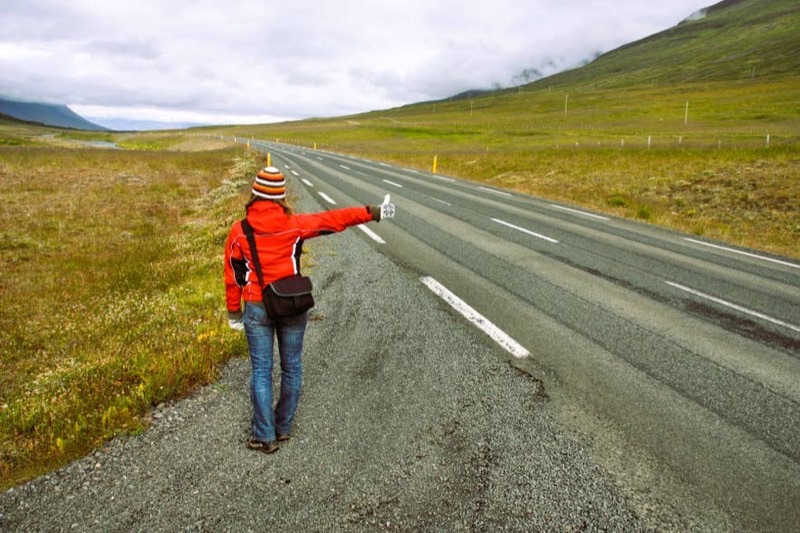
In Iceland, renting a car is almost mandatory for experiencing the country outside of Reykjavik. The Ring Road (Route 1) circles the entire island, taking 7-10 days to complete at a reasonable pace. A 2WD car is usually sufficient for the Ring Road in summer, but a 4x4 is recommended for F-roads or winter travel. Gas is expensive, around 280-320 ISK per liter ($2.10-2.40 USD/liter). While tour buses are an option for popular routes like the Golden Circle, they restrict flexibility. Public bus services are sparse and primarily connect towns rather than tourist sites. Road conditions can change rapidly, especially in winter with ice and snow.
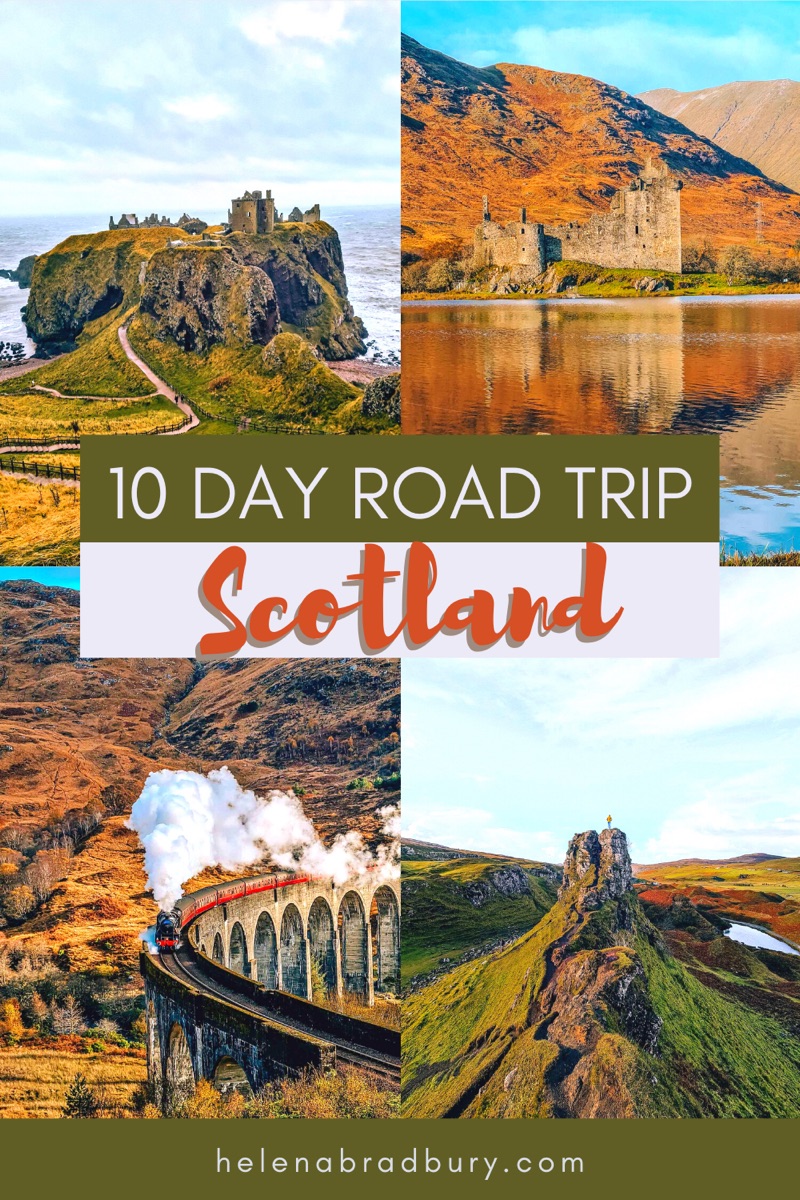
Scotland boasts a more developed and user-friendly transport network. Trains connect major cities like Edinburgh, Glasgow, and Inverness, offering scenic routes. Citylink and Stagecoach provide extensive bus services, reaching even remote areas like the Isle of Skye. For exploring the Highlands and islands at your own pace, a car rental is still recommended. Prices are reasonable, and petrol costs are comparable to Iceland at around £1.50-£1.60 per liter ($1.90-2.00 USD/liter). Driving is on the left, which can be an adjustment for some. Ferries connect the numerous islands. Scotland's combination of reliable public transport and flexible car rental options offers more choice and convenience for various travel styles.
- Winner: Scotland
- Why: Scotland offers a more comprehensive public transport system alongside car rental options, providing greater flexibility for travelers without requiring a car for every journey.
- Who this matters for: Travelers who prefer not to drive, budget travelers, and those who want more transport flexibility.
🍽️ Food & Drink
Icelandic cuisine is characterized by its reliance on local produce: lamb, fish, and dairy. Popular dishes include Kjötsúpa (lamb soup), Hákarl (fermented shark), and Skyr (a…
Iceland
Scotland
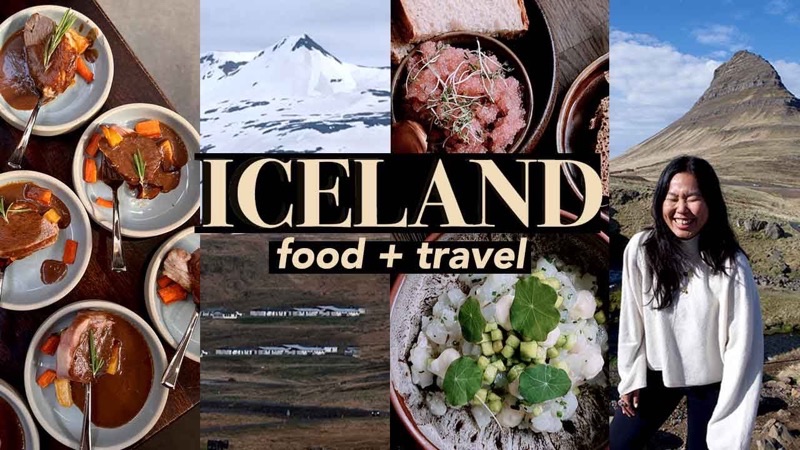
Icelandic cuisine is characterized by its reliance on local produce: lamb, fish, and dairy. Popular dishes include Kjötsúpa (lamb soup), Hákarl (fermented shark), and Skyr (a thick yogurt-like dairy product). Dining out in Reykjavik is a premium experience; a main course at a mid-range restaurant like Messinn can cost 4,500-7,000 ISK ($33-52 USD). Even casual spots like Bæjarins Beztu Pylsur (hot dog stand) are around 650 ISK ($5 USD) for a hot dog. Alcohol is particularly expensive, with a beer costing 1,200-1,500 ISK ($9-11 USD) in a bar. Options for truly budget-friendly meals are limited, often requiring grocery store purchases.
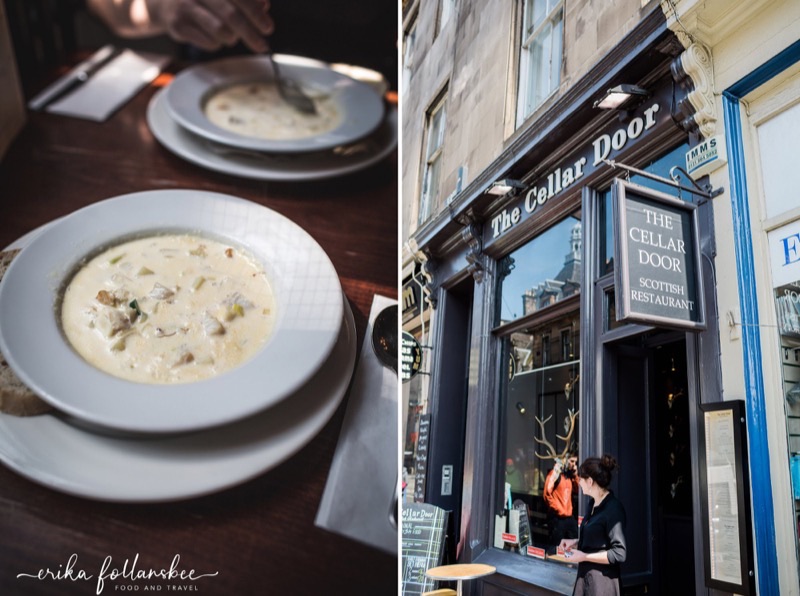
Scotland's food scene offers a wider range of flavors and price points. Traditional dishes include haggis, neeps, and tatties, Cullen Skink (smoked haddock soup), and Scotch pies. Fresh seafood, especially salmon and scallops, is prominent on the coasts. The pub culture is strong, providing excellent value for hearty meals, often with a pint of local ale for £15-£25 ($19-32 USD). Places like The Standing Order in Edinburgh offer good pub grub. Scotland is also synonymous with whisky, with numerous distilleries offering tours and tastings. While fine dining is available, it is balanced by many affordable cafes, bakeries, and casual eateries. Scotland provides a more varied and accessible culinary experience for most travelers.
- Winner: Scotland
- Why: Scotland offers a more diverse culinary scene with a wider range of price points, alongside its renowned whisky culture and pervasive pub dining.
- Who this matters for: Foodies, whisky enthusiasts, and travelers who enjoy a mix of traditional and casual dining without breaking the bank.
📜 Culture & History
Iceland's culture is rooted in its Norse heritage and sagas, with a strong emphasis on community and connection to nature. Historical sites tend to be tied to sagas or early…
Iceland's culture is rooted in its Norse heritage and sagas, with a strong emphasis on community and connection to nature. Historical sites tend to be tied to sagas or early settlements, like the turf houses at Skogar Museum or Eiríksstaðir, the homestead of Erik the Red. Modern Icelandic culture in Reykjavik showcases a thriving music scene, street art, and innovative design. The National Museum of Iceland provides insight into the country's past, covering settlement to the present. While Iceland has a deep history, it does not manifest in grand ancient structures or battlefields in the same way as other European countries. The cultural narrative is more about resilience and adaptation to a harsh environment.
Scotland's history is written across its landscape with formidable castles, battlefields, and ancient monuments. Edinburgh Castle, Stirling Castle, and Urquhart Castle at Loch Ness stand as testaments to centuries of conflict and royalty. The country's history includes Roman occupation, Viking raids, clan feuds, and the Jacobite risings, which are explored in museums like the National Museum of Scotland and Culloden Battlefield. Literary figures like Robert Burns and Sir Walter Scott are deeply embedded in the national identity. The strong traditions of bagpipes, tartans, and ceilidhs (traditional Scottish gatherings) are active parts of daily life. Scotland offers a more tangible and extensive historical and cultural experience.
- Winner: Scotland
- Why: Scotland offers a far richer and more visible historical narrative, with numerous ancient castles, battlefields, and deep-rooted cultural traditions like clan history and whisky-making.
- Who this matters for: History buffs, literary enthusiasts, and those seeking tangible links to medieval European pasts.
🏡 Accommodation
Accommodation in Iceland is notoriously expensive, especially during peak summer months. A standard hotel room in Reykjavik or along the Ring Road often starts from $180-250 USD…
Accommodation in Iceland is notoriously expensive, especially during peak summer months. A standard hotel room in Reykjavik or along the Ring Road often starts from $180-250 USD per night. Options like the Kvosin Downtown Hotel in Reykjavik are popular but pricey. Guesthouses and farm stays offer a slightly more personal experience but dont significantly drop the cost. Hostels in Reykjavik, like Kex Hostel, can range from $50-80 USD for a dorm bed. Outside of the capital, choices become more limited, making advance booking essential. Camping is a popular budget alternative, with campsites costing around 2,000-3,000 ISK ($15-22 USD) per person per night.
Scotland provides a much broader and more affordable range of accommodation. In cities like Edinburgh, you can find luxury hotels, boutique guesthouses, and numerous hostels for £25-£45 ($30-55 USD) per night. Mid-range hotels in central Edinburgh might cost £100-£180 ($125-225 USD) per night, such as Ten Hill Place Hotel. Across the Highlands and islands, charming B&Bs and self-catering cottages are common and offer good value. Staying in a traditional Scottish 'bothy' (a basic shelter) is even free, though very rustic. The sheer volume and variety of lodging, coupled with competitive pricing, make Scotland a more accessible choice for all travelers.
- Winner: Scotland
- Why: Scotland offers a significantly wider range of accommodation options across all price points, with better availability and generally lower costs than Iceland.
- Who this matters for: Budget travelers, families, and those seeking diverse lodging experiences.
☀️ Weather & Seasons
Iceland's weather is notoriously fickle. Even in summer (June-August), temperatures average 10-15°C (50-59°F), with wind and rain being common. Winter (October-March) brings…
Iceland's weather is notoriously fickle. Even in summer (June-August), temperatures average 10-15°C (50-59°F), with wind and rain being common. Winter (October-March) brings average temperatures around 0°C (32°F) and significant snow, ice, and extremely short daylight hours, though it's the best time for Northern Lights viewing. The 'midnight sun' during summer means near-constant daylight, which can impact sleep for some. Weather conditions can change rapidly, requiring layers and waterproof gear at all times. Roads can close due to severe weather, especially in winter. Planning for all four seasons in one day is standard advice.
Scotland experiences a temperate maritime climate, generally milder than Iceland. Summers (June-August) average 15-20°C (59-68°F), with longer daylight hours but still periods of rain. Winters (December-February) are cool but usually above freezing, averaging 2-7°C (36-45°F), with snow more common in the Highlands. While Scotland is known for its grey skies and rain, it experiences more consistent periods of sunshine compared to Iceland's persistent wind and often damp conditions. The seasonal changes are more defined, and generally, the weather is less extreme, making planning easier. Midges (small biting insects) can be a nuisance in certain parts of Scotland during summer evenings. Scotland offers a slightly more comfortable and predictable travel climate.
- Winner: Scotland
- Why: Scotland offers a generally milder and more predictable climate, with less extreme conditions than Iceland's highly variable and often harsh weather.
- Who this matters for: Travelers sensitive to cold, those who dislike strong winds, and anyone wanting a more 'comfortable' outdoor experience.
🚶♀️ Solo Travel & Safety
Iceland is one of the safest countries globally, boasting extremely low crime rates. Solo travelers, including women, report feeling very secure, even at night in Reykjavik. The…
Iceland is one of the safest countries globally, boasting extremely low crime rates. Solo travelers, including women, report feeling very secure, even at night in Reykjavik. The primary safety concerns are environmental: rapidly changing weather conditions, treacherous hiking trails, powerful waves on black sand beaches, and driving on icy roads. Local authorities are efficient, and emergency services are reliable. People are generally helpful and welcoming to travelers. For solo nature explorers, the biggest advice is to always inform someone of your route if venturing into remote areas. Social interactions are generally pleasant and respectful.
Scotland is also a very safe country for solo travelers. Major cities like Edinburgh and Glasgow have a low incidence of serious crime, though standard precautions against petty theft in crowded tourist areas are advisable. Public transport is safe, and walking alone at night in city centers is generally without issue. The Highlands and rural areas are exceptionally safe. Locals are known for their hospitality and friendliness, particularly in pubs and smaller towns. Outdoor activities in Scotland, like hiking in the Highlands, require common sense and preparation for changeable weather, similar to Iceland, but without the extreme geological hazards. Both destinations are excellent for solo adventurers, offering peace of mind.
- Winner: Tie
- Why: Both Iceland and Scotland have extremely low crime rates and friendly locals, providing an equally secure and welcoming environment for solo travelers.
- Who this matters for: Anyone traveling alone, especially first-time solo travelers or those prioritizing personal safety.
🗺️ Day Trips & Activities
Iceland's day trips heavily revolve around its natural wonders. The Golden Circle is the most popular, encompassing Þingvellir National Park, Gullfoss waterfall, and the Geysir…
Iceland's day trips heavily revolve around its natural wonders. The Golden Circle is the most popular, encompassing Þingvellir National Park, Gullfoss waterfall, and the Geysir geothermal area. Other common activities include visiting the Blue Lagoon or other natural hot springs, glacier hiking on Sólheimajökull, whale watching tours from Reykjavik or Húsavík (expect to pay around 10,000-15,000 ISK or $75-110 USD), and exploring ice caves in winter. Snowmobiling and horseback riding are also popular. While these are compelling, the range of cultural or historical day trips is less prominent. Most activities are outdoor and weather-dependent.
Scotland offers a wide array of day trip options blending natural beauty with extensive history. From Edinburgh, popular trips include Stirling Castle (£19.50 entry), Loch Ness cruises (around £20-£30), and whisky distillery tours in Speyside or on Islay. The Isle of Skye is often visited on multi-day trips but elements can be seen in a long day from Inverness. Glasgow provides access to Loch Lomond and the Trossachs National Park. Historical sites like the Roman Antonine Wall or Culzean Castle are easily accessible. The option to visit many islands by ferry adds another dimension to day trips. Scotland wins due to its balance of natural pursuits with a deep well of historical and cultural experiences accessible as day trips.
- Winner: Scotland
- Why: Scotland offers a broader and more diverse range of day trips that combine nature, ancient history, and cultural experiences, appealing to more varied interests.
- Who this matters for: Travelers who enjoy a mix of outdoor adventure, historical exploration, and cultural immersion on their day excursions.
🎯 The Decision Framework
Choose Iceland If…
- You want to see active volcanoes and massive glaciers.
- You prioritize stark, unique landscapes over historical structures.
- You are comfortable with higher travel costs, often $200+ per day.
- You want to experience the midnight sun or the Northern Lights.
- You enjoy geothermal bathing and raw, powerful nature.
- You're okay with driving a lot and potentially unpredictable weather.
- You seek an escape to a place that feels truly 'otherworldly'.
- You are a photographer looking for dramatic, untamed scenery.
Choose Scotland If…
- You want to explore ancient castles and historical battlefields.
- You are interested in clan history, kilts, and traditional music.
- You enjoy pub culture and a more accessible, budget-friendly trip.
- You want to sample various whiskies at their source.
- You prefer rolling green hills, deep lochs, and quaint villages.
- You are comfortable with driving on the left or using good public transport.
- You seek a blend of outdoor activities and rich cultural immersion.
- You appreciate mild weather and more consistent seasonal conditions.
📅 Sample Itineraries
Weekend in Iceland (3 Days)
💡 Book popular tours like the Golden Circle and Blue Lagoon well in advance, especially during peak season, to secure your spot and avoid higher last-minute prices.
Weekend in Scotland (3 Days)
💡 Many museums in Scotland, such as the National Museum of Scotland and Kelvingrove Art Gallery, offer free entry, saving you significant money on activities.
One Week in Iceland (7 Days)
💡 Renting a car and staying at guesthouses with kitchen access can help reduce food costs significantly, as restaurant dining in Iceland is expensive.
One Week in Scotland (7 Days)
💡 Consider purchasing a Historic Scotland Explorer Pass (£35-65/$47-88 for 3-7 days) if you plan to visit multiple castles and historical sites, as it offers good savings on entry fees.
❓ Frequently Asked Questions
Which destination is better for a tighter budget?
Scotland is significantly more budget-friendly. Accommodation, food, and transport costs are generally 30-50% lower than in Iceland. For example, a basic meal in Scotland might cost £15 ($19 USD), while a similar meal in Iceland could be 4,000 ISK ($30 USD).
Which place has more unique natural phenomena?
Iceland offers more unique geological phenomena. Its landscape features active volcanoes, geysers, vast lava fields, and large glaciers, which are very distinct from Scotland's ancient, rolling Highlands and lochs. Scotland's nature is beautiful but less geologically active.
How long should I plan to visit each country?
For Iceland, a good trip involves 5-7 days for the south coast or a segment of the Ring Road. For Scotland, 7-10 days allows for exploring Edinburgh, Glasgow, and a significant portion of the Highlands like the Isle of Skye or Loch Ness. A longer trip of 10-14 days in Scotland allows for more island hopping.
Is driving easy in both countries?
Driving in Iceland is relatively straightforward on the Ring Road, though conditions can be challenging in winter. Scotland involves driving on the left, which can be an adjustment for some, and rural roads can be narrow. Both require alertness, but Scotland's public transport offers an alternative to driving.
Which destination is better for history enthusiasts?
Scotland is the clear choice for history enthusiasts. It offers numerous well-preserved medieval castles, ancient battlefields like Culloden, Roman ruins, and a rich history of clans and royalty. Iceland's history is more focused on Norse sagas and early settlements.
What's the best time of year to visit each?
For Iceland, summer (June-August) provides long daylight hours and milder temperatures, ideal for exploring nature. For Northern Lights, winter (October-March) is best. Scotland is pleasant in late spring (May-June) and early autumn (September) for hiking, with fewer midges than summer.
Which country is better for whale watching?
Both countries offer whale watching, but Iceland is generally considered a prime spot. Tours from Húsavík in the north or Reykjavik have high success rates for spotting various whale species, including humpbacks and minke whales. Scotland offers opportunities in areas like the Moray Firth.
Are there good options for solo female travelers?
Both Iceland and Scotland are exceptionally safe and welcoming for solo female travelers. Crime rates are low in both countries, and locals are generally helpful. Common sense precautions are always advised, but both destinations provide a secure environment for independent exploration.
Ready to plan your North Atlantic trip?
Get a free custom itinerary for Iceland, Scotland, or both — built from real traveler insights.
👥 Travelers Also Compared
🎟️ Book Tours & Experiences
Hand-picked tours and activities for both destinations — book with free cancellation
Experiences via Viator — free cancellation on most tours