How we built this comparison
This page combines traveler discussion patterns, published price ranges, flight schedules, and seasonal data to help you decide between Iceland and Slovenia.
- Reviewed 50+ Reddit threads from r/travel, r/solotravel, r/Iceland, r/Slovenia, and r/europetravel.
- Verified costs and logistics against current booking platforms like Booking.com, Kayak, and local tour operators.
- Cross-referenced seasonal patterns and weather data from meteorological sources.
⚡ Quick Answers
⚡ The TL;DR Verdict
For most travelers seeking dramatic nature and a sense of otherworldliness without regard for budget, Iceland is the clear choice. If you prefer a more diverse European experience, combining nature with charming towns and a much lower price tag, Slovenia is your pick. Iceland demands a higher daily budget, typically $150-300+, while Slovenia offers a solid trip for €70-150+ per day.
- Choose Iceland: You prioritize awe-inspiring, unique geology, glaciers, and black sand beaches, are prepared for higher costs, and enjoy self-drive exploration.
- Choose Slovenia: You seek a balance of alpine nature, charming towns, good food, and outdoor activities, all within a more accessible European budget.
- Choose Both: To experience both, plan at least 7-10 days for Iceland (Ring Road focus) and 5-7 days for Slovenia (Ljubljana/Alps focus), treating them as separate trips due to logistical and cost differences.
Choose Iceland
Choose Iceland if your ultimate adventure involves chasing the Northern Lights, exploring vast glaciers, and marveling at black sand beaches along the South Coast. This destination is best for adventurous photographers and nature enthusiasts eager to self-drive the Ring Road, who are prepared for a premium budget to experience its raw, otherworldly beauty.
Choose Slovenia
Opt for Slovenia if you desire a balanced European adventure, combining stunning alpine scenery with charming city life and outdoor pursuits. It's perfect for active travelers and culture lovers seeking to hike in the Julian Alps, paddle Lake Bled, and explore Ljubljana's vibrant streets, all while enjoying a more accessible daily budget.
📊 Visual Scorecard
🌤 When to Visit
Average high temperatures (°C). Green = best months, orange = avoid.
Quick Comparison
| Category | Iceland | Slovenia | Winner |
|---|---|---|---|
| Costs & Budget | Significantly higher costs for everything: accommodation, food, activities, transport. Budget $150-300+ per day. | Much more affordable. Good value for accommodation, food, and activities. Budget €70-150+ per day. | Slovenia |
| Nature & Scenery | Volcanic landscapes, glaciers, black sand beaches, geysers, and powerful waterfalls. Stark, otherworldly, dramatic. | Alpine mountains, crystal-clear lakes, dense forests, karst caves, and emerald rivers. Green, serene, varied. | Iceland |
| Getting There & Flights | Direct flights from major US/European cities, typically 5-6 hours from East Coast US, 2-4 hours from UK/Europe. | Usually requires a connecting flight from North America; shorter, direct flights from most European hubs. Total 8-10+ hours from US. | Iceland |
| Getting Around | Car rental is essential for independent exploration outside Reykjavik. Ring Road is the main route. Limited public transport. | Compact country, good public bus network, efficient train system between main cities. Car rental is convenient but not always necessary. | Slovenia |
| Food & Drink | Focus on lamb, fish, skyr. Simple, good quality ingredients but very expensive. Hot dogs are a popular budget option. | Central European and Mediterranean influences. Diverse, hearty, and affordable cuisine. Good wines and local craft beers. | Slovenia |
| Activities & Culture | Outdoor adventure focus: hiking, glacier walks, northern lights, geothermal baths. Reykjavik offers museums, music. | Mix of outdoor sports, charming city exploration, medieval castles, cave tours. Ljubljana is a relaxed capital with arts and history. | Tie |
| Accommodation | Expensive, limited options outside major towns. Hostels, guesthouses, hotels. Book far in advance. | Affordable and diverse. Hostels, apartments, guesthouses, farm stays. Good value even in popular areas. | Slovenia |
| Weather & Seasons | Unpredictable, often cold and windy year-round. Summer offers long daylight, winter for Northern Lights and ice caves. | Warm summers (June-August), mild springs/autumns, cold and snowy winters in mountains. Mediterranean influence on coast. | Slovenia |
| Safety | Extremely low crime rate. Main risks are natural hazards (weather, rough terrain, powerful waves) and driving conditions. | Very safe country with low crime rates. Main concerns are petty theft in tourist areas and outdoor activity risks. | Tie |
| Nightlife & Social Scene | Reykjavik has a compact, lively bar scene, especially on weekends. Outside Reykjavik, options are minimal. | Ljubljana has a relaxed, friendly bar and cafe culture. Maribor and coastal towns offer options. More spread out. | Iceland |
💸 Costs & Budget
Iceland is one of the most expensive countries to travel in. Expect to pay 2,500-4,000 ISK ($18-30 USD) for a basic meal, and 8,000-12,000 ISK ($60-90 USD) for a hostel bed in…
Iceland
Slovenia
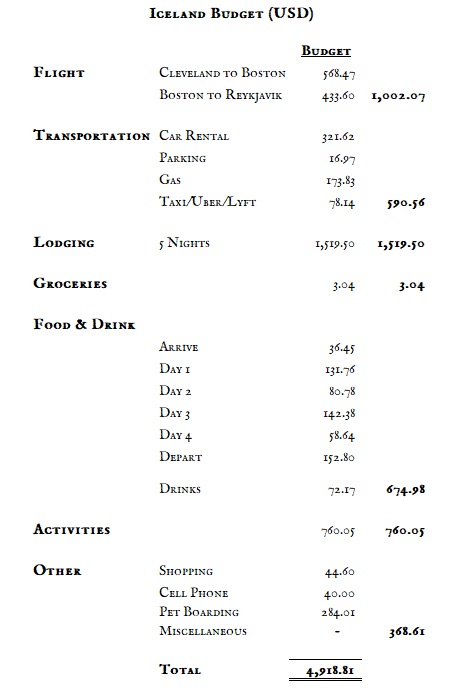
Iceland is one of the most expensive countries to travel in. Expect to pay 2,500-4,000 ISK ($18-30 USD) for a basic meal, and 8,000-12,000 ISK ($60-90 USD) for a hostel bed in Reykjavik. A simple coffee can be 700 ISK ($5 USD). Rental cars are a necessity for exploration, costing $50-100 USD per day, plus fuel at 300 ISK/liter ($2.20 USD/liter or $8.30 USD/gallon). Activities like the Blue Lagoon start at 9,990 ISK ($75 USD). Grocery shopping helps, but even then, prices are elevated.
Slovenia offers a much more budget-friendly experience. A good meal in Ljubljana can be had for €10-25 ($11-27 USD), and a hostel bed is typically €25-40 ($27-44 USD). Coffee is around €2-3 ($2.20-3.30 USD). Car rental is often €30-60 ($33-66 USD) per day, and fuel is around €1.50-1.70/liter ($1.65-1.87 USD/liter or $6.25-7.10 USD/gallon). Entry to popular attractions like Postojna Cave is €29.90 ($33 USD), which is still substantial but generally less than comparable Icelandic experiences. Accommodation outside capital is even cheaper. For travelers watching their wallets, Slovenia wins handily.
- Winner: Slovenia
- Why: Slovenia provides a significantly more affordable travel experience across all categories, making it accessible to a wider range of budgets.
- Who this matters for: Budget-conscious travelers, backpackers, and families looking to extend their trip duration without breaking the bank.
🏞️ Nature & Scenery
Iceland presents a geology unlike almost anywhere else. The landscape features active volcanoes like Fagradalsfjall, massive glaciers such as Vatnajökull, and black sand beaches…
Iceland
Slovenia
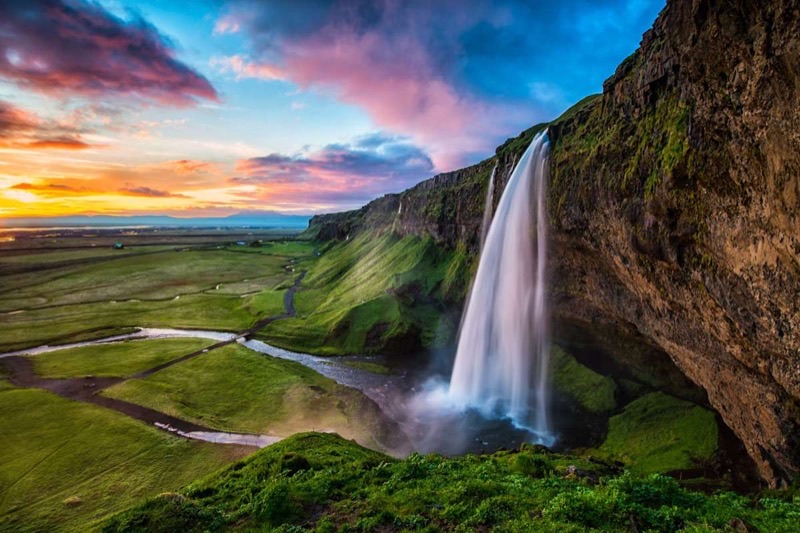
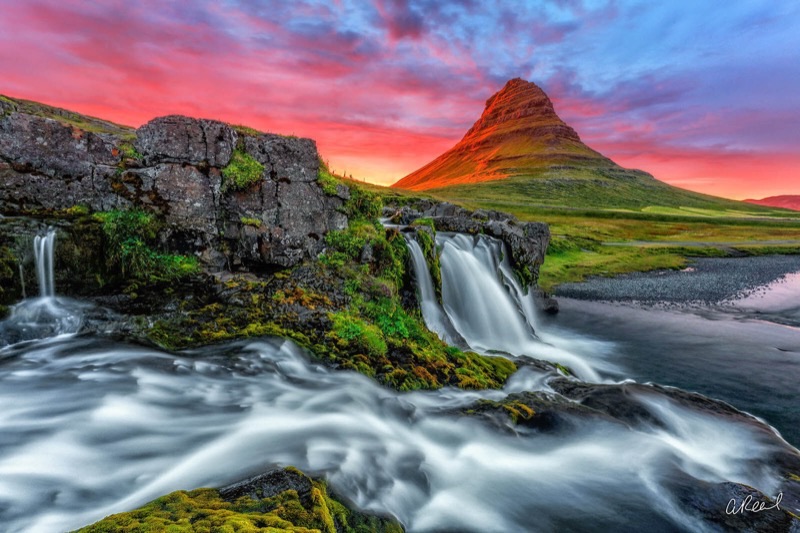
Iceland presents a geology unlike almost anywhere else. The landscape features active volcanoes like Fagradalsfjall, massive glaciers such as Vatnajökull, and black sand beaches at Reynisfjara near Vik. You can see the erupting Strokkur geyser at Geysir, stand behind Seljalandsfoss waterfall, and witness icebergs calve into Jökulsárlón glacier lagoon. The sheer scale and raw power of the land are constant, with vast, treeless expanses. It feels like visiting another planet, a land of fire and ice where geological forces are laid bare. Even the moss-covered lava fields have an alien beauty.
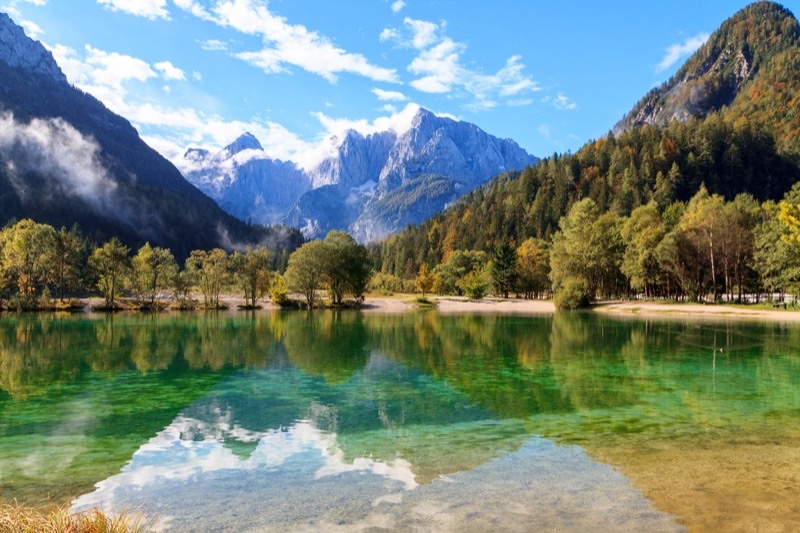
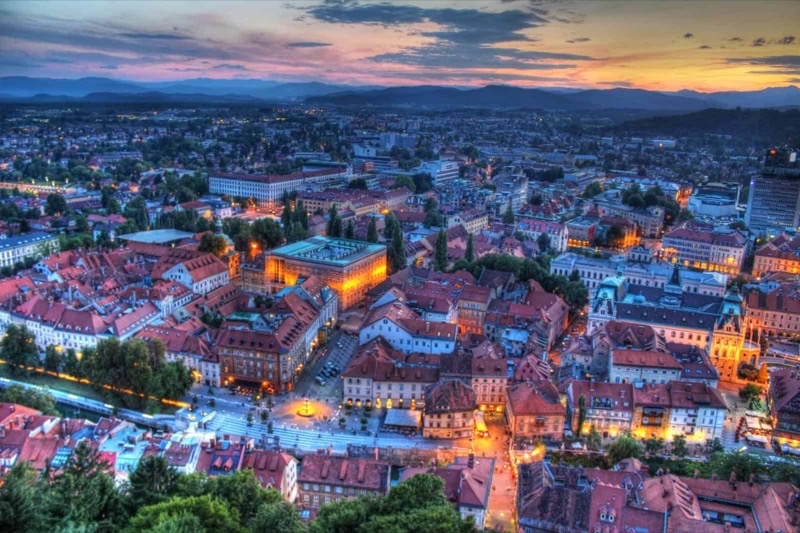
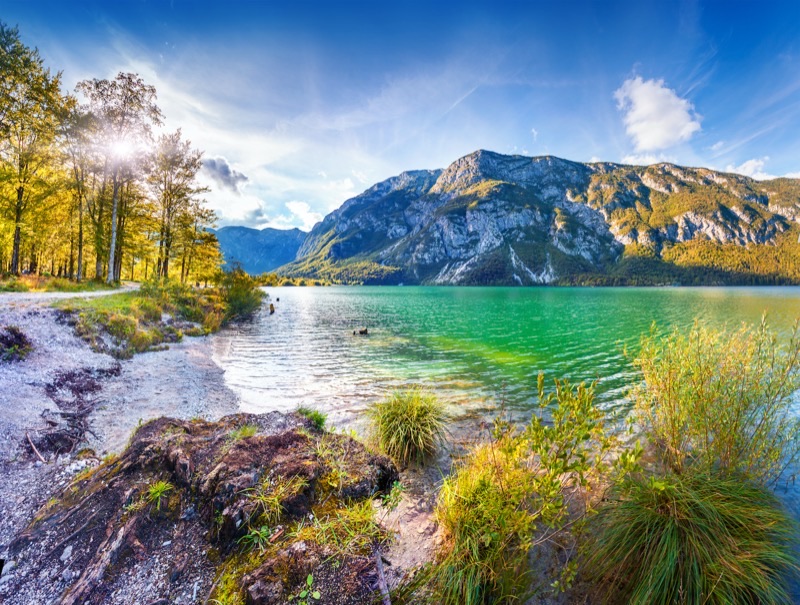
Slovenia counters with green, forested mountains of the Julian Alps, including Mount Triglav, its highest peak. Lake Bled, with its island church and castle on a cliff, is iconic, while Lake Bohinj offers a quieter, larger alpine lake experience. The country is known for its extensive cave systems, like Postojna Cave and the UNESCO-listed Skocjan Caves, which are immense. The Soca River flows with an emerald hue, popular for rafting and kayaking. Forests cover a large portion of the country, providing ample hiking opportunities. Slovenia is visually diverse, but its beauty is more traditionally European, less extreme than Iceland. Iceland’s raw, dramatic, and truly unique geological features give it the edge for a purely visual impact.
- Winner: Iceland
- Why: Iceland offers a more visually extreme, geologically unique, and globally distinct natural landscape that feels unlike any other place on Earth.
- Who this matters for: Travelers seeking unique geological formations, dramatic landscapes, and a profound sense of isolation and otherworldliness.
✈️ Getting There & Flights
Getting to Iceland is relatively straightforward, especially from North America and Europe. Keflavik International Airport (KEF) is a hub for Icelandair and PLAY, offering direct…
Iceland
Slovenia
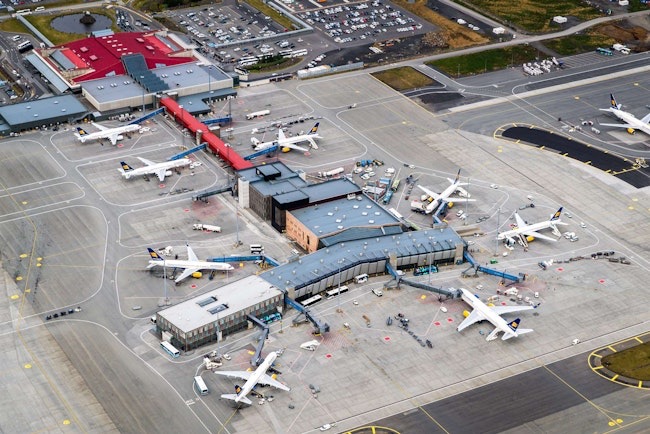
Getting to Iceland is relatively straightforward, especially from North America and Europe. Keflavik International Airport (KEF) is a hub for Icelandair and PLAY, offering direct flights from cities like New York (JFK), Boston (BOS), Washington D.C. (IAD) in about 5.5-6 hours. From London, flights are around 3 hours, and from continental European cities like Copenhagen or Amsterdam, it's typically 2.5-3.5 hours. The availability of direct, often competitively priced flights makes Iceland a very accessible destination for a shorter trip, particularly from the US East Coast. The flight experience is often marketed as part of the trip.
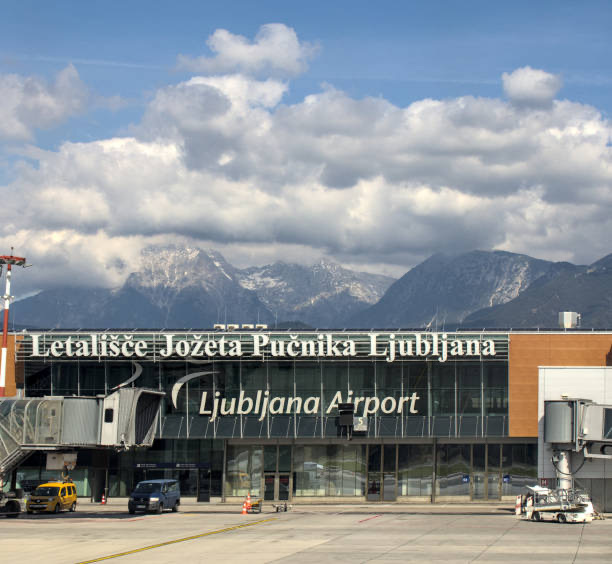
Slovenia's main international airport is Ljubljana Jože Pucnik Airport (LJU). While there are direct flights from some major European cities like Frankfurt, Zurich, Istanbul, and London, there are no direct flights from North America. Travelers from the US or Canada will typically connect in a major European hub, adding to total travel time, often reaching 8-10+ hours from the US East Coast. This adds a layer of complexity and usually increases the cost compared to a direct flight to KEF. For European travelers, it's easy, but for long-haul, Iceland is simpler to reach.
- Winner: Iceland
- Why: Iceland offers more direct and often shorter flight options from North America, simplifying travel logistics for many international visitors.
- Who this matters for: Travelers coming from North America, or those prioritizing direct, quicker flight routes and minimal layovers.
🚗 Getting Around
In Iceland, a rental car is almost non-negotiable for anyone wanting to see the country beyond Reykjavik. The Ring Road (Route 1), approximately 1,332 km (827 miles) long, is the…
Iceland

Slovenia
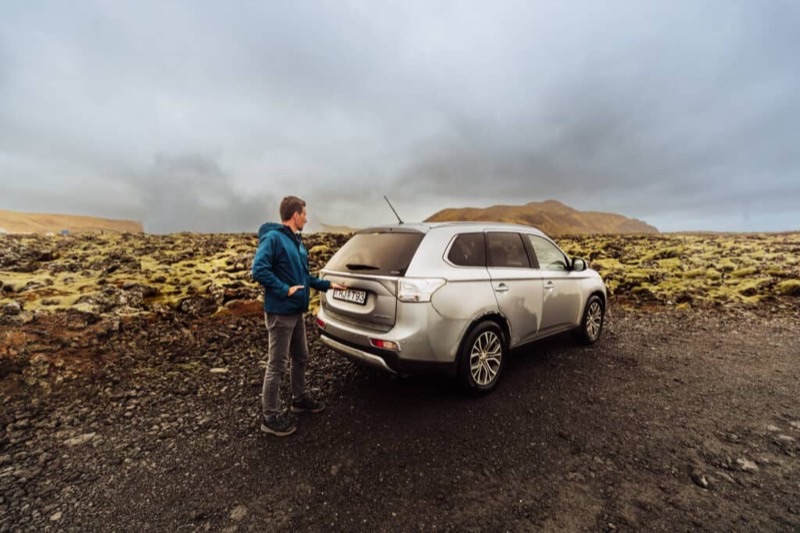
In Iceland, a rental car is almost non-negotiable for anyone wanting to see the country beyond Reykjavik. The Ring Road (Route 1), approximately 1,332 km (827 miles) long, is the primary way to access most major attractions. Driving conditions can be challenging, especially in winter, with strong winds and icy roads. Fuel is expensive. Public transport outside the capital is very limited, mostly consisting of long-distance buses that are infrequent and do not reach many sights. Guided tours are an alternative, but they add up quickly and offer less flexibility. The sheer scale of the country means long driving days.
Slovenia is a small country, making it incredibly easy to navigate. Its compact size means short distances between attractions. A good public bus network connects towns and popular tourist sites like Lake Bled, Lake Bohinj, and Postojna Cave from Ljubljana. Trains are also an option for certain routes, such as Ljubljana to Maribor. While renting a car offers maximum flexibility, especially for exploring Triglav National Park or smaller villages, it's entirely possible to see much of the country using public transport or organized day trips. Fuel is also more affordable. For ease of movement and flexibility without requiring a car, Slovenia excels.
- Winner: Slovenia
- Why: Slovenia's compact size and efficient public transport network make it easier and more flexible to navigate without needing a personal vehicle.
- Who this matters for: Solo travelers, those preferring not to drive, or travelers on a tighter budget who want to rely on public transit.
🍽️ Food & Drink
Icelandic food is based on fresh, quality ingredients, particularly lamb and seafood. Traditional dishes include Hákarl (fermented shark), Kjötsúpa (lamb soup), and Plokkfiskur…
Iceland
Slovenia
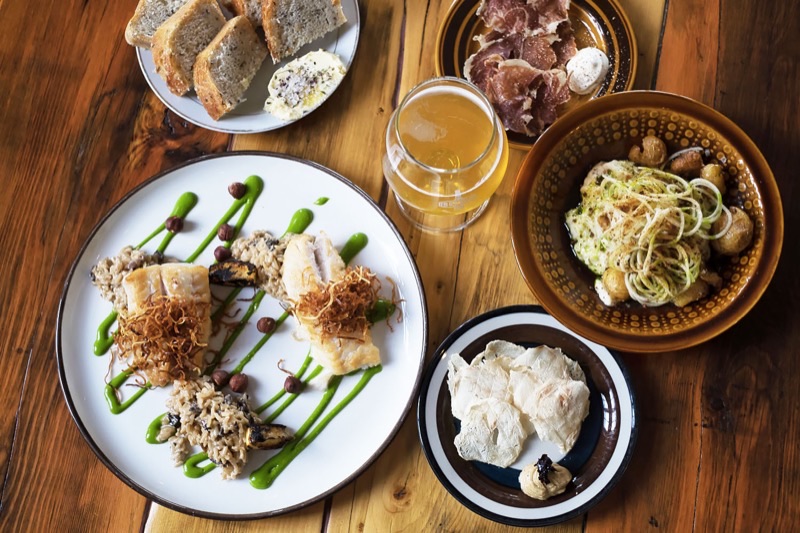
Icelandic food is based on fresh, quality ingredients, particularly lamb and seafood. Traditional dishes include Hákarl (fermented shark), Kjötsúpa (lamb soup), and Plokkfiskur (fish stew). Fish and chips are common. The famous Bæjarins Beztu Pylsur hot dog stand in Reykjavik is a budget staple at around 600 ISK ($4.50 USD). Fine dining options exist, like Dill Restaurant, but they come with a high price tag, easily 15,000 ISK ($110 USD) or more per person. Groceries are expensive, making self-catering still costly. Alcohol is heavily taxed and very expensive, with a pint of beer often costing 1,200-1,600 ISK ($9-12 USD).
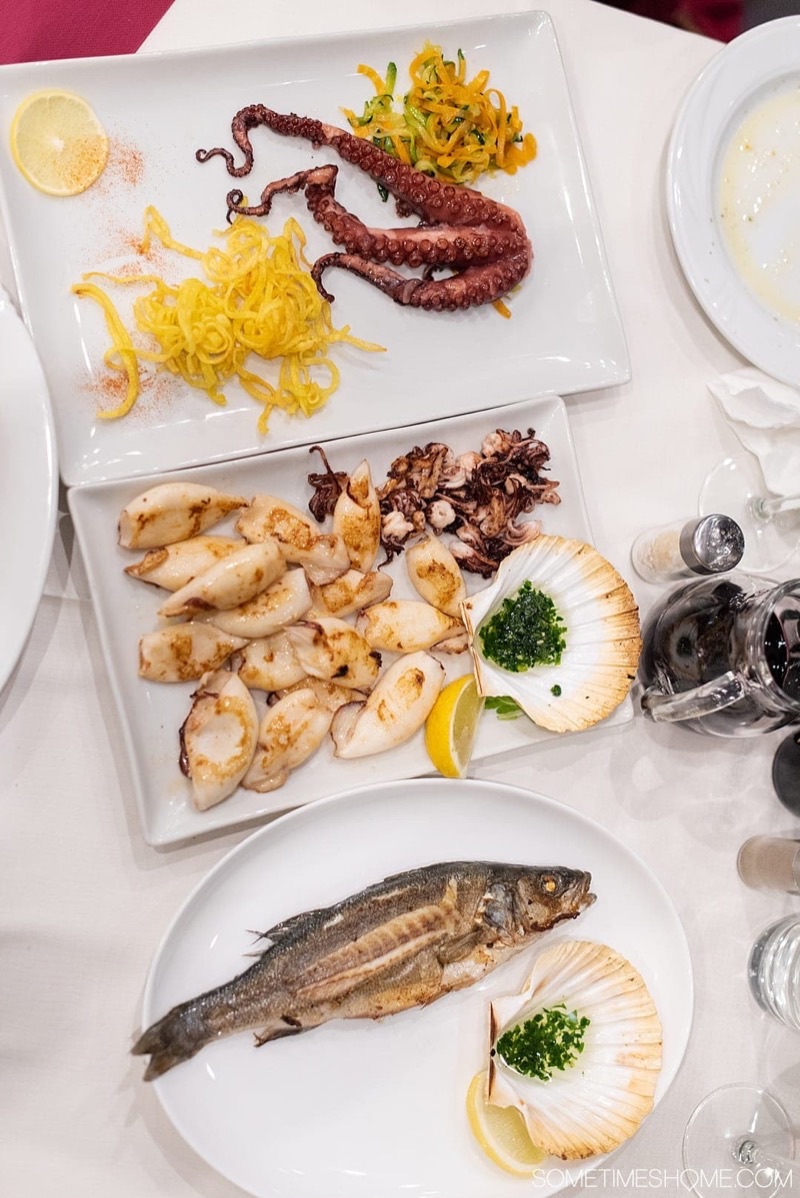
Slovenian cuisine is a blend of Austro-Hungarian, Balkan, and Mediterranean influences. Expect hearty dishes like Kranjska Klobasa (Carniolan sausage), Štruklji (rolled dumplings), and Potica (a rolled pastry). Restaurants in Ljubljana, such as Vodnikov Hram, offer good value with mains for €15-25 ($16-27 USD). Smaller Gostilnas (traditional inns) outside the capital provide even cheaper, authentic meals. Slovenia produces excellent local wines, especially from the Goriska Brda region, and craft beer is gaining popularity. A pint of local beer typically costs €3-5 ($3.30-5.50 USD). The variety, quality, and affordability of food and drink in Slovenia make it a much more rewarding culinary destination.
- Winner: Slovenia
- Why: Slovenia offers a wider variety of flavorful dishes at significantly more affordable prices, with better value for dining and drinks.
- Who this matters for: Foodies, budget travelers who enjoy eating out, and those who appreciate regional culinary diversity.
🏛️ Activities & Culture
Iceland’s activities are heavily centered on its natural environment. Popular options include hiking in Landmannalaugar, glacier walks on Sólheimajökull, ice cave tours,…
Iceland’s activities are heavily centered on its natural environment. Popular options include hiking in Landmannalaugar, glacier walks on Sólheimajökull, ice cave tours, snorkeling/diving in Silfra Fissure, and chasing the Northern Lights (seasonal). The Blue Lagoon and other natural hot springs are major draws. Reykjavik offers cultural experiences like the National Museum of Iceland, the Harpa Concert Hall, and a modest nightlife. The sagas and Viking history are present, but the main draw is the raw landscape. Activities are generally self-guided or via organized tours, often expensive.
Slovenia provides a balanced mix. Outdoor enthusiasts can hike or ski in the Julian Alps, kayak on the Soca River, or explore the vast Postojna and Skocjan Caves. Culturally, Ljubljana is a compact, pleasant capital with Ljubljana Castle, Prešeren Square, and numerous museums. Piran offers a Venetian coastal experience. Medieval castles like Predjama Castle are built into cliffs. Festivals and local traditions are present throughout the year. Slovenia offers both active pursuits and historical/cultural exploration, often within close proximity. Both offer distinct but equally compelling activity sets depending on what a traveler seeks.
- Winner: Tie
- Why: Both destinations excel in offering compelling and distinct activities, with Iceland focusing on raw nature and Slovenia offering a mix of nature, history, and urban exploration.
- Who this matters for: Travelers with specific interests in either extreme geology or a broader European cultural and outdoor mix will find strong options in both.
🏨 Accommodation
Accommodation in Iceland is very expensive, reflecting the overall cost of living. A basic hostel dorm bed in Reykjavik or popular tourist spots can easily be 8,000-12,000 ISK…
Accommodation in Iceland is very expensive, reflecting the overall cost of living. A basic hostel dorm bed in Reykjavik or popular tourist spots can easily be 8,000-12,000 ISK ($60-90 USD) per night. Budget hotels often start around 20,000 ISK ($150 USD) and go up quickly. Options outside Reykjavik and a few major towns along the Ring Road are scarcer and often still pricey. During peak season (June-August) and for popular events, booking months in advance is essential. For example, a stay at Hlemmur Square Hostel in Reykjavik could be 9,000 ISK. A room at Hotel Ranga near Hella often exceeds 40,000 ISK ($300 USD).
Slovenia provides a much more budget-friendly and diverse range of accommodation. Hostel dorms in Ljubljana typically cost €25-40 ($27-44 USD) per night. Private rooms in guesthouses or apartments can be found for €50-80 ($55-88 USD). Even in popular spots like Lake Bled, you can find good value. Farm stays (turistične kmetije) offer a unique and affordable experience in rural areas. Booking is advisable in peak season, but prices generally remain reasonable. For example, Hostel Celica in Ljubljana offers dorms for €30, and a guesthouse near Lake Bled like Penzion Mayer can be €70. The quality and affordability for your money are considerably better in Slovenia.
- Winner: Slovenia
- Why: Slovenia offers significantly more affordable and diverse accommodation options, providing better value for money and a wider range of choices.
- Who this matters for: Budget travelers, families, and those seeking good value and variety in their lodging choices.
☀️ Weather & Seasons
Iceland’s weather is famously unpredictable and often harsh. Summers (June-August) bring long daylight hours, even midnight sun, with average temperatures of 10-13°C (50-55°F).…
Iceland’s weather is famously unpredictable and often harsh. Summers (June-August) bring long daylight hours, even midnight sun, with average temperatures of 10-13°C (50-55°F). Wind and rain are common. Winters (November-March) are cold, dark, and often snowy, with temperatures averaging around 0°C (32°F). Roads can close due to blizzards. This season offers the best chance for Northern Lights and ice cave tours. Shoulder seasons (April-May, September-October) are a gamble, with a mix of sun, rain, and cold. Packing layers is essential regardless of season. The weather dictates many activities and comfort levels.
Slovenia experiences four distinct seasons. Summers (June-August) are warm and pleasant, especially in Ljubljana and the lowlands, with average temperatures of 20-25°C (68-77°F), ideal for outdoor activities. The coast has a Mediterranean climate. Winters (December-February) are cold, especially in the Julian Alps, with plenty of snow for skiing. Ljubljana sees temperatures around 0°C (32°F). Spring (April-May) and autumn (September-October) offer mild temperatures and vibrant colors, making them excellent times for hiking. Slovenia’s more predictable and generally milder weather patterns make planning and enjoying outdoor activities easier for a wider range of travelers.
- Winner: Slovenia
- Why: Slovenia offers more predictable and generally warmer weather conditions across its seasons, making outdoor activities more consistently enjoyable.
- Who this matters for: Travelers who prefer warm weather, consistent conditions, and clear seasonal distinctions for planning activities.
✅ Safety
Iceland consistently ranks among the safest countries in the world with extremely low crime rates. Violent crime is rare. The primary safety concerns stem from the natural…
Iceland consistently ranks among the safest countries in the world with extremely low crime rates. Violent crime is rare. The primary safety concerns stem from the natural environment itself. Powerful waves on black sand beaches (like Reynisfjara), sudden weather changes, strong winds that can blow cars off the road, and unmarked hiking trails pose the biggest risks. Travelers must respect nature and follow warnings, especially regarding driving conditions and geothermal areas. It is a country where natural forces demand respect. Personal safety from crime is almost a non-issue.
Slovenia is also a very safe country with low crime rates. Violent crime is rare. The main safety issues are petty theft, such as pickpocketing, in crowded tourist areas like Ljubljana city center or at Lake Bled, particularly during peak season. General precautions as you would take in any European city are advisable. When engaging in outdoor activities like hiking or rafting in Triglav National Park, standard safety practices and awareness of weather conditions are important. Both countries offer a very high level of personal safety, making them ideal for solo travelers and families alike. The risks are primarily environmental in Iceland, and minor opportunistic crime in Slovenia.
- Winner: Tie
- Why: Both countries offer exceptionally high levels of personal safety from crime, with their main risks stemming from either natural environments (Iceland) or minor opportunistic theft (Slovenia).
- Who this matters for: Solo travelers, families, and anyone prioritizing a sense of security and low crime rates during their trip.
🍻 Nightlife & Social Scene
Reykjavik is known for its concentrated and lively nightlife, especially on weekends. The main street, Laugavegur, and its surrounding area are packed with bars and clubs where…
Reykjavik is known for its concentrated and lively nightlife, especially on weekends. The main street, Laugavegur, and its surrounding area are packed with bars and clubs where locals and tourists mix. Most places are within walking distance, making bar-hopping easy. Expect high prices for drinks, with a beer often costing 1,200-1,600 ISK ($9-12 USD). The party often starts late and goes into the early morning hours, especially on Friday and Saturday. Outside Reykjavik, nightlife options are extremely limited to non-existent, typically just a single local pub in smaller towns. For a compact, energetic social scene, Reykjavik delivers.
Slovenia offers a more relaxed social scene. Ljubljana has a pleasant riverside cafe and bar culture, particularly along the Ljubljanica River. Places like Centralna Postaja or Žmauc are popular spots. While there are some clubs, the nightlife is generally more subdued than Reykjavik's intense weekend scene. Maribor, Slovenia's second-largest city, also has student-friendly bars. Coastal towns like Piran offer atmospheric evening strolls and casual drinks. Drinks are much more affordable than in Iceland, with a beer typically €3-5 ($3.30-5.50 USD). However, for a truly concentrated and high-energy nightlife experience, Reykjavik has an edge, despite the costs.
- Winner: Iceland
- Why: Reykjavik offers a more concentrated and energetic nightlife experience, particularly on weekends, despite the higher costs.
- Who this matters for: Younger travelers, solo travelers looking to meet people, and those prioritizing a lively urban evening scene.
🎯 The Decision Framework
Choose Iceland If…
- You crave dramatic, otherworldly geological landscapes unlike anywhere else.
- You want to experience glaciers, volcanoes, and black sand beaches up close.
- Your budget allows for higher travel expenses, typically $150-300+ per day.
- You are comfortable driving long distances in varied conditions.
- The Northern Lights are a top priority for your trip.
- You enjoy outdoor adventures like glacier hiking or snorkeling between continents.
- You appreciate a concentrated, lively urban bar scene in Reykjavik.
- You prefer direct flights from North America for a shorter travel day.
Choose Slovenia If…
- You seek a balance of alpine nature, charming towns, and cultural sites.
- Your budget is more conservative, aiming for €70-150+ per day.
- You prefer a country easily navigable via public transport or short drives.
- You enjoy diverse cuisine with Central European and Mediterranean influences.
- You want to explore impressive cave systems and emerald rivers.
- You appreciate a relaxed pace and a friendly, uncrowded atmosphere.
- You are interested in hiking, cycling, and watersports in warm weather.
- You value affordable accommodation and dining options.
📅 Sample Itineraries
Weekend in Iceland (3 Days)
💡 To save on the Blue Lagoon, book the earliest morning slot for a slightly lower price and fewer crowds, potentially saving $10-20.
Weekend in Slovenia (3 Days)
💡 Purchase a Ljubljana Card for 24, 48, or 72 hours to get free public transport and entry to many attractions, potentially saving 15-20% on overall sightseeing costs.
One Week in Iceland (7 Days)
💡 Renting a 4x4 vehicle is advisable for exploring Iceland's diverse terrain, especially outside main roads. Splitting rental costs among travelers significantly reduces per-person transport expenses.
One Week in Slovenia (7 Days)
💡 Public transport is efficient for major routes, but renting a car for 3-4 days allows greater flexibility for exploring the Julian Alps and coastal areas, costing around $40-60 per day.
❓ Frequently Asked Questions
What is a realistic budget for a 7-day trip to each country?
For Iceland, a 7-day self-drive trip focusing on the Ring Road, staying in budget guesthouses and eating out occasionally, would likely cost $1,500-2,500 USD per person, excluding flights. This includes car rental ($400-700), fuel ($200-300), accommodation ($400-600), and food/activities ($500-900). For Slovenia, a similar 7-day trip would be closer to €700-1,200 ($770-1,320 USD) per person, covering car rental (€200-400), fuel (€100-150), accommodation (€250-400), and food/activities (€250-450).
Which destination is better for solo travelers?
Both are excellent choices. Iceland is incredibly safe and easy to navigate for solo drivers, but its high costs can be amplified without sharing expenses. Slovenia is also very safe, much more budget-friendly, and has an active hostel scene in Ljubljana, making it easier to meet other travelers. Slovenia also offers better public transport for solo explorers without a car.
When is the best time to visit each country?
For Iceland, late June to early September offers the best weather and longest daylight hours for the Ring Road. To see the Northern Lights or ice caves, visit between November and March. For Slovenia, June to early September is ideal for warm weather and outdoor activities, with pleasant temperatures of 20-25°C (68-77°F). Spring and autumn are also excellent for hiking with fewer crowds.
Are there good options for camping in either country?
Yes, both countries have established camping cultures. Iceland has numerous campsites, often with basic facilities, and it's a popular way to save on accommodation costs, especially if renting a camper van. Prices are typically 1,500-2,500 ISK ($11-18 USD) per person per night. Slovenia also has many campsites, particularly near national parks and lakes, offering a cheaper and nature-immersed way to stay, with prices around €15-30 ($16-33 USD) per night for a pitch.
Which country is better for families with young children?
Slovenia is generally more family-friendly due to its lower costs, shorter travel distances between attractions, and a wider variety of activities that appeal to different age groups without being overly strenuous. Many places like Lake Bled, Postojna Cave, and Ljubljana are easily accessible. Iceland can be challenging for young children due to long driving days, unpredictable weather, and fewer kid-specific attractions outside nature viewing, plus the high costs for larger families.
Can I see the Northern Lights in Slovenia?
While it is technically possible to see the Northern Lights in Slovenia during very strong solar activity, it is an extremely rare occurrence and not a reliable reason to visit. Iceland, being at a much higher latitude, is one of the best places in the world to reliably witness the aurora borealis, especially from September to March, away from city lights.
What are the typical driving times between major attractions?
In Iceland, driving the entire Ring Road typically takes 7-10 days, with daily drives often being 3-5 hours. For example, Reykjavik to Vik is about 2.5-3 hours (180 km). In Slovenia, distances are much shorter. Ljubljana to Lake Bled is about 45 minutes (55 km), and Ljubljana to Postojna Cave is about 40 minutes (50 km). You can cover significant ground in Slovenia within a single day's comfortable driving.
Is English widely spoken in both countries?
Yes, English is widely spoken in both Iceland and Slovenia, especially in tourist areas, hotels, restaurants, and by younger generations. You should have no problem communicating in English in either country. Icelanders are particularly proficient, while Slovenians, especially in larger cities and tourist spots, also have high English proficiency.
Ready to plan your Nordic or Alpine trip?
Get a free custom itinerary for Iceland, Slovenia, or both — built from real traveler insights.
👥 Travelers Also Compared
🎟️ Book Tours & Experiences
Hand-picked tours and activities for both destinations — book with free cancellation
Experiences via Viator — free cancellation on most tours