How we built this comparison
This page combines traveler discussion patterns, published price ranges, flight schedules, and seasonal data to help you decide between Iceland and Switzerland.
- Reviewed 500+ Reddit threads from r/travel, r/solotravel, r/VisitingIceland, r/Switzerland, etc.
- Verified costs and logistics against current booking platforms for flights, accommodation, and car rentals
- Cross-referenced seasonal patterns, weather data, and activity availability for optimal timing
⚡ Quick Answers
⚡ The TL;DR Verdict
For most travelers prioritizing dramatic, untamed landscapes and unique natural phenomena without extensive infrastructure, Iceland is the pick, budgeting $150-300 USD per day. Those seeking refined mountain experiences, world-class public transport, and diverse cultural towns will prefer Switzerland, with a daily budget closer to $180-350 USD. Your choice depends on whether you seek isolation or accessibility.
- Choose Iceland: You prioritize raw, otherworldly landscapes, geothermal activity, glacier hikes, and road tripping isolation. You are comfortable with higher prices for basic goods and understand weather can be unpredictable. Ideal for adventurers focused on natural wonders.
- Choose Switzerland: You seek majestic, accessible mountains, pristine lakes, charming towns, and efficient public transport. You value outdoor activities like hiking and skiing combined with cultural experiences and are prepared for a premium travel cost. Ideal for those who appreciate comfort alongside nature.
- Choose Both: To experience both, allocate at least two weeks for a meaningful trip to each country, focusing on specific regions in each rather than attempting a hurried grand tour. Combine them if you have a significant budget and desire a contrast between two distinct types of natural beauty.
Choose Iceland
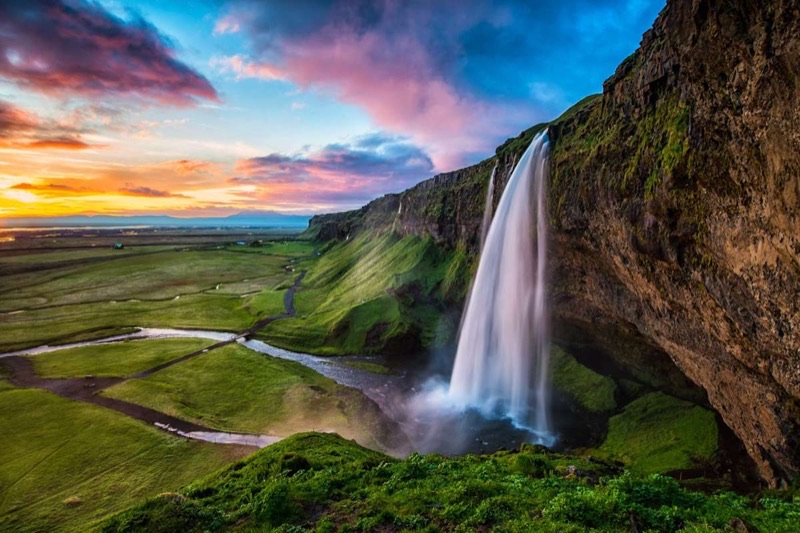
Opt for Iceland if you crave an immersive adventure into a land forged by fire and ice, perfect for road-tripping the Ring Road or exploring the Snæfellsnes Peninsula. It's ideal for those seeking dramatic geothermal spas like the Blue Lagoon, glacier treks, and hunting for the Northern Lights, embracing raw nature and unique, untamed landscapes. Best for independent explorers and photographers prioritizing otherworldly natural wonders.
Choose Switzerland
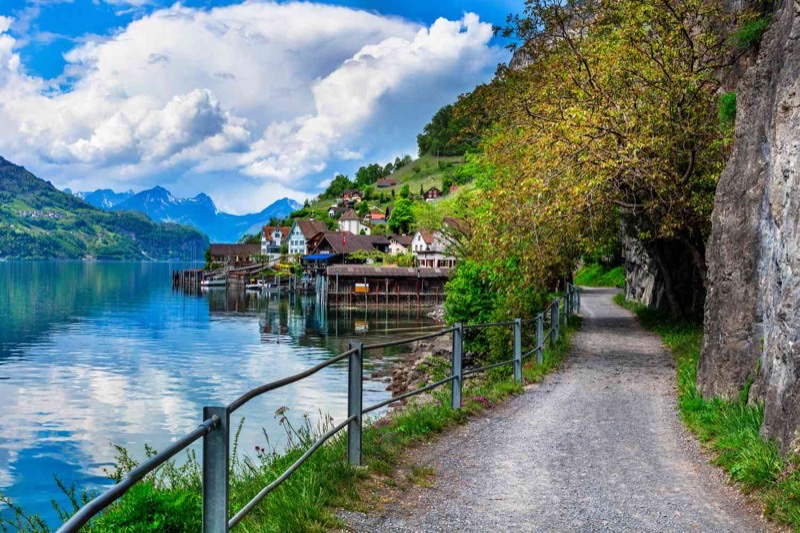
Select Switzerland for a refined mountain escape, where majestic peaks like the Matterhorn are effortlessly accessible via world-class trains and cable cars. This destination is best for travelers who desire a blend of pristine hiking trails, charming lakeside towns such as Lucerne, and luxurious alpine experiences, all with unparalleled efficiency. It's perfect for families, luxury seekers, and those who appreciate comfort and culture alongside breathtaking nature.
📊 Visual Scorecard
🌤 When to Visit
Average high temperatures (°C). Green = best months, orange = avoid.
Quick Comparison
| Category | Iceland | Switzerland | Winner |
|---|---|---|---|
| Costs & Budget | High daily costs, especially for food, alcohol, and car rentals. Fewer budget options. | Extremely high daily costs, particularly for food, transport, and accommodation. Premium experience. | Tie |
| Nature & Scenery | Volcanic landscapes, glaciers, black sand beaches, geysers, waterfalls, hot springs. Raw and otherworldly. | Alpine mountains, lakes, green valleys, glaciers. Refined and classically beautiful. | Iceland |
| Getting There | Direct flights from North America and Europe to Keflavík (KEF). Often a layover option for transatlantic flights. | Excellent air connections to Zurich (ZRH) and Geneva (GVA) from major global hubs. | Tie |
| Getting Around | Car rental is essential for independence; Ring Road is primary route. Limited public transport for tourists. | World-class public transport network (trains, buses, boats, cable cars). Swiss Travel Pass highly recommended. | Switzerland |
| Activities & Adventure | Glacier hikes, ice caves, Northern Lights tours, geothermal bathing, whale watching, diving between tectonic plates. | Hiking, skiing, snowboarding, paragliding, lake cruises, scenic train rides, mountain biking. | Tie |
| Food & Drink | Focus on lamb, fish, hot dogs, skyr. Limited variety, high prices for dining out. | Cheese (fondue, raclette), chocolate, rösti, muesli. Diverse regional cuisine, very high prices. | Switzerland |
| Accommodation | Hotels, guesthouses, cabins, farm stays. High prices, especially in peak season. Booking ahead is essential. | Hotels, chalets, apartments, mountain huts. High prices, excellent quality and service. | Tie |
| Weather & Seasons | Cool year-round, unpredictable, windy, rainy. Summer has midnight sun; winter has Northern Lights and snow. | Distinct seasons. Warm summers, cold snowy winters. Clearer skies, less extreme wind. | Switzerland |
| Safety & Ease | One of the safest countries globally. Main risks are natural elements (weather, currents, slippery terrain). | Extremely safe country with low crime rates. Main risks are related to mountain activities. | Tie |
| Solo Travel | Excellent for independent road trips, but can feel isolated. Group tours are a good social option. Safe. | Extremely safe, easy to navigate with public transport, many social opportunities in hostels and on trails. | Switzerland |
💰 Costs & Budget
Iceland is expensive, but daily costs can be managed if you cook some meals and travel outside peak season. A casual restaurant meal might cost 2500-4500 ISK ($18-32 USD), and a…

Iceland
Switzerland
Iceland is expensive, but daily costs can be managed if you cook some meals and travel outside peak season. A casual restaurant meal might cost 2500-4500 ISK ($18-32 USD), and a pint of beer often exceeds 1200-1500 ISK ($9-11 USD). Car rentals, a necessity for self-driving, average $70-150 USD per day, depending on vehicle type and season. Groceries from stores like Bonus or Kronan can help stretch a budget, with a loaf of bread around 400 ISK ($3 USD) and a carton of milk 200 ISK ($1.50 USD). Budget travelers might aim for $150-200 USD/day, while mid-range travelers often spend $250-300 USD/day.
Switzerland is consistently ranked among the world's most expensive countries. Eating out is a significant expense; a casual lunch or dinner can easily cost 25-45 CHF ($28-50 USD), and a beer is typically 7-9 CHF ($8-10 USD). Public transport, while efficient, is costly; an 8-day Swiss Travel Pass can be around 450 CHF ($500 USD). Groceries at Coop or Migros are also pricey, with a liter of milk around 1.60 CHF ($1.80 USD) and a loaf of bread around 4 CHF ($4.50 USD). Budget travelers might target $180-250 USD/day by staying in hostels and cooking, but a mid-range trip usually requires $300-350 USD/day or more. tabiji verdict: Both destinations require a substantial travel budget, with Switzerland generally having higher baseline costs.
- Winner: Tie
- Why: Both destinations demand a high budget, with Switzerland often being marginally more expensive across the board.
- Who this matters for: Anyone with a fixed travel budget and cost-conscious approach
🏞️ Nature & Scenery
Iceland presents a raw, geologically active landscape that feels alien. You find dramatic contrasts like the black sand of Reynisfjara beach, the blue ice of Jökulsárlón glacier…
Iceland
Switzerland
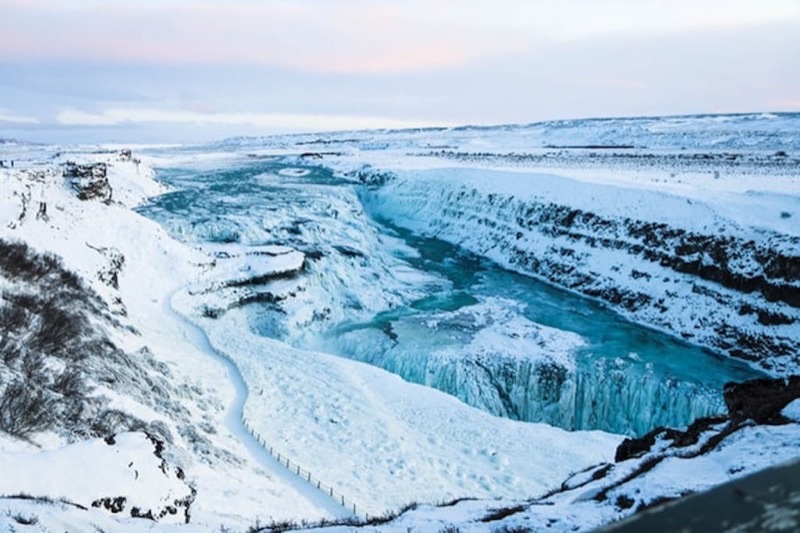
Iceland presents a raw, geologically active landscape that feels alien. You find dramatic contrasts like the black sand of Reynisfjara beach, the blue ice of Jökulsárlón glacier lagoon, and the powerful Gullfoss waterfall. Geothermal areas like Geysir and Námafjall Hverir showcase bubbling mud pots and steam vents. The Snæfellsnes Peninsula offers diverse geology in a smaller area, from basalt columns to a glacier-capped volcano. The landscape is often treeless and open, contributing to a sense of isolation and immersion in natural forces.
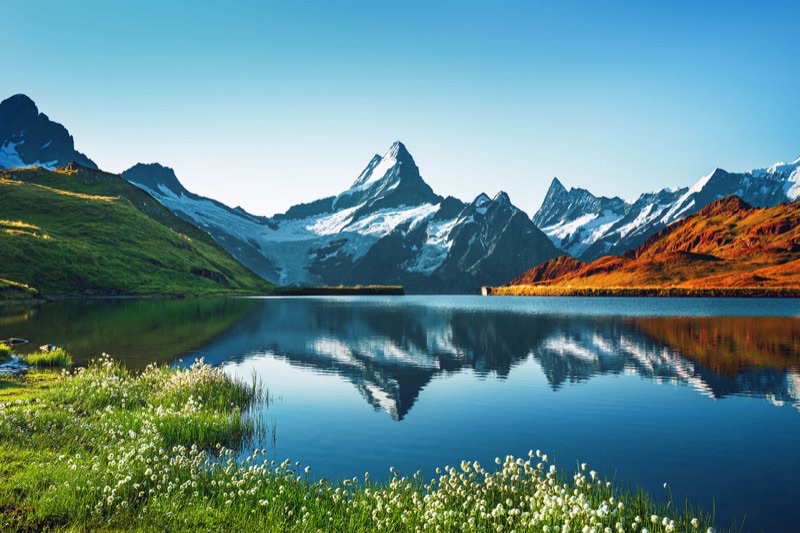
Switzerland offers classic alpine views: snow-capped peaks like the Matterhorn, deep green valleys of Lauterbrunnen, and turquoise lakes such as Lake Lucerne. The scenery is often manicured, with charming villages nestled into valleys and cows grazing on mountain slopes. While pristine, the landscapes feel more domesticated and integrated with human presence compared to Iceland's wild expanses. The scale of the Alps is imposing, but the ease of access via trains and cable cars means you're rarely far from a postcard view. tabiji verdict: Iceland's unique, untamed geology provides a more distinct and singular natural experience.
- Winner: Iceland
- Why: Iceland's geology is globally unique, offering a truly otherworldly and less common landscape experience.
- Who this matters for: Travelers seeking unique geological features, stark contrasts, and a sense of isolation in nature
✈️ Getting There
Iceland is easily accessible from both North America and Europe. Direct flights to Keflavík International Airport (KEF) are plentiful, especially from major cities like New York…
Iceland
Switzerland
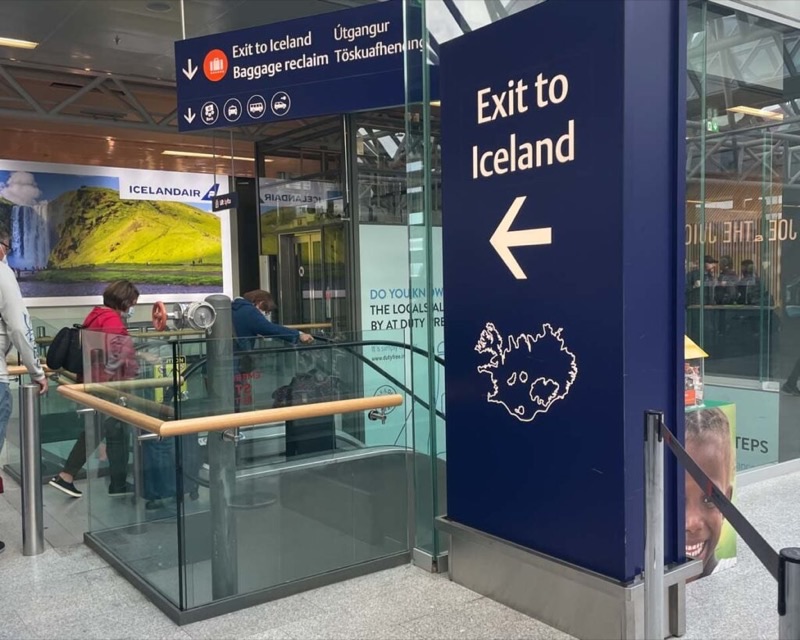
Iceland is easily accessible from both North America and Europe. Direct flights to Keflavík International Airport (KEF) are plentiful, especially from major cities like New York (e.g., JFK to KEF, ~6-7 hours direct with Icelandair or Delta) and London (e.g., LHR to KEF, ~3 hours direct with Icelandair or British Airways). Iceland is also a popular stopover destination for transatlantic flights, making it convenient to add to a larger European trip. The main airport is well-equipped, though domestic connections within Iceland often require separate bookings or buses.
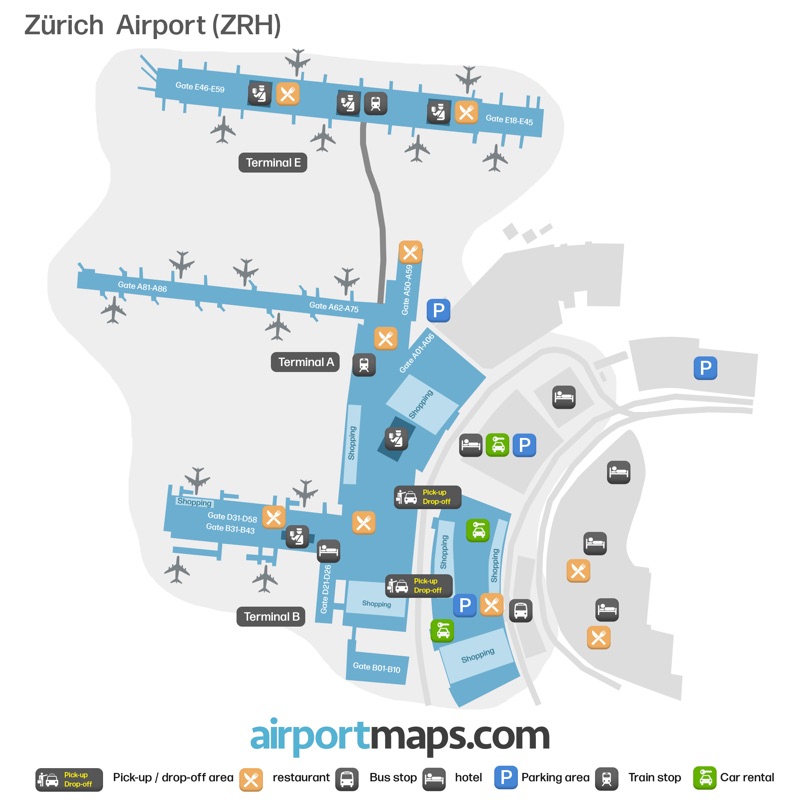
Switzerland boasts two major international airports, Zurich Airport (ZRH) and Geneva Airport (GVA), both with extensive direct connections. Flights from New York (e.g., JFK to ZRH, ~7-8 hours direct with SWISS or United) and London (e.g., LHR to ZRH, ~1.5-2 hours direct with SWISS or British Airways) are frequent. Its central European location means it is also easily reachable by high-speed rail from neighboring countries like France, Germany, and Italy, offering another efficient travel option. tabiji verdict: Both countries offer straightforward access from major global hubs, with Switzerland having the added advantage of extensive rail connections.
- Winner: Tie
- Why: Both countries offer convenient air travel from major hubs, with Switzerland also having strong rail links.
- Who this matters for: Travelers prioritizing easy, direct air access and efficient connections
🚗 Getting Around
In Iceland, a car rental is almost universally recommended for independent travel. The Ring Road (Route 1) circles the entire country, providing access to most major sights.…
Iceland
Switzerland
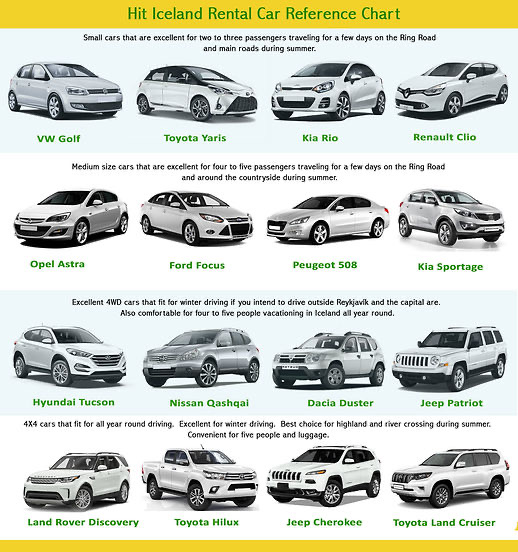
In Iceland, a car rental is almost universally recommended for independent travel. The Ring Road (Route 1) circles the entire country, providing access to most major sights. Four-wheel-drive vehicles are often necessary for F-roads (mountain roads) and are generally advisable for winter conditions. Fuel costs are high (around 280-300 ISK/liter for gasoline, or $2.10-2.20 USD/liter), and distances between towns can be substantial. Public bus services exist between some towns but are not comprehensive for tourist routes, making organized tours the main alternative to self-driving.
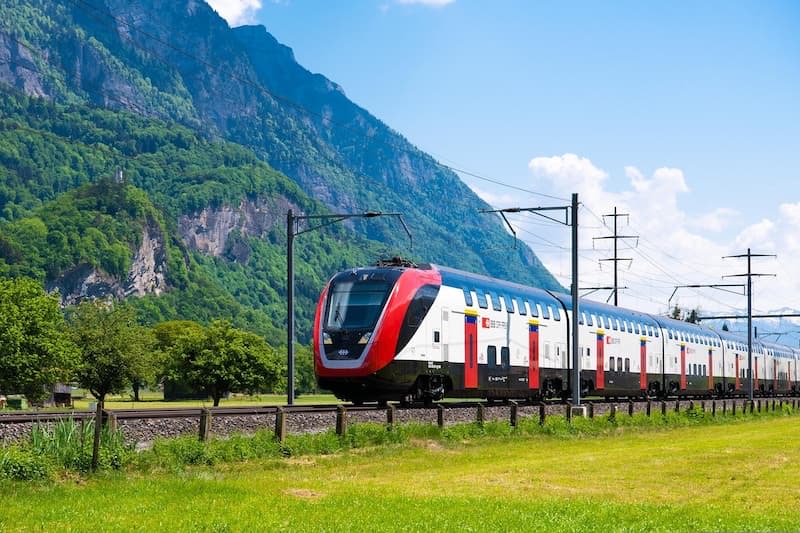
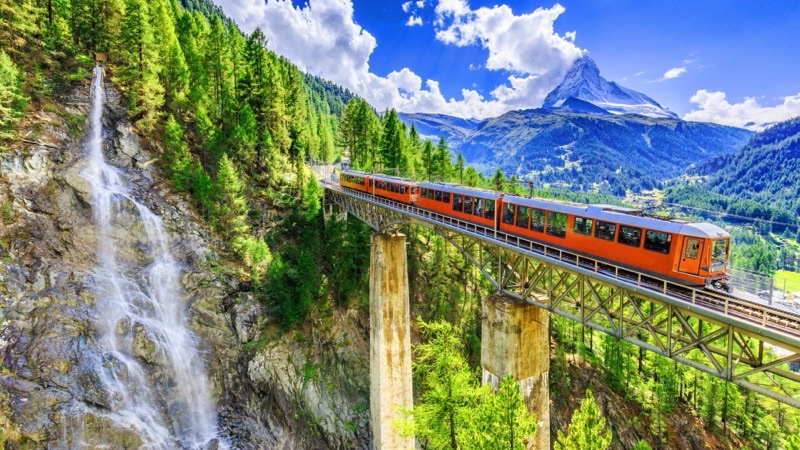
Switzerland sets the standard for public transport efficiency. The integrated network of trains (SBB), buses, boats, and cable cars reaches nearly every corner of the country, including high-altitude villages like Zermatt. The Swiss Travel Pass offers unlimited travel on most of these services, often including discounts on mountain railways and museum entry, making it excellent value despite its initial cost (e.g., an 8-day pass for around 450 CHF or $500 USD). This system allows you to relax and enjoy the scenery without the stress of driving, parking, or navigating. tabiji verdict: Switzerland's unparalleled public transport system makes getting around significantly easier and more enjoyable.
- Winner: Switzerland
- Why: Switzerland's integrated, efficient, and far-reaching public transport system is a major convenience for travelers.
- Who this matters for: Travelers who prefer not to drive, prioritize convenience, and want to access remote areas easily
⛰️ Activities & Adventure
Iceland excels in unique, geology-focused adventures. You can hike on Vatnajökull glacier, explore ice caves (seasonal, typically November-March), or chase the Aurora Borealis in…
Iceland
Switzerland
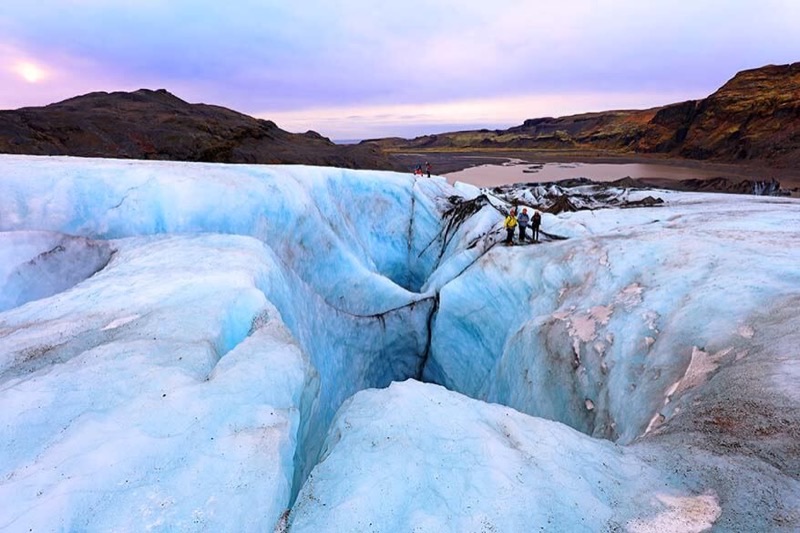
Iceland excels in unique, geology-focused adventures. You can hike on Vatnajökull glacier, explore ice caves (seasonal, typically November-March), or chase the Aurora Borealis in winter. Snorkeling or diving in Silfra fissure, where the North American and Eurasian tectonic plates meet, offers crystal-clear waters and a rare geological experience. Geothermal bathing in the Blue Lagoon (entry ~9000-15000 ISK or $65-110 USD) or less commercial Secret Lagoon provides relaxation. Whale watching tours from Reykjavík or Húsavík are popular, with prices around 10,000-15,000 ISK ($70-110 USD).
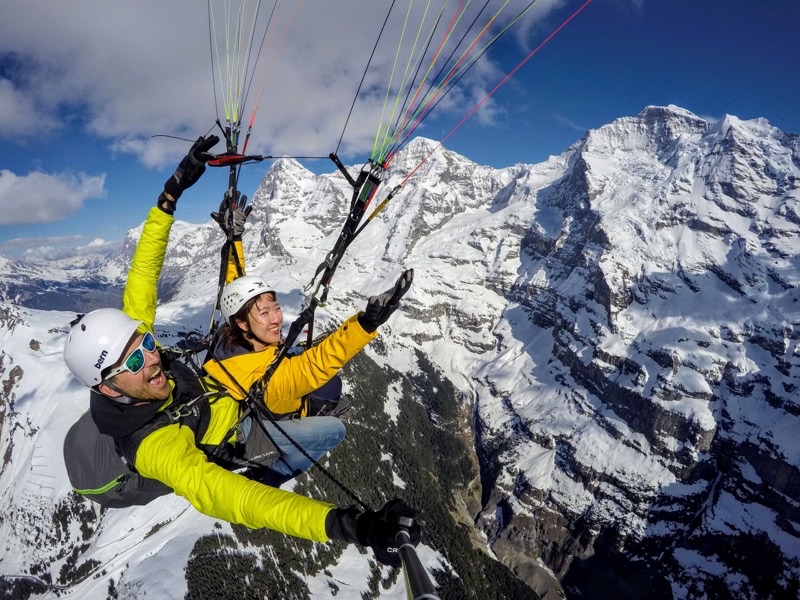
Switzerland offers a wealth of classic mountain adventures. Hiking trails range from gentle lakeside walks to challenging multi-day treks in the Bernese Oberland. Winter sports like skiing and snowboarding are world-renowned in resorts like Zermatt and Verbier. Paragliding over Interlaken, cruising on Lake Geneva, or taking a scenic cogwheel train up to Jungfraujoch (round trip from Interlaken ~200-250 CHF or $220-280 USD) are popular. Mountain biking is also a significant draw, with extensive trail networks. tabiji verdict: Both offer exceptional, distinct adventure opportunities, appealing to different types of outdoor enthusiasts.
- Winner: Tie
- Why: Both countries offer a distinct array of high-quality adventure activities, appealing to different interests.
- Who this matters for: Travelers seeking specific outdoor adventures, whether geological or alpine-focused
🍽️ Food & Drink
Iceland's food scene is improving but remains focused on specific local ingredients. Lamb, fresh fish (cod, salmon, arctic char), and dairy products like skyr are staples. The…
Iceland's food scene is improving but remains focused on specific local ingredients. Lamb, fresh fish (cod, salmon, arctic char), and dairy products like skyr are staples. The famous Icelandic hot dog from Bæjarins Beztu Pylsur in Reykjavík is a budget-friendly option at around 600 ISK ($4.50 USD). Outside Reykjavík, dining options can be limited and pricey. Alcohol is particularly expensive due to high taxes; a glass of wine can easily be 1500 ISK ($11 USD). Travelers often stock up on groceries to manage costs.
Switzerland offers a richer and more diverse culinary experience, albeit at a premium. Famous for its cheese (fondue and raclette are national dishes), chocolate (Sprüngli in Zurich is a classic), and potato dishes like rösti. Regional specialties include Zürcher Geschnetzeltes (sliced veal in cream sauce) in Zurich and various sausages. Wine is produced locally, and while not cheap, it's generally more accessible than in Iceland. The quality of ingredients and preparation is consistently high, reflecting the country's meticulous standards. tabiji verdict: Switzerland provides a more varied and refined culinary landscape, despite the high cost.
- Winner: Switzerland
- Why: Switzerland offers a broader range of traditional and high-quality culinary experiences compared to Iceland's more specialized offerings.
- Who this matters for: Food enthusiasts and those who prioritize diverse and quality dining experiences
🛌 Accommodation
Accommodation in Iceland, even basic options, carries a significant price tag. A mid-range hotel in Reykjavík or along the Ring Road typically starts from $180-300 USD per night…
Accommodation in Iceland, even basic options, carries a significant price tag. A mid-range hotel in Reykjavík or along the Ring Road typically starts from $180-300 USD per night for a double room. Guesthouses and farm stays offer a local experience, but prices remain firm. Hostels are an option, with a dorm bed costing around $50-80 USD per night. During summer, prices escalate, and availability decreases rapidly, requiring bookings months in advance. Many travelers opt for Airbnbs or self-catering cabins to manage food costs.
Switzerland's accommodation is known for its quality and high prices. A standard hotel room in a city or mountain resort often costs $200-400 USD per night. Chalets and apartments are popular for longer stays or groups. Hostels are available in major cities and tourist hubs, with dorm beds ranging from $40-70 USD per night. For hikers, mountain huts (SAC Huts) offer basic, communal lodging at lower prices (around 30-50 CHF or $33-55 USD per night for non-members) but require advance booking and preparedness. tabiji verdict: Both countries feature high accommodation costs, with Switzerland typically offering a higher standard of service and infrastructure at its price points.
- Winner: Tie
- Why: Both countries are expensive for accommodation, with Switzerland typically offering a higher standard of service for the cost.
- Who this matters for: Travelers seeking good value, luxury, or budget options within a high-cost environment
☀️ Weather & Seasons
Iceland's weather is notoriously fickle and cool, even in summer. Summer (June-August) sees average temperatures of 10-15°C (50-59°F), with the phenomenon of the midnight sun…
Iceland's weather is notoriously fickle and cool, even in summer. Summer (June-August) sees average temperatures of 10-15°C (50-59°F), with the phenomenon of the midnight sun providing nearly 24 hours of daylight. Winter (November-March) is cold, with temperatures around 0°C (32°F) and significant wind, rain, or snow, but offers the best chance for the Aurora Borealis. Conditions can change rapidly within a day, regardless of the season, requiring travelers to dress in layers and be prepared for anything. Road closures due to weather are common in winter.
Switzerland experiences four distinct seasons. Summer (June-August) is pleasantly warm in the lowlands (20-30°C or 68-86°F) and mild in the mountains, ideal for hiking. Autumn brings golden foliage and crisp air. Winter (December-March) transforms the country into a snowy landscape, perfect for skiing and other winter sports, with temperatures often below freezing in the mountains. Spring sees melting snow and blooming flowers. The weather is generally more predictable and less extreme than Iceland's, allowing for clearer planning of outdoor activities. tabiji verdict: Switzerland's more predictable and varied seasonal weather allows for a wider range of planned activities.
- Winner: Switzerland
- Why: Switzerland offers more distinct and predictable seasonal weather, allowing for better planning and a wider range of activities.
- Who this matters for: Travelers who prefer predictable weather for specific activities or dislike extreme winds
✅ Safety & Ease
Iceland is consistently ranked as one of the safest countries in the world, with very low crime rates. The primary safety concerns for travelers stem from its natural environment:…
Iceland is consistently ranked as one of the safest countries in the world, with very low crime rates. The primary safety concerns for travelers stem from its natural environment: unpredictable weather, strong ocean currents at beaches like Reynisfjara, geothermal areas with scalding hot water, and slippery glacier ice. Adhering to warning signs, staying on marked paths, and respecting weather advisories are crucial. Emergency services are efficient, but help can be distant in remote areas, emphasizing responsible self-driving and planning.
Switzerland is also an exceptionally safe country, known for its low crime rates and efficient public services. Major risks are typically associated with mountain sports and activities – hiking accidents, avalanches (in winter), or unexpected weather changes at high altitudes. Following marked trails, checking weather forecasts, and being adequately equipped for mountain conditions are important. The infrastructure, including mountain rescue, is highly developed and reliable. General street crime is rare, even in cities. tabiji verdict: Both countries offer a high degree of personal safety, with natural elements posing the main risks.
- Winner: Tie
- Why: Both countries are remarkably safe, with any travel risks predominantly stemming from engaging with their natural environments.
- Who this matters for: Solo travelers, families, or anyone prioritizing personal safety and security
🚶♀️ Solo Travel
Iceland is a compelling choice for solo travelers seeking solitude and dramatic nature. It's incredibly safe, and self-driving the Ring Road allows for complete independence.…
Iceland is a compelling choice for solo travelers seeking solitude and dramatic nature. It's incredibly safe, and self-driving the Ring Road allows for complete independence. However, the vast, empty landscapes can sometimes feel isolated, and dining out alone can be expensive. Hostels in Reykjavík and major towns offer social opportunities. Joining guided day tours (e.g., Golden Circle, South Coast) is a simple way to meet other travelers and access sights without a car, with tour prices around 10,000-15,000 ISK ($70-110 USD) for a full day. Mobile data coverage is generally reliable.
Switzerland is exceptionally well-suited for solo travel due to its outstanding public transport system, which removes the stress of navigation and provides constant connection. It's one of the safest countries globally, and English is widely spoken in tourist areas. Hostels are plentiful and often social, particularly in hubs like Interlaken, Lucerne, and Zermatt. The extensive hiking network means you often encounter other people on trails, and group activities are easily arranged. Dining out alone is common and accepted, though still expensive. tabiji verdict: Switzerland offers a more comfortable and socially integrated solo travel experience due to its public transport and social infrastructure.
- Winner: Switzerland
- Why: Switzerland's efficient public transport and social opportunities make solo travel easier and less isolating.
- Who this matters for: Solo travelers prioritizing ease of navigation, social interaction, and feeling connected
🎯 The Decision Framework
Choose Iceland If…
- You want to chase the Northern Lights over a glacial lagoon.
- You dream of hiking on a glacier or exploring ice caves.
- You are comfortable with a road trip being your primary mode of transport.
- You prefer stark, raw, and treeless landscapes over manicured ones.
- You value unique geological phenomena like geysers and black sand beaches.
- You want a destination that feels remote and less traditionally 'European'.
- You are excited by the prospect of the midnight sun during summer.
- You want to soak in geothermal hot springs after a day of exploration.
Choose Switzerland If…
- You want to ride trains through iconic mountain ranges like the Alps.
- You love hiking well-maintained trails with clear signage and mountain huts.
- You are keen on experiencing traditional alpine villages and culture.
- You want a destination with world-class public transport that reaches everywhere.
- You prefer warmer summers and distinct seasonal changes for activities.
- You appreciate high-quality cheese, chocolate, and diverse regional cuisine.
- You want easy access to lakes for swimming, boating, and relaxation.
- You value reliability, precision, and an integrated travel experience.
📅 Sample Itineraries
Weekend in Iceland (3 Days)
💡 For flexibility and to reach many natural sites, renting a 4x4 car is highly recommended. Book popular attractions like the Blue Lagoon well in advance to secure your spot.
Weekend in Switzerland (3 Days)
💡 A Swiss Travel Pass can save a significant amount on train, bus, and boat travel, plus offer discounts on mountain excursions. Consider a 3-day pass for around $230-260.
One Week in Iceland (7 Days)
💡 Pack layers of clothing, including waterproof and windproof outerwear, as Iceland's weather can change quickly regardless of the season. Bring sturdy hiking boots.
One Week in Switzerland (7 Days)
💡 The Swiss rail system is efficient and punctual. Relying on public transport, especially with a Swiss Travel Pass, is often more convenient and scenic than renting a car for a multi-city trip.
❓ Frequently Asked Questions
Which country is more budget-friendly for a week-long trip?
Neither country is budget-friendly, but Iceland might allow for slightly more controlled spending if you commit to cooking most meals and rent a smaller car. A week in Iceland for a mid-range traveler could be around $1750-2100 USD (excluding flights), while Switzerland might reach $2100-2450 USD. Both require diligent planning to save money.
What is the typical flight time from the US to each country?
From major East Coast US cities (e.g., New York), direct flights to Iceland's Keflavík (KEF) typically take 6-7 hours. Direct flights to Switzerland's Zurich (ZRH) or Geneva (GVA) are slightly longer, usually 7-8 hours. West Coast flights add several hours and often involve layovers.
Is public transport a viable option for exploring Iceland?
Public transport in Iceland is not extensive for tourist routes. While there are some intercity buses, a car rental is almost universally necessary for independent exploration of the Ring Road and popular sights like the Golden Circle. Organized tours are the main alternative to driving yourself, with prices for full-day tours ranging from $70-110 USD.
When is the best time to visit Iceland for Northern Lights vs. Switzerland for hiking?
For the Northern Lights in Iceland, visit between September and March. For hiking in Switzerland, the best months are typically June to September, when trails are clear of snow and the weather is generally warmer and more stable. Each destination has distinct peak seasons for specific activities.
Which country offers better options for adventure sports?
Both offer excellent adventure sports, but of different types. Iceland excels in geological adventures like glacier hiking, ice caving, and diving between tectonic plates. Switzerland is paramount for alpine sports: hiking, climbing, skiing, snowboarding, and paragliding with dramatic mountain backdrops. Your preference depends on the type of adventure you seek.
Can I easily combine a visit to Iceland with other European countries?
Yes, Iceland is a popular stopover destination for flights between North America and Europe, especially with Icelandair. You can often book multi-city tickets that include a stop in Reykjavík for a few days before continuing to other European cities. This allows for a taste of its unique landscape without extensive detours.
Which country is better for photography?
Both offer exceptional photography opportunities, just different styles. Iceland provides stark, dramatic, and often moody landscapes ideal for abstract and landscape photography, particularly with its unique light during summer's midnight sun or winter's golden hours. Switzerland offers classic, grand, and often picturesque alpine vistas with charming villages and lakes, perfect for scenic and detailed compositions. Neither will disappoint a photographer.
What are the typical meal costs in each country?
In Iceland, a casual restaurant meal averages 2500-4500 ISK ($18-32 USD), and a pint of beer is 1200-1500 ISK ($9-11 USD). In Switzerland, a similar casual meal costs 25-45 CHF ($28-50 USD), with a beer around 7-9 CHF ($8-10 USD). Groceries are expensive in both, but cooking your own meals offers the most significant savings.
Ready to plan your Nordic or Alpine trip?
Get a free custom itinerary for Iceland, Switzerland, or both — built from real traveler insights.
👥 Travelers Also Compared
🎟️ Book Tours & Experiences
Hand-picked tours and activities for both destinations — book with free cancellation
Experiences via Viator — free cancellation on most tours