How we built this comparison
This page combines traveler discussion patterns, published price ranges, flight schedules, and seasonal data to help you decide between Iguazu and Victoria Falls.
- Reviewed 50+ Reddit threads from r/travel, r/solotravel, r/argentina, r/southafrica, and r/zimbabwe for authentic traveler experiences and advice.
- Verified current costs for park entrance fees, accommodation, activities, and flights against booking platforms like Skyscanner, Booking.com, and local tour operator websites (e.g., Gran Aventura, Shearwater Victoria Falls).
- Cross-referenced seasonal patterns, weather data, and water flow information from national park services and meteorological sources to provide accurate 'best time to visit' recommendations.
⚡ The TL;DR Verdict
For those craving a more intimate, multi-perspective waterfall experience with excellent value and diverse surrounding nature, Iguazu is your champion with a daily budget of $70-150. If adrenaline-pumping activities, a classic safari add-on, and a raw sense of untamed wilderness call your name, Victoria Falls, though pricier ($150-300+ per day), delivers on an epic scale. Pick based on your travel style and wallet.
- Choose Iguazu: Choose Iguazu if you prioritize the sheer visual spectacle of the falls from multiple angles, enjoy well-maintained national parks, prefer a slightly lower budget, and want easier access to other South American highlights like Buenos Aires or Rio de Janeiro. It's fantastic for families and photographers.
- Choose Victoria Falls: Opt for Victoria Falls if you're an adventure seeker looking for high-octane activities (bungee, white water rafting), desire to combine your waterfall experience with a classic safari, and are willing to pay a premium for a truly wild, iconic African journey. Perfect for thrill-seekers and those on an extended Africa trip.
- Choose Both: Doing both is an incredible 'waterfall grand slam' for serious nature lovers with ample time (3-4 weeks minimum) and budget. You'd typically combine Iguazu with a broader South America trip and Victoria Falls with a Southern African safari loop, making logistics complex but the reward immense.
Quick Comparison
| Category | Iguazu | Victoria Falls | Winner |
|---|---|---|---|
| Costs & Value | Significantly more budget-friendly, especially on the Argentine side, with lower park fees, food, and accommodation costs. Excellent value for money. | Higher overall costs for park entrance, activities, accommodation, and food. Perceived value is tied to premium adventure experiences. | Iguazu |
| Getting There & Around | Direct flights from major South American hubs (Buenos Aires, Rio). Easy to navigate both park sides via buses/taxis. | Direct flights from Johannesburg, Cape Town, and Nairobi. Transfers to hotels are standard; walking is viable in town, but taxis for activities. | Iguazu |
| Waterfall Experience & Views | Offers multi-perspective viewing from both Argentine and Brazilian sides, with close-up boardwalks into the Devil's Throat. Extremely immersive. | A single, massive curtain of water, best viewed from the Zimbabwean side's extensive path. Known for its raw power, mist, and the 'Smoke that Thunders'. | Iguazu |
| Activities & Adventure | Boat rides under the falls, jungle treks, birdwatching. More focused on natural exploration and close encounters. | World capital for adrenaline: bungee jumping, white water rafting, gorge swings, helicopter flights, microlight flights, sunset cruises. | Victoria Falls |
| Surrounding Nature & Wildlife | Lush Atlantic Rainforest, rich biodiversity including jaguars (rarely seen), monkeys, coatis, and diverse birdlife. More of a jungle feel. | Mopane woodland and savanna, home to elephants, buffalo, hippos, and crocodiles, especially along the Zambezi. Gateway to world-class safaris. | Victoria Falls |
| Food & Dining | Diverse Argentine cuisine (steaks, empanadas) and Brazilian influences, with good value restaurants and vibrant street food markets. | Limited but decent options, often catering to tourists with international fare. Focus on fresh local ingredients and BBQ/braai. | Iguazu |
| Accommodation | Wide range from hostels to luxury resorts, with better value, particularly in Puerto Iguazú. Options for staying inside the park (Belmond Hotel das Cataratas). | Fewer options, generally higher prices across all categories. Iconic luxury hotels (The Victoria Falls Hotel) and safari lodges near the falls. | Iguazu |
| Safety & Travel Logistics | Generally safe in tourist areas, standard precautions apply. Efficient cross-border travel between Argentina and Brazil. | Relatively safe in tourist areas, but economic instability in Zimbabwe can lead to petty crime. Malaria risk present. Cross-border to Zambia is easy. | Iguazu |
| Weather & Seasons | Subtropical climate, best visited in shoulder seasons (Spring/Autumn) for pleasant temperatures and good water flow. Summer is hot and humid, winter cooler. | Tropical climate, distinct wet and dry seasons. Peak flow (Feb-May) means immense mist, dry season (Aug-Oct) offers clearer views but less water. | Iguazu |
| Family & Accessibility | Excellent accessibility with paved paths, elevators, and well-maintained infrastructure. Kid-friendly activities and facilities. Stroller and wheelchair friendly. | Main paths are manageable, but some viewpoints involve steps. Limited specific kid-focused activities. The sheer mist can be overwhelming for young children. | Iguazu |
💸 Costs & Value
When it comes to your wallet, Iguazu (especially the Argentine side) wins hands down. The entrance fee for Iguazu National Park (Argentina) is around ARS 12,500 (approx. USD $12.50), while Victoria Falls (Zimbabwe side) clocks in at a steep USD $50 for international visitors. A decent meal in Puerto Iguazú can be found for ARS 5,000-8,000 (USD $5-8), whereas in Victoria Falls Town, you're looking at USD $15-30 for a similar experience. Activities like boat rides under the falls are also cheaper in Iguazu, with the 'Gran Aventura' around ARS 30,000 (USD $30), compared to the 'Livingstone Island & Devil's Pool' tour at Victoria Falls, which can run USD $150-200. Accommodation also favors Iguazu, with quality hotels like Hotel Saint George from USD $70-100/night, versus Victoria Falls' budget options starting around USD $100 and mid-range well over USD $200. "I swear, Iguazu felt like a steal after coming from Patagonia. My hostel was nice, food was cheap, and the park experience felt so complete without breaking the bank." the value here is undeniable for budget-conscious travelers.
Winner takeaway
- Winner: Iguazu
- Why: Iguazu offers a far superior experience for the money, with lower park fees, food, accommodation, and activity costs.
- Who this matters for: Budget travelers, families, and anyone looking for maximum bang for their buck.
✈️ Getting There & Around
Iguazu is generally easier and often cheaper to access if you're already in South America. From Buenos Aires (EZE or AEP), direct flights to Puerto Iguazú (IGR) take about 1h 45m and can cost USD $80-200 depending on booking time with Aerolíneas Argentinas or Flybondi. From Rio de Janeiro or São Paulo to Foz do Iguaçu (IGU) takes around 2 hours, similarly priced. Once there, local buses shuttle between Puerto Iguazú (Argentina), Foz do Iguaçu (Brazil), and both park entrances for just a few dollars (e.g., ARS 1,000 / USD $1 from town to Argentine park). Taxis are also plentiful and reasonably priced. Victoria Falls (VFA) typically requires flying from major Southern African hubs like Johannesburg (JNB) (approx. 1h 40m, USD $200-400+), Cape Town (CPT) (approx. 2h 30m, USD $250-500+), or even Nairobi (NBO). The town of Victoria Falls, Zimbabwe, is small and walkable, but getting to various activity points often requires pre-arranged transfers or taxis, which add up. "Getting to Iguazu from Buenos Aires was a breeze, felt like a quick domestic hop. Navigating between the Argentine and Brazilian sides was surprisingly simple with the local buses." The integrated public transport and proximity of both park entrances make Iguazu more straightforward.
Winner takeaway
- Winner: Iguazu
- Why: Iguazu offers more frequent and often cheaper direct flights from major South American cities, with highly efficient and affordable local transport.
- Who this matters for: Travelers combining falls with a broader South American itinerary, and those preferring easy, independent park access.
🌊 Waterfall Experience & Views
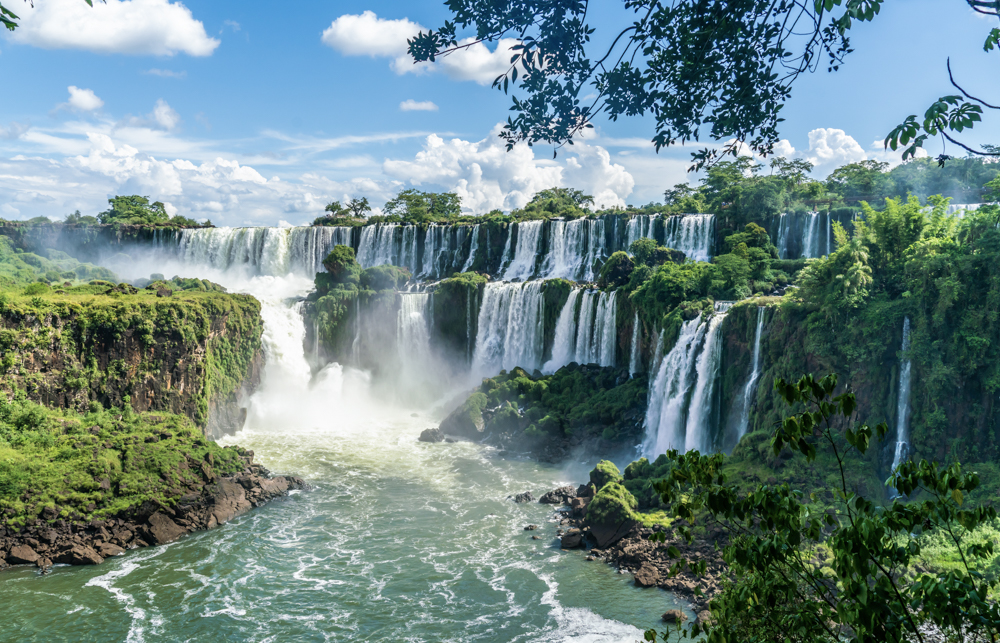
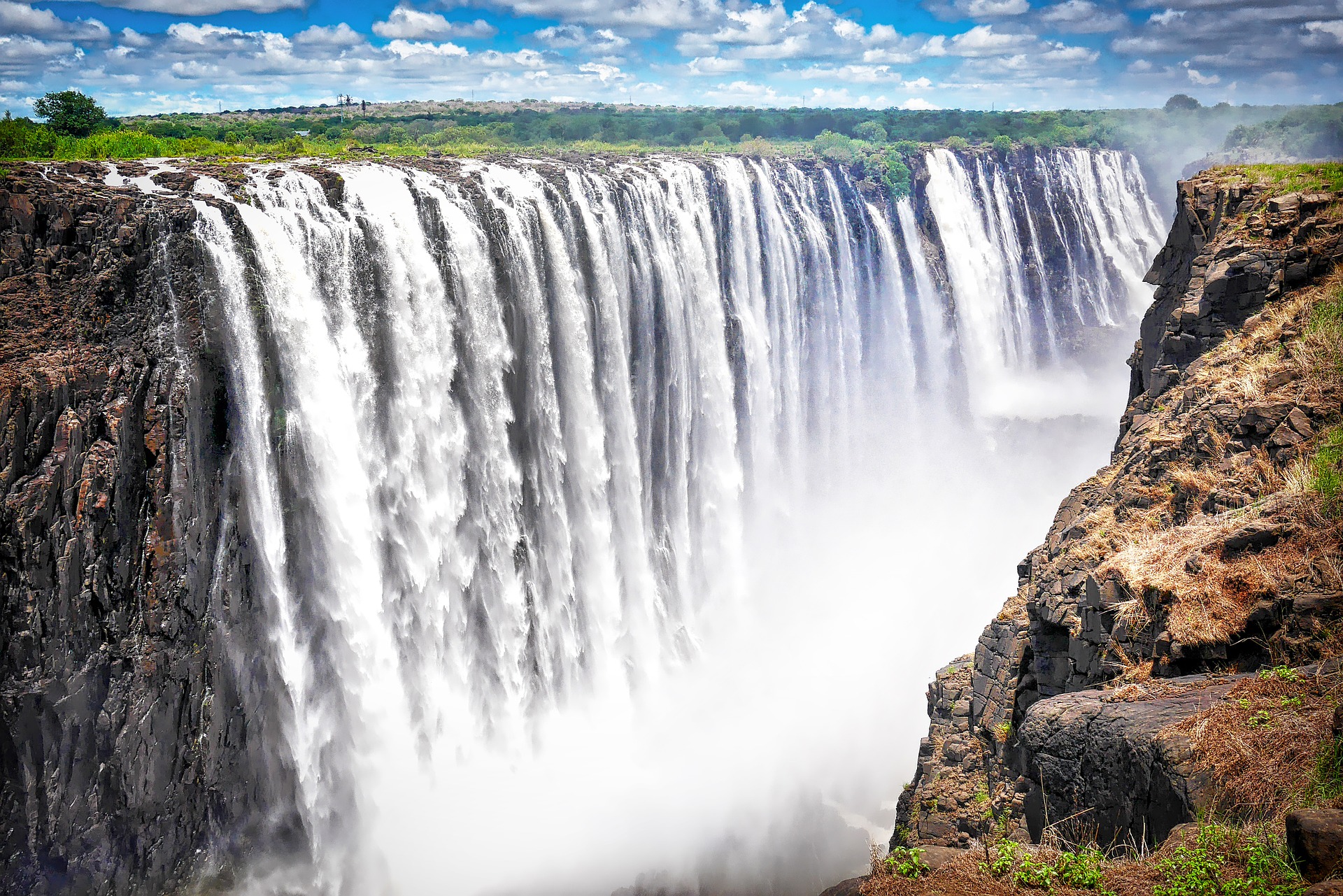
Iguazu takes the crown for sheer variety and immersion in the waterfall experience. With 275 individual falls spanning nearly 3 km, you can spend days exploring different viewpoints. The Argentine side (Parque Nacional Iguazú) offers extensive upper and lower circuit trails that bring you face-to-face with numerous cascades and right onto boardwalks over the 'Devil's Throat' (Garganta del Diablo) – an absolutely breathtaking, deafening experience where you feel the water's immense power. The Brazilian side (Parque Nacional do Iguaçu) provides more panoramic, wide-angle views of the entire falls system. You get a sense of the scale from a distance before heading to a catwalk that brings you right over the edge of a section of the falls. Victoria Falls, while undoubtedly powerful and awe-inspiring, offers a more linear viewing experience from the Zimbabwean side's main path, comprising 16 designated viewpoints. The sheer volume of water cascading over a single 1.7km wide curtain is astounding, but you often battle with thick mist depending on the season, obscuring views. The 'Knife-Edge Bridge' walk is iconic, but the overall diversity of perspectives isn't as rich. "Iguazu just lets you get so much closer, and seeing the Devil's Throat from above and then right in front of you on the boardwalk? Unforgettable. Victoria Falls was awesome for the sheer mist and thunder, but Iguazu felt more 'designed' for viewing." The multitude of angles and trails at Iguazu provides an unparalleled, immersive journey.
Winner takeaway
- Winner: Iguazu
- Why: Iguazu offers a much more diverse and intimate viewing experience from multiple angles and both country sides, allowing for deeper exploration.
- Who this matters for: Photographers, nature enthusiasts, and travelers who want to truly immerse themselves in the falls from every perspective.
🛶 Activities & Adventure
If you're an adrenaline junkie, Victoria Falls is your undisputed champion. The Zambezi River below the falls is renowned for some of the world's best Grade 5 white water rafting (USD $120-180 for a full day). The 111-meter bungee jump off the Victoria Falls Bridge (USD $160-200) is iconic, as is the gorge swing (USD $100-150). Helicopter or microlight flights (USD $150-250 for 15-30 min) offer incredible aerial perspectives, truly showcasing the 'Smoke that Thunders.' There are also sunset cruises on the upper Zambezi (USD $50-100) and visits to Livingstone Island (from the Zambian side) to swim in Devil's Pool (USD $150-200, seasonal). Iguazu offers fantastic experiences like the 'Gran Aventura' boat ride (USD $30) that takes you right under the falls, guided jungle treks, and birdwatching in the surrounding Atlantic Rainforest, but it's a more subdued, nature-focused adventure. There's a strong emphasis on hiking and enjoying the park's biodiversity. "Victoria Falls is where you go if you want to jump off something high or wrestle rapids. Iguazu's boat trip was cool, but it's not the same level of heart-pounding action." For raw, unadulterated adventure, Victoria Falls simply has no rival.
Winner takeaway
- Winner: Victoria Falls
- Why: Victoria Falls is the undisputed adventure capital, offering a plethora of world-class adrenaline activities right at the falls.
- Who this matters for: Thrill-seekers, adventure travelers, and those looking for unique, high-octane experiences.
🐒 Surrounding Nature & Wildlife
While Iguazu is surrounded by the incredibly biodiverse Atlantic Rainforest, offering sightings of coatis, various monkey species, and incredible birdlife (like toucans and hummingbirds), the chance of seeing large, iconic African megafauna is virtually nil. Victoria Falls, however, is firmly planted in the safari landscape of Southern Africa. Elephants are frequently seen crossing roads near town or along the Zambezi River. Hippos and crocodiles are abundant on river cruises. It's not uncommon to spot buffalo or even giraffes on a game drive in nearby Zambezi National Park (USD $15 park fee, plus vehicle/guide costs). More importantly, Victoria Falls acts as an incredibly convenient gateway to some of Africa's premier safari destinations, such as Chobe National Park in Botswana (day trips from USD $160-200) or even longer safaris in Hwange National Park in Zimbabwe. "Seeing elephants just chilling by the road on the way to the airport in Vic Falls was wild. It felt like the waterfall was just the appetizer for a full-blown safari experience." This direct access to the 'Big Five' and the immersive safari environment gives Victoria Falls a significant edge in wildlife encounters and broader natural appeal.
Winner takeaway
- Winner: Victoria Falls
- Why: Victoria Falls offers direct access to iconic African wildlife and serves as a gateway to world-class safari experiences.
- Who this matters for: Wildlife enthusiasts, safari-goers, and those dreaming of an African 'Big Five' experience.
🍽️ Food & Dining
Iguazu offers a much richer and more affordable culinary scene, especially on the Argentine side in Puerto Iguazú. You'll find fantastic Argentine steakhouses (parrillas) like 'El Quincho del Tío Querido,' serving massive, delicious cuts of beef for around ARS 10,000-15,000 (USD $10-15). Empanadas, choripanes, and dulce de leche are ubiquitous. There's also a strong influence from Brazilian cuisine, with options for feijoada and various tropical fruits. The 'La Feirinha' market is excellent for local snacks, cheeses, and regional products at bargain prices. Foz do Iguaçu (Brazil) also offers diverse dining, including churrascarias (Brazilian steakhouses). Victoria Falls, while having decent restaurants, is generally more expensive and less diverse, often catering to the international tourist palate. Places like 'The Boma – Dinner & Drum Show' (USD $75-100) offer an entertaining cultural experience with a buffet, but regular dining at restaurants like 'Three Monkeys' or 'Shearwater Cafe' often features international dishes with local twists, with main courses typically ranging from USD $15-30. "The steak I had in Puerto Iguazú was one of the best of my trip, and so cheap! Vic Falls was fine, but nothing really blew me away gastronomically." The sheer variety, quality, and affordability of dining options make Iguazu the clear winner.
Winner takeaway
- Winner: Iguazu
- Why: Iguazu provides a more diverse, authentic, and significantly more affordable culinary experience with strong local flavors.
- Who this matters for: Foodies, budget travelers, and anyone who enjoys exploring local cuisine as part of their travel experience.
🏨 Accommodation
Iguazu offers a broader spectrum of accommodation with better value at every price point. In Puerto Iguazú (Argentina), you can find excellent hostels for USD $15-30/night, comfortable mid-range hotels like Hotel Saint George from USD $70-100, and luxury options like the Gran Meliá Iguazú (inside the Argentine park) starting around USD $300-500. Foz do Iguaçu (Brazil) also has a wide selection, including the iconic Belmond Hotel das Cataratas (inside the Brazilian park) which can be USD $600+. The sheer volume of choices means more competitive pricing. Victoria Falls, conversely, has fewer options and generally higher prices. Budget hostels start around USD $40-60, but private rooms in mid-range hotels often begin at USD $150-250, such as the Ilala Lodge. The legendary Victoria Falls Hotel, a colonial masterpiece, typically costs USD $400-800+. Many accommodations are geared towards higher-end safari-goers. "Staying in a good hotel in Puerto Iguazú felt like such a steal, especially compared to the prices I saw for similar quality places in Vic Falls. The options were just better and more varied." The price-to-quality ratio and overall selection clearly favor Iguazu.
Winner takeaway
- Winner: Iguazu
- Why: Iguazu provides a more diverse range of accommodation options across all price points, offering significantly better value for money.
- Who this matters for: All travelers, but especially budget to mid-range travelers and those seeking good value luxury.
🛡️ Safety & Travel Logistics
Both destinations are generally safe for tourists, but Iguazu edges out Victoria Falls due to lower health risks and more stable economic conditions. Puerto Iguazú and Foz do Iguaçu are well-developed tourist towns with a strong police presence in and around the national parks. Petty crime exists, as in any tourist area, but serious incidents are rare. Crossing the border between Argentina and Brazil is a smooth process with efficient taxi and bus services. Victoria Falls (Zimbabwe) also feels safe in the immediate tourist bubble, but Zimbabwe's broader economic challenges can sometimes lead to issues like power outages or increased petty theft, especially outside the main tourist areas. A more significant factor is the malaria risk, which is present year-round in the Victoria Falls region, necessitating prophylaxis, whereas Iguazu is largely malaria-free. "I felt super safe walking around Puerto Iguazú at night, and crossing the border for the Brazilian side was literally a 10-minute bus ride. Vic Falls felt safe too, but the malaria meds were an extra thing to worry about." The absence of significant health risks and the robust, stable infrastructure give Iguazu a slight advantage in overall travel logistics and peace of mind.
Winner takeaway
- Winner: Iguazu
- Why: Iguazu presents fewer health concerns (no malaria risk) and benefits from more stable regional economic conditions, simplifying travel logistics.
- Who this matters for: Families with young children, solo female travelers, and those prioritizing minimal health risks and seamless travel planning.
☀️ Weather & Seasons
Iguazu's subtropical climate offers a more consistently pleasant visiting experience across a wider window. The shoulder seasons (April-May and September-October) are ideal, with warm temperatures (20-28°C / 68-82°F) and moderate humidity, ensuring comfortable exploration and excellent water flow. Summers (Dec-Feb) are hot and very humid (often above 30°C / 86°F) with afternoon downpours, while winters (June-August) are milder (15-25°C / 59-77°F) and drier, though water flow is still impressive. Victoria Falls has a more pronounced tropical wet and dry season that significantly impacts the experience. The peak flow season (February-May) is when the falls are at their most powerful, creating immense mist that can completely obscure views for long stretches. The dry season (August-October) offers much clearer views, but the water flow can be drastically reduced, especially on the Zambian side, sometimes to a trickle. This variability makes planning more critical. "We went to Iguazu in April and the weather was absolutely perfect, sunny but not too hot, and the falls were roaring. My friend went to Vic Falls in March and said the mist was so heavy she barely saw anything on some days." Iguazu provides a more reliable and enjoyable weather experience for most travelers, regardless of specific water levels.
Winner takeaway
- Winner: Iguazu
- Why: Iguazu offers a broader 'best' visiting window with generally more comfortable temperatures and reliable water flow, without extreme mist issues.
- Who this matters for: Travelers sensitive to extreme heat/humidity or those who want guaranteed clear views without sacrificing water volume.
👨👩👧👦 Family & Accessibility
Iguazu is remarkably family-friendly and highly accessible for travelers with mobility challenges. The Argentine side, in particular, boasts extensive paved walkways, an ecological train, and even elevators to access different levels, making it easy to navigate with strollers or wheelchairs. The multi-path system allows families to choose shorter or longer routes based on energy levels. Facilities like clean restrooms, cafes, and shaded rest areas are plentiful. The immersive but safe boat ride is a huge hit with kids. Victoria Falls' main viewing path on the Zimbabwean side is mostly paved, making it generally accessible, but some sections and viewpoints do involve steps or uneven terrain. The sheer volume of mist during high flow can be overwhelming and soaking for young children, potentially making the experience less enjoyable. While there are some family-friendly activities like sunset cruises, the adventure focus might be less suitable for very young kids or those with limited mobility. "I took my grandparents to Iguazu and they had no problem with the paths and the little train. It felt like it was designed for everyone. Vic Falls felt a bit more rugged for them." Iguazu's superior infrastructure and considerate design make it the clear winner for families and those requiring easy accessibility.
Winner takeaway
- Winner: Iguazu
- Why: Iguazu offers exceptional accessibility with paved paths, elevators, and a highly family-friendly environment, accommodating all ages and mobility levels.
- Who this matters for: Families with young children, elderly travelers, and individuals with mobility impairments.
❓ Frequently Asked Questions
Which falls are 'bigger' or more impressive?
It depends on how you define 'bigger'. Iguazu has more individual falls (275 vs. 1), spans a wider area (2.7 km vs. 1.7 km), and has a greater average annual flow. Victoria Falls has the largest single curtain of falling water in the world. Both are utterly breathtaking, but Iguazu offers a more diverse and immersive viewing experience.
Do I need a visa for either destination?
For Iguazu, visa requirements depend on your nationality for Argentina and Brazil. Many nationalities (e.g., US, UK, EU) do not need a visa for tourist stays. For Victoria Falls, if visiting Zimbabwe, many nationalities require a visa which can often be obtained on arrival (e.g., KAZA UNIVISA for US, UK, Canada). Always check current regulations for your specific passport.
Is malaria a concern at Victoria Falls?
Yes, the Victoria Falls region (both Zambia and Zimbabwe sides) is a malaria-risk area, especially during and after the wet season (November to May). Antimalarial prophylaxis is strongly recommended, along with insect repellent and protective clothing. Iguazu is generally considered malaria-free.
Can I visit both the Argentine and Brazilian sides of Iguazu?
Absolutely, and it's highly recommended! Most travelers dedicate one full day to each side. The Argentine side offers incredible close-up immersion with extensive walking trails, while the Brazilian side provides panoramic views of the entire falls system. Crossing the border is straightforward via bus or taxi.
What's the best time to visit Victoria Falls for clear views vs. high flow?
For maximum water flow and the most thunderous experience, visit February to May. Be prepared for heavy mist that can obscure views. For clearer views and less mist (but less water, especially on the Zambian side), visit during the dry season, typically August to October. Each season offers a different, unique perspective.
Are there good options for solo travelers at either location?
Both locations are popular with solo travelers. Iguazu, with its robust hostel scene and easy public transport, might feel slightly more accessible and budget-friendly for solo explorers. Victoria Falls offers numerous group activities (rafting, safaris) where it's easy to meet other travelers, but costs can be higher.
How many days should I allocate for each destination?
For Iguazu, allocate 2-3 full days to comfortably explore both the Argentine and Brazilian sides and perhaps a local activity. For Victoria Falls, 2-3 full days are also sufficient for the falls and 1-2 adventure activities. If combining with a safari, add 2-4 more days for the safari portion.
Can I combine a visit to Victoria Falls with a safari?
Yes, absolutely! Victoria Falls is an excellent gateway for safaris. You can easily do a day trip to Chobe National Park in Botswana (famous for elephants) or arrange multi-day safaris to Hwange National Park in Zimbabwe or into Botswana/Zambia, making it a perfect 'bush and falls' combination.
Ready to plan your waterfall adventure?
Get a free custom itinerary for Iguazu, Victoria Falls, or both — built from real traveler insights and expert advice.
🎟️ Book Tours & Experiences
Hand-picked tours and activities for both destinations — book with free cancellation
Experiences via Viator — free cancellation on most tours