How we built this comparison
This page combines traveler discussion patterns, published price ranges, flight schedules, and seasonal data to help you decide between Inca Trail and Kilimanjaro.
- Reviewed 100+ Reddit threads from r/travel, r/solotravel, r/PeruTravel, r/Tanzania, and r/mountaineering for authentic traveler experiences and tips.
- Verified costs and logistics against current booking platforms (e.g., G Adventures, Intrepid Travel, local operators) and park official sites.
- Cross-referenced seasonal patterns and weather data with experienced guides and climate resources to ensure accurate 'best time to go' advice.
⚡ The TL;DR Verdict
Choose Inca Trail if you want cost & value, cultural immersion & history, food & trek experience. Choose Kilimanjaro if you want trekking difficulty & altitude, logistics & permits, pre & post trek activities. Split your trip if you want both experiences without forcing one destination to do the other's job.
- Choose Inca Trail: cost & value, cultural immersion & history, food & trek experience.
- Choose Kilimanjaro: trekking difficulty & altitude, logistics & permits, pre & post trek activities.
- Choose Both: If you have ample time (4-6 weeks) and budget (minimum $8,000-$10,000 USD for treks and flights), doing both offers an unparalleled global trekking experience. Start with the Inca Trail for acclimatization and then tackle Kilimanjaro for the ultimate challenge, perhaps with a safari in between.
- Split your trip: Split your trip if you want Inca Trail for its strongest wins but still want Kilimanjaro for the categories where it clearly does better.
Best-for snapshot
Fast answers first: who each destination tends to serve best, pulled from the page’s own comparison table and verdict.
Best for food
Inca TrailGourmet camp food, varied menu, porters carry everything. Warm showers sometimes available at campsites.
Best for nightlife
TieNot a clean call from the comparison table, so treat this as situational.
Best for budget
Inca TrailMid-range ($700-$1500 USD for trek), good value for all-inclusive experience. Total trip $2500-$4000.
Best for first-timers
KilimanjaroPermits included in package. Book through licensed operators. Entry via Kilimanjaro (JRO) airport.
Best for couples
TieThis one depends more on your exact trip style than on a universal winner.
Best for solo travelers
Inca TrailGourmet camp food, varied menu, porters carry everything. Warm showers sometimes available at campsites.
Best for families
TieThis one depends more on your exact trip style than on a universal winner.
Quick scorecards
Lightweight scoring for scanability - a decision aid, not fake precision.
Inca Trail
Kilimanjaro
Quick Comparison
| Category | Inca Trail | Kilimanjaro | Winner |
|---|---|---|---|
| Trekking Difficulty & Altitude | Moderate-Strenuous, max 4,200m (Dead Woman's Pass). Well-maintained paths, challenging ascents and descents. | Strenuous-Extreme, max 5,895m (Uhuru Peak). Relentless altitude gain, longer duration, extreme summit night. | Kilimanjaro |
| Cost & Value | Mid-range ($700-$1500 USD for trek), good value for all-inclusive experience. Total trip $2500-$4000. | High-end ($2000-$5000+ USD for trek), premium pricing for guides, porters, park fees. Total trip $4500-$8000+. | Inca Trail |
| Cultural Immersion & History | Rich ancient Inca history, archaeological sites along the trail, indigenous Quechua culture, Machu Picchu. | Limited direct cultural immersion on the mountain. Focus on natural history and the local Chagga/Maasai culture pre/post trek. | Inca Trail |
| Scenery & Natural Beauty | Dramatic Andean peaks, cloud forests, lush valleys, terraced ruins, diverse flora and fauna, iconic mountain views. | Five distinct ecological zones (rainforest to arctic desert), vast African plains views, glaciers, volcanic landscapes. | Tie |
| Logistics & Permits | Highly regulated, permits sell out 4-6 months in advance. Only licensed operators. Entry via Cusco. | Permits included in package. Book through licensed operators. Entry via Kilimanjaro (JRO) airport. | Kilimanjaro |
| Food & Trek Experience | Gourmet camp food, varied menu, porters carry everything. Warm showers sometimes available at campsites. | Hearty, simple camp food, varying quality. More basic facilities, often no showers. Emphasis on hydration. | Inca Trail |
| Best Time to Travel & Weather | Dry season (May-Oct) is ideal. Wet season (Nov-Apr) brings rain, trail closed in Feb. Colder nights. | Dry seasons (Jan-March & June-Oct) are best. Shoulder seasons are feasible but wetter. Consistent cold at high altitude. | Inca Trail |
| Pre & Post Trek Activities | Cusco exploration, Sacred Valley tours (Ollantaytambo, Pisac), Rainbow Mountain, Amazon jungle extensions. | Safari (Serengeti, Ngorongoro), Zanzibar beaches, cultural tours to Maasai villages, Arusha/Moshi town exploration. | Kilimanjaro |
| Solo Travel & Group Dynamics | Great for solo travelers, easy to join groups. Shared camaraderie, guides facilitate interactions. | Also good for solo travelers, but larger, more diverse groups. Strong emphasis on team support. | Tie |
| Overall Impact & Achievement | Profound sense of accomplishment, connecting with ancient history, awe-inspiring arrival at Machu Picchu. | Ultimate physical and mental triumph, standing on Africa's rooftop, deep personal challenge, bragging rights. | Kilimanjaro |
⛰️ Trekking Difficulty & Altitude
While both treks are physically demanding, Kilimanjaro presents a significantly greater challenge, primarily due to its extreme altitude and longer duration. The Inca Trail, typically 4 days/3 nights, peaks at Warmiwañusqa (Dead Woman's Pass) at 4,200m (13,800 ft). Most trekkers find this challenging but manageable with proper acclimatization in Cusco (3,400m). The paths are ancient Inca stone paths, sometimes steep and uneven, but generally well-defined. Kilimanjaro, on the other hand, involves 6-9 days of continuous ascent to Uhuru Peak at 5,895m (19,341 ft). This dramatic altitude gain, coupled with the cumulative fatigue, makes acute mountain sickness (AMS) a much more prevalent and serious concern. Summit night on Kili is notoriously brutal, often starting at midnight for a 6-8 hour climb in freezing temperatures to reach the peak at sunrise. "Summiting Kili felt like running a marathon uphill while breathing through a straw, but the sunrise made it all worth it," recounted one r/Tanzania user. The longer duration on Kilimanjaro also means more days away from civilization and more sustained physical effort. The Inca Trail is a fantastic challenge, but Kilimanjaro truly pushes you to your physiological limits.
Winner takeaway
- Winner: Kilimanjaro
- Why: Kilimanjaro offers a significantly more challenging and high-altitude trekking experience, pushing physical and mental limits to a greater extent.
- Who this matters for: Experienced trekkers, those seeking an extreme physical challenge, and adventurers who prioritize reaching the highest point in Africa.
💸 Cost & Value
When it comes to your wallet, the Inca Trail generally offers a better 'bang for your buck,' making it the winner here. A classic 4-day Inca Trail trek package typically costs between $700-$1500 USD per person, depending on the operator and inclusions. This usually covers permits (which are expensive and limited), guides, porters, all meals, camping equipment, and train/bus back to Cusco. Flights to Peru (Lima then Cusco) add another $600-$1200 USD from major US cities. Kilimanjaro, conversely, is a significantly pricier undertaking. A 6-7 day trek can range from $2000-$5000+ USD per person, not including international flights. This higher cost is due to higher park fees (around $100-$150 USD per person per day), more extensive crew requirements (guides, assistant guides, cooks, porters - often 10-15 staff for a group of 4), and more specialized gear. Flights to Tanzania (Kilimanjaro International - JRO) can easily run $1000-$1800+ USD from the US. "Kilimanjaro's price tag was shocking at first, but honestly, the support staff and safety measures were top-notch," noted a traveler on r/travel. While both are significant investments, the Inca Trail offers a comprehensive and iconic experience at a more accessible price point.
Winner takeaway
- Winner: Inca Trail
- Why: The Inca Trail provides an iconic, all-inclusive trekking experience at a substantially lower overall cost compared to Kilimanjaro, offering excellent value.
- Who this matters for: Budget-conscious adventurers, travelers who want a premium trekking experience without the highest price tag, and those looking for a significant historical journey.
🗿 Cultural Immersion & History
For an unparalleled blend of adventure and deep cultural immersion, the Inca Trail is the undisputed champion. Every step on the trail is steeped in ancient history, leading you through dozens of well-preserved Inca ruins like Runcuracay, Sayacmarca, and Wiñay Wayna, culminating in the breathtaking arrival at Machu Picchu via the Sun Gate. Your guides are often descendants of the Inca, sharing stories, traditions, and the significance of the sites. You'll witness ingenious Inca engineering, learn about their astronomy, and connect with a civilization that shaped the Andes. Pre and post-trek, Cusco and the Sacred Valley offer vibrant markets, colonial architecture, and opportunities to engage with contemporary Quechua culture. Kilimanjaro, while geographically stunning, offers very little direct cultural immersion on the mountain itself. The focus is purely on the trek and the mountain's natural zones. Any cultural experience, such as visiting local Chagga villages or interacting with Maasai communities, happens before or after the trek, usually as a separate add-on activity. "The Inca Trail felt like walking through a living history book; every ruin had a story my guide brought to life," shared a trekkers on r/PeruTravel. If tracing ancient footsteps and connecting with a profound past is your goal, Peru wins hands down.
Winner takeaway
- Winner: Inca Trail
- Why: The Inca Trail is woven with ancient history and archaeological sites, culminating in Machu Picchu, offering a deep cultural and historical narrative that Kilimanjaro cannot match.
- Who this matters for: History buffs, archaeology enthusiasts, cultural explorers, and travelers who want their physical challenge intertwined with rich storytelling.
🏞️ Scenery & Natural Beauty
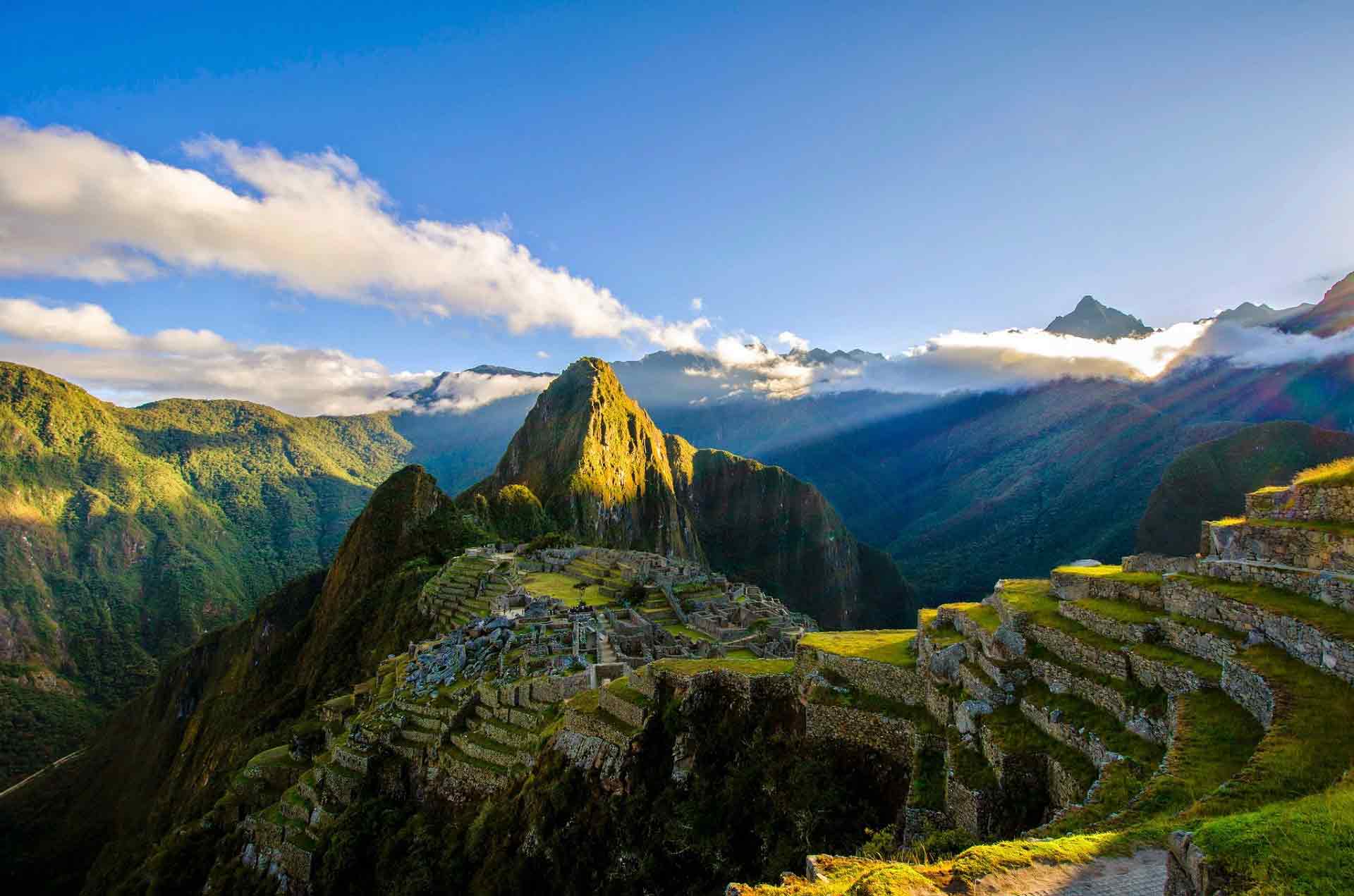
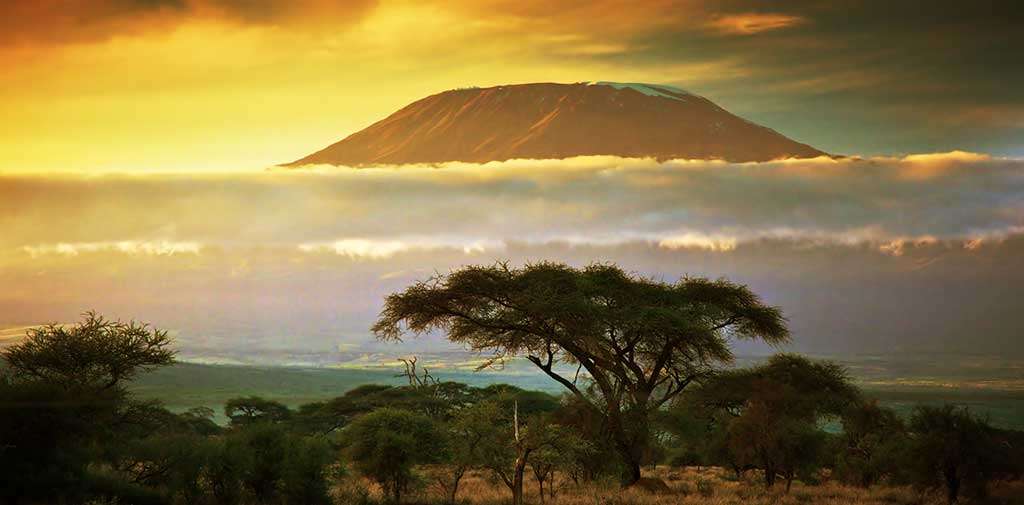
This category is incredibly tough to call, as both offer utterly breathtaking and distinct natural beauty, making it a tie. The Inca Trail traverses the majestic Peruvian Andes, revealing a stunning tapestry of jagged peaks, mist-shrouded cloud forests teeming with orchids and hummingbirds, and lush valleys carved by ancient rivers. The views of snow-capped mountains like Salkantay are phenomenal, and the way the ancient Inca ruins are harmoniously integrated into the landscape is unique. The dramatic reveal of Machu Picchu from the Sun Gate is an iconic moment. Kilimanjaro, on the other hand, boasts an incredible journey through five distinct ecological zones in a single trek: starting in verdant rainforest, transitioning through moorland and alpine desert, and finally reaching the arctic-like summit zone with its receding glaciers. The sheer scale of the mountain, towering over the vast plains of Africa, and the volcanic landscapes around Kibo and Mawenzi peaks are awe-inspiring. "The changing ecosystems on Kili felt like walking through a geography textbook come to life," mentioned one Reddit user. While the Inca Trail's beauty is intertwined with human history, Kilimanjaro's grandeur is about raw, untamed nature's power. Both are visually spectacular in their own right, appealing to different aesthetic preferences.
Winner takeaway
- Winner: Tie
- Why: Both treks offer uniquely stunning natural beauty – the Inca Trail with its Andean drama and integrated ruins, and Kilimanjaro with its incredible transition through five distinct ecological zones – making it impossible to pick a single winner.
- Who this matters for: All travelers who prioritize spectacular natural landscapes and photographic opportunities, regardless of specific preference for historical integration vs. raw wilderness.
🎫 Logistics & Permits
Kilimanjaro wins for slightly simpler logistics, despite its higher cost. For the Inca Trail, securing a permit is the single biggest logistical hurdle. Only 500 permits are issued per day (including porters and guides), and they often sell out 4-6 months in advance, especially for peak season (May-September). You cannot trek independently; you must go with a licensed tour operator. This means strict planning and early booking are essential. If you miss out, alternative treks like Salkantay or Lares are options, but they aren't 'the' Inca Trail. You'll fly into Lima (LIM), then take a domestic flight to Cusco (CUZ). Kilimanjaro's permits are also strictly regulated but are handled entirely by your chosen tour operator and are typically included in your package price. While you still need to book well in advance (3-6 months is advisable for good operators), the direct permit scramble isn't on your shoulders. You fly directly into Kilimanjaro International Airport (JRO), often via major hubs like Amsterdam (KLM) or Doha (Qatar Airways), making the international arrival point more convenient. "Booking Kili felt easier because my outfitter handled all the permits and park fees, unlike the Inca Trail permit lottery," said a frequent trekker on r/travel. The lack of a direct 'permit lottery' for the trekker makes Kilimanjaro marginally less stressful logistically.
Winner takeaway
- Winner: Kilimanjaro
- Why: Kilimanjaro's permit system is managed seamlessly by tour operators, simplifying the booking process for trekkers compared to the highly competitive and limited Inca Trail permits.
- Who this matters for: Travelers who prefer a more streamlined booking process and don't want to worry about securing scarce permits months in advance.
🍲 Food & Trek Experience
The Inca Trail undeniably offers a superior food and overall trek experience. Peruvian trekking companies have perfected the art of camp cuisine, often providing surprisingly gourmet meals. Expect varied menus featuring local specialties like Lomo Saltado, fresh fruit, soups, and even birthday cakes if it's a special occasion. Porters carry everything, including dining tents, tables, and chairs, creating a comfortable experience. Some campsites even offer basic shower facilities or opportunities to refresh. "I was genuinely shocked by how good the food was on the Inca Trail – fresh avocado, quinoa, and so much variety," remarked a Reddit user. On Kilimanjaro, while the food is typically ample and designed to fuel your ascent (think porridge, rice, chicken, vegetables), it's generally simpler and less varied. Hydration is key, so you'll consume lots of water and tea. Facilities are more rustic; showers are generally non-existent, and you'll rely on basin washes. The focus on Kili is purely on the climb and survival, whereas the Inca Trail often feels like a supported cultural journey with a higher level of comfort in camp. Both provide professional guides and porters, but the 'luxury' of the Inca Trail's camp life stands out.
Winner takeaway
- Winner: Inca Trail
- Why: The Inca Trail consistently delivers a more comfortable and 'gourmet' camp food experience, with better facilities and a higher level of service due to well-established trekking infrastructure.
- Who this matters for: Travelers who appreciate good food even in remote settings, value comfort during multi-day treks, and prefer a more refined outdoor experience.
☀️ Best Time to Travel & Weather
The Inca Trail edges out Kilimanjaro slightly due to a longer and more predictable 'ideal' trekking window. The dry season in the Peruvian Andes runs from May to October, offering stable, sunny days and cooler, clear nights – perfect trekking conditions. While nights can be cold, especially at Dead Woman's Pass, the daytime temperatures are generally pleasant. The trail is closed entirely in February for maintenance. The wet season (November-April) brings daily rain, making trails slippery and views obscured. Kilimanjaro has two main dry seasons: January to March and June to October. While these offer the best chances for clear weather and summit views, the weather on Kili can be notoriously unpredictable year-round, with dramatic shifts from sun to snow in a single day, especially at higher altitudes. "We summited Kili in July and still hit a whiteout on summit night, weather there is just wild," recalled a frustrated r/mountaineering post. The consistent extreme cold at high elevations on Kili, even during dry season, requires meticulous gear planning. The Inca Trail's weather, while still mountain weather, feels more forgiving and predictable within its prime season, offering a more consistently pleasant experience.
Winner takeaway
- Winner: Inca Trail
- Why: The Inca Trail offers a longer, more consistently pleasant dry season with more predictable weather conditions, making planning easier and enhancing the trekking experience.
- Who this matters for: Travelers who prioritize stable weather for clear views and comfortable trekking, and those who prefer to avoid extreme cold or unpredictable conditions.
🌍 Pre & Post Trek Activities
Kilimanjaro takes the crown for its incredible array of pre and post-trek activities, primarily due to the world-class safari and beach options. After conquering Kili, you are perfectly positioned for an African safari in iconic parks like the Serengeti, Ngorongoro Crater, and Tarangire, where you can witness the Big Five in their natural habitat. This transition from extreme altitude to wildlife viewing is a 'bucket list' combo that's hard to beat. Or, you can unwind on the pristine spice island beaches of Zanzibar. You can also visit local Chagga or Maasai villages for cultural experiences near Moshi or Arusha. "Doing a Serengeti safari right after Kili was the best decision, it felt like two completely different, epic adventures," mentioned a satisfied r/Tanzania traveler. Peru offers fantastic options too: exploring the vibrant city of Cusco, touring the Sacred Valley (Ollantaytambo, Pisac market), visiting Rainbow Mountain, or even a short Amazon jungle extension. However, the sheer diversity and global appeal of an African safari coupled with a beach escape give Kilimanjaro the edge in offering truly transformative add-ons that complement the trek's wild nature.
Winner takeaway
- Winner: Kilimanjaro
- Why: Kilimanjaro's proximity to world-renowned safari parks (Serengeti, Ngorongoro) and the tropical beaches of Zanzibar offers an unparalleled combination of pre and post-trek adventures that Peru cannot match.
- Who this matters for: Adventure seekers who want to combine a challenging trek with iconic wildlife viewing, cultural experiences, or relaxing beach getaways on the same trip.
🧍 Solo Travel & Group Dynamics
Both the Inca Trail and Kilimanjaro are excellent choices for solo travelers, making this category a tie. Neither trek can be done independently, meaning solo travelers will always join a guided group, which naturally fosters camaraderie. On the Inca Trail, groups are often smaller (typically 8-16 trekkers), creating a tight-knit bond over the 4-day journey. The shared challenge of Dead Woman's Pass and the anticipation of Machu Picchu naturally bring people together. Guides are skilled at facilitating introductions and fostering a supportive atmosphere. "As a solo female traveler, I felt completely safe and made lifelong friends on the Inca Trail," shared a Reddit user on r/solotravel. Kilimanjaro groups can be slightly larger and more diverse, attracting trekkers from all over the globe due to its 'Seven Summits' allure. The longer duration (6-9 days) and extreme difficulty mean that group support and encouragement are even more critical, forging incredibly strong bonds, especially during the grueling summit night. Both treks provide a built-in social network, making them ideal for solo adventurers looking for companionship and shared experiences in challenging environments. The choice comes down to preference for group size and the specific shared goal.
Winner takeaway
- Winner: Tie
- Why: Both treks are ideal for solo travelers as they necessitate joining a guided group, naturally fostering strong camaraderie and providing a built-in social network in challenging environments.
- Who this matters for: Solo travelers looking for a safe, structured adventure where they can easily connect with like-minded individuals and form strong bonds over a shared challenge.
🏆 Overall Impact & Achievement
While both treks offer immense satisfaction, Kilimanjaro delivers a more profound and primal sense of achievement, making it the winner. The Inca Trail culminates in the iconic arrival at Machu Picchu, a truly awe-inspiring moment that combines historical significance with natural beauty, leaving trekkers with a deep sense of accomplishment and connection to ancient civilization. It's a journey that touches the soul. However, Kilimanjaro is a different beast entirely. It's a grueling, multi-day ascent to nearly 6,000 meters – the highest point on an entire continent. The physical and mental fortitude required, especially during the brutal summit night, pushes most people beyond anything they've experienced. Reaching Uhuru Peak is a test of sheer will, resilience, and endurance against altitude and extreme conditions. The view from the top, often above the clouds, is a profound symbol of personal triumph and a rare perspective on the world. "Summiting Kili felt like conquering a part of myself; it was the hardest thing I've ever done, but the feeling at the top was indescribable," expressed a very proud r/traveler. The 'bragging rights' are real, but more importantly, the self-discovery and confidence gained from overcoming such a formidable natural obstacle are life-changing. It's not just a trek; it's an expedition that redefines personal limits.
Winner takeaway
- Winner: Kilimanjaro
- Why: Kilimanjaro offers a more extreme physical and mental challenge, culminating in the profound achievement of standing on Africa's highest peak, which often results in a deeper sense of personal triumph and transformation.
- Who this matters for: Ambitious adventurers, those seeking to push their physical and mental limits, and individuals who desire the ultimate bragging rights and a truly transformative, life-defining outdoor achievement.
❓ Frequently Asked Questions
Which trek is safer in terms of altitude sickness?
The Inca Trail, peaking at 4,200m, generally presents a lower risk of severe altitude sickness compared to Kilimanjaro, which reaches 5,895m. While both require acclimatization, Kili's extreme altitude means AMS is a much more common and serious concern, often leading to hikers turning back. Always consult a doctor before either trek.
Can I do either trek without prior trekking experience?
For the Inca Trail, yes, with good physical fitness and proper training, it's achievable for determined beginners. For Kilimanjaro, while possible, prior multi-day trekking experience is highly recommended. Kili's duration, extreme altitude, and remote nature make it a significantly tougher first major trek.
Are permits difficult to get for both treks?
Inca Trail permits are notoriously difficult to secure; they sell out months in advance, and you must book through a licensed operator. Kilimanjaro permits are also regulated but are typically handled by your tour operator and included in your package price, making the process less stressful for the trekker, though still requiring advance booking.
What's the typical group size for these treks?
Inca Trail groups are often smaller, typically 8-16 trekkers, fostering a close-knit atmosphere. Kilimanjaro groups can be slightly larger, sometimes up to 20+, attracting a more diverse international crowd due to its global 'Seven Summits' appeal. Both treks require joining a guided group.
Which trek has better infrastructure and facilities?
The Inca Trail generally boasts better-developed infrastructure around the trek, including more comfortable campsites (some with basic facilities) and higher-quality camp food. Kilimanjaro's facilities are more rustic and basic, reflecting its more remote and extreme environment, with less emphasis on 'comfort'.
How much time should I allocate for each trip, including travel?
For the Inca Trail, allow 7-10 days: 2-3 days for acclimatization in Cusco, 4 days for the trek, and travel days. For Kilimanjaro, budget 10-14 days: 1-2 days for arrival/preparation in Moshi/Arusha, 6-9 days for the trek, and travel days. Add more time if you plan significant pre/post-trek activities like safaris or Sacred Valley tours.
Can I add a safari to my Inca Trail trip?
While theoretically possible to combine, it would involve significant international travel (Peru to East Africa) and a substantial budget. It's not a common or logistically easy pairing. If a safari is a high priority, Kilimanjaro is the clear choice due to its direct proximity to world-class national parks.
What are the essential gear differences for each trek?
Both require good hiking boots, layers, and rain gear. Kilimanjaro demands significantly more extreme cold-weather gear: a heavy-duty down jacket, thermal expedition-grade sleeping bag (rated to -15°C or colder), thicker gloves/mittens, and warmer base layers due to the extreme cold at higher altitudes and on summit night. The Inca Trail is less demanding on extreme cold weather gear.
Ready to plan your unforgettable trek?
Get a free custom itinerary for Inca Trail, Kilimanjaro, or both — built from real traveler insights and expert advice.
🎟️ Book Tours & Experiences
Hand-picked tours and activities for both destinations — book with free cancellation
Experiences via Viator — free cancellation on most tours