How we built this comparison
This page combines traveler discussion patterns, published price ranges, flight schedules, and seasonal data to help you decide between Inca Trail and W Trek.
- Reviewed 50+ Reddit threads from r/travel, r/solotravel, r/peru, r/chile, r/Patagonia, and r/hiking for real traveler experiences and advice.
- Verified costs and logistics against current booking platforms (e.g., PeruRail, Fantastico Sur, Vertice Patagonia, G Adventures, REI Adventures) and official park websites.
- Cross-referenced seasonal patterns, weather data, and altitude sickness prevention guidelines from reputable sources.
- Consulted personal travel experiences and peer insights from recent treks to both regions.
⚡ The TL;DR Verdict
For those seeking deep historical immersion, pre-arranged logistics, and a definitive endpoint, the Inca Trail is your trek, budgeting $1000-2000 USD. If you crave rugged, self-sufficient exploration amidst unparalleled natural grandeur and prefer flexibility, the W Trek awaits, with costs ranging from $700-2500 USD depending on comfort.
- Choose Inca Trail: Pick this if you want a culturally rich, fully guided experience culminating in a world wonder, are comfortable with altitude, and prefer having all logistics handled.
- Choose W Trek: Opt for the W if you prioritize raw natural beauty, challenging hikes through diverse landscapes, enjoy planning your own adventure (or paying for a higher-end guided option), and aren't keen on extreme altitude.
- Choose Both: If you have 3-4 weeks and a robust budget, doing both offers an incredible South American adventure. Start with Peru for the cultural immersion, then head south to Patagonia for the ultimate nature fix.
Quick Comparison
| Category | Inca Trail | W Trek | Winner |
|---|---|---|---|
| Overall Cost & Budget | Mandatory guided tour, permits included, generally $700-1800 USD. All-inclusive once booked. | Highly variable: $500 USD (DIY camping) to $2500+ USD (full-board refugios/guided). Flights are a major factor. | Inca Trail |
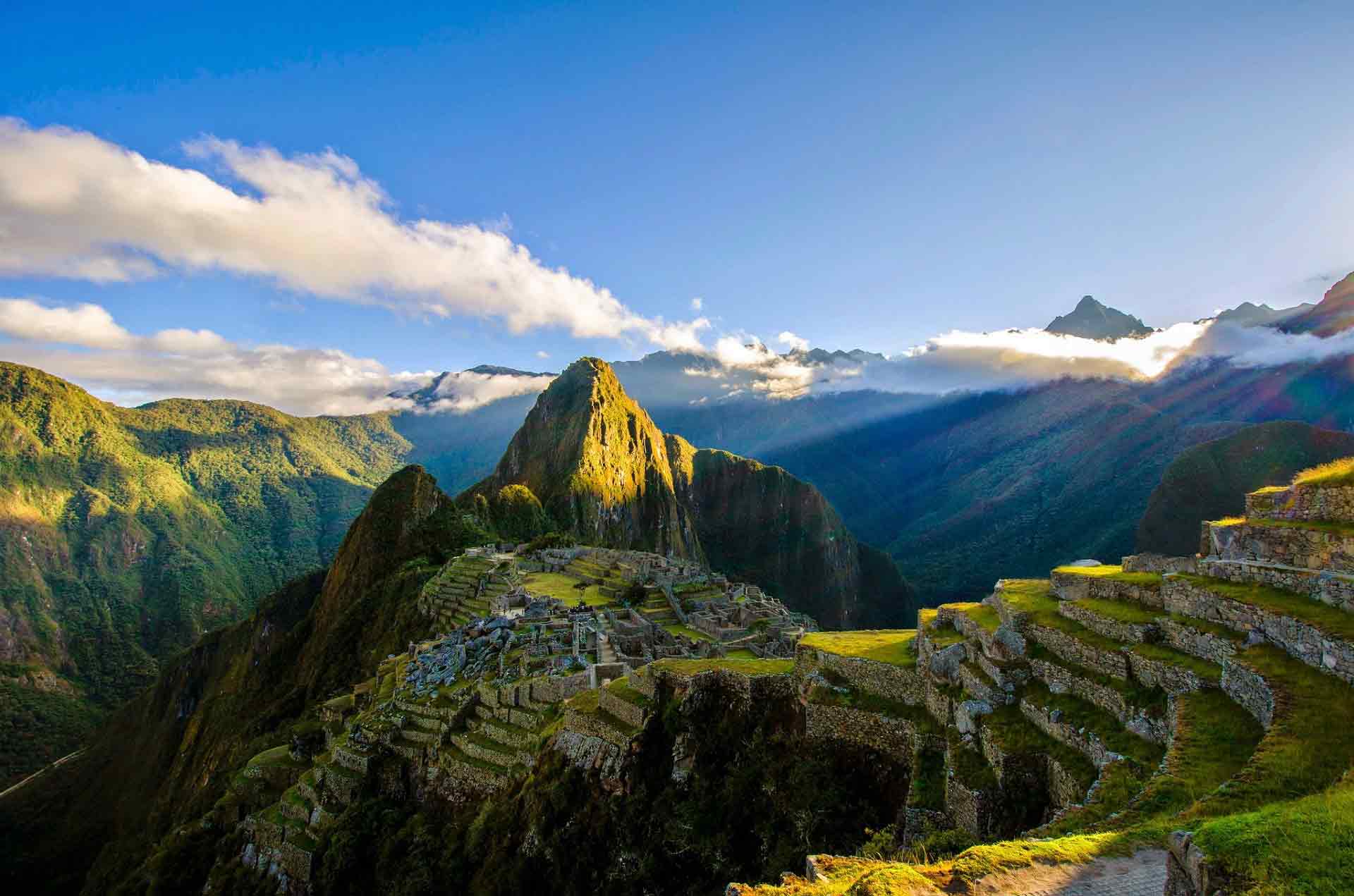
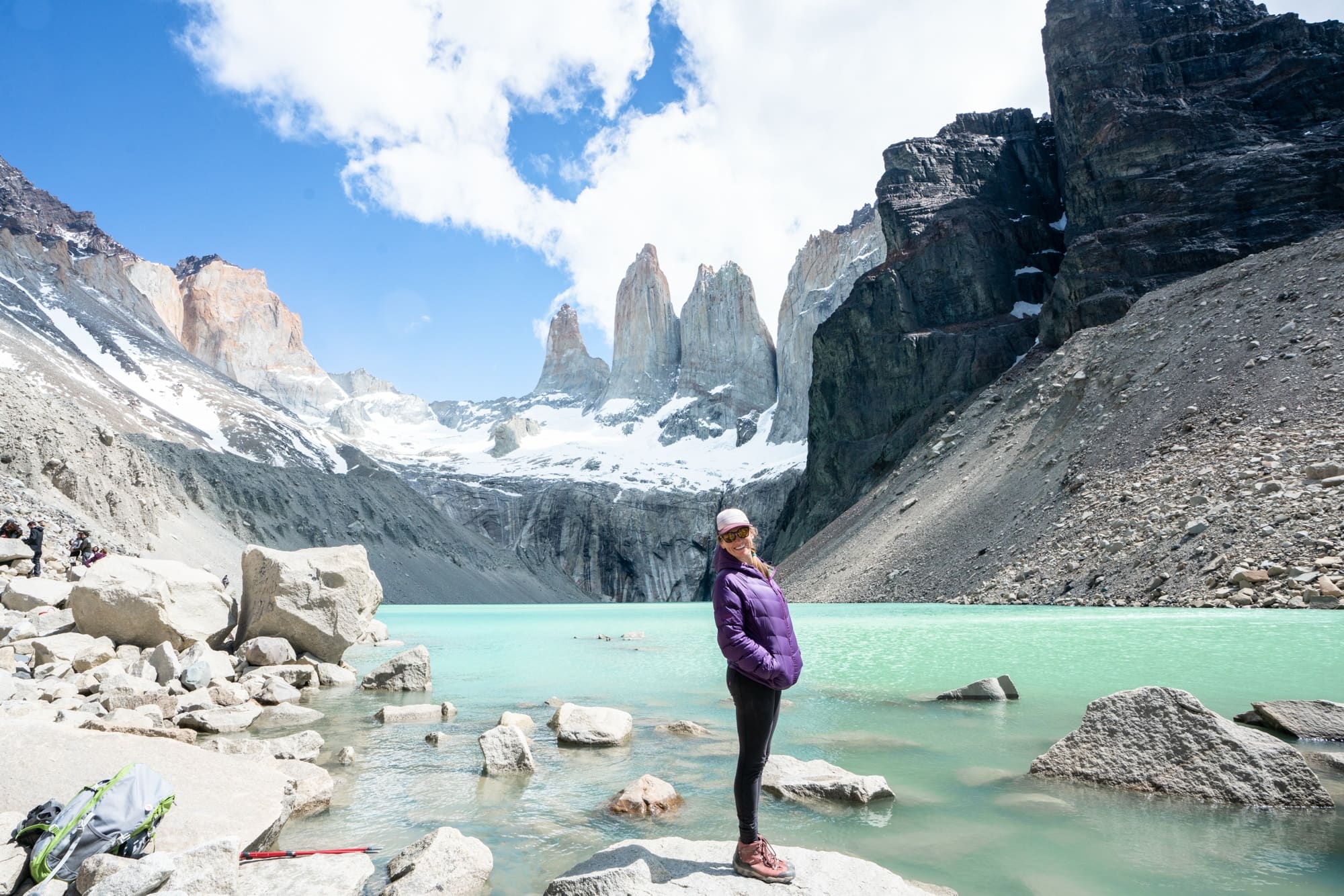
| Nature & Scenery | Andean cloud forest, high mountain passes, ancient Inca agricultural terraces, and the dramatic reveal of Machu Picchu. | Glacial lakes, massive granite spires (Torres del Paine), hanging glaciers (Grey Glacier), vast Patagonian steppes, diverse wildlife. | W Trek |
| Physical Challenge & Altitude | Moderate difficulty, but significant altitude (Dead Woman's Pass at 4,215m) requires acclimatization. | Moderate to challenging, long days and unpredictable weather. Less altitude (max ~1,200m), but intense winds. | Tie |
| Logistics & Permits | Highly regulated. Permits required months in advance, only via authorized tour operators. | Permits not required, but refugios/campsites must be booked independently months ahead for peak season. | Inca Trail |
| Cultural Immersion | Direct engagement with ancient Inca history, multiple ruins along the trail, and the grand finale of Machu Picchu. | Primarily nature-focused; limited direct cultural immersion beyond the natural history of Patagonia. | Inca Trail |
| Accommodation & Comfort | Tents are standard. Porters carry gear, so personal comfort items are feasible. Limited facilities. | Mix of camping (basic) and refugios (hostel-style dorms, some private rooms). Refugios offer beds, meals, and hot showers. | W Trek |
| Food & Dining | All meals prepared by tour cooks, surprisingly good quality and quantity. Vegetarian/vegan options available. | DIY (carry/cook your own), or full-board/half-board at refugios (expensive, but good quality). | Inca Trail |
| Getting There & Accessibility | Fly into Lima (LIM), then connecting flight to Cusco (CUZ). Tour operators pick up from Cusco. | Fly into Santiago (SCL), then connecting flight to Punta Arenas (PUQ), then bus to Puerto Natales (PN). Long travel days. | Inca Trail |
| Best Season & Weather | Dry season (May-September) is best, but also peak tourist season. Rainy season (Dec-March) makes it slick. | Summer (Dec-March) offers longest days, warmer temps, but high winds and crowds. Shoulder seasons (Nov, April) are quieter. | Tie |
| Solo Travel & Community | Always part of a guided group. Great for meeting people in your tour, but less independent. | Highly flexible for solo travelers. Easy to meet others at refugios and campsites, more independence. | W Trek |
💰 Overall Cost & Budget
The Inca Trail, while requiring a non-negotiable tour package, offers a more predictable all-in cost from the moment you book. A reputable 4-day, 3-night tour typically ranges from S/2800 to S/6800 PEN ($750-$1800 USD), covering guides, porters, food, tents, and entrance fees to Machu Picchu. You'll budget extra for flights to Cusco (CUZ) and some pre/post-trek accommodation. For the W Trek, costs fluctuate wildly. A bare-bones, self-supported camping trip can be done for as little as CLP 450,000 ($500 USD) for permits and food, but if you opt for comfortable refugios like Refugio Grey or Refugio Chileno (CLP 80,000-150,000 / $90-$170 USD per night for bed only, full board extra), and transfer services, it quickly climbs to CLP 900,000-1,800,000 ($1000-$2000 USD) or more. Flights to Punta Arenas (PUQ) are also significant. "Honestly, my Inca Trail tour was expensive upfront but then I barely spent anything on the trek itself, which was nice. Patagonia felt like a constant drip of costs."
Winner takeaway
- Winner: Inca Trail
- Why: The Inca Trail's all-inclusive package provides cost certainty, making budget planning much simpler.
- Who this matters for: Budget-conscious travelers who prefer a fixed, predictable expense for their main adventure.
🏞️ Nature & Scenery
While the Inca Trail offers stunning views of the Andes, lush cloud forests, and unique archaeological sites, the W Trek in Torres del Paine National Park is arguably a masterclass in raw, untamed natural grandeur. Imagine waking up to the iconic 'Torres' bathed in sunrise hues, trekking alongside the vibrant turquoise waters of Lago Nordenskjöld, or witnessing massive ice chunks calve off the immense Grey Glacier. The sheer scale and diversity of the Patagonian landscape, from the windswept pampas to the granite peaks and lush Valleys, is breathtaking. Wildlife sightings are also more common, with guanacos, condors, and foxes frequently spotted. The Inca Trail’s beauty is often intertwined with its historical context, whereas the W Trek is a pure, unadulterated feast for the eyes. "Patagonia just hits different. The scale of the mountains and glaciers is mind-blowing, like something out of a movie set every single day."
Winner takeaway
- Winner: W Trek
- Why: The W Trek boasts a more varied, dramatic, and consistently awe-inspiring natural landscape, dominated by glaciers, towering granite, and pristine lakes.
- Who this matters for: Nature photographers, avid landscape enthusiasts, and those seeking truly wild and imposing scenery.
💪 Physical Challenge & Altitude
Both treks present significant physical challenges but in different ways. The Inca Trail’s primary hurdle is altitude. Day 2, crossing Dead Woman's Pass (Warmiwañusqa) at 4,215 meters (13,828 ft), can be brutal if not properly acclimatized. The ascent and descent are steep, with thousands of stone steps. Acclimatizing for 2-3 days in Cusco (3,400m / 11,150 ft) is crucial. The W Trek, while not reaching extreme altitudes (highest point around 1,200m / 4,000 ft at Mirador Base Torres), involves very long hiking days (up to 10-12 hours), often carrying your own gear. Patagonian winds can be incredibly strong, making even flat sections feel like an uphill battle. The terrain is rugged, with significant elevation gains and losses daily, particularly on the 'arms' of the W. Both require solid fitness levels. "I felt the altitude way more on Inca, but the sheer distance and wind on the W were a different kind of exhausting. Both will kick your butt if you're not ready."
Winner takeaway
- Winner: Tie
- Why: Both treks offer unique physical demands; the Inca Trail challenges with high altitude, while the W Trek tests endurance against distance and extreme weather, making them equally challenging for different reasons.
- Who this matters for: Trekkers who thrive on a significant physical test, whether it's battling altitude or enduring long distances in harsh conditions.
🗓️ Logistics & Permits
The Inca Trail is a masterclass in pre-planned, turn-key logistics. You must book an authorized tour operator months in advance (6+ months for peak season) who handles all permits for you – there are only 500 per day, including porters and guides. Once booked, your itinerary, food, camping, and entrance to Machu Picchu are entirely taken care of. You simply show up. The W Trek, conversely, is a puzzle you assemble yourself. While no 'permit' is required to enter Torres del Paine, every single campsite and refugio spot must be reserved individually and often months ahead, especially for popular ones like Refugio Chileno or Paine Grande. Trying to trek without bookings will get you turned away. Buses from Puerto Natales to the park also require advance booking. This self-assembly offers flexibility but demands meticulous planning. "Booking the W was a nightmare of coordinating different companies for each night, whereas Inca Trail was one booking and done. So much easier."
Winner takeaway
- Winner: Inca Trail
- Why: The Inca Trail's bundled tour model makes logistics incredibly straightforward for the traveler, with all permits and services handled by a single entity.
- Who this matters for: Travelers who prefer a hands-off approach to planning and want their adventure fully organized from the start.
🗿 Cultural Immersion
This is where the Inca Trail truly shines. Every step on the trail is steeped in history. You walk on original Inca pathways, pass through various archaeological sites like Runkurakay, Sayacmarca, and Phuyupatamarca, and your guides provide deep insights into Inca civilization, their engineering marvels, and their spiritual beliefs. The journey culminates in the iconic Machu Picchu, entering through the Sun Gate, which is an intensely powerful cultural experience. The W Trek, while magnificent, is primarily a wilderness experience. Its cultural component is limited to understanding the natural history of Patagonia and perhaps brief interactions with fellow international trekkers or park rangers. You won't find ancient ruins or indigenous historical narratives woven into the daily trek. "Walking the Inca Trail felt like stepping back in time. My guide knew so much, it really made the ruins come alive. Patagonia is beautiful, but it's not the same kind of history."
Winner takeaway
- Winner: Inca Trail
- Why: The Inca Trail offers unparalleled direct engagement with ancient history and indigenous culture, culminating in one of the world's most significant archaeological sites.
- Who this matters for: History buffs, archaeology enthusiasts, and travelers seeking a deep connection to local cultures and ancient civilizations.
🏕️ Accommodation & Comfort
On the Inca Trail, accommodation is exclusively in tents provided by your tour operator. While porters carry your gear, allowing for a slightly more comfortable camping experience than self-supported, it's still camping – think basic facilities, squat toilets (sometimes), and cold nights. The W Trek offers a spectrum of comfort. You can opt for self-supported camping, which is similar in ruggedness to the Inca Trail's camping. However, the true game-changer is the refugios (mountain lodges). These offer dormitory-style beds (sometimes private rooms at a premium), hot showers, flushing toilets, full-service restaurants, and even small shops selling snacks and drinks. Refugios like Paine Grande or Central provide a welcome respite after a long day, allowing you to sleep in a real bed and enjoy a hot meal without cooking. "After a long day on the W, getting to a refugio, having a hot shower, and a beer with a view? Pure bliss. Tent life on the Inca was okay, but I craved that comfort."
Winner takeaway
- Winner: W Trek
- Why: The W Trek's refugio system offers a significantly higher level of comfort and amenities compared to the Inca Trail's standard camping setup.
- Who this matters for: Trekkers who prefer more creature comforts, a real bed, and hot showers after a strenuous day.
🍜 Food & Dining
The Inca Trail consistently surprises trekkers with the quality and quantity of food provided by the tour operators. Dedicated cooks prepare three hot meals a day, often with snacks and tea breaks. Expect hearty Peruvian dishes like lomo saltado, various soups, and fresh fruit. Dietary restrictions (vegetarian, vegan, gluten-free) are easily accommodated if communicated in advance. It’s a huge morale booster not to worry about cooking after a long day. On the W Trek, your food experience depends entirely on your budget and preference. Self-supported campers carry and cook all their own food, which requires careful planning and adds weight. Refugios offer full-board (breakfast, packed lunch, dinner) or half-board options, which are convenient but expensive (e.g., CLP 40,000-50,000 / $45-$55 USD for dinner). The food quality at refugios is generally good, but it's not the same personalized, campfire-cooked experience. "Seriously, the food on the Inca Trail was gourmet camping. I was shocked how good it was. On the W, I mostly ate instant noodles or spent a fortune on refugio meals."
Winner takeaway
- Winner: Inca Trail
- Why: The Inca Trail's all-inclusive, high-quality, and personalized meal service provided by dedicated cooks is a significant advantage.
- Who this matters for: Trekkers who appreciate not having to worry about food preparation, enjoy diverse meals, and have specific dietary needs.
✈️ Getting There & Accessibility
Getting to the starting point for the Inca Trail is relatively straightforward. Most international travelers fly into Lima (LIM), Peru, then take a domestic flight (typically 1-1.5 hours) to Cusco (CUZ). From Cusco, all Inca Trail tours include transport to the trailhead (Kilometer 82). The entire journey, while involving multiple flights, is well-trodden and efficiently managed. For the W Trek, the journey is considerably longer and more involved. You'll fly into Santiago (SCL), Chile, then take another domestic flight (3-4 hours) to Punta Arenas (PUQ). From Punta Arenas, it's a 3-hour bus ride to Puerto Natales (PN), the gateway town for Torres del Paine. Finally, from Puerto Natales, another bus (2.5 hours) takes you into the park. This multi-leg journey can easily consume 2 full travel days just to reach the park entrance. "Getting to Cusco was a breeze compared to the odyssey of flights and buses just to reach Puerto Natales. Patagonia felt like it was on the other side of the world."
Winner takeaway
- Winner: Inca Trail
- Why: The Inca Trail's access route via Lima and Cusco is significantly shorter and less complex than the multi-leg journey to Patagonia.
- Who this matters for: Travelers with limited time, or those who prefer simpler, less arduous travel logistics to their trekking destination.
☀️ Best Season & Weather
Both treks have distinct peak seasons with their own pros and cons. For the Inca Trail, the dry season (May to September) is ideal, offering clear skies, less mud, and more predictable conditions. However, this also means permits sell out months in advance, and the trail is crowded. The shoulder seasons (April, October) can be good, with fewer people but a higher chance of rain. The rainy season (December to March) is not recommended due to slippery conditions and trail closures in February for maintenance. For the W Trek, the Patagonian summer (December to March) is prime time, featuring the longest daylight hours and warmest temperatures. But prepare for notorious Patagonian winds (which can feel like a constant battle) and very high crowds, requiring bookings up to a year in advance for popular refugios. Shoulder seasons (November, April) offer fewer crowds and stunning fall colors, but colder temperatures and increased chances of snow. "I loved the blue skies on the Inca in June, but the W in January, even with the crowds, felt wilder and the long daylight was amazing. Both have trade-offs."
Winner takeaway
- Winner: Tie
- Why: Both destinations offer optimal trekking conditions during their respective peak seasons, but also present challenges like crowds or unpredictable weather, making a clear 'winner' difficult.
- Who this matters for: Travelers who prioritize optimal weather conditions but are willing to contend with crowds, or those seeking quieter shoulder seasons with a bit more risk.
🚶♀️ Solo Travel & Community
Traveling solo on the Inca Trail means you'll be integrated into a tour group, typically 12-16 people. This is fantastic for meeting fellow travelers from all over the world and forming bonds over shared challenges and experiences. However, it's not a truly independent solo trek – you're always with your group, following their pace and schedule. For the W Trek, solo travel is incredibly empowering and popular. You have the freedom to choose your own itinerary, hike at your own pace, and decide where you want to stay. The refugios and campsites are natural hubs for solo travelers, making it exceptionally easy to meet people over meals or around a campfire. Many solo trekkers find hiking partners for sections of the trail, adding a social element to their independence. "I loved the camaraderie on the Inca Trail, everyone in the same boat. But on the W, I loved the freedom to hike my own hike, and still easily found people to chat with every evening. Best of both worlds."
Winner takeaway
- Winner: W Trek
- Why: The W Trek offers genuine independence for solo travelers while still providing ample opportunities for social interaction and community building at refugios and campsites.
- Who this matters for: Independent solo travelers who value freedom of movement and enjoy meeting new people organically on the trail.
❓ Frequently Asked Questions
Do I need to be an experienced hiker for either trek?
No, both treks are achievable for anyone with a good level of fitness and preparation, even without extensive prior hiking experience. Regular exercise, especially cardio and leg strength, for a few months before your trip will make a significant difference. Acclimatization is key for the Inca Trail.
How far in advance should I book?
For the Inca Trail, book 6-12 months in advance, especially for the dry season (May-September), as permits are limited. For the W Trek, refugios and popular campsites also book up 4-8 months ahead for peak season (December-March). Flights and buses should be booked 2-4 months out for both.
What's the best way to acclimatize for the Inca Trail?
Arrive in Cusco (3,400m / 11,150 ft) at least 2-3 days before your trek. Take it easy, stay hydrated, avoid alcohol, and eat light meals. Consider a coca leaf tea or mild pain reliever for initial headaches. Short, easy walks around Cusco can also help.
Can I do a shorter version of the Inca Trail?
Yes, there's a 2-day Inca Trail option (sometimes called the 'Short Inca Trail') which starts at Kilometer 104 and goes directly to Machu Picchu. It's less strenuous, doesn't require camping, and still offers an arrival at Machu Picchu via the Sun Gate. It's a great alternative for those with less time or fitness.
What kind of gear do I need for the W Trek?
You'll need sturdy waterproof hiking boots, layers of clothing (Patagonia weather is highly variable), a waterproof jacket and pants, a good quality backpack, and depending on your accommodation choice, camping gear (tent, sleeping bag, pad). Trekking poles are highly recommended for both treks.
Is travel insurance necessary for these treks?
Absolutely. Travel insurance is highly recommended for both, covering medical emergencies, evacuation (especially for high-altitude trekking), trip cancellation, and lost luggage. Verify that your policy covers trekking at the specific altitudes you'll reach.
Are there other treks to Machu Picchu besides the Inca Trail?
Yes, the Salkantay Trek and Lares Trek are popular alternatives that also end at Machu Picchu (usually via bus from Aguas Calientes). They are generally less regulated, more affordable, and offer different scenery and cultural interactions, often passing through more local villages. They don't have the permit restrictions of the classic Inca Trail.
What wildlife might I see on these treks?
On the Inca Trail, you might spot Andean condors, hummingbirds, and perhaps unique cloud forest flora and fauna. In Torres del Paine (W Trek), sightings are more common, including guanacos, foxes, condors, and various bird species. Pumas are present but rarely seen, though puma tracking tours are available.
Ready to plan your South American adventure?
Get a free custom itinerary for Inca Trail, W Trek, or both — built from real traveler insights.
🎟️ Book Tours & Experiences
Hand-picked tours and activities for both destinations — book with free cancellation
Experiences via Viator — free cancellation on most tours