How we built this comparison
This page combines traveler discussion patterns, published price ranges, flight schedules, and seasonal data to help you decide between Incheon and Busan.
- Reviewed 50+ Reddit threads from r/travel, r/solotravel, r/koreatravel, r/southkorea for traveler sentiment and tips.
- Verified costs and logistics against current booking platforms (e.g., Agoda, Booking.com, Korail) and official tourism sites.
- Cross-referenced seasonal patterns and weather data from meteorological sources for accurate climate comparisons.
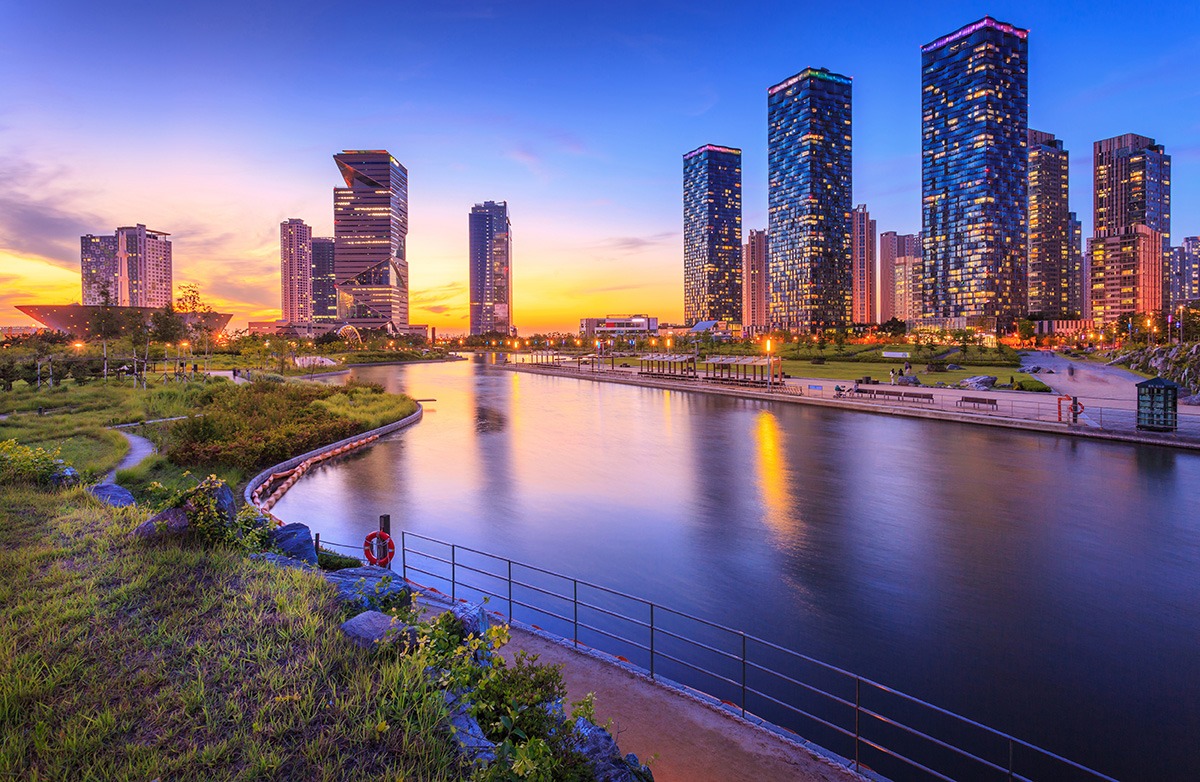
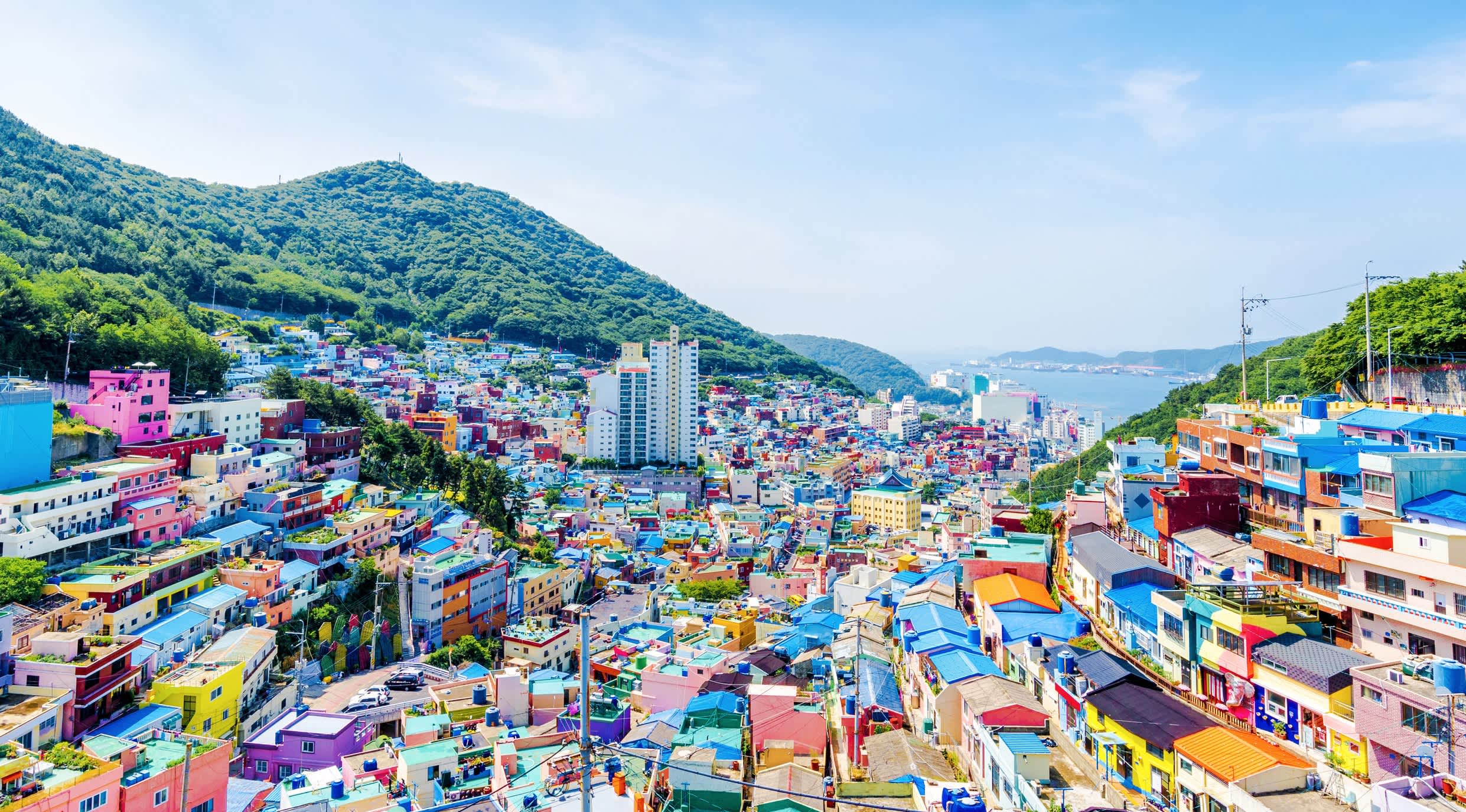
⚡ The TL;DR Verdict
For first-timers seeking urban convenience, historical depth near Seoul, and seamless transit, Incheon (or rather, its access to Seoul) is your primary gateway. Budget around ₩80,000-₩120,000 (US$60-US$90) per day. If you crave vibrant coastal life, unique local culture, incredible seafood, and stunning beaches, Busan is your destination, often with a slightly friendlier daily budget of ₩70,000-₩110,000 (US$50-US$80).
- Choose Incheon: Pick Incheon if you're primarily using it as a transit hub or a base for exploring Seoul's iconic attractions and modern urban landscape, value convenience, and enjoy diverse international cuisine. It's also great for short layovers.
- Choose Busan: Opt for Busan if you're seeking a distinct South Korean experience with beautiful beaches, fresh seafood markets, artistic neighborhoods, and a more relaxed, 'holiday' vibe. It's perfect for a 3-5 day standalone trip.
- Choose Both: If you have 7+ days, combining both Incheon (as your entry/exit point to explore Seoul) and Busan is highly recommended. Take the KTX (high-speed train) from Seoul Station to Busan Station (approx. 2.5-3 hours) for a comprehensive South Korean journey.
Quick Comparison
| Category | Incheon | Busan | Winner |
|---|---|---|---|
| Culture & History | Modern history, port heritage, future-forward urban planning, and gateway to Seoul's ancient palaces. | Strong local identity, unique art villages, ancient temples, and wartime refugee history. | Busan |
| Food Scene | Diverse international options, Chinatown specialties, and easy access to Seoul's Michelin-starred dining. | Seafood paradise, unique local dishes (Dwaeji Gukbap, Milmyeon), and bustling traditional markets. | Busan |
| Nightlife | Scattered international bars, casino options, and proximity to Seoul's legendary nightlife districts. | Vibrant and diverse scene, from beachside pubs to lively university areas and K-pop clubs. | Busan |
| Beaches & Nature | Modest coastal areas, nearby islands (e.g., Muui-do) for relaxation, less dramatic natural scenery. | Iconic city beaches, scenic coastal walks, mountain hikes, and diverse marine life. | Busan |
| Costs (Daily Budget) | Slightly higher due to proximity to Seoul, but good value outside central areas. | Generally more affordable than Seoul, especially for food and local transport; good value for money. | Busan |
| Getting There & Around | Main international airport (ICN), excellent metro and bus connections to Seoul. | Requires domestic travel from ICN/Seoul, but has a well-developed internal public transport system. | Incheon |
| Accommodation | Wide range from luxury airport hotels to budget guesthouses, particularly strong around ICN and Songdo. | Diverse options from luxury beachfront resorts to quirky guesthouses, with vibrant hostel scenes. | Tie |
| Day Trips | Gateway to Seoul's endless attractions, islands off the coast, and DMZ tours. | Easy access to historical Gyeongju, scenic coastal towns, and nearby temples. | Incheon |
| Shopping | Modern malls in Songdo, duty-free at ICN, and proximity to Seoul's shopping districts. | Unique markets (Jagalchi, Gukje), department stores, and trendy fashion streets. | Busan |
| Weather & Seasons | Typical Korean four seasons; hot, humid summers; cold winters; strong winds near coast. | Milder winters, slightly warmer summers due to coastal influence; more pleasant shoulder seasons. | Busan |
🏛️ Culture & History
While Incheon boasts historical sites like the Incheon Landing Operation Memorial Hall, Jayu Park, and its vibrant Chinatown (the oldest in Korea, established in 1883), its cultural identity often feels overshadowed by Seoul's grandeur nearby. Most travelers use Incheon as a stepping stone to Seoul's palaces like Gyeongbokgung or Changdeokgung. Busan, however, offers a distinct cultural flavor that stands on its own. Gamcheon Culture Village, often called the 'Machu Picchu of Busan,' is a vibrant, former slum transformed into an artistic hub with colorful houses, murals, and unique cafes. Beomeosa Temple, nestled in Geumjeongsan Mountain, provides a serene escape and a glimpse into ancient Korean Buddhism. The city's history as a refugee haven during the Korean War adds another layer of poignant cultural depth. "Busan just feels more 'Korean' in a unique way, not just a smaller version of Seoul. Gamcheon Village is a must-see." - r/koreatravel.
Winner takeaway
- Winner: Busan
- Why: Busan offers a more distinctive and independent cultural experience that feels less like a prelude to Seoul.
- Who this matters for: Travelers seeking unique local culture, artistic expression, and historical narratives separate from Seoul's.
🍜 Food Scene
Incheon, being a major international gateway, offers a wide array of international cuisines, especially around its airport and Songdo district. Its Chinatown is famous for Jajangmyeon (black bean noodles) and Tangsuyuk (sweet and sour pork), with some truly authentic spots costing around ₩8,000-₩15,000 (US$6-US$11) per dish. However, Busan's food scene is a true destination in itself, especially for seafood lovers. Jagalchi Fish Market offers an unparalleled experience to pick your fresh catch and have it prepared on the spot, with a typical meal for two costing ₩40,000-₩70,000 (US$30-US$50). Beyond seafood, Busan boasts iconic dishes like Dwaeji Gukbap (pork soup with rice) – try a bowl at Ssangdo Dwaeji Gukbap for around ₩9,000 (US$7) – and Milmyeon (wheat noodles), a refreshing cold noodle dish perfect for summer. The sheer variety and local specialties give Busan the edge. "The seafood in Busan is just next level, you can't beat fresh catch straight from Jagalchi. Plus, Dwaeji Gukbap is pure comfort food." - r/travel.
Winner takeaway
- Winner: Busan
- Why: Busan excels with its distinct local specialties, especially seafood, offering a unique and authentic culinary journey.
- Who this matters for: Foodies, especially those who love fresh seafood and regional Korean dishes.
🍻 Nightlife
Incheon's nightlife is decent but generally more subdued and caters more to business travelers or airport layovers. You'll find a few international pubs and bars in Songdo International City, and the Paradise City integrated resort offers a casino and some upscale lounges. However, for a truly buzzing and diverse nightlife experience, Busan takes the crown. The Haeundae area is famous for its beachside bars and pubs, perfect for a casual drink with ocean views. Seomyeon is Busan's main commercial and entertainment district, teeming with endless soju bars, lively pubs, and trendy clubs where drinks can range from ₩5,000 for a beer to ₩15,000+ for cocktails (US$4-US$12+). Kyungsung University (Kyungsungdae) and Pukyong National University (Pukyongdae) areas offer a younger, more energetic vibe with affordable eats and drinks. "Busan's nightlife around Haeundae and Seomyeon is surprisingly good, way more chill than Seoul but still super lively. Great vibe." - r/solotravel.
Winner takeaway
- Winner: Busan
- Why: Busan offers a more concentrated, diverse, and vibrant nightlife scene with distinct atmospheres from beach to university districts.
- Who this matters for: Younger travelers, party-goers, and anyone looking for lively evening entertainment beyond quiet drinks.
🏖️ Beaches & Nature
Incheon has some coastal areas and islands like Muui-do, which can be reached by a short ferry ride from Jamjindo Dock. Eurwangni Beach and Wangsan Beach offer decent sandy stretches for a day trip, often frequented by locals from Incheon and Seoul. However, the natural beauty isn't particularly stunning or varied. Busan, on the other hand, is renowned for its magnificent beaches and dramatic coastal scenery. Haeundae Beach is arguably the most famous in Korea, bustling with life and offering stunning views, especially at sunset. Gwangalli Beach is equally popular, known for its vibrant Gwangandaegyo Bridge light show at night. For nature lovers, Taejongdae Park offers breathtaking cliffs and dense forests, while Igidae Park's Coastal Walk provides stunning ocean vistas and invigorating hikes. The city is also flanked by mountains like Geumjeongsan, offering excellent hiking opportunities just a short subway ride away. "Busan's beaches are on another level compared to anything near Seoul or Incheon. Haeundae and Gwangalli are amazing, and the coastal walks are beautiful." - r/koreatravel.
Winner takeaway
- Winner: Busan
- Why: Busan is a clear winner with its world-famous urban beaches, dramatic coastal landscapes, and accessible mountain hiking opportunities.
- Who this matters for: Beach lovers, hikers, and those seeking scenic natural beauty alongside urban exploration.
💰 Costs (Daily Budget)
Overall, both cities are more affordable than Seoul, but Busan generally offers slightly better value for money. For Incheon, a mid-range hotel might cost ₩70,000-₩120,000 (US$50-US$90) per night, while a similar quality in Busan could be found for ₩60,000-₩100,000 (US$45-US$75), especially outside of peak summer season in Haeundae. Food costs are comparable, but Busan's abundant and affordable street food and traditional market options can significantly lower your daily spend. For example, a street food snack like Tteokbokki is around ₩3,000-₩5,000 (US$2-US$4) in both, but Busan's fish cake skewers at Bupyeong Kkangtong Market are a great, cheap meal. Public transportation (subway/bus) in both cities is efficient and affordable, typically ₩1,350-₩1,550 (US$1-US$1.20) per ride. A daily budget for a comfortable traveler in Incheon might hover around ₩80,000-₩120,000 (US$60-US$90), while in Busan, it's often achievable within ₩70,000-₩110,000 (US$50-US$80), excluding major splurges. "Busan feels like you get more bang for your buck, especially with food. You can eat really well without breaking the bank." - r/solotravel.
Winner takeaway
- Winner: Busan
- Why: Busan offers slightly more affordable accommodation and dining options, especially local specialties, making it a better value destination.
- Who this matters for: Budget-conscious travelers and those looking to maximize their travel funds without sacrificing experience.
✈️ Getting There & Around
Incheon is home to Incheon International Airport (ICN), one of the world's best and largest international hubs. This makes 'getting there' a non-issue for most international travelers, as you land directly. From ICN, you can take the AREX express train to Seoul Station (₩9,500 / US$7, ~43 min) or the all-stop train to various Incheon/Seoul destinations. Getting around Incheon itself is easy with its subway system, which connects to Seoul's extensive network. Busan, while having Gimhae International Airport (PUS) for some regional flights, primarily requires domestic travel for most international visitors. This usually means a KTX train from Seoul (₩59,800 / US$45, ~2.5-3 hrs) or a domestic flight from Gimpo Airport (GMP, reached from ICN by AREX) to PUS (approx. ₩30,000-₩60,000 / US$22-US$45, ~1 hr flight + transit). Once in Busan, the subway system is excellent, connecting all major attractions, costing ₩1,350-₩1,550 (US$1-US$1.20) per ride. "Landing in Incheon and then getting to Seoul or even exploring Incheon itself is unbelievably smooth. It's built for efficiency." - r/travel.
Winner takeaway
- Winner: Incheon
- Why: Incheon's status as the primary international gateway makes it inherently superior for initial arrival and onward travel convenience.
- Who this matters for: First-time visitors to Korea, those with limited time, and travelers prioritizing seamless arrival and transit.
🏨 Accommodation
Both cities offer excellent accommodation choices, catering to different budgets and preferences, hence a tie. Incheon, especially around ICN, boasts world-class luxury hotels like the Paradise City Resort (rooms from ₩300,000 / US$225) and Grand Hyatt Incheon, perfect for layovers or a luxurious start/end to a trip. Songdo International City also has modern business hotels (e.g., Orakai Songdo Park Hotel from ₩100,000 / US$75). For budget travelers, there are guesthouses and motels further into the city, with dorm beds starting at ₩25,000 (US$19). Busan's accommodation scene is equally vibrant and varied. Haeundae Beach is home to upscale hotels and resorts like the Signiel Busan (rooms from ₩400,000 / US$300) and Park Hyatt Busan, offering stunning ocean views. Budget travelers and solo adventurers will find a plethora of stylish hostels (e.g., Kimchee Busan Guesthouse from ₩20,000 / US$15) and guesthouses in areas like Seomyeon, Nampo-dong, and around the university districts. The variety of unique boutique hotels and guesthouses in Busan often gives it a charming edge. "Found a really cool guesthouse near Gamcheon Village in Busan for like $20 a night, totally worth it for the vibe. Incheon felt more generic hotel-wise." - r/solotravel.
Winner takeaway
- Winner: Tie
- Why: Both cities provide a wide range of quality accommodations, from luxury to budget, tailored to their respective travel demographics.
- Who this matters for: All types of travelers will find suitable options in either city, depending on their budget and preferred atmosphere.
🚗 Day Trips
Incheon's biggest advantage for day trips is its direct access to Seoul. Within an hour, you can be exploring ancient palaces, trendy shopping districts like Myeongdong, or cultural hubs like Hongdae, making Seoul essentially an extended day trip destination. Beyond Seoul, Incheon offers ferry access to various smaller islands like Ganghwado, known for its historical sites and hiking, or more remote islands for a quiet escape. It's also a common departure point for DMZ tours, typically taking a full day and costing around ₩60,000-₩100,000 (US$45-US$75). Busan offers excellent day trip opportunities too, most notably to Gyeongju, the ancient capital of the Silla Dynasty (easily reachable by KTX or bus in ~1 hour, costing ₩10,000-₩20,000 / US$7-US$15). Gyeongju is packed with UNESCO World Heritage sites like Bulguksa Temple and Seokguram Grotto. Other options include picturesque coastal towns like Tongyeong or relaxing at Haeinsa Temple in Gaya Mountain. However, the sheer volume and diversity of options available by leveraging Incheon's proximity to Seoul make it a stronger base for diverse day trips. "For day trips, Incheon wins just because it puts you right next to Seoul, which is basically an infinite day trip machine. Plus DMZ tours are convenient." - r/koreatravel.
Winner takeaway
- Winner: Incheon
- Why: Incheon's strategic location provides unparalleled access to Seoul's vast attractions and specific historical tours like the DMZ.
- Who this matters for: Travelers prioritizing easy access to major urban attractions and historical sites like the DMZ.
🛍️ Shopping
While Incheon has modern shopping centers like NC Cube Canal Walk in Songdo and excellent duty-free options at ICN, its shopping scene is generally less distinctive compared to Seoul's giants. Most serious shoppers would head to Seoul for its fashion districts like Myeongdong or luxury brands in Gangnam. Busan, however, offers a more unique and charming shopping experience, combining traditional markets with modern department stores. Shinsegae Centum City in Busan is the world's largest department store, offering luxury brands, entertainment, and dining. Nampo-dong's Gukje Market and BIFF Square are fantastic for street fashion, cosmetics, and unique souvenirs, with prices often more reasonable than Seoul. Jagalchi Market, while primarily for seafood, also offers local goods. Seomyeon district provides trendy boutiques and underground shopping malls. The blend of traditional market charm and modern mega-malls gives Busan a slight edge for a varied shopping experience. "Busan's markets like Gukje and Jagalchi are awesome for unique finds, and Centum City is just insane. Way more interesting than just airport duty-free." - r/travel.
Winner takeaway
- Winner: Busan
- Why: Busan offers a more diverse and locally distinctive shopping experience, blending traditional markets with massive modern department stores.
- Who this matters for: Travelers looking for a mix of traditional market finds, local fashion, and large-scale modern shopping.
☀️ Weather & Seasons
Both Incheon and Busan experience four distinct seasons, but Busan, with its southern coastal location, benefits from a slightly milder climate, giving it an advantage. Incheon, being closer to the capital region and more inland-influenced, experiences colder winters with more frequent snow and strong winds, and hot, humid summers. Average winter temperatures in Incheon can drop below 0°C (32°F) from December to February. Busan's winters are generally less severe, with average temperatures rarely dipping far below freezing, making it a more comfortable choice for off-peak travel. Summers in both cities are hot and humid (June-August), often reaching 30°C (86°F) with high humidity, but Busan's coastal breezes can offer some relief. Spring (April-May) and Autumn (September-October) are beautiful in both, with pleasant temperatures and clear skies, but Busan's longer, milder shoulder seasons make it slightly more appealing for extended outdoor activities. "Busan's winters are definitely more bearable than Seoul/Incheon. Still chilly but you don't feel like you're freezing solid after 5 minutes outside." - r/koreatravel.
Winner takeaway
- Winner: Busan
- Why: Busan benefits from a milder coastal climate, particularly during winter, offering a more comfortable travel experience across more seasons.
- Who this matters for: Travelers sensitive to extreme temperatures, those planning off-season trips, and anyone prioritizing pleasant outdoor weather.
❓ Frequently Asked Questions
Is Incheon worth visiting or just a transit hub?
While Incheon is primarily known for its airport, it's more than just a transit hub! Areas like Songdo International City offer modern architecture and parks, while Incheon Chinatown and Wolmido Island provide unique cultural and recreational experiences. It's great for a 1-2 day visit if you have extra time or a long layover.
How long should I spend in Busan?
To truly experience Busan's charm, aim for 3 to 5 full days. This allows ample time to explore its famous beaches (Haeundae, Gwangalli), vibrant markets (Jagalchi, Gukje), artistic villages (Gamcheon), and cultural sites (Beomeosa Temple) without feeling rushed. Add an extra day if you plan a day trip to Gyeongju.
What's the best way to travel between Incheon/Seoul and Busan?
The KTX high-speed train is the most popular and efficient option. It connects Seoul Station (easily reachable from Incheon Airport via AREX) directly to Busan Station in approximately 2.5 to 3 hours, costing around ₩59,800 (US$45) for a standard adult ticket. Booking in advance, especially on weekends, is recommended.
Is Busan's nightlife comparable to Seoul's?
Busan's nightlife is vibrant and diverse, particularly in areas like Haeundae and Seomyeon, offering everything from beachside pubs to lively clubs. While it might not have the sheer scale or global recognition of Seoul's biggest districts (like Gangnam or Hongdae), it offers a distinct, energetic, and often more relaxed 'holiday' atmosphere that many travelers prefer.
Are there good beaches in Incheon?
Incheon has several beaches, primarily on nearby islands like Muui-do, such as Eurwangni and Wangsan Beach. They are popular with locals for day trips and offer decent facilities and sand. However, they don't possess the dramatic beauty or lively atmosphere of Busan's famous beaches like Haeundae or Gwangalli.
Is English widely spoken in Incheon and Busan?
In major tourist areas, hotels, and around the airport in Incheon, you'll find English speakers. In Busan, English is also increasingly common in tourist hotspots, subway stations, and international districts. However, learning a few basic Korean phrases will greatly enhance your experience and is always appreciated by locals.
Which city is better for solo travelers?
Both cities are excellent for solo travelers due to Korea's safety and efficient public transport. Incheon is easy to navigate for arrivals, but Busan often gets the nod for solo adventurers due to its vibrant hostel scene, unique cultural sites (Gamcheon Village), and abundant activities like coastal walks and food markets that are easy to enjoy alone or join small groups.
Can I use public transportation easily in both cities?
Yes, both Incheon and Busan boast excellent, efficient, and affordable public transportation systems, primarily consisting of subways and buses. The T-Money card (a rechargeable transit card) is universally accepted and highly recommended for seamless travel. Google Maps or KakaoMap are invaluable for navigation.
Ready to plan your South Korea trip?
Get a free custom itinerary for Incheon, Busan, or both — built from real traveler insights.
🎟️ Book Tours & Experiences
Hand-picked tours and activities for both destinations — book with free cancellation
Experiences via Viator — free cancellation on most tours