How we built this comparison
This page combines traveler discussion patterns, published price ranges, flight schedules, and seasonal data to help you decide between India and Maldives.
- Reviewed 500+ Reddit threads from r/travel, r/solotravel, r/IndiaTravel, r/Maldives, and r/AsiaTravel.
- Verified costs and logistics against current booking platforms like Booking.com, Skyscanner, and local tour operators.
- Cross-referenced seasonal patterns and weather data from meteorological sources for accurate 'best time to visit' advice.
⚡ Quick Answers
⚡ The TL;DR Verdict
For most travelers seeking adventure, cultural immersion, and budget-friendly exploration, India is the clear winner. Maldives caters specifically to those prioritizing quiet luxury, ocean activities, and high-end relaxation without concern for cost. If you have the time and budget, combine them for a unique contrast.
- Choose India: You want deep cultural engagement, historical sites, diverse landscapes, and a travel experience where your money stretches far. You are okay with some logistical challenges and close interactions with locals.
- Choose Maldives: You prioritize pristine beaches, luxury resorts, water activities like snorkeling and diving, and a quiet, pampered escape. You have a generous budget for accommodation and transfers.
- Choose Both: For a two-week trip, spend 8-10 days exploring Indias history and food (e.g., Delhi, Agra, Goa), then fly to Maldives for 4-5 days of relaxation. This combination offers both depth and serenity.
Choose India
Choose India if you're an intrepid explorer yearning for a sensory feast of culture, history, and vibrant street life. Immerse yourself in the bustling bazaars of Delhi, explore majestic forts in Rajasthan, and savor diverse regional cuisines, all while experiencing incredible value for your budget. This destination is ideal for those seeking authentic encounters and transformative adventures.
Choose Maldives
Opt for the Maldives when your priority is ultimate luxury, unparalleled tranquility, and breathtaking marine beauty. Indulge in private overwater bungalows, world-class snorkeling and diving with manta rays, and exquisite spa treatments amidst pristine turquoise waters. It’s perfect for honeymooners and discerning travelers seeking an exclusive, pampered escape where cost is no object.
📊 Visual Scorecard
🌤 When to Visit
Average high temperatures (°C). Green = best months, orange = avoid.
Quick Comparison
| Category | India | Maldives | Winner |
|---|---|---|---|
| Cost of Travel | Significantly cheaper for food, transport, and mid-range accommodation. Daily budget $40-100. | Among the most expensive destinations globally, especially for resorts. Daily budget $150-500+. | India |
| Culture and History | Thousands of years of history, religions, art, and societal structures. Deep immersion. | Limited historical sites; culture revolves around island life, fishing, and Islamic traditions. | India |
| Beaches and Nature | Diverse beaches (Goa, Kerala), mountains (Himalayas), deserts, wildlife. Some can be crowded. | Exceptional coral reefs, pristine white sand beaches, clear turquoise water. Focus on ocean life. | Maldives |
| Food Scene | Incredibly diverse, regional, inexpensive, from street food to fine dining. Vegetarian options everywhere. | Primarily seafood, influenced by India and Sri Lanka. Resort dining is international, expensive. | India |
| Getting Around | Extensive rail and bus networks, affordable taxis, auto-rickshaws. Can be slow and chaotic. | Primarily speedboats, seaplanes, and domestic flights between islands. Efficient but costly. | Tie |
| Accommodation | Hostels, budget hotels, mid-range guesthouses, heritage hotels, luxury resorts. Huge range. | Budget guesthouses on local islands, mid-range to ultra-luxury resorts (often overwater bungalows). | India |
| Safety and Logistics | Requires awareness, common scams, potential harassment for solo women. Chaotic but manageable. | Very safe, especially within resorts. Low crime rate. Fewer logistical hurdles once at a resort. | Maldives |
| Activities and Experiences | Historical tours, spiritual retreats, wildlife safaris, mountain trekking, cooking classes, festivals. | Snorkeling, diving, water sports, island hopping, dolphin cruises, spa treatments, resort dining. | India |
| Nightlife and Social Scene | Varies by city (Goa, Mumbai, Bangalore). Can be lively, but restricted in some areas. | Very limited outside of resorts; resorts offer bars and themed evenings, usually quiet. | India |
| Best Time to Visit | North: October-March; South: November-February. Monsoon season (June-September) affects travel. | December-April (dry season) is peak; May-November (wet season) has rain but fewer crowds. | Tie |
💰 Cost of Travel
India offers remarkable value. A decent guesthouse in Rajasthan can be found for 2500 INR ($30), a full meal at a local restaurant costs 300-500 INR ($3.60-$6), and a 500km train…
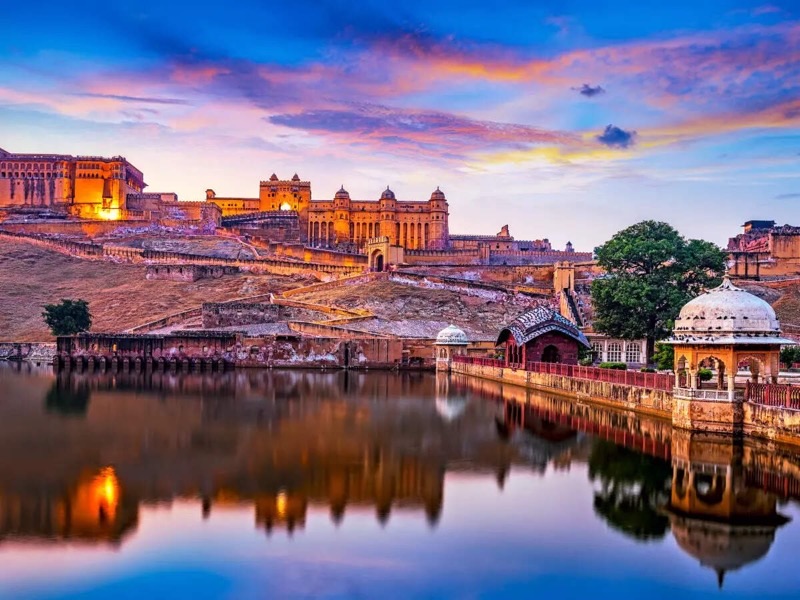
India
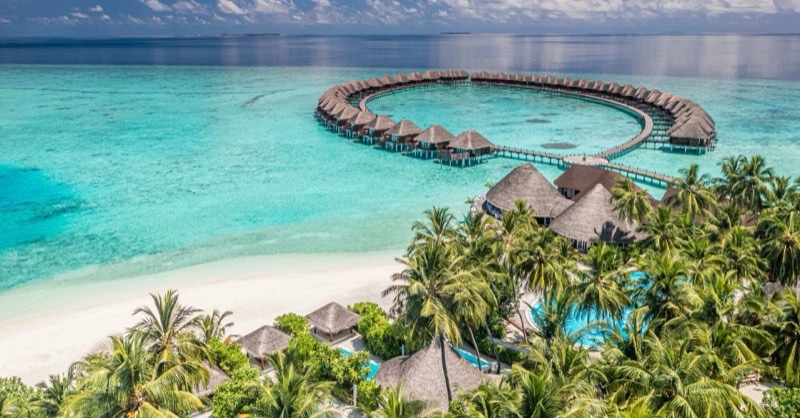
Maldives
India offers remarkable value. A decent guesthouse in Rajasthan can be found for 2500 INR ($30), a full meal at a local restaurant costs 300-500 INR ($3.60-$6), and a 500km train ride in sleeper class is around 600-800 INR ($7-$9.60). Street food in cities like Mumbai or Delhi can be as low as 100-200 INR ($1.20-$2.40) for a satisfying portion. A comfortable daily budget for independent travelers is typically $40-70, allowing for good food, local transport, and basic attractions. Even luxury stays are cheaper than mid-range options elsewhere.
Maldives is a high-cost destination. A budget guesthouse on a local island like Maafushi starts around $70-120 per night, including breakfast. Resorts commonly cost $400-$1500+ per night, excluding taxes and transfers. A single meal at a resort can easily be $50-100, and even on local islands, a meal might be $15-30. Mandatory speedboat transfers from Male to local islands range from $25-50 one-way, while resort seaplane transfers often cost $300-600 round trip per person. Excursions like snorkeling trips are $30-70. Indias travel costs are substantially lower, making it accessible to more travelers. Tabiji verdict: India is the obvious choice for budget-conscious explorers.
- Winner: India
- Why: India allows for extensive travel, diverse experiences, and satisfying meals on a fraction of the budget required for the Maldives.
- Who this matters for: Backpackers, long-term travelers, families on a budget, and anyone prioritizing experience over luxury.
🏛️ Culture and History
India presents an enormous array of historical sites, religious practices, and regional traditions. You can visit the ancient ruins of Hampi, the Mughal architecture of the Taj…
India
Maldives
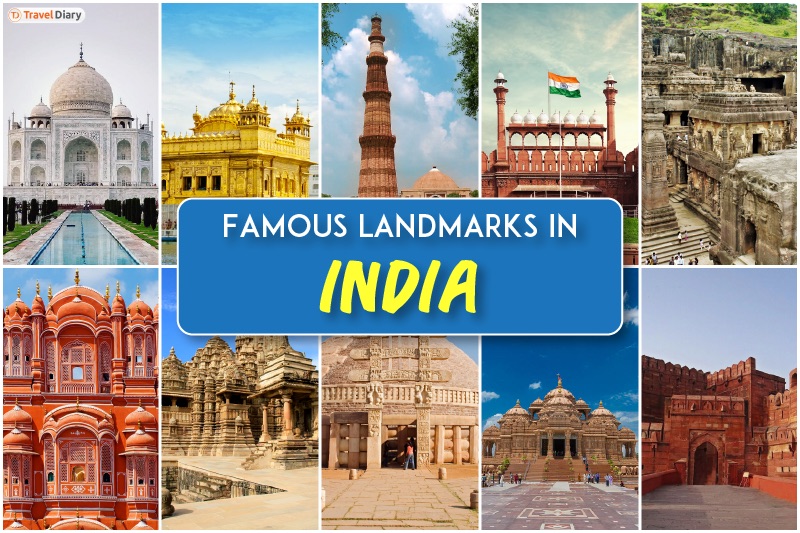
India presents an enormous array of historical sites, religious practices, and regional traditions. You can visit the ancient ruins of Hampi, the Mughal architecture of the Taj Mahal in Agra, the colonial buildings of Kolkata, or the desert forts of Rajasthan. Cities like Varanasi offer a profound look into Hindu spiritual life along the Ganges. Festivals like Diwali and Holi are major public events. The countrys history is layered, from ancient empires to independence movements, with distinct languages, cuisines, and dress varying every few hundred kilometers. Interacting with local communities, observing artisans, and participating in cooking classes provide direct cultural engagement.
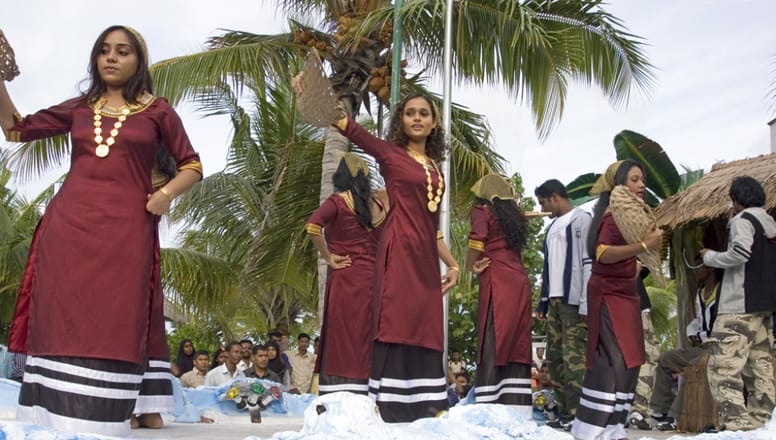
Maldives culture is rooted in island living, fishing, and a conservative Islamic heritage. The capital, Male, has a Grand Friday Mosque and a National Museum, but these are small scale compared to Indias offerings. Most cultural experiences are limited to local island guesthouses arranging short visits to fishing villages, local cooking demonstrations, or Bodu Beru drum performances. Resort islands are generally devoid of local culture, focusing instead on international luxury. While there is a quiet dignity to Maldivian life, it does not offer the same depth or variety of historical and cultural exploration as India. Tabiji verdict: India provides an unmatched depth of cultural and historical immersion.
- Winner: India
- Why: India offers an unparalleled scope of historical sites, religious diversity, and daily cultural interactions built over millennia.
- Who this matters for: History enthusiasts, spiritual seekers, cultural anthropologists, and those who want to understand human civilization.
🏖️ Beaches and Nature
India has significant natural diversity. Goa offers long stretches of sand like Palolem or Arambol, though some are heavily developed. Kerala has palm-fringed backwaters and…
India
Maldives
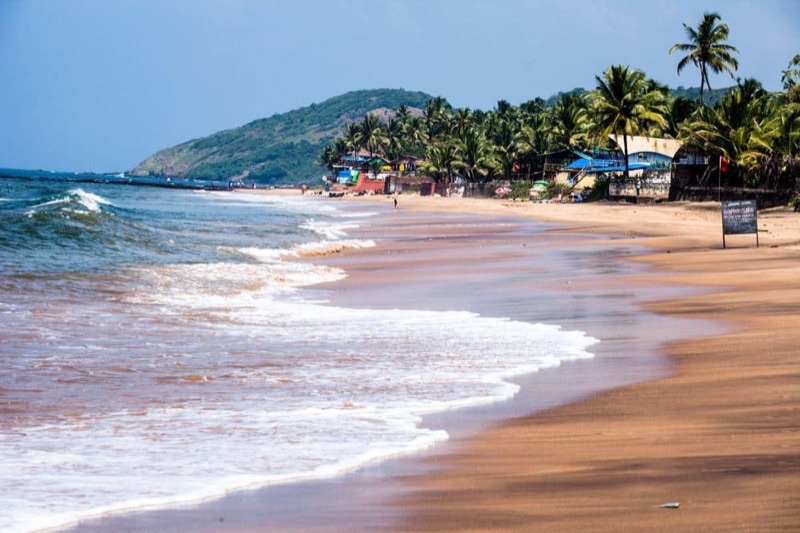
India has significant natural diversity. Goa offers long stretches of sand like Palolem or Arambol, though some are heavily developed. Kerala has palm-fringed backwaters and beaches like Kovalam. The Andaman and Nicobar Islands, like Radhanagar Beach on Havelock Island, provide clearer waters and quieter shores, but require additional travel. Beyond beaches, India has the Himalayan mountains, desert landscapes in Rajasthan, and wildlife sanctuaries like Ranthambore (tigers) and Periyar (elephants). However, pollution can be an issue in some coastal areas, and pristine, quiet stretches of beach are harder to find outside of remote islands.
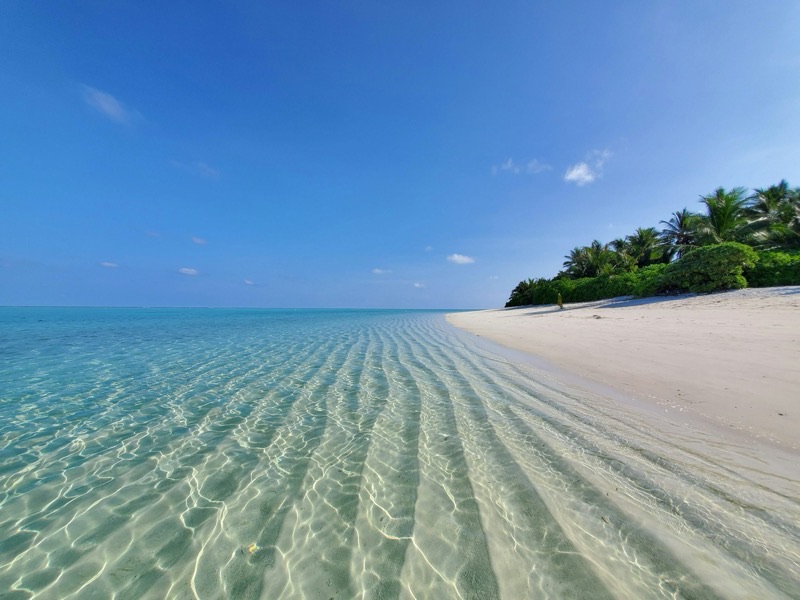
Maldives sets the standard for beaches and marine environments. Every resort island, and most local islands, feature soft white sand, calm turquoise lagoons, and immediate access to coral reefs teeming with fish, sharks, and rays. The water clarity is consistently exceptional. Activities are centered on snorkeling, diving, and boat trips to sandbanks. Resorts like Soneva Fani or Gili Lankanfushi are built directly over the water, offering direct access to the ocean from your room. While India has its natural spectacles, the Maldives provides an overwhelmingly consistent, high-quality beach and marine experience designed for relaxation and aquatic exploration. Tabiji verdict: Maldives wins for its truly exceptional and accessible ocean environment.
- Winner: Maldives
- Why: Maldives consistently offers superior beach quality, unparalleled marine life, and direct access to pristine ocean environments.
- Who this matters for: Snorkelers, divers, beach lovers, honeymooners, and anyone seeking postcard-perfect ocean scenery.
🍽️ Food Scene
India boasts one of the worlds richest and most varied food cultures. From the buttery parathas and fiery curries of North India to the dosas and idlis of the South, the seafood…
India
Maldives
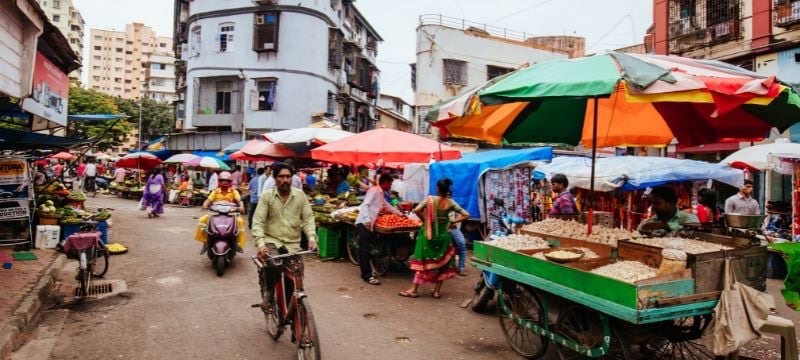
India boasts one of the worlds richest and most varied food cultures. From the buttery parathas and fiery curries of North India to the dosas and idlis of the South, the seafood of Goa, and the sweets of Bengal, every region offers a distinct culinary identity. Street food is a major attraction, with dishes like chaat, samosas, and pav bhaji available for 50-200 INR ($0.60-$2.40). Mid-range restaurants offer full thalis for 200-500 INR ($2.40-$6). Vegetarian and vegan options are abundant and integral to the cuisine. Cooking classes are popular, allowing you to learn authentic techniques. Hygiene can be a concern with street food, but choosing busy, reputable vendors minimizes risk.
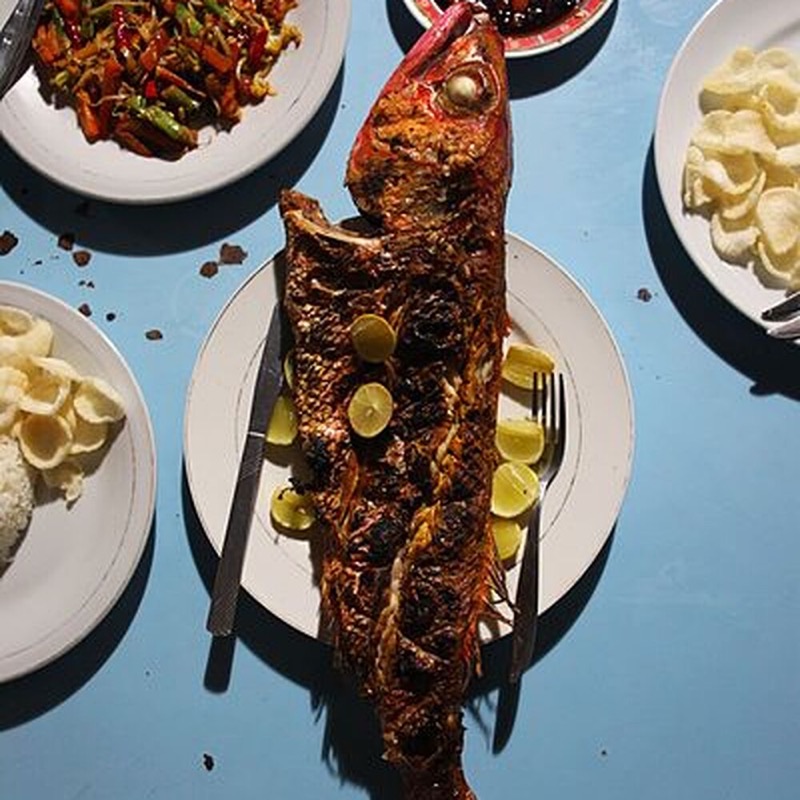
Maldivian cuisine, locally called Dhivehi cuisine, heavily relies on fish, particularly tuna. Staples include Garudhiya (clear fish broth), Mas Huni (shredded smoked tuna with coconut, onion, and chili), and various curries. On local islands like Maafushi, you can find small cafes serving these dishes for 150-300 MVR ($10-$20). Resort dining is predominantly international, with buffets and a la carte menus featuring Italian, Japanese, and Western dishes, often at high prices ($50-100+ per meal). While the local food has its appeal, it lacks the sheer diversity, accessibility, and affordability of Indias culinary landscape. Tabiji verdict: India provides a vast, inexpensive, and endlessly interesting food journey.
- Winner: India
- Why: India offers an unmatched diversity of flavors, regional specialties, and affordability across all dining types.
- Who this matters for: Foodies, adventurous eaters, vegetarians, budget travelers, and anyone who sees food as a key part of travel.
🚗 Getting Around
Getting around India requires patience and adaptability. The Indian Railways network is extensive and very affordable, though trains can be slow and often delayed. Sleeper class…

India
Maldives
Getting around India requires patience and adaptability. The Indian Railways network is extensive and very affordable, though trains can be slow and often delayed. Sleeper class journeys are an experience in themselves. Buses connect most towns and cities, ranging from basic local services to comfortable AC coaches. Auto-rickshaws and cycle-rickshaws are common for short distances, costing 50-200 INR ($0.60-$2.40) depending on negotiation. Ride-hailing apps like Ola and Uber are available in major cities. Domestic flights connect major hubs quickly but add to the cost. The sheer size of the country means long travel times between destinations.
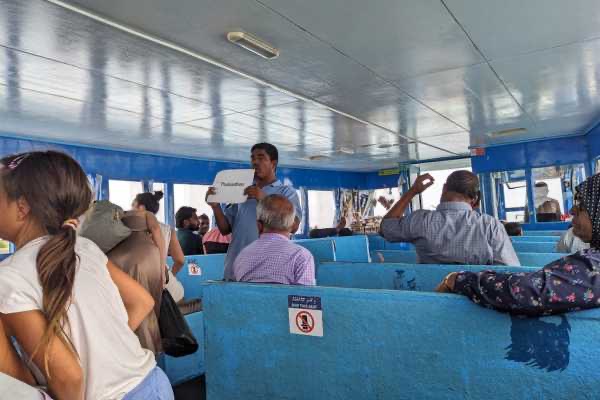
Maldives transport is dominated by water and air. Speedboats are the main mode of transfer between Male and local islands or nearby resorts, taking 20-90 minutes and costing $25-50. Seaplanes are used for transfers to more distant luxury resorts, providing scenic views but costing $300-600 round trip. Domestic flights connect Male to larger regional airports, from which more speedboats are taken. On individual islands, walking is the primary method, with some resorts offering buggies. While Maldivian transport is efficient for its purpose, it is highly specialized and expensive. Both countries offer functional transport, but for different scales and budgets. Tabiji verdict: Both countries provide fitting transport, but for different travel styles and budgets.
- Winner: Tie
- Why: Both offer suitable but vastly different transportation systems, one for scale and budget, the other for island hopping and luxury.
- Who this matters for: Budget travelers and those seeking immersive journeys in India; luxury seekers and island hoppers in Maldives.
🏨 Accommodation
India offers an incredibly diverse range of accommodation options. Hostels like Zostel or Moustache are prevalent in tourist hubs, costing 500-1000 INR ($6-$12) per night for a…
India offers an incredibly diverse range of accommodation options. Hostels like Zostel or Moustache are prevalent in tourist hubs, costing 500-1000 INR ($6-$12) per night for a dorm bed. Budget hotels and guesthouses are widely available for 1500-3000 INR ($18-$36). Mid-range travelers can enjoy boutique hotels or even stay in historic havelis (mansions) converted into hotels for 3000-6000 INR ($36-$72). Luxury hotels, including global chains and palaces, are available from 10,000 INR ($120) upwards. The selection is vast, catering to every budget and preference, often with a cultural element.
Maldives accommodation is split between local island guesthouses and private resort islands. Guesthouses on islands like Maafushi or Hulhumale offer basic but comfortable rooms for $70-150 per night. Resorts are the main draw, ranging from four-star family resorts to ultra-luxury private island retreats like Four Seasons Landaa Giraavaru or Waldorf Astoria Maldives Ithaafushi, which can cost $800-$3000+ per night. These resorts typically offer overwater bungalows or beach villas, private pools, and all-inclusive packages. While the resorts are iconic, the options outside of this luxury segment are limited and less varied than Indias offerings. Tabiji verdict: India provides a far greater range and affordability of accommodation styles.
- Winner: India
- Why: India has a broader spectrum of accommodation types at significantly lower prices, from budget hostels to grand heritage hotels.
- Who this matters for: All travelers, but especially those on a budget or seeking unique, culturally infused stays.
🚨 Safety and Logistics
Traveling in India requires a higher level of vigilance. Petty crime like pickpocketing is common in crowded areas, and scams targeting tourists, especially around popular sites…
Traveling in India requires a higher level of vigilance. Petty crime like pickpocketing is common in crowded areas, and scams targeting tourists, especially around popular sites or transport hubs, are frequent. Solo women travelers may face unwanted attention or harassment, necessitating careful planning and awareness of local customs regarding dress and interaction. Traffic is chaotic, and road safety can be a concern. However, with sensible precautions—using reputable transport, dressing modestly, and researching areas—most issues can be avoided. Navigating Indias bureaucracy or cultural nuances can be a learning curve.
Maldives is a very safe travel destination, particularly within the confines of resort islands where security is tight. Crime rates are low, and incidents involving tourists are rare. On local islands, the atmosphere is generally relaxed, and interactions with locals are respectful. The main logistical challenges involve booking the correct island transfers; once at your chosen island, operations run smoothly. Medical facilities are basic on local islands but better in Male and at some larger resorts. The relaxed environment means travelers can let their guard down more. Tabiji verdict: Maldives offers a significantly more relaxed and inherently safer travel environment.
- Winner: Maldives
- Why: Maldives provides a generally safer, more predictable, and less logistically demanding travel experience.
- Who this matters for: Families with young children, solo female travelers seeking peace of mind, and those who prefer a low-stress vacation.
🏄 Activities and Experiences
Indias range of activities is immense. You can trek in the Himalayas near Manali, explore ancient forts in Jaipur, take a spiritual journey in Rishikesh, or relax on the beaches…
Indias range of activities is immense. You can trek in the Himalayas near Manali, explore ancient forts in Jaipur, take a spiritual journey in Rishikesh, or relax on the beaches of Goa. Wildlife safaris in parks like Ranthambore offer chances to see tigers. Participate in cooking classes in Udaipur, learn yoga in Mysore, or witness grand religious ceremonies. Boat rides on the Ganges, camel safaris in the Thar Desert, and attending a Bollywood movie are all possibilities. Every region provides a distinct set of engagements, from bustling markets to quiet temples. The depth of experience is tied to cultural immersion.
Maldives activities are focused on the ocean and relaxation. Snorkeling directly from your villa or joining guided trips to vibrant reefs is a primary draw, as is scuba diving among diverse marine life. Water sports like jet-skiing, paddleboarding, and kayaking are common at resorts. Island hopping to nearby local islands or deserted sandbanks, sunset dolphin cruises, and fishing trips are popular. Many resorts offer extensive spa treatments and fine dining experiences. While the quality of these specific activities is high, the overall variety beyond water and relaxation is limited. Tabiji verdict: India provides a significantly broader spectrum of engaging activities and deep experiences.
- Winner: India
- Why: India offers an expansive and diverse array of activities catering to history, adventure, spiritual, and culinary interests.
- Who this matters for: Adventurous travelers, culture seekers, spiritual explorers, and those who want varied daily engagements.
🎉 Nightlife and Social Scene
India offers a diverse nightlife, heavily dependent on the city or region. Goa is famous for its beach shacks, full moon parties, and trance music scene, with places like Curlies…
India offers a diverse nightlife, heavily dependent on the city or region. Goa is famous for its beach shacks, full moon parties, and trance music scene, with places like Curlies or Shiva Valley operating late. Major cities like Mumbai, Bangalore, and Delhi have a range of pubs, bars, and clubs that cater to various tastes, from high-energy dance floors to relaxed lounges. Alcohol laws vary by state, and some regions have restrictions. Socializing with locals is common in bars and cafes, though cultural norms should be respected. Evenings can be spent exploring night markets, attending cultural performances, or simply enjoying street food.
Maldives nightlife is generally subdued and confined to resort properties. Most resorts have one or more bars offering cocktails, live music, or DJ sets. Some resorts host themed nights, beach parties, or outdoor movie screenings. However, the atmosphere is usually sophisticated and relaxed rather than high-energy. On local islands, alcohol is prohibited, and nightlife is limited to quiet cafes or evening strolls. There are no nightclubs or large public party scenes. For travelers seeking interaction or lively entertainment after dark, the options are minimal outside of a few specific resort offerings. Tabiji verdict: India provides a more varied and accessible nightlife, especially in its key party destinations.
- Winner: India
- Why: India offers a more accessible and diverse nightlife, particularly in its designated party zones and major cities.
- Who this matters for: Party-goers, solo travelers seeking social interaction, and those who enjoy vibrant evenings out.
☀️ Best Time to Visit
India's climate varies greatly by region. The best time to visit North India (Delhi, Rajasthan, Varanasi) is from October to March, when temperatures are pleasant (20-30°C). The…
India's climate varies greatly by region. The best time to visit North India (Delhi, Rajasthan, Varanasi) is from October to March, when temperatures are pleasant (20-30°C). The South (Kerala, Goa) is best from November to February, avoiding the intense heat and humidity. The monsoon season, typically from June to September, brings heavy rains across much of the country, making travel challenging in some areas due to flooding or road closures, though it can make the landscapes lush. Himalayan regions are best in summer (May-October) for trekking. Planning around specific regions is key.
Maldives has a tropical monsoon climate with two main seasons. The dry season, from December to April, offers consistent sunshine, calm seas, and minimal rain, making it the peak tourist period. Temperatures hover around 28-30°C. The wet season, from May to November, sees more rainfall and stronger winds, but showers are often brief, and sunshine is still plentiful. This period also brings better surfing conditions and lower prices. Both periods have their advantages depending on priorities. Neither country has a universally perfect travel window for all regions, requiring careful seasonal planning. Tabiji verdict: Both destinations require careful seasonal planning, depending on specific activities and regional variations.
- Winner: Tie
- Why: Both destinations have distinct peak and off-peak seasons, requiring travelers to align their visit with specific weather patterns or budget considerations.
- Who this matters for: Travelers with fixed vacation dates, surfers seeking waves (Maldives wet season), or budget travelers avoiding peak rates.
🎯 The Decision Framework
Choose India If…
- You crave ancient history and diverse religious sites.
- You want to eat incredible, inexpensive food every day.
- Your daily budget is under $100.
- You enjoy navigating complex travel logistics.
- You seek genuine, intense cultural interaction.
- You appreciate varied landscapes: mountains, deserts, beaches.
- You want a deep, transformative travel experience.
- You are comfortable with crowds and occasional chaos.
Choose Maldives If…
- You dream of pristine white sand beaches and clear water.
- Your priority is luxury and relaxation, not exploration.
- You love snorkeling or scuba diving with abundant marine life.
- You have a budget of $150+ per person per day.
- You prefer a quiet, low-stress, pampered vacation.
- You want to stay in an overwater bungalow or beach villa.
- You desire consistent warm weather and calm seas.
- You appreciate efficient, albeit expensive, island transfers.
📅 Sample Itineraries
Weekend in India (3 Days)
💡 Book Taj Mahal tickets online in advance to save time and avoid long queues, especially during peak season; it costs about $20 for foreigners.
Weekend in Maldives (3 Days)
💡 Stay on a local island like Maafushi for a budget-friendly experience, saving around $150 per night compared to a private resort island.
One Week in India (7 Days)
💡 Utilize the Indian Railways for intercity travel; booking sleeper class tickets for $10-20 can significantly save on accommodation costs for overnight journeys.
One Week in Maldives (7 Days)
💡 Pre-book transfers between islands via public ferry or speedboat to avoid higher last-minute costs and ensure availability, potentially saving up to $50 per trip.
❓ Frequently Asked Questions
Which destination is better for a honeymoon?
Maldives is generally favored for honeymoons due to its focus on luxury resorts, privacy, and romantic settings like overwater villas. Resorts cater specifically to couples with amenities like private dinners and couples spa treatments. India can offer unique honeymoon experiences like heritage stays in Rajasthan or a serene houseboat in Kerala, but it requires more planning and acceptance of cultural immersion over pure relaxation.
How long should I plan for a trip to each country?
For India, a minimum of 10-14 days is recommended to see a few key regions (e.g., Golden Triangle). To truly explore, 3-4 weeks is better. For Maldives, 5-7 days is usually sufficient to relax at a resort and enjoy water activities. Longer stays might lead to 'island fever' unless you plan to switch resorts or local islands.
What are the visa requirements for each?
For India, most nationalities require an e-Visa or a traditional visa, which must be obtained in advance. An e-Visa costs around $25-80 depending on nationality and validity. For Maldives, most nationalities receive a free 30-day visa on arrival, provided they have a valid passport, onward ticket, and confirmed accommodation. Always check specific requirements for your nationality before travel.
Is solo female travel safe in either country?
Maldives is generally very safe for solo female travelers, especially within resorts. On local islands, dressing modestly and respecting local customs is recommended. India requires a higher degree of caution and awareness for solo female travelers due to potential harassment and scams. Researching safe accommodations, dressing conservatively, and avoiding isolated areas at night are key strategies for a positive experience in India.
Can I combine a trip to India and Maldives?
Yes, it's a popular combination. Fly from a major Indian city (e.g., Mumbai, Bangalore, Chennai) to Velana International Airport (MLE) in Male, Maldives. Flight time is typically 2.5-4 hours direct, costing around $150-300 one-way. This allows you to experience Indias cultural depth followed by Maldives relaxation.
What is the primary language spoken?
In India, Hindi is the most widely spoken official language, but there are over 22 official languages and hundreds of dialects. English is also widely spoken, especially in urban areas and tourist centers. In Maldives, the official language is Dhivehi, but English is extensively used in tourist areas and resorts, making communication straightforward for international visitors.
What kind of clothing should I pack for each?
For India, pack modest, lightweight, loose-fitting clothing to respect local customs and for comfort in the heat. Long pants, skirts, and tops that cover shoulders are appropriate. For Maldives, light beachwear, swimsuits, and casual resort wear are fine. On local islands, women should cover shoulders and knees when outside resort grounds to respect local Islamic customs. A light jacket might be useful for air-conditioned spaces in both.
Are there good options for vegetarian travelers?
India is one of the best countries in the world for vegetarian travelers. Vegetarianism is widespread due to religious and cultural reasons, with countless delicious and diverse options available everywhere. Maldives also offers vegetarian dishes, especially in international resort restaurants, but the local cuisine is heavily fish-based, so choices on local islands might be more limited to basic curries or rice dishes.
Ready to plan your South Asia trip?
Get a free custom itinerary for India, Maldives, or both — built from real traveler insights.
👥 Travelers Also Compared
🎟️ Book Tours & Experiences
Hand-picked tours and activities for both destinations — book with free cancellation
Experiences via Viator — free cancellation on most tours